
Few things have influenced Japanese art and culture as deeply as the changing seasons. From delicate cherry blossoms in spring to snow-covered landscapes in winter, nature has long provided Japanese artists with a rich visual and emotional language. The four seasons in Japanese art and culture are more than beautiful scenery—they represent the passage of time, impermanence, tradition, and the changing rhythms of everyday life.
This deep appreciation for seasonality can be seen across Japanese painting, poetry, ceramics, gardens, textiles, festivals, food, and clothing. It is particularly beautiful in the traditional art of kimono and yukata, where flowers, plants, animals, colors, and landscapes can immediately suggest a particular time of year.
Spring: Cherry Blossoms and New Beginnings
Spring is perhaps the most recognizable season in Japanese culture. The arrival of cherry blossoms, or sakura, is celebrated throughout Japan with hanami, the tradition of gathering to enjoy the fleeting beauty of the blossoms.
Cherry blossoms have become one of the most important symbols in Japanese art because their brief appearance reflects the idea of impermanence. Their beauty is intense precisely because it does not last. This connection between beauty and transience is closely associated with mono no aware, a sensitivity to the temporary nature of things.
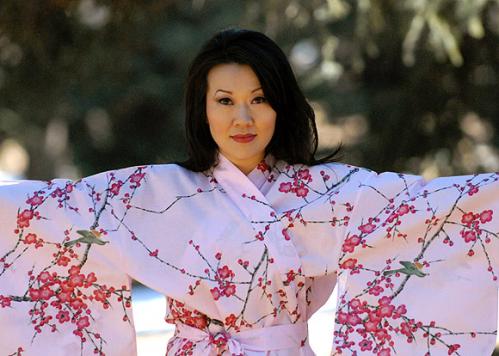
Spring imagery appears frequently in Japanese paintings, prints, poetry, and textiles. Plum blossoms, young grasses, birds, and flowering trees can all function as seasonal references. In Japanese kimono design, these motifs transform clothing into a wearable representation of the natural world.
Summer: Water, Flowers, and Festivals
Summer brings a completely different visual vocabulary. Lush greenery, flowing water, fireflies, morning glories, and seasonal flowers evoke the warmth and energy of the Japanese summer.
Summer is also the season most strongly associated with the yukata. Originally a casual cotton garment, the yukata became closely associated with summer festivals, fireworks displays, hot-spring towns, and relaxed seasonal dressing.
This makes a summer yukata more than simply an attractive garment. Its patterns and colors can evoke the atmosphere of the season itself. A lightweight cotton yukata decorated with natural imagery can feel like an extension of summer—cool, informal, and connected to the outdoors.
For those interested in bringing this tradition into a modern wardrobe, Kimono Shop offers a wide selection of Japanese kimono and yukata. Their collection includes designs such as The Four Seasons and The Seasons, which provide a particularly fitting connection to the longstanding Japanese tradition of expressing nature through textiles.
Autumn: Maple Leaves and the Beauty of Change
If spring represents renewal, autumn often represents reflection. The changing colors of maple leaves (momiji), pampas grass, chrysanthemums, and the harvest moon are among the most familiar symbols of autumn in Japanese art.
Autumn has traditionally inspired poetry and visual art because it captures the bittersweet beauty of change. The falling leaf is beautiful, but it also reminds us that summer has passed and winter is approaching.
This awareness of seasonal transition is a defining feature of Japanese aesthetics. Rather than attempting to preserve nature permanently, Japanese art often celebrates it precisely because it changes.
The Metropolitan Museum of Art notes that seasonal imagery became deeply embedded across Japanese painting and decorative arts, with seasonal flowers, plants, and landscapes appearing not only in paintings but also in kimonos, lacquerware, and ceramics.
Winter: Snow, Stillness, and Simplicity
Winter provides perhaps the most minimalist seasonal imagery in Japanese art. Snow-covered mountains, bare branches, bamboo, evergreen plants, and quiet landscapes create a sense of stillness.
Where spring and summer can be represented through abundance and color, winter is often associated with simplicity and restraint. Snow can transform a familiar landscape into something almost abstract, emphasizing empty space and subtle variations in tone.
This ability to communicate an entire season through just a few carefully selected details is one of the hallmarks of Japanese art. A single snow-covered branch may be enough to establish the time of year.
The Four Seasons as a Cultural Language
The remarkable thing about the four seasons in Japanese culture is how much meaning can be communicated through a small number of recognizable images. A cherry blossom can suggest spring. Maple leaves can signal autumn. Snow can immediately establish winter.
This seasonal vocabulary developed over centuries through poetry and the visual arts. The tradition became particularly influential during the Heian period (794–1185), and seasonal subjects eventually spread into painting, textiles, gardens, ceremonies, food, and other forms of cultural expression.
Japanese artists even developed compositions that show all four seasons within a single landscape. In these works, the viewer may see blossoms on one side, lush summer vegetation in another area, autumn foliage farther along, and snow-covered mountains completing the cycle. The landscape effectively becomes a visual journey through time.
Seasonal Beauty You Can Wear
One of the most fascinating aspects of Japanese seasonal art is that it isn’t confined to museums. It can be experienced through everyday objects—including clothing.
Kimono and yukata have long provided artists with an opportunity to translate nature into patterns, colors, and textiles. Contemporary research into kimono design continues to emphasize the relationship between Japanese clothing, seasonal imagery, and the country’s appreciation of nature.
That makes designs such as KimonoShop’s The Four Seasons and The Seasons especially appropriate when thinking about the relationship between Japanese clothing and seasonal art. Rather than viewing a yukata simply as a robe or summer garment, it can be appreciated as part of a much older artistic tradition: wearing nature as a visual story.
Whether displayed as textile art or worn as clothing, a beautifully designed yukata can bring the atmosphere of Japan’s changing seasons into contemporary life.
A Tradition That Continues
The four seasons remain one of the most enduring themes in Japanese art and culture. Their influence can be found in ancient poetry, classical screens, ukiyo-e prints, gardens, ceramics, festivals, food, kimono, and modern design.
At the heart of this tradition is a simple idea: beauty changes. Spring becomes summer, summer becomes autumn, and autumn becomes winter. Each season has its own character, and each is beautiful partly because it will eventually give way to the next.
That philosophy helps explain why seasonal imagery continues to resonate so strongly today. Japanese art does not merely depict nature—it invites us to notice it, appreciate it, and recognize our own place within its changing cycle.
A yukata inspired by the seasons therefore represents more than Japanese fashion. It connects contemporary style with a centuries-old appreciation of nature, time, and the quiet beauty of change.
Leave a Reply