Tag: yukata

  • Who Wears a Kimono?

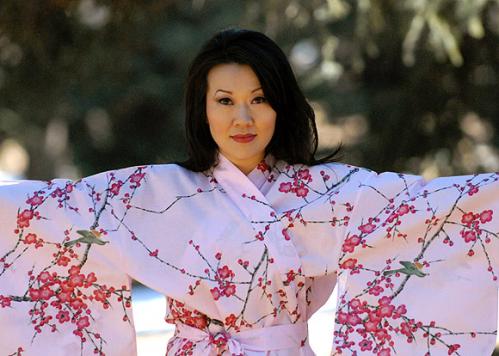
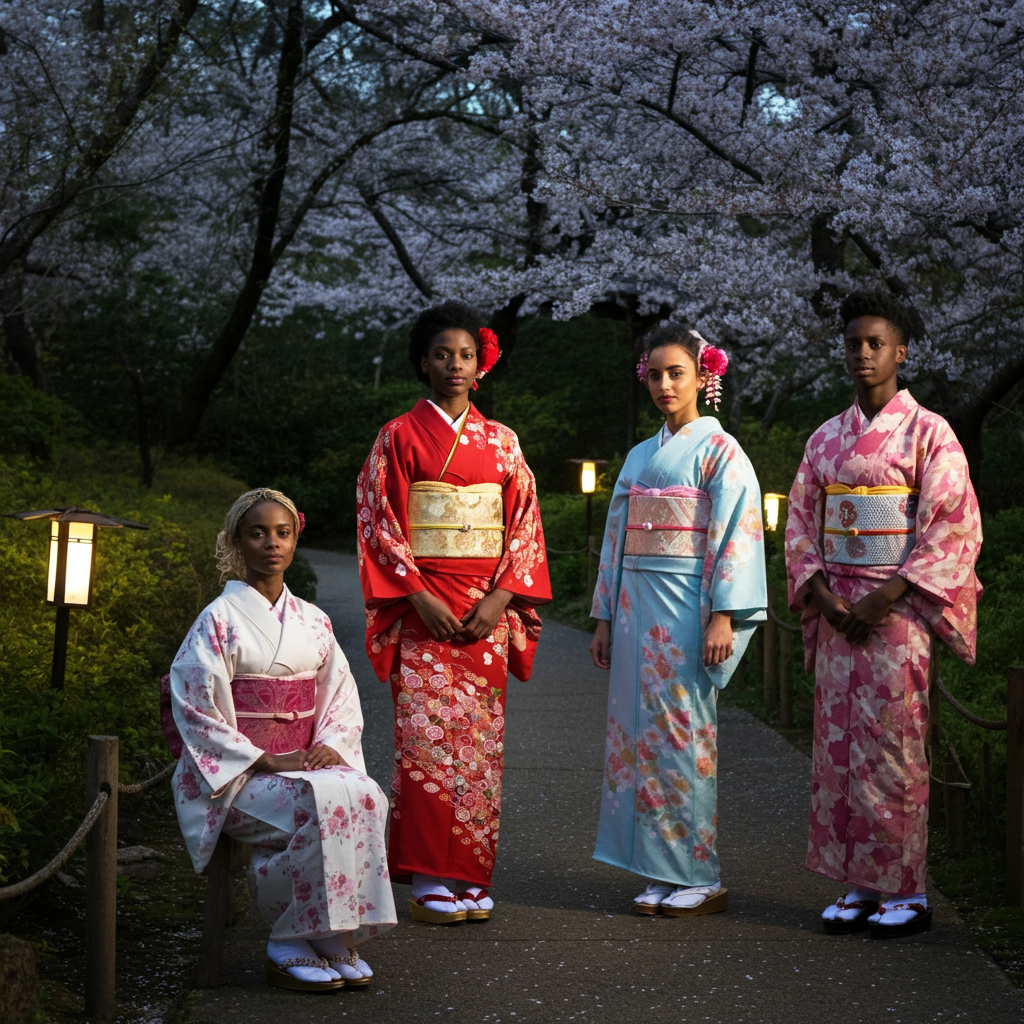
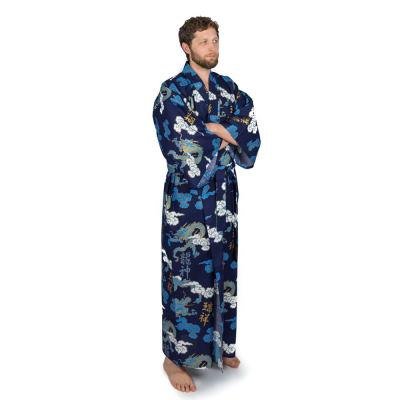
    When you think of a kimono, you might picture an elegant Japanese garment worn for a traditional ceremony. But today, the appeal of the kimono reaches far beyond formal occasions. From weddings and festivals to parties, special events, and quiet mornings at home, people in the USA are embracing the beauty, comfort, and versatility of the kimono and yukata.

    So, who wears a kimono? The answer is simple: anyone who appreciates beauty, comfort, tradition, and a little everyday luxury.

    Kimonos for Ceremonies and Special Occasions

    The kimono has a long history as an important part of Japanese culture and ceremonial dress. Traditional Japanese kimonos can be worn for weddings, coming-of-age celebrations, tea ceremonies, cultural events, and other significant occasions.

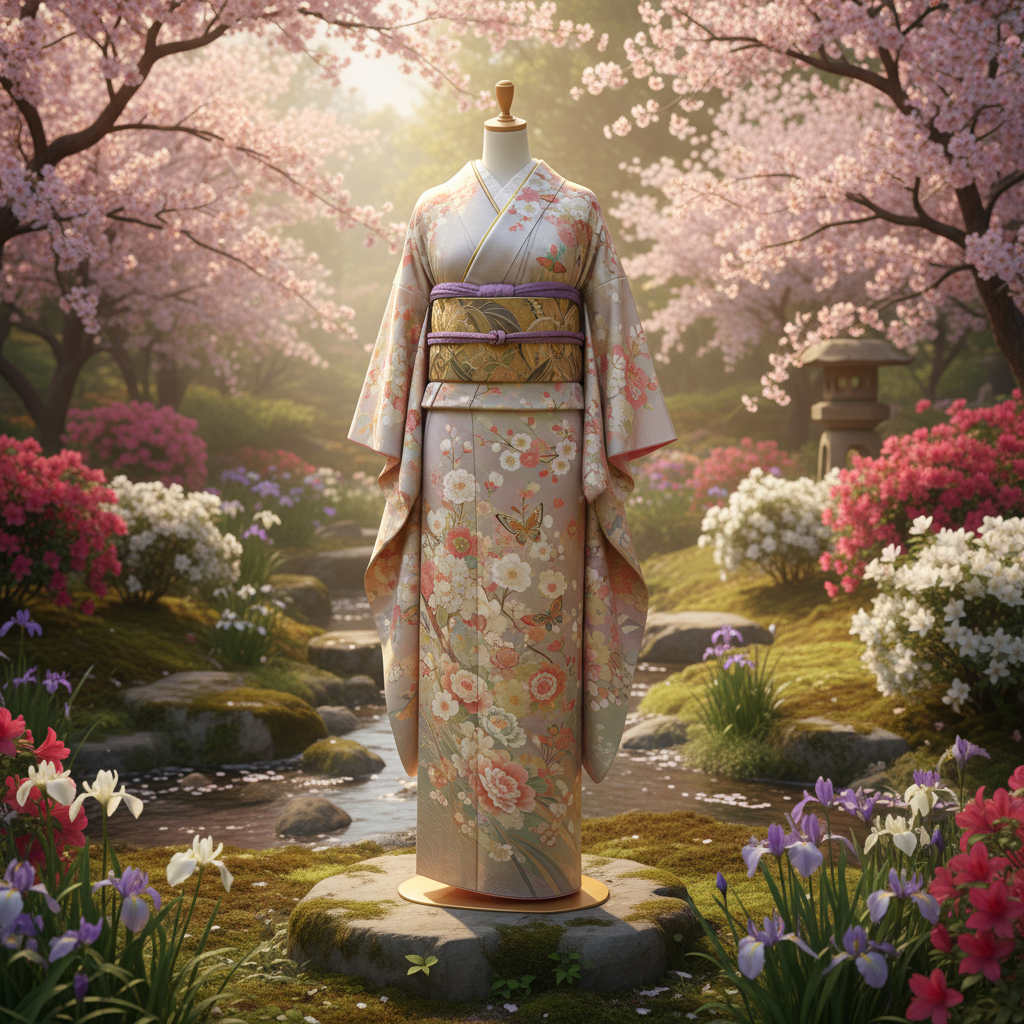
    Their flowing silhouettes, beautiful fabrics, and intricate patterns make them naturally suited to moments when you want to feel special. Floral motifs, cranes, fans, waves, and other traditional Japanese designs can add symbolism as well as visual beauty.

    For Americans attending Japanese cultural celebrations or simply looking for something distinctive to wear to a special gathering, a kimono-inspired look can provide an elegant alternative to conventional Western clothing.

    Kimonos for Parties and Events

    You don’t need a formal ceremony to enjoy wearing a kimono.

    A lightweight yukata or contemporary kimono makes a memorable choice for parties, dinners, vacations, garden gatherings, and celebrations. The relaxed shape is comfortable enough for hours of socializing, while the dramatic sleeves and beautiful patterns create an effortless statement.

    A kimono can also be layered over a simple dress, jeans, leggings, or other everyday clothing. This makes it surprisingly versatile. One beautiful kimono can transform an otherwise simple outfit into something expressive and sophisticated.

    For hosts, guests, and anyone who enjoys entertaining, a colorful Japanese robe can also bring an unmistakable sense of occasion to a gathering.

    Kimonos and Yukata at Festivals

    Japanese festivals are another natural setting for kimono and yukata.

    The yukata is a lighter, more casual Japanese garment traditionally associated with summer and festivals. Its breathable feel and relaxed construction make it especially appealing during warm-weather celebrations.

    Today, you don’t have to travel to Japan to enjoy festival-inspired fashion. Japanese cultural festivals, anime conventions, international celebrations, and summer events throughout the USA provide opportunities to wear a yukata or kimono-inspired garment.

    The vibrant colors and distinctive patterns also make these garments popular for photographs. A beautiful kimono can become part of the experience rather than simply something you wear.

    The Kimono at Home: Luxury Loungewear

    Perhaps one of the most enjoyable places to wear a kimono is somewhere much less formal: home.

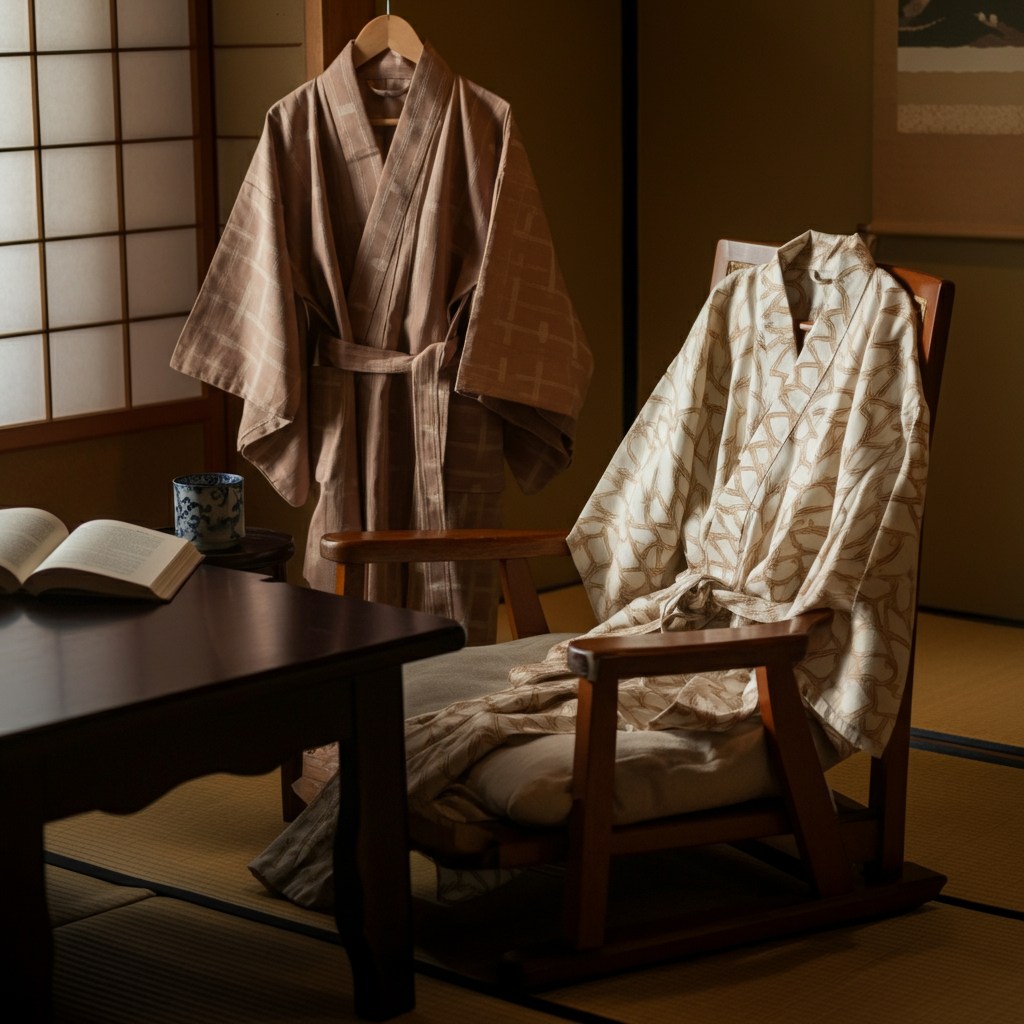
    In the USA, kimonos and yukata have become increasingly appealing as loungewear because they combine comfort with an elevated sense of personal style. Instead of reaching for an ordinary robe, imagine wrapping yourself in a beautiful Japanese-inspired garment while enjoying your morning coffee, reading a book, relaxing after work, or getting ready for bed.

    This is where the concept of Zen-inspired living comes into the picture.

    A beautiful kimono encourages you to slow down and appreciate small moments. Its flowing shape doesn’t feel restrictive, while the colors and patterns can bring an artistic element into everyday life.

    It transforms an ordinary routine into something that feels intentional.

    Why Are Kimonos So Popular as Loungewear in America?

    American lifestyles increasingly embrace the idea that comfort and luxury don’t have to be opposites.

    Traditional robes can be practical, but a kimono or yukata can make lounging feel more beautiful. The generous fit provides freedom of movement, while soft fabrics and flowing silhouettes create a comfortable layer for relaxing around the house.

    There is also an emotional appeal.

    A kimono can make you feel great. Putting one on can create a small transition between the busy outside world and the peaceful environment of home. It can feel luxurious without requiring a formal occasion.

    For many Americans, that combination of comfort, beauty, and mindfulness is part of the attraction.

    Zen Inspired Living™ and Everyday Luxury

    The popularity of kimono-style loungewear reflects a broader interest in creating peaceful, beautiful spaces and rituals at home.

    Zen-inspired living doesn’t have to mean completely changing your lifestyle. Sometimes it is simply about being more intentional with everyday experiences.

    Pouring tea into your favorite cup. Lighting a candle. Reading quietly. Taking a few minutes away from your phone. Or slipping into a beautiful kimono at the end of the day.

    These small rituals can make ordinary moments feel special.

    A kimono fits naturally into this philosophy because it is both functional and beautiful. It isn’t simply something to put on—it can become part of a relaxing daily ritual.

    Who Can Wear a Kimono?

    There is no single type of person who wears a kimono.

    You might wear one for a Japanese festival, a cultural celebration, a party, or a special event. You might choose a yukata for a summer gathering. Or you might wear your favorite kimono every morning simply because it makes you feel comfortable and beautiful.

    For some, the attraction is Japanese culture and craftsmanship. For others, it is fashion. For others, it is the comfort of luxurious loungewear and the desire to bring more peace and beauty into everyday life.

    And that’s what makes the kimono so appealing in America today.

    A Kimono for Every Moment

    The modern kimono can move effortlessly between occasions. It can be elegant enough for a celebration, colorful enough for a festival, stylish enough for a party, and comfortable enough for a quiet evening at home.

    Most importantly, you don’t need a special reason to wear one.

    Sometimes the best reason is simply that you want to feel good.

    Whether you are discovering Japanese-inspired fashion for the first time or already love the comfort and beauty of a yukata, a kimono offers a wonderful way to introduce a little Zen Inspired Living™ and everyday luxury into your life.

    At Kimonoshop.com, the kimono isn’t limited to the extraordinary. It can be part of the everyday—worn for celebrations, shared with friends, enjoyed at festivals, or simply wrapped around you while relaxing at home.

    Because feeling comfortable, beautiful, and relaxed is always a good occasion.
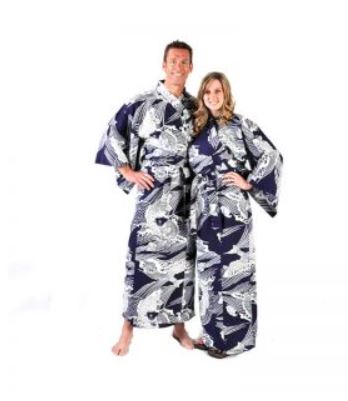
    Man and woman wearing a kimono
    Blue Koi Yukata
  • The Four Seasons in Japanese Art and Culture

    Few things have influenced Japanese art and culture as deeply as the changing seasons. From delicate cherry blossoms in spring to snow-covered landscapes in winter, nature has long provided Japanese artists with a rich visual and emotional language. The four seasons in Japanese art and culture are more than beautiful scenery—they represent the passage of time, impermanence, tradition, and the changing rhythms of everyday life.

    This deep appreciation for seasonality can be seen across Japanese painting, poetry, ceramics, gardens, textiles, festivals, food, and clothing. It is particularly beautiful in the traditional art of kimono and yukata, where flowers, plants, animals, colors, and landscapes can immediately suggest a particular time of year.

    Spring: Cherry Blossoms and New Beginnings

    Spring is perhaps the most recognizable season in Japanese culture. The arrival of cherry blossoms, or sakura, is celebrated throughout Japan with hanami, the tradition of gathering to enjoy the fleeting beauty of the blossoms.

    Cherry blossoms have become one of the most important symbols in Japanese art because their brief appearance reflects the idea of impermanence. Their beauty is intense precisely because it does not last. This connection between beauty and transience is closely associated with mono no aware, a sensitivity to the temporary nature of things.

    Spring imagery appears frequently in Japanese paintings, prints, poetry, and textiles. Plum blossoms, young grasses, birds, and flowering trees can all function as seasonal references. In Japanese kimono design, these motifs transform clothing into a wearable representation of the natural world.

    Summer: Water, Flowers, and Festivals

    Summer brings a completely different visual vocabulary. Lush greenery, flowing water, fireflies, morning glories, and seasonal flowers evoke the warmth and energy of the Japanese summer.

    Summer is also the season most strongly associated with the yukata. Originally a casual cotton garment, the yukata became closely associated with summer festivals, fireworks displays, hot-spring towns, and relaxed seasonal dressing.

    This makes a summer yukata more than simply an attractive garment. Its patterns and colors can evoke the atmosphere of the season itself. A lightweight cotton yukata decorated with natural imagery can feel like an extension of summer—cool, informal, and connected to the outdoors.

    For those interested in bringing this tradition into a modern wardrobe, Kimono Shop offers a wide selection of Japanese kimono and yukata. Their collection includes designs such as The Four Seasons and The Seasons, which provide a particularly fitting connection to the longstanding Japanese tradition of expressing nature through textiles.

    Autumn: Maple Leaves and the Beauty of Change

    If spring represents renewal, autumn often represents reflection. The changing colors of maple leaves (momiji), pampas grass, chrysanthemums, and the harvest moon are among the most familiar symbols of autumn in Japanese art.

    Autumn has traditionally inspired poetry and visual art because it captures the bittersweet beauty of change. The falling leaf is beautiful, but it also reminds us that summer has passed and winter is approaching.

    This awareness of seasonal transition is a defining feature of Japanese aesthetics. Rather than attempting to preserve nature permanently, Japanese art often celebrates it precisely because it changes.

    The Metropolitan Museum of Art notes that seasonal imagery became deeply embedded across Japanese painting and decorative arts, with seasonal flowers, plants, and landscapes appearing not only in paintings but also in kimonos, lacquerware, and ceramics.

    Winter: Snow, Stillness, and Simplicity

    Winter provides perhaps the most minimalist seasonal imagery in Japanese art. Snow-covered mountains, bare branches, bamboo, evergreen plants, and quiet landscapes create a sense of stillness.

    Where spring and summer can be represented through abundance and color, winter is often associated with simplicity and restraint. Snow can transform a familiar landscape into something almost abstract, emphasizing empty space and subtle variations in tone.

    This ability to communicate an entire season through just a few carefully selected details is one of the hallmarks of Japanese art. A single snow-covered branch may be enough to establish the time of year.

    The Four Seasons as a Cultural Language

    The remarkable thing about the four seasons in Japanese culture is how much meaning can be communicated through a small number of recognizable images. A cherry blossom can suggest spring. Maple leaves can signal autumn. Snow can immediately establish winter.

    This seasonal vocabulary developed over centuries through poetry and the visual arts. The tradition became particularly influential during the Heian period (794–1185), and seasonal subjects eventually spread into painting, textiles, gardens, ceremonies, food, and other forms of cultural expression.

    Japanese artists even developed compositions that show all four seasons within a single landscape. In these works, the viewer may see blossoms on one side, lush summer vegetation in another area, autumn foliage farther along, and snow-covered mountains completing the cycle. The landscape effectively becomes a visual journey through time.

    Seasonal Beauty You Can Wear

    One of the most fascinating aspects of Japanese seasonal art is that it isn’t confined to museums. It can be experienced through everyday objects—including clothing.

    Kimono and yukata have long provided artists with an opportunity to translate nature into patterns, colors, and textiles. Contemporary research into kimono design continues to emphasize the relationship between Japanese clothing, seasonal imagery, and the country’s appreciation of nature.

    That makes designs such as KimonoShop’s The Four Seasons and The Seasons especially appropriate when thinking about the relationship between Japanese clothing and seasonal art. Rather than viewing a yukata simply as a robe or summer garment, it can be appreciated as part of a much older artistic tradition: wearing nature as a visual story.

    Whether displayed as textile art or worn as clothing, a beautifully designed yukata can bring the atmosphere of Japan’s changing seasons into contemporary life.

    A Tradition That Continues

    The four seasons remain one of the most enduring themes in Japanese art and culture. Their influence can be found in ancient poetry, classical screens, ukiyo-e prints, gardens, ceramics, festivals, food, kimono, and modern design.

    At the heart of this tradition is a simple idea: beauty changes. Spring becomes summer, summer becomes autumn, and autumn becomes winter. Each season has its own character, and each is beautiful partly because it will eventually give way to the next.

    That philosophy helps explain why seasonal imagery continues to resonate so strongly today. Japanese art does not merely depict nature—it invites us to notice it, appreciate it, and recognize our own place within its changing cycle.

    A yukata inspired by the seasons therefore represents more than Japanese fashion. It connects contemporary style with a centuries-old appreciation of nature, time, and the quiet beauty of change.

    womens pink cherry blossom yukata from kimonoshop.com
    Pink Cherry Blossom Yukata
  • Why Buying a Kimono From an Employee-Owned Shop Matters

    Quick answer: Buying a kimono from an employee-owned shop means dealing with staff who hold a real stake in the company. That ownership inspires them to offer quality garments at fair prices, deliver attentive service, resolve issues quickly, and truly listen to what you need.

    There’s a quiet magic in slipping into a beautifully made kimono—the softness of cotton, the artistry of each pattern, the sense of tradition woven into every thread. But the place you buy it from shapes that experience just as much as the garment itself. When you choose an employee-owned kimono shop, you’re welcomed by people who care deeply about getting it right, because their success is tied to yours.

    Below, we explore why employee ownership makes such a meaningful difference, and how it elevates your entire shopping experience.

    What does employee ownership actually mean?

    Employee ownership is a business model where the people who work for a company also hold a stake in it. Instead of answering only to distant shareholders, employee-owners share directly in the company’s success. According to insight6, employee-owned businesses are 8–12% more productive than their non-owned peers, and they tend to invest more in their people, their craft, and their customers.

    For a kimono shop, this structure changes everything. The person helping you choose between a vibrant yukata and an elegant happi coat isn’t just an employee—they’re an owner with genuine pride in the garments they offer.

    How does employee ownership improve quality and pricing?

    When staff have a personal stake in the company, they’re motivated to protect its reputation. That means curating quality merchandise—rich fabrics, authentic patterns, and thoughtful craftsmanship—rather than cutting corners.

    Fair pricing follows naturally. Employee-owners want lasting relationships with their customers, not one-time sales. As research from Share Council notes, ownership encourages employees to see themselves as co-owners of the entire customer experience, which inspires honesty and care at every step.

    Why is the customer service better at employee-owned shops?

    The connection between happy employees and happy customers is well documented. Research shows that businesses with high employee engagement consistently report higher customer satisfaction scores. Employee-owners go the extra mile because they feel a true sense of accountability.

    Here’s how that shows up when you shop:

    • Attentive guidance: Owners take time to help you find the perfect size, style, and pattern.
    • Quick problem-solving: Concerns about sizing, shipping, or fit are handled swiftly and personally.
    • A welcoming experience: Staff aim to make every interaction warm, smooth, and memorable.

    Do employee-owned shops really listen to customers?

    Yes—and this is one of their greatest strengths. Share Council highlights that ownership deepens employees’ empathy for customer needs, encouraging authentic, meaningful interactions that make people feel valued.

    Employee-owners actively gather feedback and act on it. If customers want a wider range of sizes or new seasonal styles, owners are quick to respond. This commitment to continuous improvement means the shop grows alongside the community it serves.

    Choosing tradition, craftsmanship, and care

    When you buy a kimono from an employee-owned shop, you’re not simply purchasing a garment—you’re joining a shared celebration of tradition, quality, and genuine human care. Every owner you meet is invested in your satisfaction, from the moment you browse to the day your kimono arrives at your door.

    Ready to experience the difference? Explore our collection and discover what it feels like to be welcomed by people who truly care.

    Frequently asked questions

    What is an employee-owned company?
    An employee-owned company is a business where staff hold a meaningful stake in the company. This gives them a direct interest in its success, motivating better service, quality, and customer care.

    Why are kimonos better when bought from an employee-owned shop?
    Employee-owners are personally invested in quality and reputation. They tend to offer authentic, well-crafted garments at fair prices, along with attentive, knowledgeable service.

    Are employee-owned shops more expensive?
    Not necessarily. Because employee-owners value long-term relationships over quick profits, they’re often committed to fair, transparent pricing.

    How does employee ownership affect customer service?
    Employee-owners feel accountable for every customer interaction. This leads to faster problem-solving, more personalized guidance, and a warmer overall experience, supported by research linking employee engagement to higher customer satisfaction.

    The employee-owned Kimono Shop offers better service, selection, and pricing than traditional stores.
    Employee-owners have an incentive to provide great products and service.

  • The Timeless Elegance of Kimonos: A Guide to Choosing the Perfect One

    The kimono stands out as a garment of striking beauty and deep cultural meaning. Originating in Japan, this iconic robe has captured the admiration of fashion enthusiasts and comfort-seekers worldwide. With its straight seams, wide sleeves, and vibrant patterns, the garment commands attention while offering an incredibly comfortable fit.

    Adding a kimono to your wardrobe is an exciting choice, but the variety of options can feel overwhelming. Understanding the history, different styles, and materials available is essential to finding a piece that fits your lifestyle. This guide will walk you through everything you need to know to select a garment you will cherish for years to come.

    History and Cultural Significance

    The word “kimono” translates simply to “something to wear.” While the term is straightforward, the garment’s history is incredibly rich. Evolving significantly during the Heian period (794–1185), the straight-cut method of making clothes allowed makers to accommodate various body shapes and weather conditions.

    Over the centuries, the kimono transformed from everyday attire to a cherished symbol of tradition and artistry. Patterns, colors, and fabrics began to reflect a wearer’s social status, marital status, and even the season or occasion. Today, while modern fashion trends have changed daily dress in Japan, the kimono remains a centerpiece for ceremonies, celebrations, and cultural events, reminding us of its timeless importance.

    Different Styles for Every Occasion

    There is a kimono for every milestone and moment. The furisode, with its long, swinging sleeves, is commonly worn by young, unmarried women at special events like coming-of-age ceremonies. The elegant tomesode, with shorter sleeves, is reserved for married women and often features intricate designs on the lower half. The yukata, made from lightweight cotton, is perfect for summer festivals and relaxation at home, offering a casual and breezy alternative.

    Men’s kimonos are known for their subtle design, usually featuring subdued colors and family crests. Formal occasions may call for the addition of a haori (a hip- or thigh-length jacket) and hakama (traditional pleated trousers).

    How to Choose Your Perfect Kimono

    Choosing a kimono begins with understanding your needs. Think about the occasion—are you dressing for a wedding, a tea ceremony, a festival, or simply for casual comfort at home? Consider color and fabric: silk is luxurious and beautiful for formal events, while cotton or synthetic blends are both practical and stylish for everyday wear.

    Look for patterns and motifs that speak to you. Traditional designs often feature nature, such as cherry blossoms or cranes, each carrying its own symbolism of luck, longevity, or beauty. When in doubt, classic styles and subtle shades create a timeless look.

    Why Choose Kimono Shop?

    At Kimono Shop, authenticity and quality are at the heart of our collection. We offer a wide range of kimonos to suit every occasion and personal style, from elegant, hand-crafted pieces to easy-to-wear modern designs. Our knowledgeable staff can help you find the perfect fit, ensuring you feel confident and comfortable.

    Care Tips for Your Kimono

    To keep your kimono looking its best for years, follow a few simple care tips. Store it in a cool, dry place away from direct sunlight to prevent colors from fading. When not in use, fold it neatly or hang it with a special kimono hanger to maintain its shape. For silk kimonos, consider professional cleaning or gentle hand-washing for delicate items.

    Conclusion

    No matter your personal style or the occasion, embracing a kimono is a way to celebrate culture, craftsmanship, and beauty. Whether you’re wearing one for a special event or simply savoring comfort at home, each kimono tells a unique story—one that intertwines tradition with your own journey.

    Ready to find your perfect kimono? Explore the Kimono Shop collection and discover the elegance that has captivated generations.

  • Why Buying a Kimono or Yukata From a US Retailer Is the Smarter Choice

    When you shop for a Japanese kimono or yukata online, the seller matters as much as the robe itself. Many buyers assume ordering direct from an overseas dealer is the best way to get authentic Japanese robes. In practice, that route can bring extra costs, slow delivery, confusing return policies, and customer service challenges.

    Buying from a US-based retailer like Kimono Shop gives you a much easier experience from start to finish. You still get high-quality Japanese kimono and yukata, but without the stress that often comes with international orders.

    In this post, you’ll learn:

    • Why buying from a US kimono retailer can save you money
    • How faster shipping and simpler returns make a big difference
    • Why Kimono Shop offers more peace of mind than an overseas seller

    The Hidden Challenges of Buying a Kimono From an Overseas Dealer

    Ordering from another country can sound appealing at first. You may think you are getting closer to the source. But many shoppers discover that international buying comes with surprises.

    Common issues include:

    • Customs delays
    • Duties, tariffs, or import-related charges
    • Long shipping times
    • High return shipping costs
    • Language barriers when asking questions
    • Unclear business reputation or service standards

    These problems can turn a simple purchase into a frustrating one. Even if the item looks great online, the full buying experience may be far less convenient than expected.

    Key takeaway: Buying overseas may seem direct, but it often adds risk, delay, and extra expense.

    Why a US-Based Kimono Retailer Offers More Value

    A domestic retailer removes many of the problems that come with international ordering. You get a smoother process, more support, and fewer surprises.

    Kimono Shop has been serving customers online for over 30 years. As a US-based direct importer, Kimono Shop brings authentic Japanese robes into the country and handles the hard part for you. That means you can shop with more confidence and less hassle.

    No Customs, Duties, or Tariff Surprises

    One of the biggest benefits of buying from Kimono Shop is simple: there are no customs forms, duties, tariffs, or import headaches for you to deal with.

    When you place an international order yourself, extra charges can show up after checkout. A package may be held in transit. You may need to track down paperwork or pay fees before delivery. That can add cost and stress to what should be an enjoyable purchase.

    Kimono Shop takes care of that process as a direct importer. The work has already been done before the kimono or yukata reaches you.

    What that means for you:

    • No surprise import fees
    • No customs clearance issues
    • No added paperwork
    • No uncertainty about what your total cost will be

    Bottom line: The price you see is easier to trust when you buy from a US-based source.

    Fast Shipping From a US Facility

    Speed matters, especially when you are buying a kimono or yukata for a gift, an event, a spa day, lounging at home, or personal use. Overseas orders can take much longer than expected. Delays at customs or in international transit can push delivery back even further.

    Kimono Shop keeps robes in stock at a US facility. That means orders can be processed and shipped quickly, without waiting for international handling.

    This gives you several clear advantages:

    • Faster order fulfillment
    • Quicker delivery times
    • Better tracking visibility
    • More confidence when ordering for a deadline

    Consider this example: if you need a yukata for an upcoming celebration, waiting on an overseas shipment can be risky. A US-based seller with in-stock inventory gives you a much better chance of getting your order on time.

    In short, In-stock inventory in the US means less waiting and more certainty.

    Easier, Lower-Cost Returns

    Returns are one of the biggest differences between buying domestic and buying overseas. Even when a retailer accepts returns, sending a robe back to another country can be expensive and time-consuming.

    You may face:

    • High international return postage
    • Customs forms
    • Delivery delays
    • Limited tracking
    • Confusing return instructions

    With Kimono Shop, returns are far more manageable because the return address is in the United States. If the fit is not right or the style is not what you expected, the return process is much simpler and often much less expensive.

    That matters because apparel purchases are personal. Sometimes you need to see the fabric, try the fit, or compare a style in person before making your final decision.

    Why Domestic Returns Reduce Stress

    A domestic return gives you practical benefits that shoppers appreciate right away:

    • Lower shipping cost compared with overseas return shipping
    • Faster delivery to the return destination
    • Simpler mailing process
    • Easier communication if you need help

    Instead of worrying about sending a package across borders, you can handle your return in a familiar, straightforward way.

    Mini-summary: A US return process saves money, cuts hassle, and makes the purchase feel safer.

    Better Customer Service in English

    Good customer service matters before and after the sale. You may have questions about sizing, fabric, sleeve length, care, or the difference between a kimono and a yukata. Clear answers help you buy with confidence.

    When dealing with an overseas seller, communication can be harder than expected. Time zone differences can slow replies. Language differences can make details less clear. Even simple questions may take several messages to resolve.

    Kimono Shop offers English-speaking customer support, which makes the process easier from the start.

    Questions You Can Get Help With

    A knowledgeable US-based support team can help with practical concerns such as:

    • Choosing between a kimono and a yukata
    • Understanding sizing and fit
    • Learning about robe materials and use
    • Checking product availability
    • Clarifying shipping and return policies

    That kind of support is especially helpful if you are a first-time buyer. Instead of guessing, you can ask and get a clear answer.

    Key takeaway: Helpful English-speaking service removes friction and helps you make a better purchase.

    The Peace of Mind That Comes With a Known Reputation

    Trust plays a big role in online shopping. A low price from an unfamiliar overseas site may seem tempting, but reputation matters when you are spending money on a quality garment.

    Kimono Shop has been an online kimono dealer for over 30 years. That long history matters. It shows consistency, experience, and a real commitment to serving customers over time.

    A known US-based retailer gives you more confidence in areas that matter:

    • Product quality
    • Order reliability
    • Customer support
    • Clear policies
    • Business accountability

    When you buy from a company with an established reputation, you reduce the chance of unpleasant surprises. You know who you are buying from, and you know there is a real business standing behind the sale.

    Bottom line: Experience and reputation make the shopping experience more secure.

    Kimono Shop as a Direct Importer: Why That Benefits You

    Being a direct importer is not just a business detail. It creates real value for the customer.

    Kimono Shop imports Japanese robes directly, which helps create a streamlined buying experience. Instead of you dealing with overseas shipping, import complexity, and uncertainty, Kimono Shop manages that supply process for you.

    This setup helps deliver benefits that matter:

    • Inventory already in the US
    • Faster delivery to customers
    • No import complications at checkout
    • Better control over the buying experience
    • More reliable service from browsing to delivery

    For the customer, that means less friction and more convenience. You get the style and tradition of Japanese robes with the ease of shopping from a domestic retailer.

    Why Buying From Kimono Shop Is the Stress-Free Option

    If your goal is to enjoy a beautiful kimono or yukata without dealing with shipping problems, hidden fees, or difficult returns, buying from a US-based retailer is the clear choice.

    Kimono Shop combines the advantages shoppers want most:

    • Over 30 years of experience
    • Direct importing expertise
    • No customs, duties, or tariffs for the buyer
    • Fast shipping from a US facility
    • Easier and more affordable domestic returns
    • English-speaking customer service
    • A trusted US reputation

    That combination makes a real difference. You are not just buying a robe. You are choosing a smoother, more dependable buying experience.

    Final Thoughts

    Buying a Japanese kimono or yukata should feel exciting, not complicated. While overseas dealers may seem appealing, they often come with added costs, slower shipping, harder returns, and less accessible customer support.

    Kimono Shop makes the process simple. As a US-based direct importer with more than 30 years of experience, Kimono Shop offers authentic Japanese robes with fast domestic shipping, easy US returns, and helpful English-speaking service. You get the quality you want without the common problems of international ordering.

    If you want a stress-free way to shop for a kimono or yukata, here’s the simple checklist:

    • Choose a trusted US-based retailer
    • Look for in-stock inventory in the United States.
    • Avoid customs and import complications
    • Make sure returns are domestic and affordable
    • Buy from a company with a strong track record

    With Kimono Shop, you can shop with confidence and enjoy the comfort, beauty, and tradition of Japanese robes without the extra hassle.

  • Step Into Comfort: The Magic of Authentic Japanese Kimonos

    Imagine coming home after a long day, kicking off your shoes, and slipping into a garment that feels like a gentle hug. There is nothing quite like the sensation of wrapping yourself in a beautifully crafted robe that perfectly balances elegance and ultimate comfort.

    Here at Kimono Shop, we believe everyone deserves to experience that exact feeling. Since 1994, we have made it our mission to bring the rich tradition of Japanese loungewear directly to your doorstep. Whether you are a lifelong fan of Japanese culture or simply looking to upgrade your relaxation routine, we are here to help you find your perfect match.

    Why We Love the Authentic Japanese Kimono

    When you wear an authentic Japanese kimono, you wear a piece of art. These garments carry centuries of tradition, crafted with incredible attention to detail, vibrant colors, and stunning patterns.

    But a kimono is much more than just a beautiful piece of clothing. It changes the way you move and feel. The straight seams and flowing sleeves encourage a sense of grace and mindfulness. You instantly feel put together, even if you are just sipping your morning coffee on the patio. We source our kimonos directly from skilled artisans, ensuring you get the genuine quality and incredible craftsmanship you deserve.

    Yukata Robes: Your Everyday Oasis

    If you want the elegance of a kimono with a lighter, breezier feel, you need to meet the yukata. Traditionally worn during summer festivals or after a relaxing soak in a hot spring, yukata robes offer the ultimate everyday luxury.

    Made from breathable, crisp cotton, these robes keep you cool and comfortable all year round. They serve as the perfect companion for lazy Sunday mornings, spa days at home, or getting ready for a night out. Plus, they come in endless playful designs—from geometric shapes to brilliant floral prints. Finding a yukata that matches your vibrant personality takes only a few clicks.

    We Make Online Kimono Shopping a Breeze

    Let’s face it: buying traditional clothing on the internet used to feel like a guessing game. Will it fit? Is the fabric actually comfortable?

    When we launched in 1994, we set out to completely rewrite the online kimono shopping experience. We took the guesswork out of the process by providing detailed sizing guides, crystal-clear fabric descriptions, and dedicated customer support. We want your shopping journey to be just as relaxing as the robes we sell.

    What Sets Kimono Shop Apart

    • Decades of Expertise: With over 30 years in the business, we know exactly what makes a great robe.
    • Genuine Quality: We never cut corners. You receive garments that look brilliant and stand the test of time.
    • A Fit for Everyone: We offer a wide range of sizes and lengths, ensuring you find a robe that feels custom-made for you.

    Find Your New Favorite Robe

    Are you ready to elevate your loungewear game? It is time to ditch those worn-out sweatpants and treat yourself to something extraordinary.

    Browse our latest collection of kimonos and yukatas to discover the vibrant colors, intricate patterns, and unmatched comfort that await you. Explore Kimono Shop today, and let us help you find the perfect authentic Japanese kimono to brighten up your wardrobe!

  • The Happi Coat: Your Ultimate Spring and Summer Loungewear

    Finding the perfect balance between comfort and style during warmer months often feels like a challenge. You want clothing that breathes well, looks fantastic, and transitions effortlessly from your living room to the outdoors. Enter the Happi Coat.

    This traditional Japanese short-length kimono offers an incredible blend of practicality and elegance. Whether you need a comfortable outfit for relaxing on the weekend, a chic pool cover-up, or even a cohesive uniform for your business team, this garment delivers. Let us explore why the Happi Coat deserves a permanent spot in your spring and summer wardrobe.

    Effortless Comfort for Spring and Summer

    When temperatures rise, heavy fabrics and restrictive cuts will not do. The Happi Coat provides a lightweight, breezy alternative that keeps you cool while looking undeniably stylish.

    Perfect for Home and Beyond

    True loungewear should work beautifully for everything you do around the house. Slip into a Happi Coat to enjoy your morning coffee, read a book on the patio, or tackle light chores. The loose, forgiving fit gives you plenty of room to move.

    You can easily wear this short kimono while kneeling in the garden to pull weeds or water your flowers. If you need to run quick errands, the Happi Coat pairs wonderfully with simple jeans or leggings. It turns a quick trip to the grocery store into a comfortable, stylish outing.

    The Ultimate Pool Cover-Up

    Spending a sunny afternoon by the water requires the right attire. The Happi Coat serves as an ideal pool cover-up. Its open-front design allows you to slip it on easily over a wet swimsuit. The fabric catches the summer breeze, drying quickly while offering just the right amount of protection from the sun. You will feel instantly put-together as you transition from the pool to an outdoor lunch.

    A Touch of Hospitality: Gifts and Guests

    Finding a unique, thoughtful gift for a friend moving into a new home can be tricky. A Happi Coat makes an excellent housewarming present. It offers a touch of luxury that people rarely buy for themselves.

    These short kimonos also elevate the hospitality of your own home. Keep a few clean Happi Coats in your guest room closet. When visitors arrive for the weekend, offering them a dedicated, stylish robe makes them feel like they are staying at a premium resort. It is a small detail that leaves a lasting impression on your guests.

    Professional Elegance: Wardrobe Your Team

    The benefits of the Happi Coat extend far beyond personal use. Business owners in the wellness and personal care industries constantly look for uniforms that look professional but feel incredibly comfortable.

    If you run a nail salon, a dentist’s office, or a day spa, consider dressing your staff in matching Happi Coats. The clean lines and uniform appearance create a cohesive, calming brand aesthetic for your clients. At the same time, your employees will appreciate working in unrestrictive clothing. The short sleeves ensure their hands stay free to perform treatments, while the elegant silhouette projects a high standard of care and hygiene.

    The Magic of Cool, Soft Cotton

    The true secret behind the Happi Coat’s appeal lies in its material. Crafted from cool, soft cotton, the fabric feels absolutely incredible against your skin. Cotton naturally wicks moisture away, making it the perfect companion for humid spring and summer days.

    Unlike synthetic materials that trap heat, a cotton short kimono allows air to circulate freely. Every time you wear it, you experience a soft, breathable embrace that helps you stay relaxed and comfortable from morning until night.

    Upgrade Your Loungewear Experience

    The Happi Coat proves that you never have to sacrifice style for comfort. From tending to your garden to outfitting your professional spa team, this versatile short kimono adapts to your needs effortlessly. It redefines what practical loungewear can be.

    Take a moment to evaluate your warm-weather wardrobe. Embrace the breathable comfort of soft cotton and the timeless elegance of the Happi Coat to elevate your everyday routines this spring and summer.

  • The Mythology and Symbolism of Japanese Dragons

    Dragons capture our imagination across countless cultures, but few societies revere these mythical creatures as much as Japan. While Western stories often depict dragons as terrifying beasts guarding hordes of gold, Japanese folklore paints a vastly different picture. Here, dragons are majestic, benevolent spirits deeply woven into the fabric of daily life, religion, and art.

    Understanding the Japanese dragon means diving deep into ancient mythology and exploring its profound spiritual significance. In this guide, we will explore the historical origins of these magnificent creatures, uncover what they represent in Japanese spirituality, and show you how to embrace their powerful symbolism through traditional apparel.

    The Roots of Japanese Dragon Folklore

    To understand Japanese dragons, you must look back thousands of years. Known in Japanese as ryu or tatsu, these creatures originated from a blend of indigenous legends and imported myths from China, Korea, and India. When Buddhist monks traveled to Japan, they brought stories of powerful serpent-like water deities. Over time, these foreign myths merged with native Shinto beliefs, creating a uniquely Japanese interpretation of the dragon.

    You can easily distinguish a Japanese dragon from its Asian counterparts by counting its claws. Traditional Japanese folklore states that dragons have three claws, while Chinese dragons typically have five, and Korean dragons have four. Legend playfully suggests that dragons originated in Japan and grew more claws as they traveled further away.

    Regardless of their exact physical description, these creatures quickly became central figures in Japanese creation myths. They lived in oceans, rivers, and lakes, controlling the rainfall and the tides.

    Spiritual Significance and Symbolism

    In Japanese culture, the dragon is far more than a simple mythological monster. It serves as a complex spiritual symbol representing various virtues and natural forces.

    Masters of Water and Agriculture

    First and foremost, Japanese dragons are supreme water deities. Because Japan is an island nation heavily dependent on agriculture, controlling water meant controlling life itself. Farmers prayed to dragon gods for rain during droughts and for protection against devastating floods. The dragon became a symbol of balance, ensuring the rice paddies received exactly what they needed to thrive.

    Wisdom and Benevolence

    Unlike the destructive fire-breathing dragons of European lore, the Japanese ryu embodies ancient wisdom and quiet benevolence. They act as guardians of the divine and protectors of humanity. In many Buddhist temples across Japan, you will see dragon carvings adorning the ceilings or guarding the washing pavilions. These fierce faces are not meant to scare worshipers, but rather to ward off evil spirits and protect the sacred spaces.

    Strength, Courage, and Transformation

    Dragons also represent immense physical and spiritual strength. A famous legend tells of a persevering koi fish that swam up a massive waterfall against all odds. Upon reaching the top, the gods rewarded the fish for its determination by transforming it into a magnificent dragon. Because of this story, the dragon stands as a universal symbol of courage, resilience, and the ability to overcome impossible obstacles.

    Famous Dragons in Japanese Lore

    Several specific dragons hold prominent places in Japanese history and literature. Their stories continue to influence art, festivals, and spiritual practices.

    Ryujin (The Dragon King): Ryujin is perhaps the most famous Japanese dragon. As the ruler of the sea, he lived in an underwater palace made of red and white coral. He controlled the tides using magical jewels and commanded all marine life. Many Japanese emperors claimed direct descent from Ryujin, using his power to legitimize their rule.

    Yamata no Orochi: This fearsome eight-headed, eight-tailed dragon represents a darker side of mythology. According to Shinto legend, the storm god Susanoo defeated this monstrous creature to save a young maiden. Upon defeating the dragon, Susanoo discovered a legendary sword within its tail. This sword eventually became one of the Three Sacred Treasures of Japan, further cementing the dragon’s role in imperial history.

    Watatsumi: Often used interchangeably with Ryujin, Watatsumi is the legendary water tutelary deity of Shinto religion. Shrines dedicated to Watatsumi still exist across Japan, particularly in coastal fishing communities seeking safe passage and bountiful catches.

    Embracing the Dragon: Traditional Japanese Apparel

    The power and beauty of the dragon did not remain confined to ancient scrolls and temple ceilings. For centuries, Japanese artisans have woven dragon motifs into textiles, ceramics, and clothing. Wearing a dragon symbolizes a desire for strength, protection, and good fortune.

    Today, you can easily incorporate this powerful symbolism into your own wardrobe. Kimono Shop offers an incredible selection of authentic, dragon-themed kimonos and yukata that celebrate these mythical guardians in stunning detail.

    The Dragon and Mt Fuji Yukata

    Combine two of Japan’s most iconic symbols with the Dragon and Mt Fuji yukata. This design features a majestic dragon soaring above the sacred peak of Mount Fuji. Available in deep navy, striking black, and vibrant red, this lightweight cotton robe perfectly balances traditional artistry with ultimate comfort. The dynamic artwork captures the dragon’s role as a guardian of the natural world.

    Premium Black Dragon and Tiger Kimono

    For a truly striking piece, the premium Black Dragon and Tiger kimono brings a famous mythological rivalry to life. In Asian philosophy, the dragon and the tiger represent two opposing but complementary forces, much like yin and yang. The dragon commands the heavens, while the tiger rules the earth. This premium garment features intricate detailing that showcases both powerful creatures in perfect harmony against a rich black background.

    Embroidered Dragon and Flame Kimono

    If you appreciate detailed craftsmanship, the Embroidered Dragon and Flame kimono commands attention. This garment utilizes high-quality embroidery to create a textured, three-dimensional effect. The fierce dragon winds its way through stylized flames, creating a visually stunning piece that practically leaps off the fabric. It serves as a perfect choice for those who want to project confidence and strength.

    Dragon and Hawk Yukata

    The Dragon and Hawk yukata pairs the mighty water deity with a revered bird of prey. The hawk represents keen vision, nobility, and swift action. When paired with the dragon’s ancient wisdom and strength, the resulting design tells a story of complete mastery over both the sky and the sea.

    Dragon and Bamboo Yukata in Navy

    For a more understated but equally meaningful design, consider the Dragon and Bamboo yukata in classic navy. Bamboo symbolizes flexibility, resilience, and longevity—qualities that perfectly complement the dragon’s powerful nature. This elegant yukata offers a sophisticated nod to traditional Japanese folklore, making it an excellent choice for relaxing at home or attending summer festivals.

    Wear a Piece of Legend

    The Japanese dragon remains one of the most compelling and enduring symbols in Eastern mythology. By representing water, wisdom, protection, and strength, these magnificent creatures offer a deeper understanding of Japan’s spiritual heritage and its deep connection to the natural world.

    You do not need to visit an ancient temple to appreciate this powerful symbolism. By wrapping yourself in a beautifully crafted garment from Kimono Shop, you can carry the strength and protection of the dragon with you every day. Explore Kimono Shop’s full collection of dragon-inspired kimonos and yukatas to find the perfect piece that resonates with your own personal journey.

  • The Timeless Elegance of Authentic Japanese Kimonos

    Step into a rich tradition of artistry and grace. The Japanese kimono is an enduring symbol of beauty, carefully woven with centuries of history and profound cultural significance. Draping a beautifully crafted kimono over your shoulders allows you to experience a story of meticulous craftsmanship and heritage. These garments carry the spirit of the artisans who design them and the generations who have cherished them.

    Celebrating 33 years of kimono perfection, our employee-owned company has passionately shared this legacy with the world. Our deep appreciation for quality fabrics, unique patterns, and exceptional comfort guides everything we do. We believe that choosing a traditional Japanese garment is a deeply personal journey, one that connects you to an elegant and refined aesthetic.

    We invite you to explore the beautiful world of traditional Japanese attire. By understanding the subtle differences between our most beloved garments, you can find the perfect piece that resonates with your personal style and needs.

    Understanding the Art of Traditional Garments

    The beauty of Japanese clothing lies in its incredible variety. Each style serves a unique purpose, carefully tailored to different seasons, occasions, and levels of formality.

    The Classic Kimono

    The kimono represents the pinnacle of Japanese elegance. Traditionally worn for formal events, ceremonies, and special gatherings, the classic kimono features long, flowing sleeves and intricate patterns. We carefully select premium fabrics to ensure that every kimono drapes beautifully and feels luxurious against the skin. The vibrant colors and elegant motifs often reflect the changing seasons, allowing you to wear a piece of nature’s beauty.

    The Breezy Yukata

    When the warm summer months arrive, the yukata offers a beautifully comfortable alternative. Originally worn as a bathing robe, the yukata has evolved into a popular garment for summer festivals, fireworks displays, and relaxed evening strolls. Crafted from lightweight, breathable cotton, a yukata keeps you cool while maintaining an effortless sense of style. The patterns tend to be playful and bold, bringing a festive energy to your wardrobe.

    The Versatile Happi Coat

    For those seeking a touch of Japanese tradition in a shorter, more casual silhouette, the happi coat is a wonderful choice. Historically worn during festivals and by craftsmen, the happi coat is a straight-cut, lightweight jacket. Today, it serves as a comfortable and stylish layering piece for everyday wear or relaxing at home. Its relaxed fit and striking designs make it a beloved addition to any closet.

    Craftsmanship You Can Feel

    Our customers wear a story, a tradition, and a piece of craftsmanship that has been carefully selected and delivered with care. Every stitch and seam reflects a dedication to excellence. We partner with skilled artisans who understand the nuances of traditional textile design. From the initial dyeing process to the final tailored finish, our garments are crafted to withstand the test of time.

    The staff at Kimono Shop works hard to ensure customer satisfaction. We take immense pride in our curated collections, ensuring that every garment meets our rigorous standards for durability and beauty. This shared passion for quality means you receive a product crafted with genuine love and respect for the culture it represents.

    Finding Your Perfect Fit and Style

    Selecting the right kimono or yukata should be a joyful and seamless experience. We offer a wide range of sizes to ensure that everyone can enjoy the elegance of traditional Japanese clothing. Our friendly and attentive customer service team is always ready to help you navigate our collection.

    Consider the occasions you plan to attend and the fabrics that bring you comfort. A crisp cotton yukata might be perfect for hosting a summer garden party, while a beautifully patterned silk-blend kimono could be the ideal choice for an upcoming formal celebration. Whatever you choose, the right garment will make you feel confident and deeply connected to a timeless tradition.

    Frequently Asked Questions

    What is the main difference between a kimono and a yukata?

    The primary difference lies in the fabric and the occasion. Kimonos are typically made from heavier, luxurious materials like silk or fine synthetic blends and are worn for formal events. Yukatas are crafted from unlined, breathable cotton and are designed for casual, warm-weather wear.

    How should I care for my authentic Japanese garment?

    Care instructions vary depending on the fabric. Cotton yukatas and happi coats can often be gently hand-washed or machine-washed on a delicate cycle in cold water. Formal kimonos, especially those made of silk, usually require professional dry cleaning to preserve their intricate dyes and structural integrity.

    Do I need special accessories to wear these garments?

    To achieve the traditional look, a kimono or yukata is typically secured with a wide belt called an obi. You might also want to pair your outfit with traditional footwear, such as geta or zori. However, many of our customers enjoy wearing our garments open as beautiful, flowing robes around the home.

    Embrace a Legacy of Excellence

    When you choose Kimono Shop, you are choosing a legacy of excellence. We want our customers to have a smooth and pleasant shopping experience, from the moment you browse our unique patterns to the day your new garment arrives at your door.

    We warmly invite you to explore our extensive collection of Japanese kimonos, yukatas, and short-length happi coats. Discover the perfect piece to enrich your wardrobe and become part of a beautiful, enduring tradition today.

    Luxury loungewear, Japanese Kimonos and Yukata
    Luxury Loungewear
  • Refresh Your Routine: The Timeless Beauty of Spring Kimonos

    As the final frost melts away and the first buds of green begin to break through the soil, there is a natural desire to shed the heaviness of winter. We pack away the thick wool blankets and bulky sweaters, eager for something that reflects the awakening world outside. Spring is a season of renewal, and this sense of rejuvenation should extend into our homes and, more importantly, our wardrobes.

    Loungewear has evolved significantly in recent years. We no longer need to choose between comfort and style; we can insist on having both. This spring, consider stepping away from the routine of tired sweatpants and embracing the refined elegance of a traditional Japanese kimono or a breezy yukata. There is a profound difference in how you feel when you wrap yourself in a garment that carries a legacy of craftsmanship. It isn’t just about covering up; it is about adorning yourself in a piece of art that invites a sense of grace into your daily rituals.

    The Appeal of Kimonos and Yukatas for Loungewear

    There is a quiet dignity in wearing a kimono. Unlike modern fast fashion, which often prioritizes speed over substance, these garments are steeped in tradition. When you slip one on, you are participating in a history of artistry that values the wearer’s comfort and dignity.

    For loungewear, the appeal lies in the silhouette. The open, wrap-style design offers unrestricted movement, allowing you to breathe freely and relax completely. Yet, the structure of the collar and the sweep of the sleeves maintain a level of sophistication that few other garments can match. Whether you are enjoying a slow morning coffee or winding down with a book in the evening, a kimono transforms a mundane moment into a special occasion. You aren’t just wearing clothes; you are wearing a story, a tradition, and a piece of craftsmanship that has been carefully selected to bring joy to your everyday life.

    Choosing Your Style: From Vibrant Florals to Minimalist Designs

    One of the most delightful aspects of selecting a kimono or yukata is the sheer variety of visual storytelling available. Spring offers the perfect palette to experiment with.

    For those who wish to mirror the blooming gardens outside, designs featuring vibrant florals are a breathtaking choice. Patterns of cherry blossoms (sakura), peonies, or wisteria don’t just add color; they symbolize the fleeting beauty of nature and the optimism of the season. Wearing these motifs can feel like a celebration of life itself.

    On the other hand, you might find peace in simplicity. Minimalist designs, featuring geometric patterns or subtle, solid hues like indigo, sage, or soft lavender, offer a calming aesthetic. These styles speak to a refined taste that values the texture of the fabric and the precision of the cut over bold statements. Whichever path you choose, the garment becomes a reflection of your inner landscape, allowing you to express your personality within the sanctity of your own home.

    Why Lightweight Fabrics are Perfect for the Season

    As the days grow longer and the air turns milder, the heavy fabrics of winter become stifling. This is where the yukata—a casual, unlined summer kimono made of cotton—truly shines. Originally worn as a bathrobe in traditional Japanese inns, the yukata is the epitome of breathable comfort.

    The cotton fabric is crisp, cool, and absorbent, making it ideal for the fluctuating temperatures of spring. It feels gentle against the skin, offering coverage without weight. For a touch more luxury, you might opt for a silk or satin-blend kimono. These fabrics glide over the skin like water, regulating your body temperature while providing a tactile experience of pure indulgence.

    The quality of these fabrics is paramount. When you choose a garment made with care, you can feel the difference in every thread. It is durable yet delicate, meant to be worn and loved for years, becoming softer and more personal with every wash.

    Uplifting Your At-Home Style

    Spring is the perfect invitation to refresh your perspective. By inviting a kimono or yukata into your wardrobe, you are choosing to elevate the moments that happen behind closed doors. You are choosing to treat yourself with the same respect and care that you show the world outside.

    Whether you are drawn to the vibrant energy of floral patterns or the serene elegance of minimalist cotton, these garments offer a unique blend of comfort and tradition. Embrace the season of renewal by wrapping yourself in a legacy of excellence. You deserve to feel beautiful, comfortable, and elegant, every single day.