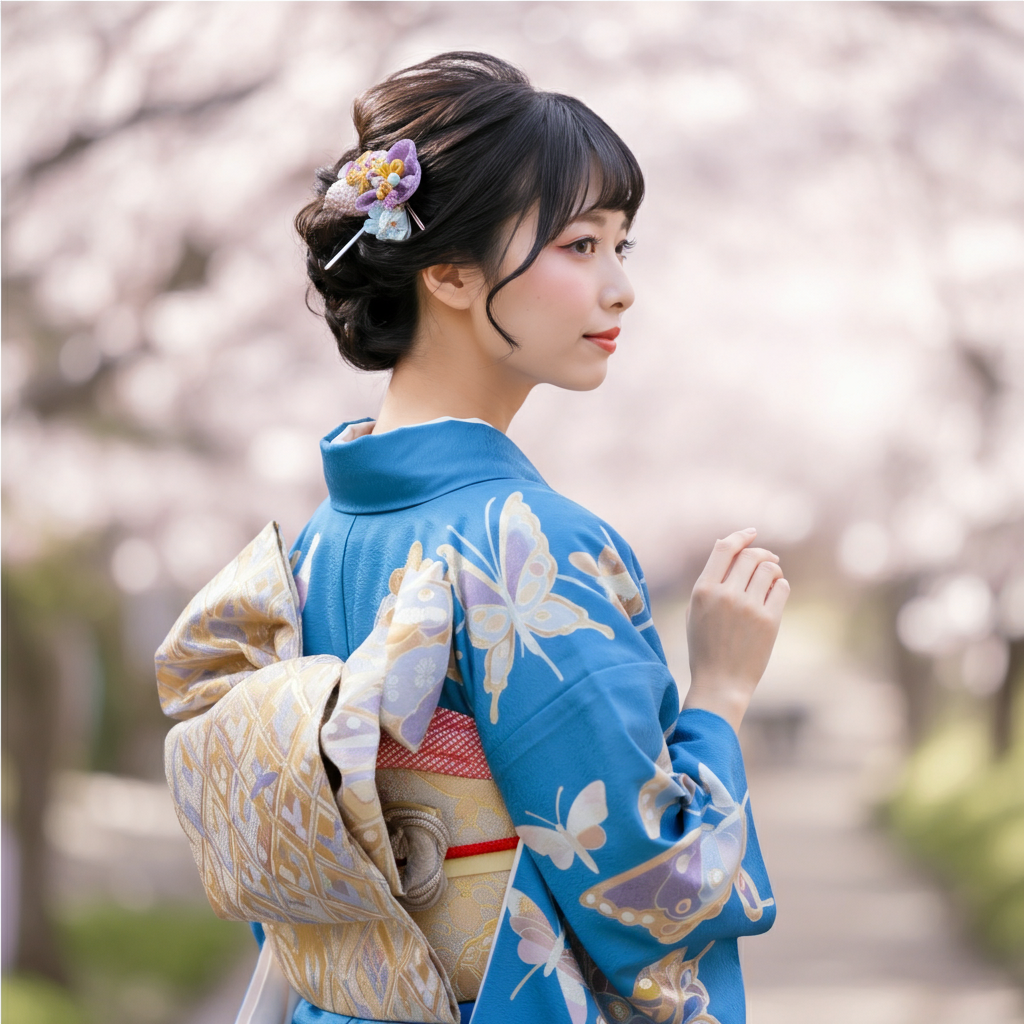
For fashion enthusiasts and lovers of Japanese culture, finding the perfect kimono robe can sometimes feel like a treasure hunt. Whether you’re a local shopper exploring nearby boutiques or an online enthusiast browsing global collections, the quest for the perfect kimono robe can be both exciting and challenging.
The Challenge of Finding Local Kimono Shops
Kimonos, with their rich history and cultural significance, are often not readily available in local stores, making it difficult for those seeking authentic pieces. Many local neighborhoods lack specialized kimono shops, leading enthusiasts to spend hours searching for that perfect piece.
This is where Kimono Shop – Your Kimono Source steps in to transform your shopping experience.
Why Choose Kimono Shop – Your Kimono Source?
Convenient Online Shopping Experience
With Kimono Shop, there’s no need to drive around town, deal with traffic, or search for parking spaces. From the comfort of your home or office, you can explore a vast selection of kimono robes online, 24 hours a day. Simply browse, add your favorite items to your cart, provide your information, and leave the rest to us.
Extensive Range of Styles and Sizes
We pride ourselves on offering a diverse range of kimono robes, ensuring there’s something for everyone. Our collection includes various sizes, styles, and patterns, allowing you to find the perfect match for your personal taste.
Quick and Reliable Shipping
At Kimono Shop, we understand the anticipation of receiving your new kimono robe. That’s why we offer fast shipping, with most orders dispatched within one day and delivery occurring within 2 to 3 days for most orders.
Hassle-Free Returns and Exchanges
Your satisfaction is our priority. If your kimono or yukata doesn’t meet your expectations, you can return it for a refund or exchange, making your purchase simple and easy.
Trusted Experience Since 1994
With over two decades of experience in offering Japanese robes online, Kimono Shop has perfected the art of customer satisfaction. Our extensive knowledge ensures that your shopping experience is seamless and enjoyable.
The search for a “kimono robe near me” ends here. With Kimono Shop, you can enjoy a hassle-free shopping experience, discovering beautiful kimono robes without leaving your home. Whether you’re a local shopper or an online enthusiast, our collection awaits you. Explore our range today and bring a touch of Japanese elegance to your wardrobe.
If you’re a fashion enthusiast, online shopper, or someone who loves Japanese culture, you know the joy of finding the perfect kimono or yukata. But what can make this experience even better? Free shipping! At Kimono Shop, we’re committed to making your shopping experience as seamless as possible, including offering straightforward free shipping. Read on to learn how you can take advantage of this fantastic offer.
Why Choose Kimono Shop for Your Kimono and Yukata Needs?
Before we get into the nitty-gritty of our free shipping policy, let’s talk about why Kimono Shop is the best place to shop for your kimono and yukata. We offer a wide range of high-quality, authentic Japanese garments that cater to different tastes and preferences. Our collection includes everything from traditional kimonos to modern yukata, ensuring that you’ll find something that suits your style.
Simple & Easy Free Shipping
We believe in keeping things simple and straightforward for our customers. That’s why we offer free shipping on all orders of $75 or more, anywhere in the USA. No gimmicks, no games—just plain and simple free shipping. There’s no need to hunt for a coupon or enter a special code; our system will automatically apply free shipping at checkout if your order qualifies.
How It Works
Browse Our Collection: Take your time to explore our wide range of kimono and yukata. Whether you’re looking for something traditional or modern, we’ve got you covered.
Add to Cart: Once you’ve found your favorite pieces, add them to your cart. Remember, your order needs to total $75 or more to qualify for free shipping.
Checkout: When you proceed to checkout, our system will automatically display the free shipping option if your order meets the criteria. No need to worry about entering any codes or coupons.
Quick and Reliable Shipping
At Kimono Shop, we don’t just promise free shipping; we also ensure that your order reaches you quickly. We offer quick shipping within one day of placing your order. Unlike some competitors who claim to offer quick shipping but only ship three days a week, we are committed to getting your order out as soon as possible.
Why Free Shipping Matters
Free shipping is more than just a nice perk; it’s a significant factor that can enhance your overall shopping experience. Here’s why:
Cost Savings: Shipping fees can add up quickly. Free shipping means you get more value for your money.
Convenience: Knowing that shipping is free makes the shopping process smoother and more enjoyable. You can focus on finding the perfect item without worrying about additional costs.
Trust: Our straightforward free shipping policy reflects our commitment to honesty and transparency. We want you to shop with confidence, knowing there are no hidden fees or surprises.
Frequently Asked Questions
Do I need a coupon for free shipping?
No, you don’t need a coupon. If your order totals $75 or more, free shipping will be automatically applied at checkout.
How quickly will my order ship?
We offer quick shipping within one day of your order being placed. Beware of competitors who only ship three days a week and claim to offer fast shipping.
Is free shipping available for international orders?
Currently, our free shipping offer is limited to orders within the USA.
Getting free shipping on your kimono and yukata has never been easier. At Kimono Shop, we aim to make your shopping experience as enjoyable and straightforward as possible. With our wide range of high-quality garments, easy free shipping policy, and quick delivery, there’s no better place to shop for your Japanese fashion needs.
Ready to start shopping? Visit Kimono Shop now and explore our collection of kimonos and yukata. Don’t forget, orders of $75 or more qualify for free shipping!
For travel enthusiasts, fashion lovers, and Japanese fans alike, owning a yukata is a beautiful way to connect with Japanese culture. Traditionally worn during the summer or to festivals, these lightweight cotton robes are celebrated for their vibrant designs and comfort.
But here’s the good news—you don’t have to travel to Japan to find a stunning yukata. Thanks to the internet and local shops, there are multiple ways to obtain this traditional Japanese attire. Let’s explore the best places to buy a yukata and weigh the pros and cons of each option.
1. Online Yukata Stores
Pros:
Wide Selection: Some Online stores offer a vast range of yukata styles, colors, and sizes.
Convenience: Shop from the comfort of your home and have your yukata delivered to your doorstep.
Customer Reviews: Many online platforms provide customer reviews, which can be helpful in assessing the quality and authenticity of the product.
Warranty: Most online dealers provide a warranty and assurance for a period of time.
History in the Business: Some online dealers have been in business for 30 or more years. If they didn’t uphold high standards, the chance of being in business today would be minimal.
Cons:
Risk of Inauthenticity: Not all online retailers are reputable. Some may sell low-quality or counterfeit products.
Shipping Costs and Time: Depending on the location of the seller (International), shipping can be expensive and time-consuming.
Recommendations:
Kimono Shop: Renowned for its high-quality yukata, made in Japan, this store provides detailed product descriptions and customer reviews. They also offer free shipping on orders of $75 or more and a 30-day return policy.
2. Local Japanese Stores
Pros:
Immediate Availability: Purchase and take home your yukata on the same day.
Personal Inspection: Examine the fabric, design, and fit before buying.
Expert Advice: Store staff can provide personal guidance on how to wear and care for your yukata.
Cons:
Limited Selection: Local shops may not have as extensive a variety as online stores.
Higher Prices: The convenience of buying locally can sometimes come at a premium price.
Quality: Some shops carry inferior quality robes mass produced for the retail trade.
Recommendations:
Check your local directory to find a store near you. Some cities these shop are scarce.
3. Resale Shops and Thrift Stores
Pros:
Affordable Prices: Often, you can find high-quality, second-hand yukata at a fraction of the cost.
Unique Finds: Discover vintage and rare yukata that you might not find elsewhere.
Cons:
Condition Uncertainty: The quality and condition of second-hand yukata can vary.
Limited Sizes and Styles: Finding the perfect fit and style might require some patience and luck.
Cleanliness: How was the robe washed or cleaned? Are there stains or spots? How do you know what they are?
Warranty: Many second hand dealers do not allow returns or exchanges.
Recommendations:
It is hit and miss. Since kimono yukata are a specialty item, not all thrift shops will offer these robes. You have to do the footwork to locate one.
4. Specialty Festivals and Events
Pros:
Cultural Experience: Buying a yukata at a Japanese festival or event can be a fun and immersive experience.
Authenticity Assurance: Vendors at cultural events often sell genuine products, but some do not. Check tags and ask the salesperson.
Cons:
Limited Time and Location: These opportunities are restricted to specific dates and venues.
Cost: Costs are usually higher and the quality can be less than standard. Often, dealers that attend these festivals know they have an impulse buyer at hand and will use that against the customer.
Crowds: Popular events can be crowded, making the shopping experience less pleasant.
All Sales Final: In most cases all sales are final. If you notice a problem with your robe after the show, you have no recourse for a return.
Recommendations:
Annual Japanese Festivals: Obon and other gatherings will usually feature yukata and other traditional Japanese items for sale.
Whether you choose to shop online, locally, or at special events, there are plenty of ways to find the perfect yukata without traveling to Japan. Each option has its own set of advantages and drawbacks, so consider what matters most to you—be it selection, convenience, or authenticity.
Ready to start your yukata shopping adventure? Explore the options mentioned above and find the yukata that speaks to your style and love for Japanese culture.
The kimono, a traditional Japanese garment, holds a special place in the hearts of those who cherish cultural heritage and sophistication. More than just a piece of clothing, wearing a kimono represents a deep connection to Japanese culture, embodying respect for tradition and formality. Let’s explore the joys of incorporating this timeless attire into your everyday wardrobe.
The Cultural Significance of Kimono
A Symbol of Heritage
The kimono is not merely an article of clothing; it is a symbol of Japan’s rich heritage. The intricate designs, colors, and patterns often reflect the wearer’s social status, the season, and the occasion. Whether it’s a wedding or a tea ceremony, the kimono serves as a versatile and nuanced garment that speaks volumes about the wearer.
The Art of Kitsuke
The process of putting on a kimono, known as kitsuke, is an art form passed down through generations. This meticulous process involves specific rules and techniques, making it an experience that connects the wearer to centuries-old traditions. Today, the kimono is much simpler and less formal eliminating the long process of wearing one.
Special Occasions
Despite Japan’s modernization, the kimono remains a staple for special occasions. From weddings to coming-of-age ceremonies, the kimono is a beautiful reminder of the country’s enduring cultural values.
Personal Stories and Experiences
Modern-Day Celebrations
In contemporary settings, the kimono has found new life. Brides often present kimono or yukata to their bridesmaids as gifts, wearing them at bachelorette parties or even beachside weddings. Couples frequently choose kimono for their wedding attire, blending tradition with modern romance.
Fashion Tips for Everyday Wear
Casual Chic
Incorporating kimono-inspired ideas into everyday fashion is easier than you might think. These can be worn over jeans, pants, shorts, or even dresses. Unlike traditional kimono, these modern adaptations add a touch of elegance to casual outfits.
Versatile and Stylish
An authentic kimono robe, complete with a belt or sash, can be worn closed for a more formal look. Many fashion-forward individuals wear these robes to dinners, casual get-togethers, shopping trips, or even for a night out dancing. The versatility of the kimono makes it a must-have for anyone looking to elevate their style.
Conclusion
Whether you’re honoring tradition or looking to add a touch of elegance to your everyday wardrobe, the kimono offers endless possibilities. Its cultural significance, intricate designs, and versatile style make it a garment worth cherishing.
If you’re ready to explore the world of kimonos, visit our online shop. Discover a range of options for both men and women and find the perfect piece to elevate your wardrobe.
Japanese culture has mesmerized the world for centuries with its unique blend of tradition and innovation. Central to this cultural tapestry are the kimono and yukata, traditional garments that symbolize the elegance and artistry of Japan. For those in the United States who wish to embrace these beautiful pieces of attire, our Kimono Shop offers not only a wide selection but also a hassle-free shopping experience.
Discover the Beauty of Our Collection
Our online collection features a vast array of kimono and yukata, carefully selected to cater to both traditional tastes and modern preferences. Whether you’re looking for formal attire for a special occasion or a casual yukata for a summer festival, our selection is designed to meet diverse needs.
There are many reasons to wear a Japanese robe:
Often worn by married women during weddings and receptions.
Ideal for everyday wear, casual yet elegant.
Perfect for coming-of-age ceremonies or formal events.
Light and comfortable, perfect for summer activities.
Why Choose Us?
1. Large Selection
We pride ourselves on offering one of the largest selections of kimono and yukata in the US. From intricate embroidery to minimalist designs, our range ensures that you’ll find the perfect piece to add to your wardrobe.
2. Fast Shipping from the US
No more waiting weeks for international shipments. As a US-based dealer, we offer fast and reliable shipping options to get your kimono or yukata to you as quickly as possible. Enjoy the convenience of having your chosen garment delivered to your doorstep without the long wait.
3. No Duties, Taxes, or Customs Fees
One of the biggest hassles of purchasing international goods is dealing with duties, taxes, and customs fees. When you shop with us, you can rest easy knowing there will be no unexpected costs. The price you see is the price you pay.
4. Easy Returns
We understand that online shopping can sometimes be tricky, especially when it comes to clothing. That’s why we offer an easy returns process. If your kimono or yukata doesn’t fit or isn’t quite what you expected, simply return it without any hassle.
5. Reputable Dealer
Trust and reliability are crucial when purchasing valuable items like kimono and yukata. We have built a solid reputation for quality and customer satisfaction. We source our garments directly from Japan, ensuring authenticity and excellence.
The Cultural Significance of Kimono and Yukata
Understanding the cultural significance of these garments can deepen your appreciation of their beauty:
Kimono: The word “kimono” literally means “thing to wear,” but it represents much more. Worn for various ceremonies, kimono are often passed down through generations, symbolizing family heritage and continuity.
Yukata: Traditionally worn during summer festivals, the yukata is a lighter, casual version of the kimono. It represents the joy and vibrancy of Japanese summer celebrations.
By importing and offering these garments, we aim to share this rich cultural heritage with our customers, allowing them to experience a piece of Japan’s timeless elegance.
Conclusion
Whether you are new to the world of Japanese traditional wear or a seasoned enthusiast, our Kimono Shop provides a seamless shopping experience that brings the elegance of kimono and yukata to your wardrobe. With our extensive selection, fast shipping, no hidden fees, easy returns, and a reputation for excellence, we are your go-to source for authentic Japanese attire in the United States.
Explore our collection today and find the perfect kimono or yukata that speaks to your style and spirit. Embrace the beauty and tradition of Japan, one garment at a time.
Traditional Japanese attire has captivated the world with its elegance, intricate designs, and cultural significance. Two garments that often pique curiosity are the yukata and the kimono. Although they may seem similar at first glance, each has unique features and historical contexts that set them apart. In this blog post, we will explore the differences between yukata and kimono, their evolution, and how they fit seamlessly into modern lifestyles.
What is a Kimono?
The kimono is a traditional Japanese garment worn by both men and women. Historically, kimonos were reserved for formal events such as weddings, tea ceremonies, and other important occasions. These garments are typically made from silk and come in a variety of colors and patterns, often signifying the wearer’s age, marital status, and season.
Key Features of a Kimono:
Material: Typically made from silk, modern kimono are often made of cotton
Formality: Traditionally worn for formal events
Design: Intricate patterns and designs
Occasions: Weddings, tea ceremonies, and formal gatherings
Kimonos have evolved and are now also worn to casual events and even for lounging. The modern kimono can be found in various materials, including cotton, making them more accessible and easier to care for.
What is a Yukata?
The yukata is a more casual version of the kimono, initially worn at bathhouses and for lounging at home. Made from lightweight cotton, yukatas are perfect for summer festivals, casual outings, and relaxing at home. They are simpler in design compared to kimonos and usually feature less intricate patterns.
Key Features of a Yukata:
Material: Made from lightweight cotton
Formality: Casual, ideal for informal events
Design: Simple patterns and designs
Occasions: Summer festivals, casual outings, and lounging
Yukatas are incredibly versatile and have become increasingly popular as daily wear, thanks to their comfort and ease of maintenance.
Comparing Yukata and Kimono
Similarities:
Daily Wear: Both garments can be worn daily, depending on the occasion.
Ease of Care: Modern versions, especially those made from cotton, are easy to maintain.
Differences:
Formality: Kimonos are traditionally formal, while yukatas are casual.
Material: Kimonos are usually made from silk, whereas yukatas are made from cotton.
Design Complexity: Kimonos feature intricate patterns, while yukatas have simpler designs.
Occasions: Kimonos are worn at formal events; yukatas are for casual outings and home wear.
Where to Shop for Yukata and Kimono
Whether you’re looking for a cotton kimono, a lightweight kimono, or even men’s kimonos, there are numerous online stores where you can find high-quality traditional Japanese wear. Some popular categories to explore include:
Kimono Dress: Perfect for formal events
Kimono Robe: Ideal for lounging at home
Long Kimono: Great for elegant, formal occasions
Shop Kimonos and Yukata for a mix of both traditional and modern styles
Conclusion
Understanding the differences between yukata and kimono allows you to appreciate these beautiful garments even more. Whether you prefer the formality of a kimono or the casual comfort of a yukata, both offer a unique way to incorporate traditional Japanese culture into your wardrobe. Ready to explore? Visit our online Kimono Shop to find the perfect piece for you.
The yukata robe is steeped in tradition and elegance. This garment holds a special place in Japan’s rich tapestry of cultural heritage. Once used as a functional bathrobe, the yukata has evolved into a beloved summer garment. They are often worn to celebrate the arrival of festivals and warm weather.
From the intricacies of its weave to the symbolism behind its vibrant patterns, the yukata’s history offers a fascinating glimpse into Japan’s past and present. Join us as we traverse through time to uncover the evolution of the yukata robe and its significance in Japanese culture.
A millennia after its inception, the yukata remains an emblem of cultural pride and aesthetic sophistication. In this blog, we explore how this simple cotton robe became a symbol of summer and social splendor. We’ll look at its transition from a humble bathrobe to a fashion statement that thrives in today’s world. Whether donned by men or women, for relaxation or celebration, the yukata continues to weave its story into the fabric of Japan’s identity.
Stay with us as we reveal tales of the yukata robe, where tradition meets trend, and every fold and dye retains the echoes of a bygone era. Join us on this historical fashion voyage through time.
The Timeless Tapestry of the Yukata Robe: A Cultural and Fashionable Journey Through Japanese History
The Yukata robe has traversed through centuries, donning multiple roles. From a simple bathrobe to a stylish ensemble, illustrates Japan’s chronicles of tradition, aesthetics, and seasonal festivities. This stylish garment exemplifies both the historic elegance and the contemporary flair of Japanese culture.
From Steaming Baths to Summer Revelries
The origin story of the yukata begins in Japan’s Kamakura period (1192–1333). As nobles took their leisurely steam baths, the ‘yu-katabira’ – a hemp garment worn in bathhouses to protect the skin and absorb sweat – became essential. Later known as ‘mi-nugui’ during the Muromachi period (1336–1573), this garment eventually evolved to become the yukata.
It wasn’t until the Edo period (1603-1867) that the yukata transitioned into familiar territory. With cotton becoming affordable, the yukata stepped out as commoners’ choice of nightwear and relaxed indoor clothing. Paintings from early 20th-century Japan depicted the yukata as casual at-home attire. However, halfway through the Showa period (1926-1989), the yukata embarked on a glamorous transformation, emerging as the go-to attire for outdoor festivals and firework displays, reflecting a societal affection for this breezy kimono.
A Tapestry of Tradition and Trend
In the throbbing districts of Tokyo today, the yukata stands as a testament to this garment’s versatility and continued appeal. Crowds at concerts and events create a kaleidoscope of patterns and styles, flaunting yukatas adorned with contemporary designs and traditional sashes (obi belts). This blend of the classic and the modern showcases how the yukata remains deeply ingrained in the fabric of social and cultural expressions in Japan. Fashion-conscious individuals like Miki Fukagawa, with an enviable collection of over 50 yukatas, exemplify the robe’s hold over the current zeitgeist. Despite the ebb in festivity turnouts due to recent pandemic constraints, the zeal for personalizing yukata fashion continues to surge, illustrating the garment’s resilience as a conduit for self-expression.
The Art of Arimatsu Shibori
Arimatsu, nestled along the ancient Tokaido Road, holds a key to appreciating the yukata’s cultural depth. Here, the traditional art of Arimatsu shibori tie-dyeing has been practiced since the Edo period. This labor-intensive method sees more than 70 techniques actively used to produce fabrics with unmatched complexity and beauty. Among these is the tegumo shibori, creating spiderweb designs that demand unyielding commitment, skill, and endurance from its artisans. Each tie-dyed yukata stands as a narrative canvas, narrating stories through every meticulous knot and dyed pattern – a craft not just of textiles, but of heritage and painstaking artistry.
Conclusion
In tracing the historical threads of the yukata, we discover a reflection of Japan itself – adaptive, aesthetic, and deeply rooted in custom. The Yukata robe has withstood the ebb and flow of time, reinventing itself again and again while never losing its intrinsic essence as a symbol of grace and summer enchantment. Whether it’s the silhouette against fireworks in a summer sky or the strategic folds that speak to an ancient craft, the yukata persists, a cherished vestige of the past and a vibrant tribute to the living culture of Japan.
Further Exploration
For those captivated by the yukata’s history and eager to witness the craftsmanship firsthand, a visit to Arimatsu, with its tie-dyeing studios and workshops, is a must. Alternatively, adorn your yukata during the warm summer events and become a part of the ongoing narrative that is this beloved garment’s history. From its humble beginnings to its celebrated place in modern-day wardrobes and gatherings, the yukata carries the echoes of Japan’s past into the future, one elegant fold at a time. Check out the great selection of yukata for men and women at the Kimono Shop. On the web at www.kimonoshop.com
In a world where tradition meets contemporary fashion, the kimono stands out as a symbol of Japanese culture’s timeless elegance. Whether you’re a cultural enthusiast, a lover of unique fashion, or someone looking to infuse tradition into your modern wardrobe, this guide aims to unlock the art of kimono shopping for enthusiasts of every shape and size.
The Myth of “One Size Fits All” in Kimono Fashion
For too long, the international narrative surrounding the kimono has suggested a “one size fits all” approach. This not only limited access to these beautiful garments but also restricted the experience of wearing a kimono to a select few. Recognizing this gap, Kimono Shop emerged as an innovator in the online kimono marketplace, challenging this notion by expanding its range to cater to diverse body types.
A Size for Every Silhouette
At Kimono Shop, we understand the importance of finding a garment that fits not just your body, but your soul. We offer an extensive selection of sizes and styles, from petite to plus size and big and tall, ensuring that everyone can experience the joy of kimono wearing. Whether you’re looking for a yukata for a summer festival or a formal kimono for a special occasion, our range considers short length, traditional length, and full figure, plus Big and Tall options to accommodate every body shape.
Unveiling Variety and Style
Our kimono and yukata collections boast a spectrum of patterns, from the classic to the contemporary. Sourced directly from manufacturers in Japan who share our vision of inclusivity, we ensure every piece is authentic, allowing you to wear a part of Japanese culture with pride and comfort.
Voices from Our Community
We’re more than a kimono shop; we’re a community of passionate individuals who appreciate the depth and beauty of Japanese fashion. Here’s what one of our customers had to say:
“I wanted to tell you how wonderful my experience has been shopping on your site. The fact that you offer Kimono and Yukata for plus-sized women is so mindful and inclusive. I’ve been searching for months with fail until I found you. Thank You.”
Navigating Your Kimono Shopping Experience
Start with Understanding Your Size: Check our detailed size charts to get a precise fit.
Select Your Style: Decide if you’re looking for a casual yukata or a more formal kimono.
Accessorize: Add obis, tabi socks, and other accessories to complete your look.
Care and Maintenance: Learn how to care for your kimono to keep it in pristine condition.
Conclusion
Kimono shopping can be an intricate process filled with discovery and delight. At Kimono Shop, we’re dedicated to providing an inclusive, enjoyable shopping experience for all our customers. With our wide range of sizes and styles, everyone can find their perfect kimono or yukata, carrying a piece of Japanese heritage into their daily lives.
We invite you to explore our collection and find the kimono that speaks to you. Remember, when it comes to fashion, especially one as rich and nuanced as the kimono, one size doesn’t fit all, and individuality is the key to unlocking true elegance.
The traditional Japanese kimono and the more casual yukata have long been celebrated. Not just as garments but as exquisite canvases that tell stories through their designs. Among the most captivating motifs woven into these fabrics are birds. Each bird carries its unique symbolism. It weaves a rich tapestry of meaning into the garment. This blog post explores the enchanting world of bird symbolism in Japanese kimono and yukata. We offer insights for Japanese culture lovers, fashionistas, and kimono enthusiasts alike.
The Crane: Symbol of Longevity and Good Fortune – One cannot discuss bird motifs without mentioning the crane. Revered in Japanese culture, the crane is synonymous with luck, longevity, and fidelity. Represented often in wedding kimonos or “uchikake.” The crane promises a life of prosperity and happiness to newlyweds. Its presence on a kimono or yukata signifies hope for enduring love and a long, healthy life.
The Sparrow: Emblem of Simplicity and Joy – Contrasting the majestic crane, the humble sparrow symbolizes joy and the simplicity of a fulfilled life. Kimono and yukata adorned with sparrows invite wearers and onlookers to appreciate the small pleasures of daily existence. This motif is particularly popular among those who value the beauty in the ordinary.
The Phoenix: Fantasy of Rebirth – Though not exclusive to Japanese mythology, the phoenix holds a special place in the nation’s iconography. Known as “Hō-ō” in Japanese, the phoenix represents fire, rebirth, and immortality. Kimonos featuring this mythical bird are often worn on auspicious occasions. This symbolizes the wearer’s resilience and capacity for renewal.
The Peacock: Vanity and Nobility – While less common, the peacock is a motif that denotes nobility, beauty, and a sense of self-pride. The elaborate display of the peacock’s tail feathers on the kimono and yukata fabric reflects a celebration of beauty and an expression of personal style. Wearing a peacock-adorned garment suggests a confident and regal bearing.
Understanding and Appreciating the Symbolism – In the intricate world of Japanese kimono and yukata, every bird tells a story. Every color has a purpose, and every pattern represents a wish for the wearer. Individuals become enchanted by the cultural depth and aesthetic beauty of these garments. Understanding the symbolism behind the motifs can enrich the wearing experience and deepen their appreciation for Japanese culture.
Whether you’re donning a kimono adorned with the elegant crane, the joyful sparrow, the mythical phoenix, or the noble peacock, you’re participating in a storied tradition that spans centuries. These garments are more than mere fashion statements. They are wearable art steeped in cultural significance and symbolic meaning.
For those looking to explore the beauty of Japanese robes, keywords such as “bird kimono,” “kimono,” “kimonos,” “yukata,” and “Japanese robes” serve as gateways into this rich cultural tapestry. Each piece, with its unique blend of design and symbolism, invites wearers and admirers on a cultural journey that transcends mere aesthetics.
In conclusion, the bird symbolism woven into the fabric of Japanese kimono and yukata reveals a fascinating intersection between nature, culture, and fashion. By understanding and appreciating these motifs, we only honor the tradition behind these garments. We also continue the legacy of storytelling that they represent. Next time you encounter a kimono or yukata, take a moment to ponder the birds adorning it and the stories they tell.
The online Kimono Shop carries a vast selection of authentic Japanese kimonos and yukata. Kimono Shop offers a wide range of colors, styles, and patterns. Located in the USA, shipping is quick, and orders of $75 or more ship free anywhere in the USA, including Alaska and Hawaii.