
Few garments are as instantly recognizable as the Japanese kimono. With its distinctive straight lines, elegant sleeves, and beautifully patterned fabrics, the kimono has become a symbol of Japanese culture around the world. But the kimono is more than simply a traditional piece of clothing. Its history reflects centuries of Japanese art, craftsmanship, social customs, and changing ideas about fashion.
Today, the kimono continues to inspire designers and fashion lovers while remaining an important part of Japanese celebrations and cultural traditions. So, how did this iconic garment become a style that truly never goes out of fashion?
The Origins of the Japanese Kimono
The word kimono literally means “a thing to wear” in Japanese. Although garments resembling the kimono existed earlier, the basic form we recognize today developed during Japan’s Heian period, from 794 to 1185.
During this era, Japanese clothing became increasingly sophisticated. One of the most famous developments was the jūnihitoe, an elaborate multilayered garment worn by women at the imperial court. Clothing could communicate a person’s status, season and position, while the colors and layers reflected the refined aesthetics of the period.
The emphasis on beautiful textiles and carefully coordinated colors established an important foundation for Japanese kimono culture.
The Kimono During the Edo Period
The Edo period, which lasted from 1603 to 1868, was particularly important in the development of the kimono as we know it today.
During this time, the kimono became a common form of dress across Japanese society. Different styles, fabrics, colors and patterns could indicate a person’s age, social position, occupation or marital status.
This was also a golden age for Japanese textile arts. Techniques such as yūzen dyeing allowed artisans to create incredibly detailed designs, while shibori produced distinctive patterns through resist-dyeing techniques.
Kimono designs often drew inspiration from nature. Cherry blossoms, chrysanthemums, cranes, waves, bamboo and autumn leaves became recurring motifs. These weren’t chosen simply because they were attractive. Many carried symbolic meanings connected to seasons, good fortune, longevity or beauty.
From Everyday Clothing to Cultural Treasure
During the late 19th and early 20th centuries, Japan underwent enormous social and political change. Western-style clothing became increasingly popular, particularly following the Meiji Restoration of 1868.
As Western fashion became more common for everyday wear, the kimono gradually moved away from being daily clothing for much of the population. Instead, it became closely associated with formal occasions, celebrations and cultural traditions.
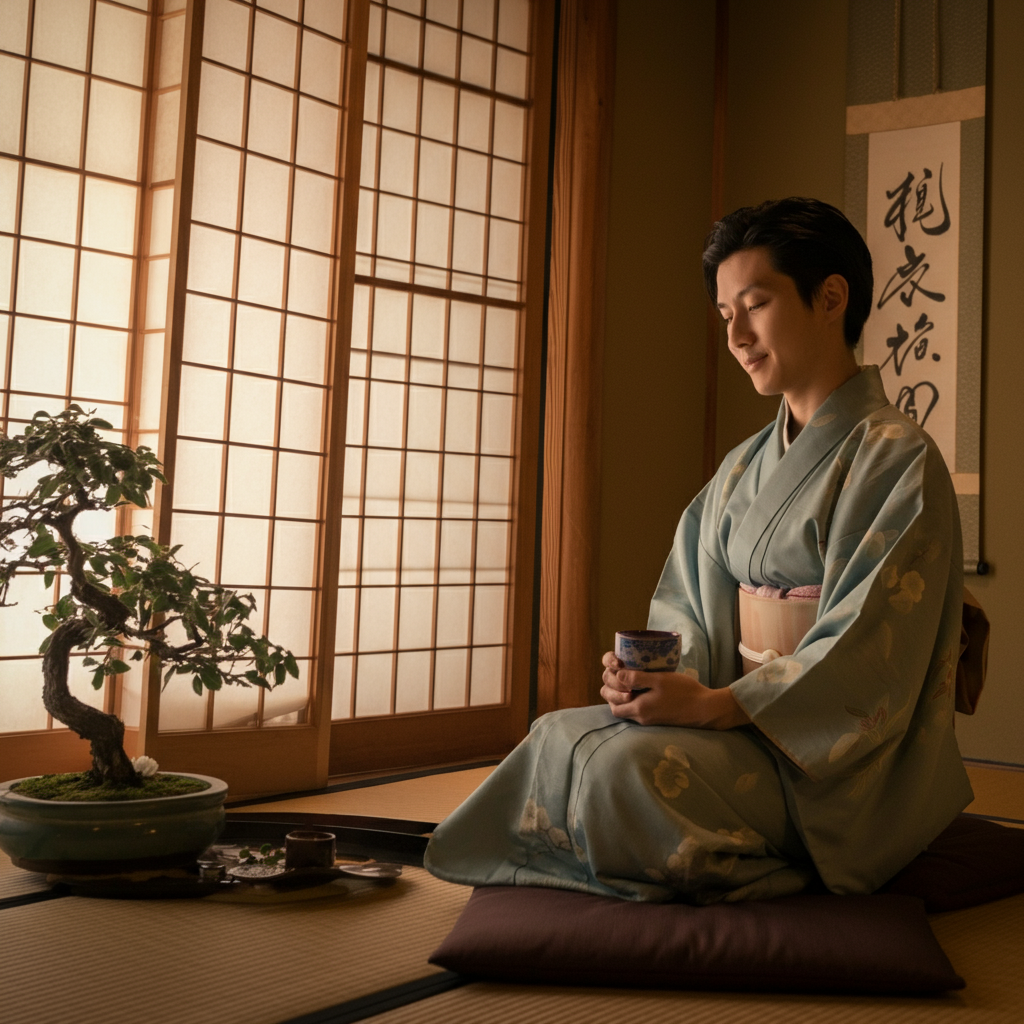
Today, people may wear kimono for weddings, tea ceremonies, festivals, coming-of-age celebrations, and other important events. Different types of kimono are still associated with particular occasions and levels of formality.
This transition helped transform the kimono from everyday clothing into something that could be preserved, appreciated and passed from one generation to the next.
Why Kimono Patterns Matter
One of the most captivating aspects of a Japanese kimono is its design.
Traditional kimono patterns often tell a story. A garment featuring cranes, for example, may symbolize longevity and good fortune. Cherry blossoms can evoke the beauty and fleeting nature of spring, while waves may represent strength and continuity.
Seasonality is another important element of kimono design. Traditional Japanese aesthetics place great value on celebrating the changing seasons, and kimono patterns often reflect the time of year in which they are worn.
The fabric itself is equally significant. Silk has historically been prized for luxurious kimono, while cotton and other materials have been used for more casual styles. The quality of the textile, dyeing and craftsmanship can turn a kimono into a true work of art.
The Kimono’s Influence on Modern Fashion
Although the kimono has centuries of history behind it, its influence can still be seen in contemporary fashion.
Designers around the world have drawn inspiration from its wrap-front construction, wide sleeves, flowing silhouette and striking textile patterns. Modern kimono-inspired pieces have adapted these elements into robes, jackets, dresses and other styles that fit comfortably into contemporary wardrobes.
At the same time, the traditional kimono itself continues to evolve. Contemporary makers experiment with colors, fabrics and patterns while maintaining the garment’s distinctive structure and connection to Japanese craftsmanship.
This balance between tradition and innovation is one reason the kimono remains so relevant.
A Garment That Never Goes Out of Style
What makes the Japanese kimono timeless isn’t simply its beautiful appearance. It is the combination of history, symbolism, craftsmanship, and versatility woven into every garment.
A kimono can represent a particular season, celebrate an important milestone, or preserve the work of an artisan. It connects the wearer with generations of Japanese artistic and cultural traditions while continuing to inspire new interpretations.
For anyone interested in Japanese culture, owning or wearing a kimono offers a unique opportunity to appreciate this heritage firsthand. Whether chosen for a special occasion or simply admired for its craftsmanship, the kimono remains one of Japan’s most enduring contributions to the world of fashion.
After centuries of change, one thing is clear: the Japanese kimono isn’t simply a garment from the past. It is a timeless piece of living culture — and a style that never truly goes out of fashion.
Leave a Reply