Tag: Traditional Japanese clothing

  • How to Choose Your First Kimono: A Beginner’s Guide

    Choosing your first kimono is an exciting step into a world of incredible artistry, history, and personal expression. But with so many styles, fabrics, and terms, it can also feel a little overwhelming. This guide is here to walk you through everything you need to know, from finding the right fit to understanding the difference between a real silk treasure and a convincing replica.

    We will cover the essential factors: fit, fabric, budget, and authenticity. By the end, you’ll feel confident and ready to select a beautiful garment you can wear with respect and joy.

    First, Some Kimono Basics

    Before diving into the details, let’s clarify a few key terms you’ll encounter.

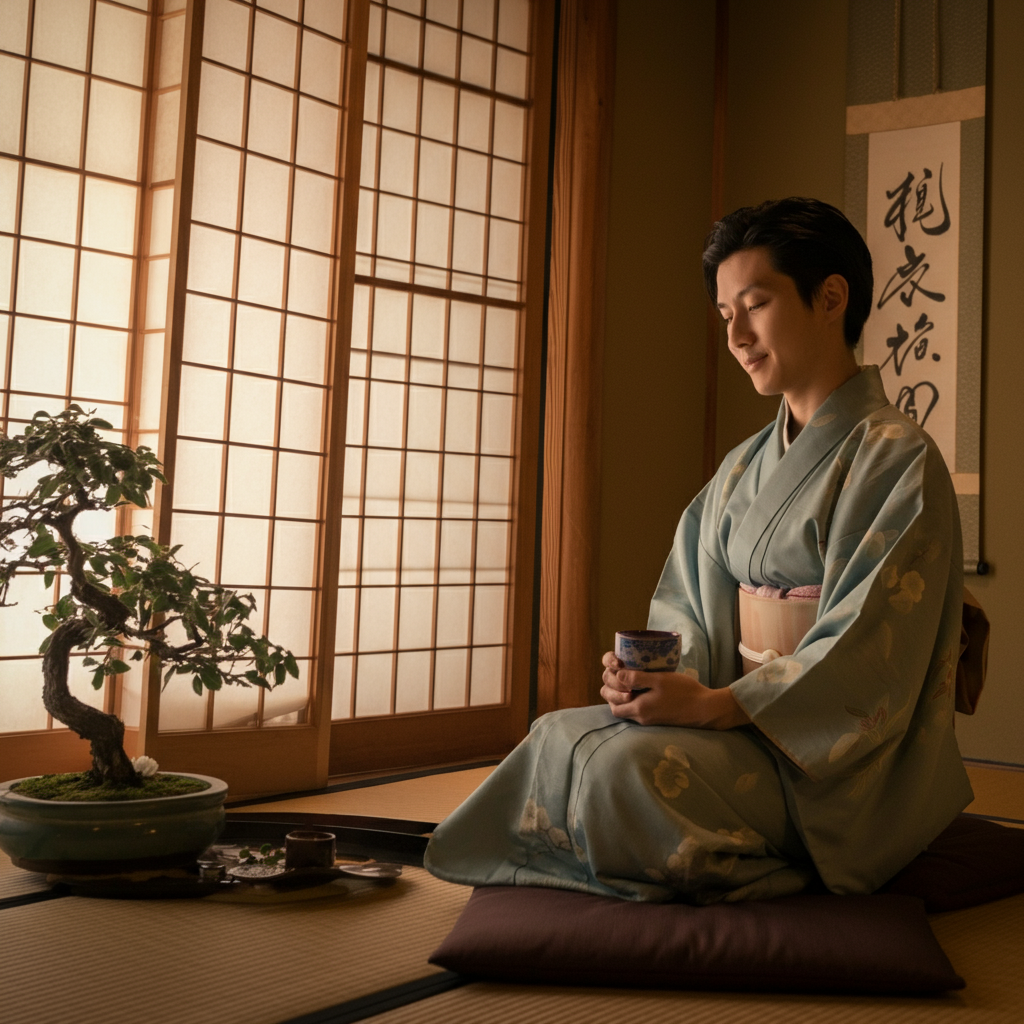
    • Kimono: The word “kimono” literally means “thing to wear.” It’s a T-shaped, full-length robe that wraps left over right. Traditional kimonos are often made of silk or cotton and worn for special occasions like weddings, tea ceremonies, or festivals.
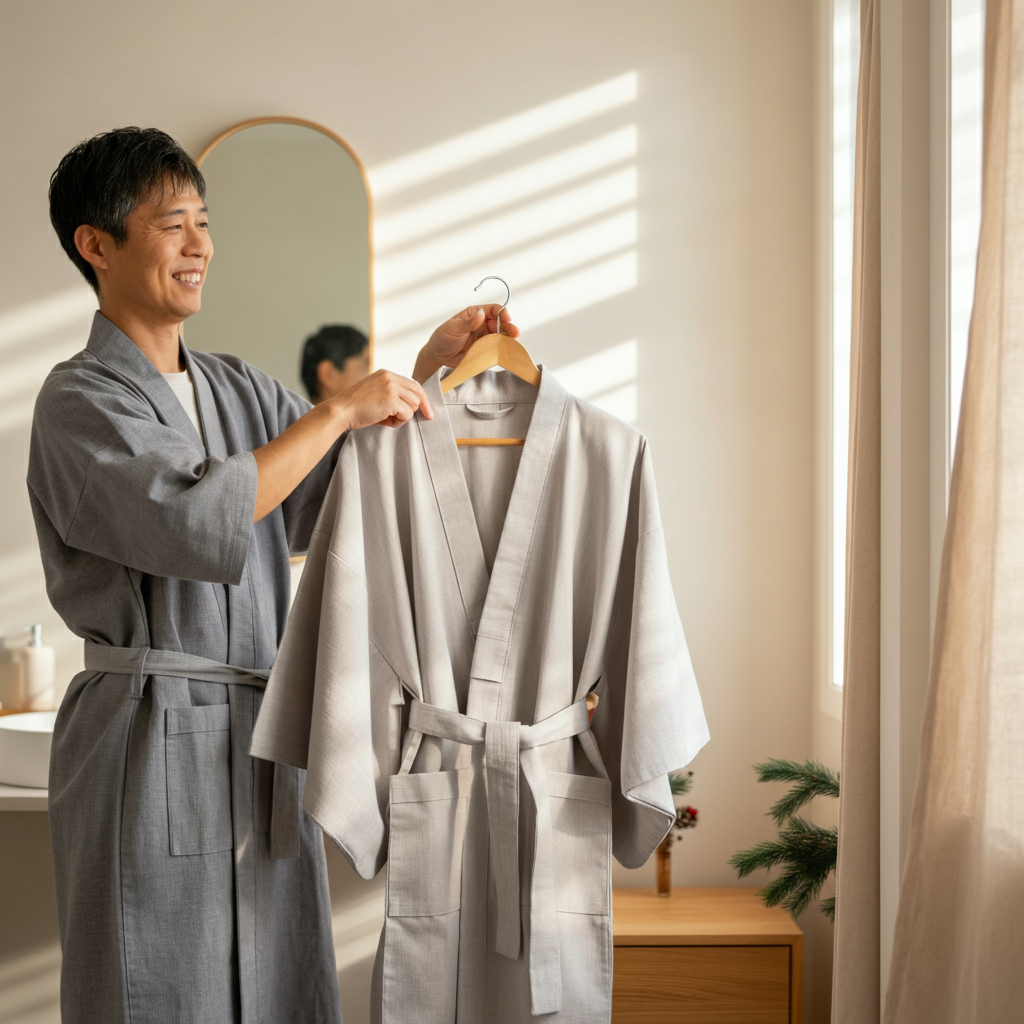
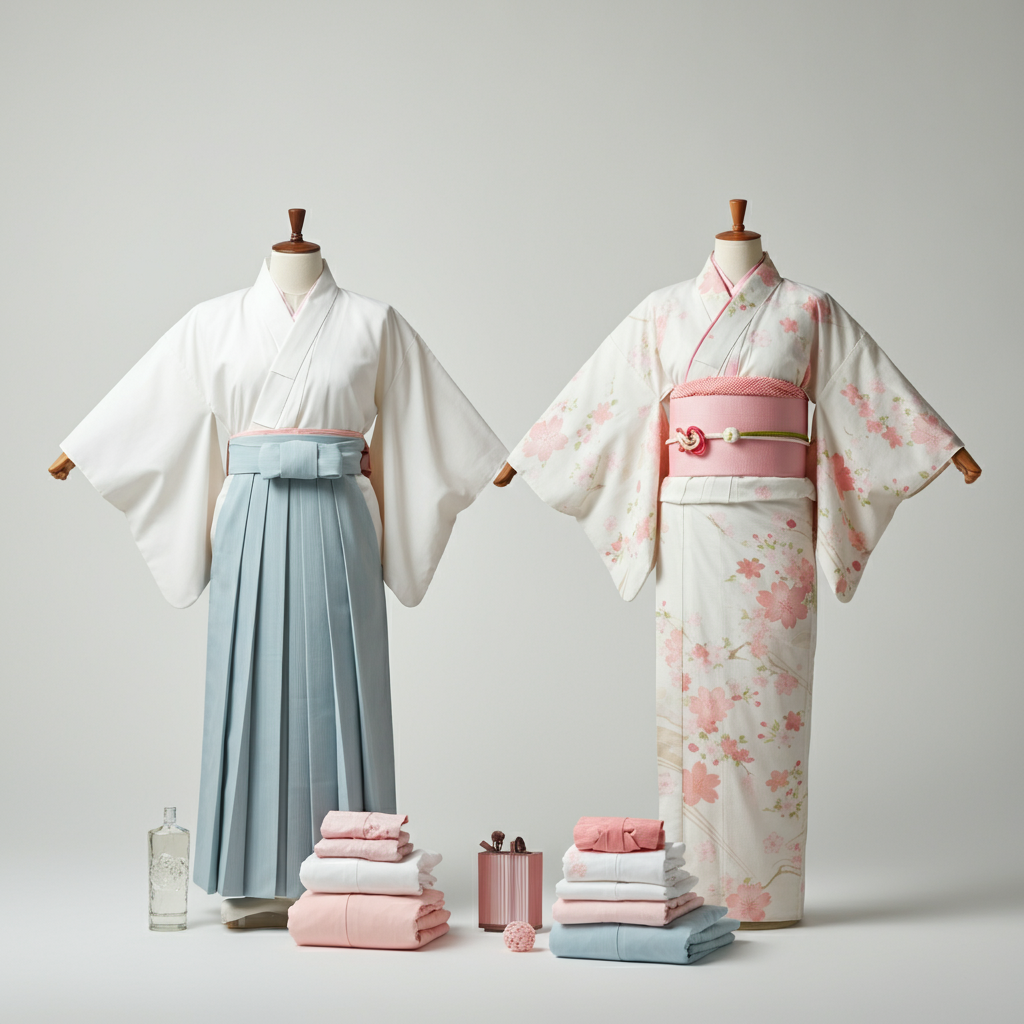
    • Yukata: Think of a yukata as the kimono’s casual, summer cousin. It’s typically made of unlined cotton or synthetic fabric, making it lighter and more breathable. Yukata are perfect for summer festivals, relaxing at a traditional inn (ryokan), or as a beautiful bathrobe. They are an excellent, affordable starting point.
    • Haori: This is a hip- or thigh-length jacket worn over a kimono. It’s not belted shut and adds a layer of formality or warmth. Modern fashion has embraced the haori as a stylish, versatile jacket to wear with everyday clothes.

    Finding the Perfect Fit

    Unlike Western clothing, kimonos are not sold in standard sizes like small, medium, or large. Fit is determined by your height and, to a lesser extent, your hip measurement.

    Key Measurements to Check

    • Length (Mitake): A kimono’s length should be roughly equal to your height. The excess fabric is folded at the waist and hidden by the obi (sash), a fold called the ohashori. For a casual yukata, the length can be closer to your ankle without this fold.
    • Sleeve Length (Sodetake): The bottom of the sleeve should fall somewhere around your wrist when your arms are down. Long, flowing sleeves are a feature of furisode, a formal kimono for unmarried women.
    • Width (Mihaba): The kimono should wrap around your body comfortably, with the front panels overlapping. When you hold the center back seam against your spine, the edges of the robe should wrap to your hip bones. Most kimonos can accommodate a range of body shapes.
    • Sleeve Drop (Yuki): This is the measurement from the center seam of your neck to the edge of the sleeve. It should end near your wrist bone. If it’s too short, it can look ill-fitting, but vintage pieces often have a shorter yuki.

    When trying on a kimono, make sure the left side is wrapped over the right side. Wrapping right over left is reserved for dressing the deceased for burial—a crucial piece of etiquette to remember.

    A Guide to Kimono Fabrics

    The material of a kimono dictates its formality, seasonality, and care requirements.

    • Silk (Shoken): The most traditional and luxurious fabric. It’s smooth, drapes beautifully, and is used for formal kimonos like furisode and tomesode. Silk is a year-round fabric, but different weaves are used for different seasons. It requires professional cleaning.
    • Cotton (Momen): The classic fabric for yukata. It’s breathable, absorbent, and relatively easy to wash at home, making it perfect for summer.
    • Wool (Uru): A durable, warm, and wrinkle-resistant fabric. Wool kimonos are considered casual and are ideal for everyday wear in the cooler autumn and winter months.
    • Linen/Hemp (Asa): Crisp, breathable, and highly prized for summer wear. Linen kimonos are a bit more upscale than cotton yukata and are perfect for staying cool in humid weather.
    • Polyester & Synthetics: Modern kimonos are often made from high-quality polyester. It’s a fantastic option for beginners because it’s affordable, wrinkle-resistant, and machine-washable. While it doesn’t breathe as well as natural fibers, its ease of care is a major advantage.

    Setting Your Budget: New vs. Vintage

    Your budget will be a major factor in your decision. Prices can range from under $50 to many thousands of dollars.

    • Under $100: In this range, you’ll find new polyester yukata sets (often including a simple obi and geta sandals) or secondhand wool and synthetic kimonos. This is a great budget for your very first piece.
    • $100 – $400: This tier opens up the world of high-quality vintage silk kimonos (komon, or small-pattern kimonos), new cotton yukata from good brands, and some simpler new silk pieces.
    • $400+: Here you can find pristine vintage kimonos, artisan-made pieces, and new silk kimonos. Bespoke, hand-dyed kimonos can cost several thousand dollars.

    How to Spot an Authentic, Quality Kimono

    Authenticity can mean different things—is it handmade in Japan, or is it a well-made modern piece? Here are some clues to look for.

    • Pattern Alignment: On a quality kimono, patterns should flow seamlessly across the seams, especially on the back.
    • Lining: Most kimonos, except for unlined summer ones (hitoe), will have a lining. A fully lined kimono is called awase. The lining is often made of silk or cotton.
    • Seams: Look at the construction. A traditional kimono has specific seam placements and is mostly hand-stitched, especially for hemming. Machine stitching is common on modern or everyday kimonos.
    • Artisan Techniques: Look for signs of hand-dyeing like shibori (tie-dye), which leaves tiny, puckered dots, or yuzen (resist dyeing), which has fine, hand-painted details. These indicate a high-value, artisanal piece.
    • Red Flags: Be wary of shiny, cheap satin fabrics, printed patterns that don’t align at the seams, and garments marketed as “kimono robes” that are more like lingerie or dressing gowns.

    Where to Buy Your First Kimono

    • New: Department stores in Japan or specialty online retailers.
    • Vintage: Flea markets (especially in Japan), vintage kimono stores, and online marketplaces like Kimono Shop. Be sure to check seller reviews and measurements.
    • Rental: An excellent option for a special event. Kimono rental shops are common in tourist areas in Japan and some large cities worldwide. They handle the dressing and provide all accessories.

    Essential Kimono Accessories

    A kimono is rarely worn on its own. You’ll need a few key items to complete the look correctly.

    1. Obi: The sash worn around the waist. There are many types, from the casual hanhaba obi for yukata to the formal, elaborate fukuro obi.
    2. Koshihimo: Thin ties used to hold the kimono in place under the obi. You’ll need at least two.
    3. Juban: An under-kimono. It keeps the outer kimono clean and provides a clean collar line (eri). A full-length nagajuban or a simpler two-piece version works.
    4. Obi-ita: A stiff board placed inside the obi to keep it from wrinkling.
    5. Footwear: Zori are formal sandals, while geta are wooden clogs typically worn with yukata. Always wear tabi (split-toe socks) with zori.

    Simple Care and Storage

    • Airing: After wearing, hang your kimono on a special kimono hanger or a straight rod in a well-ventilated, shady area for a day to air out.
    • Cleaning: Polyester and cotton can often be hand-washed or machine-washed on a delicate cycle. Silk and wool must be professionally cleaned by a specialist.
    • Storage: Store your folded kimono flat, wrapped in a traditional paper wrapper called a tatoshi, or a simple cotton cloth. Keep it in a drawer or box away from direct sunlight and humidity.

    Kimono Shop has been a leading online provider of quality Kimono and Yukata since 19949. They offer a wide selection of colors, styles, and patterns. Whether for a man, woman, or child, sizes are available in small, large, tall, petite, plus size, big and tall, and short length. Visit the Kimono Shop online 24 hours a day. Based and operated in the USA, shipping is always quick, and service is professional.

  • We Asked, You Answered: What Makes KimonoShop.com Special?

    We recently reached out to our community to ask a simple question: What do you love about KimonoShop.com? The response was incredible, and the feedback we received painted a clear picture of why our customers choose us for authentic Japanese garments. We wanted to take a moment to share what we learned and express our gratitude for your continued trust.

    For over 30 years, our mission has been to share the beauty and comfort of Japanese culture through high-quality kimonos, yukatas, and happi coats. Your feedback confirms that our commitment to authenticity, service, and value is what truly sets us apart. Here’s a closer look at what you told us makes Kimono Shop your go-to source.

    A Legacy of Trust and Quality

    One of the most common themes in your feedback was trust. Kimono Shop was founded in 1994, and as an employee-owned business, we have a personal stake in every order. This reflects our core philosophy: to offer you the very best in quality, service, and satisfaction.

    Your survey responses showed that our three decades of experience matter. Customers appreciate knowing they are buying from a retailer with deep expertise in Japanese textiles and a proven track record of reliability. This long-standing heritage is the foundation of the trust you place in us every time you shop.

    An Inclusive Selection for Every Body

    We believe everyone should be able to enjoy the comfort and elegance of a well-fitting kimono or yukata. That’s why we’ve worked hard to build one of the largest and most inclusive selections in the United States. Your feedback highlighted how much you value our diverse range of sizes and styles.

    Finding Your Perfect Fit

    Many of you mentioned the difficulty of finding authentic Japanese robes that fit properly. We heard you, and that’s why our collection includes over 100 styles with options for everyone:

    • Plus Sizes: Generously cut for comfort and a graceful drape.
    • Short & Petite Lengths: Designed to prevent tripping or overwhelming smaller frames.
    • Tall & Big-and-Tall: Extra length and room for a perfect fit.

    From men’s and women’s to children’s sizes, our goal is to ensure you find a garment that feels like it was made just for you.

    Styles for Every Occasion

    Whether you’re looking for a lightweight cotton yukata for lounging on a summer evening or a more elegant and dressy kimono for a special event, our selection has you covered. You told us you appreciate the variety, from classic, timeless designs to modern, vibrant patterns that suit every aesthetic and function.

    Authentic Quality at an Affordable Price

    How do we offer authentic, made-in-Japan garments without the high price tag? Your survey responses showed a keen appreciation for our pricing model. By importing directly from manufacturers in Japan and sourcing in large volumes, we cut out the middlemen. This allows us to pass those savings directly on to you. In times of great market volatility, we can hedge foreign currency needs to further maintain lower prices.

    Customers noted the value of our transparent pricing. When you shop with us, there are no surprise customs or import fees. We also offer free shipping within the U.S. on all orders of $75 or more, making it even more affordable to bring home a piece of Japanese culture.

    Fast and Reliable U.S.-Based Fulfillment

    In a world of international shipping delays, quick and reliable delivery is more important than ever. Your feedback overwhelmingly praised our fast fulfillment. Because our warehouse is located in Northwest Florida, we have complete control over the quality and handling of every item.

    Most orders ship within just one business day, with an average delivery time of 2–4 days across the United States. You told us you love knowing that your order will arrive promptly, whether it’s a gift for a loved one or a treat for yourself.

    Customer-First Policies and a Seamless Experience

    We strive to make your shopping experience as simple and enjoyable as possible. The survey results confirmed that our customer-centric policies are a major reason you choose to shop with us again and again.

    Easy Returns and No-Hassle Shopping

    We understand that sometimes a purchase isn’t quite right. Our easy return policy allows you to send back any unworn item in its original packaging without a fuss. We also don’t force you to create an account to place an order. You can shop freely as a guest, with the option to create an account only if it’s convenient for you.

    Secure and Transparent Checkout

    Your security is our priority. We accept all major credit cards and PayPal through a secure SSL-encrypted checkout process. We never store your payment details, ensuring your sensitive information remains safe.

    A Trusted Part of the Community

    Our connection with you goes beyond transactions. We are proud to have been recognized by the Panama City Beach Award Program as the Best Online Retailer in the Kimono & Yukata category for several years running. This local recognition is a testament to our commitment to excellence. More importantly, we value the vibrant community we’ve built through our social media channels, blog, and direct feedback from customers like you.

    The KimonoShop.com Difference: A Summary

    Your feedback has been invaluable, confirming that our efforts are hitting the mark. Kimono Shop stands out because of our heritage, inclusive selection, fair pricing, and unwavering focus on the customer. Whether you are buying your first yukata, searching for a meaningful gift, or outfitting your business, you can count on us for quality, culture, and convenience. Thank you for being part of our journey.

  • Why Quality Matters: The Story Behind Our Kimonos

    There’s a reason why kimonos are celebrated worldwide as not just garments but works of art. They carry cultural heritage, showcase remarkable craftsmanship, and boast intricate designs that stand the test of time. At the heart of every kimono lies an unwavering commitment to quality. But what truly makes kimonos special? Join us as we explore the meticulous process of creation, the artisanship behind each piece, and what makes these timeless garments treasures to own.

    The Cultural Significance of Kimonos

    Kimonos are more than just clothing; they are a cultural symbol in Japan. Historically, they represented the wearer’s social status, personality, and individuality. Each detail on a kimono, from the patterns to the choice of fabric, carries specific meaning. For instance, floral motifs often reflect the seasons, with cherry blossoms signifying spring and chrysanthemums symbolizing longevity.

    Beyond their wearable beauty, kimonos are deeply tied to rituals and milestones—weddings, tea ceremonies, and coming-of-age celebrations. Every kimono tells a story, making each piece a priceless heirloom to be passed down through generations.

    Sourcing Materials with Purpose

    Creating a kimono starts with selecting the finest materials. Quality kimonos are traditionally made from pure silk, an unmatched fabric for elegance, durability, and dye absorption. This material provides the perfect canvas for intricate patterns and vibrant colors.

    Today, while silk remains a primary choice for formal kimonos, other materials such as cotton and wool are also used for casual wear. Regardless of the fabric, the emphasis is always on longevity and preserving the authenticity of traditional methods.

    The dyeing process further elevates the material’s beauty. Artisans use natural dyes to achieve hues that are not only vivid but environmentally sustainable. These dyes require skillful precision, as the process can take days—or even weeks—to yield the perfect shades.

    The Artisans at Work

    Creating a kimono is not a single-person effort. It involves a collaborative process that brings together seasoned artisans, each with a specialized skill. Here’s how the remarkable team behind a kimono works their magic:

    1. Pattern Designers

    These artists sketch the kimono’s motif, ensuring every line and shape aligns with the garment’s cultural significance. Their designs blend tradition with innovation, resulting in patterns that appeal to modern tastes while staying true to heritage.

    2. Weavers

    Once the design is finalized, the weavers bring it to life on looms. Using complex weaving techniques like nishijin-ori (a Kyoto specialty), they create textiles that are both robust and delicate. Depending on the pattern’s complexity, this step can take months.

    3. Dyers

    The fabric then goes to the dyers, who use age-old methods like yuzen dyeing. This painstaking process involves painting designs freehand with rice paste resist, followed by multiple dye baths to achieve each vibrant hue.

    4. Sewers and Finishers

    Finally, master sewers assemble the kimono with precise, hand-stitched seams. Even here, no detail is overlooked. The alignment of patterns along the seams is carefully examined, ensuring the design flows seamlessly.

    The Meticulous Process of Creation

    From start to finish, crafting a kimono is nothing short of a labor of love. Here’s a glimpse into the process:

    • Fabric Preparation

    The act of preparing silk involves washing, stretching, and refining until it’s smooth yet durable, ready to take on patterns and dyes.

    • Dyeing and Pattern Creation

    The chosen design is transferred onto the fabric, either through hand-painting or stenciling. Artisans ensure every stroke, line, and motif is carefully rendered for a mesmerizing finish.

    • Cutting and Sewing

    A kimono is made from one continuous bolt of fabric called a tan. Each tan is meticulously cut so as to not waste an inch. The sewing process focuses not only on precision but also on symmetry, which is vital for the garment’s harmony.

    • Final Touches

    After rigorous inspection for quality, the kimono is steamed to remove creases and folded in the traditional manner, ready for wear or display.

    Why Quality Matters

    When you wear a kimono made with care and authenticity, you’re not just wearing a piece of clothing—you’re donning a legacy. High-quality craftsmanship means these garments can last for decades, maintaining their beauty and integrity. It’s no wonder vintage kimonos are highly sought after today.

    Beyond physical durability, the true value lies in the intangibles—the artisans’ dedication, the centuries-old techniques, and the stories embedded in the fabric. Quality ensures that every kimono is not just a product but a symbol of culture, artistry, and passion.

    The Timeless Appeal of Kimonos

    Despite modernization, the allure of a well-made kimono remains undeniable. Its timeless design seamlessly adapts to contemporary fashion while retaining its traditional essence. Styled casually or worn during formal occasions, a quality kimono transcends trends and generations, making it both fashionable and meaningful.

    Investing in a quality kimono isn’t just about owning a piece of clothing; it’s about appreciating a tradition that values artistry and excellence. It’s a commitment to preserving heritage and supporting the artisans who dedicate their lives to this remarkable craft.

    Final Thoughts

    The story behind kimonos is one of dedication, artistry, and cultural pride. Each piece is a testament to the beauty of craftsmanship, the significance of materials sourced with respect, and the history woven into every thread.

    When you choose a kimono that embodies quality, you’re not just investing in a garment—you’re choosing to honor tradition, support artisans, and celebrate timeless style. After all, true beauty lies in the details, and those details are what make a kimono truly unforgettable.