Category: Japanese Culture

  • From Spa Day to Everyday: Styling a Yukata Robe Beyond the House

    A yukata robe may be best known as the ultimate piece of relaxed loungewear, but its possibilities go far beyond spa days, summer evenings, and slow mornings at home. Lightweight, comfortable, and effortlessly eye-catching, the traditional Japanese yukata has all the qualities of a modern wardrobe favorite—especially when styled with a little creativity.

    Whether you’re new to Japanese fashion or already love the timeless look of kimono-inspired clothing, a yukata robe can easily become part of your everyday style. Here are some simple ways to take your yukata from the house to the world outside.

    What Is a Yukata?

    A yukata is a casual Japanese garment traditionally made from lightweight cotton. Unlike more formal kimono, yukata are designed for relaxed occasions and warm weather. Their breathable fabric, distinctive patterns, and easy wrap-front design make them especially appealing as comfortable summer clothing.

    Today, yukata-inspired robes are also popular as versatile fashion pieces. Depending on how you accessorize them, they can create anything from a casual, bohemian look to a polished outfit for an afternoon out.

    And that’s where the fun begins.

    1. Wear Your Yukata as a Lightweight Summer Layer

    One of the easiest ways to style a yukata robe outside the house is to wear it as an open-front layer.

    Try pairing a colorful yukata with a simple tank top and jeans, linen pants, or shorts. Leave the robe open and let the pattern become the statement piece of your outfit.

    This works particularly well with floral, botanical, geometric, and traditional Japanese-inspired prints. Because the rest of your outfit is simple, the yukata gets to take center stage without making the look feel overdone.

    For an effortless weekend outfit, add sandals, a woven handbag, and sunglasses.

    2. Create a Bohemian-Inspired Look

    The relaxed silhouette of a yukata naturally lends itself to bohemian fashion.

    Choose a longer yukata with a flowing pattern and pair it with a simple maxi dress, wide-leg pants, or a lightweight skirt. Add natural textures such as leather sandals, a straw hat, or a woven bag.

    The result is comfortable, artistic, and ideal for farmers markets, outdoor festivals, vacations, or an afternoon exploring a new town.

    Think of your yukata as a wearable piece of art rather than simply a robe.

    3. Belt It for a More Modern Silhouette

    Traditional yukata are commonly secured with an obi, but you don’t have to limit yourself to traditional styling when creating a contemporary outfit.

    For an updated look, try cinching your yukata with a slim leather belt, fabric sash, or simple waist belt. This creates definition at the waist while maintaining the beautiful drape of the garment.

    A belt can also completely change the personality of the same yukata. Wear it loose for a relaxed look or cinch it at the waist when you want something more structured.

    4. Pair It With Denim

    Few things make a traditional-inspired garment feel more modern than denim.

    Try wearing a patterned yukata over a white T-shirt and your favorite jeans. For warmer weather, swap the jeans for denim shorts.

    The contrast between the structured simplicity of denim and the flowing shape of the yukata creates an easy everyday outfit that doesn’t require much effort.

    Complete the look with sneakers for casual style or sandals for a summer-ready outfit.

    5. Dress Up Your Yukata for an Evening Out

    A yukata doesn’t have to be limited to daytime wear.

    For an evening look, choose a yukata in a deeper color or an elegant print. Black, navy, burgundy, indigo, and jewel tones can create a sophisticated effect.

    Wear it over a simple dress or pair it with tailored trousers and a fitted top. Add understated jewelry, heeled sandals, or ankle boots, and you’ve transformed a casual robe into an eye-catching evening layer.

    It’s an especially fun option when you want something different from the usual cardigan, blazer, or jacket.

    6. Take Your Yukata on Vacation

    If you’re looking for versatile vacation clothing, a yukata deserves a place in your suitcase.

    It is lightweight, easy to layer, and can serve multiple purposes. Wear it as a beach cover-up during the day, a light layer over an evening outfit, or a comfortable piece for relaxing at your hotel.

    Because a yukata can create such a strong visual statement on its own, you can pack simple basics and use the robe to create several different looks.

    Less luggage. More outfits.

    7. Let the Pattern Do the Work

    One of the best things about a yukata is its pattern.

    If your robe features an elaborate floral or Japanese-inspired design, keep the rest of your outfit relatively simple. Neutral colors such as white, black, cream, denim, and tan make particularly good companions for bold prints.

    On the other hand, a simple yukata in a solid or understated pattern can be paired with more interesting accessories.

    The key is balance. You don’t need to compete with the garment—let it be the focal point.

    Beyond the House, Without Losing the Comfort

    Perhaps the biggest appeal of styling a yukata as everyday clothing is that you don’t have to sacrifice comfort for personal style.

    The relaxed fit and lightweight fabric that make a yukata wonderful for a spa day are the same qualities that make it useful as a summer layer, travel piece, beach cover-up, or statement jacket.

    So the next time you reach for your favorite yukata, don’t automatically think of it as something to wear around the house.

    Throw it over jeans. Cinch it with a belt. Take it on vacation. Wear it with sandals or sneakers. Make it your own.

    A yukata isn’t just for relaxing at home. With the right styling, it can be one of the most versatile pieces in your wardrobe.
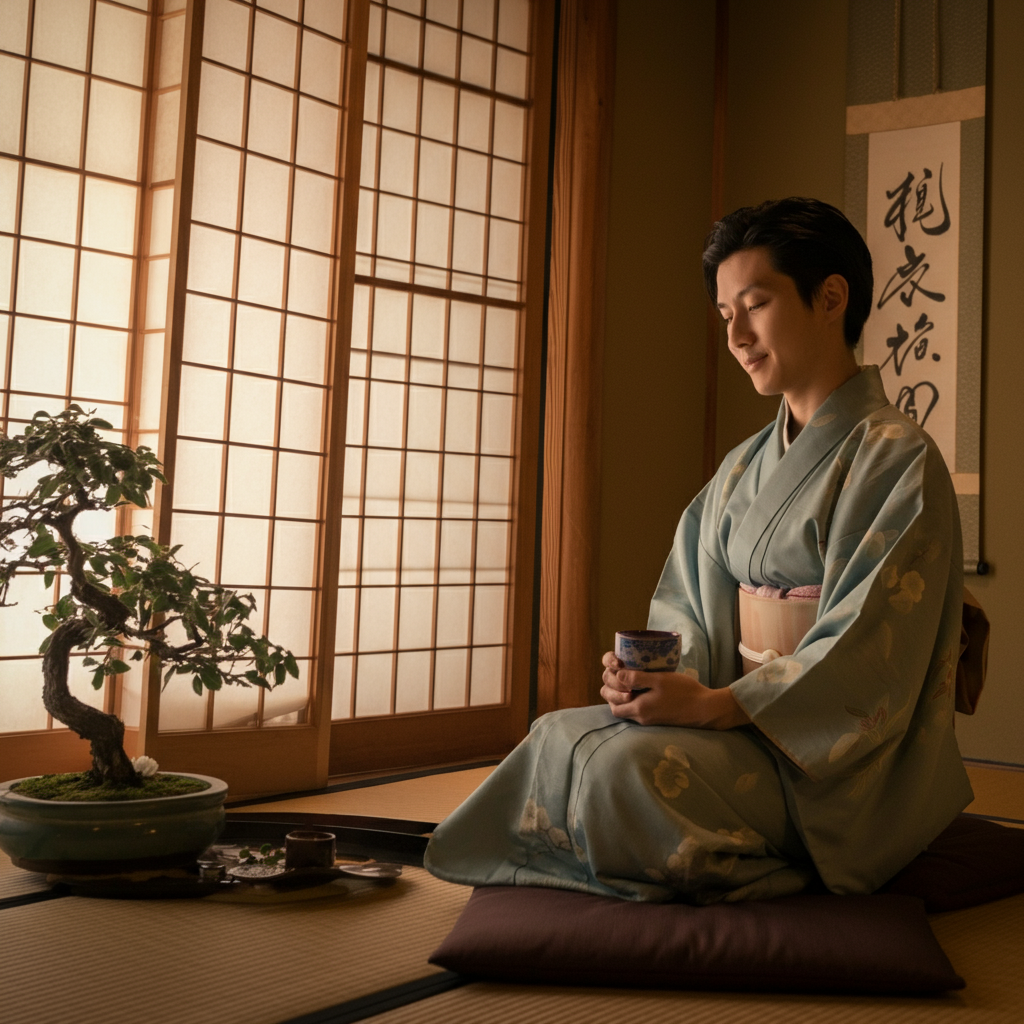
    The Art of Lounging. Comfort luxury. A kimono makes wonderful loungewear.
    Relaxation Loungewear – Yukata robe

  • The Science of Color: Why Traditional Japanese Patterns Feel So Relaxing

    There is something instantly calming about traditional Japanese patterns. Whether it is the gentle repetition of waves, the quiet beauty of cherry blossoms, or the deep blue of an indigo-dyed textile, Japanese design often creates a feeling of balance and tranquility.

    But why do traditional Japanese patterns feel so relaxing? The answer lies partly in color, repetition, nature-inspired imagery, and the Japanese appreciation of seasonality. Together, these elements create designs that are visually rich without necessarily feeling overwhelming.

    1. Colors Inspired by Nature

    One of the defining characteristics of traditional Japanese design is its close relationship with the natural world. Colors found in Japanese textiles often echo the landscape: indigo blue resembles water and evening skies, soft greens suggest foliage, while muted browns, creams, and grays recall wood, stone, and earth.

    This connection to nature can make patterns feel familiar and grounded. Rather than relying exclusively on artificial or highly contrasting color combinations, many traditional designs draw inspiration from the changing seasons.

    Japanese kimono, for example, have historically incorporated colors and motifs associated with particular times of year. The Kyoto National Museum notes that summer kimono could use colors and patterns specifically intended to evoke a feeling of coolness.

    2. The Calming Effect of Repetition

    Look closely at a traditional Japanese pattern and you will often find repetition: waves following waves, leaves arranged in clusters, geometric shapes appearing at regular intervals, or tiny flowers scattered across a textile.

    This repetition gives the eye a predictable visual rhythm.

    Instead of demanding that you focus on one particular point, repeating patterns allow your eyes to move naturally across the design. This can contribute to the peaceful quality many people associate with Japanese textiles.

    Traditional kimono makers used repetition in remarkably sophisticated ways. The Kyoto National Museum, for example, describes early Edo-period kosode featuring bands of geometric forms combined with clusters of small repeating motifs.

    The result is decorative, but also organized.

    3. Water Motifs Suggest Movement and Flow

    Water is one of the most recognizable themes in Japanese decorative art. Waves, streams, waterfalls, and swirling currents appear frequently in kimono designs and other traditional artworks.

    There is an important visual quality to these motifs: they suggest movement without actually moving.

    Curving lines can guide the eye across a garment, creating a sense of flow. The famous seigaiha, or stylized wave pattern, is a particularly good example. Repeated semicircular waves create a rhythm that feels continuous and harmonious.

    The Metropolitan Museum of Art has documented the extensive use of water motifs on Japanese kimono, including stylized waves and flowing water. Some summer kimono were even decorated with imagery intended to create a psychological feeling of coolness.

    4. Seasonal Imagery Creates Emotional Associations

    Traditional Japanese patterns are not simply decorative. Many motifs connect clothing with the changing seasons.

    Cherry blossoms can suggest spring. Maple leaves are associated with autumn. Plum blossoms, pine, bamboo, birds, flowing water, and flowers can all carry seasonal or symbolic associations.

    This gives a Japanese pattern an additional layer of meaning. Instead of seeing only a flower or leaf, the viewer may be reminded of a particular season, landscape, or moment in nature.

    The Metropolitan Museum notes, for example, that pine, bamboo, and plum—known as the “Three Friends of Winter”—have long appeared in Japanese textile art, with associations including longevity, endurance, strength, and renewal.

    5. Balance Between Detail and Empty Space

    Another reason Japanese patterns can feel peaceful is the careful relationship between decoration and open space.

    Traditional Japanese textile design does not always attempt to cover every inch of a garment with equally strong imagery. Some designs place concentrated decoration against quieter areas, creating contrast between visual activity and rest.

    This balance gives the eye somewhere to pause.

    A kimono can therefore be elaborate without feeling chaotic. The placement of motifs, the scale of individual elements, and the surrounding areas of relatively open fabric all contribute to the overall composition.

    6. Subtle Colors Can Feel Sophisticated

    Not every traditional Japanese textile is subdued. Japanese textiles can also feature vivid reds, brilliant yellows, rich purples, gold, and intense blues.

    However, many designs use carefully coordinated colors rather than an unlimited collection of competing shades. Even when a kimono is colorful, the colors often work together through repetition, contrast, and controlled placement.

    The development of yūzen dyeing during the Edo period expanded the possibilities for kimono design, allowing artisans to apply colors directly to fabric and create increasingly detailed pictorial compositions.

    This combination of color and craftsmanship helps explain why Japanese patterns can feel both visually interesting and harmonious.

    Bringing Japanese Calm Into Everyday Life

    You do not have to wear a formal kimono to appreciate the calming qualities of traditional Japanese design. A kimono-inspired robe, patterned textile, decorative panel, or traditional Japanese garment can bring these same visual principles into an everyday space.

    When choosing a Japanese pattern, consider what naturally draws your eye. Do you prefer the rhythmic movement of waves? The delicate beauty of flowers? The simplicity of geometric patterns? Or the deep, grounding quality of indigo?

    Perhaps that is the real appeal of traditional Japanese patterns: they invite you to slow down and notice the details.

    Color, repetition, nature, and balance come together to create designs that are not merely beautiful—they can also feel peaceful, timeless, and deeply connected to the rhythms of the natural world.

  • Who Wears a Kimono?

    When you think of a kimono, you might picture an elegant Japanese garment worn for a traditional ceremony. But today, the appeal of the kimono reaches far beyond formal occasions. From weddings and festivals to parties, special events, and quiet mornings at home, people in the USA are embracing the beauty, comfort, and versatility of the kimono and yukata.

    So, who wears a kimono? The answer is simple: anyone who appreciates beauty, comfort, tradition, and a little everyday luxury.

    Kimonos for Ceremonies and Special Occasions

    The kimono has a long history as an important part of Japanese culture and ceremonial dress. Traditional Japanese kimonos can be worn for weddings, coming-of-age celebrations, tea ceremonies, cultural events, and other significant occasions.

    Their flowing silhouettes, beautiful fabrics, and intricate patterns make them naturally suited to moments when you want to feel special. Floral motifs, cranes, fans, waves, and other traditional Japanese designs can add symbolism as well as visual beauty.

    For Americans attending Japanese cultural celebrations or simply looking for something distinctive to wear to a special gathering, a kimono-inspired look can provide an elegant alternative to conventional Western clothing.

    Kimonos for Parties and Events

    You don’t need a formal ceremony to enjoy wearing a kimono.

    A lightweight yukata or contemporary kimono makes a memorable choice for parties, dinners, vacations, garden gatherings, and celebrations. The relaxed shape is comfortable enough for hours of socializing, while the dramatic sleeves and beautiful patterns create an effortless statement.

    A kimono can also be layered over a simple dress, jeans, leggings, or other everyday clothing. This makes it surprisingly versatile. One beautiful kimono can transform an otherwise simple outfit into something expressive and sophisticated.

    For hosts, guests, and anyone who enjoys entertaining, a colorful Japanese robe can also bring an unmistakable sense of occasion to a gathering.

    Kimonos and Yukata at Festivals

    Japanese festivals are another natural setting for kimono and yukata.

    The yukata is a lighter, more casual Japanese garment traditionally associated with summer and festivals. Its breathable feel and relaxed construction make it especially appealing during warm-weather celebrations.

    Today, you don’t have to travel to Japan to enjoy festival-inspired fashion. Japanese cultural festivals, anime conventions, international celebrations, and summer events throughout the USA provide opportunities to wear a yukata or kimono-inspired garment.

    The vibrant colors and distinctive patterns also make these garments popular for photographs. A beautiful kimono can become part of the experience rather than simply something you wear.

    The Kimono at Home: Luxury Loungewear

    Perhaps one of the most enjoyable places to wear a kimono is somewhere much less formal: home.

    In the USA, kimonos and yukata have become increasingly appealing as loungewear because they combine comfort with an elevated sense of personal style. Instead of reaching for an ordinary robe, imagine wrapping yourself in a beautiful Japanese-inspired garment while enjoying your morning coffee, reading a book, relaxing after work, or getting ready for bed.

    This is where the concept of Zen-inspired living comes into the picture.

    A beautiful kimono encourages you to slow down and appreciate small moments. Its flowing shape doesn’t feel restrictive, while the colors and patterns can bring an artistic element into everyday life.

    It transforms an ordinary routine into something that feels intentional.

    Why Are Kimonos So Popular as Loungewear in America?

    American lifestyles increasingly embrace the idea that comfort and luxury don’t have to be opposites.

    Traditional robes can be practical, but a kimono or yukata can make lounging feel more beautiful. The generous fit provides freedom of movement, while soft fabrics and flowing silhouettes create a comfortable layer for relaxing around the house.

    There is also an emotional appeal.

    A kimono can make you feel great. Putting one on can create a small transition between the busy outside world and the peaceful environment of home. It can feel luxurious without requiring a formal occasion.

    For many Americans, that combination of comfort, beauty, and mindfulness is part of the attraction.

    Zen Inspired Living™ and Everyday Luxury

    The popularity of kimono-style loungewear reflects a broader interest in creating peaceful, beautiful spaces and rituals at home.

    Zen-inspired living doesn’t have to mean completely changing your lifestyle. Sometimes it is simply about being more intentional with everyday experiences.

    Pouring tea into your favorite cup. Lighting a candle. Reading quietly. Taking a few minutes away from your phone. Or slipping into a beautiful kimono at the end of the day.

    These small rituals can make ordinary moments feel special.

    A kimono fits naturally into this philosophy because it is both functional and beautiful. It isn’t simply something to put on—it can become part of a relaxing daily ritual.

    Who Can Wear a Kimono?

    There is no single type of person who wears a kimono.

    You might wear one for a Japanese festival, a cultural celebration, a party, or a special event. You might choose a yukata for a summer gathering. Or you might wear your favorite kimono every morning simply because it makes you feel comfortable and beautiful.

    For some, the attraction is Japanese culture and craftsmanship. For others, it is fashion. For others, it is the comfort of luxurious loungewear and the desire to bring more peace and beauty into everyday life.

    And that’s what makes the kimono so appealing in America today.

    A Kimono for Every Moment

    The modern kimono can move effortlessly between occasions. It can be elegant enough for a celebration, colorful enough for a festival, stylish enough for a party, and comfortable enough for a quiet evening at home.

    Most importantly, you don’t need a special reason to wear one.

    Sometimes the best reason is simply that you want to feel good.

    Whether you are discovering Japanese-inspired fashion for the first time or already love the comfort and beauty of a yukata, a kimono offers a wonderful way to introduce a little Zen Inspired Living™ and everyday luxury into your life.

    At Kimonoshop.com, the kimono isn’t limited to the extraordinary. It can be part of the everyday—worn for celebrations, shared with friends, enjoyed at festivals, or simply wrapped around you while relaxing at home.

    Because feeling comfortable, beautiful, and relaxed is always a good occasion.

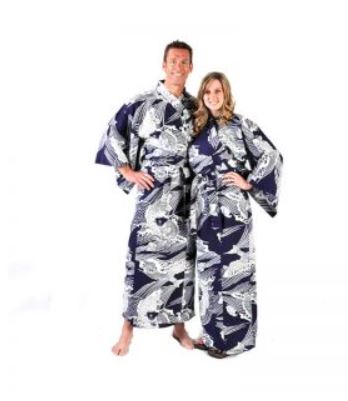
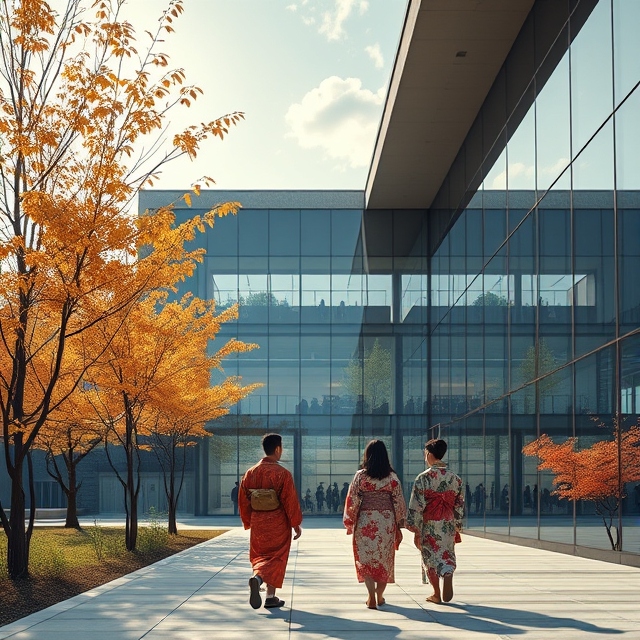
    Man and woman wearing a kimono
    Blue Koi Yukata
  • The Wellness Benefits of Wearing a Japanese Yukata at Home

    When we think about wellness, we often picture meditation, yoga, aromatherapy, or a carefully designed morning routine. But sometimes, improving your sense of well-being can be as simple as changing what you wear.

    A Japanese yukata is a lightweight, casual robe traditionally associated with summer, bathing, relaxation, and everyday comfort. While yukata are commonly seen at Japanese festivals, hot spring resorts, and traditional inns, they can also make wonderful loungewear at home. Their relaxed fit, breathable fabric, and beautiful designs can turn an ordinary evening into a more intentional moment of relaxation.

    Beyond comfort, wearing a yukata at home can encourage slower routines, greater mindfulness, and a stronger appreciation for simple pleasures.

    What Is a Japanese Yukata?

    A yukata is a casual form of Japanese traditional clothing, generally made from lightweight cotton and designed without the layers associated with more formal kimono. The word “yukata” is traditionally associated with bathing, reflecting the garment’s historical connection to Japanese bathing culture. Over time, the yukata evolved into popular summer clothing and relaxed everyday wear.

    Unlike a formal kimono, a yukata is relatively simple to wear and is particularly well suited to warm weather. Cotton allows air to circulate while absorbing moisture, making it a comfortable choice for relaxing at home during the warmer months.

    Today, a yukata can be much more than an outfit for a festival. It can become part of your personal relaxation ritual.

    1. A Yukata Encourages Relaxation

    One of the simplest wellness benefits of wearing a yukata at home is psychological: changing into comfortable clothing can help signal that the working day is over.

    Just as changing into pajamas can create a transition toward bedtime, putting on a Japanese yukata after work, a shower, or dinner can create a deliberate boundary between busy time and personal time.

    The loose silhouette allows you to move comfortably without the restrictions of fitted clothing. Whether you’re reading a book, enjoying tea, watching a movie, or simply taking a few quiet minutes for yourself, a yukata can make relaxation feel more intentional.

    2. Lightweight Cotton Can Help You Stay Comfortable

    Traditional yukata are commonly made from cotton, a practical fabric for warm weather because it allows airflow and absorbs moisture.

    This makes a cotton yukata particularly appealing as home loungewear during spring and summer. Instead of wearing heavy robes or restrictive clothing, you can enjoy a lightweight layer that moves naturally with your body.

    For people who prefer breathable sleepwear and loungewear, a Japanese yukata offers an appealing combination of practicality and traditional style.

    3. Wearing a Yukata Can Create a Mindful Daily Ritual

    Wellness isn’t always about adding another activity to your schedule. Sometimes it’s about making everyday activities more meaningful.

    Putting on a yukata can become a small ritual that encourages you to slow down. Perhaps you put yours on after an evening shower, prepare a cup of tea, turn down the lights, and spend 20 minutes reading. Over time, these small habits can help create a calming transition into your evening.

    This idea fits naturally with the traditional associations of the yukata with bathing, relaxation, and seasonal living.

    In other words, wearing a yukata at home can help turn ordinary downtime into a wellness ritual.

    4. Beautiful Clothing Can Improve the Atmosphere of Your Home

    Comfort doesn’t have to mean sacrificing beauty.

    Japanese yukata are available in an enormous variety of patterns and colors, from traditional indigo designs to floral motifs, landscapes, geometric patterns, and contemporary prints. A beautiful garment can make getting dressed—even when you’re staying home—feel special.

    For example, KimonoShop offers Japanese yukata in a wide range of styles and sizes, including women’s, men’s, short-length, plus-size, and Big & Tall options. The company has specialized in authentic Japanese kimono and yukata since 1994.

    A particularly good example is the Sakura & Mt. Fuji Yukata, made in Japan from 100% cotton and specifically described as comfortable for lounging at home.

    5. A Yukata Can Help You Embrace Slow Living

    Modern life can be fast-paced and screen-heavy. Wearing traditional clothing at home provides an opportunity to step away from that pace, even if only for a little while.

    A yukata naturally encourages a more relaxed approach to movement and daily routines. You might find yourself spending less time rushing from one task to another and more time enjoying simple experiences—having tea, reading, listening to music, or sitting quietly.

    This doesn’t mean a yukata magically creates wellness. Rather, it can become a physical reminder to make room for rest.

    6. It Connects Everyday Comfort With Japanese Tradition

    There is also something meaningful about wearing a garment with centuries of history.

    The yukata evolved from clothing associated with bathing and eventually became an important part of Japanese summer culture. Today, it remains associated with festivals, hot springs, traditional inns, and relaxed seasonal living.

    Wearing one at home allows you to appreciate that tradition in an everyday setting rather than reserving it for special occasions.

    Make Your Home a Little More Relaxing

    Wellness doesn’t always require a major lifestyle change. Sometimes, it’s a comfortable robe, a quiet cup of tea, and a few minutes without rushing.

    A Japanese yukata at home combines comfort, breathability, beauty, and tradition in one simple garment. Whether you wear it after a bath, while enjoying your morning coffee, or as part of an evening wind-down routine, a yukata can make everyday relaxation feel a little more intentional.

    For those interested in bringing authentic Japanese style into their home, Kimono Shop has been a leading online source for Japanese kimono and yukata since 1994, with a broad selection of cotton yukata for men, women, and children.

    Sometimes, creating a more peaceful home begins with something as simple as what you choose to wear.

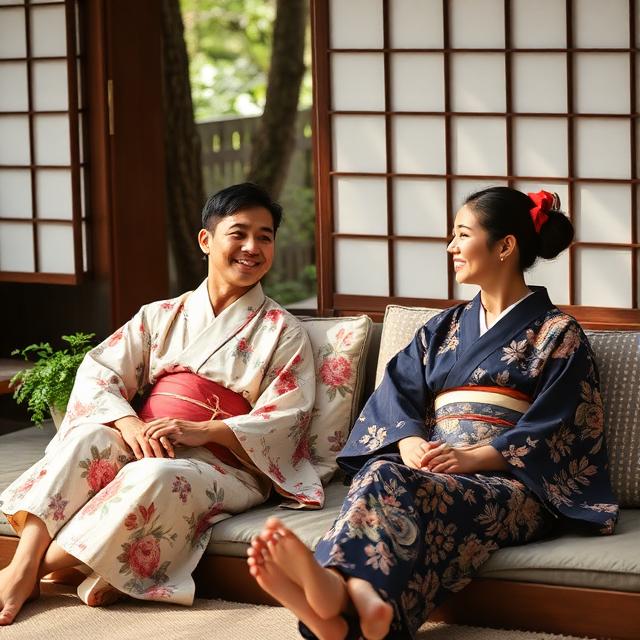
    A couple lounging at home in yukata while sipping coffee and tea.
    Wellness begins at home.

  • The Four Seasons in Japanese Art and Culture

    Few things have influenced Japanese art and culture as deeply as the changing seasons. From delicate cherry blossoms in spring to snow-covered landscapes in winter, nature has long provided Japanese artists with a rich visual and emotional language. The four seasons in Japanese art and culture are more than beautiful scenery—they represent the passage of time, impermanence, tradition, and the changing rhythms of everyday life.

    This deep appreciation for seasonality can be seen across Japanese painting, poetry, ceramics, gardens, textiles, festivals, food, and clothing. It is particularly beautiful in the traditional art of kimono and yukata, where flowers, plants, animals, colors, and landscapes can immediately suggest a particular time of year.

    Spring: Cherry Blossoms and New Beginnings

    Spring is perhaps the most recognizable season in Japanese culture. The arrival of cherry blossoms, or sakura, is celebrated throughout Japan with hanami, the tradition of gathering to enjoy the fleeting beauty of the blossoms.

    Cherry blossoms have become one of the most important symbols in Japanese art because their brief appearance reflects the idea of impermanence. Their beauty is intense precisely because it does not last. This connection between beauty and transience is closely associated with mono no aware, a sensitivity to the temporary nature of things.

    Spring imagery appears frequently in Japanese paintings, prints, poetry, and textiles. Plum blossoms, young grasses, birds, and flowering trees can all function as seasonal references. In Japanese kimono design, these motifs transform clothing into a wearable representation of the natural world.

    Summer: Water, Flowers, and Festivals

    Summer brings a completely different visual vocabulary. Lush greenery, flowing water, fireflies, morning glories, and seasonal flowers evoke the warmth and energy of the Japanese summer.

    Summer is also the season most strongly associated with the yukata. Originally a casual cotton garment, the yukata became closely associated with summer festivals, fireworks displays, hot-spring towns, and relaxed seasonal dressing.

    This makes a summer yukata more than simply an attractive garment. Its patterns and colors can evoke the atmosphere of the season itself. A lightweight cotton yukata decorated with natural imagery can feel like an extension of summer—cool, informal, and connected to the outdoors.

    For those interested in bringing this tradition into a modern wardrobe, Kimono Shop offers a wide selection of Japanese kimono and yukata. Their collection includes designs such as The Four Seasons and The Seasons, which provide a particularly fitting connection to the longstanding Japanese tradition of expressing nature through textiles.

    Autumn: Maple Leaves and the Beauty of Change

    If spring represents renewal, autumn often represents reflection. The changing colors of maple leaves (momiji), pampas grass, chrysanthemums, and the harvest moon are among the most familiar symbols of autumn in Japanese art.

    Autumn has traditionally inspired poetry and visual art because it captures the bittersweet beauty of change. The falling leaf is beautiful, but it also reminds us that summer has passed and winter is approaching.

    This awareness of seasonal transition is a defining feature of Japanese aesthetics. Rather than attempting to preserve nature permanently, Japanese art often celebrates it precisely because it changes.

    The Metropolitan Museum of Art notes that seasonal imagery became deeply embedded across Japanese painting and decorative arts, with seasonal flowers, plants, and landscapes appearing not only in paintings but also in kimonos, lacquerware, and ceramics.

    Winter: Snow, Stillness, and Simplicity

    Winter provides perhaps the most minimalist seasonal imagery in Japanese art. Snow-covered mountains, bare branches, bamboo, evergreen plants, and quiet landscapes create a sense of stillness.

    Where spring and summer can be represented through abundance and color, winter is often associated with simplicity and restraint. Snow can transform a familiar landscape into something almost abstract, emphasizing empty space and subtle variations in tone.

    This ability to communicate an entire season through just a few carefully selected details is one of the hallmarks of Japanese art. A single snow-covered branch may be enough to establish the time of year.

    The Four Seasons as a Cultural Language

    The remarkable thing about the four seasons in Japanese culture is how much meaning can be communicated through a small number of recognizable images. A cherry blossom can suggest spring. Maple leaves can signal autumn. Snow can immediately establish winter.

    This seasonal vocabulary developed over centuries through poetry and the visual arts. The tradition became particularly influential during the Heian period (794–1185), and seasonal subjects eventually spread into painting, textiles, gardens, ceremonies, food, and other forms of cultural expression.

    Japanese artists even developed compositions that show all four seasons within a single landscape. In these works, the viewer may see blossoms on one side, lush summer vegetation in another area, autumn foliage farther along, and snow-covered mountains completing the cycle. The landscape effectively becomes a visual journey through time.

    Seasonal Beauty You Can Wear

    One of the most fascinating aspects of Japanese seasonal art is that it isn’t confined to museums. It can be experienced through everyday objects—including clothing.

    Kimono and yukata have long provided artists with an opportunity to translate nature into patterns, colors, and textiles. Contemporary research into kimono design continues to emphasize the relationship between Japanese clothing, seasonal imagery, and the country’s appreciation of nature.

    That makes designs such as KimonoShop’s The Four Seasons and The Seasons especially appropriate when thinking about the relationship between Japanese clothing and seasonal art. Rather than viewing a yukata simply as a robe or summer garment, it can be appreciated as part of a much older artistic tradition: wearing nature as a visual story.

    Whether displayed as textile art or worn as clothing, a beautifully designed yukata can bring the atmosphere of Japan’s changing seasons into contemporary life.

    A Tradition That Continues

    The four seasons remain one of the most enduring themes in Japanese art and culture. Their influence can be found in ancient poetry, classical screens, ukiyo-e prints, gardens, ceramics, festivals, food, kimono, and modern design.

    At the heart of this tradition is a simple idea: beauty changes. Spring becomes summer, summer becomes autumn, and autumn becomes winter. Each season has its own character, and each is beautiful partly because it will eventually give way to the next.

    That philosophy helps explain why seasonal imagery continues to resonate so strongly today. Japanese art does not merely depict nature—it invites us to notice it, appreciate it, and recognize our own place within its changing cycle.

    A yukata inspired by the seasons therefore represents more than Japanese fashion. It connects contemporary style with a centuries-old appreciation of nature, time, and the quiet beauty of change.

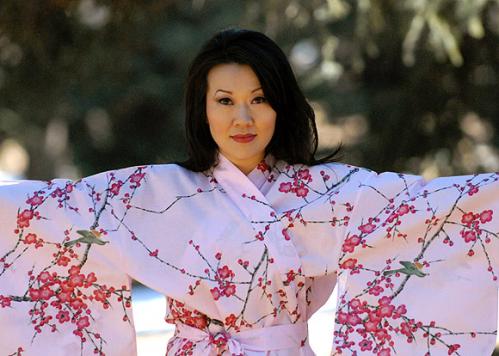
    womens pink cherry blossom yukata from kimonoshop.com
    Pink Cherry Blossom Yukata
  • The History of the Japanese Kimono: A Garment That Never Goes Out of Style

    Few garments are as instantly recognizable as the Japanese kimono. With its distinctive straight lines, elegant sleeves, and beautifully patterned fabrics, the kimono has become a symbol of Japanese culture around the world. But the kimono is more than simply a traditional piece of clothing. Its history reflects centuries of Japanese art, craftsmanship, social customs, and changing ideas about fashion.

    Today, the kimono continues to inspire designers and fashion lovers while remaining an important part of Japanese celebrations and cultural traditions. So, how did this iconic garment become a style that truly never goes out of fashion?

    The Origins of the Japanese Kimono

    The word kimono literally means “a thing to wear” in Japanese. Although garments resembling the kimono existed earlier, the basic form we recognize today developed during Japan’s Heian period, from 794 to 1185.

    During this era, Japanese clothing became increasingly sophisticated. One of the most famous developments was the jūnihitoe, an elaborate multilayered garment worn by women at the imperial court. Clothing could communicate a person’s status, season and position, while the colors and layers reflected the refined aesthetics of the period.

    The emphasis on beautiful textiles and carefully coordinated colors established an important foundation for Japanese kimono culture.

    The Kimono During the Edo Period

    The Edo period, which lasted from 1603 to 1868, was particularly important in the development of the kimono as we know it today.

    During this time, the kimono became a common form of dress across Japanese society. Different styles, fabrics, colors and patterns could indicate a person’s age, social position, occupation or marital status.

    This was also a golden age for Japanese textile arts. Techniques such as yūzen dyeing allowed artisans to create incredibly detailed designs, while shibori produced distinctive patterns through resist-dyeing techniques.

    Kimono designs often drew inspiration from nature. Cherry blossoms, chrysanthemums, cranes, waves, bamboo and autumn leaves became recurring motifs. These weren’t chosen simply because they were attractive. Many carried symbolic meanings connected to seasons, good fortune, longevity or beauty.

    From Everyday Clothing to Cultural Treasure

    During the late 19th and early 20th centuries, Japan underwent enormous social and political change. Western-style clothing became increasingly popular, particularly following the Meiji Restoration of 1868.

    As Western fashion became more common for everyday wear, the kimono gradually moved away from being daily clothing for much of the population. Instead, it became closely associated with formal occasions, celebrations and cultural traditions.

    Today, people may wear kimono for weddings, tea ceremonies, festivals, coming-of-age celebrations, and other important events. Different types of kimono are still associated with particular occasions and levels of formality.

    This transition helped transform the kimono from everyday clothing into something that could be preserved, appreciated and passed from one generation to the next.

    Why Kimono Patterns Matter

    One of the most captivating aspects of a Japanese kimono is its design.

    Traditional kimono patterns often tell a story. A garment featuring cranes, for example, may symbolize longevity and good fortune. Cherry blossoms can evoke the beauty and fleeting nature of spring, while waves may represent strength and continuity.

    Seasonality is another important element of kimono design. Traditional Japanese aesthetics place great value on celebrating the changing seasons, and kimono patterns often reflect the time of year in which they are worn.

    The fabric itself is equally significant. Silk has historically been prized for luxurious kimono, while cotton and other materials have been used for more casual styles. The quality of the textile, dyeing and craftsmanship can turn a kimono into a true work of art.

    The Kimono’s Influence on Modern Fashion

    Although the kimono has centuries of history behind it, its influence can still be seen in contemporary fashion.

    Designers around the world have drawn inspiration from its wrap-front construction, wide sleeves, flowing silhouette and striking textile patterns. Modern kimono-inspired pieces have adapted these elements into robes, jackets, dresses and other styles that fit comfortably into contemporary wardrobes.

    At the same time, the traditional kimono itself continues to evolve. Contemporary makers experiment with colors, fabrics and patterns while maintaining the garment’s distinctive structure and connection to Japanese craftsmanship.

    This balance between tradition and innovation is one reason the kimono remains so relevant.

    A Garment That Never Goes Out of Style

    What makes the Japanese kimono timeless isn’t simply its beautiful appearance. It is the combination of history, symbolism, craftsmanship, and versatility woven into every garment.

    A kimono can represent a particular season, celebrate an important milestone, or preserve the work of an artisan. It connects the wearer with generations of Japanese artistic and cultural traditions while continuing to inspire new interpretations.

    For anyone interested in Japanese culture, owning or wearing a kimono offers a unique opportunity to appreciate this heritage firsthand. Whether chosen for a special occasion or simply admired for its craftsmanship, the kimono remains one of Japan’s most enduring contributions to the world of fashion.

    After centuries of change, one thing is clear: the Japanese kimono isn’t simply a garment from the past. It is a timeless piece of living culture — and a style that never truly goes out of fashion.

    The Art of Lounging. Comfort luxury. A kimono makes wonderful loungewear.
    Relaxation Loungewear