Tag: kimono

  • Who Wears a Kimono?

    When you think of a kimono, you might picture an elegant Japanese garment worn for a traditional ceremony. But today, the appeal of the kimono reaches far beyond formal occasions. From weddings and festivals to parties, special events, and quiet mornings at home, people in the USA are embracing the beauty, comfort, and versatility of the kimono and yukata.

    So, who wears a kimono? The answer is simple: anyone who appreciates beauty, comfort, tradition, and a little everyday luxury.

    Kimonos for Ceremonies and Special Occasions

    The kimono has a long history as an important part of Japanese culture and ceremonial dress. Traditional Japanese kimonos can be worn for weddings, coming-of-age celebrations, tea ceremonies, cultural events, and other significant occasions.

    Their flowing silhouettes, beautiful fabrics, and intricate patterns make them naturally suited to moments when you want to feel special. Floral motifs, cranes, fans, waves, and other traditional Japanese designs can add symbolism as well as visual beauty.

    For Americans attending Japanese cultural celebrations or simply looking for something distinctive to wear to a special gathering, a kimono-inspired look can provide an elegant alternative to conventional Western clothing.

    Kimonos for Parties and Events

    You don’t need a formal ceremony to enjoy wearing a kimono.

    A lightweight yukata or contemporary kimono makes a memorable choice for parties, dinners, vacations, garden gatherings, and celebrations. The relaxed shape is comfortable enough for hours of socializing, while the dramatic sleeves and beautiful patterns create an effortless statement.

    A kimono can also be layered over a simple dress, jeans, leggings, or other everyday clothing. This makes it surprisingly versatile. One beautiful kimono can transform an otherwise simple outfit into something expressive and sophisticated.

    For hosts, guests, and anyone who enjoys entertaining, a colorful Japanese robe can also bring an unmistakable sense of occasion to a gathering.

    Kimonos and Yukata at Festivals

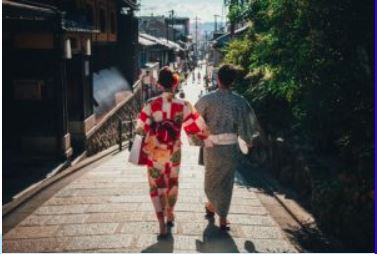
    Japanese festivals are another natural setting for kimono and yukata.

    The yukata is a lighter, more casual Japanese garment traditionally associated with summer and festivals. Its breathable feel and relaxed construction make it especially appealing during warm-weather celebrations.

    Today, you don’t have to travel to Japan to enjoy festival-inspired fashion. Japanese cultural festivals, anime conventions, international celebrations, and summer events throughout the USA provide opportunities to wear a yukata or kimono-inspired garment.

    The vibrant colors and distinctive patterns also make these garments popular for photographs. A beautiful kimono can become part of the experience rather than simply something you wear.

    The Kimono at Home: Luxury Loungewear

    Perhaps one of the most enjoyable places to wear a kimono is somewhere much less formal: home.

    In the USA, kimonos and yukata have become increasingly appealing as loungewear because they combine comfort with an elevated sense of personal style. Instead of reaching for an ordinary robe, imagine wrapping yourself in a beautiful Japanese-inspired garment while enjoying your morning coffee, reading a book, relaxing after work, or getting ready for bed.

    This is where the concept of Zen-inspired living comes into the picture.

    A beautiful kimono encourages you to slow down and appreciate small moments. Its flowing shape doesn’t feel restrictive, while the colors and patterns can bring an artistic element into everyday life.

    It transforms an ordinary routine into something that feels intentional.

    Why Are Kimonos So Popular as Loungewear in America?

    American lifestyles increasingly embrace the idea that comfort and luxury don’t have to be opposites.

    Traditional robes can be practical, but a kimono or yukata can make lounging feel more beautiful. The generous fit provides freedom of movement, while soft fabrics and flowing silhouettes create a comfortable layer for relaxing around the house.

    There is also an emotional appeal.

    A kimono can make you feel great. Putting one on can create a small transition between the busy outside world and the peaceful environment of home. It can feel luxurious without requiring a formal occasion.

    For many Americans, that combination of comfort, beauty, and mindfulness is part of the attraction.

    Zen Inspired Living™ and Everyday Luxury

    The popularity of kimono-style loungewear reflects a broader interest in creating peaceful, beautiful spaces and rituals at home.

    Zen-inspired living doesn’t have to mean completely changing your lifestyle. Sometimes it is simply about being more intentional with everyday experiences.

    Pouring tea into your favorite cup. Lighting a candle. Reading quietly. Taking a few minutes away from your phone. Or slipping into a beautiful kimono at the end of the day.

    These small rituals can make ordinary moments feel special.

    A kimono fits naturally into this philosophy because it is both functional and beautiful. It isn’t simply something to put on—it can become part of a relaxing daily ritual.

    Who Can Wear a Kimono?

    There is no single type of person who wears a kimono.

    You might wear one for a Japanese festival, a cultural celebration, a party, or a special event. You might choose a yukata for a summer gathering. Or you might wear your favorite kimono every morning simply because it makes you feel comfortable and beautiful.

    For some, the attraction is Japanese culture and craftsmanship. For others, it is fashion. For others, it is the comfort of luxurious loungewear and the desire to bring more peace and beauty into everyday life.

    And that’s what makes the kimono so appealing in America today.

    A Kimono for Every Moment

    The modern kimono can move effortlessly between occasions. It can be elegant enough for a celebration, colorful enough for a festival, stylish enough for a party, and comfortable enough for a quiet evening at home.

    Most importantly, you don’t need a special reason to wear one.

    Sometimes the best reason is simply that you want to feel good.

    Whether you are discovering Japanese-inspired fashion for the first time or already love the comfort and beauty of a yukata, a kimono offers a wonderful way to introduce a little Zen Inspired Living™ and everyday luxury into your life.

    At Kimonoshop.com, the kimono isn’t limited to the extraordinary. It can be part of the everyday—worn for celebrations, shared with friends, enjoyed at festivals, or simply wrapped around you while relaxing at home.

    Because feeling comfortable, beautiful, and relaxed is always a good occasion.
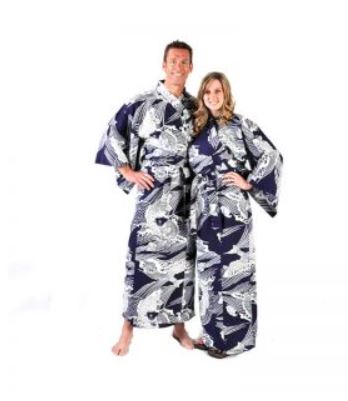
    Man and woman wearing a kimono
    Blue Koi Yukata
  • The Four Seasons in Japanese Art and Culture

    Few things have influenced Japanese art and culture as deeply as the changing seasons. From delicate cherry blossoms in spring to snow-covered landscapes in winter, nature has long provided Japanese artists with a rich visual and emotional language. The four seasons in Japanese art and culture are more than beautiful scenery—they represent the passage of time, impermanence, tradition, and the changing rhythms of everyday life.

    This deep appreciation for seasonality can be seen across Japanese painting, poetry, ceramics, gardens, textiles, festivals, food, and clothing. It is particularly beautiful in the traditional art of kimono and yukata, where flowers, plants, animals, colors, and landscapes can immediately suggest a particular time of year.

    Spring: Cherry Blossoms and New Beginnings

    Spring is perhaps the most recognizable season in Japanese culture. The arrival of cherry blossoms, or sakura, is celebrated throughout Japan with hanami, the tradition of gathering to enjoy the fleeting beauty of the blossoms.

    Cherry blossoms have become one of the most important symbols in Japanese art because their brief appearance reflects the idea of impermanence. Their beauty is intense precisely because it does not last. This connection between beauty and transience is closely associated with mono no aware, a sensitivity to the temporary nature of things.

    Spring imagery appears frequently in Japanese paintings, prints, poetry, and textiles. Plum blossoms, young grasses, birds, and flowering trees can all function as seasonal references. In Japanese kimono design, these motifs transform clothing into a wearable representation of the natural world.

    Summer: Water, Flowers, and Festivals

    Summer brings a completely different visual vocabulary. Lush greenery, flowing water, fireflies, morning glories, and seasonal flowers evoke the warmth and energy of the Japanese summer.

    Summer is also the season most strongly associated with the yukata. Originally a casual cotton garment, the yukata became closely associated with summer festivals, fireworks displays, hot-spring towns, and relaxed seasonal dressing.

    This makes a summer yukata more than simply an attractive garment. Its patterns and colors can evoke the atmosphere of the season itself. A lightweight cotton yukata decorated with natural imagery can feel like an extension of summer—cool, informal, and connected to the outdoors.

    For those interested in bringing this tradition into a modern wardrobe, Kimono Shop offers a wide selection of Japanese kimono and yukata. Their collection includes designs such as The Four Seasons and The Seasons, which provide a particularly fitting connection to the longstanding Japanese tradition of expressing nature through textiles.

    Autumn: Maple Leaves and the Beauty of Change

    If spring represents renewal, autumn often represents reflection. The changing colors of maple leaves (momiji), pampas grass, chrysanthemums, and the harvest moon are among the most familiar symbols of autumn in Japanese art.

    Autumn has traditionally inspired poetry and visual art because it captures the bittersweet beauty of change. The falling leaf is beautiful, but it also reminds us that summer has passed and winter is approaching.

    This awareness of seasonal transition is a defining feature of Japanese aesthetics. Rather than attempting to preserve nature permanently, Japanese art often celebrates it precisely because it changes.

    The Metropolitan Museum of Art notes that seasonal imagery became deeply embedded across Japanese painting and decorative arts, with seasonal flowers, plants, and landscapes appearing not only in paintings but also in kimonos, lacquerware, and ceramics.

    Winter: Snow, Stillness, and Simplicity

    Winter provides perhaps the most minimalist seasonal imagery in Japanese art. Snow-covered mountains, bare branches, bamboo, evergreen plants, and quiet landscapes create a sense of stillness.

    Where spring and summer can be represented through abundance and color, winter is often associated with simplicity and restraint. Snow can transform a familiar landscape into something almost abstract, emphasizing empty space and subtle variations in tone.

    This ability to communicate an entire season through just a few carefully selected details is one of the hallmarks of Japanese art. A single snow-covered branch may be enough to establish the time of year.

    The Four Seasons as a Cultural Language

    The remarkable thing about the four seasons in Japanese culture is how much meaning can be communicated through a small number of recognizable images. A cherry blossom can suggest spring. Maple leaves can signal autumn. Snow can immediately establish winter.

    This seasonal vocabulary developed over centuries through poetry and the visual arts. The tradition became particularly influential during the Heian period (794–1185), and seasonal subjects eventually spread into painting, textiles, gardens, ceremonies, food, and other forms of cultural expression.

    Japanese artists even developed compositions that show all four seasons within a single landscape. In these works, the viewer may see blossoms on one side, lush summer vegetation in another area, autumn foliage farther along, and snow-covered mountains completing the cycle. The landscape effectively becomes a visual journey through time.

    Seasonal Beauty You Can Wear

    One of the most fascinating aspects of Japanese seasonal art is that it isn’t confined to museums. It can be experienced through everyday objects—including clothing.

    Kimono and yukata have long provided artists with an opportunity to translate nature into patterns, colors, and textiles. Contemporary research into kimono design continues to emphasize the relationship between Japanese clothing, seasonal imagery, and the country’s appreciation of nature.

    That makes designs such as KimonoShop’s The Four Seasons and The Seasons especially appropriate when thinking about the relationship between Japanese clothing and seasonal art. Rather than viewing a yukata simply as a robe or summer garment, it can be appreciated as part of a much older artistic tradition: wearing nature as a visual story.

    Whether displayed as textile art or worn as clothing, a beautifully designed yukata can bring the atmosphere of Japan’s changing seasons into contemporary life.

    A Tradition That Continues

    The four seasons remain one of the most enduring themes in Japanese art and culture. Their influence can be found in ancient poetry, classical screens, ukiyo-e prints, gardens, ceramics, festivals, food, kimono, and modern design.

    At the heart of this tradition is a simple idea: beauty changes. Spring becomes summer, summer becomes autumn, and autumn becomes winter. Each season has its own character, and each is beautiful partly because it will eventually give way to the next.

    That philosophy helps explain why seasonal imagery continues to resonate so strongly today. Japanese art does not merely depict nature—it invites us to notice it, appreciate it, and recognize our own place within its changing cycle.

    A yukata inspired by the seasons therefore represents more than Japanese fashion. It connects contemporary style with a centuries-old appreciation of nature, time, and the quiet beauty of change.

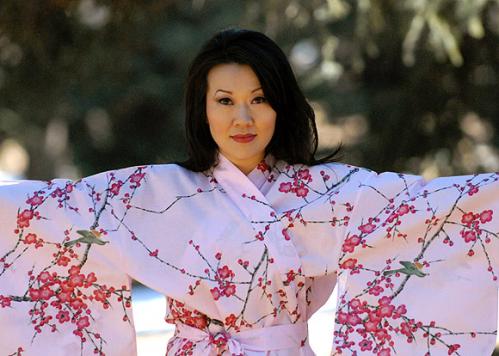
    womens pink cherry blossom yukata from kimonoshop.com
    Pink Cherry Blossom Yukata
  • The Ultimate Halloween Costume: Why a Kimono or Yukata is the Perfect Choice

    Halloween is just around the corner, and it’s time to start planning your ultimate costume. Whether you’re attending a party or going trick-or-treating, finding the perfect Halloween costume can be a daunting task. But fear not, because we have the ultimate solution for you – a Kimono or Yukata!

    Embrace Japanese Culture on Halloween

    Halloween is all about dressing up and having fun, but it’s also an opportunity to learn and embrace different cultures. Japan has a rich history and a unique fashion sense that makes it the perfect inspiration for a Halloween costume.

    A traditional Japanese Kimono or Yukata is not only beautiful but also holds significant cultural meaning. The intricate designs and vibrant colors will draw attention to their beauty every time.

    As the crisp autumn air signals the approach of Halloween, the annual quest for the perfect costume begins. Many of us search for an outfit that is both unique and comfortable, one that won’t be relegated to a box in the attic after just one night. This year, we invite you to consider a choice that is both timeless and stunningly versatile: the Japanese kimono or yukata.

    More than just a costume, a kimono is a piece of art steeped in tradition. It offers an elegant and authentic alternative to the typical Halloween fare, allowing you to create a memorable look for your festivities.

    Beyond a One-Time Costume

    One of the greatest challenges with Halloween costumes is their fleeting nature. It’s common to spend a small fortune on a complex outfit, only to wear it once or twice. Fancy costumes can cost hundreds of dollars, making them a significant investment for a single evening of fun.

    A kimono or yukata, however, is a beautiful garment you can enjoy long after the Halloween decorations come down. These robes are perfect for:

    • Elegant Loungewear: After a long day, there is nothing more comforting than slipping into a soft, breathable cotton yukata.
    • A Stylish Bathrobe: Enhance your daily routine with a robe that combines comfort with exquisite design.
    • Versatile Fashion: A short-length kimono, known as a Happi Coat, can be worn over jeans or as a light jacket, adding a touch of Japanese-inspired style to your everyday wardrobe.
    • Cosplay Events: For those who love cosplay, a high-quality yukata is an essential piece for portraying a wide range of characters from anime, manga, and Japanese folklore.

    When you invest in a kimono, you are not just buying a Halloween costume; you are acquiring a multi-purpose garment that offers style and comfort year-round.

    Create an Authentic Geisha Costume or Samurai Look

    For those drawn to the grace and mystique of Japanese culture, a kimono provides the perfect foundation for an authentic geisha-inspired costume or a noble samurai. The rich fabrics, intricate patterns, and elegant silhouettes of our kimonos allow you to embody these iconic figures with dignity and beauty. Unlike mass-produced “geisha costumes” that often miss the mark, an authentic yukata lends an air of sophistication and respect to your ensemble.

    Our collection features a wide variety of designs, from delicate floral patterns to bold, geometric prints, ensuring you can find the perfect piece to bring your vision to life. Paired with the right accessories, your kimono will transform you into a character of timeless elegance.

    Fast Shipping from the USA

    We understand that when inspiration for the perfect Halloween costume strikes, you don’t want to wait weeks for it to arrive. At Kimono Shop, we ship directly from the USA, ensuring your order reaches you quickly. You can plan your costume with confidence, knowing that your beautiful kimono or yukata will be delivered to your doorstep with time to spare.

    For over 30 years, Kimono Shop has been a proud importer of authentic Japanese robes. We are passionate about sharing the beauty and tradition of these garments with our customers. This Halloween, step away from the predictable and embrace a costume that is as unique and versatile as you are.

    Explore our collection of Men’s Yukatas, Women’s Kimonos, and Children’s Robes to find the perfect piece for your celebration and beyond.

  • Bird Symbolism in Japanese Kimono & Yukata: A Cultural Journey

    The traditional Japanese kimono and the more casual yukata have long been celebrated. Not just as garments but as exquisite canvases that tell stories through their designs. Among the most captivating motifs woven into these fabrics are birds. Each bird carries its unique symbolism. It weaves a rich tapestry of meaning into the garment. This blog post explores the enchanting world of bird symbolism in Japanese kimono and yukata. We offer insights for Japanese culture lovers, fashionistas, and kimono enthusiasts alike.

    The Crane: Symbol of Longevity and Good Fortune – One cannot discuss bird motifs without mentioning the crane. Revered in Japanese culture, the crane is synonymous with luck, longevity, and fidelity. Represented often in wedding kimonos or “uchikake.” The crane promises a life of prosperity and happiness to newlyweds. Its presence on a kimono or yukata signifies hope for enduring love and a long, healthy life.

    The Sparrow: Emblem of Simplicity and Joy – Contrasting the majestic crane, the humble sparrow symbolizes joy and the simplicity of a fulfilled life. Kimono and yukata adorned with sparrows invite wearers and onlookers to appreciate the small pleasures of daily existence. This motif is particularly popular among those who value the beauty in the ordinary.

    The Phoenix: Fantasy of Rebirth – Though not exclusive to Japanese mythology, the phoenix holds a special place in the nation’s iconography. Known as “Hō-ō” in Japanese, the phoenix represents fire, rebirth, and immortality. Kimonos featuring this mythical bird are often worn on auspicious occasions. This symbolizes the wearer’s resilience and capacity for renewal.

    The Peacock: Vanity and Nobility – While less common, the peacock is a motif that denotes nobility, beauty, and a sense of self-pride. The elaborate display of the peacock’s tail feathers on the kimono and yukata fabric reflects a celebration of beauty and an expression of personal style. Wearing a peacock-adorned garment suggests a confident and regal bearing.

    Understanding and Appreciating the Symbolism – In the intricate world of Japanese kimono and yukata, every bird tells a story. Every color has a purpose, and every pattern represents a wish for the wearer. Individuals become enchanted by the cultural depth and aesthetic beauty of these garments. Understanding the symbolism behind the motifs can enrich the wearing experience and deepen their appreciation for Japanese culture.

    Whether you’re donning a kimono adorned with the elegant crane, the joyful sparrow, the mythical phoenix, or the noble peacock, you’re participating in a storied tradition that spans centuries. These garments are more than mere fashion statements. They are wearable art steeped in cultural significance and symbolic meaning.

    For those looking to explore the beauty of Japanese robes, keywords such as “bird kimono,” “kimono,” “kimonos,” “yukata,” and “Japanese robes” serve as gateways into this rich cultural tapestry. Each piece, with its unique blend of design and symbolism, invites wearers and admirers on a cultural journey that transcends mere aesthetics.

    In conclusion, the bird symbolism woven into the fabric of Japanese kimono and yukata reveals a fascinating intersection between nature, culture, and fashion. By understanding and appreciating these motifs, we only honor the tradition behind these garments. We also continue the legacy of storytelling that they represent. Next time you encounter a kimono or yukata, take a moment to ponder the birds adorning it and the stories they tell.

    The online Kimono Shop carries a vast selection of authentic Japanese kimonos and yukata. Kimono Shop offers a wide range of colors, styles, and patterns. Located in the USA, shipping is quick, and orders of $75 or more ship free anywhere in the USA, including Alaska and Hawaii.