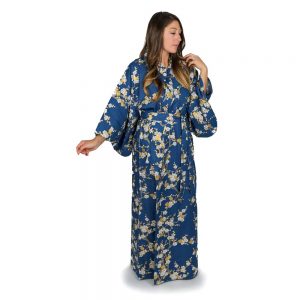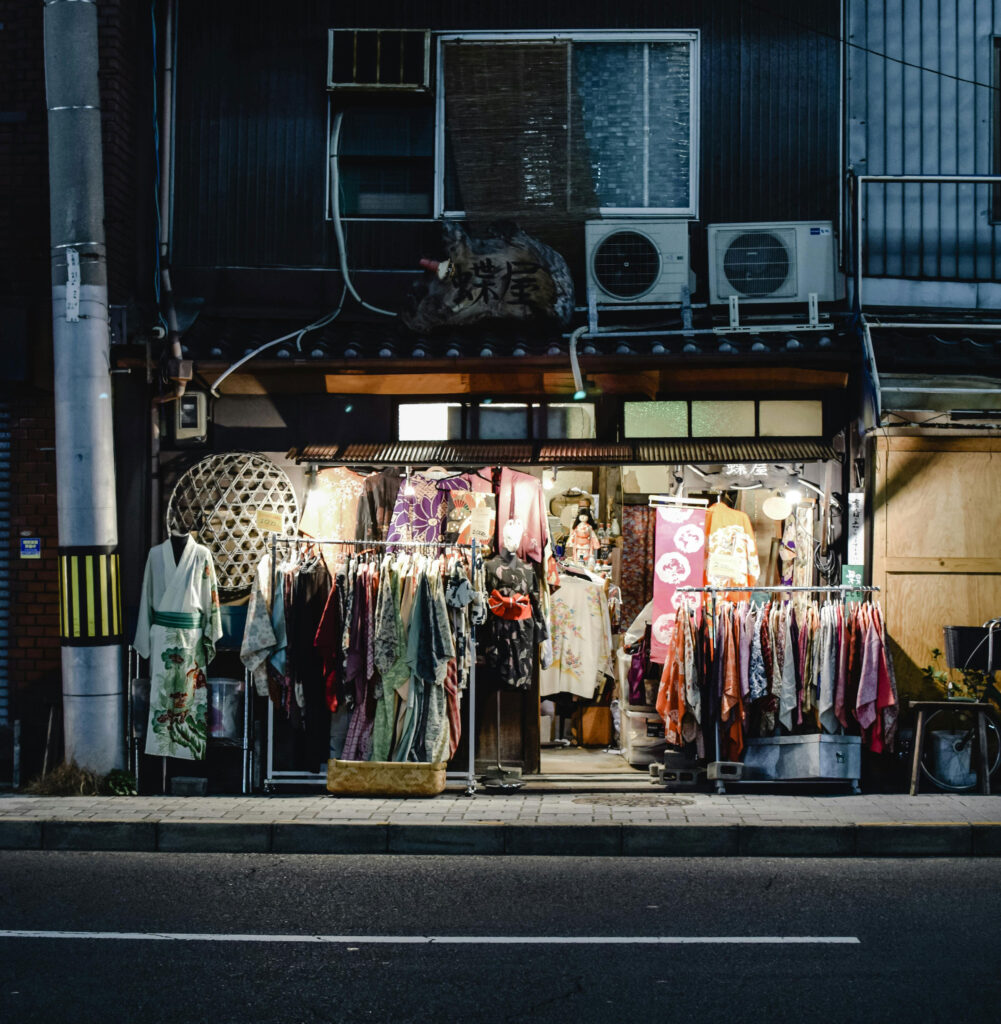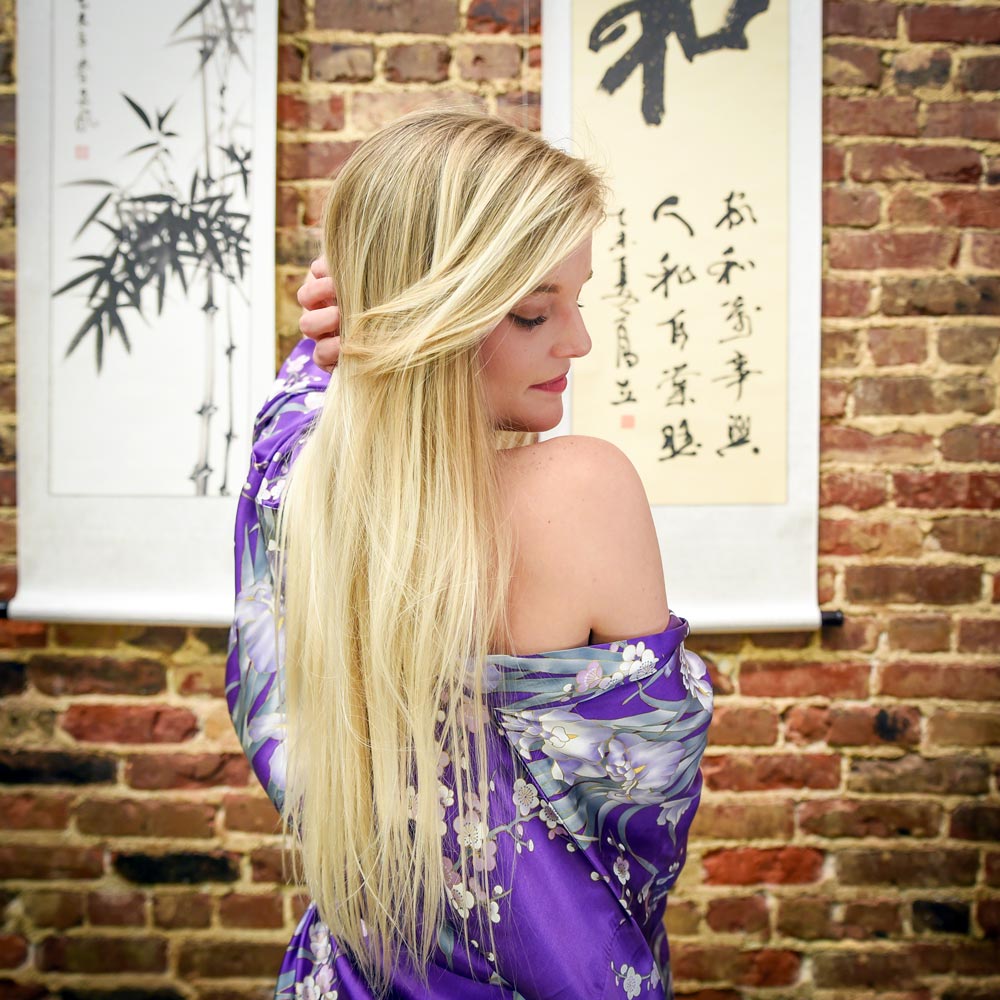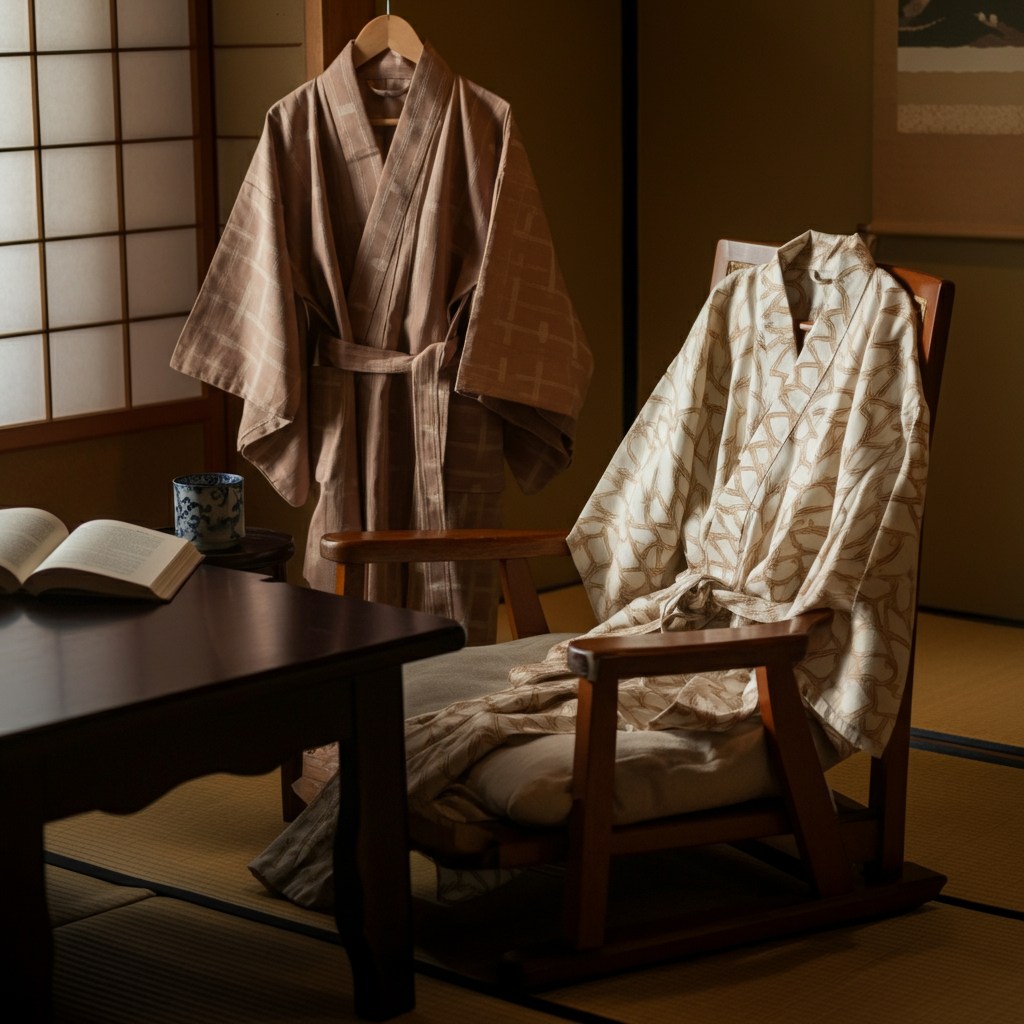
Quick answer: Buying a kimono from an employee-owned shop means dealing with staff who hold a real stake in the company. That ownership inspires them to offer quality garments at fair prices, deliver attentive service, resolve issues quickly, and truly listen to what you need.
There’s a quiet magic in slipping into a beautifully made kimono—the softness of cotton, the artistry of each pattern, the sense of tradition woven into every thread. But the place you buy it from shapes that experience just as much as the garment itself. When you choose an employee-owned kimono shop, you’re welcomed by people who care deeply about getting it right, because their success is tied to yours.
Below, we explore why employee ownership makes such a meaningful difference, and how it elevates your entire shopping experience.
What does employee ownership actually mean?
Employee ownership is a business model where the people who work for a company also hold a stake in it. Instead of answering only to distant shareholders, employee-owners share directly in the company’s success. According to insight6, employee-owned businesses are 8–12% more productive than their non-owned peers, and they tend to invest more in their people, their craft, and their customers.
For a kimono shop, this structure changes everything. The person helping you choose between a vibrant yukata and an elegant happi coat isn’t just an employee—they’re an owner with genuine pride in the garments they offer.
How does employee ownership improve quality and pricing?
When staff have a personal stake in the company, they’re motivated to protect its reputation. That means curating quality merchandise—rich fabrics, authentic patterns, and thoughtful craftsmanship—rather than cutting corners.
Fair pricing follows naturally. Employee-owners want lasting relationships with their customers, not one-time sales. As research from Share Council notes, ownership encourages employees to see themselves as co-owners of the entire customer experience, which inspires honesty and care at every step.
Why is the customer service better at employee-owned shops?
The connection between happy employees and happy customers is well documented. Research shows that businesses with high employee engagement consistently report higher customer satisfaction scores. Employee-owners go the extra mile because they feel a true sense of accountability.
Here’s how that shows up when you shop:
Attentive guidance: Owners take time to help you find the perfect size, style, and pattern.
Quick problem-solving: Concerns about sizing, shipping, or fit are handled swiftly and personally.
A welcoming experience: Staff aim to make every interaction warm, smooth, and memorable.
Do employee-owned shops really listen to customers?
Yes—and this is one of their greatest strengths. Share Council highlights that ownership deepens employees’ empathy for customer needs, encouraging authentic, meaningful interactions that make people feel valued.
Employee-owners actively gather feedback and act on it. If customers want a wider range of sizes or new seasonal styles, owners are quick to respond. This commitment to continuous improvement means the shop grows alongside the community it serves.
Choosing tradition, craftsmanship, and care
When you buy a kimono from an employee-owned shop, you’re not simply purchasing a garment—you’re joining a shared celebration of tradition, quality, and genuine human care. Every owner you meet is invested in your satisfaction, from the moment you browse to the day your kimono arrives at your door.
Ready to experience the difference? Explore our collection and discover what it feels like to be welcomed by people who truly care.
Frequently asked questions
What is an employee-owned company? An employee-owned company is a business where staff hold a meaningful stake in the company. This gives them a direct interest in its success, motivating better service, quality, and customer care.
Why are kimonos better when bought from an employee-owned shop? Employee-owners are personally invested in quality and reputation. They tend to offer authentic, well-crafted garments at fair prices, along with attentive, knowledgeable service.
Are employee-owned shops more expensive? Not necessarily. Because employee-owners value long-term relationships over quick profits, they’re often committed to fair, transparent pricing.
How does employee ownership affect customer service? Employee-owners feel accountable for every customer interaction. This leads to faster problem-solving, more personalized guidance, and a warmer overall experience, supported by research linking employee engagement to higher customer satisfaction.
Employee-owners have an incentive to provide great products and service.
I’ll admit it: my search for an authentic Japanese kimono started with a little bit of daydreaming and a lot of open browser tabs.
I wanted something beautiful, meaningful, and real. Not a costume. Not a “kimono-inspired” robe that looked like it had been designed by someone who had once seen Japan in a movie. I wanted an authentic Japanese kimono or yukata that felt special the moment I opened the package.
That’s how I found Kimono Shop—and honestly, I felt like I had stumbled onto one of those hidden gems you immediately want to tell a friend about.
The Online Kimono Search That Started It All
At first, shopping online for a kimono felt a bit overwhelming. There were so many options, and every site seemed to promise “authentic” this and “traditional” that. But the more I clicked around, the more I noticed the same problems.
Some shops had tiny selections. Others had prices that made me blink twice. A few looked affordable at first, until I started wondering what the final total would be after duties, tariffs, import taxes, brokerage costs, and whatever other surprise fees might appear like uninvited guests at checkout.
I didn’t want mystery math. I wanted a lovely kimono.
The first thing that caught my attention was the selection. Kimono Shop had authentic Japanese kimonos and yukatas in so many styles, colors, and patterns that I actually made tea before settling in to browse properly.
There were elegant florals, bold designs, soft colors, rich colors, and pieces that looked perfect for lounging, displaying, collecting, or wearing for a special occasion. It was the kind of selection where you start by thinking, “I’ll just look for five minutes,” and suddenly you’re comparing sleeve lengths like you’re curating a museum exhibit.
And that’s a compliment.
What really reassured me was learning that Kimono Shop has been in business for over 30 years. That told me this was not some random online shop that appeared last Tuesday. They know kimonos. They know yukatas. They know how to present them clearly, price them fairly, and ship them without making customers feel like they need a calculator and a customs manual.
Competitive Prices Without the “Wait, What?” Fees
Let’s talk about price, because it matters.
Kimono Shop’s prices were extremely competitive, especially for authentic Japanese pieces. I had seen similar-looking items elsewhere for much more, often double, even though they promise the lowest cost anywhere, and sometimes with less information about what I was actually buying. With Kimono Shop, the value was clear.
But the real moment of relief came when I realized there were no hidden fees.
No duties. No tariffs. No import taxes. No brokerage costs.
That was huge for me. I’ve ordered internationally before and had the unpleasant experience of thinking I’d paid the full price, only to get hit with extra charges later. It takes the sparkle right out of the purchase.
With Kimono Shop, the process felt simple and honest. The price was the price, and I could shop without wondering if a surprise bill was waiting around the corner.
Choosing “The One” Was the Hardest Part
The hardest part of buying from Kimono Shop was not the checkout process. It was choosing just one kimono.
I went back and forth between a few favorites. One had a soft, graceful pattern that looked timeless. Another had a brighter design that made me feel cheerful just looking at it. Then there were the yukatas, which had that easy, relaxed beauty that made me imagine summer evenings, sandals, and iced tea.
In the end, I picked the one that made me smile the most. That’s my official shopping strategy, by the way: if you keep going back to look at it, that’s probably the one.
Checkout was smooth, simple, and refreshingly drama-free. No confusing steps. No surprise costs. No last-minute “handling” charge that made me question my life choices. Just a straightforward purchase from a shop that clearly knows what it’s doing.
Quick Shipping and a Very Happy Delivery Day
Then came the waiting, which is usually my least favorite part of ordering online.
But the Kimono Shop shipped quickly, and before I had time to become too impatient, my package arrived. There is a very specific kind of joy that comes from seeing a package you’ve been excited about sitting at your door in just a few days. It’s part birthday, part treasure hunt, part “please let this be as good as I hoped.”
It was better.
Opening the package felt special. The kimono was beautiful, carefully packed, and even lovelier in person than it had looked online. The fabric, the pattern, the overall quality—it all felt authentic and thoughtfully chosen. This was exactly what I had been hoping to find.
I may have tried it on immediately and admired it from several angles. For research, of course.
My Final Verdict: Kimono Shop Knows Kimonos
Buying an authentic Japanese kimono online could have been confusing, expensive, or disappointing. Instead, Kimono Shop made it easy, enjoyable, and genuinely exciting.
They have the selection, the quality, the fair pricing, and the experience to make the whole process feel trustworthy from start to finish. After more than 30 years in business, it’s easy to see why they’ve lasted. They know how to offer authentic Japanese kimonos and yukatas in a way that makes customers feel confident and delighted.
If you’re looking for a real kimono or yukata online, take it from a very happy customer: Kimono Shop is worth discovering. Just be warned—you may go in looking for one and end up making a wish list.
Kimonos hold a rare kind of appeal. They are graceful without trying too hard, rich in meaning without needing explanation, and instantly recognizable across the world. For some people, the love of kimonos begins with their beauty. For others, it starts with a deeper respect for Japanese culture, textile art, and the calm elegance the garment represents.
This post is for fashion enthusiasts, style lovers, and cultural explorers who want to understand why kimonos continue to inspire admiration. We’ll look at their cultural significance, the artistry behind their fabrics and patterns, the power of their silhouette, and the way they continue to shape contemporary fashion. Along the way, we’ll see why the kimono is more than clothing—it is history, identity, and design in one form.
The kimono carries deep cultural meaning
At the heart of the kimono’s appeal is its connection to Japanese heritage. The word “kimono” simply means “thing to wear,” yet the garment has come to symbolize far more than everyday dress. Over time, it became a visual language that reflected season, age, occasion, social setting, and personal taste.
A kimono can communicate subtle messages through color, motif, sleeve length, and styling. In traditional settings, these details matter. A formal kimono worn at a wedding carries a different meaning than a lighter, more casual cotton yukata worn at a summer festival. This layered meaning is one reason people feel drawn to kimonos: they are garments that tell stories.
That cultural depth creates a strong emotional pull. When people admire kimonos, they are often responding not just to how they look, but to what they represent—respect for ritual, beauty in detail, and continuity across generations.
A garment shaped by ceremony and daily life
Part of what makes the kimono so compelling is that it has existed in both formal and everyday spaces. Historically, it was not just reserved for special occasions. It was woven into life itself, adapting to class, climate, and context.
That long history gives the kimono a kind of quiet authority. Unlike fast-moving fashion trends, it feels rooted. It connects the wearer and the viewer to something older, slower, and more intentional.
The artistry of kimono fabric and patterns inspires admiration
People also love kimonos because they are works of art. Every part of the garment can reflect skill and intention, from the weave of the textile to the placement of the pattern. You are not simply looking at fabric. You are often looking at dyeing traditions, weaving methods, hand-painting techniques, embroidery, and design symbolism that have been refined over centuries.
Silk kimonos, in particular, are admired for their softness, sheen, and movement. But the artistry goes beyond luxury. Cotton, linen, and other materials can also be beautiful, especially when crafted with care and designed for season and use.
Patterns that carry meaning
Kimono motifs are rarely random. Many reflect nature, the seasons, or wishes for good fortune. Cherry blossoms may suggest beauty and impermanence. Cranes can symbolize longevity and good luck. Flowing water, bamboo, plum blossoms, and autumn leaves all carry visual and cultural weight.
This is one of the most captivating things about kimonos: the patterns are decorative, but they are also expressive. They invite closer attention. The more you know, the more you see.
Color as emotion and symbolism
Color plays a major role in kimono design. Soft pastels can feel youthful and seasonal. Deep indigo, rich red, gold, and black can create a sense of formality, drama, or celebration. The emotional tone of a kimono often comes from the harmony between its colors and motifs.
For many admirers, this balance is part of the magic. A kimono does not usually rely on a single bold statement. Instead, it creates beauty through composition, restraint, and detail.
The silhouette is elegant, flattering, and versatile
Another reason people love kimonos is simple: they look beautiful. The kimono silhouette is distinct from many Western garments. Rather than shaping the body through tight tailoring, it creates form through wrap, line, drape, and layering.
That makes it feel both structured and fluid. The straight seams, long sleeves, and wrapped front create an elegant outline that moves with the body. The obi, or sash, adds focus and balance. Together, these elements create a look that feels poised and timeless.
Why the shape appeals to so many people
The kimono’s silhouette is versatile because it does not depend on one body type or one narrow ideal. Its design allows for grace, comfort, and presence. That flexibility gives it broad appeal.
It also offers something many people crave in fashion: clothing that feels deliberate. A kimono is not rushed. It encourages attention to dressing, styling, and movement. Even when interpreted in modern ways, it carries a sense of ease and intention.
A balance of simplicity and drama
Are you drawn to minimalist style but still want something memorable? The kimono often answers that need. Its construction is relatively simple in shape, yet the final effect can be striking. A plain kimono can look refined and calm. A patterned one can feel vivid and theatrical.
That range is part of its charm. Kimonos can be understated or expressive without losing their identity.
Traditional craftsmanship gives kimonos lasting value
People value kimonos because they reflect craftsmanship in a very visible way. Traditional kimono making can involve many specialized artisans, each responsible for one stage of the process. Weavers, dyers, painters, embroiderers, and dressmakers all contribute to the final piece.
This level of care is increasingly rare in modern clothing. In a world shaped by speed and mass production, the kimono stands for patience and mastery. That alone makes it meaningful to many people.
The human touch matters
Hand-dyed fabrics, hand-finished seams, and carefully placed motifs give a kimono character. Small differences are not flaws; they are signs of the maker’s hand. For collectors and admirers, this human element creates a deeper sense of connection.
It also changes how people think about clothing. A kimono is often seen not as disposable fashion, but as something to preserve, pass down, and appreciate over time.
Craft as cultural preservation
Supporting traditional kimono craft also helps preserve techniques that might otherwise fade. Textile regions in Japan are known for distinct methods and materials, and many artisans continue to keep these practices alive.
This matters because love for kimonos is not only aesthetic. It can also be ethical and cultural. People admire the garment because it represents knowledge, labor, and heritage worth protecting.
Kimonos blend tradition with personal style
One of the most powerful reasons kimonos endure is that they are traditional, but not frozen in the past. They can honor history while still allowing personal expression. Styling choices, accessories, colors, and layering all create room for individuality.
That balance makes the kimono especially appealing today. Many people want fashion with meaning, but they also want freedom. Kimonos offer both.
Styling can feel ceremonial or creative
In traditional contexts, kimono dressing follows established conventions. That structure is part of the beauty. It reflects respect for occasion and custom.
At the same time, modern wearers and admirers often explore kimonos through a more personal lens. Vintage pieces may be styled in fresh ways. Contemporary designs may borrow kimono elements while adapting them for everyday wear. This tension between tradition and creativity keeps the garment alive.
How kimonos are being reimagined in global fashion
Now that we’ve covered the kimono’s cultural and artistic roots, it’s easier to see why it continues to influence designers around the world. Contemporary global fashion has embraced kimono-inspired shapes, sleeves, wraps, belts, and layered styling in many forms.
Some modern interpretations stay close to the original garment, while others translate its spirit into robes, jackets, dresses, and outerwear. The appeal is clear: kimono-inspired fashion offers elegance, comfort, and visual impact.
Modern fashion loves the kimono’s fluidity
Designers are drawn to the kimono because its structure allows movement and ease. Loose sleeves, soft layering, and wrap shapes feel modern at a time when many people want clothes that are polished but wearable.
Kimono-inspired pieces also move easily between settings. A lightweight kimono jacket can work over denim, tailored pants, swimwear, or an evening dress. That adaptability helps explain the garment’s global reach.
The best reinterpretations respect the source
There is an important difference between inspiration and careless borrowing. The most thoughtful contemporary uses of kimono design acknowledge its cultural roots and treat it with respect. They do not strip away the meaning that gives the garment its power.
For fashion lovers and cultural explorers alike, this is a useful question to ask: does a modern version honor the artistry and heritage behind the original? When the answer is yes, the result can feel fresh and respectful at once.
Why the love for kimonos continues
In the end, people love kimonos for many reasons, and those reasons often overlap. Some are captivated by the silhouette. Others are moved by the craftsmanship, the symbolism in the patterns, or the connection to Japanese heritage. Many simply feel that kimonos possess a rare beauty that modern clothing often lacks.
What makes the kimono endure is its balance. It is historical but still relevant, artistic but wearable, refined but expressive. If you want to appreciate kimonos more deeply this week, start by looking closely at one—its fabric, motif, color, and shape. The more attention you give it, the more it reveals.
The kimono stands out as a garment of striking beauty and deep cultural meaning. Originating in Japan, this iconic robe has captured the admiration of fashion enthusiasts and comfort-seekers worldwide. With its straight seams, wide sleeves, and vibrant patterns, the garment commands attention while offering an incredibly comfortable fit.
Adding a kimono to your wardrobe is an exciting choice, but the variety of options can feel overwhelming. Understanding the history, different styles, and materials available is essential to finding a piece that fits your lifestyle. This guide will walk you through everything you need to know to select a garment you will cherish for years to come.
History and Cultural Significance
The word “kimono” translates simply to “something to wear.” While the term is straightforward, the garment’s history is incredibly rich. Evolving significantly during the Heian period (794–1185), the straight-cut method of making clothes allowed makers to accommodate various body shapes and weather conditions.
Over the centuries, the kimono transformed from everyday attire to a cherished symbol of tradition and artistry. Patterns, colors, and fabrics began to reflect a wearer’s social status, marital status, and even the season or occasion. Today, while modern fashion trends have changed daily dress in Japan, the kimono remains a centerpiece for ceremonies, celebrations, and cultural events, reminding us of its timeless importance.
Different Styles for Every Occasion
There is a kimono for every milestone and moment. The furisode, with its long, swinging sleeves, is commonly worn by young, unmarried women at special events like coming-of-age ceremonies. The elegant tomesode, with shorter sleeves, is reserved for married women and often features intricate designs on the lower half. The yukata, made from lightweight cotton, is perfect for summer festivals and relaxation at home, offering a casual and breezy alternative.
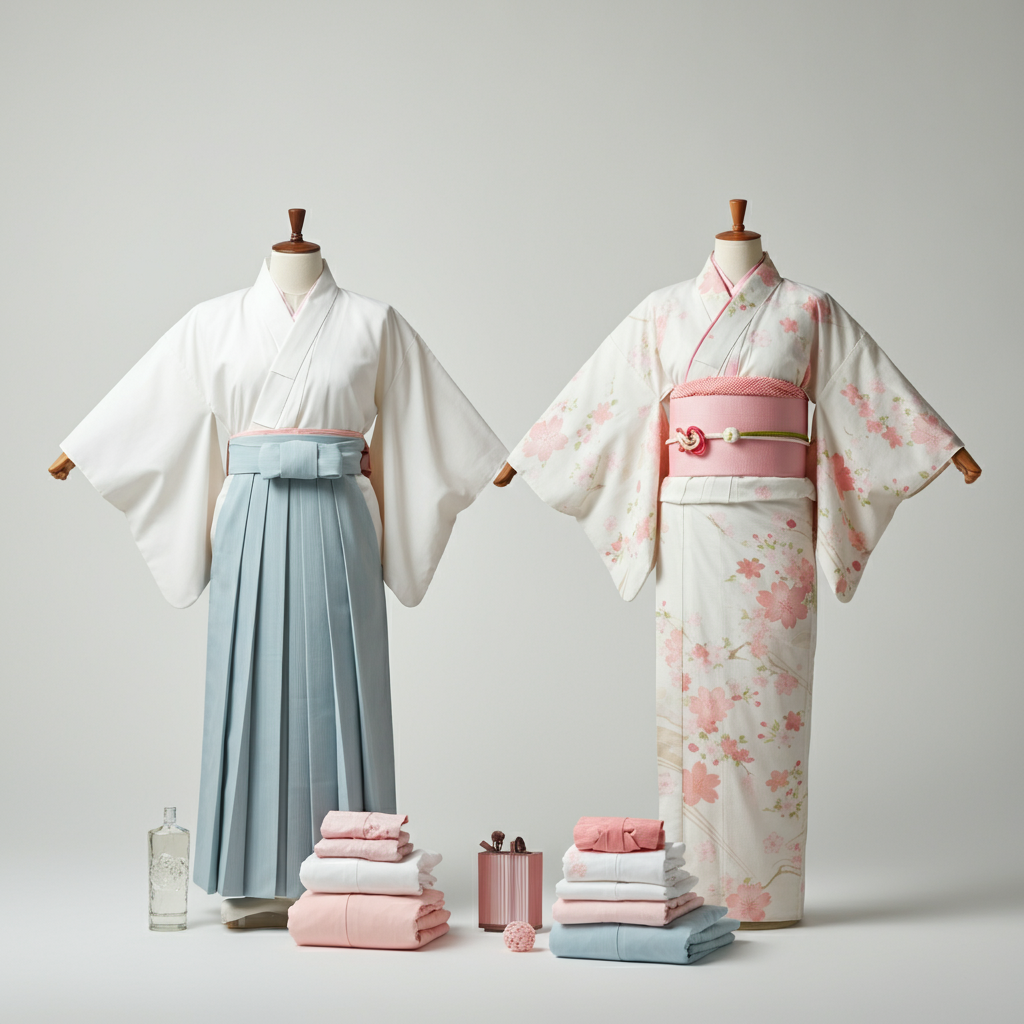
Men’s kimonos are known for their subtle design, usually featuring subdued colors and family crests. Formal occasions may call for the addition of a haori (a hip- or thigh-length jacket) and hakama (traditional pleated trousers).
How to Choose Your Perfect Kimono
Choosing a kimono begins with understanding your needs. Think about the occasion—are you dressing for a wedding, a tea ceremony, a festival, or simply for casual comfort at home? Consider color and fabric: silk is luxurious and beautiful for formal events, while cotton or synthetic blends are both practical and stylish for everyday wear.
Look for patterns and motifs that speak to you. Traditional designs often feature nature, such as cherry blossoms or cranes, each carrying its own symbolism of luck, longevity, or beauty. When in doubt, classic styles and subtle shades create a timeless look.
Why Choose Kimono Shop?
At Kimono Shop, authenticity and quality are at the heart of our collection. We offer a wide range of kimonos to suit every occasion and personal style, from elegant, hand-crafted pieces to easy-to-wear modern designs. Our knowledgeable staff can help you find the perfect fit, ensuring you feel confident and comfortable.
Care Tips for Your Kimono
To keep your kimono looking its best for years, follow a few simple care tips. Store it in a cool, dry place away from direct sunlight to prevent colors from fading. When not in use, fold it neatly or hang it with a special kimono hanger to maintain its shape. For silk kimonos, consider professional cleaning or gentle hand-washing for delicate items.
Conclusion
No matter your personal style or the occasion, embracing a kimono is a way to celebrate culture, craftsmanship, and beauty. Whether you’re wearing one for a special event or simply savoring comfort at home, each kimono tells a unique story—one that intertwines tradition with your own journey.
Ready to find your perfect kimono? Explore the Kimono Shop collection and discover the elegance that has captivated generations.
Since 1994, Kimono Shop has been dedicated to serving kimono lovers around the globe. Recently, we asked our community to send in their most pressing questions about our brand, our garments, and our history. We selected five of the most popular inquiries and sat down to answer them in this exclusive interview.
What makes Kimono Shop a great choice to shop for kimonos?
Kimono Shop is a trusted provider of authentic Japanese kimonos and yukatas, offering exceptional quality, direct-from-Japan sourcing, and over 30 years of industry expertise.
Since 1994, we have prioritized authentic craftsmanship and customer satisfaction. When you shop with Kimono Shop, you receive garments that provide both superior comfort and long-lasting durability, backed by a team that truly understands Japanese textiles.
What is the history of Kimono Shop?
Kimono Shop was founded in 1994 with a clear mission: to share the elegance and comfort of authentic Japanese loungewear with a global audience.
Over the past three decades, we have grown from a passionate small business into a premier online destination for kimono enthusiasts. As fashion trends change, our commitment to traditional Japanese quality and exceptional service remains our foundation.
How do you obtain your kimonos?
We source our kimonos and yukatas directly from skilled artisans and trusted textile manufacturers located in Japan.
By maintaining these direct, long-standing relationships, we eliminate middlemen and guarantee the authenticity of every garment. This sourcing method ensures our customers receive genuine Japanese products while actively supporting the traditional craftsmanship of local artisans.
Why do you do what you do?
We are deeply passionate about preserving the rich cultural heritage of Japanese textiles and making these beautiful, functional garments accessible worldwide.
The artistry, comfort, and history woven into every authentic kimono deserve to be shared. Providing our customers with a piece of this tradition—and hearing how much they love wearing their garments—drives our dedication every single day.
How do I decide what kimono or yukata to buy?
Choosing the right kimono or yukata depends entirely on your intended use, preferred fabric, and local climate.
To make the best choice, consider the following:
Material: Opt for a 100% cotton yukata for warm weather, spa days, or casual lounging due to its high breathability.
Occasion: Select a heavier kimono for cooler temperatures or more formal indoor wear.
Fit: Always consult our detailed sizing guide, paying close attention to length and width measurements to ensure maximum comfort.
Style: Whatever pattern suits your style. We like to let the patterns and designs speak to us. Once that occurs, the choice is easy.
Visit us in our online Kimono Shop 24 hours a day. We offer quick turnaround on most orders and strive to ship your robes within one business day.
Imagine coming home after a long day, kicking off your shoes, and slipping into a garment that feels like a gentle hug. There is nothing quite like the sensation of wrapping yourself in a beautifully crafted robe that perfectly balances elegance and ultimate comfort.
Here at Kimono Shop, we believe everyone deserves to experience that exact feeling. Since 1994, we have made it our mission to bring the rich tradition of Japanese loungewear directly to your doorstep. Whether you are a lifelong fan of Japanese culture or simply looking to upgrade your relaxation routine, we are here to help you find your perfect match.
Why We Love the Authentic Japanese Kimono
When you wear an authentic Japanese kimono, you wear a piece of art. These garments carry centuries of tradition, crafted with incredible attention to detail, vibrant colors, and stunning patterns.
But a kimono is much more than just a beautiful piece of clothing. It changes the way you move and feel. The straight seams and flowing sleeves encourage a sense of grace and mindfulness. You instantly feel put together, even if you are just sipping your morning coffee on the patio. We source our kimonos directly from skilled artisans, ensuring you get the genuine quality and incredible craftsmanship you deserve.
Yukata Robes: Your Everyday Oasis
If you want the elegance of a kimono with a lighter, breezier feel, you need to meet the yukata. Traditionally worn during summer festivals or after a relaxing soak in a hot spring, yukata robes offer the ultimate everyday luxury.
Made from breathable, crisp cotton, these robes keep you cool and comfortable all year round. They serve as the perfect companion for lazy Sunday mornings, spa days at home, or getting ready for a night out. Plus, they come in endless playful designs—from geometric shapes to brilliant floral prints. Finding a yukata that matches your vibrant personality takes only a few clicks.
We Make Online Kimono Shopping a Breeze
Let’s face it: buying traditional clothing on the internet used to feel like a guessing game. Will it fit? Is the fabric actually comfortable?
When we launched in 1994, we set out to completely rewrite the online kimono shopping experience. We took the guesswork out of the process by providing detailed sizing guides, crystal-clear fabric descriptions, and dedicated customer support. We want your shopping journey to be just as relaxing as the robes we sell.
What Sets Kimono Shop Apart
Decades of Expertise: With over 30 years in the business, we know exactly what makes a great robe.
Genuine Quality: We never cut corners. You receive garments that look brilliant and stand the test of time.
A Fit for Everyone: We offer a wide range of sizes and lengths, ensuring you find a robe that feels custom-made for you.
Find Your New Favorite Robe
Are you ready to elevate your loungewear game? It is time to ditch those worn-out sweatpants and treat yourself to something extraordinary.
Browse our latest collection of kimonos and yukatas to discover the vibrant colors, intricate patterns, and unmatched comfort that await you. Explore Kimono Shop today, and let us help you find the perfect authentic Japanese kimono to brighten up your wardrobe!
Finding a truly meaningful gift requires thought and intention. You want to present your loved ones with something beautiful, distinctive, and imbued with significance. Kimono-inspired gifts offer a delicate balance of rich cultural heritage and striking aesthetic appeal. Rooted in centuries of Japanese craftsmanship, these items transform traditional elegance into versatile treasures suitable for modern living.
Whether you are celebrating a wedding, searching for a memorable birthday present, or welcoming a friend into their new home, Japanese artistry provides endless inspiration. By gifting items inspired by the kimono, you share a piece of history, impeccable design, and unparalleled quality. We will explore how accessories, traditional fabrics, and home décor elements make unforgettable gifts for the special people in your life.
The Elegance of Kimono Accessories
Accessories serve as the perfect entry point into the world of traditional Japanese fashion. They allow the recipient to incorporate a touch of elegance into their everyday wardrobe without needing to wear a full kimono.
Statement Obi Belts
The obi is the wide sash worn over a kimono, famous for its heavy silk brocade and elaborate weaving techniques. An authentic obi is a masterpiece of textile art. Many modern fashion enthusiasts use vintage or newly crafted obi belts to cinch dresses, tunics, or coats. Gifting an obi offers a bold, sophisticated accessory that instantly elevates a simple outfit. When selecting an obi, look for intricate Nishijin-ori weaving, a traditional technique from Kyoto that produces breathtaking, multidimensional patterns.
Kanzashi Hairpins
Kanzashi are traditional Japanese hair ornaments designed to complement the kimono. Artisans meticulously craft these pieces using techniques like tsumami-zaiku, where they pinch and fold tiny squares of silk to form three-dimensional petals and flowers. A delicate kanzashi hairpin makes a thoughtful birthday or anniversary gift. It brings a refined, feminine touch to updo hairstyles for formal events, weddings, or evening gatherings.
Traditional Bags and Clutches
Kinchaku (drawstring bags) and clutch purses crafted from vintage kimono silk make exceptional gifts for those who appreciate unique fashion. These bags often feature auspicious Japanese motifs, such as cranes for longevity or cherry blossoms for renewal. A silk clutch serves as a brilliant conversation starter at social events and offers a stunning alternative to mass-produced accessories.
Transforming Spaces with Kimono Home Décor
If your recipient loves interior design, kimono-inspired home décor brings the quiet luxury of Japanese aesthetics directly into their living space. The heavy, ornate fabrics used in kimonos and obis translate beautifully into striking statement pieces for the home.
Wall Hangings and Tapestries
A vintage kimono or a beautifully woven obi sash makes a magnificent wall hanging. By mounting a pristine silk obi on a bamboo pole, you create a dramatic focal point for a living room, hallway, or bedroom. The vibrant colors and metallic threads catch the light, displaying the textile exactly like a piece of fine art. This makes a breathtaking housewarming gift that will anchor a room and command attention.
Elegant Table Runners
Repurposing kimono and obi fabrics into table runners is a wonderful way to bring traditional craftsmanship to the dining room. An obi table runner transforms an ordinary dinner table into a sophisticated setting. The stiff, durable nature of obi silk ensures the runner lies flat and maintains its shape. Gift this to a friend who loves hosting dinner parties or as an unforgettable wedding present that the couple can use for future holiday meals and anniversaries.
Decorative Throw Pillows
Cushion covers fashioned from vintage kimono silk add an instant touch of luxury to a sofa or armchair. Artisans often salvage pristine sections of older kimonos to create these stunning covers. Giving a pair of silk brocade throw pillows is an excellent way to help someone brighten up their living space with a pop of authentic Japanese color and texture.
The Gift of Traditional Japanese Fabrics
For the creative minds, crafters, and eco-conscious friends in your life, the raw materials and traditional fabric items associated with kimono culture make outstanding gifts.
Furoshiki Wrapping Cloths
Furoshiki are square pieces of fabric traditionally used to wrap and transport goods in Japan. Today, they serve as a beautiful, eco-friendly alternative to paper gift wrapping. You can purchase Furoshiki in various sizes, featuring classic kimono patterns like waves (seigaiha) or geometric hemp leaves (asanoha). The true magic of Furoshiki is that it functions as a two-in-one present. You can use it to wrap another gift, and the recipient can keep the cloth to use as a scarf, a bag, or a sustainable wrapping cloth for their own future gifting.
Silk Remnants and Fabric Panels
If you are shopping for a quilter, tailor, or DIY enthusiast, consider giving bundles of authentic kimono fabric remnants. Crafters highly prize Chirimen (crepe silk) and Rinzu (damask silk) for their unique textures and high-quality dyes. A curated selection of vintage silk panels allows the recipient to incorporate authentic Japanese textiles into their own creative projects, from patchwork quilts to bespoke clothing accents.
Matching the Motif to the Occasion
When selecting a kimono-inspired gift, pay attention to the patterns woven or dyed into the fabric. Traditional Japanese motifs carry deep symbolic meanings, allowing you to tailor your gift specifically to the occasion.
Weddings: Look for items featuring cranes (tsuru) or pine trees (matsu). Cranes mate for life and symbolize longevity and a harmonious marriage. Pine trees represent steadfastness and endurance.
Birthdays: Cherry blossoms (sakura) represent the fleeting beauty of life and new beginnings, making them perfect for celebrating another year. Chrysanthemums (kiku) symbolize rejuvenation and long life.
Housewarmings: The wave motif (seigaiha) signifies surges of good luck, strength, and resilience. This serves as a wonderful blessing for someone starting a new chapter in a new home.
Discover the Perfect Kimono Gift
Kimono-inspired gifts transcend ordinary presents. They carry the weight of artisanal dedication, the beauty of rich silk, and the profound symbolism of Japanese culture. Whether you choose a gleaming obi table runner for a wedding, a delicate silk hairpin for a birthday, or a versatile Furoshiki cloth for an eco-conscious friend, you are giving a gift that will be cherished for a lifetime.
Ready to find a deeply meaningful gift that leaves a lasting impression? Explore our carefully curated collection of authentic kimonos, beautiful silk accessories, and stunning home décor items today. Visit our shop to discover the perfect piece of Japanese artistry for your next special occasion.
Graduation season marks a magnificent milestone. Years of intense dedication, early morning classes, and relentless hard work culminate in a single, triumphant walk across the stage. As you look for meaningful ways to celebrate the new graduate in your life, you might want to move beyond the traditional pens, briefcases, and standard gift cards. Instead, give them something that wraps them in comfort and beautifully honors their incredible achievement.
A traditional Japanese kimono or a lightweight yukata robe makes an extraordinary graduation gift. These elegant garments perfectly blend sophisticated style with unmatched daily utility, making them a brilliant choice for young adults entering their next chapter.
A Gift of Unmatched Comfort and Style
When students transition from high school to college, or from a university campus to the professional sphere, their need for comfortable, reliable clothing remains a constant. A high-quality kimono provides exceptional comfort without ever sacrificing elegance.
Perfect for Dorm Living and College Life
For the recent high school graduate heading off to a busy university dormitory, a cotton yukata robe quickly becomes an essential piece of daily wear. College life demands flexibility. Imagine those grueling late-night study sessions preparing for midterms. Instead of wearing restrictive clothing or worn-out sweatpants, your graduate can slip into a breathable, beautifully patterned robe.
Kimonos also make for the absolute ideal loungewear on busy weekends. Whether your graduate is hanging out with friends in the common room, collaborating on intense group projects, or simply enjoying a quiet Sunday morning after a long week of classes, a kimono offers a sophisticated alternative to standard pajamas. It allows them to feel put-together and confident while remaining completely relaxed.
A Memorable, Long-Lasting Keepsake
Most graduation gifts are quickly spent or quietly forgotten within a few months. A beautifully crafted Japanese kimono stands far apart from the crowd. It is a highly personal, thoughtful present that carries a true sense of occasion. Every time your graduate wraps the soft fabric around themselves, they will remember the proud family member or friend who gave it to them.
Crafted from durable, premium materials, authentic kimonos are intentionally designed to last. They will comfortably carry the graduate through their four years of college and well into their adult life. This remarkable longevity transforms a simple piece of clothing into a cherished keepsake they will remember for years to come.
Find the Perfect Robe for Your Graduate
Selecting the right graduation gift requires care and attention to detail. By choosing a kimono, you offer a unique present that clearly stands out from the rest. You offer a practical solution for their everyday lounging needs and celebrate their milestone with genuine style and grace.
Are you ready to find the ideal present to celebrate your upcoming graduation? Browse our curated collection of authentic Japanese kimonos and yukata robes today to discover a beautiful, timeless gift they will treasure forever.
Finding the perfect balance between comfort and style during warmer months often feels like a challenge. You want clothing that breathes well, looks fantastic, and transitions effortlessly from your living room to the outdoors. Enter the Happi Coat.
This traditional Japanese short-length kimono offers an incredible blend of practicality and elegance. Whether you need a comfortable outfit for relaxing on the weekend, a chic pool cover-up, or even a cohesive uniform for your business team, this garment delivers. Let us explore why the Happi Coat deserves a permanent spot in your spring and summer wardrobe.
Effortless Comfort for Spring and Summer
When temperatures rise, heavy fabrics and restrictive cuts will not do. The Happi Coat provides a lightweight, breezy alternative that keeps you cool while looking undeniably stylish.
Perfect for Home and Beyond
True loungewear should work beautifully for everything you do around the house. Slip into a Happi Coat to enjoy your morning coffee, read a book on the patio, or tackle light chores. The loose, forgiving fit gives you plenty of room to move.
You can easily wear this short kimono while kneeling in the garden to pull weeds or water your flowers. If you need to run quick errands, the Happi Coat pairs wonderfully with simple jeans or leggings. It turns a quick trip to the grocery store into a comfortable, stylish outing.
The Ultimate Pool Cover-Up
Spending a sunny afternoon by the water requires the right attire. The Happi Coat serves as an ideal pool cover-up. Its open-front design allows you to slip it on easily over a wet swimsuit. The fabric catches the summer breeze, drying quickly while offering just the right amount of protection from the sun. You will feel instantly put-together as you transition from the pool to an outdoor lunch.
A Touch of Hospitality: Gifts and Guests
Finding a unique, thoughtful gift for a friend moving into a new home can be tricky. A Happi Coat makes an excellent housewarming present. It offers a touch of luxury that people rarely buy for themselves.
These short kimonos also elevate the hospitality of your own home. Keep a few clean Happi Coats in your guest room closet. When visitors arrive for the weekend, offering them a dedicated, stylish robe makes them feel like they are staying at a premium resort. It is a small detail that leaves a lasting impression on your guests.
Professional Elegance: Wardrobe Your Team
The benefits of the Happi Coat extend far beyond personal use. Business owners in the wellness and personal care industries constantly look for uniforms that look professional but feel incredibly comfortable.
If you run a nail salon, a dentist’s office, or a day spa, consider dressing your staff in matching Happi Coats. The clean lines and uniform appearance create a cohesive, calming brand aesthetic for your clients. At the same time, your employees will appreciate working in unrestrictive clothing. The short sleeves ensure their hands stay free to perform treatments, while the elegant silhouette projects a high standard of care and hygiene.
The Magic of Cool, Soft Cotton
The true secret behind the Happi Coat’s appeal lies in its material. Crafted from cool, soft cotton, the fabric feels absolutely incredible against your skin. Cotton naturally wicks moisture away, making it the perfect companion for humid spring and summer days.
Unlike synthetic materials that trap heat, a cotton short kimono allows air to circulate freely. Every time you wear it, you experience a soft, breathable embrace that helps you stay relaxed and comfortable from morning until night.
Upgrade Your Loungewear Experience
The Happi Coat proves that you never have to sacrifice style for comfort. From tending to your garden to outfitting your professional spa team, this versatile short kimono adapts to your needs effortlessly. It redefines what practical loungewear can be.
Take a moment to evaluate your warm-weather wardrobe. Embrace the breathable comfort of soft cotton and the timeless elegance of the Happi Coat to elevate your everyday routines this spring and summer.
Dragons capture our imagination across countless cultures, but few societies revere these mythical creatures as much as Japan. While Western stories often depict dragons as terrifying beasts guarding hordes of gold, Japanese folklore paints a vastly different picture. Here, dragons are majestic, benevolent spirits deeply woven into the fabric of daily life, religion, and art.
Understanding the Japanese dragon means diving deep into ancient mythology and exploring its profound spiritual significance. In this guide, we will explore the historical origins of these magnificent creatures, uncover what they represent in Japanese spirituality, and show you how to embrace their powerful symbolism through traditional apparel.
The Roots of Japanese Dragon Folklore
To understand Japanese dragons, you must look back thousands of years. Known in Japanese as ryu or tatsu, these creatures originated from a blend of indigenous legends and imported myths from China, Korea, and India. When Buddhist monks traveled to Japan, they brought stories of powerful serpent-like water deities. Over time, these foreign myths merged with native Shinto beliefs, creating a uniquely Japanese interpretation of the dragon.
You can easily distinguish a Japanese dragon from its Asian counterparts by counting its claws. Traditional Japanese folklore states that dragons have three claws, while Chinese dragons typically have five, and Korean dragons have four. Legend playfully suggests that dragons originated in Japan and grew more claws as they traveled further away.
Regardless of their exact physical description, these creatures quickly became central figures in Japanese creation myths. They lived in oceans, rivers, and lakes, controlling the rainfall and the tides.
Spiritual Significance and Symbolism
In Japanese culture, the dragon is far more than a simple mythological monster. It serves as a complex spiritual symbol representing various virtues and natural forces.
Masters of Water and Agriculture
First and foremost, Japanese dragons are supreme water deities. Because Japan is an island nation heavily dependent on agriculture, controlling water meant controlling life itself. Farmers prayed to dragon gods for rain during droughts and for protection against devastating floods. The dragon became a symbol of balance, ensuring the rice paddies received exactly what they needed to thrive.
Wisdom and Benevolence
Unlike the destructive fire-breathing dragons of European lore, the Japanese ryu embodies ancient wisdom and quiet benevolence. They act as guardians of the divine and protectors of humanity. In many Buddhist temples across Japan, you will see dragon carvings adorning the ceilings or guarding the washing pavilions. These fierce faces are not meant to scare worshipers, but rather to ward off evil spirits and protect the sacred spaces.
Strength, Courage, and Transformation
Dragons also represent immense physical and spiritual strength. A famous legend tells of a persevering koi fish that swam up a massive waterfall against all odds. Upon reaching the top, the gods rewarded the fish for its determination by transforming it into a magnificent dragon. Because of this story, the dragon stands as a universal symbol of courage, resilience, and the ability to overcome impossible obstacles.
Famous Dragons in Japanese Lore
Several specific dragons hold prominent places in Japanese history and literature. Their stories continue to influence art, festivals, and spiritual practices.
Ryujin (The Dragon King): Ryujin is perhaps the most famous Japanese dragon. As the ruler of the sea, he lived in an underwater palace made of red and white coral. He controlled the tides using magical jewels and commanded all marine life. Many Japanese emperors claimed direct descent from Ryujin, using his power to legitimize their rule.
Yamata no Orochi: This fearsome eight-headed, eight-tailed dragon represents a darker side of mythology. According to Shinto legend, the storm god Susanoo defeated this monstrous creature to save a young maiden. Upon defeating the dragon, Susanoo discovered a legendary sword within its tail. This sword eventually became one of the Three Sacred Treasures of Japan, further cementing the dragon’s role in imperial history.
Watatsumi: Often used interchangeably with Ryujin, Watatsumi is the legendary water tutelary deity of Shinto religion. Shrines dedicated to Watatsumi still exist across Japan, particularly in coastal fishing communities seeking safe passage and bountiful catches.
Embracing the Dragon: Traditional Japanese Apparel
The power and beauty of the dragon did not remain confined to ancient scrolls and temple ceilings. For centuries, Japanese artisans have woven dragon motifs into textiles, ceramics, and clothing. Wearing a dragon symbolizes a desire for strength, protection, and good fortune.
Today, you can easily incorporate this powerful symbolism into your own wardrobe. Kimono Shop offers an incredible selection of authentic, dragon-themed kimonos and yukata that celebrate these mythical guardians in stunning detail.
The Dragon and Mt Fuji Yukata
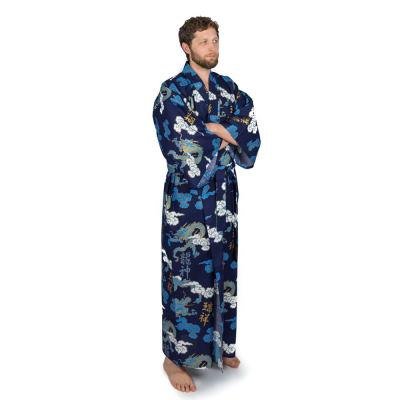
Combine two of Japan’s most iconic symbols with the Dragon and Mt Fuji yukata. This design features a majestic dragon soaring above the sacred peak of Mount Fuji. Available in deep navy, striking black, and vibrant red, this lightweight cotton robe perfectly balances traditional artistry with ultimate comfort. The dynamic artwork captures the dragon’s role as a guardian of the natural world.
Premium Black Dragon and Tiger Kimono
For a truly striking piece, the premium Black Dragon and Tiger kimono brings a famous mythological rivalry to life. In Asian philosophy, the dragon and the tiger represent two opposing but complementary forces, much like yin and yang. The dragon commands the heavens, while the tiger rules the earth. This premium garment features intricate detailing that showcases both powerful creatures in perfect harmony against a rich black background.
Embroidered Dragon and Flame Kimono
If you appreciate detailed craftsmanship, the Embroidered Dragon and Flame kimono commands attention. This garment utilizes high-quality embroidery to create a textured, three-dimensional effect. The fierce dragon winds its way through stylized flames, creating a visually stunning piece that practically leaps off the fabric. It serves as a perfect choice for those who want to project confidence and strength.
Dragon and Hawk Yukata
The Dragon and Hawk yukata pairs the mighty water deity with a revered bird of prey. The hawk represents keen vision, nobility, and swift action. When paired with the dragon’s ancient wisdom and strength, the resulting design tells a story of complete mastery over both the sky and the sea.
Dragon and Bamboo Yukata in Navy
For a more understated but equally meaningful design, consider the Dragon and Bamboo yukata in classic navy. Bamboo symbolizes flexibility, resilience, and longevity—qualities that perfectly complement the dragon’s powerful nature. This elegant yukata offers a sophisticated nod to traditional Japanese folklore, making it an excellent choice for relaxing at home or attending summer festivals.
Wear a Piece of Legend
The Japanese dragon remains one of the most compelling and enduring symbols in Eastern mythology. By representing water, wisdom, protection, and strength, these magnificent creatures offer a deeper understanding of Japan’s spiritual heritage and its deep connection to the natural world.
You do not need to visit an ancient temple to appreciate this powerful symbolism. By wrapping yourself in a beautifully crafted garment from Kimono Shop, you can carry the strength and protection of the dragon with you every day. Explore Kimono Shop’s full collection of dragon-inspired kimonos and yukatas to find the perfect piece that resonates with your own personal journey.