Category: japanese bathrobes

  • Discovering the Best Kimono Robe Near You

    For fashion enthusiasts and lovers of Japanese culture, finding the perfect kimono robe can sometimes feel like a treasure hunt. Whether you’re a local shopper exploring nearby boutiques or an online enthusiast browsing global collections, the quest for the perfect kimono robe can be both exciting and challenging.

    The Challenge of Finding Local Kimono Shops

    Kimonos, with their rich history and cultural significance, are often not readily available in local stores, making it difficult for those seeking authentic pieces. Many local neighborhoods lack specialized kimono shops, leading enthusiasts to spend hours searching for that perfect piece.

    This is where Kimono Shop – Your Kimono Source steps in to transform your shopping experience.

    Why Choose Kimono Shop – Your Kimono Source?

    Convenient Online Shopping Experience

    With Kimono Shop, there’s no need to drive around town, deal with traffic, or search for parking spaces. From the comfort of your home or office, you can explore a vast selection of kimono robes online, 24 hours a day. Simply browse, add your favorite items to your cart, provide your information, and leave the rest to us.

    Extensive Range of Styles and Sizes

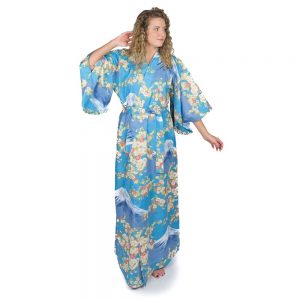
    We pride ourselves on offering a diverse range of kimono robes, ensuring there’s something for everyone. Our collection includes various sizes, styles, and patterns, allowing you to find the perfect match for your personal taste.

    Quick and Reliable Shipping

    At Kimono Shop, we understand the anticipation of receiving your new kimono robe. That’s why we offer fast shipping, with most orders dispatched within one day and delivery occurring within 2 to 3 days for most orders.

    Hassle-Free Returns and Exchanges

    Your satisfaction is our priority. If your kimono or yukata doesn’t meet your expectations, you can return it for a refund or exchange, making your purchase simple and easy.

    Trusted Experience Since 1994

    With over two decades of experience in offering Japanese robes online, Kimono Shop has perfected the art of customer satisfaction. Our extensive knowledge ensures that your shopping experience is seamless and enjoyable.

    The search for a “kimono robe near me” ends here. With Kimono Shop, you can enjoy a hassle-free shopping experience, discovering beautiful kimono robes without leaving your home. Whether you’re a local shopper or an online enthusiast, our collection awaits you. Explore our range today and bring a touch of Japanese elegance to your wardrobe.


  • Your Kimono Questions Answered

    Welcome, Kimono enthusiasts and fashion lovers! At Kimono Shop, we adore the beauty and tradition surrounding the art of the kimono. Whether you’re an avid collector or a curious newcomer, we understand that kimonos can evoke many questions. In this Q&A blog, we’ve compiled a few frequently asked questions from our customers to help you on your kimono journey.

    Frequently Asked Questions

    Do men wear Kimono?

    Absolutely! While kimono are often associated with women’s fashion, men also wear them for various occasions. Men’s kimono, known as “hakama,” typically feature darker colors and simpler patterns compared to women’s styles. They are worn during traditional ceremonies, weddings, and sometimes as everyday attire in Japan. If you’re looking to explore men’s kimono options, our shop offers a variety tailored to suit different tastes and occasions.

    What is an obi?

    An “obi” is a traditional sash that is an essential part of kimono attire. It wraps around the waist and is tied at the back or front, depending on the style and formality of the occasion. The obi not only holds the kimono together but also adds a decorative element to the ensemble. With various types and styles available, obis can range from simple, understated designs to ornate, elaborate pieces that are true works of art. All kimonos and yukata sold at Kimono Shop include a matching belt or sash. Assorted colors are available for a nominal charge.

    Do you offer a polyester kimono?

    At Kimono Shop, we prioritize authenticity and quality in our products. Traditional kimonos are crafted from natural fibers such as silk, cotton, and wool, which offer superior breathability, comfort, and elegance. While polyester can be more affordable, it often lacks the luxurious feel and aesthetic of natural materials. We are committed to providing our customers with genuine kimonos that honor the rich cultural heritage of this iconic garment. Most kimonos and Yukata made of polyester are made in China. Often, the quality is inferior, and the finish is poor. Retailers that offer polyester are usually more concerned about sales, rather than quality and tradition.

    What do Koi fish represent?

    Koi fish are a common motif in Japanese art and culture, and they hold significant symbolic meaning. Often featured on kimono, koi represent perseverance, strength, and determination. This symbolism stems from the koi’s ability to swim upstream and overcome obstacles, embodying the virtues of resilience and bravery. Wearing a kimono adorned with koi fish can be a powerful reminder of one’s inner strength and spirit.

    How can I get free shipping?

    We love to reward our valued customers with special perks, including free shipping on eligible orders! To qualify for free shipping, simply spend $75 or more on your purchase. Additionally, keep an eye out for promotional periods when we offer free shipping to all customers, regardless of order size. Sign up for our newsletter to stay informed about upcoming promotions and exclusive deals. Kimono Shop provides free shipping on all orders of $75 or more to anywhere in the USA, including Alaska and Hawaii.

    We hope this Q&A blog has provided valuable insights into the world of kimono. If you have any more questions or need assistance, don’t hesitate to reach out to our friendly customer support team. Happy shopping and enjoy your kimono experience!

  • What is the Name of the Traditional Japanese Robe?

    For centuries, the Japanese kimono has captivated the world with its exquisite beauty, intricate designs, and profound cultural symbolism. But what is a kimono, exactly? How has this traditional garment evolved over time, and what role does it play in modern fashion? Let’s uncover the fascinating story of the kimono, a timeless robe that continues to enchant fashion enthusiasts, history buffs, and cultural explorers alike.

    The Evolution of the Kimono

    The origins of the kimono can be traced back to the Heian period (794-1185). Initially influenced by Chinese fashions, the kimono has undergone significant transformations over the centuries. During the Edo period (1603-1868), it became a symbol of status and wealth, with elaborate designs indicating the wearer’s social class. In modern times, the kimono has adapted to contemporary trends while retaining its traditional essence, making appearances in both high fashion and street style.

    Cultural Significance and Symbolism

    The kimono is more than just a piece of clothing; it is a symbol of Japanese culture and identity. Each element, from the choice of fabric to the patterns and colors, holds deep meaning. For example, cranes represent longevity and good fortune, while cherry blossoms symbolize the fleeting nature of life. Wearing a kimono is a way to connect with Japan’s rich heritage and to celebrate important life events such as weddings, tea ceremonies, and coming-of-age ceremonies.

    Different Types of Kimono and When They Are Worn

    There are various types of kimonos, each suited for different occasions:

    • Furisode: Worn by unmarried women during formal events.
    • Yukata: A casual, lightweight kimono often worn during summer festivals.
    • Tomesode: A formal kimono for married women, usually adorned with family crests.
    • Homongi: Semi-formal kimono suitable for various social gatherings.

    Understanding these distinctions helps appreciate the versatility and depth of the kimono tradition.

    The Intricate Art of Kimono Making

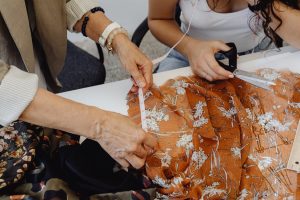
    Creating a kimono is an art form that requires masterful skill and dedication. The process begins with selecting high-quality fabrics like silk or cotton. Artisans then dye and weave intricate patterns, often by hand, using techniques passed down through generations. The final step is carefully sewing the fabric into the iconic T-shape, ensuring every detail is perfect. This craftsmanship makes each kimono a unique work of art, reflecting the wearer’s personal style and the artisan’s expertise.

    How the Kimono Has Influenced Global Fashion Trends

    The kimono’s influence extends beyond Japan, inspiring designers worldwide. From the elegant lines and patterns of haute couture to the casual silhouettes of streetwear, elements of the kimono can be seen in various fashion trends. Brands like Gucci, Yohji Yamamoto, and Alexander McQueen have incorporated kimono-inspired designs into their collections, showcasing the garment’s timeless appeal and adaptability.

    Tips for Wearing and Caring for a Kimono

    Wearing a kimono involves understanding its layers and accessories:

    • Nagajuban (underwear layer)
    • Obi (belt)
    • Tabi (socks)
    • Zori (sandals)

    To care for your kimono, store it in a cool, dry place, avoid direct sunlight, and gently clean it with appropriate methods to preserve the delicate fabric and intricate designs.

    The Future of the Kimono in a Modern World

    Despite the fast-paced changes in fashion, the kimono remains a symbol of elegance and tradition. Younger generations are rediscovering its beauty, incorporating it into their wardrobes in new and innovative ways. The kimono’s ability to adapt while maintaining its cultural significance ensures that it will continue to be cherished for years to come.

    The Japanese kimono is a testament to the country’s rich cultural heritage and artistic excellence. Whether you’re a fashion enthusiast, a history buff, or a cultural explorer, understanding the kimono’s evolution, significance, and global influence offers a deeper appreciation for this timeless garment. Interested in learning more about kimonos and how they can enhance your wardrobe? Shop our online store 24 hours a day and start your journey into the world of Japanese fashion.

  • What Do Sakura Blossoms Represent?

    Every spring, Japan transforms into a sea of pink and white as the beloved sakura (cherry blossom) trees burst into bloom. But beyond their stunning beauty, sakura blossoms carry deep cultural significance in Japan. This blog explores the rich symbolism of sakura, from its historical context to its modern-day cultural relevance.

    What is Sakura?

    Sakura, or cherry blossoms, are the cherry tree’s delicate pink and white flowers. They bloom in profusion across Japan each spring, signaling the arrival of warmer weather and new beginnings.

    Cultural Meaning of Sakura

    Transience and Impermanence

    Sakura flowers symbolize the fleeting nature of life. Their short bloom period, often lasting only a week or two, reminds us of the transient beauty of existence. This aligns with the Buddhist concept of impermanence, encouraging people to appreciate the present moment.

    Renewal and Rebirth

    The arrival of Sakura blossoms heralds the start of a new season. In Japan, the school and fiscal years begin in April, coinciding with the Sakura bloom. This makes the flowers a powerful symbol of renewal and fresh starts.

    Beauty and Aesthetics

    The sheer beauty of sakura blossoms has made them a central motif in Japanese art, poetry, and fashion. Their delicate appearance and subtle fragrance embody the aesthetic principles of wabi-sabi, which finds beauty in imperfection and impermanence.

    Sakura in Japanese Fashion

    Many traditional garments like the kimono and yukata feature Sakura blossom prints. These designs celebrate the flower’s natural beauty and carry its deeper symbolic meanings. Wearing Sakura patterns can evoke a sense of renewal, beauty, and a mindful appreciation of life’s fleeting moments.

    Example Product Featuring Sakura

    For those who wish to incorporate this beautiful symbolism into their daily lives, Kimono Shop offers several stunning kimono and yukata robes adorned with Sakura blossom patterns. Made from soft cotton, these garments are incredibly comfortable to wear and perfect for lounging. You can explore their collection and enjoy quick shipping from the USA by visiting their online store, open 24 hours a day.

    Sakura blossoms are more than a seasonal spectacle; they are a profound symbol of life’s fleeting beauty, renewal, and the aesthetic values that define Japanese culture. Whether you’re a Japan enthusiast, a cultural explorer, or a kimono lover, understanding the deep meanings behind sakura can enrich your appreciation for these extraordinary flowers.

  • Why Cotton is Widely Used in the Making of Kimono Yukata

    Kimono and Yukata robes are iconic Japanese attire pieces steeped in tradition and cultural significance. Over the years, these garments have evolved in design and the materials used to make them. Cotton has emerged as a favorite for crafting these beautiful robes among the various fabrics available. In this blog, we explore why cotton is so widely used in making Kimono and Yukata robes.

    The Allure of Cotton

    Easy Care

    One of the primary reasons cotton is preferred for Kimono and Yukata robes is its easy care. Unlike silk, which often requires special handling and dry cleaning, cotton can withstand regular washing without losing its quality. For fashion enthusiasts and textile lovers, this means a lot less hassle and more time enjoying their beautiful garments.

    Comfort on the Skin

    Cotton is known for its softness and breathability, making it an ideal fabric for clothing that sits close to the skin. Kimono and Yukata robes are often worn for extended periods, whether during festivals, tea ceremonies, or simply lounging at home. The comfort that cotton provides ensures that wearers can enjoy these activities without discomfort.

    Vivid Prints and Stylish Designs

    Cotton’s ability to hold dye exceptionally well makes it a popular choice for creating vivid prints and stylish designs. From intricate floral patterns to bold geometric shapes, cotton Kimono and Yukata robes are available in a plethora of designs that appeal to both traditionalists and modern fashionistas. This versatility in design options makes cotton an attractive fabric for these garments.

    Quality Fabric

    Cotton is a durable and long-lasting fabric, ensuring that Kimono and Yukata robes made from it can endure wear and tear while maintaining their aesthetic appeal. The high-quality fabric ensures that each robe retains its shape, color, and texture over time, making it a worthwhile investment for any wardrobe.

    Popular Across Clothing Pieces

    Cotton’s popularity isn’t limited to Kimono and Yukata robes. It is widely used in various clothing pieces, from everyday wear to high-fashion items. This widespread use further reinforces cotton’s reputation as a reliable and versatile fabric, making it a go-to choice for many designers and consumers alike.

    Cotton’s easy care, comfort, ability to hold vivid prints, quality, and versatility make it an ideal fabric for Kimono and Yukata robes. Its widespread use in various clothing pieces further underscores its appeal. Whether you’re a fashion enthusiast, textile lover, or cultural explorer, there’s no denying the charm and practicality of cotton in these traditional Japanese garments.

    Ready to explore the world of cotton Kimono and Yukata robes? Discover our collection and experience the beauty and comfort of these timeless pieces.