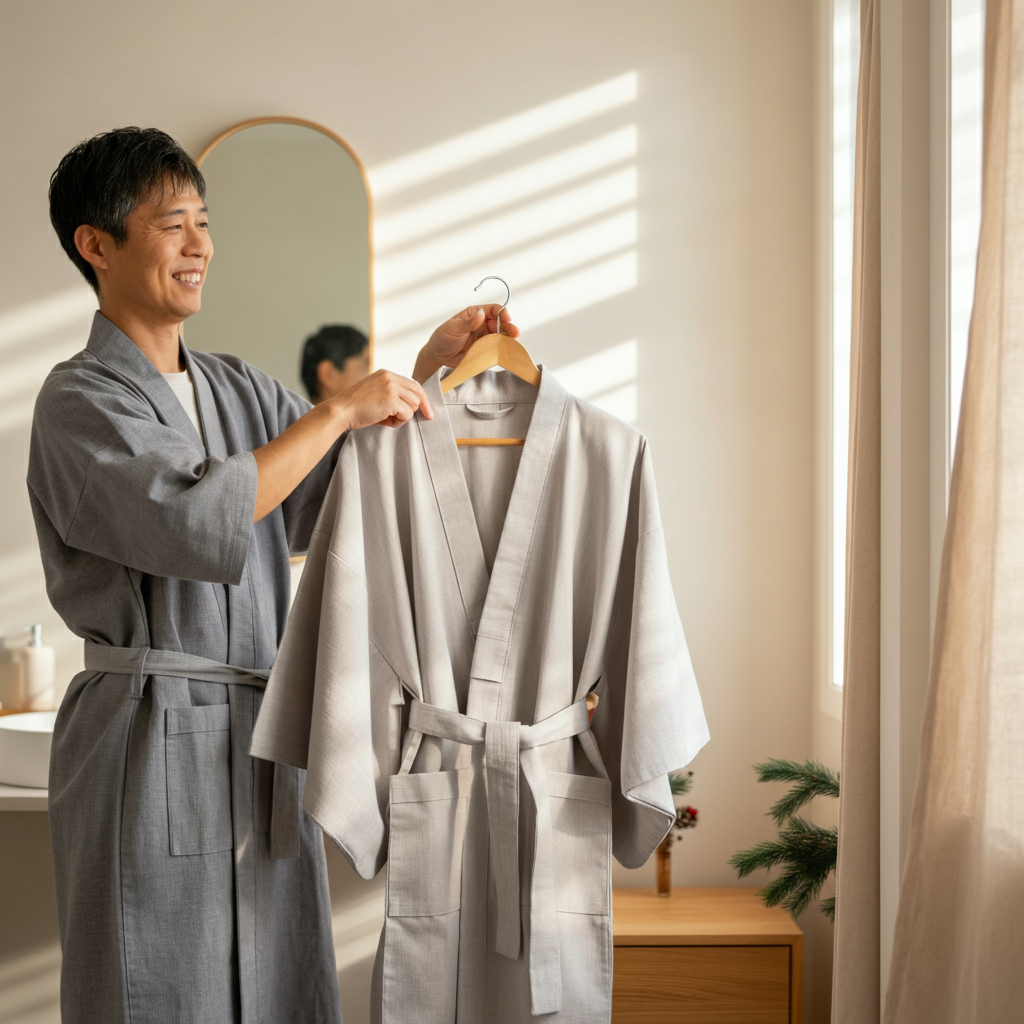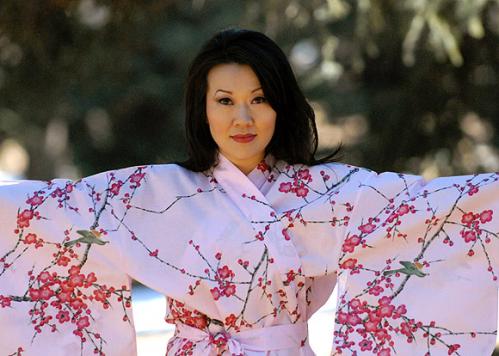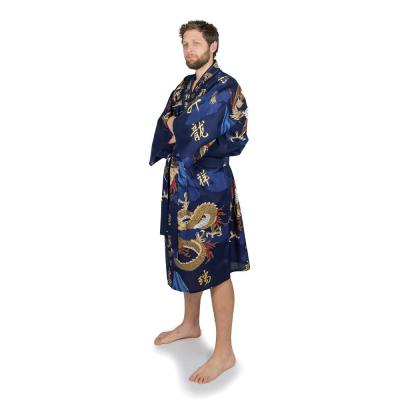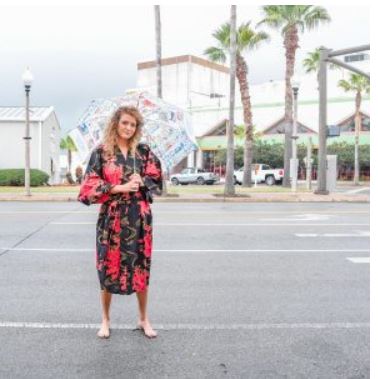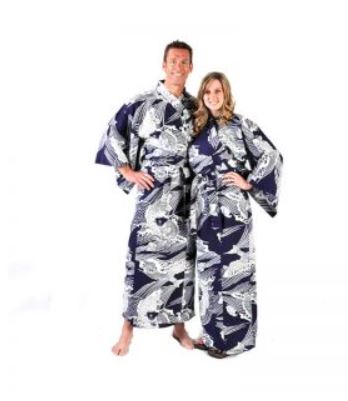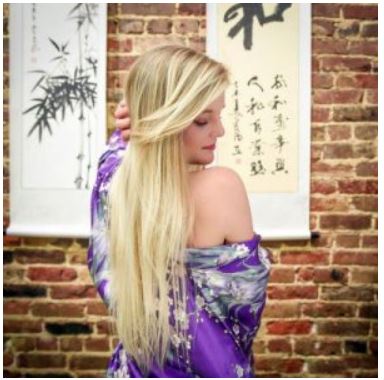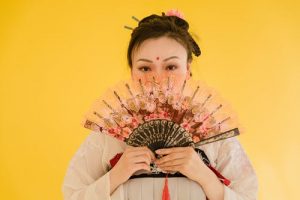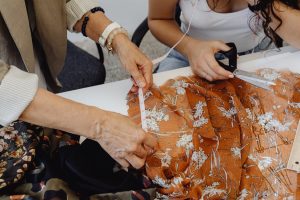
Whether you’re a seasoned yukata enthusiast or simply exploring the world of Japanese robes, choosing the perfect yukata can be an exciting yet challenging endeavor. At Kimono Shop, we offer two distinct collections of yukata—Standard and Premium. Each catering to different tastes, needs, and budgets. This guide will walk you through the features and differences between our Standard and Premium Yukata collections, helping you find the one that’s right for your lifestyle.
Features of Our Standard Yukata Collection
For those seeking a blend of affordability, style, and quality, the Standard Yukata collection is an excellent choice. Here’s what makes it special:
Material
Woven from high-quality cotton, known as ‘hiraori’ in Japan.
No fillers, simply 100% cotton for durability, comfort, and breathability.
Design and Dyes
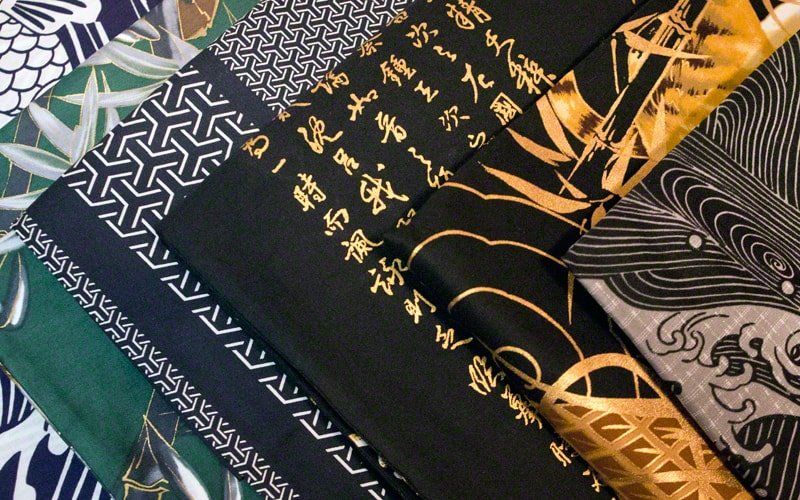
Each yukata showcases vibrant, timeless patterns with 6-8 dyeing processes.
These fewer but bold dye applications result in striking contrasts, perfect for those who appreciate crisp and eye-catching designs.
Sizing and Fit
Designed to suit wearers between 4’11” to 6’6″ (150cm to 200cm) in height.
Adjustable fit to accommodate waist sizes from 15″ to 60″ (40cm to 150cm).
Flexible adjustments ensure a comfortable tailored fit for all.
Ideal For
First-time yukata buyers who want premium quality on a budget.
Casual outings or relaxing at home, thanks to their easygoing and comfortable style.
With the Standard Yukata collection, you can celebrate Japanese tradition without stretching your budget. They’re perfect for introducing a touch of cultural flair to your wardrobe.
Features of Our Premium Yukata Collection
The Premium Yukata collection is for those who value exquisite craftsmanship and intricate detailing. Here’s why our deluxe yukata stands out:
Material
Made with an upgraded cotton fabric, offering enhanced softness, durability, and airflow for ultimate comfort.
Vibrant and Detailed Designs
Carefully created using 10-18 dye processes, these yukata feature stunningly intricate patterns with rich colors and fine details.
Beautifully captures both the art and tradition of Japanese textile design.
Sizing and Fit
Accommodates wearers of heights between 4’11” to 6’6″ (150cm to 200cm) with waist sizes ranging from 15″ to 60″ (40cm to 150cm).
Adjustable in both length and waist, offering a fit worthy of premium attire.
Ideal For
Yukata enthusiasts who value authentic craftsmanship and elevated artistry.
Special occasions, cultural events, or simply making a statement.
A Premium Yukata isn’t just clothing; it’s a masterpiece of Japanese heritage, blending tradition with modern versatility.
Whether you’re looking for a comfortable casual option or a luxurious garment steeped in tradition, Kimono Shop offers the perfect yukata for every occasion.
Why Choose Kimono Shop?
Expert Curation: Our selections are carefully curated for quality, authenticity, and style.
Fast Shipping: Have your yukata delivered to your doorstep quickly and hassle-free.
Free Shipping Over $75 in the USA: Enjoy perks that make your shopping experience even better.
Support a USA-Owned Brand: We’re proud to serve our customers while celebrating Japanese culture.
Bring the Tradition of Yukata Into Your Life
Whether you’re drawn to the simplicity and affordability of our Standard Yukata collection or the exceptional detail and craftsmanship of our Premium Yukata, both options allow you to experience the rich heritage of Japanese robes.
Start your yukata journey today and elevate your wardrobe with a piece of timeless tradition. Shop the Collections Now.
When it comes to traditional clothing that has transcended time and borders, Japanese kimonos and Indian kaftans top the list. Both garments hold deep cultural significance, represent rich histories, and are adored for their unique aesthetic. But while kaftans offer utility and simple charm, kimonos reign supreme as the ultimate symbol of elegance. This blog will explore the key differences in materials, cultural roots, and why kimonos stand in a class of their own.
The Cultures Behind the Garments
The Japanese Kimono
The word kimono, meaning “thing to wear,” embodies the essence of Japanese culture—refined, sophisticated, and traditional. Historically worn in daily life, kimonos have become a celebrated garment for special occasions such as weddings, festivals, and tea ceremonies. With their intricate designs, luxurious fabrics, and attention to detail, kimonos are an art form in their own right.
Today, the kimono has evolved into a versatile piece, particularly in the West, where it is often seen as elegant loungewear. Women’s kimonos, with their flowing sleeves and flattering silhouettes, marry comfort with sophistication in a way few garments can replicate.
The Indian Kaftan
Kaftans, on the other hand, trace their origins to the Middle East but gained global recognition thanks to their adoption in India. Popularized for their flowy, relaxed fit, kaftans are well-suited for warmer climates and casual occasions. While kaftans are utility-driven and increasingly fashionable, they lack the ceremonial grandeur that defines kimonos.
Material & Design Differences
Kimono Materials
Kimonos are traditionally crafted from fine cottons and silks, often adorned with hand-painted or embroidered patterns that reflect nature and cultural symbols. This meticulous craftsmanship makes each kimono both unique and high-value. Modern varieties may use cotton or polyester for casual wear, but their intricate designs and stitching uphold their luxurious appeal.
Kaftan Materials
Kaftans utilize lightweight materials like cotton, chiffon, and linen, designed for heat and ease of wear. While they often feature vibrant prints and embellishments, they prioritize comfort over ornamentation. For this reason, kaftans, though versatile, lack the artistic and cultural depth of kimonos.
Uses & Occasions
Kimono culture embraces a wide spectrum of uses—from formal events to casual lounging at home. The adaptability of kimonos is unmatched; they transform from traditional attire into elegant loungewear seamlessly. A women’s kimono paired with a soft obi belt is chic enough for a high-tea gathering, yet cozy enough for a night of relaxation.
Kaftans, meanwhile, shine in their utility. They are breezy, easy to wear, and ideal for summer vacations or beach getaways. However, the kaftan’s focus remains on comfort, often leaving elegance on the sidelines.
Popularity Today
While kaftans have gained popularity in resort wear collections and boho fashion trends, kimonos hold steady as a timeless wardrobe staple. Their rise as the “true loungewear of the West” demonstrates their universal appeal. When you choose a kimono, you’re not just buying clothing—you’re investing in history and craftsmanship.
At Kimono Shop, we pride ourselves on offering one of the largest selections of Japanese kimonos and yukata online. With designs ranging from contemporary to traditional, our collection ensures there’s a kimono for every occasion.
Why Kimonos Are in a Class of Their Own
Ultimately, while kaftans may deliver utility, nothing compares to the elegance of a Japanese kimono. Intricately designed, steeped in cultural heritage, and versatile in its uses, a kimono goes far beyond being just “clothing.” Its flowing lines and intricate artistry elevate it into a wearable masterpiece—one that effortlessly blends tradition with modernity.
Whether you’re looking for a stunning addition to your wardrobe or the perfect piece of elegant loungewear, a kimono truly stands apart.
Closing Thoughts
At Kimono Shop, we believe in preserving the beauty and tradition of the Japanese kimono. While we don’t offer kaftans, our extensive collection of women’s kimonos reflects our dedication to providing garments that exude sophistication and craftsmanship.
Explore our collection today and experience the elegance that only a kimono can offer.
Whether you’re a kimono lover, an admirer of Asian art, or simply looking to elevate your wardrobe with luxurious loungewear, buying an authentic kimono or yukata is essential. Luckily, it’s not a complicated process—especially when you know the right place to shop.
This guide will walk you through everything you need to know about buying a kimono or yukata. Where to find authentic Japanese robes, what to look for, and why Kimono Shop is the best retailer for your needs.
What is the Difference Between a Kimono and a Yukata?
Before we get deeper, it’s good to know the distinction between kimonos and yukatas.
Kimono is a traditional Japanese garment typically made of silk or cotton and worn on formal occasions.
Yukata is the lighter, more casual version, commonly crafted from cotton. It’s perfect for lounging, festivals, or even as stylish at-home attire. Think loungewear.
Why Shop at Kimono Shop for Kimono and Yukata?
If you’re in search of authentic Japanese robes but feel overwhelmed by choices, Kimono Shop is the ideal online destination. Here’s why Kimono Shop takes the guesswork out of kimono shopping:
Wide Selection of Authentic Robes
Kimono Shop offers a vast array of kimonos, yukatas, and even short-length happi coats. Their inventory caters to diverse tastes and needs, ranging from traditional kimono styles to modern yukatas for men and women.
Superior Quality
Every robe at Kimono Shop is made in Japan by expert artisans and crafted from quality 100% easy-care cotton. These robes combine timeless Japanese style with unbeatable comfort, making them ideal for everything from lounging at home to showcasing your love of Asian art.
Sizes for Everyone
Shopping for the perfect size has never been this easy. Kimono Shop provides multiple size options, from petite to Large/Tall, Plus-Size, and Big and Tall. Finding your fit is straightforward, whether you’re shopping for yourself or as a gift.
Quick and Convenient Shipping in the USA
Waiting weeks for your order to arrive? Not with Kimono Shop. Based in the USA, they ensure that your kimono or yukata is delivered to your doorstep in just a matter of days. Most orders are shipped the same or next business day, so you can start enjoying your new robe sooner than you think!
Exceptional Customer Service
Kimono Shop’s customer service is top-notch. Operating as an employee-owned company means members of their team are deeply invested in providing the best shopping experience possible. Their passion and commitment ensure that your questions are answered and your orders are handled with care.
Hassle-Free Online Shopping Experience
With their user-friendly online catalog, shopping becomes quick and stress-free. You can browse their extensive selection, choose your favorite robe, and pay for your order—all in just minutes.
Tips for Buying a Kimono or Yukata
When you’re ready to shop, keep these tips in mind to make the best choice for your lifestyle and personal style.
Decide Between Kimono or Yukata: Consider whether you need a formal garment or a more casual robe for loungewear or summer festivals. With their cotton Kimono, many customers wear them daily.
Choose the Right Size: Pay attention to the sizing guide and pick the option that fits your body type.
Pick Your Favorite Design: From intricate traditional prints to modern patterns, choose a style that aligns with your aesthetic.
Don’t Skip the Details: Look for robes made from high-quality materials, like Kimono Shop’s 100% cotton fabric, to ensure comfort and durability.
Shop from a Reputable Seller: Stick with trusted retailers like Kimono Shop to guarantee authenticity and excellent customer service. Kimono Shop has been selling fine robes for over 30 years.
Wrapping It Up
Shopping for a kimono or yukata can be an exciting experience when you know where to look. Kimono Shop offers everything you need—authentic Japanese robes, quick shipping, exceptional customer service, and an easy online shopping platform. Whether you’re building your loungewear collection or connecting with Japanese culture, Kimono Shop has you covered.
Start exploring your perfect kimono or yukata today at Kimono Shop. From expert curation to effortless style, they make it easy for you to dress in comfort and elegance.
This year, we at Kimono Shop are thrilled to celebrate 32 years of sharing the beauty and elegance of fine Japanese kimono and yukata robes. It’s been a remarkable journey filled with growth, transformation, and, most importantly, the unwavering support of our loyal customers from around the world. Here’s a look back at how we started, what we’ve achieved, and what the future holds for Your Kimono Source.
Reflecting on Our Journey
Founded in 1994, Chopa began as one of the early pioneers of e-commerce, offering a curated selection of Buddhist meditation supplies alongside a small collection of Japanese kimono. Over the years, our offerings expanded to include Asian home décor, meditation tools, and a diverse range of traditional Japanese garments.
However, like any business, our path faced unexpected challenges. Hurricane Michael in 2018 dealt a devastating blow to our warehouse and operations, forcing us to rethink and rebuild. From this adversity, Kimono Shop emerged as a stronger and more focused organization. We rebranded as Your Kimono Source, concentrating exclusively on authentic kimono, yukata, and short-length Happi Coats. Today, we pride ourselves on providing a large selection of high-quality robes in various styles, colors, and sizes—all while offering stellar customer service and fast, reliable shipping from our U.S.-based operations.
The Heart of Kimono Shop—Our Customers
The success of Kimono Shop over the past three decades wouldn’t have been possible without the incredible support of our customers. From individuals seeking a unique piece for personal wear to spas, hotels, restaurants, and theater groups who use our robes as uniforms and costumes, we’re beyond grateful for the trust and loyalty they’ve shown us.
One of the reasons customers keep coming back is the care and attention we place on curating authentic, high-quality garments. Many have shared stories of how our robes have added elements of beauty, tradition, and sophistication to their lives. Whether it’s a spa owner outfitting her team or an actor donning a Happi Coat for a performance, knowing our kimonos play a role in these special moments inspires us to continue offering our best.
Moving Forward with Excitement
With 32 incredible years behind us, we’re more excited than ever about the future. Our team is working hard on several improvements, including an updated website to enhance the customer shopping experience. Additionally, we’re expanding our selection of kimono and yukata based on valuable feedback gathered from surveys of our cherished customers.
At Kimono Shop, we believe there’s always room for growth and improvement, and we’re committed to maintaining our standard of excellence while introducing fresh ideas that align with the needs and preferences of the community we serve.
Thank You for an Amazing 32 Years
This milestone is not just about celebrating Kimono Shop’s history—it’s about celebrating the community that has made our success possible. To our loyal customers, whether you’ve been with us since the beginning or discovered us more recently, we extend our heartfelt gratitude. Thank you for allowing us to be a part of your lives and for bringing joy to ours in return.
Here’s to the next chapter of Kimono Shop’s story. We invite you to shop with us, explore our newest arrivals, and join us as we continue to grow as Your Kimono Source. The future is bright, and we can’t wait to share it with you.
Explore Our Wide Selection of Kimono and Yukata
Discover why we’ve been trusted for 32 years as a go-to destination for traditional Japanese robes. Browse our collection today and find the perfect garment to suit your style.
Kimono are one of the most iconic symbols of Japanese culture. This traditional garment epitomizes elegance, history, and art, making it a must-know for cultural enthusiasts. While they may look like simple robes from afar, kimono carry profound meanings and history that reflect Japanese traditions and values. If you’re fascinated by kimono—or wondering about “kimono vs yukata”—this guide will unveil some fun and intriguing facts about this wearable art.
What Does the Japanese Kimono Represent?
The word “kimono” literally translates to “thing to wear” (ki = wear, mono = thing). However, it represents far more than just clothing in Japanese culture. A kimono is a symbol of tradition, identity, and even storytelling. Each one reflects the wearer’s social status, age, occasion, and season.
Whether it’s worn for a wedding, tea ceremony, or a summer festival, the kimono’s fabric, patterns, and embroidery often tell a story about the culture and nature of Japan. It’s a deliberate blend of ancient techniques and aesthetic symbolism that keeps Japan’s rich history alive in modern times.
Kimono Are Made Using One Piece of Fabric
Did you know that kimonos are crafted entirely from a single bolt of fabric called a tanmono? The fabric is skillfully cut, sewn, and folded into a highly geometric design without unnecessary trims or alterations. This allows the kimono to maintain its versatility. If damaged or outgrown, a kimono can often be repurposed or resewn.
This single-fabric structure not only highlights the skill of the artisan but also symbolizes Japanese culture’s appreciation for simplicity and harmony.
Kimono Are Worn at Many Events
Kimonos have long been associated with special occasions, but did you know there are dozens of specific moments where a kimono is required?
Weddings: Brides often wear an elaborate uchikake kimono, which is richly embroidered.
Coming of Age Day (Seijin Shiki): Young adults celebrate their transition to adulthood by wearing furisode, which are long-sleeved kimono designed for festive occasions.
Funerals: Black kimono with family crests, known as kuro-tomesode, are worn to express formal condolences.
Summer Festivals (Matsuri): For more casual events, people wear yukatas—a lighter, more breathable version of kimonos perfect for warm weather.
If you’ve been wondering about “kimono vs yukata,” the distinction mainly lies in the occasion and material. Yukata are made of cotton and are more informal, while kimono use silk or more intricate fabrics for formal elegance.
Kimono Accessories and Types
Wearing a kimono is not just about putting on a robe—it’s an experience. Kimonos can be worn with a variety of accessories that add to their distinct look and function.
Obi: The sash used to secure the kimono, which comes in solid color, matching patterns, or elaborate designs and requires proper folding techniques.
Zori and Geta: Traditional sandals worn with kimonos, paired often with split-toe socks called tabi.
Haneri and Nagajuban: Specific undergarments to keep the kimono clean and structured.
There are also various types of kimonos depending on gender, age, and occasion.
For men, the “male yukata” or kimono for men usually features darker, bolder colors with simpler patterns.
For women, kimonos vary from short yukata styles for casual wear to elaborate furisode with long, flowing sleeves for ceremonial occasions.
Kimono Designs Hold a Lot of Symbolism
The beauty of a kimono lies in its intricate patterns, and these are never chosen at random.
Seasonal Motifs: Sakura (cherry blossoms) are popular in spring, while maple leaves signify fall. Wearing seasonal patterns shows respect and mindfulness of nature’s cycles.
Symbolic Designs: Cranes often signify longevity and good fortune, while pine trees represent steadfastness. For weddings, specific flowers like chrysanthemums and plum blossoms are used to symbolize happiness and renewal.
Every pattern has a purpose, often connecting the wearer to cultural beliefs, seasonal awareness, or personal sentiment.
Final Thoughts
Kimono are more than just traditional garments—they are pieces of wearable art deeply embedded in Japanese history and culture. Their versatility, symbolism, and elegance explain why kimonos and yukatas continue to captivate fashion lovers and cultural explorers across the globe.
If you’re inspired to learn more about Japanese traditions or even own a yukata, check out our exclusive guide! Elevate your love for culture, one thread at a time.
Kimono and Yukata robes are iconic Japanese attire pieces steeped in tradition and cultural significance. Over the years, these garments have evolved in design and the materials used to make them. Cotton has emerged as a favorite for crafting these beautiful robes among the various fabrics available. In this blog, we explore why cotton is so widely used in making Kimono and Yukata robes.
The Allure of Cotton
Easy Care
One of the primary reasons cotton is preferred for Kimono and Yukata robes is its easy care. Unlike silk, which often requires special handling and dry cleaning, cotton can withstand regular washing without losing its quality. For fashion enthusiasts and textile lovers, this means a lot less hassle and more time enjoying their beautiful garments.
Comfort on the Skin
Cotton is known for its softness and breathability, making it an ideal fabric for clothing that sits close to the skin. Kimono and Yukata robes are often worn for extended periods, whether during festivals, tea ceremonies, or simply lounging at home. The comfort that cotton provides ensures that wearers can enjoy these activities without discomfort.
Vivid Prints and Stylish Designs
Cotton’s ability to hold dye exceptionally well makes it a popular choice for creating vivid prints and stylish designs. From intricate floral patterns to bold geometric shapes, cotton Kimono and Yukata robes are available in a plethora of designs that appeal to both traditionalists and modern fashionistas. This versatility in design options makes cotton an attractive fabric for these garments.
Quality Fabric
Cotton is a durable and long-lasting fabric, ensuring that Kimono and Yukata robes made from it can endure wear and tear while maintaining their aesthetic appeal. The high-quality fabric ensures that each robe retains its shape, color, and texture over time, making it a worthwhile investment for any wardrobe.
Popular Across Clothing Pieces
Cotton’s popularity isn’t limited to Kimono and Yukata robes. It is widely used in various clothing pieces, from everyday wear to high-fashion items. This widespread use further reinforces cotton’s reputation as a reliable and versatile fabric, making it a go-to choice for many designers and consumers alike.
Cotton’s easy care, comfort, ability to hold vivid prints, quality, and versatility make it an ideal fabric for Kimono and Yukata robes. Its widespread use in various clothing pieces further underscores its appeal. Whether you’re a fashion enthusiast, textile lover, or cultural explorer, there’s no denying the charm and practicality of cotton in these traditional Japanese garments.
Ready to explore the world of cotton kimonos and Yukata robes? Discover our collection and experience the beauty and comfort of these timeless pieces.
In the vibrant tapestry of Japanese culture, the kimono stands as a symbol of tradition, elegance, and profound meaning. For kimono lovers, Japanese culture buffs, and those seeking Zen inspiration, understanding the significance of kimono colors offers a fascinating glimpse into the values and customs that have shaped Japan for centuries. This exploration will uncover how colors in kimonos not only enhance aesthetic beauty but also convey messages of virtue, seasonality, and personal expression.
Unraveling the Meaning of Kimono Colors
The kimono is more than just a traditional garment; it’s a canvas for storytelling and cultural expression. Its colors and patterns embody the virtues and seasonal changes that define a good and modest life. Each hue represents core values and carries specific connotations that mirror the wearer’s intentions or the occasion. For instance, wearing blue in spring, a color traditionally associated with summer may be seen as improper. Let’s explore these colors to understand their deeper meanings.
Black in the World of Kimonos
Black may be a popular color globally, but in Japan, it carries layers of meaning. It represents mystery, formality, and elegance, yet it also signifies mourning and anger. Historically, black has been linked to masculinity, with men donning black at weddings or during ceremonies. Fishermen and samurai used black in tattoos and armor to reflect strength and shine, while women embraced black in early makeup traditions. This duality in meaning showcases the color’s versatility and depth.
The Purity of White
White is revered as a sacred color in Japan, embodying purity and humility. It forms the backdrop of the national flag, symbolizing reverence for deities. While today, white has found its place in everyday fashion, traditionally, it was reserved for funerals, highlighting its association with mourning and spirituality. The simplicity of white allows it to be a blank canvas upon which other colors and patterns can tell their stories.
Passionate Red
Red holds a prominent place in Japanese culture, representing passion, strength, and prosperity. It is the color of the sun on the national flag and a symbol of happiness and authority. During festivals, red and white are the colors of celebration, with red signifying peace and wealth within families. Red envelopes, often used for gifting money, underscore the color’s connection to joy and good fortune, making it a staple in both personal and public celebrations.
The Playfulness of Pink
Pink is synonymous with youthfulness and romance in Japan. It evokes happiness and the innocence of childhood, while also being a color of love. Cherry blossoms, or Sakura, paint Japan in shades of pink each spring, celebrating renewal and the fleeting beauty of life. Pink’s gentle allure makes it a favored choice for clothing and décor, reflecting the delicate yet vibrant spirit of Japanese culture.
Green’s Vitality and Growth
Green is a color of luck and vitality in Japan, representing growth and fertility. It’s a symbol of nature’s abundance, celebrated annually on “Greenery Day.” The color is predominant in Japanese clothing for its freshness and restfulness. Matcha green tea further anchors green within the cultural heritage, offering a sensory connection to tradition and health. In many ways, green embodies the balance and harmony that lie at the heart of Japanese philosophy.
Blue’s Cool Serenity
Blue is revered for its associations with fidelity, coolness, and purity. Once used interchangeably with green, blue now stands as a distinct and lucky color. It’s a favorite in traditional Japanese male dress and yukatas, celebrated for its serene and calming qualities. Blue’s presence in everyday life underscores a commitment to cleanliness and peace, resonating deeply with those in search of tranquility and balance.
The Regal Purple
Purple is the color of royalty and nobility, a marker of status and spirituality. In historical Japan, commoners were forbidden to wear purple, underscoring its exclusivity. Its connotations of luxury and wisdom make it a color of choice for warriors, symbolizing strength and resilience. Purple’s rarity in nature and difficulty in production further elevate its prestige and allure.
Courageous Yellow
Yellow shines as the color of sunshine and nature, embodying sacredness and courage. While not as prominent as red or white, yellow has its cherished place in Japanese culture. Historically, a yellow chrysanthemum symbolized bravery. Today, yellow is used for visibility in public safety, such as children’s caps and railway crossings, illustrating its role as a beacon of hope and clarity.
The Cultural Tapestry of Kimono Colors
Kimono colors are more than mere aesthetics; they are deeply interwoven with the cultural and spiritual fabric of Japan. These colors tell stories of the seasons, celebrate virtues, and connect individuals to their community and heritage. For those captivated by Japanese culture, exploring kimono colors offers a window into a world where every hue holds history and meaning.
The Intricacies of Color Seasonality
In Japan, colors are often worn by the seasons, reflecting the natural world and its changes. This practice not only aligns with the weather but also honors traditional beliefs and aesthetics. Wearing a color out of season could disrupt the harmony and balance that these practices aim to maintain, underscoring the importance of color in daily life and rituals.
Customizing Colors for Personal Expression
While traditional meanings guide kimono colors, personal expression adds another layer. Individuals may choose colors based on their values or the events they attend, creating a unique narrative with their attire. This personalization allows wearers to communicate their identity and aspirations through the timeless language of color.
The Influence of Kimono Colors Beyond Clothing
The impact of kimono colors extends beyond fashion, influencing Japanese architecture, art, and design. These colors often appear in traditional Japanese bathrobes, known as yukata, and in home décor, where they create an atmosphere of peace and respect for tradition. The colors serve as a bridge connecting generations through shared values and aesthetics.
Conclusion
Understanding the meaning of kimono colors enriches our appreciation for this iconic garment and the culture it represents. Each color tells a story, expresses values, and connects individuals to a larger cultural narrative. Whether you’re a kimono lover, a Japanese culture buff, or someone seeking inspiration from the Zen philosophy, these colors offer a tapestry of insights and reflections. For those eager to explore further, consider engaging with local kimono communities, attending cultural events, or learning more about the history and artistry of Japanese textiles. Through this exploration, the vibrant world of kimono colors will continue to inspire and resonate.
You can browse the large selection of kimonos and yukata at Kimono Shop. Kimono Shop has been a leading online provider of quality Japanese robes since 1994. They are based and ship from the USA. Visit their online store 24 hours a day.
For fashion enthusiasts and lovers of Japanese culture, finding the perfect kimono robe can sometimes feel like a treasure hunt. Whether you’re a local shopper exploring nearby boutiques or an online enthusiast browsing global collections, the quest for the perfect kimono robe can be both exciting and challenging.
The Challenge of Finding Local Kimono Shops
Kimonos, with their rich history and cultural significance, are often not readily available in local stores, making it difficult for those seeking authentic pieces. Many local neighborhoods lack specialized kimono shops, leading enthusiasts to spend hours searching for that perfect piece.
This is where Kimono Shop – Your Kimono Source steps in to transform your shopping experience.
Why Choose Kimono Shop – Your Kimono Source?
Convenient Online Shopping Experience
With Kimono Shop, there’s no need to drive around town, deal with traffic, or search for parking spaces. From the comfort of your home or office, you can explore a vast selection of kimono robes online, 24 hours a day. Simply browse, add your favorite items to your cart, provide your information, and leave the rest to us.
Extensive Range of Styles and Sizes
We pride ourselves on offering a diverse range of kimono robes, ensuring there’s something for everyone. Our collection includes various sizes, styles, and patterns, allowing you to find the perfect match for your personal taste.
Quick and Reliable Shipping
At Kimono Shop, we understand the anticipation of receiving your new kimono robe. That’s why we offer fast shipping, with most orders dispatched within one day and delivery occurring within 2 to 3 days for most orders.
Hassle-Free Returns and Exchanges
Your satisfaction is our priority. If your kimono or yukata doesn’t meet your expectations, you can return it for a refund or exchange, making your purchase simple and easy.
Trusted Experience Since 1994
With over two decades of experience in offering Japanese robes online, Kimono Shop has perfected the art of customer satisfaction. Our extensive knowledge ensures that your shopping experience is seamless and enjoyable.
The search for a “kimono robe near me” ends here. With Kimono Shop, you can enjoy a hassle-free shopping experience, discovering beautiful kimono robes without leaving your home. Whether you’re a local shopper or an online enthusiast, our collection awaits you. Explore our range today and bring a touch of Japanese elegance to your wardrobe.
Welcome, Kimono enthusiasts and fashion lovers! At Kimono Shop, we adore the beauty and tradition surrounding the art of the kimono. Whether you’re an avid collector or a curious newcomer, we understand that kimonos can evoke many questions. In this Q&A blog, we’ve compiled a few frequently asked questions from our customers to help you on your kimono journey.
Frequently Asked Questions
Do men wear Kimono?
Absolutely! While kimono are often associated with women’s fashion, men also wear them for various occasions. Men’s kimono, known as “hakama,” typically feature darker colors and simpler patterns compared to women’s styles. They are worn during traditional ceremonies, weddings, and sometimes as everyday attire in Japan. If you’re looking to explore men’s kimono options, our shop offers a variety tailored to suit different tastes and occasions.
What is an obi?
An “obi” is a traditional sash that is an essential part of kimono attire. It wraps around the waist and is tied at the back or front, depending on the style and formality of the occasion. The obi not only holds the kimono together but also adds a decorative element to the ensemble. With various types and styles available, obis can range from simple, understated designs to ornate, elaborate pieces that are true works of art. All kimonos and yukata sold at Kimono Shop include a matching belt or sash. Assorted colors are available for a nominal charge.
Do you offer a polyester kimono?
At Kimono Shop, we prioritize authenticity and quality in our products. Traditional kimonos are crafted from natural fibers such as silk, cotton, and wool, which offer superior breathability, comfort, and elegance. While polyester can be more affordable, it often lacks the luxurious feel and aesthetic of natural materials. We are committed to providing our customers with genuine kimonos that honor the rich cultural heritage of this iconic garment. Most kimonos and Yukata made of polyester are made in China. Often, the quality is inferior, and the finish is poor. Retailers that offer polyester are usually more concerned about sales, rather than quality and tradition.
What do Koi fish represent?
Koi fish are a common motif in Japanese art and culture, and they hold significant symbolic meaning. Often featured on kimono, koi represent perseverance, strength, and determination. This symbolism stems from the koi’s ability to swim upstream and overcome obstacles, embodying the virtues of resilience and bravery. Wearing a kimono adorned with koi fish can be a powerful reminder of one’s inner strength and spirit.
How can I get free shipping?
We love to reward our valued customers with special perks, including free shipping on eligible orders! To qualify for free shipping, simply spend $75 or more on your purchase. Additionally, keep an eye out for promotional periods when we offer free shipping to all customers, regardless of order size. Sign up for our newsletter to stay informed about upcoming promotions and exclusive deals. Kimono Shop provides free shipping on all orders of $75 or more to anywhere in the USA, including Alaska and Hawaii.
We hope this Q&A blog has provided valuable insights into the world of kimono. If you have any more questions or need assistance, don’t hesitate to reach out to our friendly customer support team. Happy shopping and enjoy your kimono experience!
For centuries, the Japanese kimono has captivated the world with its exquisite beauty, intricate designs, and profound cultural symbolism. But what is a kimono, exactly? How has this traditional garment evolved over time, and what role does it play in modern fashion? Let’s uncover the fascinating story of the kimono, a timeless robe that continues to enchant fashion enthusiasts, history buffs, and cultural explorers alike.
The Evolution of the Kimono
The origins of the kimono can be traced back to the Heian period (794-1185). Initially influenced by Chinese fashions, the kimono has undergone significant transformations over the centuries. During the Edo period (1603-1868), it became a symbol of status and wealth, with elaborate designs indicating the wearer’s social class. In modern times, the kimono has adapted to contemporary trends while retaining its traditional essence, making appearances in both high fashion and street style.
Cultural Significance and Symbolism
The kimono is more than just a piece of clothing; it is a symbol of Japanese culture and identity. Each element, from the choice of fabric to the patterns and colors, holds deep meaning. For example, cranes represent longevity and good fortune, while cherry blossoms symbolize the fleeting nature of life. Wearing a kimono is a way to connect with Japan’s rich heritage and to celebrate important life events such as weddings, tea ceremonies, and coming-of-age ceremonies.
Different Types of Kimono and When They Are Worn
There are various types of kimonos, each suited for different occasions:
Furisode: Worn by unmarried women during formal events.
Yukata: A casual, lightweight kimono often worn during summer festivals.
Tomesode: A formal kimono for married women, usually adorned with family crests.
Homongi: Semi-formal kimono suitable for various social gatherings.
Understanding these distinctions helps appreciate the versatility and depth of the kimono tradition.
The Intricate Art of Kimono Making
Creating a kimono is an art form that requires masterful skill and dedication. The process begins with selecting high-quality fabrics like silk or cotton. Artisans then dye and weave intricate patterns, often by hand, using techniques passed down through generations. The final step is carefully sewing the fabric into the iconic T-shape, ensuring every detail is perfect. This craftsmanship makes each kimono a unique work of art, reflecting the wearer’s personal style and the artisan’s expertise.
How the Kimono Has Influenced Global Fashion Trends
The kimono’s influence extends beyond Japan, inspiring designers worldwide. From the elegant lines and patterns of haute couture to the casual silhouettes of streetwear, elements of the kimono can be seen in various fashion trends. Brands like Gucci, Yohji Yamamoto, and Alexander McQueen have incorporated kimono-inspired designs into their collections, showcasing the garment’s timeless appeal and adaptability.
Tips for Wearing and Caring for a Kimono
Wearing a kimono involves understanding its layers and accessories:
Nagajuban (underwear layer)
Obi (belt)
Tabi (socks)
Zori (sandals)
To care for your kimono, store it in a cool, dry place, avoid direct sunlight, and gently clean it with appropriate methods to preserve the delicate fabric and intricate designs.
The Future of the Kimono in a Modern World
Despite the fast-paced changes in fashion, the kimono remains a symbol of elegance and tradition. Younger generations are rediscovering its beauty, incorporating it into their wardrobes in new and innovative ways. The kimono’s ability to adapt while maintaining its cultural significance ensures that it will continue to be cherished for years to come.
The Japanese kimono is a testament to the country’s rich cultural heritage and artistic excellence. Whether you’re a fashion enthusiast, a history buff, or a cultural explorer, understanding the kimono’s evolution, significance, and global influence offers a deeper appreciation for this timeless garment. Interested in learning more about kimonos and how they can enhance your wardrobe? Shop our online store 24 hours a day and start your journey into the world of Japanese fashion.