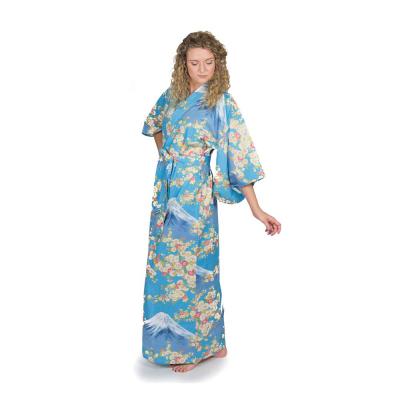
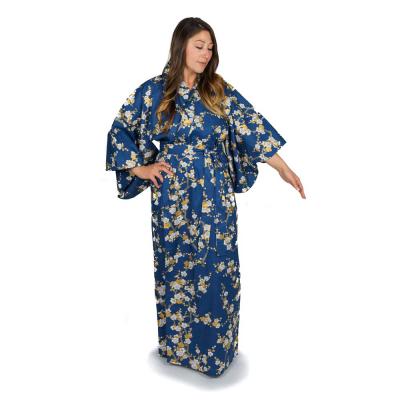
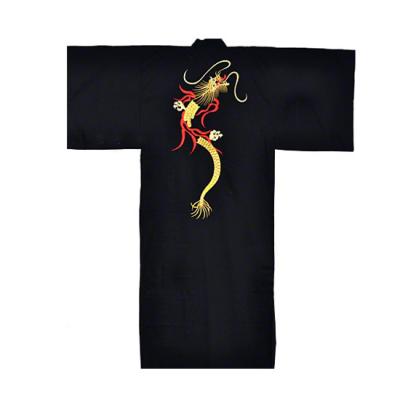
Graduation season marks a magnificent milestone. Years of intense dedication, early morning classes, and relentless hard work culminate in a single, triumphant walk across the stage. As you look for meaningful ways to celebrate the new graduate in your life, you might want to move beyond the traditional pens, briefcases, and standard gift cards. Instead, give them something that wraps them in comfort and beautifully honors their incredible achievement.
A traditional Japanese kimono or a lightweight yukata robe makes an extraordinary graduation gift. These elegant garments perfectly blend sophisticated style with unmatched daily utility, making them a brilliant choice for young adults entering their next chapter.
A Gift of Unmatched Comfort and Style
When students transition from high school to college, or from a university campus to the professional sphere, their need for comfortable, reliable clothing remains a constant. A high-quality kimono provides exceptional comfort without ever sacrificing elegance.
Perfect for Dorm Living and College Life
For the recent high school graduate heading off to a busy university dormitory, a cotton yukata robe quickly becomes an essential piece of daily wear. College life demands flexibility. Imagine those grueling late-night study sessions preparing for midterms. Instead of wearing restrictive clothing or worn-out sweatpants, your graduate can slip into a breathable, beautifully patterned robe.
Kimonos also make for the absolute ideal loungewear on busy weekends. Whether your graduate is hanging out with friends in the common room, collaborating on intense group projects, or simply enjoying a quiet Sunday morning after a long week of classes, a kimono offers a sophisticated alternative to standard pajamas. It allows them to feel put-together and confident while remaining completely relaxed.
A Memorable, Long-Lasting Keepsake
Most graduation gifts are quickly spent or quietly forgotten within a few months. A beautifully crafted Japanese kimono stands far apart from the crowd. It is a highly personal, thoughtful present that carries a true sense of occasion. Every time your graduate wraps the soft fabric around themselves, they will remember the proud family member or friend who gave it to them.
Crafted from durable, premium materials, authentic kimonos are intentionally designed to last. They will comfortably carry the graduate through their four years of college and well into their adult life. This remarkable longevity transforms a simple piece of clothing into a cherished keepsake they will remember for years to come.
Find the Perfect Robe for Your Graduate
Selecting the right graduation gift requires care and attention to detail. By choosing a kimono, you offer a unique present that clearly stands out from the rest. You offer a practical solution for their everyday lounging needs and celebrate their milestone with genuine style and grace.
Are you ready to find the ideal present to celebrate your upcoming graduation? Browse our curated collection of authentic Japanese kimonos and yukata robes today to discover a beautiful, timeless gift they will treasure forever.
Finding the perfect balance between comfort and style during warmer months often feels like a challenge. You want clothing that breathes well, looks fantastic, and transitions effortlessly from your living room to the outdoors. Enter the Happi Coat.
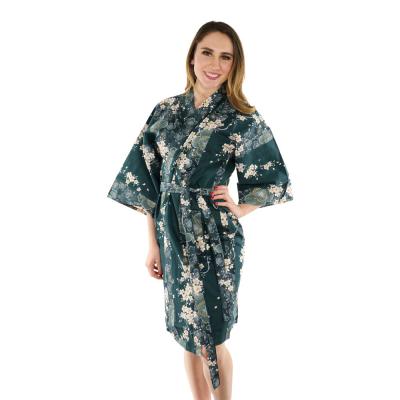
This traditional Japanese short-length kimono offers an incredible blend of practicality and elegance. Whether you need a comfortable outfit for relaxing on the weekend, a chic pool cover-up, or even a cohesive uniform for your business team, this garment delivers. Let us explore why the Happi Coat deserves a permanent spot in your spring and summer wardrobe.
Effortless Comfort for Spring and Summer
When temperatures rise, heavy fabrics and restrictive cuts will not do. The Happi Coat provides a lightweight, breezy alternative that keeps you cool while looking undeniably stylish.
Perfect for Home and Beyond
True loungewear should work beautifully for everything you do around the house. Slip into a Happi Coat to enjoy your morning coffee, read a book on the patio, or tackle light chores. The loose, forgiving fit gives you plenty of room to move.
You can easily wear this short kimono while kneeling in the garden to pull weeds or water your flowers. If you need to run quick errands, the Happi Coat pairs wonderfully with simple jeans or leggings. It turns a quick trip to the grocery store into a comfortable, stylish outing.
The Ultimate Pool Cover-Up
Spending a sunny afternoon by the water requires the right attire. The Happi Coat serves as an ideal pool cover-up. Its open-front design allows you to slip it on easily over a wet swimsuit. The fabric catches the summer breeze, drying quickly while offering just the right amount of protection from the sun. You will feel instantly put-together as you transition from the pool to an outdoor lunch.
A Touch of Hospitality: Gifts and Guests
Finding a unique, thoughtful gift for a friend moving into a new home can be tricky. A Happi Coat makes an excellent housewarming present. It offers a touch of luxury that people rarely buy for themselves.
These short kimonos also elevate the hospitality of your own home. Keep a few clean Happi Coats in your guest room closet. When visitors arrive for the weekend, offering them a dedicated, stylish robe makes them feel like they are staying at a premium resort. It is a small detail that leaves a lasting impression on your guests.
Professional Elegance: Wardrobe Your Team
The benefits of the Happi Coat extend far beyond personal use. Business owners in the wellness and personal care industries constantly look for uniforms that look professional but feel incredibly comfortable.
If you run a nail salon, a dentist’s office, or a day spa, consider dressing your staff in matching Happi Coats. The clean lines and uniform appearance create a cohesive, calming brand aesthetic for your clients. At the same time, your employees will appreciate working in unrestrictive clothing. The short sleeves ensure their hands stay free to perform treatments, while the elegant silhouette projects a high standard of care and hygiene.
The Magic of Cool, Soft Cotton
The true secret behind the Happi Coat’s appeal lies in its material. Crafted from cool, soft cotton, the fabric feels absolutely incredible against your skin. Cotton naturally wicks moisture away, making it the perfect companion for humid spring and summer days.
Unlike synthetic materials that trap heat, a cotton short kimono allows air to circulate freely. Every time you wear it, you experience a soft, breathable embrace that helps you stay relaxed and comfortable from morning until night.
Upgrade Your Loungewear Experience
The Happi Coat proves that you never have to sacrifice style for comfort. From tending to your garden to outfitting your professional spa team, this versatile short kimono adapts to your needs effortlessly. It redefines what practical loungewear can be.
Take a moment to evaluate your warm-weather wardrobe. Embrace the breathable comfort of soft cotton and the timeless elegance of the Happi Coat to elevate your everyday routines this spring and summer.
Dragons capture our imagination across countless cultures, but few societies revere these mythical creatures as much as Japan. While Western stories often depict dragons as terrifying beasts guarding hordes of gold, Japanese folklore paints a vastly different picture. Here, dragons are majestic, benevolent spirits deeply woven into the fabric of daily life, religion, and art.
Understanding the Japanese dragon means diving deep into ancient mythology and exploring its profound spiritual significance. In this guide, we will explore the historical origins of these magnificent creatures, uncover what they represent in Japanese spirituality, and show you how to embrace their powerful symbolism through traditional apparel.
The Roots of Japanese Dragon Folklore
To understand Japanese dragons, you must look back thousands of years. Known in Japanese as ryu or tatsu, these creatures originated from a blend of indigenous legends and imported myths from China, Korea, and India. When Buddhist monks traveled to Japan, they brought stories of powerful serpent-like water deities. Over time, these foreign myths merged with native Shinto beliefs, creating a uniquely Japanese interpretation of the dragon.
You can easily distinguish a Japanese dragon from its Asian counterparts by counting its claws. Traditional Japanese folklore states that dragons have three claws, while Chinese dragons typically have five, and Korean dragons have four. Legend playfully suggests that dragons originated in Japan and grew more claws as they traveled further away.
Regardless of their exact physical description, these creatures quickly became central figures in Japanese creation myths. They lived in oceans, rivers, and lakes, controlling the rainfall and the tides.
Spiritual Significance and Symbolism
In Japanese culture, the dragon is far more than a simple mythological monster. It serves as a complex spiritual symbol representing various virtues and natural forces.
Masters of Water and Agriculture
First and foremost, Japanese dragons are supreme water deities. Because Japan is an island nation heavily dependent on agriculture, controlling water meant controlling life itself. Farmers prayed to dragon gods for rain during droughts and for protection against devastating floods. The dragon became a symbol of balance, ensuring the rice paddies received exactly what they needed to thrive.
Wisdom and Benevolence
Unlike the destructive fire-breathing dragons of European lore, the Japanese ryu embodies ancient wisdom and quiet benevolence. They act as guardians of the divine and protectors of humanity. In many Buddhist temples across Japan, you will see dragon carvings adorning the ceilings or guarding the washing pavilions. These fierce faces are not meant to scare worshipers, but rather to ward off evil spirits and protect the sacred spaces.
Strength, Courage, and Transformation
Dragons also represent immense physical and spiritual strength. A famous legend tells of a persevering koi fish that swam up a massive waterfall against all odds. Upon reaching the top, the gods rewarded the fish for its determination by transforming it into a magnificent dragon. Because of this story, the dragon stands as a universal symbol of courage, resilience, and the ability to overcome impossible obstacles.
Famous Dragons in Japanese Lore
Several specific dragons hold prominent places in Japanese history and literature. Their stories continue to influence art, festivals, and spiritual practices.
Ryujin (The Dragon King): Ryujin is perhaps the most famous Japanese dragon. As the ruler of the sea, he lived in an underwater palace made of red and white coral. He controlled the tides using magical jewels and commanded all marine life. Many Japanese emperors claimed direct descent from Ryujin, using his power to legitimize their rule.
Yamata no Orochi: This fearsome eight-headed, eight-tailed dragon represents a darker side of mythology. According to Shinto legend, the storm god Susanoo defeated this monstrous creature to save a young maiden. Upon defeating the dragon, Susanoo discovered a legendary sword within its tail. This sword eventually became one of the Three Sacred Treasures of Japan, further cementing the dragon’s role in imperial history.
Watatsumi: Often used interchangeably with Ryujin, Watatsumi is the legendary water tutelary deity of Shinto religion. Shrines dedicated to Watatsumi still exist across Japan, particularly in coastal fishing communities seeking safe passage and bountiful catches.
Embracing the Dragon: Traditional Japanese Apparel
The power and beauty of the dragon did not remain confined to ancient scrolls and temple ceilings. For centuries, Japanese artisans have woven dragon motifs into textiles, ceramics, and clothing. Wearing a dragon symbolizes a desire for strength, protection, and good fortune.
Today, you can easily incorporate this powerful symbolism into your own wardrobe. Kimono Shop offers an incredible selection of authentic, dragon-themed kimonos and yukata that celebrate these mythical guardians in stunning detail.
The Dragon and Mt Fuji Yukata
Combine two of Japan’s most iconic symbols with the Dragon and Mt Fuji yukata. This design features a majestic dragon soaring above the sacred peak of Mount Fuji. Available in deep navy, striking black, and vibrant red, this lightweight cotton robe perfectly balances traditional artistry with ultimate comfort. The dynamic artwork captures the dragon’s role as a guardian of the natural world.
Premium Black Dragon and Tiger Kimono
For a truly striking piece, the premium Black Dragon and Tiger kimono brings a famous mythological rivalry to life. In Asian philosophy, the dragon and the tiger represent two opposing but complementary forces, much like yin and yang. The dragon commands the heavens, while the tiger rules the earth. This premium garment features intricate detailing that showcases both powerful creatures in perfect harmony against a rich black background.
Embroidered Dragon and Flame Kimono
If you appreciate detailed craftsmanship, the Embroidered Dragon and Flame kimono commands attention. This garment utilizes high-quality embroidery to create a textured, three-dimensional effect. The fierce dragon winds its way through stylized flames, creating a visually stunning piece that practically leaps off the fabric. It serves as a perfect choice for those who want to project confidence and strength.
Dragon and Hawk Yukata
The Dragon and Hawk yukata pairs the mighty water deity with a revered bird of prey. The hawk represents keen vision, nobility, and swift action. When paired with the dragon’s ancient wisdom and strength, the resulting design tells a story of complete mastery over both the sky and the sea.
Dragon and Bamboo Yukata in Navy
For a more understated but equally meaningful design, consider the Dragon and Bamboo yukata in classic navy. Bamboo symbolizes flexibility, resilience, and longevity—qualities that perfectly complement the dragon’s powerful nature. This elegant yukata offers a sophisticated nod to traditional Japanese folklore, making it an excellent choice for relaxing at home or attending summer festivals.
Wear a Piece of Legend
The Japanese dragon remains one of the most compelling and enduring symbols in Eastern mythology. By representing water, wisdom, protection, and strength, these magnificent creatures offer a deeper understanding of Japan’s spiritual heritage and its deep connection to the natural world.
You do not need to visit an ancient temple to appreciate this powerful symbolism. By wrapping yourself in a beautifully crafted garment from Kimono Shop, you can carry the strength and protection of the dragon with you every day. Explore Kimono Shop’s full collection of dragon-inspired kimonos and yukatas to find the perfect piece that resonates with your own personal journey.
Finding the perfect loungewear often feels like a compromise. You might choose between something comfortable and something stylish, or between something that feels good and something easy to care for. What if you could have it all? Enter the world of traditional Japanese garments: the kimono and the yukata. These pieces are making a graceful transition from ceremonial wear to the ultimate choice for at-home relaxation, blending unparalleled comfort, effortless style, and practical benefits.
This post will explore why a cotton kimono or yukata deserves a special place in your wardrobe. We will look at how their design offers supreme comfort, how simple they are to maintain, and how they bring a touch of timeless elegance to your daily routine—all without a hefty price tag.
Effortless Comfort and Unmatched Ease
One of the most compelling reasons to adopt a kimono or yukata for lounging is its sheer simplicity. Forget about tight waistbands, restrictive seams, and complicated fastenings. These garments are designed for freedom of movement.
The Beauty of a Simple Design
A kimono is constructed from straight-line cuts of fabric, creating a T-shaped robe that drapes beautifully over the body. You simply wrap it around you and secure it with a sash, or obi. This design allows for a customizable fit that accommodates different body shapes and sizes, ensuring you never feel constricted. The loose, flowing sleeves and generous cut promote air circulation, keeping you cool and comfortable whether you’re enjoying a morning coffee or winding down in the evening.
From Morning Routine to Evening Relaxation
The ease of slipping into a kimono makes it a versatile piece for any part of your day. It’s the perfect robe to throw on after a shower, providing a soft and absorbent layer. It’s also an elegant alternative to a standard dressing gown for starting your day or relaxing before bed. The transition is seamless, offering a sense of calm and grace to your at-home moments.
The Practical Perk of Easy-Care Cotton
While silk kimonos are known for their luxuriousness, the everyday hero of loungewear is the cotton yukata. Originally worn for bathing, the yukata is a lighter, more casual version of the kimono, typically made from soft, breathable cotton. This choice of fabric is not only comfortable but also incredibly practical.
Say Goodbye to Complicated Washing Instructions
Cotton yukatas and kimonos are refreshingly low-maintenance. Unlike delicate fabrics that require special handling, most cotton versions can be machine-washed in cold water. This makes them a stress-free option for daily wear. You can relax in your favorite loungewear without worrying about spills or the hassle of dry cleaning. The durability of cotton means your garment will maintain its softness and shape wash after wash, becoming even more comfortable over time.
Breathable and Gentle on the Skin
The feel of soft cotton against your skin is a simple luxury. It’s a natural, hypoallergenic fiber that is gentle and breathable. This is especially beneficial for loungewear, as it helps regulate your body temperature and keeps you comfortable through changing seasons. The lightweight nature of the cotton yukata makes it ideal for warmer months, while a slightly thicker cotton kimono can provide a cozy layer during cooler weather.
Timeless Style and Understated Elegance
Choosing a kimono or yukata as loungewear is also a style statement. It’s a way to embrace beauty and elegance in your everyday life, transforming the simple act of relaxing at home into a more refined experience.
A Rich History of Beauty
Kimonos are adorned with a vast array of patterns, each with its own symbolism and history. From delicate cherry blossoms and graceful cranes to bold geometric designs, these patterns add a layer of artistry and meaning to the garment. Wearing one connects you to a tradition of craftsmanship and aesthetic appreciation. While you may be at home, you are draped in a piece of art that is both beautiful and functional.
Elevate Your At-Home Look
Swapping your old t-shirt and sweatpants for a kimono instantly elevates your loungewear game. It brings a sense of intention and sophistication to your relaxation time. This simple change can positively impact your mindset, helping you feel more put-together and serene even on the quietest of days. It’s a form of self-care, allowing you to surround yourself with beauty and comfort.
An Affordable Luxury: True Value for Your Money
Perhaps the most attractive aspect of embracing kimonos and yukatas for loungewear is their accessibility. While intricate, formal kimonos can be very expensive, high-quality cotton yukatas and casual kimonos are available at very reasonable prices.
This combination of durability, timeless style, and supreme comfort offers incredible value. You are investing in a versatile garment that you will reach for day after day. It’s a piece that won’t quickly wear out or go out of style, making it a sustainable and thoughtful addition to your wardrobe. You get to enjoy a touch of luxury and a world of comfort without a significant financial outlay.
Discover Your Perfect Loungewear Today
The search for the perfect loungewear ends here. A kimono or yukata offers a unique blend of benefits that are hard to find in other garments. The ease of wearing, the simple care of soft cotton, the timeless beauty of the designs, and the luxurious feel against your skin all come together in one perfect package.
By choosing a kimono, you are not just selecting a piece of clothing; you are embracing a lifestyle of comfort, elegance, and mindful relaxation. It’s an affordable luxury that provides true value and transforms your home into a personal sanctuary.
Step into a rich tradition of artistry and grace. The Japanese kimono is an enduring symbol of beauty, carefully woven with centuries of history and profound cultural significance. Draping a beautifully crafted kimono over your shoulders allows you to experience a story of meticulous craftsmanship and heritage. These garments carry the spirit of the artisans who design them and the generations who have cherished them.
Celebrating 33 years of kimono perfection, our employee-owned company has passionately shared this legacy with the world. Our deep appreciation for quality fabrics, unique patterns, and exceptional comfort guides everything we do. We believe that choosing a traditional Japanese garment is a deeply personal journey, one that connects you to an elegant and refined aesthetic.
We invite you to explore the beautiful world of traditional Japanese attire. By understanding the subtle differences between our most beloved garments, you can find the perfect piece that resonates with your personal style and needs.
Understanding the Art of Traditional Garments
The beauty of Japanese clothing lies in its incredible variety. Each style serves a unique purpose, carefully tailored to different seasons, occasions, and levels of formality.
The Classic Kimono
The kimono represents the pinnacle of Japanese elegance. Traditionally worn for formal events, ceremonies, and special gatherings, the classic kimono features long, flowing sleeves and intricate patterns. We carefully select premium fabrics to ensure that every kimono drapes beautifully and feels luxurious against the skin. The vibrant colors and elegant motifs often reflect the changing seasons, allowing you to wear a piece of nature’s beauty.
The Breezy Yukata
When the warm summer months arrive, the yukata offers a beautifully comfortable alternative. Originally worn as a bathing robe, the yukata has evolved into a popular garment for summer festivals, fireworks displays, and relaxed evening strolls. Crafted from lightweight, breathable cotton, a yukata keeps you cool while maintaining an effortless sense of style. The patterns tend to be playful and bold, bringing a festive energy to your wardrobe.
The Versatile Happi Coat
For those seeking a touch of Japanese tradition in a shorter, more casual silhouette, the happi coat is a wonderful choice. Historically worn during festivals and by craftsmen, the happi coat is a straight-cut, lightweight jacket. Today, it serves as a comfortable and stylish layering piece for everyday wear or relaxing at home. Its relaxed fit and striking designs make it a beloved addition to any closet.
Craftsmanship You Can Feel
Our customers wear a story, a tradition, and a piece of craftsmanship that has been carefully selected and delivered with care. Every stitch and seam reflects a dedication to excellence. We partner with skilled artisans who understand the nuances of traditional textile design. From the initial dyeing process to the final tailored finish, our garments are crafted to withstand the test of time.
The staff at Kimono Shop works hard to ensure customer satisfaction. We take immense pride in our curated collections, ensuring that every garment meets our rigorous standards for durability and beauty. This shared passion for quality means you receive a product crafted with genuine love and respect for the culture it represents.
Finding Your Perfect Fit and Style
Selecting the right kimono or yukata should be a joyful and seamless experience. We offer a wide range of sizes to ensure that everyone can enjoy the elegance of traditional Japanese clothing. Our friendly and attentive customer service team is always ready to help you navigate our collection.
Consider the occasions you plan to attend and the fabrics that bring you comfort. A crisp cotton yukata might be perfect for hosting a summer garden party, while a beautifully patterned silk-blend kimono could be the ideal choice for an upcoming formal celebration. Whatever you choose, the right garment will make you feel confident and deeply connected to a timeless tradition.
Frequently Asked Questions
What is the main difference between a kimono and a yukata?
The primary difference lies in the fabric and the occasion. Kimonos are typically made from heavier, luxurious materials like silk or fine synthetic blends and are worn for formal events. Yukatas are crafted from unlined, breathable cotton and are designed for casual, warm-weather wear.
How should I care for my authentic Japanese garment?
Care instructions vary depending on the fabric. Cotton yukatas and happi coats can often be gently hand-washed or machine-washed on a delicate cycle in cold water. Formal kimonos, especially those made of silk, usually require professional dry cleaning to preserve their intricate dyes and structural integrity.
Do I need special accessories to wear these garments?
To achieve the traditional look, a kimono or yukata is typically secured with a wide belt called an obi. You might also want to pair your outfit with traditional footwear, such as geta or zori. However, many of our customers enjoy wearing our garments open as beautiful, flowing robes around the home.
Embrace a Legacy of Excellence
When you choose Kimono Shop, you are choosing a legacy of excellence. We want our customers to have a smooth and pleasant shopping experience, from the moment you browse our unique patterns to the day your new garment arrives at your door.
We warmly invite you to explore our extensive collection of Japanese kimonos, yukatas, and short-length happi coats. Discover the perfect piece to enrich your wardrobe and become part of a beautiful, enduring tradition today.
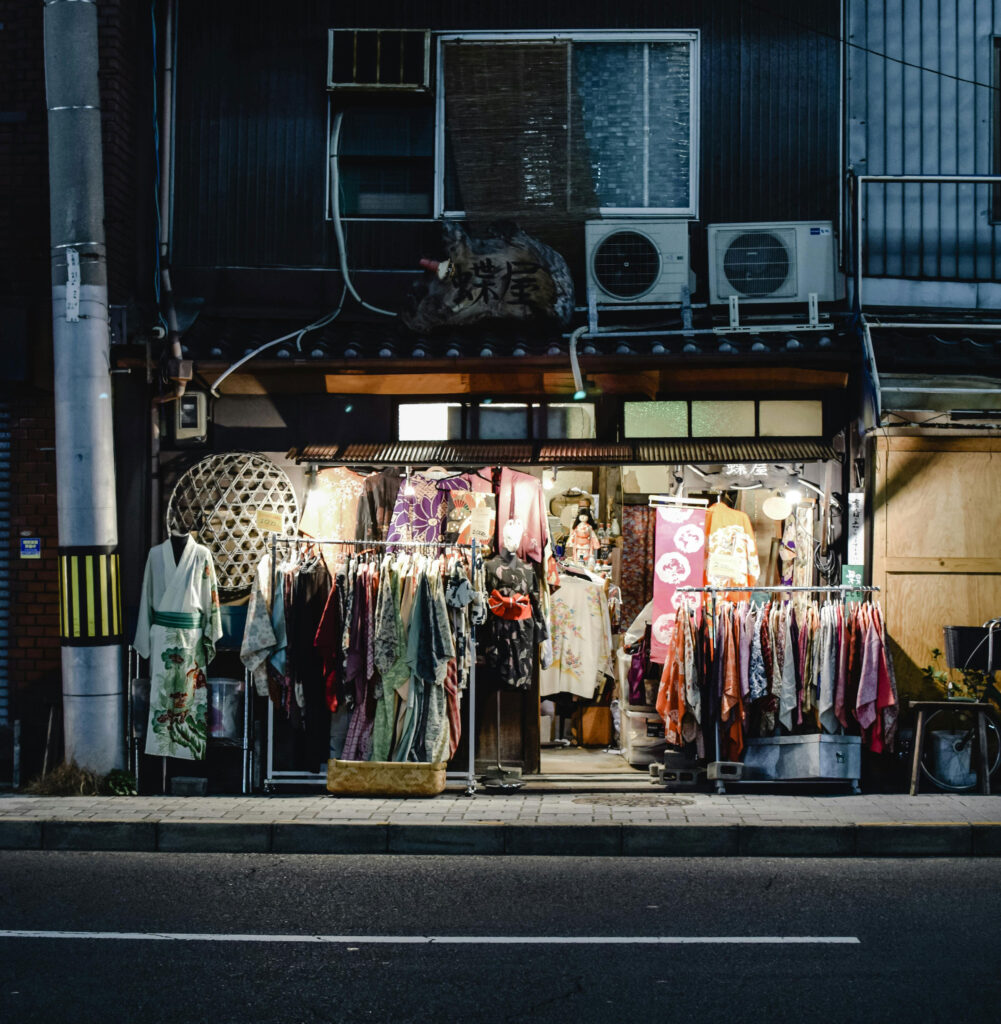
The term “vintage” carries different meanings depending on the context. For some, it evokes the memory of a fine wine, carefully noting the year it was produced. Others might think of a classic car their grandfather cherished or an antique treasure discovered at a garage sale. In the world of kimonos, however, “vintage” typically refers to pre-owned kimonos and yukata robes.
In recent years, the market for “vintage” clothing has grown significantly, with many dealers specializing in these unique garments. Often, the term “vintage” is used more as a marketing tool than a precise descriptor. After all, “vintage” sounds far more appealing than “used,” much like how car dealerships prefer the term “pre-owned.”
But why do people gravitate toward pre-owned clothing? For some, it’s about finding a bargain. Others are drawn to the charm of a one-of-a-kind piece that adds character to their wardrobe. And then there are the true enthusiasts—those who scour resale shops or online marketplaces in search of that perfect, storied garment.
Do We Sell Vintage Kimonos?
Occasionally, we receive inquiries about vintage kimonos—whether we sell them or are interested in buying them. The short answer is no; we do not. At Kimono Shop, we focus exclusively on offering new Japanese robes, with nearly 100 styles of kimono and yukata for men, women, and kids available in our online store, www.kimonoshop.com.
What Defines a Vintage Kimono?
The definition of a “vintage” kimono is surprisingly elusive. Does it mean the kimono was made in a particularly “good” year, like a fine wine? Does it need to be 20 years old to qualify, or is three years enough? Is “vintage” simply a more elegant way of saying “old”?
Our exploration of the vintage kimono market revealed a lack of clear standards in a fragmented arena. The term seems to be applied arbitrarily, with little consistency. A used kimono might be found at a garage sale, but often, there is no reliable backstory. Sellers are frequently vague, offering explanations like, “It was a gift from a family member” or “Someone brought it back from Japan years ago, and it’s been in storage ever since.”
The Vintage Kimono Market
Like many industries, the vintage kimono market includes both wholesalers and retailers. Wholesalers often purchase kimonos in bulk—sometimes by the pallet—through auctions or sight-unseen deals. These bundles are then sorted and graded. The best pieces are selected for resale, while those in average condition may be passed along to other dealers. Kimonos in poor condition are often repurposed, with their fabric used for art, design, or crafting projects like quilts or reconstructed garments.
When shopping for vintage kimonos, you will often encounter grading systems. However, these are highly subjective and vary widely between sellers. Grading might range from “A to AA” or “Good to Very Good,” but the criteria are rarely standardized. For example, one seller might describe a “Condition C” kimono as “well-used with clear signs of wear and staining, suitable for casual or decorative purposes.” Another might label a robe as “Top Grade” with vague descriptions like “fabric is in great condition” or “patterns are wonderful.”
If you are shopping by grade, it is essential to do your homework. Ask questions about the seller’s expertise: How long have they been in business? Do they have experience in Japan or the kimono industry? What criteria do they use for grading?
What to Consider When Buying Vintage Kimonos
When purchasing a vintage kimono, there are several factors to keep in mind:
Condition and Cleanliness: Ads often mention flaws like “light staining” or “some spotting.” Do not hesitate to ask for details—what caused the stains, and how was the kimono cleaned? With heightened awareness of infectious diseases, including COVID-19, it’s wise to exercise caution.
Storage Conditions: Inquire about how the kimono was stored. Was it kept in a climate-controlled environment, or was it exposed to high humidity and heat in an old warehouse? Musty or moldy odors can be a red flag, especially for those with respiratory concerns.
Authenticity and Story: Some vintage kimonos come with fascinating histories, while others may lack any provenance. If the story behind the garment matters to you, be prepared to ask questions and verify details.
Is a Vintage Kimono Right for You?
Ultimately, the decision to purchase a vintage kimono is a personal one. The market is filled with beautiful, unique pieces, each with its own charm and potential story. However, as with any form of art or collectible, it is important to research, investigate, and approach each purchase with care.
Whether you are a seasoned collector or a first-time buyer, the world of vintage kimonos offers a treasure trove of possibilities. Happy shopping, and may you find the perfect piece to add to your collection!
As the final frost melts away and the first buds of green begin to break through the soil, there is a natural desire to shed the heaviness of winter. We pack away the thick wool blankets and bulky sweaters, eager for something that reflects the awakening world outside. Spring is a season of renewal, and this sense of rejuvenation should extend into our homes and, more importantly, our wardrobes.
Loungewear has evolved significantly in recent years. We no longer need to choose between comfort and style; we can insist on having both. This spring, consider stepping away from the routine of tired sweatpants and embracing the refined elegance of a traditional Japanese kimono or a breezy yukata. There is a profound difference in how you feel when you wrap yourself in a garment that carries a legacy of craftsmanship. It isn’t just about covering up; it is about adorning yourself in a piece of art that invites a sense of grace into your daily rituals.
The Appeal of Kimonos and Yukatas for Loungewear
There is a quiet dignity in wearing a kimono. Unlike modern fast fashion, which often prioritizes speed over substance, these garments are steeped in tradition. When you slip one on, you are participating in a history of artistry that values the wearer’s comfort and dignity.
For loungewear, the appeal lies in the silhouette. The open, wrap-style design offers unrestricted movement, allowing you to breathe freely and relax completely. Yet, the structure of the collar and the sweep of the sleeves maintain a level of sophistication that few other garments can match. Whether you are enjoying a slow morning coffee or winding down with a book in the evening, a kimono transforms a mundane moment into a special occasion. You aren’t just wearing clothes; you are wearing a story, a tradition, and a piece of craftsmanship that has been carefully selected to bring joy to your everyday life.
Choosing Your Style: From Vibrant Florals to Minimalist Designs
One of the most delightful aspects of selecting a kimono or yukata is the sheer variety of visual storytelling available. Spring offers the perfect palette to experiment with.
For those who wish to mirror the blooming gardens outside, designs featuring vibrant florals are a breathtaking choice. Patterns of cherry blossoms (sakura), peonies, or wisteria don’t just add color; they symbolize the fleeting beauty of nature and the optimism of the season. Wearing these motifs can feel like a celebration of life itself.
On the other hand, you might find peace in simplicity. Minimalist designs, featuring geometric patterns or subtle, solid hues like indigo, sage, or soft lavender, offer a calming aesthetic. These styles speak to a refined taste that values the texture of the fabric and the precision of the cut over bold statements. Whichever path you choose, the garment becomes a reflection of your inner landscape, allowing you to express your personality within the sanctity of your own home.
Why Lightweight Fabrics are Perfect for the Season
As the days grow longer and the air turns milder, the heavy fabrics of winter become stifling. This is where the yukata—a casual, unlined summer kimono made of cotton—truly shines. Originally worn as a bathrobe in traditional Japanese inns, the yukata is the epitome of breathable comfort.
The cotton fabric is crisp, cool, and absorbent, making it ideal for the fluctuating temperatures of spring. It feels gentle against the skin, offering coverage without weight. For a touch more luxury, you might opt for a silk or satin-blend kimono. These fabrics glide over the skin like water, regulating your body temperature while providing a tactile experience of pure indulgence.
The quality of these fabrics is paramount. When you choose a garment made with care, you can feel the difference in every thread. It is durable yet delicate, meant to be worn and loved for years, becoming softer and more personal with every wash.
Uplifting Your At-Home Style
Spring is the perfect invitation to refresh your perspective. By inviting a kimono or yukata into your wardrobe, you are choosing to elevate the moments that happen behind closed doors. You are choosing to treat yourself with the same respect and care that you show the world outside.
Whether you are drawn to the vibrant energy of floral patterns or the serene elegance of minimalist cotton, these garments offer a unique blend of comfort and tradition. Embrace the season of renewal by wrapping yourself in a legacy of excellence. You deserve to feel beautiful, comfortable, and elegant, every single day.
The elegance of a Japanese kimono or the casual comfort of a yukata can add a unique touch to your wardrobe. These traditional garments are beautiful, versatile, and rich with cultural history. However, owning an authentic piece can sometimes feel like a significant investment. With many people looking for ways to make their money go further, finding a great deal is more important than ever.
Fortunately, you don’t have to break the bank to own a beautiful kimono or yukata. With a few smart shopping strategies, you can find high-quality garments at affordable prices. This guide will show you how to find fantastic deals, so you can embrace Japanese style without straining your budget. We’ll focus on how to stay informed about sales and exclusive offers from retailers like Kimono Shop.
Why Quality Matters, Even on a Budget
When looking for a deal, it’s tempting to go for the cheapest option available. But with kimonos and yukatas, quality is key. A well-made garment will not only look better but will also last much longer. Authentic pieces are crafted from durable fabrics with intricate designs, offering a superior feel and fit.
Investing in a quality piece, even at a discounted price, means you get better value in the long run. You get to enjoy the authentic experience of wearing a traditional Japanese robe that is comfortable, breathable, and beautifully constructed. The goal is to find that perfect balance between an affordable price and excellent craftsmanship.
Stay Ahead of Sales with Social Media
One of the most effective ways to catch a sale is to follow your favorite retailers on social media. Companies often announce flash sales, special promotions, and new arrivals on their social channels first. By following them, you put yourself in the perfect position to be among the first to know when prices drop.
Kimono Shop, a popular retailer of Japanese robes, is active on several platforms. Following them is a simple, no-cost way to keep an eye on upcoming opportunities to save.
Platforms to Follow:
Facebook: Many brands use Facebook to post detailed announcements, share photos of their products, and interact with their community. Look for posts about seasonal sales or holiday discounts.
X (formerly Twitter): For quick, real-time updates, X is an excellent resource. Companies often post about limited-time flash sales that you might otherwise miss.
Instagram: Instagram is a visual platform, making it perfect for showcasing the beautiful patterns and colors of kimonos and yukatas. Brands often use Instagram Stories to announce exclusive, short-term promotions for their followers.
By connecting on these platforms, you ensure you won’t miss out on a chance to purchase the kimono you’ve been eyeing at a reduced price.
Unlock Exclusive Offers with Newsletters
While social media is great for public announcements, the best deals are often reserved for a smaller group of loyal customers. This is where email newsletters come in. Signing up for a company’s newsletter is like getting a VIP pass to exclusive sales and discounts that aren’t advertised anywhere else.
For example, Kimono Shop offers an online newsletter that periodically informs subscribers about special offers. This is a direct line to the best promotions the company runs throughout the year.
The Benefits of Signing Up
Subscribing to the Kimono Shop newsletter gives you several advantages. You receive notifications sent directly to your inbox, so you don’t have to constantly check social media or the website for updates. These emails often contain unique discount codes or early access to sales events before they are made public.
Many people hesitate to sign up for newsletters, fearing a flood of daily emails. However, reputable companies respect your inbox. Kimono Shop is a great example of this, typically sending no more than six emails a year. This low-key approach ensures that when you do get an email, it contains valuable information about a significant sale or a special offer worth your attention. Plus, you can easily opt out at any time, giving you complete control.
Timing is Everything: Watch for Periodic Sales
Patience can be a shopper’s best friend. Many retailers, including Kimono Shop, hold periodic sales throughout the year. These are often tied to seasons or holidays, providing predictable opportunities to save.
Keep an eye out for:
End-of-season sales: As seasons change, retailers may discount items like lightweight summer yukatas to make room for new inventory.
Holiday promotions: Major holidays can bring sitewide discounts.
Anniversary sales: Some companies celebrate their business anniversary with a special sale for customers.
By combining the knowledge you gain from newsletters and social media, you can anticipate these sales events and plan your purchase accordingly. This strategic approach helps you get the best possible price on a high-quality kimono or yukata.
Embrace Japanese Tradition Affordably
Owning a beautiful kimono or yukata is an achievable goal, even when you’re being mindful of your spending. By using smart strategies, you can find incredible deals on authentic, high-quality garments.
Start by following retailers like Kimono Shop on Facebook, X, and Instagram to catch public sales announcements. For even better discounts, sign up for their newsletter to receive exclusive offers directly in your inbox, without the worry of spam. By staying informed and being patient, you can find the perfect piece to add to your collection at a price that makes you smile.
Every pattern tells a story. From ancient symbols to modern interpretations, the designs we wear often carry deep cultural meaning. This month, we’re exploring the rich history behind one of Japan’s most iconic motifs: the Sakura, or cherry blossom, as showcased in our Golden Sakura Blossom Yukata. This garment is more than just comfortable clothing; it’s a piece of wearable art that connects timeless tradition with modern style.
We will look into the cultural significance of the Sakura, examine the exquisite details of this particular yukata, and discover how to style this versatile piece. It’s a celebration of history, craftsmanship, and the fleeting beauty that defines one of Japan’s most cherished symbols.
The Enduring Symbolism of Sakura
In Japan, the Sakura holds a profound place in the nation’s culture and philosophy. The cherry blossom season is a major event, drawing people outdoors for hanami (flower viewing) parties. But these blossoms are more than just pretty flowers; they are a powerful metaphor for the nature of life itself.
The Sakura’s life is beautiful but incredibly brief. The blossoms appear in a glorious burst of color, but after just a week or two, the petals fall like snow. This fleeting display serves as a reminder of mono no aware, a Japanese term for the gentle sadness or awareness of impermanence. It’s a concept that encourages an appreciation for the present moment and the beauty found in transient things. This philosophy is deeply woven into Japanese art, literature, and daily life. The cherry blossom, in its delicate and temporary existence, perfectly captures this idea.
Artistry in a Garment: The Golden Sakura Blossom Yukata
Our Golden Sakura Blossom Yukata captures this powerful symbolism through its thoughtful design. It translates the cultural weight of the Sakura into a stunning and wearable piece of art, available on both a deep blue and a striking black background.
Design and Detail
The pattern features delicate cherry blossom petals gracefully scattered across the fabric. These are not simple prints; they are rendered in shimmery gold and crisp white, creating a sense of depth and luminescence. On the blue version, the pattern evokes a serene spring day, while the black background provides a dramatic contrast that makes the golden accents radiate with a soft glow. This shimmer catches the light, mimicking the way sunlight filters through a canopy of blooming cherry trees.
Every detail of the yukata is crafted with intention. The traditional butterfly sleeves, or sode, add an authentic touch of elegance and freedom of movement. These wide sleeves are a hallmark of traditional Japanese robes and contribute to the garment’s graceful silhouette.
Uncompromising Quality and Comfort
Authenticity and quality are at the heart of this yukata. Made in Japan, it honors the long tradition of Japanese textile craftsmanship. The fabric is 100% cotton, chosen for its softness, breathability, and comfort, especially in warmer weather. It feels gentle against the skin, making it ideal for relaxing at home.
To ensure longevity and ease of use, the cotton is treated with a shrink-resistant finish. This practical feature means you can enjoy the yukata’s perfect fit and beautiful design for years to come. It is machine washable, making it as easy to care for as it is beautiful to wear. A matching sash, or obi, is included to complete the traditional look and provide a secure, adjustable fit.
Styling Your Yukata: From Loungewear to Statement Piece
The yukata was originally worn as a bathing robe, but its use has evolved significantly over time. Today, its versatility is one of its most appealing qualities. The Golden Sakura Blossom Yukata seamlessly blends function and fashion, making it a valuable addition to any wardrobe.
Luxurious Loungewear
As loungewear, the yukata offers unparalleled comfort and elegance. Wrap yourself in its soft cotton after a bath or while enjoying a quiet morning with a cup of tea. Its breathable fabric keeps you comfortable without feeling heavy. It transforms the simple act of relaxing at home into a more refined and beautiful experience.
A Stylish Cover-Up
The yukata also functions beautifully as a stylish cover-up. Take it to the beach or pool to wear over your swimsuit. It provides light coverage from the sun while allowing air to circulate, keeping you cool. The stunning Sakura pattern will undoubtedly make a chic statement, elevating your resort wear beyond a simple towel or sarong.
An Outer Layer for a Bold Look
For the fashion-forward, the yukata can even be worn as a lightweight jacket or duster coat. Pair it with jeans and a simple top to add a touch of Japanese-inspired elegance to a casual outfit. This works well with a short-length Happi Coat. The flowing butterfly sleeves and intricate pattern create a unique and eye-catching look that showcases your personal style.
Embracing Timeless Elegance
The Golden Sakura Blossom Yukata is more than just a robe. It’s a connection to a rich cultural heritage and a celebration of mindful living. It embodies the Japanese appreciation for beauty, quality, and the significance of the present moment. Wearing it is an invitation to embrace timeless elegance and modern comfort in your everyday life.
Whether you choose the serene blue or the dramatic black, this yukata offers a way to wrap yourself in a story—one of fleeting beauty, expert craftsmanship, and enduring style. It’s a reflection of art and tradition, designed for the modern woman who values elegance in every moment.
In Japanese culture, the dragon, or ryū, is not a creature of fire and destruction. Instead, it is a powerful and benevolent force associated with wisdom, strength, and good fortune. This divine being commands the waters and skies, bringing rain to nourish the land and protecting those it favors. Wearing a dragon on your clothing is more than a style choice; it’s an invitation to embody its auspicious energy. A Japanese robe adorned with a dragon becomes a symbol of personal power and protection.
At Kimono Shop, we have celebrated the art of Japanese textiles for over three decades. Our collection of dragon-themed kimonos and yukatas captures the spirit of this legendary creature. Each piece is expertly crafted in Japan from 100% cotton, offering a blend of authentic design and modern comfort.
The Symbolism of the Dragon
Unlike their Western counterparts, Japanese dragons are seen as guardians. They are complex symbols with deep roots in mythology and spirituality.
Strength and Power: The dragon is a figure of immense physical and spiritual strength. It represents the ability to overcome obstacles and achieve greatness.
Wisdom and Protection: As ancient beings, dragons are keepers of profound wisdom. They are often depicted as protectors of temples, treasures, and even entire communities.
Control Over Water and Sky: Japanese dragons are water deities, living in oceans, rivers, and lakes. They control rainfall, storms, and tides, symbolizing influence over the natural world and the flow of life itself.
Good Fortune: Sighting a dragon is considered an incredibly lucky omen, promising success, prosperity, and a bountiful future.
When you wear a dragon kimono or yukata, you carry these powerful meanings with you. It’s a statement of confidence, a nod to timeless tradition, and a personal emblem of good fortune.
Kimono Shop’s Dragon Kimono and Yukata Collection
Our curated selection of Japanese robes showcases the dragon in various awe-inspiring forms. Each design tells a unique story, pairing the dragon with other potent symbols from Japanese folklore.
Dragon and Mt. Fuji Yukata
This striking yukata combines two of Japan’s most powerful icons: the dragon and Mount Fuji. The dragon coils protectively around the sacred mountain, creating a design that symbolizes unshakeable strength and national pride. Available in deep navy, bold red, and classic black, this 100% cotton yukata is a masterpiece of cultural expression.
Dragon and Tiger Kimono
The dragon and the tiger are celestial rivals, representing the delicate balance of the universe. The dragon rules the heavens and the rain, while the tiger commands the earth. Together, they symbolize the harmony of opposing forces—spirit and matter, yin and yang. This dynamic Japanese robe is for those who appreciate the interplay of power and grace.
Dragon of Flame Kimono
This design is a true showstopper. The Dragon of Flame Kimono features a large, intricately embroidered dragon across the back, its body ablaze with color and detail. Embroidery adds texture and dimension, making the dragon feel alive. It’s a bold and artistic piece that embodies the creature’s fiery spirit and unstoppable energy.
Dragon and Hawk Yukata
Another powerful pairing, the dragon and hawk represent supremacy over the sky. The hawk is known for its sharp vision and swift action, while the dragon commands the very weather. This yukata design speaks to ambition, clear focus, and the ability to rise above challenges.
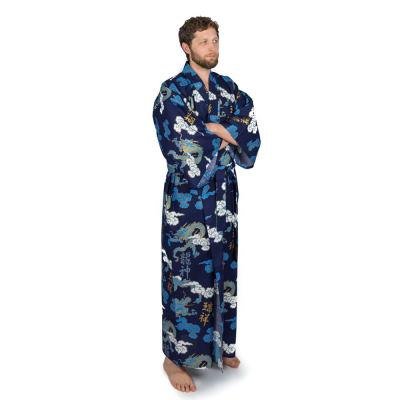
Cloud Dragon Yukata
Often depicted among the clouds, the dragon is a master of the celestial realm. The Cloud Dragon yukata captures this ethereal quality, showing the dragon moving gracefully through the heavens. It evokes a sense of freedom, transcendence, and limitless potential.
Modern Style, Traditional Craftsmanship
We understand that style is personal. That’s why many of our dragon designs are available in both traditional, full-length cuts and as shorter Happi Coats. The Happi Coat offers a versatile, modern silhouette that works well as a light jacket over jeans and a t-shirt or as a comfortable lounge robe.
No matter which style you choose, you can be confident in its quality. Every Japanese kimono and yukata from Kimono Shop is made in Japan from soft, breathable 100% cotton.
Experience the Kimono Shop Difference
As a U.S.-based company, we make it simple to bring authentic Japanese style into your life. When you order from KimonoShop.com, you benefit from quick shipping from within the USA. There are no long waits for international packages or surprise customs fees. We also offer easy returns to ensure you are delighted with your purchase.
Embrace the dragon’s strength, wisdom, and good fortune. Explore our collection of dragon kimonos, yukatas, and Happi Coats to find the design that speaks to your spirit.