
In an age of fast fashion, endless trends, and constant digital stimulation, consumers seek something timeless, intentional, and calming.
This shift in buying behavior has fueled appreciation for Japanese design.
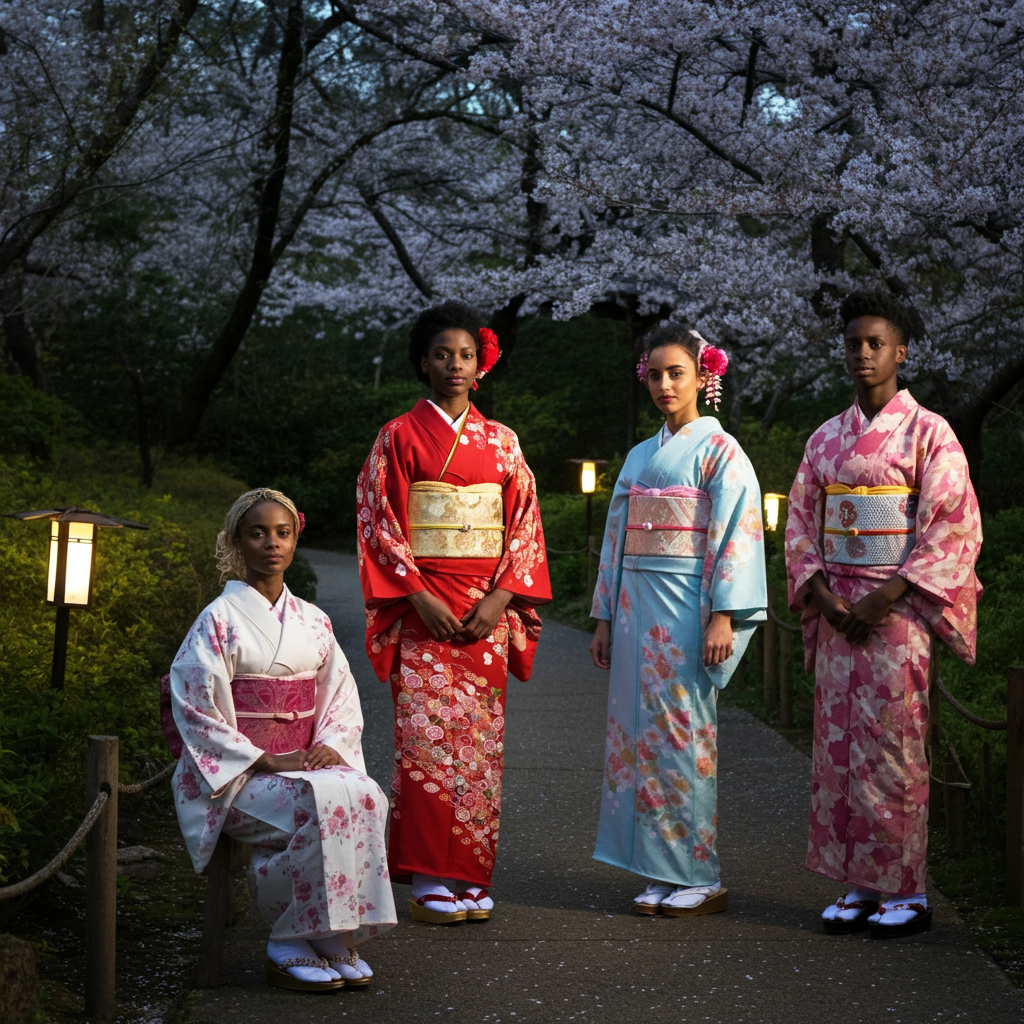
Traditional garments like the kimono and yukata robe illustrate that trend.
While Western fashion often celebrates bold self-expression and rapid reinvention, Japanese design embraces simplicity and craftsmanship.
These qualities resonate deeply with today’s consumers.
Designers, psychologists, and trend forecasters have noted a significant shift toward products that promote well-being rather than excess. Japanese-inspired clothing has become more than a fashion statement; it represents a lifestyle centered around comfort, mindfulness, and authenticity. Focus keyphrase: kimono.
The Rise of Mindful Consumerism
Today’s shoppers are becoming more intentional about what they purchase. Instead of filling closets with disposable clothing, many consumers are investing in garments that offer lasting value, versatility, and emotional satisfaction.
This emerging consumer behavior reflects a desire to slow down and make thoughtful choices. Japanese design naturally aligns with these values. Every detail—from the clean lines and balanced proportions to carefully selected fabrics—encourages a sense of harmony rather than distraction.
Unlike many fashion trends that quickly fade, traditional Japanese garments have remained relevant for centuries because they prioritize function alongside beauty.
Why Simplicity Feels So Appealing
Psychologists have long understood that visual simplicity reduces cognitive overload. When our surroundings contain fewer competing elements, our brains require less effort to process information. The result is a feeling of calm, which aligns with the kimono’s emphasis on understated design.
Japanese aesthetics embrace principles such as balance, negative space, and understated elegance. Rather than overwhelming the eye with excessive decoration, each design element serves a purpose.
This philosophy extends naturally into clothing. The flowing silhouette of a kimono or yukata robe allows the wearer to feel comfortable while creating a graceful visual balance. Neutral colors, nature-inspired prints, and uncluttered patterns often evoke feelings of peace and relaxation.
For many people, wearing Japanese-inspired clothing becomes an extension of creating a calmer lifestyle.
The Emotional Connection to Craftsmanship
Another reason Japanese fashion continues to attract devoted admirers is its emphasis on craftsmanship.
Consumers increasingly appreciate products that feel authentic and thoughtfully made. Traditional Japanese garments represent generations of textile artistry, dyeing techniques, weaving methods, and attention to detail that cannot easily be replicated through mass production.
Owning a beautifully crafted kimono or yukata robe often feels different from purchasing ordinary clothing. It carries a story, a heritage, and a sense of respect for skilled artisans.
As consumers seek deeper meaning behind their purchases, this emotional connection becomes just as valuable as the garment itself.
Comfort Has Become a Luxury
One of the biggest shifts in post-pandemic fashion has been the growing demand for comfortable clothing that still feels elegant.
The popularity of relaxed silhouettes, natural fibers, and versatile garments has transformed how consumers define luxury. Rather than restrictive tailoring or flashy embellishments, many shoppers now associate luxury with ease.
Japanese yukata robes perfectly embody this evolution.
Originally worn after bathing or during warm-weather festivals, today’s yukata robes have become beloved around the world as stylish loungewear, spa robes, vacation attire, and lightweight layering pieces. Their breathable fabrics and relaxed fit allow wearers to feel comfortable without sacrificing sophistication.
Likewise, modern kimono-inspired robes offer remarkable versatility. They transition effortlessly from quiet mornings at home to elegant evenings or resort wear, making them practical additions to contemporary wardrobes.
Nature as Design Inspiration
Japanese design frequently draws inspiration from the natural world.
Cherry blossoms, bamboo, cranes, waves, maple leaves, and seasonal flowers are more than decorative patterns—they reflect an appreciation for the changing rhythms of nature.
Research into environmental psychology suggests that natural imagery can contribute to feelings of relaxation and emotional well-being. Whether consciously recognized or not, these familiar motifs often create subtle emotional responses.
For consumers seeking respite from busy daily lives, clothing inspired by nature provides another layer of psychological comfort.
The Appeal of Timeless Fashion
Western fashion often moves through seasonal cycles driven by rapidly changing trends. Japanese design, however, tends to prioritize enduring beauty over novelty.
This timelessness appeals strongly to modern consumers who are becoming increasingly skeptical of disposable fashion.
Rather than asking, “Will this be in style next year?” buyers are asking, “Will I still love wearing this years from now?”
Traditional Japanese garments answer that question remarkably well. Their classic silhouettes have remained admired across generations because they transcend temporary trends.
Fashion That Encourages Presence
Perhaps the greatest psychological appeal of Japanese clothing lies in how it changes the experience of getting dressed.
The flowing shape, gentle movement, and comfortable fit encourage wearers to slow down and appreciate the present moment. Instead of chasing fashion, many people find themselves enjoying the quiet confidence that comes from wearing something both beautiful and comfortable.
This growing appreciation reflects a broader cultural movement toward wellness, mindfulness, and intentional living.
Consumers are no longer buying clothing solely to impress others—they’re choosing garments that make them feel relaxed, authentic, and connected to something meaningful.
Looking Ahead
As consumer preferences continue evolving, Japanese design is well positioned to remain influential. Its emphasis on simplicity, craftsmanship, sustainability, and emotional well-being aligns naturally with the values shaping modern purchasing decisions.
Whether it’s an elegant silk kimono, a lightweight cotton yukata robe, or a contemporary Japanese-inspired wrap, these garments offer more than beautiful design. They provide a reminder that fashion doesn’t have to be loud to make a lasting impression.
In a world filled with constant noise, Japanese design offers something increasingly rare: quiet confidence, timeless beauty, and a sense of calm that many consumers are actively seeking.
Leave a Reply