Tag: kimono yukata

  • Transform Your Space with Japanese Kimono and Yukata Wall Art

    The Japanese kimono and yukata have always been more than garments—they are works of art rich in tradition, craftsmanship, and storytelling. Beyond wearing them, these beautiful textiles can be repurposed as stunning wall art to bring elegance, history, and culture into your home. With their intricate designs and symbolic patterns, kimonos and yukatas provide a unique and meaningful way to decorate any space.

    If you’re a home decor enthusiast, an admirer of Japanese culture, or an art collector, here’s a guide on using kimonos and yukatas as exceptional wall art.

    Why Display Kimono and Yukata as Wall Art?

    Displaying a kimono or yukata as wall art goes beyond decoration—it celebrates tradition and beauty in a tangible, awe-inspiring way. Here are a few reasons why they make stunning decor pieces:

    1. A Tribute to Japanese Craftsmanship

    Every stitch of a kimono or yukata tells a story of Japanese artistry. Made with impeccable attention to detail, these textiles feature hand-painted motifs, intricate embroidery, or woven patterns that are true masterpieces. Hanging one on your wall is like showcasing a fine piece of art.

    2. Unique, Meaningful Decor

    Kimonos and yukatas are steeped in cultural meaning. Their patterns often symbolize prosperity, good fortune, or the changing seasons. By displaying one, you’re adding a layer of depth and storytelling to your decor.

    3. Timeless Elegance

    There’s something undeniably elegant about the flowing lines and rich fabrics of a kimono. Its presence instantly elevates a space, bringing a clean yet dramatic focal point to your room.

    4. Versatility Across Styles

    Whether your home leans toward minimalist Japanese aesthetics or bold and eclectic vibes, a kimono can adapt perfectly. Its versatility ensures it will harmonize with your existing decor while adding a unique element of charm.

    Creative Ways to Display Kimono and Yukata as Wall Art

    There are several ways to turn a traditional kimono or yukata into a centerpiece for your home. Here are some methods to suit various preferences and styles:

    1. Traditional Hanging Rod or Kimono Hanger

    The classic way to display a kimono or yukata is by using a wooden or bamboo rod. Draping the garment over the rod showcases its full width and allows the beautiful patterns and colors to flow naturally. This simple method embodies the minimalist elegance of Japanese design. The hanger makes displaying easy.

    Tip: To make the display cleaner and more secure, use discreet hooks or brackets to mount the rod to the wall.

    2. Frame It Under Glass or Plexiglass

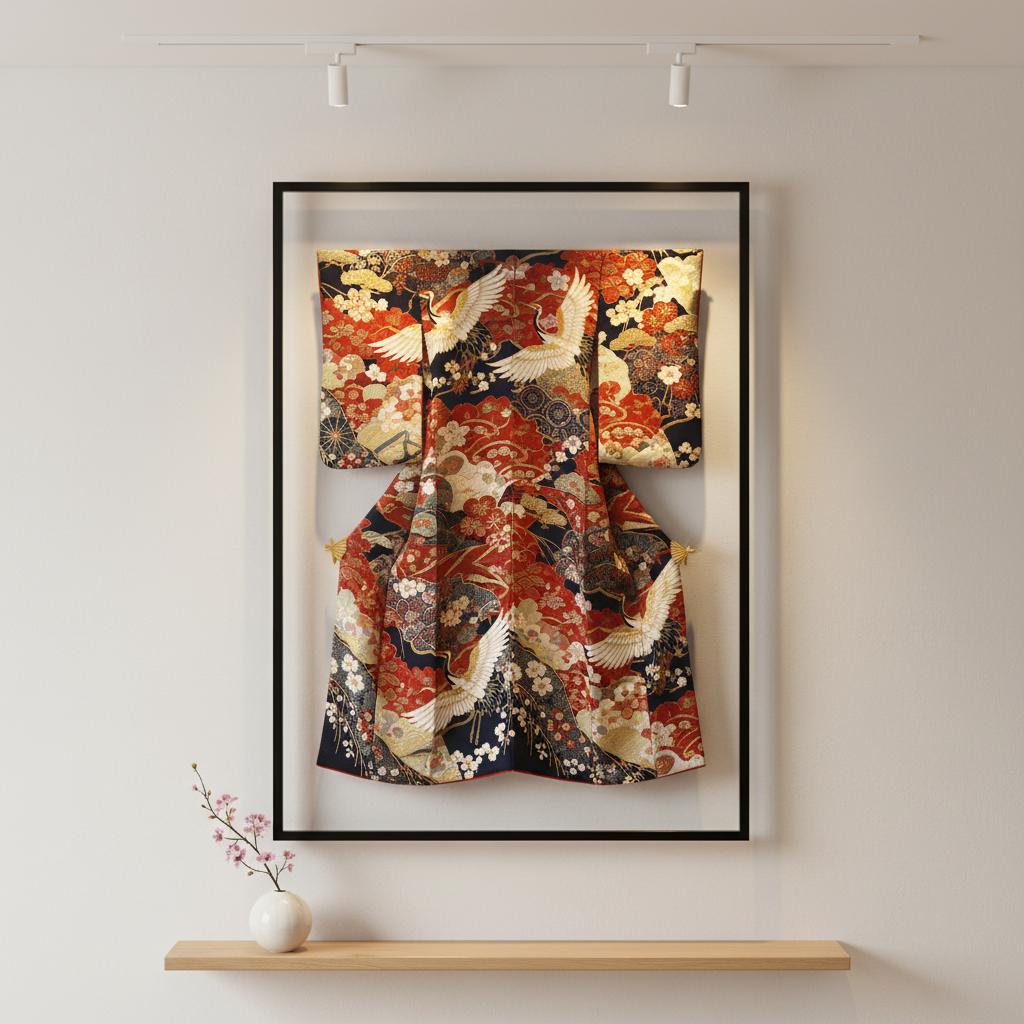
    For a more polished and modern look, consider framing the kimono or yukata under glass or plexiglass. This approach protects the fabric from dust and damage while transforming it into a museum-quality art piece. It’s perfect for spaces like living rooms or offices where you want a sleek, structured aesthetic.

    Tip: Use UV-protective glass to prevent fading of the vibrant colors.

    3. Mount It on a Canvas

    Stretch the kimono or yukata over a canvas or a lightweight frame to display specific sections of its intricate design. This option works well for smaller spaces or when you want to highlight particular details without showcasing the entire garment.

    4. Shadow Box Display

    Place the kimono or yukata in a deep shadow box for a dynamic presentation. You can include smaller elements, like obi (sashes) or accessories, alongside the garment for a more comprehensive display. This format is particularly effective if you want to create a storytelling piece.

    5. Creative Folds

    For a contemporary take, fold the kimono into asymmetrical or geometric shapes and mount it directly onto the wall with adhesive strips or custom hangers designed for textiles. This unconventional presentation adds a modern twist to a traditional art form.

    6. Layer It with Other Decor

    Pair your kimono or yukata with complementary wall decor, such as shoji screens, calligraphy scrolls, or Japanese woodblock prints. The layering creates a curated, gallery-like appeal that celebrates Japanese art as a whole.

    How to Care for Your Kimono Wall Art

    To keep your kimono or yukata looking beautiful for years, follow these care tips:

    • Minimize Sunlight Exposure: Direct sunlight can cause colors to fade over time. Place your display in a spot with minimal direct sunlight or use UV-blocking window films.
    • Dust Gently: Use a soft, dry cloth to dust the fabric periodically.
    • Preserve Originality: If you’re planning to frame or mount the kimono, avoid cutting or altering it permanently—this preserves its value and heritage.

    Elevate Your Home with Japanese Textile Art

    Hanging a kimono or yukata as wall art isn’t just about adding beauty to your home—it’s a statement of cultural appreciation and personal style. When thoughtfully displayed, these textiles transcend their role as garments to become enduring pieces of art that inspire connection and admiration.

    At Kimono Shop, we offer a wide selection of traditional kimonos, yukatas, and Japanese textile art for every space. Whether you’re decorating your home or curating an art collection, we can help you find the perfect piece to reflect your unique taste.

    Discover authentic Japanese kimonos and yukatas today—visit our shop and bring timeless elegance into your space.

    kimono framed under glass wall art
    Kimono Wall Art

  • Beware of False Promises: The Truth About Online Dealers Misrepresenting Japanese Products

    When it comes to Japanese products, there’s an intrinsic allure—a sense of deep history, meticulous craftsmanship, and a profound respect for tradition. From the exquisite designs of a kimono to the fine glaze of a handmade teapot, authentic Japanese goods often tell a story woven with elegance, pride, and unparalleled artistry.

    However, not all online retailers that claim to sell Japanese products hold true to this legacy. Behind glossy websites and convincing product descriptions lies an industry tainted by deception and exploitation. Many of these dealers sell products that are neither made in Japan nor uphold the standards of quality and ethical production that Japan is known for. Instead, they sell goods manufactured in other countries, sometimes in factories that exploit vulnerable laborers.

    The Illusion of Authenticity

    It’s not uncommon to find online dealers promoting their goods as “authentic Japanese” while sourcing them from places like China, Taiwan, Vietnam, or economically disadvantaged nations. While not all products made outside Japan lack quality, the issue lies in the misrepresentation. Customers are often led to believe they’re purchasing items crafted by skilled Japanese artisans, only to receive mass-produced goods made with inferior materials and techniques.

    The problem deepens when these products are linked to unethical labor practices. Manufacturing in impoverished countries often relies on exploitative conditions, including long hours, unsafe environments, and, in heartbreaking cases, forced or slave labor. When companies cut ethical corners to maximize profits, the true cost is borne by those who need protection the most—workers striving to support their families in impossible conditions.

    Preserving a Legacy of Quality

    Authentic Japanese products carry more than just a label—they carry a legacy. Every fold of a kimono, every stroke on a porcelain surface, and every meticulously engineered tool reflects centuries of tradition and a commitment to excellence. These products are not made hastily; they are crafted with patience, respect, and care, qualities that are often missing in counterfeit or misrepresented items.

    When you purchase authentic Japanese goods, you’re not only investing in a quality product but also supporting artisans who dedicate their lives to preserving Japan’s cultural heritage. You’re choosing to honor the legacy of craftsmanship that defines Japan and rejecting the disposable culture of mass production and exploitation.

    How to Spot Authentic Japanese Products

    To ensure you’re purchasing genuine Japanese products while avoiding unethical practices, follow these simple steps:

    1. Research the Retailer

    Look for detailed information about the retailer’s sourcing and supply chain. Reputable sellers openly share where their products are made and who makes them. Don’t rely on the name of the business. Many use Japan or Japanese in their business name to make it appear they are authentic. Others sell goods using terms like Japanese-style, Japanese-inspired or simply fail to list the country of origin in their product descriptions. This is a good “tell” that they are hiding something. These same operatives may even steal product images from competitor’s websites and use as their own.

    1. Check for Certification or Labels

    Authentic Japanese products often come with marks of certification or labels indicating their origin. Learn to recognize these to distinguish genuine items from imitations.

    1. Beware of Prices That Seem Too Good to Be True

    Handmade Japanese goods come with a higher price tag due to the meticulous craftsmanship and quality materials. If the cost seems unusually low, it may be an imitation.

    1. Ask Questions

    Don’t hesitate to contact retailers and ask about the product’s origin, materials, and production process. Genuine sellers will gladly provide transparency. Don’t readily believe the product is Japanese unless they state specifically “Made in Japan.”

    1. Read Reviews

    Customer feedback can offer insights into the authenticity and quality of a retailer’s goods.

    Support Ethical Practices

    When you buy from authentic Japanese manufacturers and trusted retailers, you actively choose to support ethical businesses. These businesses operate sustainably, uphold fair labor practices, and honor the artisans who craft each piece with care. You also help eradicate exploitative practices that continue to plague global supply chains.

    Join the Movement for Authenticity

    At Kimono Shop.com, we celebrate the artistry, tradition, and dedication that define authentic Japanese products. Our curated collections are sourced directly from skilled Japanese artisans, ensuring every piece you receive is a testament to quality and cultural heritage. We’re proud to provide transparency, ethical sourcing, and a community of like-minded individuals who value craftsmanship and integrity.

    If you’re searching for pieces that carry not only beauty but a story, tradition, and respect for the people who made them, we invite you to explore our collection.

    Discover the beauty of authenticity. Choose quality. Choose integrity.

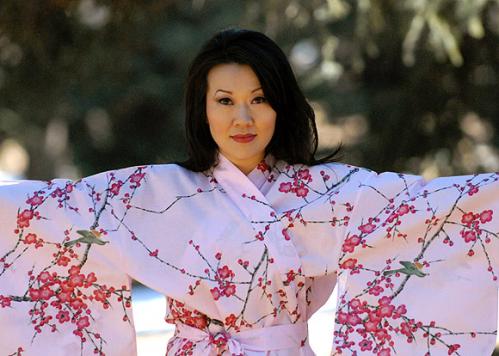
    womens pink cherry blossom yukata from kimonoshop.com
    Pink Cherry Blossom Yukata
  • Discover the World of Men’s Yukata

    Men’s yukata are more than just traditional Japanese garments—they’re a perfect blend of comfort, style, and cultural heritage. Whether you’re a fan of Japanese culture, searching for unique loungewear, or simply love exploring trending men’s fashion, a yukata offers something truly special.

    Why Men’s Yukata Are Popular

    Men’s yukata have gained widespread popularity for their versatility. Traditionally worn during summer festivals in Japan, they’ve now evolved into stylish and comfortable attire for both casual and formal settings. Their lightweight cotton fabric makes them a top choice for lounging at home, attending cultural events, or even enjoying spa days.

    For modern men seeking comfortable yet eye-catching loungewear, yukata male designs strike the perfect balance between practicality and sophistication.

    Diverse Styles, Colors, and Patterns

    One of the most appealing aspects of yukata for men is the variety of styles, colors, and patterns to choose from.

    • Traditional Patterns: These include geometric designs and motifs inspired by nature, symbolizing different aspects of Japanese culture.
    • Modern Twists: Some yukata feature contemporary designs, blending traditional aesthetics with modern flair.
    • Colors for Every Taste: Whether you prefer deep indigos, classic blacks, or vibrant reds, you’ll find a color scheme to match your personality.

    These designs aren’t just visually appealing—they also show off the craftsmanship and artistry that go into authentic Japanese yukata.

    Comfort and Style Combined

    A yukata’s cotton fabric ensures superior comfort. Its breathable material is perfect for warmer weather, while the loose-fit design allows ease of movement. Whether you’re relaxing at home on a chilled weekend or making a statement at a social gathering, a yukata provides unmatched comfort without compromising on style.

    Kimono Shop’s notable collection includes options for men of all sizes, from small to Big and Tall. If you’ve been searching for “yukata for Big and Tall,” Kimono Shop is the answer with its inclusive sizing options that ensure every man can experience the perfect fit.

    Easy-Care Cotton for Hassle-Free Living

    Another reason men’s yukata have become a must-have is their low-maintenance fabric. You can simply machine-wash your yukata for easy care, making it ideal for those looking for stylish loungewear that fits into their busy lives.

    Authentic Japanese Yukata for Men, Shipped Quickly

    When shopping for yukata, authenticity matters. Kimono Shop offers authentic Japanese robes, including yukata for men, ensuring you’re getting a genuine piece of Japanese culture. With their large selection of men’s yukata available in their online Kimono Shop, you can easily find the perfect robe to match your taste.

    Since 1994, Kimono Shop has built a strong reputation for outstanding quality and service. This USA-based company ships directly from its US warehouse, offering fast delivery right to your door. Skip the wait, customs and duties bills, and customs delays when buying a Kimono or Yukata—Kimono Shop makes shopping convenient, easy, and efficient!

    Kimono Shop’s Commitment to Variety and Quality

    Whether you’re a fan of the “kimono male” aesthetic or looking for male yukata designs that upgrade your personal style, Kimono Shop’s vast collection has you covered. Their offerings are thoughtfully curated, reflecting both traditional and modern influences. With decades of serving kimono and yukata enthusiasts, Kimono Shop guarantees quality products for every customer.

    Enhance Your Wardrobe with a Yukata Today

    A man’s yukata is more than just a robe—it’s a statement of elegance, comfort, and authenticity. From the beauty of Japanese design to the practicality of easy-care cotton, yukata are an excellent addition to any man’s wardrobe. Kimono Shop’s extensive collection ensures you’ll find one that fits your style and size.

    Explore Kimono Shop’s collection of men’s yukata today and bring a touch of Japanese tradition into your modern life.

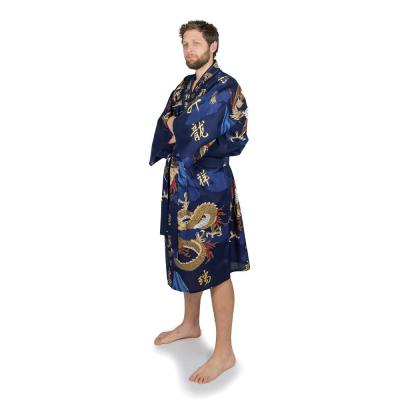
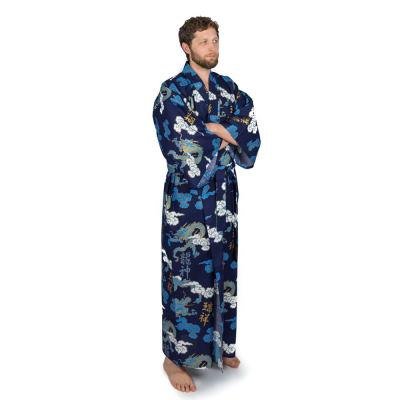
    Man wearing the cloud dragon-inspired yukata from Kimono Shop
    Cloud Dragon Yukata

  • Samurai Kimono Robes: Elegance, Heritage, and the Spirit of the Samurai

    Few garments today carry the timeless heritage and intrinsic elegance of a samurai kimono robe. Bridging the gap between Japan’s rich cultural history and modern craftsmanship, the samurai kimono robe is not just clothing—it’s a statement of honor, precision, and aesthetic refinement.

    Whether you’re a martial artist, a meditation practitioner, or simply someone who appreciates the artistry of Japanese robes, our premium black samurai kimono robe is a masterpiece worth exploring. Here’s everything you need to know about its intricacies, cultural significance, and why it’s a must-have for enthusiasts.

    What Makes Samurai Kimonos Special?

    Samurai kimonos go beyond being mere robes; they were a foundational part of the clothing tradition of Japan’s ancient warriors. Worn during ceremonies, rituals, and even casual moments in feudal Japan, these garments symbolize honor, discipline, and attention to detail—qualities that defined the Samurai class.

    Far from ordinary robes, samurai kimonos are marked by their rich materials, intricate designs, and the functionality required for ease of movement during meditation, martial arts practice, or a calming moment of reflection.

    The Features of Our Samurai Kimono

    Unveil the spirit of the Samurai in luxurious detail with our long black samurai kimono, an elite garment expertly crafted in Japan using 100% shantung cotton. This kimono introduces historic elegance to modern living, combining durable craftsmanship, comfort, and undeniable style. Here are the standout features of this one-of-a-kind piece:

    1. Premium Fabric for Maximum Comfort

    Made from 100% shantung cotton, this versatile fabric is known for its ribbed texture and durability. Its airy feel is reminiscent of linen, offering breathability for summer months while remaining plush and cozy in winter. This makes it perfect whether you’re practicing martial arts, meditating, or relaxing at home. This premium robe is also offered in 100% cotton broadcloth, a high-end fabric usually reserved for the finest dress shirts.

    2. Authentic Samurai Embellishments

    This kimono robe honors Japanese culture with stunning vintage embroidery. The back features the iconic golden “Samurai” calligraphy symbol framed within a 6-inch square. Its front panels are elevated with vibrant red Sakura crests, symbolizing beauty, vitality, and the fleeting nature of life—hallmarks of Japanese philosophy. The robe is also available in black with no embroidery or embellishments.

    3. Meticulous Craftsmanship

    Every element of this samurai-inspired kimono is thoughtfully designed to reflect the precision of the Samurai ethos.

    • Structure & Fit: The robe comes with a matching belt, providing a customizable fit that works for all body types.
    • Design Detail: Crafted in solid black, this kimono embodies understated elegance, making it perfect for formal or casual settings.

    4. Easy Care Instructions

    While craftsmanship of this caliber often demands significant upkeep, caring for this Japanese robe is refreshingly simple. A gentle hand wash in warm water followed by drip drying will preserve the kimono’s vivid embroidery and luxurious texture, allowing it to persist through time as a symbol of enduring quality.

    When and How to Wear Your Samurai Kimono

    The versatility of this samurai kimono allows it to suit a broad range of occasions and lifestyles. Wondering when to wear it? Here are a few ideas:

    • Meditation Sessions: Find your Zen while enveloped in breathable and comforting cotton.
    • Martial Arts Practice: Lightweight yet durable, this kimono allows for the freedom of movement necessary for martial arts.
    • Special Events/Ceremonies: The robe’s design and traditional embellishments make it ideal for cultural gatherings.
    • Daily Relaxation: Elevate your comfort post-work or on lazy weekends by slipping into this elegant piece.

    Why Choose a Samurai Kimono?

    Investing in a samurai kimono is more than choosing attire; it’s about capturing the enduring spirit of discipline, grace, and balance that the Samurai embodied. Beyond everyday use, this garment pays homage to Japan’s vibrant past while serving as a versatile, stylish addition to your wardrobe.

    Our black samurai kimono robe isn’t just functional—it’s a celebration of historical craftsmanship, ideal for collectors and those seeking meaningful fashion.

    A Piece of Tradition—for You

    Owning a samurai kimono is like owning a piece of living history. Woven authentically in Japan, this masterpiece not only connects you to the spirit of the ancient Samurai but also serves as a versatile robe for modern-day use. Whether you’re meditating, practicing martial arts, or simply unwinding at home, this kimono offers the perfect blend of comfort, style, and cultural significance.

    Make it yours—experience the elegance, honor, and history of the Samurai. Get your black samurai kimono robe today.

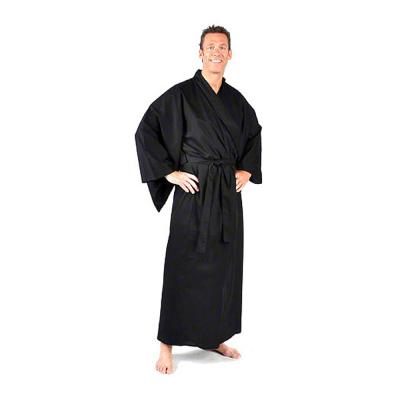
    The Samurai black kimono for men.
    Samurai Life!
  • Japanese Kimonos vs Indian Kaftans: A Tale of Cultures and Elegance

    When it comes to traditional clothing that has transcended time and borders, Japanese kimonos and Indian kaftans top the list. Both garments hold deep cultural significance, represent rich histories, and are adored for their unique aesthetic. But while kaftans offer utility and simple charm, kimonos reign supreme as the ultimate symbol of elegance. This blog will explore the key differences in materials, cultural roots, and why kimonos stand in a class of their own.

    The Cultures Behind the Garments

    The Japanese Kimono

    The word kimono, meaning “thing to wear,” embodies the essence of Japanese culture—refined, sophisticated, and traditional. Historically worn in daily life, kimonos have become a celebrated garment for special occasions such as weddings, festivals, and tea ceremonies. With their intricate designs, luxurious fabrics, and attention to detail, kimonos are an art form in their own right.

    Today, the kimono has evolved into a versatile piece, particularly in the West, where it is often seen as elegant loungewear. Women’s kimonos, with their flowing sleeves and flattering silhouettes, marry comfort with sophistication in a way few garments can replicate.

    The Indian Kaftan

    Kaftans, on the other hand, trace their origins to the Middle East but gained global recognition thanks to their adoption in India. Popularized for their flowy, relaxed fit, kaftans are well-suited for warmer climates and casual occasions. While kaftans are utility-driven and increasingly fashionable, they lack the ceremonial grandeur that defines kimonos.

    Material & Design Differences

    Kimono Materials

    Kimonos are traditionally crafted from fine cottons and silks, often adorned with hand-painted or embroidered patterns that reflect nature and cultural symbols. This meticulous craftsmanship makes each kimono both unique and high-value. Modern varieties may use cotton or polyester for casual wear, but their intricate designs and stitching uphold their luxurious appeal.

    Kaftan Materials

    Kaftans utilize lightweight materials like cotton, chiffon, and linen, designed for heat and ease of wear. While they often feature vibrant prints and embellishments, they prioritize comfort over ornamentation. For this reason, kaftans, though versatile, lack the artistic and cultural depth of kimonos.

    Uses & Occasions

    Kimono culture embraces a wide spectrum of uses—from formal events to casual lounging at home. The adaptability of kimonos is unmatched; they transform from traditional attire into elegant loungewear seamlessly. A women’s kimono paired with a soft obi belt is chic enough for a high-tea gathering, yet cozy enough for a night of relaxation.

    Kaftans, meanwhile, shine in their utility. They are breezy, easy to wear, and ideal for summer vacations or beach getaways. However, the kaftan’s focus remains on comfort, often leaving elegance on the sidelines.

    Popularity Today

    While kaftans have gained popularity in resort wear collections and boho fashion trends, kimonos hold steady as a timeless wardrobe staple. Their rise as the “true loungewear of the West” demonstrates their universal appeal. When you choose a kimono, you’re not just buying clothing—you’re investing in history and craftsmanship.

    At Kimono Shop, we pride ourselves on offering one of the largest selections of Japanese kimonos and yukata online. With designs ranging from contemporary to traditional, our collection ensures there’s a kimono for every occasion.

    Why Kimonos Are in a Class of Their Own

    Ultimately, while kaftans may deliver utility, nothing compares to the elegance of a Japanese kimono. Intricately designed, steeped in cultural heritage, and versatile in its uses, a kimono goes far beyond being just “clothing.” Its flowing lines and intricate artistry elevate it into a wearable masterpiece—one that effortlessly blends tradition with modernity.

    Whether you’re looking for a stunning addition to your wardrobe or the perfect piece of elegant loungewear, a kimono truly stands apart.

    Closing Thoughts

    At Kimono Shop, we believe in preserving the beauty and tradition of the Japanese kimono. While we don’t offer kaftans, our extensive collection of women’s kimonos reflects our dedication to providing garments that exude sophistication and craftsmanship.

    Explore our collection today and experience the elegance that only a kimono can offer.

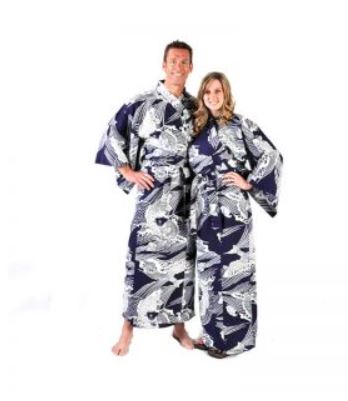
    Man and woman wearing a kimono
    Blue Koi Yukata
  • 32 Years of Tradition and Style with Kimono Shop

    This year, we at Kimono Shop are thrilled to celebrate 32 years of sharing the beauty and elegance of fine Japanese kimono and yukata robes. It’s been a remarkable journey filled with growth, transformation, and, most importantly, the unwavering support of our loyal customers from around the world. Here’s a look back at how we started, what we’ve achieved, and what the future holds for Your Kimono Source.

    Reflecting on Our Journey

    Founded in 1994, Chopa began as one of the early pioneers of e-commerce, offering a curated selection of Buddhist meditation supplies alongside a small collection of Japanese kimono. Over the years, our offerings expanded to include Asian home décor, meditation tools, and a diverse range of traditional Japanese garments.

    However, like any business, our path faced unexpected challenges. Hurricane Michael in 2018 dealt a devastating blow to our warehouse and operations, forcing us to rethink and rebuild. From this adversity, Kimono Shop emerged as a stronger and more focused organization. We rebranded as Your Kimono Source, concentrating exclusively on authentic kimono, yukata, and short-length Happi Coats. Today, we pride ourselves on providing a large selection of high-quality robes in various styles, colors, and sizes—all while offering stellar customer service and fast, reliable shipping from our U.S.-based operations.

    The Heart of Kimono Shop—Our Customers

    The success of Kimono Shop over the past three decades wouldn’t have been possible without the incredible support of our customers. From individuals seeking a unique piece for personal wear to spas, hotels, restaurants, and theater groups who use our robes as uniforms and costumes, we’re beyond grateful for the trust and loyalty they’ve shown us.

    One of the reasons customers keep coming back is the care and attention we place on curating authentic, high-quality garments. Many have shared stories of how our robes have added elements of beauty, tradition, and sophistication to their lives. Whether it’s a spa owner outfitting her team or an actor donning a Happi Coat for a performance, knowing our kimonos play a role in these special moments inspires us to continue offering our best.

    Moving Forward with Excitement

    With 32 incredible years behind us, we’re more excited than ever about the future. Our team is working hard on several improvements, including an updated website to enhance the customer shopping experience. Additionally, we’re expanding our selection of kimono and yukata based on valuable feedback gathered from surveys of our cherished customers.

    At Kimono Shop, we believe there’s always room for growth and improvement, and we’re committed to maintaining our standard of excellence while introducing fresh ideas that align with the needs and preferences of the community we serve.

    Thank You for an Amazing 32 Years

    This milestone is not just about celebrating Kimono Shop’s history—it’s about celebrating the community that has made our success possible. To our loyal customers, whether you’ve been with us since the beginning or discovered us more recently, we extend our heartfelt gratitude. Thank you for allowing us to be a part of your lives and for bringing joy to ours in return.

    Here’s to the next chapter of Kimono Shop’s story. We invite you to shop with us, explore our newest arrivals, and join us as we continue to grow as Your Kimono Source. The future is bright, and we can’t wait to share it with you.

    Explore Our Wide Selection of Kimono and Yukata

    Discover why we’ve been trusted for 32 years as a go-to destination for traditional Japanese robes. Browse our collection today and find the perfect garment to suit your style.

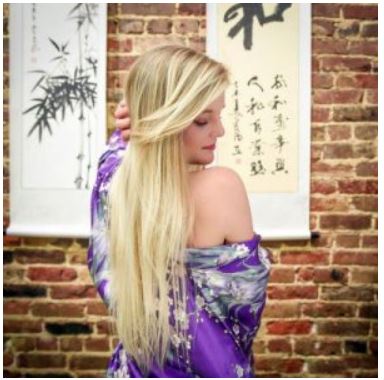
    Beautiful woman wearing a kimono off the shoulder
    It feels great on the body.
  • 7 Common Questions About Kimonos—Answered!

    Kimonos have captured the hearts of fashion lovers, cultural enthusiasts, and bridal parties alike. Whether you’re admiring their rich history or planning to incorporate them into your wardrobe or special event, there’s no denying the timeless elegance of these iconic garments. Below, we answer seven common questions from our customers to help you make informed decisions about buying and styling kimono.

    1. What Is the Most Popular Pink Kimono?

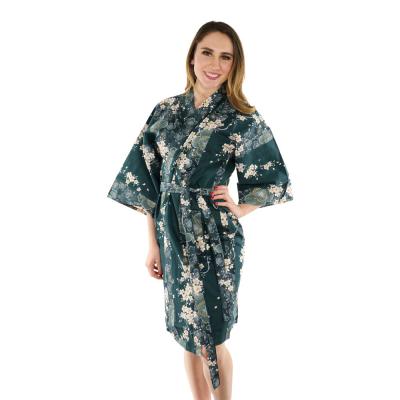
    Regarding pink kimonos, delicate pastel hues with floral patterns remain timeless favorites. Our most popular pink kimono features cherry blossom prints on a blush-toned base. The pink cherry blossom yukata is a classic combination that suits any occasion from lounging at home to wearing as a statement piece.

    Are you looking for something versatile? The Pink Sakura Blossom Happi Coat combines soft pink colors with subtle traditional motifs. This makes it perfect for bridesmaid outfits, gifts, or casual styling.

    2. Do You Sell Vintage Kimonos?

    We do not sell vintage kimono. A vintage kimono is simply used clothing. While suitable for many seeking a specific pattern or vintage feel,  this market can be tricky to navigate. Many dealers exaggerate the condition quality. Used kimono are fairly abundant from wholesale houses in Japan or China. They sell large quantities of used robes in bulk by the pound. A dealer will bid as little as possible to offset the risk of unusable clothing that may be found in the lot.

    Each piece will be graded reflecting the condition. Commonly, these robes have tears, stains, rips, or other damage. We found that when asking three dealers to grade a robe, we received three different grades. With the variance in grading, the random pricing, and the used condition lottery, our customers have come to rely on new, quality-known robes as their choice.

    3. Can Yukata Be Worn as Bridesmaid Robes?

    Absolutely! Yukata, the lightweight and casual summer version of a kimono, makes a stunning and unique option for bridesmaid robes. With their flowy silhouettes and vibrant colors, yukata robes are comfortable, photogenic, and suitable for a variety of wedding themes.

    For bridal parties looking for a cohesive yet elegant look, we recommend choosing a complimentary patterned yukata. Not only do they make your bridesmaids look effortlessly chic, but they can also double as memorable keepsakes your friends will cherish.

    4. Can You Help Find a Dragon Kimono?

    Yes, dragon kimonos are a bold and striking choice that symbolizes strength, power, and tradition. These designs often feature intricately embroidered or printed dragon motifs, making them a go-to for individuals seeking a standout look.

    Whether you’re looking for a traditional black dragon kimono with gold accents or a more modern interpretation, we invite you to browse our online store to find a dragon kimono that speaks to your unique style.

    5. Is It Wise to Buy a Kimono on Amazon?

    While Amazon may seem like a convenient option, purchasing a kimono from marketplaces like ours can provide better quality control, authenticity, and personalized service. We are an employee-owned business and do the legwork for you. Many Amazon listings may feature mass-produced items that lack craftsmanship and cultural accuracy. Many Amazon sellers claim their robes are “Japanese Style” which translates to “made in China”. The same is true on Etsy. Many of the robes we see on other online sites are poorly made, feature poor-quality fabrics and sizing is misleading.

    By shopping with a specialized and trusted retailer, you’ll receive quality garments, accurate sizing, and access to unique designs.

    6. Do You Have Unisex Kimonos?

    Yes, we carry a variety of unisex kimonos designed to suit all styles and preferences. These kimonos generally feature classic patterns or minimalist designs that look great on everyone. While our robes state male or female, it is really up to the individual to decide which style or pattern they choose. If a female is interested in a male’s style, usually selecting the next smaller size hits the mark. Our unisex collection blends tradition with everyday wearability, allowing anyone to enjoy the beauty of kimonos.

    Popular options include kimono robes and lightweight yukata, both of which are versatile and easy to style for multiple occasions.

    7. Do You Offer Black Kimonos?

    Certainly! Black kimonos are a wardrobe staple, perfect for those who appreciate timeless elegance. Whether you’re looking for a formal piece adorned with intricate embroidery or a chic, minimalist robe, we have options to suit every occasion.

    Our bestselling black kimono for women features subtle floral patterns, adding a touch of sophistication while maintaining a clean, modern look. Perfect for lounging at home, adding a dramatic layer to your outfit, or even as bridal attire, a black kimono is always a good idea. For men, we have beautifully embroidered kimono and yukata as well as a solid black robe which is popular for meditation, martial arts or simply lounging.

    Find Your Perfect Kimono Today

    From vintage-inspired designs to bold patterns that make a statement, we’re here to help you find the kimono that fits your style and needs. Whether you’re searching for a pink kimono, a bridesmaid-ready yukata, or a dragon kimono, our curated selection has something for everyone.

    Explore our collection and bring the timeless elegance of kimonos into your life!

    man in yukata at night
    The Art of the Kimono
  • Fun Facts About Kimono You Probably Didn’t Know

    Kimono are one of the most iconic symbols of Japanese culture. This traditional garment epitomizes elegance, history, and art, making it a must-know for cultural enthusiasts. While they may look like simple robes from afar, kimono carry profound meanings and history that reflect Japanese traditions and values. If you’re fascinated by kimono—or wondering about “kimono vs yukata”—this guide will unveil some fun and intriguing facts about this wearable art.

    What Does the Japanese Kimono Represent?

    The word “kimono” literally translates to “thing to wear” (ki = wear, mono = thing). However, it represents far more than just clothing in Japanese culture. A kimono is a symbol of tradition, identity, and even storytelling. Each one reflects the wearer’s social status, age, occasion, and season.

    Whether it’s worn for a wedding, tea ceremony, or a summer festival, the kimono’s fabric, patterns, and embroidery often tell a story about the culture and nature of Japan. It’s a deliberate blend of ancient techniques and aesthetic symbolism that keeps Japan’s rich history alive in modern times.

    Kimono Are Made Using One Piece of Fabric

    Did you know that kimonos are crafted entirely from a single bolt of fabric called a tanmono? The fabric is skillfully cut, sewn, and folded into a highly geometric design without unnecessary trims or alterations. This allows the kimono to maintain its versatility. If damaged or outgrown, a kimono can often be repurposed or resewn.

    This single-fabric structure not only highlights the skill of the artisan but also symbolizes Japanese culture’s appreciation for simplicity and harmony.

    Kimono Are Worn at Many Events

    Kimonos have long been associated with special occasions, but did you know there are dozens of specific moments where a kimono is required?

    • Weddings: Brides often wear an elaborate uchikake kimono, which is richly embroidered.
    • Coming of Age Day (Seijin Shiki): Young adults celebrate their transition to adulthood by wearing furisode, which are long-sleeved kimono designed for festive occasions.
    • Funerals: Black kimono with family crests, known as kuro-tomesode, are worn to express formal condolences.
    • Summer Festivals (Matsuri): For more casual events, people wear yukatas—a lighter, more breathable version of kimonos perfect for warm weather.

    If you’ve been wondering about “kimono vs yukata,” the distinction mainly lies in the occasion and material. Yukata are made of cotton and are more informal, while kimono use silk or more intricate fabrics for formal elegance.

    Kimono Accessories and Types

    Wearing a kimono is not just about putting on a robe—it’s an experience. Kimonos can be worn with a variety of accessories that add to their distinct look and function.

    • Obi: The sash used to secure the kimono, which comes in solid color, matching patterns, or elaborate designs and requires proper folding techniques.
    • Zori and Geta: Traditional sandals worn with kimonos, paired often with split-toe socks called tabi.
    • Haneri and Nagajuban: Specific undergarments to keep the kimono clean and structured.

    There are also various types of kimonos depending on gender, age, and occasion.

    • For men, the “male yukata” or kimono for men usually features darker, bolder colors with simpler patterns.
    • For women, kimonos vary from short yukata styles for casual wear to elaborate furisode with long, flowing sleeves for ceremonial occasions.

    Kimono Designs Hold a Lot of Symbolism

    The beauty of a kimono lies in its intricate patterns, and these are never chosen at random.

    • Seasonal Motifs: Sakura (cherry blossoms) are popular in spring, while maple leaves signify fall. Wearing seasonal patterns shows respect and mindfulness of nature’s cycles.
    • Symbolic Designs: Cranes often signify longevity and good fortune, while pine trees represent steadfastness. For weddings, specific flowers like chrysanthemums and plum blossoms are used to symbolize happiness and renewal.

    Every pattern has a purpose, often connecting the wearer to cultural beliefs, seasonal awareness, or personal sentiment.

    Final Thoughts

    Kimono are more than just traditional garments—they are pieces of wearable art deeply embedded in Japanese history and culture. Their versatility, symbolism, and elegance explain why kimonos and yukatas continue to captivate fashion lovers and cultural explorers across the globe.

    If you’re inspired to learn more about Japanese traditions or even own a yukata, check out our exclusive guide! Elevate your love for culture, one thread at a time.

  • Why Cotton is Widely Used in the Making of Kimono Yukata

    Kimono and Yukata robes are iconic Japanese attire pieces steeped in tradition and cultural significance. Over the years, these garments have evolved in design and the materials used to make them. Cotton has emerged as a favorite for crafting these beautiful robes among the various fabrics available. In this blog, we explore why cotton is so widely used in making Kimono and Yukata robes.

    The Allure of Cotton

    Easy Care

    One of the primary reasons cotton is preferred for Kimono and Yukata robes is its easy care. Unlike silk, which often requires special handling and dry cleaning, cotton can withstand regular washing without losing its quality. For fashion enthusiasts and textile lovers, this means a lot less hassle and more time enjoying their beautiful garments.

    Comfort on the Skin

    Cotton is known for its softness and breathability, making it an ideal fabric for clothing that sits close to the skin. Kimono and Yukata robes are often worn for extended periods, whether during festivals, tea ceremonies, or simply lounging at home. The comfort that cotton provides ensures that wearers can enjoy these activities without discomfort.

    Vivid Prints and Stylish Designs

    Cotton’s ability to hold dye exceptionally well makes it a popular choice for creating vivid prints and stylish designs. From intricate floral patterns to bold geometric shapes, cotton Kimono and Yukata robes are available in a plethora of designs that appeal to both traditionalists and modern fashionistas. This versatility in design options makes cotton an attractive fabric for these garments.

    Quality Fabric

    Cotton is a durable and long-lasting fabric, ensuring that Kimono and Yukata robes made from it can endure wear and tear while maintaining their aesthetic appeal. The high-quality fabric ensures that each robe retains its shape, color, and texture over time, making it a worthwhile investment for any wardrobe.

    Popular Across Clothing Pieces

    Cotton’s popularity isn’t limited to Kimono and Yukata robes. It is widely used in various clothing pieces, from everyday wear to high-fashion items. This widespread use further reinforces cotton’s reputation as a reliable and versatile fabric, making it a go-to choice for many designers and consumers alike.

    Cotton’s easy care, comfort, ability to hold vivid prints, quality, and versatility make it an ideal fabric for Kimono and Yukata robes. Its widespread use in various clothing pieces further underscores its appeal. Whether you’re a fashion enthusiast, textile lover, or cultural explorer, there’s no denying the charm and practicality of cotton in these traditional Japanese garments.

    Ready to explore the world of cotton kimonos and Yukata robes? Discover our collection and experience the beauty and comfort of these timeless pieces.

  • Discovering the Hidden Language of Kimono Colors in Japanese Culture

    In the vibrant tapestry of Japanese culture, the kimono stands as a symbol of tradition, elegance, and profound meaning. For kimono lovers, Japanese culture buffs, and those seeking Zen inspiration, understanding the significance of kimono colors offers a fascinating glimpse into the values and customs that have shaped Japan for centuries. This exploration will uncover how colors in kimonos not only enhance aesthetic beauty but also convey messages of virtue, seasonality, and personal expression.

    Unraveling the Meaning of Kimono Colors

    The kimono is more than just a traditional garment; it’s a canvas for storytelling and cultural expression. Its colors and patterns embody the virtues and seasonal changes that define a good and modest life. Each hue represents core values and carries specific connotations that mirror the wearer’s intentions or the occasion. For instance, wearing blue in spring, a color traditionally associated with summer may be seen as improper. Let’s explore these colors to understand their deeper meanings.

    Black in the World of Kimonos

    Black may be a popular color globally, but in Japan, it carries layers of meaning. It represents mystery, formality, and elegance, yet it also signifies mourning and anger. Historically, black has been linked to masculinity, with men donning black at weddings or during ceremonies. Fishermen and samurai used black in tattoos and armor to reflect strength and shine, while women embraced black in early makeup traditions. This duality in meaning showcases the color’s versatility and depth.

    The Purity of White

    White is revered as a sacred color in Japan, embodying purity and humility. It forms the backdrop of the national flag, symbolizing reverence for deities. While today, white has found its place in everyday fashion, traditionally, it was reserved for funerals, highlighting its association with mourning and spirituality. The simplicity of white allows it to be a blank canvas upon which other colors and patterns can tell their stories.

    Passionate Red

    Red holds a prominent place in Japanese culture, representing passion, strength, and prosperity. It is the color of the sun on the national flag and a symbol of happiness and authority. During festivals, red and white are the colors of celebration, with red signifying peace and wealth within families. Red envelopes, often used for gifting money, underscore the color’s connection to joy and good fortune, making it a staple in both personal and public celebrations.

    The Playfulness of Pink

    Pink is synonymous with youthfulness and romance in Japan. It evokes happiness and the innocence of childhood, while also being a color of love. Cherry blossoms, or Sakura, paint Japan in shades of pink each spring, celebrating renewal and the fleeting beauty of life. Pink’s gentle allure makes it a favored choice for clothing and décor, reflecting the delicate yet vibrant spirit of Japanese culture.

    Green’s Vitality and Growth

    Green is a color of luck and vitality in Japan, representing growth and fertility. It’s a symbol of nature’s abundance, celebrated annually on “Greenery Day.” The color is predominant in Japanese clothing for its freshness and restfulness. Matcha green tea further anchors green within the cultural heritage, offering a sensory connection to tradition and health. In many ways, green embodies the balance and harmony that lie at the heart of Japanese philosophy.

    Blue’s Cool Serenity

    Blue is revered for its associations with fidelity, coolness, and purity. Once used interchangeably with green, blue now stands as a distinct and lucky color. It’s a favorite in traditional Japanese male dress and yukatas, celebrated for its serene and calming qualities. Blue’s presence in everyday life underscores a commitment to cleanliness and peace, resonating deeply with those in search of tranquility and balance.

    The Regal Purple

    Purple is the color of royalty and nobility, a marker of status and spirituality. In historical Japan, commoners were forbidden to wear purple, underscoring its exclusivity. Its connotations of luxury and wisdom make it a color of choice for warriors, symbolizing strength and resilience. Purple’s rarity in nature and difficulty in production further elevate its prestige and allure.

    Courageous Yellow

    Yellow shines as the color of sunshine and nature, embodying sacredness and courage. While not as prominent as red or white, yellow has its cherished place in Japanese culture. Historically, a yellow chrysanthemum symbolized bravery. Today, yellow is used for visibility in public safety, such as children’s caps and railway crossings, illustrating its role as a beacon of hope and clarity.

    The Cultural Tapestry of Kimono Colors

    Kimono colors are more than mere aesthetics; they are deeply interwoven with the cultural and spiritual fabric of Japan. These colors tell stories of the seasons, celebrate virtues, and connect individuals to their community and heritage. For those captivated by Japanese culture, exploring kimono colors offers a window into a world where every hue holds history and meaning.

    The Intricacies of Color Seasonality

    In Japan, colors are often worn by the seasons, reflecting the natural world and its changes. This practice not only aligns with the weather but also honors traditional beliefs and aesthetics. Wearing a color out of season could disrupt the harmony and balance that these practices aim to maintain, underscoring the importance of color in daily life and rituals.

    Customizing Colors for Personal Expression

    While traditional meanings guide kimono colors, personal expression adds another layer. Individuals may choose colors based on their values or the events they attend, creating a unique narrative with their attire. This personalization allows wearers to communicate their identity and aspirations through the timeless language of color.

    The Influence of Kimono Colors Beyond Clothing

    The impact of kimono colors extends beyond fashion, influencing Japanese architecture, art, and design. These colors often appear in traditional Japanese bathrobes, known as yukata, and in home décor, where they create an atmosphere of peace and respect for tradition. The colors serve as a bridge connecting generations through shared values and aesthetics.

    Conclusion

    Understanding the meaning of kimono colors enriches our appreciation for this iconic garment and the culture it represents. Each color tells a story, expresses values, and connects individuals to a larger cultural narrative. Whether you’re a kimono lover, a Japanese culture buff, or someone seeking inspiration from the Zen philosophy, these colors offer a tapestry of insights and reflections. For those eager to explore further, consider engaging with local kimono communities, attending cultural events, or learning more about the history and artistry of Japanese textiles. Through this exploration, the vibrant world of kimono colors will continue to inspire and resonate.

    You can browse the large selection of kimonos and yukata at Kimono Shop. Kimono Shop has been a leading online provider of quality Japanese robes since 1994. They are based and ship from the USA. Visit their online store 24 hours a day.