Tag: kimono yukata

  • Unlocking the Best Online Kimono Shopping Experience: Our Survey Insights.

    In the quest to provide unbeatable online shopping experiences for kimono and yukata enthusiasts, we embarked on a comprehensive customer service satisfaction survey. Our goal was straightforward: to ensure that every aspect of our service not only meets but exceeds our customers’ expectations. Today, we’re excited to share the insights gleaned from your feedback and the steps we’re taking to make shopping with us even better.

    Survey Highlights: A Testament to Quality and Service

    Our customers have spoken, and the feedback is overwhelmingly positive. From quick response times to the exceptional quality of our kimono and yukata, it’s clear our commitment to excellence hasn’t gone unnoticed. Here are some of the key findings from our survey:

    Rapid Response Times: Time is precious, and our team ensures that your queries and special requests are addressed swiftly.

    High-Quality Selection at Reasonable Prices: Our selection of kimono and yukata is praised not just for their beauty and authenticity but also for the value they represent.

    Efficient Order and Delivery Process: From order processing to delivery, efficiency is our mantra. Our customers appreciate the fast shipping times and the low nominal shipping costs on orders that don’t qualify for free shipping.

    Accuracy and Satisfaction with Orders: Receiving what you ordered, precisely as you envisioned it, is crucial. Our survey results commend our accuracy and the overall satisfaction with the received products.

    The Return Experience: Returns can be a hassle, but we strive to make the process as smooth as possible, ensuring you’re happy with the outcome. Our customers spoke and praised our easy return policy and speed of refunds or exchanges.

    Customer Testimonials: In Your Own Words

    One of our customers shared their delight: “I received my kimono today, and it is well above my expectations! It’s comfortable and well-made. I will be back for more!”

    This is just one of many testimonials that echo the sentiment of satisfaction and joy experienced by our customers.

    Our Commitment to Continuous Improvement

    Armed with your feedback, we’re implementing several enhancements to our services. Whether it’s streamlining our shipping processes or expanding our selection, we’re committed to making your online kimono shopping experience the best it can be.

    Email and Social Media Marketing – Staying Connected

    We understand the importance of keeping you updated and engaged. Our low-pressure email and social media marketing efforts are geared toward bringing you the latest styles, deals, and insights into the world of kimono and yukata fashion. Stay tuned for tips, trends, and exclusive offers that celebrate the beauty and tradition of Japanese attire. Our customers said they prefer deals to be announced on social media rather than emails. We listened and will guide more efforts into social media.

    Summary

    Your feedback drives us to do better, and we’re grateful for the opportunity to serve you. At Kimono Shop, we’re not just selling kimono and yukata; we’re offering an experience steeped in tradition, supported by customer service that’s second to none.

    Thank you for choosing us as your preferred destination for kimono and yukata shopping. We look forward to continuing to meet and exceed your expectations, making every purchase with us a memorable one.

  • The Enchanting History of the Yukata Robe.

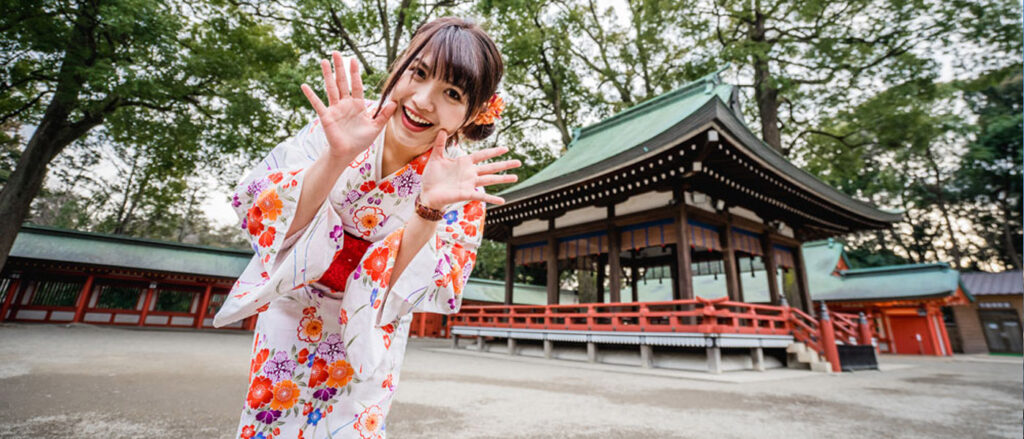
    The yukata robe is steeped in tradition and elegance. This garment holds a special place in Japan’s rich tapestry of cultural heritage. Once used as a functional bathrobe, the yukata has evolved into a beloved summer garment. They are often worn to celebrate the arrival of festivals and warm weather.

    From the intricacies of its weave to the symbolism behind its vibrant patterns, the yukata’s history offers a fascinating glimpse into Japan’s past and present. Join us as we traverse through time to uncover the evolution of the yukata robe and its significance in Japanese culture.

    A millennia after its inception, the yukata remains an emblem of cultural pride and aesthetic sophistication. In this blog, we explore how this simple cotton robe became a symbol of summer and social splendor. We’ll look at its transition from a humble bathrobe to a fashion statement that thrives in today’s world. Whether donned by men or women, for relaxation or celebration, the yukata continues to weave its story into the fabric of Japan’s identity.

    Stay with us as we reveal tales of the yukata robe, where tradition meets trend, and every fold and dye retains the echoes of a bygone era. Join us on this historical fashion voyage through time.

    The Timeless Tapestry of the Yukata Robe: A Cultural and Fashionable Journey Through Japanese History

    The Yukata robe has traversed through centuries, donning multiple roles. From a simple bathrobe to a stylish ensemble, illustrates Japan’s chronicles of tradition, aesthetics, and seasonal festivities. This stylish garment exemplifies both the historic elegance and the contemporary flair of Japanese culture.

    From Steaming Baths to Summer Revelries

    The origin story of the yukata begins in Japan’s Kamakura period (1192–1333). As nobles took their leisurely steam baths, the ‘yu-katabira’ – a hemp garment worn in bathhouses to protect the skin and absorb sweat – became essential. Later known as ‘mi-nugui’ during the Muromachi period (1336–1573), this garment eventually evolved to become the yukata.

    It wasn’t until the Edo period (1603-1867) that the yukata transitioned into familiar territory. With cotton becoming affordable, the yukata stepped out as commoners’ choice of nightwear and relaxed indoor clothing. Paintings from early 20th-century Japan depicted the yukata as casual at-home attire. However, halfway through the Showa period (1926-1989), the yukata embarked on a glamorous transformation, emerging as the go-to attire for outdoor festivals and firework displays, reflecting a societal affection for this breezy kimono.

    A Tapestry of Tradition and Trend

    In the throbbing districts of Tokyo today, the yukata stands as a testament to this garment’s versatility and continued appeal. Crowds at concerts and events create a kaleidoscope of patterns and styles, flaunting yukatas adorned with contemporary designs and traditional sashes (obi belts). This blend of the classic and the modern showcases how the yukata remains deeply ingrained in the fabric of social and cultural expressions in Japan. Fashion-conscious individuals like Miki Fukagawa, with an enviable collection of over 50 yukatas, exemplify the robe’s hold over the current zeitgeist. Despite the ebb in festivity turnouts due to recent pandemic constraints, the zeal for personalizing yukata fashion continues to surge, illustrating the garment’s resilience as a conduit for self-expression.

    The Art of Arimatsu Shibori

    Arimatsu, nestled along the ancient Tokaido Road, holds a key to appreciating the yukata’s cultural depth. Here, the traditional art of Arimatsu shibori tie-dyeing has been practiced since the Edo period. This labor-intensive method sees more than 70 techniques actively used to produce fabrics with unmatched complexity and beauty. Among these is the tegumo shibori, creating spiderweb designs that demand unyielding commitment, skill, and endurance from its artisans. Each tie-dyed yukata stands as a narrative canvas, narrating stories through every meticulous knot and dyed pattern – a craft not just of textiles, but of heritage and painstaking artistry.

    Conclusion

    In tracing the historical threads of the yukata, we discover a reflection of Japan itself – adaptive, aesthetic, and deeply rooted in custom. The Yukata robe has withstood the ebb and flow of time, reinventing itself again and again while never losing its intrinsic essence as a symbol of grace and summer enchantment. Whether it’s the silhouette against fireworks in a summer sky or the strategic folds that speak to an ancient craft, the yukata persists, a cherished vestige of the past and a vibrant tribute to the living culture of Japan.

    Further Exploration

    For those captivated by the yukata’s history and eager to witness the craftsmanship firsthand, a visit to Arimatsu, with its tie-dyeing studios and workshops, is a must. Alternatively, adorn your yukata during the warm summer events and become a part of the ongoing narrative that is this beloved garment’s history. From its humble beginnings to its celebrated place in modern-day wardrobes and gatherings, the yukata carries the echoes of Japan’s past into the future, one elegant fold at a time. Check out the great selection of yukata for men and women at the Kimono Shop. On the web at www.kimonoshop.com

    The world of Kimonos
    Kimono Happiness
  • The Unfolding Market: Why Kimono Prices are Rising in Japan

    The iconic Japanese kimono, a symbol of tradition and elegance, has experienced a surge in prices, reflecting broader economic trends within the country. As Japan’s economy shows signs of recovery with rising wages, increasing stock market prices, and a stronger Yen, the impact on traditional attire like kimonos and yukatas is becoming prominent.

    In this blog post, we will explore the multifaceted reasons behind the escalating costs associated with these garments. From fabric and labor to shipping, each element plays a significant role in the price uptick of kimonos and yukatas.

    Everyone is concerned about the rising prices of groceries, real estate, and utilities. But perhaps unexpectedly, traditional Japanese clothing, particularly kimonos, is getting pricier too. We delve into the reasons and implications behind this trend and what it might mean for aficionados of Japanese culture.

    COVID-19 Impact on Japan’s Economy

    The pandemic has left an indelible mark on economies worldwide, and Japan is no exception. Japan has experienced business closures and the retirement of skilled labor. Both have created a domino effect on industries, including the meticulous craft of kimono making.

    The Rising Cost of Fabric and Labor

    Fabric and labor have been identified as key cost drivers in the production of kimonos. The decrease in skilled labor availability and the increased demand for higher wages are contributing to the rising costs of these garments. Some industries have experienced wage hikes as high as 40%, especially those with unions.

    Wages and Consumer Prices on the Rise

    With wages in Japan increasing significantly, this economic adjustment is translating into higher retail prices for goods, including cultural wear like men’s yukata and women’s kimono.

    The Role of Shipping Costs

    Global shipping has undergone tumultuous changes, with rates soaring higher. These sharp increases in shipping costs have directly affected the pricing of kimonos imported and exported from Japan.

    Future Expectations for Kimono Shopping

    Looking ahead, we monitor the expected trends in kimono pricing. As economic recovery continues, we’ll share what consumers might anticipate should the Japanese Yen strengthen against the dollar.

    Wrapping up, we reflect on the importance of understanding the economic conditions that shape the pricing of traditional apparel and the broader implications for Japanese culture enthusiasts and consumers worldwide.

    Remember to explore our kimono shop for the latest in traditional Japanese attire, and stay informed about trends and prices. Despite rising costs, the beauty and heritage of the kimono remain timeless. We do our best to offset the rising prices by watching overhead expenses in detail. A dollar saved here means lower prices for you, our customer.

  • The Ultimate Guide to Kimono: Answers to Common Questions

    Kimono and yukata have always been symbols of the vibrant Japanese culture. These robes are not only comfortable to wear but also add a touch of elegance to your wardrobe. Here at Kimono Shop, we receive lots of questions about kimono and yukata, which is why we’re here to answer some more. So whether you’re looking to buy your first kimono or want to know more about their meaning, we are here to help.

    Does color have any meaning with kimono?
    Yes, the color of a kimono holds significant meaning. The most commonly known colors are red and white. Red is associated with good luck and is often worn during weddings or other celebrations. It also signifies strong emotions and power. White, on the other hand, symbolizes purity, innocence, and mourning. There are many other colors that convey different meanings, such as green, which represents growth and vigor, while blue signifies calmness. It is common to find a mix of colors as well.

    Do the motifs and patterns on a kimono have any meaning?
    Yes, every motif and pattern on a kimono has a specific meaning. For example, cherry blossom (sakura) is known to represent the beginning of a new life. Maple seeds (momiji) represent sound judgement. You can also find patterns such as cranes, which are a symbol of longevity and good luck. The dragonfly is considered to bring happiness and strength. These beautiful patterns are not just aesthetically pleasing, but also a reflection of the Japanese culture.

    How much do kimono cost?
    The cost of a kimono tends to vary significantly. It depends on the quality of the fabric, the intricacy of the design, and the availability of materials. A hand-sewn, silk kimono can cost you tens of thousands of dollars, while a more affordable option like cotton or polyester fabric can range from $50 to $500. However, at Kimono Shop, we offer a range of choices that fit into any budget.

    How do I wear a kimono?
    Wearing a kimono can seem daunting at first, but fear not! The first thing you need to do is to put on the juban, an undergarment that covers your skin and makes it more comfortable to wear the kimono. Western culture often prefers a light undergarment like an undershirt and lightweight shorts or leggings. Then slip the kimono on, making sure the collar sits evenly at the back of your neck. Next, wrap the obi (a belt or sash) tightly around your waist, and tie it in a soft knot. Finally, adjust the length of the kimono and tie the obi in a bow. Voila! You’re now wearing your very own kimono.

    How do I take care of my kimono?
    Taking care of your kimono is essential if you want it to last a long time. On high-end robes made of silk, we recommend spot cleaning using a mild detergent (Woolite) and a soft-bristled brush. For cotton robes, machine washing is possible in cold water, on a delicate cycle. The cold water helps preserve the life of the kimono longer. As always, follow the instructions on the tag or ask the manufacturer for recommendations on how to care for your robe. If you do need to clean the entire garment, the manufacturer might recommend taking it to a professional dry cleaner who specializes in kimono and yukata.

    The popularity of kimono and yukata has skyrocketed in the recent past, and it’s no wonder why. They exude an air of elegance and sophistication. and there is a wide variety of designs catering to different tastes. Whether you’re looking for a traditional pattern or a more contemporary design, make sure you know what they symbolize. And while a kimono may have a reputation for being expensive, there are options available for every budget. If you’re looking to buy a kimono, Kimono Shop has an extensive selection and is here to answer any questions that you may have. So go ahead, treat yourself to a beautiful kimono, and experience the elegance of Japanese fashion.

  • Frequently Asked Kimono Questions: An Easy Reference Guide

    Are There Different Types of Kimono? Yes, there are different types of these Japanese robes. In the world of traditional Japanese attire, kimono and yukata reign supreme. While both options cater to both men and women, there are key distinctions to consider. Length, fabric, sleeves, and patterns all play a role in defining these iconic garments.

    For those seeking a more formal look, the kimono is the go-to choice. Crafted from heavier-weight fabric, it exudes elegance and sophistication. On the other hand, the yukata offers a similar aesthetic but leans towards the casual side. This lightweight option is perfect for warmer seasons like Spring and Summer, and some even find it comfortable year-round, depending on their climate.

    Originally designed as bathrobes, yukatas have gained immense popularity at summer festivals and celebrations. Embrace tradition and show off your style with these stunning and versatile garments.

    Discover the Diverse World of Kimono Fabric. While silk remains the traditional and original choice, there are various types of fabric to explore. Each has its level of formality and seasonal appropriateness. In modern-day, kimono can be crafted from cotton, wool, synthetic fibers, or linen. Uncover the nuances: wool for casual winter wear, cotton as the most casual option (known as yukata), and synthetic fabrics that offer convenience but may compromise breathability or quality.

    Today in the Western world, cotton is the most popular choice for both Kimono and Yukata. Cotton breathes well, is soft and comfortable against the body, and is also washable and easy to care for. Cost also plays a factor as it is lower in cost versus silk. Silk prices have risen sharply over the past few years.

    What is The Best Way to Clean a Kimono? Kimono and Yukata have come a long way since the early days. When it comes to kimono made from natural silk, leave it to the professionals or highly experienced kimono cleaners. A vintage ceremonial Kimono requires the knowledge and skills of a specialist to carefully dismantle the kimono and cleanse each piece individually.

    A lined kimono needed to be detached from its lining to prevent shrinking or expanding at different rates. This leads to color bleeding and permanent wrinkling. Synthetic fabrics are no exception – they too tend to bleed color. Cleaning a kimono can be a challenging and costly endeavor, so it’s crucial to strive to keep them pristine to begin with.

    Today, most cotton and some silk robes can be machine-washed. Easy-care cotton can be washed in cold water and either drip-dried on a kimono hanger or dried on a delicate, cool cycle. Some silk robes are washable as well. Using a gentle washing liquid like Woolite is often recommended. The safest method to determine how you care for your kimono or yukata is to check with the manufacturer or dealer you purchase your robe from. Check the tags on the robe or consult with your local dry cleaner.

    How Do I Store my Kimono? For expensive, traditional ceremonial kimono, careful storage can be essential for preserving the delicate nature of fabrics, like silk. After wearing your kimono, take the time to air it out for a day before returning it to storage. Kimono need a little breathing room, but be cautious about exposing them to humid air as it can cause significant damage.

    In modern times, using moisture-absorbing packets is a popular method to keep the air dry and maintain the kimono’s integrity. For added protection, consider using acid-free paper called tatoshi to store your kimono. These papers offer an extra layer of defense against potential harm.

    If you are not storing your Kimono or Yukata, hanging your robe on a Kimono Hanger is highly recommended. This hanger is much wider than a traditional hanger and helps to alleviate wrinkles and bunching up of the fabric. Hanging your garment can also allow airflow to prevent odors from accumulating on the fabric.

    To safeguard against color fading, it’s crucial to keep the kimono away from direct sunlight. Sunlight can bleach the natural dyes, diminishing their vibrancy over time. Furthermore, it’s advisable to rotate your kimono periodically to prevent excessive weight from settling at the bottom. This simple step can prevent long-term damage and maintain the kimono’s structural integrity.

    By following these storage guidelines, you can ensure that your cherished kimono stays in impeccable condition for years to come. If you seek further help, check out the Online Kimono Shop of Kimono Shop. Kimono Shop has been serving customers around the globe since 1994. They are based in the USA and offer quick shipping and one of the largest selections of patterns, colors, and sizes on the web.

  • Answering the Top Five Questions about Kimonos

    Kimonos have been worn for centuries. Their unique and beautiful design has captured the hearts of people all around the world. However, shopping for the perfect kimono can be daunting, especially if you’re not sure where to go. Here at Kimono Shop, we’ve been in the business for over 30 years. We know the ins and outs of our products better than anyone else.

    We frequently receive questions about kimonos and how we manage to offer such a large variety of sizes at competitive prices. It is our pleasure to answer these for you. In this blog, we’ll delve into the top five questions we receive about kimonos and why we’re your best bet for finding the perfect one.

    1. Why is Kimono Shop the Best Place to Shop?

    At Kimono Shop, we pride ourselves on providing one of the largest selections of authentic, high-quality kimonos in the market. We work with skilled artisans in Japan to bring you genuine Kimonos. Made by master craftspeople and using traditional techniques to ensure that each product is high quality.

    Additionally, we offer more sizes than most other shops. All of our kimonos are shipped directly from our facilities in the USA. We cut out the middleman and importing hassles with customs and duties. This means we have total control of quality, and we ensure that each kimono is carefully inspected before it’s shipped to our customers.

    2. How does Kimono Shop ship so quickly?

    Our team understands the importance of timely fashion. We strive to ship all orders promptly and most ship within one business day. Orders are filled promptly and usually delivered within a few business days to the address provided. We use the best courier to handle your shipment to ensure that you receive your order quickly and at the right time.

    Our goal is to offer a secure and reliable shipping service that ensures that your Kimono arrives in good condition and on time.

    3. Why does Kimono Shop offer so many more sizes than other stores?

    Kimonos are beautiful and offer many benefits. We understand that, at Kimono Shop. Every person is unique, and we offer different patterns and sizes to ensure that almost everyone can find a Kimono that fits. Unlike other shops that offer a limited range of sizes, we offer customers sizes ranging from petite to plus sizes up to 2XL/Wide. This means that everyone can find a Kimono that fits their size and taste.

    4. Why are Kimono Shop’s prices so competitive?

    Kimono Shop values our customers and wants to provide them with the best Kimono at affordable prices. As a direct importer, we offer competitive pricing while maintaining the quality of Kimonos. Our online store allows customers to shop from anywhere in the country. This makes us accessible to tens of millions of people. Furthermore, all of our Kimonos are made using authentic cotton fabrics that are easy to maintain and will last. This ensures that our customers get their money’s worth for their purchase.

    5. Is Kimono Shop a USA-based business?

    Yes! At Kimonoshop.com, we have offices and warehouses in Northwest Florida, USA. This means that we’re easy to reach and communicate with. We are an employee-owned business that has prided itself on offering genuine Kimonos for decades. Our business roots date back to 1994 when we started selling authentic Japanese Kimonos to the Colorado market. Since then, we have expanded our reach to serve customers nationwide, including Alaska and Hawaii.

    Shopping for kimonos can be exciting and fun, but it doesn’t have to be daunting. When you shop for kimonos with Kimono Shop, you are assured that you’ll have access to an extensive range of authentic, high-quality kimonos. Our unique assortment of sizes ensures that you’ll find a kimono that’s just right for you.

    Our quick shipping, competitive prices, and USA-based business only reiterate that we are your best bet for finding the perfect kimono. Should you have any questions and need assistance, reach out to us via our website, or email, and our customer care team will be happy to assist. Happy Shopping!