Tag: kimono yukata

  • Men’s Yukata: The Ultimate Loungewear

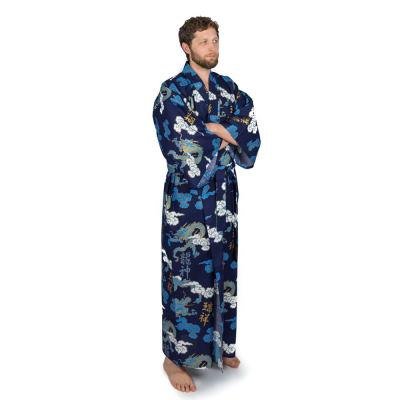
    When it comes to combining comfort, tradition, and style, nothing quite matches the versatility of a men’s yukata. Originally a summer garment in Japan, the yukata has evolved into the ultimate loungewear for men around the world. In this blog, we’ll explore why the men’s yukata is more than just a robe, highlighting its luxurious feel, easy maintenance, historical significance, and why it makes a fantastic gift.

    What is a Yukata?

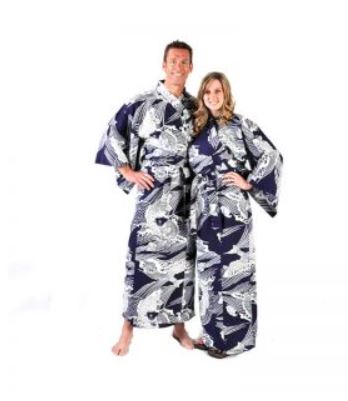
    A yukata is a casual summer kimono made from lighter-weight cotton fabric. Unlike formal kimono, yukatas are unlined and ideal for warmer weather. Traditionally worn at summer festivals and hot spring resorts in Japan, modern yukatas have found a place in the wardrobes of fashion-forward men globally.

    The Ultimate Loungewear

    Luxurious Comfort

    One of the standout features of the men’s yukata is its luxurious comfort. Made from soft, high-quality cotton, it feels gentle against the skin, making it perfect for lounging at home or even as nightwear. The breathable fabric keeps you cool during summer while providing enough warmth for cooler evenings.

    Easy to Wear, Easy to Care For

    Unlike many traditional garments, the yukata is incredibly easy to wear and maintain. It features a simple wrap-around design secured with an obi (belt), making it quick to put on. Plus, it’s machine washable, ensuring that keeping it clean is hassle-free.

    Versatility

    From lounging at home to stepping out for an evening stroll, the yukata offers versatility that few other garments can match. Its stylish yet casual look makes it suitable for a variety of occasions.

    A Gift with Meaning

    Yukatas make excellent gifts, especially for those who appreciate cultural heritage and comfort. The wide variety of styles, patterns, and colors available means you can find the perfect yukata for any man. Plus, the historical and symbolic significance of the yukata adds a layer of depth to your gift.

    Historical Significance and Symbolism

    The yukata traces its origins back to the Heian period in Japan (794-1185). Originally worn as a bathrobe by court nobles, it has evolved into a symbol of relaxation and casual elegance. Each pattern and color in a yukata holds specific meanings, often tied to nature and seasons, offering a rich tapestry of history and culture.

    The Symbolism in Patterns

    • Floral Designs: Often represent beauty and transience.
    • Geometric Patterns: Symbolize order and harmony.
    • Animal Prints: Represent strength, agility, or specific traits admired in Japanese culture.

    Men’s yukatas offer a unique blend of comfort, style, and tradition. Whether you’re a fashion enthusiast, a traveler with a love for Japanese culture, or someone looking for the perfect gift, a yukata is a fantastic choice. With its luxurious cotton fabric, easy maintenance, and deep historical roots, it’s no wonder that men around the world are falling in love with this traditional yet modern garment.

    Ready to experience the ultimate in loungewear? Explore our extensive collection of men’s yukatas and find the perfect fit for you or your loved ones today.

  • Everything You Need to Know About Traditional Japanese Attire

    Curious about the fascinating world of traditional Japanese clothing? Whether you’re a cultural explorer or a Japan lover, this Q&A blog will provide insights into kimonos, obis, and more. Let’s jump into some commonly asked questions and their answers.

    What is a Kimono?

    A kimono is a traditional Japanese garment characterized by its long sleeves and wrap-around design. Typically made from cotton, silk, or other fine materials, kimonos are worn for various occasions, from casual gatherings to formal ceremonies. The word “kimono” literally means “a thing to wear” in Japanese. Unlike Western clothing, kimonos require specific techniques for wearing and tying the garment, making it a beautiful yet intricate piece of attire.

    What is an Obi?

    An obi is a sash worn with a kimono. It serves both a functional and decorative purpose. The obi secures the kimono in place and is often elaborately tied in different styles depending on the occasion and the wearer’s status. Obis come in various lengths, widths, and designs, adding an extra layer of beauty and complexity to the traditional outfit.

    How to Get Free Shipping?

    Getting free shipping often involves meeting specific criteria set by the retailer. Here are some common ways to qualify for free shipping:

    • Minimum Purchase Amount: Many stores offer free shipping if you spend over a certain amount.
    • Promotional Codes: Keep an eye out for promo codes specifically offering free shipping.
    • Subscription Services: Some online retailers offer free shipping as a perk for subscribers.

    Always check the retailer’s shipping policy for the most accurate information.

    What Do Butterflies Symbolize?

    In Japanese culture, butterflies hold a variety of symbolic meanings. Often seen as a symbol of transformation and renewal, butterflies are also associated with the soul and the afterlife. In art and literature, they frequently represent grace, beauty, and change. Their delicate appearance and graceful flight make them a popular motif in kimono designs and other traditional Japanese arts.

    Where to Buy a Yukata Near Me?

    Finding a yukata, which is a more casual version of a kimono, can be easier than you think. Here are some options:

    • Local Japanese Stores: Check nearby Japanese specialty stores or cultural shops.
    • Online Retailers: Websites like Kimono Shop offer a large selection of styles, colors and sizes. Shop from the convenience of your own home. They provide quick shipping and orders of $75 or more receive Free Shipping to anywhere in the USA.
    • Cultural Festivals: Local Japanese festivals or cultural events sometimes have vendors selling traditional attire.

    Do Men Wear Kimono?

    Yes, men do wear kimono, although the styles and occasions may differ from women’s kimono. Men’s kimono are typically more subdued in color and pattern and are worn with a narrower obi. They are commonly seen during traditional ceremonies, festivals, and martial arts practices. Like women’s kimono, men’s kimono also require a specific way of wearing and securing the garment.

    Conclusion

    Traditional Japanese attire, such as kimono and obis, offers a rich tapestry of cultural significance and beauty. Whether you’re looking to buy your first yukata or simply curious about the symbolism in Japanese clothing, understanding these elements can enrich your appreciation for this timeless fashion.

  • From Tradition to Trend: Do Men Wear Kimono?

    In the world of fashion, certain garments have withstood the test of time and cultural shifts, maintaining their elegance and relevance. Among these timeless pieces is the kimono—a traditional Japanese garment that has captivated the world for centuries. While often associated with women, it’s time to break the stereotype and understand that kimono are not just for women. Men love wearing kimono and yukata too, and for good reason!

    A Brief History of Kimono for Men

    The kimono, which translates to “thing to wear,” has deep historical roots in Japan, dating back to the Heian period (794-1185). Initially, both men and women wore kimono as a standard form of dress. Over time, the designs and styles evolved, becoming more gender-specific and occasion-based. For men, kimono evolved into garments worn for formal occasions, festivals, and martial arts. Today, they continue to be a symbol of cultural heritage and identity.

    Style and Fashion

    Kimono for men come in various styles, each with its unique charm and purpose. Here are the key types:

    • Montsuki: A formal kimono typically worn with family crests. Often seen at weddings, tea ceremonies, and other formal events.
    • Yukata: A casual cotton kimono worn during summer festivals or at hot springs (onsen). It’s lighter and more comfortable, perfect for relaxed settings.
    • Hakama: Traditional pleated trousers worn over the kimono. Often seen in martial arts like Kendo and Aikido.

    Modern Interpretations

    In recent years, fashion enthusiasts and designers have reimagined the men’s kimono, blending traditional elements with contemporary styles. You can now find kimono-inspired jackets, robes, and even streetwear that pay homage to this classic garment. This modern twist makes the kimono more accessible and versatile, allowing men to incorporate it into their everyday wardrobe.

    Comfort and Versatility

    One of the most compelling reasons men love kimono and yukata is the comfort they offer. Made from natural fabrics like cotton and silk, these garments are breathable and suitable for various climates. The loose fit allows for free movement, making them ideal for both relaxation and formal events. Whether you’re attending a wedding or lounging at home, a kimono can provide unparalleled comfort and style.

    Breaking Stereotypes

    The resurgence of kimono for men is also a step towards redefining masculinity. In a world where traditional gender roles are continually evolving, wearing a kimono can be a statement of cultural appreciation, individuality, and confidence. It’s about time we break the stereotype that kimono are solely for women and celebrate the versatility and elegance they bring to men’s fashion.

    How to Wear a Men’s Kimono

    Wearing a kimono properly is an art in itself. Here are some basic steps to get you started:

    1. Undergarments: Start with traditional undergarments like the juban.
    2. Kimono: Wrap the kimono left over right and secure it with an obi (belt).
    3. Footwear: Pair your kimono with traditional wooden sandals called geta.
    4. Accessories: Consider adding a haori (jacket) or a hakama for added flair.

    For those new to kimono, there are plenty of resources and tutorials available online to guide you through the process.

    Conclusion

    From tradition to trend, the men’s kimono revolution is here to stay. These garments offer a unique blend of history, style, and comfort, making them a valuable addition to any man’s wardrobe. If you’re looking to redefine your style and make a statement, now is the perfect time to explore the world of kimono and yukata.

    Ready to elevate your wardrobe? Discover our curated collection of men’s kimonos and experience the perfect blend of tradition and modernity. Shop our online Kimono Shop today and find the kimono that speaks to you.

  • Why Copyright and Trademark Theft From Websites Matters

    Protecting Our Creativity and Work.

    Our intellectual property defines who we are as a business. It differentiates us from our competitors and reassures customers that they can always expect high-quality content and products. Unfortunately, some less reputable companies have stolen our copyrighted and trademarked images and intellectual property. This is illegal, unethical, and suggests even greater transgressions happening behind the scenes. If they steal from us, do they steal from their customers?

    Why Copyright and Trademark Theft Matters

    Stealing images from another business is not only a blatant violation of copyright and trademark laws; it’s a disregard for the hard work and creativity that goes into producing original content. Copyright laws grant creators exclusive rights to their works, while trademarks protect brand identifiers like logos and slogans. When a competitor uses our photos or other properties without permission, they undermine our brand integrity and deceive their customers into believing they offer something they do not.

    The Legal Consequences of Infringement

    The penalties for copyright and trademark infringement can be severe. Those caught using protected materials without authorization may face legal consequences including hefty fines and, in extreme cases, imprisonment. Here are some of the immediate steps we take when we discover unauthorized use of our images:

    • Cease and Desist Order: The first step is to issue a cease and desist order to the offending party. This formal demand instructs them to stop using our images immediately.
    • Legal Action: If the cease and desist order is ignored, we will consult with our legal team to determine the next course of action. This often includes seeking monetary compensation for damages as well as additional penalties allowed by the courts.

    What This Says About Our Competitors

    If a competitor is willing to steal images, it’s fair to question what other unethical practices they might be engaging in. Are they cutting corners in product quality? Are they misleading customers about their offerings? Does their “style” include claims they don’t honor? Trust is a crucial component of any business relationship. Companies that engage in intellectual property theft are not only harming us—they’re potentially harming their customers as well. Simply put, they cannot be trusted.

    We know of one competitor that claims to beat any price on the web, yet they charge substantially more for their goods. It’s trickery and deception. It isn’t the type of “style” that you want to deal with.

    How You Can Help

    We rely on our community to help protect our brand integrity. If you come across any unauthorized use of our images or trademarked materials, we urge you to report it immediately. Your vigilance helps us maintain the high standards you’ve come to expect from our brand. A reward may be earned for valid information.

    Summary

    Protecting our intellectual property is about more than just safeguarding our business—it’s about ensuring our customers can always trust they are receiving the best from us. Let’s work together to uphold the values of creativity, honesty, and integrity in our industry.

    Call to Action

    If you notice any unauthorized use of our images, please report it to us. Together, we can maintain the high standards and trust that define our brand. Notify us at our online Kimono Shop.

  • Shipping Smarter: How We Moved Beyond USPS with Your Orders

    In today’s fast-paced world, efficiency and reliability are paramount, especially when it comes to shipping customer orders. At Kimono Shop, where we pride ourselves on offering beautiful kimonos and yukata, we have a reputation for quick shipping. However, we have encountered significant challenges using USPS for our shipping needs, leading us to make a pivotal shift toward more reliable alternatives like UPS and FedEx. Here’s why we’ve chosen to move beyond USPS and what that means for you as our valued customer.

    One of the most significant issues we faced with USPS was the lack of transparency in package tracking. There were numerous instances where packages were not scanned promptly, or sometimes not scanned at all. For example, we would ship a package to a customer on Friday, yet it wouldn’t be scanned until Tuesday or Wednesday. This not only caused frustration and lack of trust but also left customers in the dark, wondering if their package had even been shipped. Such inconsistencies are detrimental to our commitment to providing stellar customer service and maintaining our reputation for quick shipping.

    Inconsistency of Transit Times

    Another critical factor was the inconsistency of transit times. USPS’s delivery times could vary greatly, making it difficult to predict when a package would reach its destination. For a business like ours, where timely delivery is crucial, this unpredictability was simply unacceptable. Customers rely on us to ship their kimono and yukata promptly, whether for a special event or as a gift, and USPS’s inconsistencies made it challenging to meet those expectations.

    Increasing Costs

    Over time, USPS has steadily increased shipping costs, which directly impacts our bottom line and, ultimately affects our customers. While we understand that rising operational costs are a reality of business, we found that the escalating prices did not correlate with an improvement in service quality. When customers are paying for shipping, they expect reliability and efficiency, which USPS increasingly fails to deliver.

    Condition of Post Offices

    Lastly, the general conditions of many post offices contributed to our decision to seek alternatives. Many USPS facilities are understaffed and face operational inefficiencies, leading to delays and mishandling of packages. This environment is not conducive to providing the high level of service our customers deserve and expect.

    Transitioning to UPS and FedEx

    Given the challenges we faced with USPS, we decided to transition to UPS and FedEx for shipping most customer orders. These carriers offer several advantages that align with our commitment to excellence.

    Improved Transparency and Tracking

    UPS and FedEx provide robust tracking systems that ensure packages are scanned at every stage of their journey. This level of transparency reassures our customers that their orders are on the way and allows them to monitor the progress in real time. With accurate and timely updates, our customers can plan accordingly, knowing exactly when to expect their kimono and yukata.

    Consistent and Reliable Transit Times

    Both UPS and FedEx are known for their consistent and reliable transit times. By partnering with these carriers, we can provide more accurate delivery estimates, ensuring that our customers receive their orders promptly. This reliability is crucial for maintaining the trust and satisfaction of our customers, particularly for those who need their orders by a specific date.

    Competitive Shipping Costs

    While shipping costs continue to be a consideration for any business, we have found that UPS and FedEx offer competitive rates that reflect the quality of service expected. By offering favorable shipping terms, we provide our customers with reasonable shipping prices without compromising on the speed and reliability of their deliveries.

    Professional Handling and Facilities

    UPS and FedEx boast state-of-the-art facilities and professional handling of packages. This ensures that our products are treated with care from the moment they leave our warehouse until they reach our customers’ hands. The professional infrastructure of these carriers significantly reduces the risk of damage or loss during transit, further enhancing our customers’ experience.

    Why This Matters to Our Customers

    Our switch from USPS to UPS and FedEx is ultimately about enhancing your shopping experience. By choosing carriers that prioritize transparency, consistency, and reliability, we ensure that your orders are delivered promptly and efficiently. Whether you’re purchasing a kimono, yukata, or any other product from our shop, you can rest assured that your order is in good hands from start to finish.

    Conclusion

    At Kimono Shop, our customers’ satisfaction is our top priority. The decision to move away from USPS and adopt UPS and FedEx for most shipping was made with this commitment in mind. We believe that by offering improved transparency, consistent transit times, competitive costs, and professional handling, we can provide a superior shipping experience for our valued customers.

    Thank you for your continued trust and support. We look forward to serving you better with our new and improved shipping solutions.

    Interested in experiencing our quick and reliable shipping firsthand? Visit our shop today and explore our wide range of kimono and yukata. Your perfect piece is just a few clicks away, and now, it’ll arrive even faster.

  • Five Interesting Facts About Kimono and Yukata

    When it comes to traditional Japanese attire, kimonos and yukatas are iconic garments that have captivated people around the world. Whether you’re a cultural explorer or simply curious about these elegant pieces of clothing, read on to uncover five interesting facts about kimono and yukata.

    1. A Rich History

    The kimono, which translates to “thing to wear,” has a long and storied history dating back to the Heian period (794-1185). Originally, kimonos were worn by both men and women and served as everyday clothing. Over time, they evolved into more elaborate garments, especially during the Edo period (1603-1868), when they became a symbol of status and wealth. The yukata, a simpler version of the kimono, was originally worn as a bathrobe by Japanese nobility. Today, yukata are commonly worn at summer festivals and hot spring resorts.

    2. Types of Fabric

    Kimono and yukata are made from a variety of fabrics, each chosen for its specific qualities. Traditional kimono are often made from silk, known for its luxurious texture and durability. Other common fabrics include wool, cotton, and synthetic fibers like polyester. Yukata, on the other hand, are typically made from lightweight cotton, making them ideal for warmer weather. The choice of fabric not only affects the garment’s appearance but also its comfort and suitability for different occasions.

    3. Colors and Their Meanings

    Colors play a significant role in the design of kimono and yukata, often carrying symbolic meanings. For example, red is associated with youth and vitality, while black signifies formality and elegance. Seasonal colors are also important; spring kimono might feature pastel colors like pink and green, while autumn kimono might showcase deeper hues like red and orange. The patterns and motifs on the fabric can also be symbolic, with designs featuring cherry blossoms, cranes, or dragons each carrying their own cultural significance.

    4. Popularity in the USA

    In recent years, kimono and yukata have gained popularity in the USA, not just as traditional garments but also as fashion statements. Influenced by Japanese pop culture, including anime and manga, as well as by a growing interest in Japanese festivals and cultural events, more Americans are embracing these garments. Fashion designers have also incorporated kimono-inspired elements into their collections, blending traditional aesthetics with modern styles. This cross-cultural exchange has made kimono and yukata accessible to a wider audience.

    5. Perfect Loungewear

    While kimono are often reserved for special occasions, yukata have found a new niche as comfortable loungewear. Their lightweight, breathable cotton fabric makes them perfect for relaxing at home, especially during the warmer months. Many people appreciate the blend of tradition and comfort that yukata offer, allowing them to experience a piece of Japanese culture from the comfort of their own homes. Some even choose to wear yukata as stylish robes or cover-ups at the beach or pool.

    Conclusion

    Kimono and yukata are more than just garments; they are a window into Japanese culture, history, and artistry. From their rich history and diverse fabrics to their symbolic colors and growing popularity in the USA, these traditional garments continue to captivate and inspire. Whether you’re looking to add a touch of elegance to your wardrobe or simply want to learn more about Japanese culture, kimono and yukata offer a fascinating journey through history and fashion.

    So, next time you see a kimono or yukata, you’ll know a little more about the story behind these beautiful garments. For a great selection of robes, visit Kimono Shop.  The Kimono Shop has been a leading provider of fine kimono and yukata since 1994. It is easy to see why they are known as Your Kimono Source Since 1994. Happy exploring!

  • Unlocking the Best Online Kimono Shopping Experience: Our Survey Insights.

    In the quest to provide unbeatable online shopping experiences for kimono and yukata enthusiasts, we embarked on a comprehensive customer service satisfaction survey. Our goal was straightforward: to ensure that every aspect of our service not only meets but exceeds our customers’ expectations. Today, we’re excited to share the insights gleaned from your feedback and the steps we’re taking to make shopping with us even better.

    Survey Highlights: A Testament to Quality and Service

    Our customers have spoken, and the feedback is overwhelmingly positive. From quick response times to the exceptional quality of our kimono and yukata, it’s clear our commitment to excellence hasn’t gone unnoticed. Here are some of the key findings from our survey:

    Rapid Response Times: Time is precious, and our team ensures that your queries and special requests are addressed swiftly.

    High-Quality Selection at Reasonable Prices: Our selection of kimono and yukata is praised not just for their beauty and authenticity but also for the value they represent.

    Efficient Order and Delivery Process: From order processing to delivery, efficiency is our mantra. Our customers appreciate the fast shipping times and the low nominal shipping costs on orders that don’t qualify for free shipping.

    Accuracy and Satisfaction with Orders: Receiving what you ordered, precisely as you envisioned it, is crucial. Our survey results commend our accuracy and the overall satisfaction with the received products.

    The Return Experience: Returns can be a hassle, but we strive to make the process as smooth as possible, ensuring you’re happy with the outcome. Our customers spoke and praised our easy return policy and speed of refunds or exchanges.

    Customer Testimonials: In Your Own Words

    One of our customers shared their delight: “I received my kimono today, and it is well above my expectations! It’s comfortable and well-made. I will be back for more!”

    This is just one of many testimonials that echo the sentiment of satisfaction and joy experienced by our customers.

    Our Commitment to Continuous Improvement

    Armed with your feedback, we’re implementing several enhancements to our services. Whether it’s streamlining our shipping processes or expanding our selection, we’re committed to making your online kimono shopping experience the best it can be.

    Email and Social Media Marketing – Staying Connected

    We understand the importance of keeping you updated and engaged. Our low-pressure email and social media marketing efforts are geared toward bringing you the latest styles, deals, and insights into the world of kimono and yukata fashion. Stay tuned for tips, trends, and exclusive offers that celebrate the beauty and tradition of Japanese attire. Our customers said they prefer deals to be announced on social media rather than emails. We listened and will guide more efforts into social media.

    Summary

    Your feedback drives us to do better, and we’re grateful for the opportunity to serve you. At Kimono Shop, we’re not just selling kimono and yukata; we’re offering an experience steeped in tradition, supported by customer service that’s second to none.

    Thank you for choosing us as your preferred destination for kimono and yukata shopping. We look forward to continuing to meet and exceed your expectations, making every purchase with us a memorable one.

  • The Enchanting History of the Yukata Robe.

    The yukata robe is steeped in tradition and elegance. This garment holds a special place in Japan’s rich tapestry of cultural heritage. Once used as a functional bathrobe, the yukata has evolved into a beloved summer garment. They are often worn to celebrate the arrival of festivals and warm weather.

    From the intricacies of its weave to the symbolism behind its vibrant patterns, the yukata’s history offers a fascinating glimpse into Japan’s past and present. Join us as we traverse through time to uncover the evolution of the yukata robe and its significance in Japanese culture.

    A millennia after its inception, the yukata remains an emblem of cultural pride and aesthetic sophistication. In this blog, we explore how this simple cotton robe became a symbol of summer and social splendor. We’ll look at its transition from a humble bathrobe to a fashion statement that thrives in today’s world. Whether donned by men or women, for relaxation or celebration, the yukata continues to weave its story into the fabric of Japan’s identity.

    Stay with us as we reveal tales of the yukata robe, where tradition meets trend, and every fold and dye retains the echoes of a bygone era. Join us on this historical fashion voyage through time.

    The Timeless Tapestry of the Yukata Robe: A Cultural and Fashionable Journey Through Japanese History

    The Yukata robe has traversed through centuries, donning multiple roles. From a simple bathrobe to a stylish ensemble, illustrates Japan’s chronicles of tradition, aesthetics, and seasonal festivities. This stylish garment exemplifies both the historic elegance and the contemporary flair of Japanese culture.

    From Steaming Baths to Summer Revelries

    The origin story of the yukata begins in Japan’s Kamakura period (1192–1333). As nobles took their leisurely steam baths, the ‘yu-katabira’ – a hemp garment worn in bathhouses to protect the skin and absorb sweat – became essential. Later known as ‘mi-nugui’ during the Muromachi period (1336–1573), this garment eventually evolved to become the yukata.

    It wasn’t until the Edo period (1603-1867) that the yukata transitioned into familiar territory. With cotton becoming affordable, the yukata stepped out as commoners’ choice of nightwear and relaxed indoor clothing. Paintings from early 20th-century Japan depicted the yukata as casual at-home attire. However, halfway through the Showa period (1926-1989), the yukata embarked on a glamorous transformation, emerging as the go-to attire for outdoor festivals and firework displays, reflecting a societal affection for this breezy kimono.

    A Tapestry of Tradition and Trend

    In the throbbing districts of Tokyo today, the yukata stands as a testament to this garment’s versatility and continued appeal. Crowds at concerts and events create a kaleidoscope of patterns and styles, flaunting yukatas adorned with contemporary designs and traditional sashes (obi belts). This blend of the classic and the modern showcases how the yukata remains deeply ingrained in the fabric of social and cultural expressions in Japan. Fashion-conscious individuals like Miki Fukagawa, with an enviable collection of over 50 yukatas, exemplify the robe’s hold over the current zeitgeist. Despite the ebb in festivity turnouts due to recent pandemic constraints, the zeal for personalizing yukata fashion continues to surge, illustrating the garment’s resilience as a conduit for self-expression.

    The Art of Arimatsu Shibori

    Arimatsu, nestled along the ancient Tokaido Road, holds a key to appreciating the yukata’s cultural depth. Here, the traditional art of Arimatsu shibori tie-dyeing has been practiced since the Edo period. This labor-intensive method sees more than 70 techniques actively used to produce fabrics with unmatched complexity and beauty. Among these is the tegumo shibori, creating spiderweb designs that demand unyielding commitment, skill, and endurance from its artisans. Each tie-dyed yukata stands as a narrative canvas, narrating stories through every meticulous knot and dyed pattern – a craft not just of textiles, but of heritage and painstaking artistry.

    Conclusion

    In tracing the historical threads of the yukata, we discover a reflection of Japan itself – adaptive, aesthetic, and deeply rooted in custom. The Yukata robe has withstood the ebb and flow of time, reinventing itself again and again while never losing its intrinsic essence as a symbol of grace and summer enchantment. Whether it’s the silhouette against fireworks in a summer sky or the strategic folds that speak to an ancient craft, the yukata persists, a cherished vestige of the past and a vibrant tribute to the living culture of Japan.

    Further Exploration

    For those captivated by the yukata’s history and eager to witness the craftsmanship firsthand, a visit to Arimatsu, with its tie-dyeing studios and workshops, is a must. Alternatively, adorn your yukata during the warm summer events and become a part of the ongoing narrative that is this beloved garment’s history. From its humble beginnings to its celebrated place in modern-day wardrobes and gatherings, the yukata carries the echoes of Japan’s past into the future, one elegant fold at a time. Check out the great selection of yukata for men and women at the Kimono Shop. On the web at www.kimonoshop.com

    The world of Kimonos
    Kimono Happiness
  • The Unfolding Market: Why Kimono Prices are Rising in Japan

    The iconic Japanese kimono, a symbol of tradition and elegance, has experienced a surge in prices, reflecting broader economic trends within the country. As Japan’s economy shows signs of recovery with rising wages, increasing stock market prices, and a stronger Yen, the impact on traditional attire like kimonos and yukatas is becoming prominent.

    In this blog post, we will explore the multifaceted reasons behind the escalating costs associated with these garments. From fabric and labor to shipping, each element plays a significant role in the price uptick of kimonos and yukatas.

    Everyone is concerned about the rising prices of groceries, real estate, and utilities. But perhaps unexpectedly, traditional Japanese clothing, particularly kimonos, is getting pricier too. We delve into the reasons and implications behind this trend and what it might mean for aficionados of Japanese culture.

    COVID-19 Impact on Japan’s Economy

    The pandemic has left an indelible mark on economies worldwide, and Japan is no exception. Japan has experienced business closures and the retirement of skilled labor. Both have created a domino effect on industries, including the meticulous craft of kimono making.

    The Rising Cost of Fabric and Labor

    Fabric and labor have been identified as key cost drivers in the production of kimonos. The decrease in skilled labor availability and the increased demand for higher wages are contributing to the rising costs of these garments. Some industries have experienced wage hikes as high as 40%, especially those with unions.

    Wages and Consumer Prices on the Rise

    With wages in Japan increasing significantly, this economic adjustment is translating into higher retail prices for goods, including cultural wear like men’s yukata and women’s kimono.

    The Role of Shipping Costs

    Global shipping has undergone tumultuous changes, with rates soaring higher. These sharp increases in shipping costs have directly affected the pricing of kimonos imported and exported from Japan.

    Future Expectations for Kimono Shopping

    Looking ahead, we monitor the expected trends in kimono pricing. As economic recovery continues, we’ll share what consumers might anticipate should the Japanese Yen strengthen against the dollar.

    Wrapping up, we reflect on the importance of understanding the economic conditions that shape the pricing of traditional apparel and the broader implications for Japanese culture enthusiasts and consumers worldwide.

    Remember to explore our kimono shop for the latest in traditional Japanese attire, and stay informed about trends and prices. Despite rising costs, the beauty and heritage of the kimono remain timeless. We do our best to offset the rising prices by watching overhead expenses in detail. A dollar saved here means lower prices for you, our customer.

  • The Ultimate Guide to Kimono: Answers to Common Questions

    Kimono and yukata have always been symbols of the vibrant Japanese culture. These robes are not only comfortable to wear but also add a touch of elegance to your wardrobe. Here at Kimono Shop, we receive lots of questions about kimono and yukata, which is why we’re here to answer some more. So whether you’re looking to buy your first kimono or want to know more about their meaning, we are here to help.

    Does color have any meaning with kimono?
    Yes, the color of a kimono holds significant meaning. The most commonly known colors are red and white. Red is associated with good luck and is often worn during weddings or other celebrations. It also signifies strong emotions and power. White, on the other hand, symbolizes purity, innocence, and mourning. There are many other colors that convey different meanings, such as green, which represents growth and vigor, while blue signifies calmness. It is common to find a mix of colors as well.

    Do the motifs and patterns on a kimono have any meaning?
    Yes, every motif and pattern on a kimono has a specific meaning. For example, cherry blossom (sakura) is known to represent the beginning of a new life. Maple seeds (momiji) represent sound judgement. You can also find patterns such as cranes, which are a symbol of longevity and good luck. The dragonfly is considered to bring happiness and strength. These beautiful patterns are not just aesthetically pleasing, but also a reflection of the Japanese culture.

    How much do kimono cost?
    The cost of a kimono tends to vary significantly. It depends on the quality of the fabric, the intricacy of the design, and the availability of materials. A hand-sewn, silk kimono can cost you tens of thousands of dollars, while a more affordable option like cotton or polyester fabric can range from $50 to $500. However, at Kimono Shop, we offer a range of choices that fit into any budget.

    How do I wear a kimono?
    Wearing a kimono can seem daunting at first, but fear not! The first thing you need to do is to put on the juban, an undergarment that covers your skin and makes it more comfortable to wear the kimono. Western culture often prefers a light undergarment like an undershirt and lightweight shorts or leggings. Then slip the kimono on, making sure the collar sits evenly at the back of your neck. Next, wrap the obi (a belt or sash) tightly around your waist, and tie it in a soft knot. Finally, adjust the length of the kimono and tie the obi in a bow. Voila! You’re now wearing your very own kimono.

    How do I take care of my kimono?
    Taking care of your kimono is essential if you want it to last a long time. On high-end robes made of silk, we recommend spot cleaning using a mild detergent (Woolite) and a soft-bristled brush. For cotton robes, machine washing is possible in cold water, on a delicate cycle. The cold water helps preserve the life of the kimono longer. As always, follow the instructions on the tag or ask the manufacturer for recommendations on how to care for your robe. If you do need to clean the entire garment, the manufacturer might recommend taking it to a professional dry cleaner who specializes in kimono and yukata.

    The popularity of kimono and yukata has skyrocketed in the recent past, and it’s no wonder why. They exude an air of elegance and sophistication. and there is a wide variety of designs catering to different tastes. Whether you’re looking for a traditional pattern or a more contemporary design, make sure you know what they symbolize. And while a kimono may have a reputation for being expensive, there are options available for every budget. If you’re looking to buy a kimono, Kimono Shop has an extensive selection and is here to answer any questions that you may have. So go ahead, treat yourself to a beautiful kimono, and experience the elegance of Japanese fashion.