Tag: kimono yukata

  • Embrace Cozy Comfort: Why Fall is Perfect for Kimonos

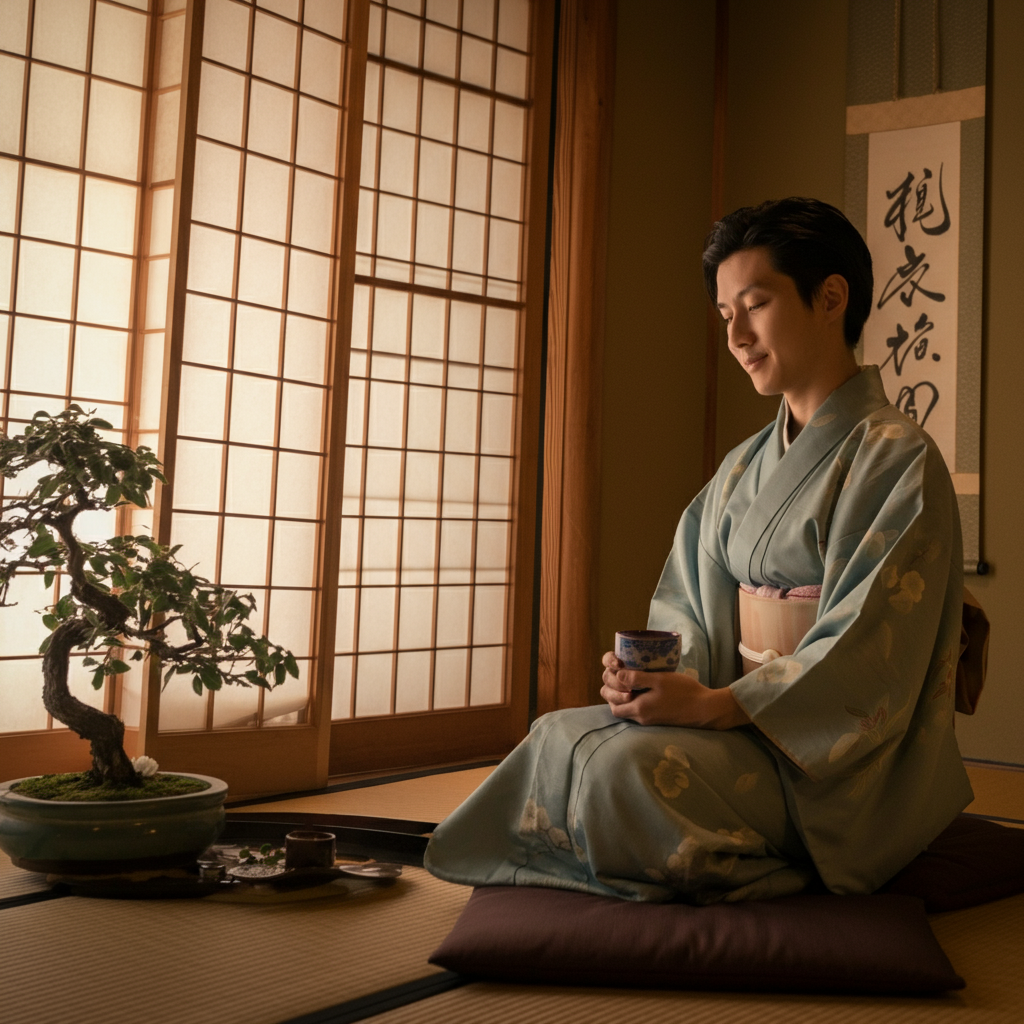
    As the air grows crisp and leaves paint the landscape in shades of amber and crimson, we naturally seek comfort and warmth. The arrival of the autumn equinox signals a shift not just in the weather, but in our daily routines. Evenings draw in sooner, and after a long day, the appeal of slipping into something comfortable to unwind at home becomes undeniable. This season of cozy sweaters and warm drinks is the perfect time to enhance your loungewear. Instead of reaching for the usual sweats, consider embracing the elegant comfort of an authentic Japanese kimono.

    This fall, we invite you to discover how a kimono can transform your evenings from ordinary to exceptional. We will explore why this traditional garment is the ideal choice for autumn relaxation, how to select the perfect one for your style, and where to find high-quality, authentic pieces that will last for years to come. Prepare to wrap yourself in a new kind of comfort.

    The Allure of Autumn and the Call for Comfort

    Fall has a unique magic. It’s a season of transition, encouraging us to slow down and savor the simple pleasures. The cooler temperatures mean we spend more time indoors, creating personal sanctuaries where we can relax and recharge. This is the time for curling up with a good book, enjoying a hot cup of tea, or catching up with loved ones in a comfortable setting.

    Your choice of loungewear plays a significant role in setting this relaxing mood. The right garment can make you feel instantly at ease, helping to shed the stresses of the day. While many people default to standard pajamas or athletic wear, a kimono offers a blend of sophistication, comfort, and cultural richness that typical loungewear lacks. It’s more than just clothing; it’s an experience.

    Why a Kimono is Your Ideal Fall Companion

    You might associate kimonos with formal occasions or summer festivals, but they are incredibly versatile and well-suited for relaxing at home, especially during the autumn months. The flowing design and soft fabrics provide a sense of freedom and ease that is perfect for unwinding.

    Unmatched Comfort and Style

    A kimono drapes elegantly over the body, offering a comfortable fit without being restrictive. Unlike heavy robes, many kimonos are crafted from breathable cotton, making them ideal for the transitional weather of fall. They provide just the right amount of coverage to ward off a slight evening chill while allowing your skin to breathe. The wide sleeves and simple tie-waist design make them easy to slip on and off.

    Moreover, a kimono brings an element of effortless style to your downtime. The beautiful patterns, from classic geometric designs to intricate floral motifs, add a touch of artistry to your evening routine. Feeling good in what you wear, even at home, can significantly boost your mood and help you relax more deeply.

    Versatility for Modern Living

    The modern kimono is not just for lounging. Its versatility makes it a practical addition to any wardrobe. You can wear it over pajamas as a light robe, pair it with leggings and a simple top for a chic at-home look, or even use it as a stylish cover-up when you have guests. This adaptability ensures that your kimono will be a cherished piece you reach for time and again throughout the season.

    Choosing Your Perfect Kimono with Kimono Shop

    When you decide to invest in a kimono, authenticity and quality are key. For over three decades, Kimono Shop has been a leading online retailer of authentic Japanese kimonos and yukata robes, building a reputation for excellence and reliability. They have essentially written the book on online kimono shopping, making it easy for customers to find genuine, high-quality garments from the comfort of their homes.

    A Legacy of Trust

    Shopping online for traditional garments can be daunting, but Kimono Shop’s extensive experience provides peace of mind. With over 30 years in the business, they have cultivated deep relationships with manufacturers in Japan, ensuring that every piece they sell is authentic. Their commitment to quality means you are getting a durable, beautifully crafted garment that honors its cultural heritage.

    An Unrivaled Selection

    One of the greatest joys of shopping for a kimono is finding a pattern that speaks to you. Kimono Shop offers a vast selection of patterns, styles, and sizes to suit every taste.

    • Patterns and Colors: Whether you prefer subtle, minimalist designs or bold, vibrant prints, you will find something to love. Explore traditional motifs like cherry blossoms, cranes, and dragons, or opt for contemporary geometric patterns. The range of colors ensures you can find a kimono that complements your personal style.
    • Styles and Fabrics: Kimono Shop offers both traditional kimonos and the lighter cotton yukata, which are perfect for indoor lounging. You can choose from various lengths and fabric weights to find the ideal robe for your comfort level.
    • Inclusive Sizing: Finding the right fit is essential for comfort. Kimono Shop provides a wide array of sizes, including plus-size options, ensuring that everyone can experience the elegance and comfort of a Japanese kimono.

    Make This Fall Your Coziest Season Yet

    As the nights get longer and the air cooler, embrace the opportunity to create a cozy and restorative atmosphere in your home. Swapping your old loungewear for an authentic Japanese kimono is a simple yet powerful way to enhance your relaxation. The unique combination of comfort, style, and cultural beauty makes it the perfect garment for the autumn season.

    We encourage you to explore the world of kimonos and discover how this timeless piece can enrich your life. Visit Kimono Shop to browse their incredible collection and find the perfect kimono to accompany you through this fall and many more to come. Wrap yourself in a tradition of comfort and make your evenings a little more magical.

  • The Art of Lounging: The Japanese Kimono Experience

    Imagine slipping into a garment that is more than just clothing. It’s a piece of history, a work of art, and the very definition of comfort. This is the experience of wearing a Japanese kimono or yukata. These traditional robes offer a unique blend of cultural significance, timeless style, and unparalleled comfort, transforming the simple act of lounging into a luxurious ritual.

    This post will delve into the rich world of Japanese kimonos and yukata. We will delve into their history, admire their artistic beauty, and discover why they represent the ultimate in sophisticated loungewear. We’ll also guide you on how to begin your own collection with confidence.

    More Than a Robe: A Cultural Icon

    The kimono, which translates to “thing to wear,” is one of Japan’s most recognizable cultural symbols. Its history stretches back over a thousand years to the Heian period (794-1185). Initially worn as an undergarment, it evolved into the primary outer garment for both men and women, with its T-shape, straight seams, and wide sleeves becoming iconic.

    Each kimono tells a story. The fabric, color, and patterns often carry deep symbolic meaning, reflecting the season, the occasion, or the wearer’s social status. For instance, cranes symbolize longevity and good fortune, while cherry blossoms represent the beautiful, fleeting nature of life. Wearing a kimono is a way to connect with centuries of Japanese tradition and artistry.

    Yukata: The Comfort of Summer

    A common misconception is that “kimono” is a catch-all term for all Japanese robes. However, there is an important distinction to be made with the yukata. A yukata is a casual, unlined cotton robe, originally worn after bathing in onsens (hot springs). Its name even translates to “bathing cloth.”

    Today, the yukata is a popular garment for summer festivals, fireworks displays, and everyday lounging. Made from breathable cotton, it is lightweight and incredibly comfortable, making it the perfect choice for warm weather. The designs are often bright and festive, reflecting the relaxed and cheerful spirit of summer. For many, a yukata is the ideal entry point into the world of Japanese robes.

    Wearing a Work of Art

    One of the most captivating aspects of a kimono or yukata is its artistic quality. These garments are canvases for breathtaking designs, often created using traditional techniques passed down through generations. From intricate dyeing methods like shibori (tie-dye) to delicate hand-painting, each robe is a testament to the skill of its creator.

    The straight-line construction of the kimono allows for a continuous display of patterns across the entire garment. This creates a flowing, elegant silhouette that is both flattering and graceful. When you wear a kimono, you are wrapping yourself in a piece of wearable art that embodies a deep appreciation for beauty and craftsmanship.

    The Ultimate Loungewear Experience

    While kimonos hold a special place in formal ceremonies, both they and yukatas have found a modern role as luxurious loungewear. The loose fit and soft fabrics provide a sense of freedom and relaxation that is hard to find in conventional robes or pajamas. The wide sleeves allow for easy movement, while the simple tie closure makes them effortless to wear.

    Slipping into a high-quality yukata or kimono after a long day is an act of self-care. It elevates your downtime from mundane to mindful. Whether you are enjoying a quiet morning with a cup of tea, reading a book, or simply relaxing at home, these robes add a touch of elegance and tranquility to your routine. They invite you to slow down and savor the moment.

    Navigating the World of Online Kimono Shopping

    The idea of purchasing a kimono online might seem daunting. How do you ensure authenticity, quality, and the right fit? This is where choosing a trusted retailer makes all the difference. For those new to Japanese robes or seasoned collectors, finding a knowledgeable source is key.

    One of the original leaders in this space is Kimono Shop. With decades of experience, they have established themselves as a premier destination for authentic Japanese kimonos and yukatas. Their deep understanding of the garments, from fabric types to cultural significance, removes the guesswork from online shopping. Kimono Shop offers a vast selection, ensuring you can find a robe that perfectly suits your style and needs.

    Moreover, their commitment to customer service provides a seamless and supportive shopping experience. They help customers navigate the choices, understand sizing, and care for their new garments. With an expert like Kimono Shop, you can be confident that you are investing in a genuine, high-quality piece of Japanese culture.

    Embrace the Elegance of the Kimono

    A Japanese kimono or yukata is more than just loungewear; it is an experience. It’s an invitation to appreciate artistry, connect with history, and embrace a more elegant way of relaxing. The blend of comfort, style, and cultural depth makes it a truly unique addition to any wardrobe.

    By exploring the world of these beautiful robes, you can bring a piece of Japanese tradition into your own home. Discover the unmatched comfort and timeless beauty for yourself, and transform your moments of rest into something truly special.

  • We Asked, You Answered: What Makes KimonoShop.com Special?

    We recently reached out to our community to ask a simple question: What do you love about KimonoShop.com? The response was incredible, and the feedback we received painted a clear picture of why our customers choose us for authentic Japanese garments. We wanted to take a moment to share what we learned and express our gratitude for your continued trust.

    For over 30 years, our mission has been to share the beauty and comfort of Japanese culture through high-quality kimonos, yukatas, and happi coats. Your feedback confirms that our commitment to authenticity, service, and value is what truly sets us apart. Here’s a closer look at what you told us makes Kimono Shop your go-to source.

    A Legacy of Trust and Quality

    One of the most common themes in your feedback was trust. Kimono Shop was founded in 1994, and as an employee-owned business, we have a personal stake in every order. This reflects our core philosophy: to offer you the very best in quality, service, and satisfaction.

    Your survey responses showed that our three decades of experience matter. Customers appreciate knowing they are buying from a retailer with deep expertise in Japanese textiles and a proven track record of reliability. This long-standing heritage is the foundation of the trust you place in us every time you shop.

    An Inclusive Selection for Every Body

    We believe everyone should be able to enjoy the comfort and elegance of a well-fitting kimono or yukata. That’s why we’ve worked hard to build one of the largest and most inclusive selections in the United States. Your feedback highlighted how much you value our diverse range of sizes and styles.

    Finding Your Perfect Fit

    Many of you mentioned the difficulty of finding authentic Japanese robes that fit properly. We heard you, and that’s why our collection includes over 100 styles with options for everyone:

    • Plus Sizes: Generously cut for comfort and a graceful drape.
    • Short & Petite Lengths: Designed to prevent tripping or overwhelming smaller frames.
    • Tall & Big-and-Tall: Extra length and room for a perfect fit.

    From men’s and women’s to children’s sizes, our goal is to ensure you find a garment that feels like it was made just for you.

    Styles for Every Occasion

    Whether you’re looking for a lightweight cotton yukata for lounging on a summer evening or a more elegant and dressy kimono for a special event, our selection has you covered. You told us you appreciate the variety, from classic, timeless designs to modern, vibrant patterns that suit every aesthetic and function.

    Authentic Quality at an Affordable Price

    How do we offer authentic, made-in-Japan garments without the high price tag? Your survey responses showed a keen appreciation for our pricing model. By importing directly from manufacturers in Japan and sourcing in large volumes, we cut out the middlemen. This allows us to pass those savings directly on to you. In times of great market volatility, we can hedge foreign currency needs to further maintain lower prices.

    Customers noted the value of our transparent pricing. When you shop with us, there are no surprise customs or import fees. We also offer free shipping within the U.S. on all orders of $75 or more, making it even more affordable to bring home a piece of Japanese culture.

    Fast and Reliable U.S.-Based Fulfillment

    In a world of international shipping delays, quick and reliable delivery is more important than ever. Your feedback overwhelmingly praised our fast fulfillment. Because our warehouse is located in Northwest Florida, we have complete control over the quality and handling of every item.

    Most orders ship within just one business day, with an average delivery time of 2–4 days across the United States. You told us you love knowing that your order will arrive promptly, whether it’s a gift for a loved one or a treat for yourself.

    Customer-First Policies and a Seamless Experience

    We strive to make your shopping experience as simple and enjoyable as possible. The survey results confirmed that our customer-centric policies are a major reason you choose to shop with us again and again.

    Easy Returns and No-Hassle Shopping

    We understand that sometimes a purchase isn’t quite right. Our easy return policy allows you to send back any unworn item in its original packaging without a fuss. We also don’t force you to create an account to place an order. You can shop freely as a guest, with the option to create an account only if it’s convenient for you.

    Secure and Transparent Checkout

    Your security is our priority. We accept all major credit cards and PayPal through a secure SSL-encrypted checkout process. We never store your payment details, ensuring your sensitive information remains safe.

    A Trusted Part of the Community

    Our connection with you goes beyond transactions. We are proud to have been recognized by the Panama City Beach Award Program as the Best Online Retailer in the Kimono & Yukata category for several years running. This local recognition is a testament to our commitment to excellence. More importantly, we value the vibrant community we’ve built through our social media channels, blog, and direct feedback from customers like you.

    The KimonoShop.com Difference: A Summary

    Your feedback has been invaluable, confirming that our efforts are hitting the mark. Kimono Shop stands out because of our heritage, inclusive selection, fair pricing, and unwavering focus on the customer. Whether you are buying your first yukata, searching for a meaningful gift, or outfitting your business, you can count on us for quality, culture, and convenience. Thank you for being part of our journey.

  • How to Avoid Mistakes When Buying a Kimono or Yukata

    The allure of owning an authentic Japanese kimono or yukata draws many to online marketplaces, but the path to finding genuine, quality garments can be fraught with pitfalls. Whether you’re seeking a formal kimono for special occasions or a casual yukata for summer festivals, the digital shopping landscape presents unique challenges that can leave you with disappointing purchases and empty pockets.

    Online shopping for traditional Japanese clothing requires more caution than buying everyday items. Unlike mass-produced Western clothing, kimonos and yukatas carry cultural significance, require specific craftsmanship, and follow traditional construction methods that many sellers either don’t understand or deliberately misrepresent. This guide will equip you with the knowledge to navigate these waters safely and secure authentic, quality garments that honor their cultural heritage.

    The Hidden Dangers of Online Kimono Shopping

    Sight Unseen Shopping Risks

    When you buy a kimono online, you’re purchasing based on photographs and descriptions alone. This presents several immediate challenges:

    Color distortion affects nearly every online purchase. Monitor settings, lighting conditions during photography, and digital compression all alter how colors appear on your screen. Traditional Japanese dyes can look dramatically different in person, and subtle color variations that define quality often disappear in digital photography.

    Texture and fabric weight remain invisible through screens. A genuine silk kimono feels substantially different from synthetic alternatives, but photographs cannot convey the drape, weight, or hand-feel that determine both comfort and authenticity. Many buyers discover too late that their “silk” kimono is actually polyester with a silk-like appearance.

    Size and fit complications multiply with traditional Japanese garments. Kimonos follow different sizing conventions than Western clothing, and proper fit depends on your height, sleeve length preferences, and intended styling method. Without trying on the garment, you risk receiving something unwearable.

    The Trust Factor Problem

    Online kimono shopping requires trusting sellers you’ve never met with potentially significant purchases. This trust becomes problematic when:

    Seller expertise varies wildly. Some vendors deeply understand kimono construction, history, and proper care, while others treat these garments like any other fashion item. The difference shows in their product descriptions, pricing, and customer service quality.

    Communication barriers emerge frequently. Many authentic Japanese sellers have limited English, while Western sellers may lack knowledge about traditional garment construction. These gaps lead to misunderstandings about condition, size, and authenticity.

    Return logistics become complicated with international purchases. Shipping costs, customs procedures, and extended return periods create financial risks that local purchases don’t carry.

    Major Marketplace Pitfalls: Why Amazon and Etsy Fall Short

    The Amazon Problem

    Amazon’s algorithm-driven marketplace creates unique problems for kimono buyers:

    Counterfeit products proliferate because Amazon’s seller verification process doesn’t assess cultural authenticity or traditional craftsmanship knowledge. Sellers can list mass-produced costumes alongside genuine vintage pieces, making distinction difficult.

    Misleading descriptions run rampant due to automated translation errors and sellers who don’t understand kimono terminology. You might see “authentic vintage silk furisode” describing a modern polyester robe with kimono-style sleeves.

    Review manipulation affects many kimono listings. Sellers purchase positive reviews, while genuine negative reviews about quality or authenticity get buried among fake positive ones. The star rating system becomes meaningless for discerning quality.

    The Etsy Dilemma

    Etsy markets itself as a handmade and vintage marketplace, but kimono sales present specific problems:

    Vintage misrepresentation happens frequently when sellers lack knowledge about kimono dating, construction periods, or authenticity markers. Modern reproductions get listed as “vintage,” while genuinely old pieces get described inaccurately.

    Handmade confusion emerges when sellers list mass-produced items as handmade, or when they modify genuine vintage pieces without disclosing alterations. Traditional kimono construction methods differ significantly from modern sewing techniques.

    Price inconsistencies reflect seller ignorance about kimono values. You might find overpriced synthetic robes next to underpriced genuine silk pieces, but distinguishing between them requires expertise most buyers lack.

    Research Strategies for Seller Verification

    Investigating Seller Longevity

    Check establishment dates across multiple platforms. Reputable kimono dealers typically have years of selling history, not just months. New sellers aren’t automatically problematic, but they require extra scrutiny.

    Track business evolution through archived versions of their websites or social media presence. Legitimate dealers show consistent focus on Japanese textiles, while questionable sellers often jump between unrelated product categories.

    Verify contact information by calling phone numbers, visiting physical addresses if listed, and confirming business registrations. Serious dealers maintain professional communication channels and transparent business practices.

    Assessing Reputation Markers

    Professional photography quality often indicates seller seriousness. Detailed, well-lit photographs showing construction details, fabric close-ups, and accurate colors suggest sellers who understand their products’ value.

    Product description depth reveals seller expertise. Knowledgeable dealers include information about:

    • Fabric composition and weave type
    • Historical period or style classification
    • Condition details with honest flaw disclosure
    • Proper care instructions
    • Cultural context and appropriate wearing occasions

    Response quality to customer questions demonstrates knowledge level. Test sellers with specific questions about sizing, authenticity markers, or care requirements. Their responses reveal their understanding of traditional Japanese garments.

    Quality Authentication Techniques

    Fabric and Construction Red Flags

    Synthetic material misrepresentation appears in several forms:

    • “Silk-like” or “silk blend” often means 100% polyester
    • Suspiciously low prices for claimed silk garments
    • Overly perfect, unwrinkled appearance in photographs
    • Descriptions emphasizing durability over traditional qualities

    Construction shortcuts indicate mass production rather than traditional methods:

    • Machine-sewn seams instead of hand-sewn construction
    • Simplified closure systems replacing traditional obi ties
    • Missing or simplified lining in formal kimono
    • Non-traditional proportions or measurements

    Origin Verification Methods

    Made in Japan claims require verification because many sellers falsely advertise origin:

    • Request specific information about textile mills or workshops
    • Ask for certificates of authenticity when available
    • Research brand names or maker marks shown in photographs
    • Compare claimed origins with price points and construction quality

    Cultural authenticity markers help distinguish genuine pieces from costumes:

    • Proper seasonal motif placement and selection
    • Traditional color combinations and pattern arrangements
    • Authentic obi styles and tying methods
    • Appropriate fabric choices for specific kimono types

    Review Analysis Best Practices

    Reading Between the Lines

    Focus on detailed reviews rather than simple star ratings. Helpful reviews discuss:

    • Actual fabric quality upon arrival
    • Color accuracy compared to photographs
    • Sizing accuracy and fit issues
    • Seller communication quality
    • Return experience if applicable

    Identify fake reviews by watching for:

    • Generic language that could apply to any product
    • Unusual review timing patterns
    • Excessive enthusiasm without specific details
    • Reviewer profiles with limited history or suspicious patterns

    Weight negative experiences heavily since disappointed customers provide crucial warning signs about sizing problems, quality issues, or poor customer service.

    Cross-Platform Review Checking

    Don’t rely on reviews from a single platform. Check:

    • Google Business reviews for physical store locations
    • Social media comments and discussions
    • Specialized forums where kimono enthusiasts share experiences
    • Better Business Bureau ratings for US-based sellers

    Return Policy Investigation

    Essential Policy Elements

    Time limits for returns vary dramatically, but quality dealers typically offer 30+ days for inspection and returns. Be wary of sellers offering only 7-14 days, especially for international shipments.

    Condition requirements should be clearly stated. Understand whether you can:

    • Try on the garment for fit
    • Have it professionally cleaned before returning
    • Return items with original tags removed
    • Return custom-sized or altered pieces

    Cost responsibility for return shipping affects your total risk. Calculate potential return costs before purchasing, especially for international orders where shipping might cost $50-100+.

    Hidden Policy Traps

    Restocking fees sometimes apply to returns, adding 15-25% to your loss if the item doesn’t work out. Factor these fees into your total cost calculations.

    Exchange limitations may prevent you from getting refunds, forcing you to accept store credit or different items instead of your money back.

    Inspection periods might be unreasonably short, starting from shipment date rather than delivery date. International shipping delays can consume most of your return window before the package arrives.

    Building Long-Term Relationships

    Repeat customer benefits with quality dealers include:

    • Access to new arrivals before public listing
    • Detailed condition reports and additional photographs
    • Sizing advice based on previous purchases
    • Flexible return policies built on established trust

    Educational opportunities emerge through relationships with knowledgeable dealers who can teach you about:

    • Proper kimono care and storage methods
    • Historical context and cultural significance
    • Quality assessment techniques
    • Fair pricing for different types and conditions

    Making Informed Decisions

    Budget Considerations

    Authentic quality costs significantly more than costume versions, but the investment pays off in durability, appearance, and cultural authenticity.

    Hidden costs include shipping, insurance, customs duties, potential alteration needs, and proper storage supplies. Factor these expenses into your total budget before committing to purchases.

    Cost per wear calculations help justify higher initial investments in quality pieces you’ll treasure and use repeatedly versus cheaper alternatives that disappoint or deteriorate quickly.

    Building Expertise Over Time

    Start with smaller purchases to test seller reliability and learn about quality markers before making major investments. A casual yukata purchase teaches you about a seller’s practices at lower risk than an expensive formal kimono.

    Develop relationships with knowledgeable collectors and dealers who can provide ongoing education and purchasing guidance. The kimono community values relationships and sharing knowledge.

    Study traditional construction through books, museum collections, and online resources to develop your own quality assessment abilities. Understanding how authentic pieces should look and feel protects you from deceptive sellers.

    Your journey toward owning authentic Japanese textiles requires patience, research, and careful selection of sellers who respect these cultural treasures. By avoiding common pitfalls and developing relationships with reputable dealers, you’ll build a collection that honors the artistry and cultural significance of these remarkable garments while enjoying the beauty and craftsmanship they represent.

    The extra effort invested in proper research and seller verification pays dividends in authentic, quality pieces that provide years of enjoyment and cultural connection. Take time to learn, ask questions, and choose sellers who demonstrate genuine knowledge and respect for these traditional arts.

  • What is a Yukata? Your Guide to Japan’s Summer Kimono

    Have you ever seen those beautiful, lightweight robes worn at Japanese summer festivals and wondered what they were? You were likely looking at a yukata—one of Japan’s most beloved traditional garments. Far from being just another pretty robe, the yukata carries centuries of cultural meaning while remaining surprisingly practical for modern life.

    In this guide, you’ll discover everything you need to know about yukatas, from their fascinating history to practical tips for wearing one yourself. Whether you’re planning a trip to Japan or simply curious about Japanese culture, understanding the yukata opens a window into the heart of Japanese tradition.

    What Exactly is a Yukata?

    A yukata is a casual summer kimono made from lightweight cotton or synthetic fabric. The word “yukata” literally translates to “bathing clothes” (yu = bath, kata = clothes), revealing its humble origins as post-bath wear. Today, yukatas serve as comfortable summer clothing perfect for festivals, fireworks displays, and hot weather relaxation. In the West, yukata are worn year round.

    Unlike their formal kimono cousins, yukatas embrace simplicity. They feature bold, colorful patterns—think bright florals, geometric designs, or traditional motifs like goldfish and fans. The lightweight fabric makes them ideal for Japan’s notoriously humid summers, while their relaxed styling keeps wearers cool and comfortable.

    Most yukatas come in standard sizes with an adjustable fit achieved through specific folding and tying techniques. This one-size-fits-most approach reflects the garment’s practical nature and democratic accessibility—anyone can enjoy wearing a yukata regardless of body type.

    The Rich History Behind the Yukata

    The yukata’s story begins over 1,000 years ago during Japan’s Heian period (794-1185). Originally, nobles wore simple linen robes called “yukatabira” after bathing in hot springs. These early versions were purely functional—thin, absorbent garments that helped cool the body and absorb moisture.

    During the Edo period (1603-1868), yukatas evolved beyond bathhouse walls. Merchants and artisans began wearing them as everyday summer clothing, and the designs grew more elaborate. This period saw the emergence of regional styles and the development of yukata-specific dyeing techniques like “chusen,” which creates the characteristic bleeding patterns many yukatas display.

    The Meiji period (1868-1912) brought Western influence to Japan, but rather than disappearing, yukatas adapted. They became symbols of Japanese identity during a time of rapid modernization. Families would don matching yukatas for summer outings, creating lasting memories and strengthening cultural bonds.

    Yukata vs. Kimono: Understanding the Differences

    While yukatas and kimonos share similar silhouettes, they’re distinct garments with different purposes, materials, and cultural significance. Understanding these differences helps appreciate each garment’s unique role in Japanese culture.

    Fabric and Construction

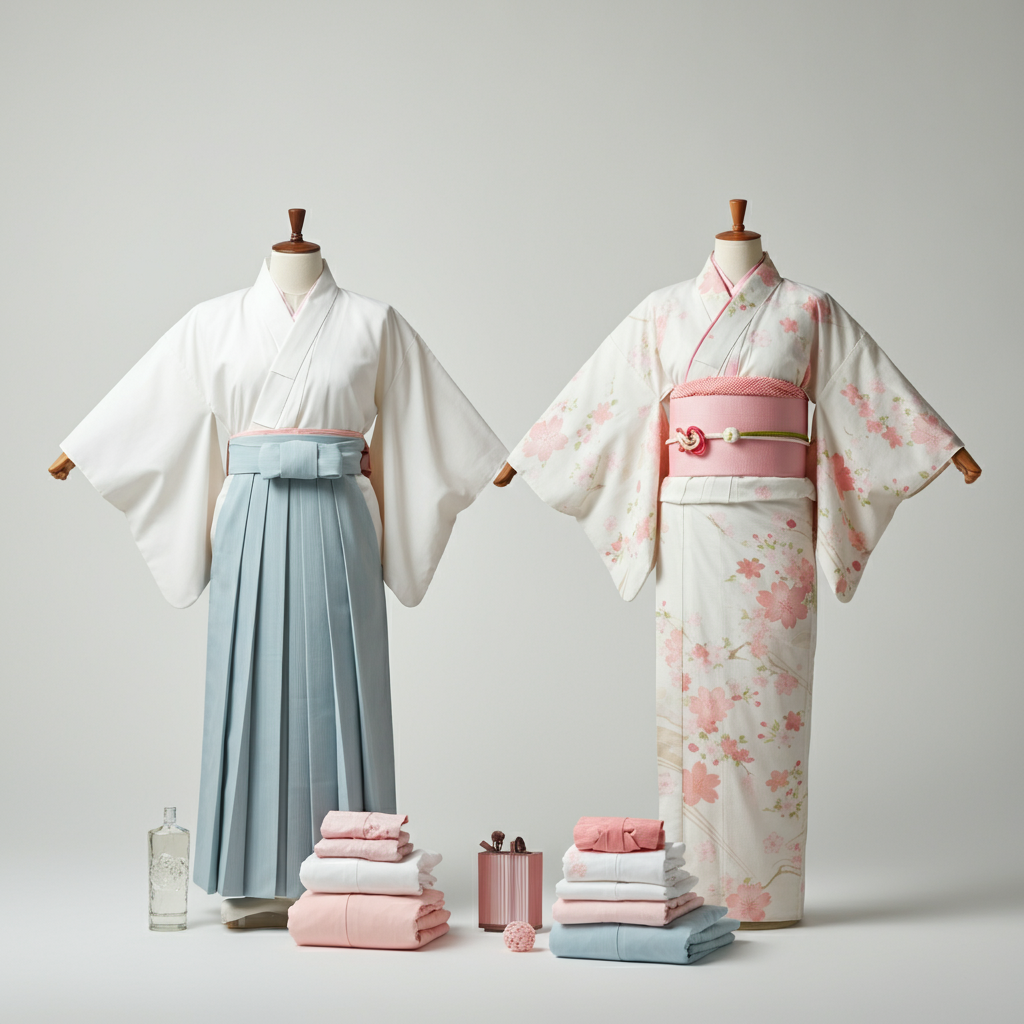
    Formal kimonos are typically made from silk, with elaborate designs often featuring metallic threads or hand-painted details. They’re lined garments designed for formal occasions and cooler weather. Yukatas, conversely, use unlined cotton or synthetic fabrics in bright, bold patterns printed using various dyeing techniques.

    Formality Level

    Think of kimonos as formal evening wear—they’re appropriate for weddings, tea ceremonies, and important cultural events. Yukatas are casual clothing, perfect for summer festivals, casual dining, or lounging at home. You wouldn’t wear a yukata to a formal event, just as you wouldn’t wear a tuxedo to a barbecue.

    Undergarments and Accessories

    Proper kimono wearing requires multiple undergarments, including a special undershirt (hadajuban) and underskirt (susoyoke). Yukatas are much simpler—you can wear them over regular underwear or a thin slip. Kimono accessories include elaborate obi (sash) and various decorative elements, while yukata accessories remain minimal and functional.

    Cost and Accessibility

    Quality kimonos can cost thousands of dollars, making them significant investments often passed down through generations. Yukatas are much more affordable, with decent quality options available for under $75. This accessibility makes yukatas perfect for those wanting to experience Japanese traditional dress without major financial commitment.

    When and Where to Wear a Yukata

    Yukatas have specific appropriate contexts that honor their cultural significance while ensuring you look stylish and respectful.

    Summer Festivals (Matsuri)

    Summer festivals are the yukata’s natural habitat. From July through September, Japanese festivals celebrate everything from local deities to seasonal changes. Wearing a yukata to these events isn’t just appropriate—it’s encouraged. The flowing fabric keeps you cool while the traditional aesthetic enhances the festival atmosphere.

    Popular festivals perfect for yukata wearing include the Gion Matsuri in Kyoto, Tanabata festivals across Japan, and local bon festivals. Many festival-goers coordinate their yukata colors with friends or family members, creating beautiful visual harmony in the crowds.

    Fireworks Displays (Hanabi)

    Japanese fireworks displays are spectacular events that draw millions of viewers each summer. Wearing a yukata to hanabi viewing parties is a cherished tradition that dates back centuries. The combination of colorful yukatas, twinkling fireworks, and warm summer evenings creates magical memories.

    Hot Spring Resorts (Onsen)

    Many onsen resorts provide yukatas as loungewear for guests. After soaking in mineral-rich hot springs, slipping into a soft cotton yukata feels incredibly relaxing. Some guests enjoy wearing these yukatas while exploring resort grounds, dining, or socializing with other visitors.

    Cultural Events and Performances

    Traditional performances like kabuki, bunraku puppet theater, or classical music concerts welcome appropriately dressed audiences. A yukata demonstrates cultural appreciation and adds to the authentic atmosphere these events strive to create.

    Modern Casual Settings

    Contemporary Japan has embraced yukatas in new contexts. Some restaurants encourage yukata dining, especially during summer months. Art galleries, museums, and cultural centers often host yukata-friendly events that blend traditional dress with modern cultural appreciation.

    Essential Tips for Wearing a Yukata

    Wearing a yukata properly requires understanding both the physical techniques and cultural etiquette involved. Follow these tips to look authentic and feel comfortable.

    Choosing the Right Size and Fit

    Unlike Western clothing, yukatas don’t rely on precise measurements. The key is achieving proper length and adjustability through folding techniques. The ideal yukata should be slightly longer than your height, allowing for proper hip adjustment and ankle coverage.

    When trying on a yukata, check that the hem falls between your ankles and mid-calf. Too short looks awkward, while too long creates tripping hazards and spoils the clean lines yukatas are known for.

    Putting On Your Yukata Step-by-Step

    Start by putting your arms through the sleeves and pulling the yukata around your body. The left panel should overlap the right—getting this backwards is a serious cultural error associated with dressing the deceased. Adjust the length by lifting the fabric at your waist and creating a small fold called an “ohashori.”

    Secure the yukata with the obi or sash around your waist. For casual wear, simple bow knots work perfectly, though more elaborate obi tying creates stunning visual effects. The obi should sit comfortably at your natural waist, not too high or too low.

    Selecting Appropriate Accessories

    Traditional yukata accessories enhance both comfort and style. Geta (wooden sandals) are classic footwear choices that provide height and an authentic clicking sound as you walk. For beginners, flat geta or comfortable sandals work better than high platforms. While indoors, many prefer wearing tabi or toe socks for added comfort.

    Consider carrying a small drawstring bag (kinchaku) that complements your yukata’s colors. These traditional purses hold essentials while maintaining the outfit’s historical authenticity. Hair accessories like decorative combs or flowers add elegant finishing touches, especially for longer hairstyles.

    Movement and Posture Tips

    Wearing a yukata affects how you move and sit. Take smaller steps than usual—the narrow hem restricts stride length but creates graceful, deliberate movement. When sitting, gather the back of the yukata beneath you to prevent wrinkles and maintain the garment’s shape.

    Avoid reaching high or making sudden movements that might disturb the careful wrapping. This limitation encourages mindful, composed behavior that aligns with traditional Japanese concepts of grace and dignity.

    Cultural Significance and Etiquette

    Understanding yukata etiquette shows respect for Japanese culture and ensures you wear this traditional garment appropriately.

    Color and Pattern Meanings

    Yukata patterns carry symbolic meanings that add depth to your clothing choice. Cherry blossoms represent the fleeting nature of beauty, while chrysanthemums symbolize longevity and nobility. Goldfish patterns evoke summer coolness, and geometric designs often represent family crests or regional identities.

    Darker colors suit evening events, while lighter, brighter patterns work well for daytime activities. Subtle patterns show sophistication, while bold designs express youthful energy and celebration.

    Seasonal Appropriateness

    Yukatas are specifically summer garments, typically worn from June through September in Japan. Wearing one during winter months or spring cherry blossom season would seem odd to Japanese observers. Respect these seasonal boundaries to demonstrate cultural understanding. Throughout the West, people wear them year round for comfort and to relax.

    Respectful Wearing Practices

    Never wear a yukata to solemn occasions like funerals or formal business meetings. These garments represent leisure, celebration, and relaxation—contexts that would be inappropriate for serious formal events.

    Always ensure the left panel overlaps the right when wrapping your yukata. This seemingly small detail carries significant cultural weight, and getting it wrong can be deeply offensive to Japanese observers.

    Modern Yukata Culture

    Today’s yukata culture blends traditional elements with contemporary innovation, creating new opportunities for cultural engagement and personal expression. Yukata popularity has spread globally, with enthusiasts worldwide participating in Japanese cultural events and festivals. This international appreciation helps preserve traditional crafts while creating new markets for skilled artisans.

    Fashion designers have also drawn inspiration from yukata silhouettes, creating fusion garments that blend Japanese aesthetics with international style preferences. These adaptations help introduce wider audiences to Japanese culture through familiar fashion contexts.

    If you are seeking to buy a Kimono or Yukata, check out the fine selection of robes at Kimono Shop. Kimono Shop has been a leading online provider of authentic Japanese robes for over 30 years. Shop with confidence in your home or office. Their online Kimono Shop is open 24 hours a day. Shipping is quick, and most orders ship within one business day. Kimono Shop is a US-based company and ships from Northwest Florida. No need to worry about tariffs, customs duties, or import fees. Kimono Shop takes care of that for your added convenience and value.

  • The History of the Kimono and Yukata

    The Evolution of Japanese Garments Through Time

    Over the centuries, both kimonos and yukatas have evolved to keep up with Japan’s changing cultural identity. The Meiji Restoration (1868–1912) marked Japan’s rapid modernization and exposure to Western fashion, impacting how traditional clothing was worn. Western suits gained popularity in the workplace, while the kimono transitioned into an outfit reserved for ceremonies and special occasions.

    During the Taisho period (1912–1926), kimono designs embraced new artistic styles influenced by Art Deco. Bright colors and bold patterns reflected the youth culture of the time, blending old traditions with new inspirations.

    The yukata, on the other hand, became a staple for summer festivals and leisure. Its simplicity and comfort meant it remained widely used, especially as Westernization required fewer formal outfits in daily life.

    Modern-Day Kimono and Yukata

    Fast forward to today, and both garments remain beloved symbols of Japanese heritage and craftsmanship. Despite their decline in daily wear, their cultural significance has kept them alive in modern Japan and on the global stage.

    The Kimono in Modern Fashion

    Luxury kimono tailoring is still highly respected, with artisans spending months crafting a single piece. Designers such as Issey Miyake and Hanae Mori have incorporated traditional kimono elements into contemporary fashion, bringing the aesthetic to haute couture. Additionally, kimonos are featured prominently in Japanese weddings, tea ceremonies, and as a way to mark coming-of-age celebrations.

    Internationally, the kimono has gained attention as a fashion statement, often worn as a jacket over casual clothes or as part of a fusion outfit. However, the cultural appropriation of this garment has sparked conversations about respecting its heritage when used outside of Japan.

    The Yukata Today

    The yukata is still widely embraced for casual and semi-formal occasions, especially during summer festivals like the Hanabi Taikai (fireworks festivals) or when visiting traditional inns (ryokan). Many young people enjoy choosing colorful yukatas, often pairing them with geta (wooden sandals) and decorative hairpins for a vibrant, playful look.

    Notably, yukatas have experienced a resurgence due to their lightweight design and affordability, appealing to tourists who wish to participate in Japanese cultural traditions.

    Why the Kimono and Yukata Matter Today

    The kimono and yukata represent more than just fashion—they are wearable stories of Japan’s past, present, and future. They showcase the artistry of Japanese textile makers, the symbolism of its patterns, and the adaptability of traditional culture in a globalized world.

    Whether worn during festivals, preserved in museums, or reimagined on runways, these garments endure as a testament to Japan’s dedication to art, elegance, and cultural identity. For those fortunate enough to wear them today, the kimono and yukata continue to connect individuals to the beauty and history of Japan.

  • The Future of Kimonos and Yukatas

    Timeless, elegant, and inherently Japanese, kimonos and yukatas have captured the imagination of fashion enthusiasts worldwide for centuries. While they remain symbols of Japanese heritage, these traditional garments are evolving in response to global trends, technological advancements, and the push for sustainable fashion. The question is no longer whether kimonos and yukatas can adapt, but how they will redefine themselves in a world that seems to move faster every day.

    This article dives into the future of kimonos and yukatas, analyzing how cultural preservation, modern adaptation, and international influence are reshaping the essence of these iconic garments.

    A Heritage Worth Preserving

    Kimonos and yukatas have historically held unique positions within Japanese society. Kimonos are often associated with formal ceremonies, weddings, and tea rituals, while yukatas serve as lightweight, casual wear ideal for summer festivals. Beyond functionality, these pieces represent craftsmanship, storytelling, and family heritage, passed down through generations.

    However, preserving these traditions is not without challenges. The artisan industry supporting these garments has seen significant decline over the years due to a combination of aging craftspeople, rising materials costs, and diminished everyday use in Japan. Yet, there is hope on the horizon. Institutions and cultural advocates are working to document the techniques used in textile production and kimono design, ensuring these skills are not lost.

    At the same time, brands specializing in traditional Japanese clothing have begun leveraging digital storytelling to reach younger generations. Campaigns that highlight the beauty and legacy of kimonos resonate with both local audiences and international admirers of Japanese culture, opening avenues for preservation through education and commerce.

    The Modern Makeover

    While the essence of kimonos and yukatas lies in their traditions, their modern iterations are stepping into uncharted territory. Today, contemporary designers are deconstructing and reinterpreting these garments for the global marketplace.

    Key elements such as obi belts or signature floral motifs are being incorporated into ready-to-wear pieces like dresses, jackets, and trousers, offering a fusion of East and West. Collaborations with international designers have also added an exciting twist—think streetwear infused with kimono-inspired silhouettes and diverse fabrications.

    The rise of customization has played a major role in making these garments more appealing to younger audiences. Modern technology, including digital embroidery and 3-D printing, allows consumers to personalize designs while maintaining the spirit of the traditional garment. This trend of blending heritage with individuality has struck a chord in the era of self-expression.

    Technology as a Catalyst

    Technological advancements have permeated every sector, and traditional clothing is no exception. The revival of kimonos and yukatas owes much to technologies that have made their production accessible and their appeal global.

    For one, e-commerce platforms are expanding the reach of Japanese fashion designers beyond geographical boundaries. Brands and artisans are now marketing their creations directly to consumers in Europe, the Americas, and beyond, bypassing the need for brick-and-mortar stores.

    3-D design software is another game-changer, allowing designers to experiment with innovative patterns and non-traditional textiles while optimizing waste reduction. Meanwhile, augmented reality (AR) apps are enabling customers to visualize how different kimonos or yukatas might look on them before making a purchase, offering a modern shopping experience aligned with convenience-driven consumer behavior.

    Sustainability and Ethical Fashion

    The global fashion industry’s shift toward sustainability has also influenced the trajectory of kimonos and yukatas. Fast fashion has never been compatible with the meticulous craftsmanship these garments require—a factor positioning kimonos as a natural fit for slow fashion movements.

    Artisans are increasingly opting for organic and locally sourced materials, while upcycling and recycling kimono fabrics into accessories or modern clothing pieces are also gaining traction. Some initiatives aim to integrate traditional dyeing techniques with sustainable practices. These changes not only make a compelling case for the environmental benefits of choosing a handmade kimono but also preserve centuries-old fabric-making traditions.

    The Role of Younger Generations

    A surprising factor in the resurgence of kimonos and yukatas is the involvement of younger Japanese generations. Rather than dismissing these garments as relics of the past, many young people are reviving old traditions and wearing kimonos or yukatas in fresh and unexpected ways.

    Social media platforms such as Instagram and TikTok are proving instrumental in this trend. Influencers and enthusiasts are showcasing colorful, modern arrangements of kimonos paired with statement accessories like boots or sneakers. This wave of creativity not only keeps kimono culture alive but also makes it relatable to a new demographic.

    Additionally, the international community’s growing interest in Japanese culture—spurred by anime, festivals, and tourism—has amplified appreciation for traditional clothing. Whether worn for cosplay, weddings, or cultural exchange, kimonos and yukatas are finding their way into wardrobes around the world.

    What Lies Ahead

    Looking forward, the future of kimonos and yukatas appears both vibrant and promising. The growing movement to preserve traditions, combined with modern technology and sustainable practices, positions these garments for a renaissance in global fashion.

    We might see increases in wearable tech seamlessly integrated into kimonos to make them more functional or temperature-adaptive. Cross-industry collaborations could introduce kimonos to high-tech fashion shows, further showcasing their versatility.

    Perhaps most importantly, kimonos are poised to remain symbols of cultural dialogue, bridging Japan’s heritage with the global innovation landscape. The blending of tradition and reinvention will ensure that kimonos and yukatas continue to captivate future generations.

    If these garments represent Japan’s past, they also hold the key to its sartorial future—an enduring legacy that evolves, one thread at a time.

  • Seasonal Trends: What’s Hot This Season? Happi Coat Robes!

    This season, one classic yet versatile garment is making waves in the fashion world — the Happi Coat. A shorter-length version of the traditional kimono or yukata, Happi Coats are effortlessly stylish, lightweight, and perfect for a range of occasions. At Kimono Shop, we’re proud to offer a curated selection of these timeless beauties, blending cultural heritage with modern appeal. Whether you’re looking for something traditional or trendy, Happi Coats are a must-have addition to your wardrobe this season.

    The Timeless Appeal of Happi Coats

    Happi Coats hold deep cultural significance in Japanese fashion and history. Originally used by festival workers and traditional artisans, these coats were designed for practicality but soon became a symbol of respect and unity. Their short length, vibrant designs, and unique patterns made them a beloved garment for celebratory occasions and everyday wear alike.

    Today, Happi Coats have evolved into a global trend, thanks to their mix of comfort and style. Their blend of heritage artistry and modern tailoring turns every outfit into a conversation starter, seamlessly incorporating an authentic cultural touch into contemporary wardrobes.

    Why Happi Coats Are Trending This Season

    Here are a few reasons why Happi Coats are dominating style trends right now:

    1. Versatile Styling Options

      • Dress up or down! Happi Coats pair beautifully with jeans and a simple tee for an effortlessly chic, casual look. Alternatively, layer them over a sleek black dress for an elegant statement.
      • They’re also perfect for lounging at home, offering both comfort and visual flair.

    2. Season-Friendly Fabrics

      • Happi Coats are typically crafted from lightweight, breathable materials, such as cotton or linen. These fabrics are ideal for transitioning wardrobes through warm summer evenings and the breezy early days of fall.

    3. Bold Prints and Designs

      • This season celebrates vibrant hues and bold prints, and Happi Coats delivers just that. From intricate floral arrangements to geometric patterns, they allow wearers to showcase their individuality while nodding to traditional Japanese aesthetics.

    4. Cultural Appreciation Meets Modern Fashion

      • With growing interest in mindful purchasing and culturally significant pieces, Happi Coats are more than just garments — they’re a way to celebrate diversity through fashion.

    Styling Your Happi Coat Perfectly

    Not sure how to make the Happi Coat work for you? Here are some styling ideas:

    • Casual Chic: Pair a floral Happi Coat with distressed jeans, a basic white t-shirt, and sneakers for a laid-back weekend look.
    • Boho Elegance: Layer a lightweight Happi Coat over a neutral maxi dress with strappy sandals and minimalist gold jewelry.
    • Work-Appropriate: Choose a subtle patterned Happi Coat to wear over a fitted top and tailored trousers for a modern, polished office outfit.
    • Evening Glamour: Opt for a rich, dramatic color like deep navy or crimson, and layer your Happi Coat over a classic little black dress.

    The possibilities are endless, which is why they’re quickly becoming a wardrobe essential!

    Why KimonoShop.com’s Happi Coats Stand Out

    At Kimono Shop, we pride ourselves on offering a carefully curated selection of Happi Coats that celebrate the artistry and heritage behind these beautiful garments. Here’s why shopping for your Happi Coat at Kimono Shop is the best choice:

    • Wide Variety: We carry Happi Coats in countless designs, from traditional motifs to contemporary patterns, ensuring there’s something for every personal style.
    • Premium Quality: Each Happi Coat is crafted from high-quality fabrics, ensuring you get durability and comfort with every wear.
    • Uniqueness You’ll Love: Many of our designs are exclusive to Kimono Shop, meaning you’ll find one-of-a-kind pieces that stand out from the crowd.
    • Cultural Integrity: We honor the cultural roots of Happi Coats by sourcing authentic designs inspired by Japanese traditions.

    When you shop at Kimono Shop, you’re not just purchasing a garment — you’re investing in a piece of history, carefully tailored for today’s style aficionados.

    Explore the Trend Today!

    There’s no better time to add a Happi Coat to your wardrobe than now. Its versatility, cultural significance, and contemporary appeal make it a standout choice for any season. From casual outings to elegant evenings, these coats epitomize functional fashion.

    Discover the perfect Happi Coat for your style by exploring our extensive collection at Kimono Shop.com. Make this season your most stylish yet with timeless pieces that speak volumes. Start shopping today and see why Happi Coats are this season’s hottest trend!

  • Exclusive Kimono Deals and How to Get Them

    For over 30 years, Kimono Shop has been a trusted name in the online kimono market, providing high-quality and authentic kimonos since 1994. Whether you’re a first-time shopper or a loyal customer, there’s always a way to save money while enjoying some of the most elegant and traditional Japanese attire. With exclusive deals and insider tips, we’re here to help you make the most of your Kimono Shop shopping experience.

    How to Unlock Exclusive Deals at Kimono Shop

    Finding the best deals doesn’t have to be challenging. Below are practical ways to save money while shopping at Kimono Shop without compromising quality or authenticity.

    1. Sign Up for Kimono Shop’s Newsletter

    Want to be the first to know about exclusive discounts and promotions? Join Kimono Shop’s email newsletter to stay updated on sales, limited-time deals, and new product arrivals. Subscribers often receive early access to seasonal discounts and special offers that aren’t always available to the public. Your email address is NEVER sold or redistributed and you can opt-out at anytime.

    • Why It’s Worth It: Exclusive newsletter discounts are a direct way to get savings.
    • Pro Tip: Use the welcome discount often provided to new subscribers for added savings on your first purchase.

    2. Keep an Eye on Seasonal Sales

    Kimono Shop frequently offers significant price drops during seasonal sales. From spring promotions to holiday sales, these events are the perfect opportunity to snag high-quality kimonos at discounted rates.

    • Key Times to Shop:
      • End-of-year Holiday Sales
      • Back-to-School Promotions in Fall
      • New Year Clearance Events
    • Pro Tip: Bookmark the sale section on Kimono Shop’s website to check for updates during these key sale periods.

    3. Follow Kimono Shop on Social Media

    Never underestimate the power of social media. Kimono Shop regularly updates its followers on flash sales, giveaways, and discount codes across Facebook, Instagram, and Twitter. By following us, you’ll gain insider access to some of our most exclusive promotions.

    • Pro Tip: Turn on notifications for Kimono Shop’s posts to avoid missing limited-time offers.

    4. Shop Bundles and Sets

    Kimono Shop offers a variety of bundle deals that include FREE shipping on multiple items at a discounted price. Whether it’s matching obi belts or complementary accessories to complete your kimono look, bundle options are a great way to save money while completing your collection.

    • How It Helps: Accessories can be an additional but necessary expense when buying kimonos, and bundles save both time and money.

    5. Check the Clearance Section

    Kimono Shop’s clearance section is a goldmine for bargain hunters. This dedicated section includes styles and sizes marked down for final sale, allowing you to pick up premium kimonos at incredible prices. These deals often sell out quickly.

    • Pro Tip: Stock rotates frequently, so check back often to find hidden gems.

    6. Use Free Shipping Promotions

    Kimono Shop occasionally offers free shipping promotions for orders over a certain amount. By meeting the minimum threshold, you can save significantly on delivery costs.

    • Pro Tip: Collaborate with friends or family to place your orders together and reach the free shipping minimum.

    Why Shop with Kimono Shop?

    Unlike many competitors in the market, Kimono Shop brings decades of experience and a steadfast commitment to quality. Here’s what you can expect when you choose Kimono Shop for your kimono needs:

    • Authenticity: All our kimonos are crafted to preserve the traditional essence and beauty of Japanese culture.
    • Longevity: With over 30 years of expertise, we don’t just sell kimonos—we provide an unmatched shopping experience.
    • Exceptional Customer Service: From sizing guidance to post-purchase support, we’re here to make your buying process seamless and enjoyable.

    By shopping with Kimono Shop, you’re not just buying a piece of clothing; you’re investing in authenticity and tradition.

    Final Thoughts

    Saving money while shopping at Kimono Shop doesn’t have to be a mystery. By taking advantage of these exclusive tips—whether through newsletters, seasonal sales, or social media—you’ll not only save money but also elevate your wardrobe with high-quality Japanese kimonos.

    Why wait? Start exploring Kimono Shop’s collection today and unlock a range of elegant kimonos tailored for every occasion!

  • Why We’re Minimizing Our Reliance on USPS for Deliveries

    When it comes to your orders, ensuring fast and reliable delivery is one of our greatest responsibilities. After all, modern customers deserve convenience, predictability, and a seamless experience. Over the years, USPS (United States Postal Service) has been an integral part of logistics for countless businesses, including ours. However, challenges such as increasing unpredictability and delivery delays have prompted us to reevaluate our approach.

    We want to share why we’ve made the decision to minimize reliance on USPS and how we’re investing in alternative solutions to serve you better.

    Understanding the Challenges with USPS

    USPS has long played an important role in connecting businesses with customers and facilitating commerce. But in recent years, several factors have complicated its ability to deliver consistent service.

    1. Unpredictable Service Times

    Delivery schedules have become less reliable due to increasing volumes of mail, limited resources, and operational inefficiencies. Whether it’s delays in handling packages or fluctuating delivery times, customers often face uncertainty about when their orders will arrive.

    2. Delivery Delays During Peak Periods

    High-demand seasons, such as holidays, frequently overwhelm USPS infrastructure. While delays around these times were once tolerable, recent years have brought lengthier disruptions, stretched timelines, and sometimes even misplaced packages.

    3. System Constraints

    USPS operates within strict federal guidelines, coupled with budget and staffing challenges. While they’ve worked hard to address these issues, it hasn’t been enough to fully align with the efficiency standards modern businesses and customers expect.

    4. Impact on Customer Experience

    These ongoing delivery challenges can create frustration for customers. Timely delivery is critical for many purchases, and disruptions can directly impact satisfaction and trust. We understand that waiting for a delayed package is never a good experience.

    Our Commitment to Better Delivery Services

    While it’s important to acknowledge USPS’s historic contributions to U.S. commerce, our priority remains focused on you—our valued customer. To ensure that your experience with us is smooth and dependable, we’re implementing new delivery solutions designed around speed and reliability. Here’s how we’re making it happen.

    1. Diversifying Our Shipping Partners

    We’re expanding our network of logistics partners to include private shipping providers known for efficiency and customer-first policies. Partners like FedEx, UPS, and regional couriers offer enhanced tracking, faster shipping times, and fewer service interruptions. By broadening our delivery network, we reduce dependency on a single carrier, creating a more resilient logistics strategy.

    2. Investing in Advanced Tracking Technology

    Customers deserve transparency when it comes to their orders. We’re adopting advanced tracking solutions that provide updates, so you can always know where your package is and when to expect it. This technology minimizes uncertainty and strengthens trust.

    3. Establishing Regional Fulfillment Centers

    To speed up the process of delivering orders, we’re creating regional fulfillment hubs strategically located close to high-demand areas. With orders shipped from nearby warehouses, transit times decrease, and delivery reliability improves dramatically.

    4. Expedited Shipping Options

    For customers needing rapid delivery, we offer express shipping options through high-performance carriers. Whether you need your order in two days or overnight, we’ll ensure it gets to you quickly.

    5. Listening to Customer Feedback

    Your input is invaluable in shaping our logistics strategies. We actively monitor your comments and reviews about delivery experiences to understand what’s working and what we can improve.

    Recognizing the Challenges USPS Faces

    It’s essential to approach this decision with empathy. USPS operates under immense pressure, serving not just businesses but millions of households daily. Their service spans rural communities and hard-to-reach areas, often delivering where private carriers do not. These responsibilities come with unique logistical hurdles and constraints.

    The hardworking individuals behind USPS deserve recognition for their efforts, even when facing resource limitations and external challenges. While our business model requires a shift toward more responsive solutions, we respect their role in maintaining essential services for the country.

    What This Means for You

    Going forward, you can expect smoother, faster, and more predictable deliveries when you place an order with us. Our investments in diversified carriers, technology, and localized centers are all aimed at enhancing your experience. Whether it’s better tracking, shorter waiting times, or minimized delivery uncertainty, each change is about exceeding customer expectations.

    We believe that better logistics translate into a stronger relationship with our customers. If you have questions about this change or need assistance with your order, our customer service team is always here to help.

    Looking Ahead Together

    Delivering value starts with delivering your orders, and you deserve nothing less than reliability and efficiency. While we continue to adjust our logistics approach, our mission remains unchanged—to provide you with the best possible service, every single time.

    Minimizing our reliance on USPS is a step toward that promise. We’re committed to bringing you a delivery experience that matches the quality of our products and the trust you place in us. Together, we’ll keep raising the bar for what exceptional service truly looks like.