Tag: kimono yukata

  • Refresh Your Routine: The Timeless Beauty of Spring Kimonos

    As the final frost melts away and the first buds of green begin to break through the soil, there is a natural desire to shed the heaviness of winter. We pack away the thick wool blankets and bulky sweaters, eager for something that reflects the awakening world outside. Spring is a season of renewal, and this sense of rejuvenation should extend into our homes and, more importantly, our wardrobes.

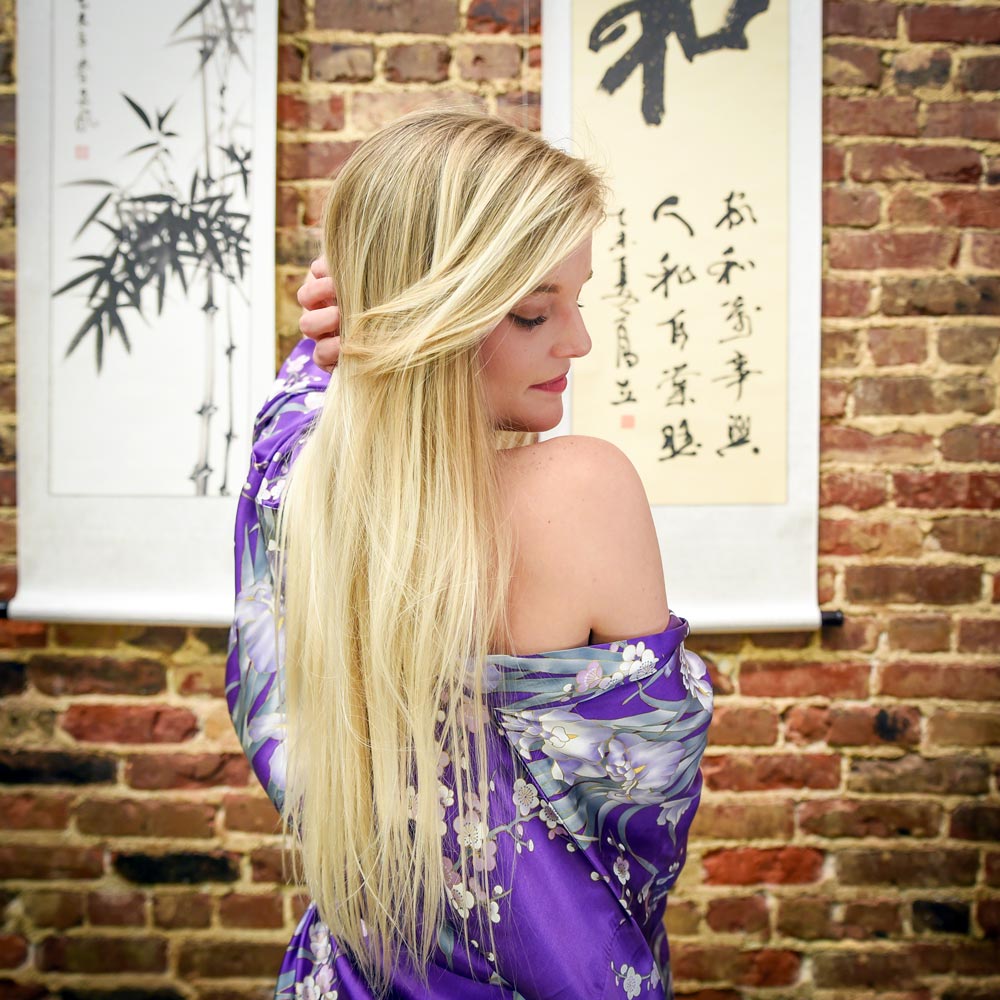
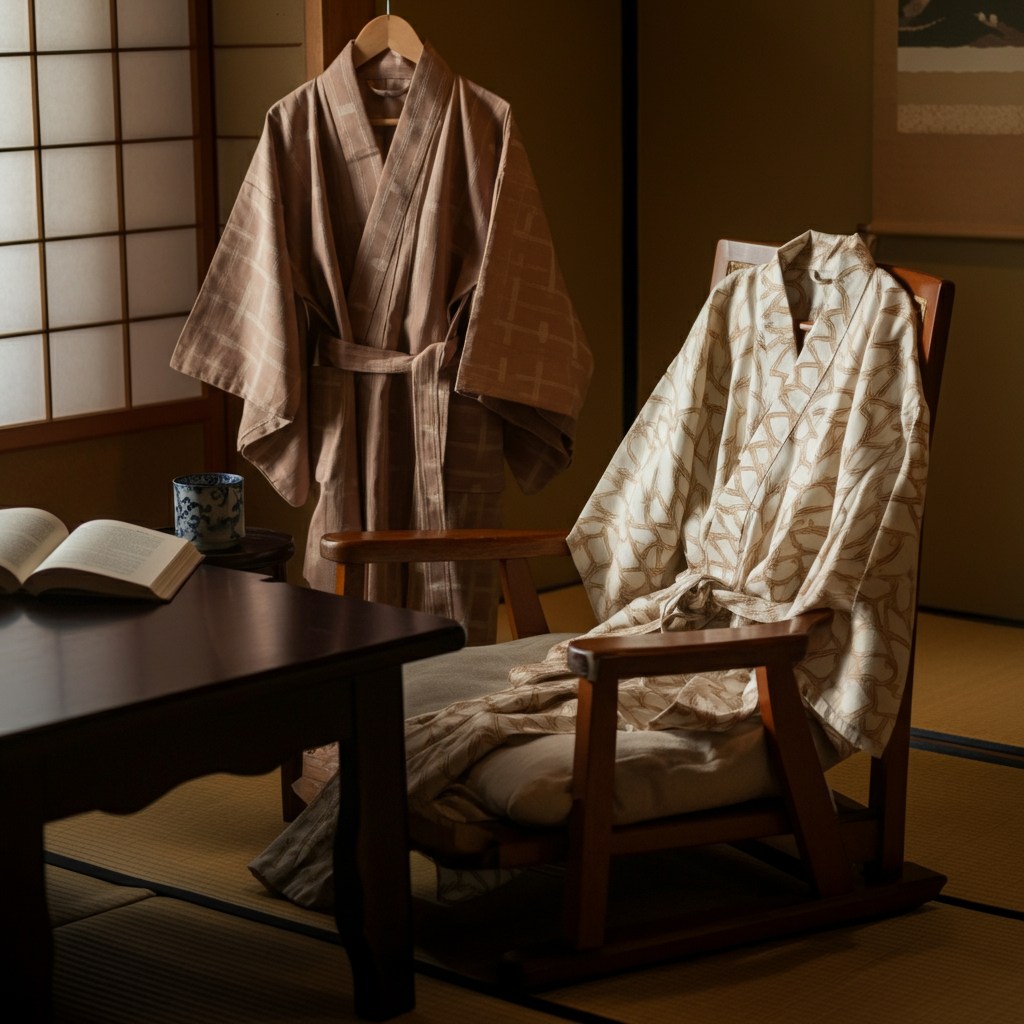
    Loungewear has evolved significantly in recent years. We no longer need to choose between comfort and style; we can insist on having both. This spring, consider stepping away from the routine of tired sweatpants and embracing the refined elegance of a traditional Japanese kimono or a breezy yukata. There is a profound difference in how you feel when you wrap yourself in a garment that carries a legacy of craftsmanship. It isn’t just about covering up; it is about adorning yourself in a piece of art that invites a sense of grace into your daily rituals.

    The Appeal of Kimonos and Yukatas for Loungewear

    There is a quiet dignity in wearing a kimono. Unlike modern fast fashion, which often prioritizes speed over substance, these garments are steeped in tradition. When you slip one on, you are participating in a history of artistry that values the wearer’s comfort and dignity.

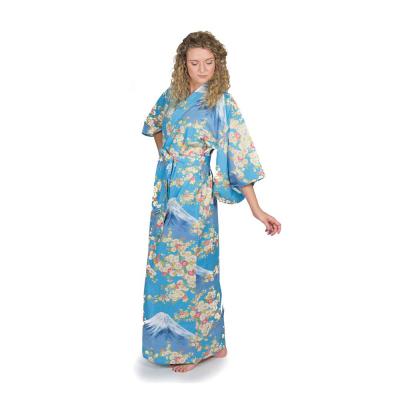
    For loungewear, the appeal lies in the silhouette. The open, wrap-style design offers unrestricted movement, allowing you to breathe freely and relax completely. Yet, the structure of the collar and the sweep of the sleeves maintain a level of sophistication that few other garments can match. Whether you are enjoying a slow morning coffee or winding down with a book in the evening, a kimono transforms a mundane moment into a special occasion. You aren’t just wearing clothes; you are wearing a story, a tradition, and a piece of craftsmanship that has been carefully selected to bring joy to your everyday life.

    Choosing Your Style: From Vibrant Florals to Minimalist Designs

    One of the most delightful aspects of selecting a kimono or yukata is the sheer variety of visual storytelling available. Spring offers the perfect palette to experiment with.

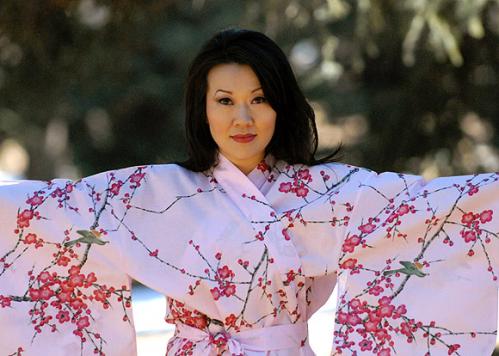
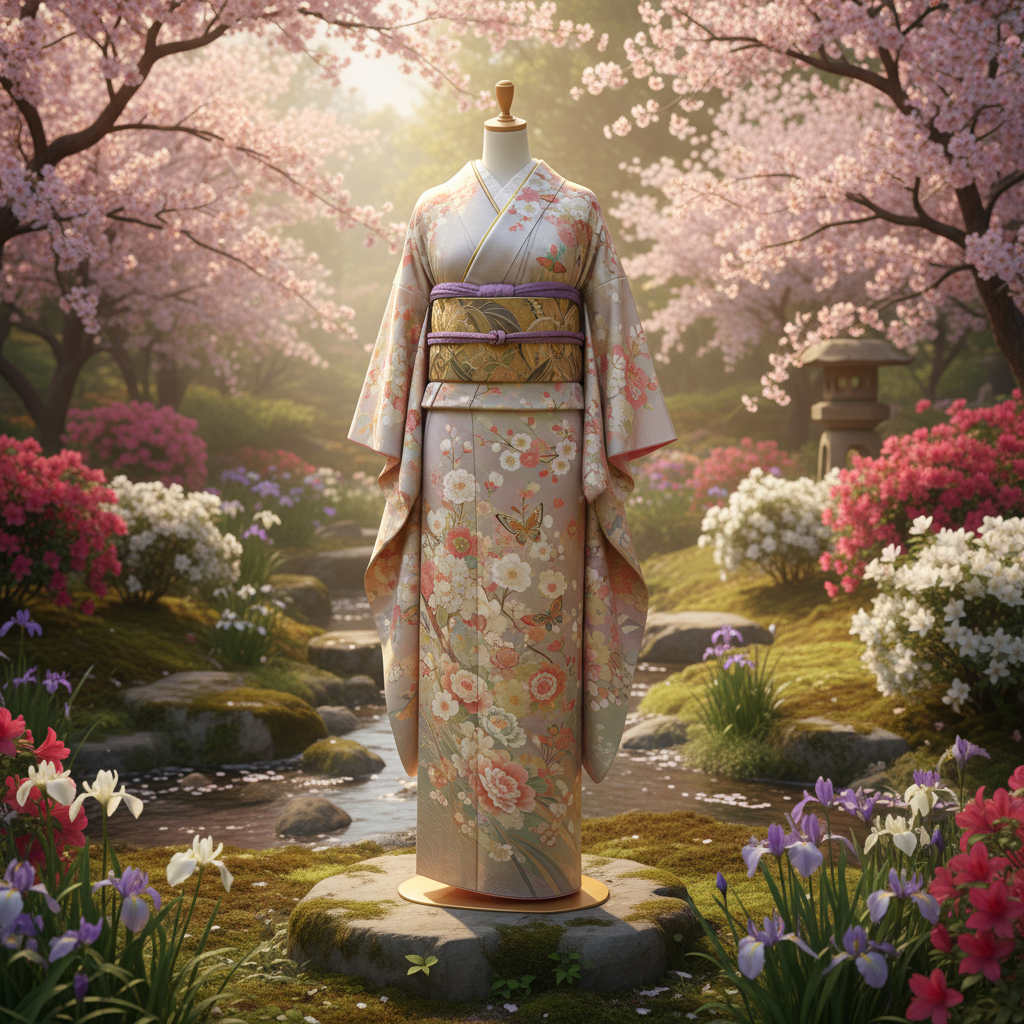
    For those who wish to mirror the blooming gardens outside, designs featuring vibrant florals are a breathtaking choice. Patterns of cherry blossoms (sakura), peonies, or wisteria don’t just add color; they symbolize the fleeting beauty of nature and the optimism of the season. Wearing these motifs can feel like a celebration of life itself.

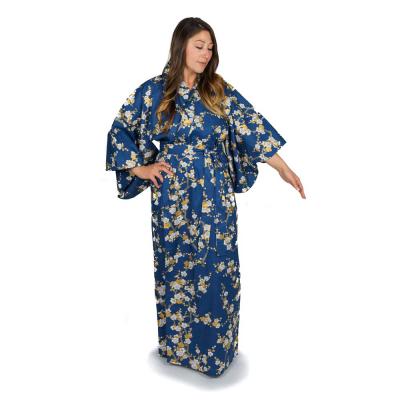
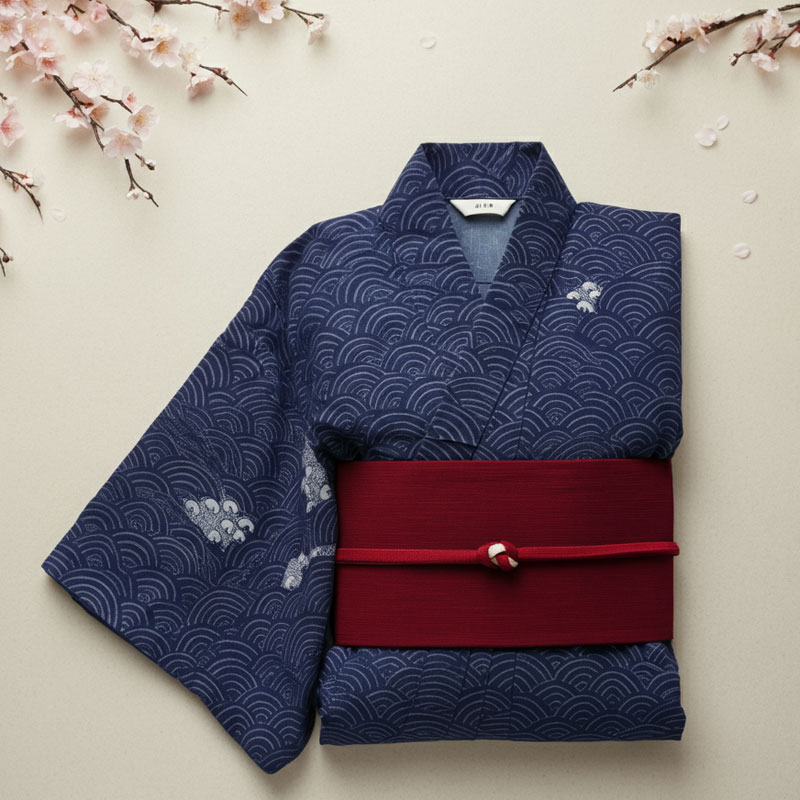
    On the other hand, you might find peace in simplicity. Minimalist designs, featuring geometric patterns or subtle, solid hues like indigo, sage, or soft lavender, offer a calming aesthetic. These styles speak to a refined taste that values the texture of the fabric and the precision of the cut over bold statements. Whichever path you choose, the garment becomes a reflection of your inner landscape, allowing you to express your personality within the sanctity of your own home.

    Why Lightweight Fabrics are Perfect for the Season

    As the days grow longer and the air turns milder, the heavy fabrics of winter become stifling. This is where the yukata—a casual, unlined summer kimono made of cotton—truly shines. Originally worn as a bathrobe in traditional Japanese inns, the yukata is the epitome of breathable comfort.

    The cotton fabric is crisp, cool, and absorbent, making it ideal for the fluctuating temperatures of spring. It feels gentle against the skin, offering coverage without weight. For a touch more luxury, you might opt for a silk or satin-blend kimono. These fabrics glide over the skin like water, regulating your body temperature while providing a tactile experience of pure indulgence.

    The quality of these fabrics is paramount. When you choose a garment made with care, you can feel the difference in every thread. It is durable yet delicate, meant to be worn and loved for years, becoming softer and more personal with every wash.

    Uplifting Your At-Home Style

    Spring is the perfect invitation to refresh your perspective. By inviting a kimono or yukata into your wardrobe, you are choosing to elevate the moments that happen behind closed doors. You are choosing to treat yourself with the same respect and care that you show the world outside.

    Whether you are drawn to the vibrant energy of floral patterns or the serene elegance of minimalist cotton, these garments offer a unique blend of comfort and tradition. Embrace the season of renewal by wrapping yourself in a legacy of excellence. You deserve to feel beautiful, comfortable, and elegant, every single day.
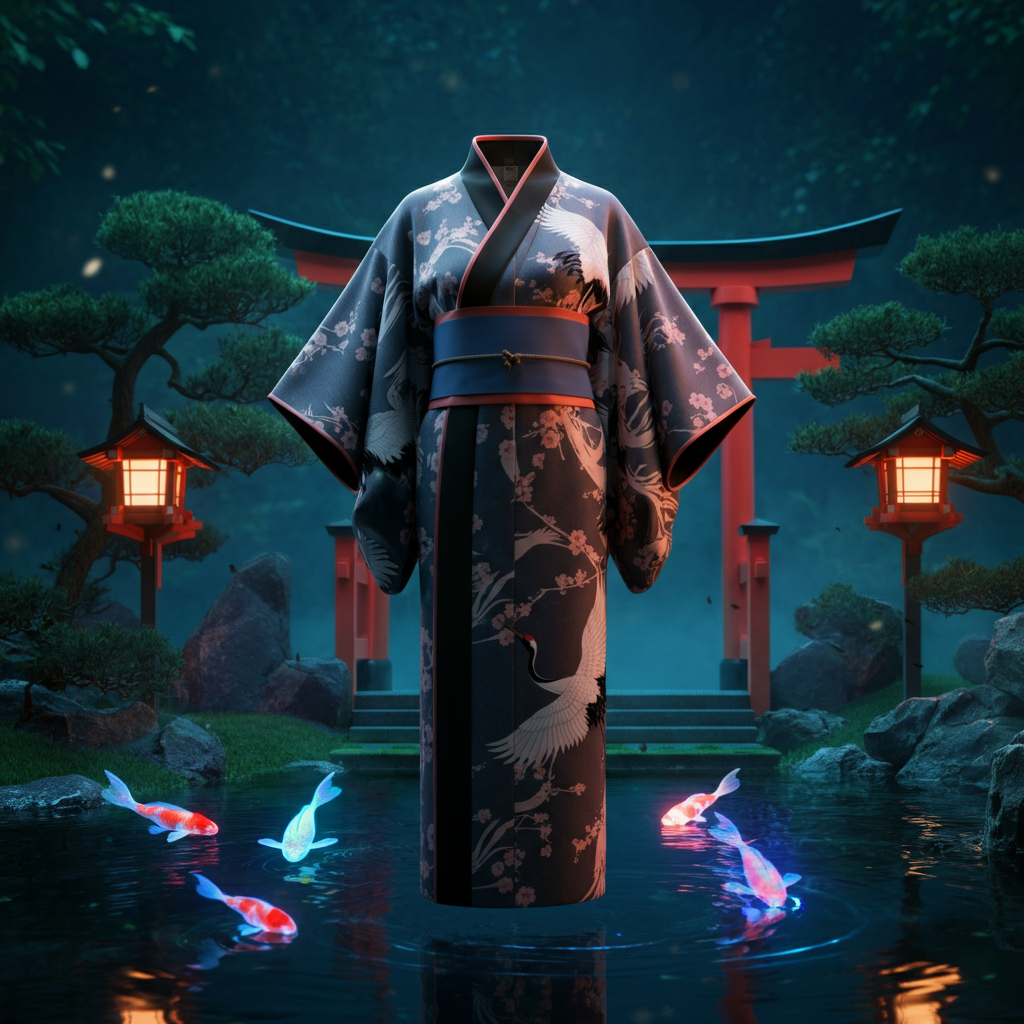
  • The Timeless Beauty of Kimonos: A Guide to History & Care

    Imagine wrapping yourself in a garment that speaks without words. It tells a story of seasons, of meticulous artistry, and of centuries-old tradition. The kimono is not merely clothing; it is a canvas of Japanese culture, worn with grace and preserved with love. Whether you are a long-time admirer of Japanese aesthetics or a newcomer captivated by the silken folds, understanding the depth behind the kimono transforms the experience of wearing one.

    In this guide, we explore the rich tapestry of history woven into every thread, the dedication of the artisans who create them, and practical advice on how to select and care for your very own piece of wearable art.

    More Than Fabric: The Soul of the Kimono

    The word kimono literally translates to “thing to wear,” but its simplicity in name belies its complexity in significance. For over a thousand years, the kimono has evolved from a practical undergarment during the Heian period (794–1185) to the sophisticated outer robe we recognize today.

    It is a garment that rejects the Western concept of tailoring to fit the body’s curves. Instead, the kimono is cut from a single bolt of fabric, or tanmono, in straight lines. The beauty lies in how it wraps the wearer, creating a uniform, cylindrical silhouette that emphasizes posture and grace. This design philosophy reflects a cultural appreciation for flat planes of fabric, which serve as uninterrupted surfaces for breathtaking artistic expression.

    The Artisan’s Touch

    True luxury lies in the details you cannot rush. The creation of a traditional kimono is a labor of love that involves a symphony of specialized craftsmen.

    • Dyers (Some-shi): Using techniques like Yuzen, artisans hand-paint intricate designs directly onto the silk, resisting dyes with rice paste to create crisp, vibrant patterns that look like paintings.
    • Weavers (Ori-shi): In styles like Oshima Tsumugi, the pattern is dyed into the threads before weaving. The weaver must align each thread with microscopic precision to reveal the image—a process that can take months for a single roll of fabric.
    • Embroiderers (Nui-haku): To add texture and opulence, gold and silver threads are often embroidered over the dyed patterns, catching the light with every movement.

    When you purchase a quality kimono, you are supporting a lineage of skills passed down through generations.

    Decoding the Occasion: When to Wear What

    One of the most intimidating aspects for newcomers is the strict code of formality surrounding kimonos. The type of kimono you wear communicates your age, marital status, and the formality of the event. Wearing the right kimono shows respect for the host and the occasion.

    The Furisode: Youthful Vibrance

    Recognizable by its long, flowing sleeves that can touch the ground, the Furisode is the most formal kimono for unmarried women. It is vibrant, often featuring bold, sweeping patterns across the entire garment. You will typically see these at Coming of Age Day ceremonies (Seijin no Hi) or weddings.

    The Tomesode: Elegant Maturity

    For married women, the Tomesode is the pinnacle of formality. The Kuro-tomesode (black base) is worn by mothers of the bride or groom at weddings. It features five family crests (kamon) and an elegant pattern that appears only below the waist, symbolizing a humble yet dignified presence.

    The Houmongi: Social Grace

    Translating to “visiting wear,” the Houmongi is a versatile semi-formal kimono suitable for both married and unmarried women. The pattern flows continuously over the seams across the shoulders and sleeves. It is the perfect choice for tea ceremonies, friends’ weddings, or high-end parties.

    The Yukata: Casual Comfort

    In the heat of summer, the silk is swapped for cotton. The Yukata is the most accessible entry point into the world of kimono. Originally a bathrobe, it is now the standard attire for summer festivals (matsuri) and firework displays. It is casual, comfortable, and fun to accessorize.

    Choosing Your Perfect Kimono

    Selecting a kimono is a personal journey. While rules exist, your connection to the garment matters most. Here is how to find the one that speaks to you.

    1. Let the Season Guide You

    Japanese culture places immense importance on the changing seasons. Your kimono should reflect the time of year, often anticipating the coming season rather than the current one.

    • Spring: Look for cherry blossoms (sakura), peonies, or butterflies in soft pastels.
    • Summer: Choose lightweight weaves like ro or sha featuring water motifs, goldfish, or hydrangeas to evoke coolness.
    • Autumn: Rich hues of orange and brown with maple leaves, chrysanthemums, or bush clover are traditional.
    • Winter: Pines, bamboo, and plum blossoms (the “Three Friends of Winter”) are classic motifs, often on heavier, lined silk (awase).

    2. Consider the Height and Size

    While kimonos are adjustable, they are not one-size-fits-all. Vintage kimonos, in particular, tend to be shorter. Ensure the length is roughly equal to your height. If the kimono is too short, it will be difficult to create the ohashori (the fold at the waist).

    3. Trust Your Instincts

    Are you drawn to bold geometric patterns from the Taisho era, or the subtle, monochromatic elegance of an Iromuji? The right kimono will make you feel confident and poised. Don’t be afraid, match your personality to a pattern.

    Caring for Your Kimono

    A well-cared-for kimono can last with proper handling. Silk and cotton are natural fibers; they breathe and react to their environment. Proper maintenance is essential to preserving its luster.

    • Air it Out: After wearing your kimono, hang it on a kimono hanger (emonkake) indoors, away from direct sunlight, for several hours. This allows body heat and moisture to escape before storage.
    • Fold Correctly: Never hang a kimono for long-term storage, as the weight will distort the shape. Learn the proper folding technique (hon-tatami) to ensure creases only appear where they are supposed to be.
    • Breathing Room: Store your kimono in a tatooshi (a heavy washi paper wrapper) inside a paulownia wood chest (kiri-tansu) if possible. The paper and wood regulate humidity, protecting the silk from mold and insects.

    Embracing the Tradition

    Wearing a kimono is an act of mindfulness. It changes how you move; smaller steps become natural, your back straightens, and your gestures become more deliberate. In a world that often rushes, the kimono invites you to slow down and appreciate the beauty of the moment.

    We invite you to visit our shop and experience the fabric for yourself. Whether you are looking for a casual Yukata for the summer or a formal masterpiece for a once-in-a-lifetime event, we are here to help you find the piece that resonates with your spirit.

    Ready to find your own piece of history? Explore our latest collection online.

  • Spice Up Valentine’s Day with a Japanese Happi Coat

    Finding the perfect Valentine’s Day gift often feels like walking a tightrope. You want something romantic but not cliché. Practical, yet special. Sexy, but comfortable enough to actually wear. Chocolates disappear in a day, and flowers wilt within the week. Standard lingerie can be hit or miss, and traditional pajamas sometimes feel a little too mundane for the holiday of love.

    Enter the Japanese Happi coat.

    These traditional garments offer a perfect middle ground that checks every box on your gift-giving list. Whether you are shopping for a husband, wife, or a significant other, a Happi coat is a unique surprise that blends culture, comfort, and a touch of romance.

    This guide will explore exactly what these garments are and why they might just be the best gift you buy this year.

    What Exactly is a Happi Coat?

    If you aren’t familiar with Japanese fashion, you might be picturing a heavy, formal floor-length robe. That is a traditional kimono. A Happi coat, on the other hand, is much more casual and accessible. Think of it as a short-length kimono.

    Historically, these were worn by shopkeepers, festival-goers, or workers in Japan. They are typically cut straight and loose, falling somewhere around the hip or thigh, and feature wide sleeves. While they have utilitarian roots, modern Happi coats have evolved into incredibly stylish garments featuring beautiful patterns, soft fabrics, and striking colors.

    They capture the elegance of Japanese design without the complex ties and layers required for formal wear. You simply slip it on, tie the sash (if included), and relax.

    Why Happi Coats Make Perfect Valentine’s Gifts

    The best gifts are the ones that make your partner feel good. Here is why a short kimono fits the bill for romance.

    1. A Fresh Take on Romance

    Lingerie is the standard go-to for Valentine’s Day, but it isn’t for everyone. A Happi coat offers a different kind of allure. Because they are shorter than a full robe but loose-fitting, they strike a balance between sexy and cute.

    The silky fabrics and vibrant patterns—often featuring cherry blossoms, dragons, or calligraphy—feel luxurious against the skin. It is an outfit that says “special occasion” without trying too hard. It’s perfect for a romantic evening in, enjoying a glass of wine on the couch, or waking up to a slow Valentine’s morning breakfast.

    2. Unmatched Versatility

    One of the biggest drawbacks of typical Valentine’s gifts is that they often sit in a drawer for 364 days a year. A Happi coat is designed to be lived in.

    As Loungewear:
    This is the ultimate “hanging around the house” outfit. It is lighter than a terry-cloth bathrobe but more covered than typical sleepwear. It’s perfect for binge-watching your favorite series or reading a book on a Sunday afternoon.

    For Beach and Pool Days:
    Because they are lightweight and easy to slip on and off, Happi coats make fantastic coverups. When summer rolls around, your Valentine’s gift transforms into chic resort wear. The breathable fabric keeps you cool while providing protection from the sun.

    Practical Home Wear:
    Believe it or not, these are great for doing chores. The sleeves are wide but shorter than a full kimono, meaning they don’t get in the way as much when you are making coffee or tidying up.

    3. A Great Gift for Him

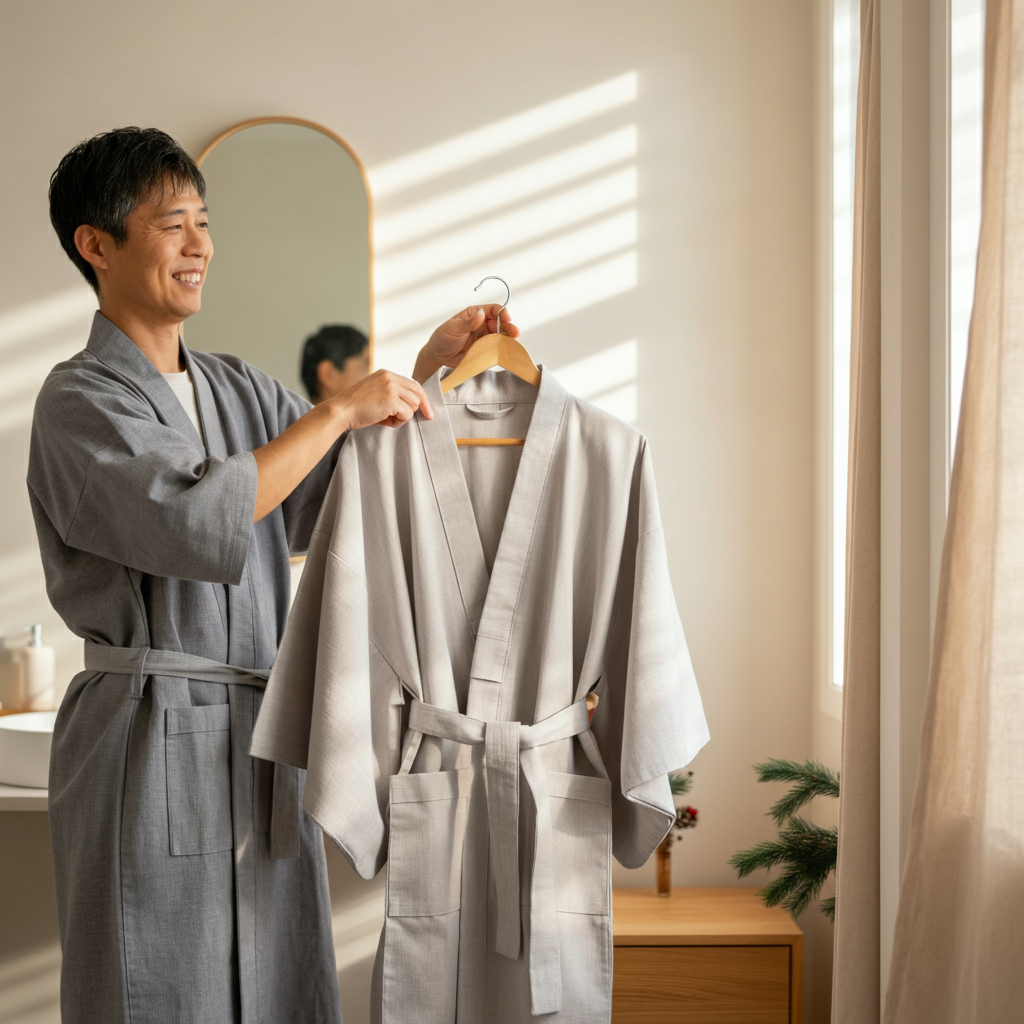
    Finding romantic gifts for men can be notoriously difficult. Men often use Happi coats as short-length bathrobes. They are masculine, comfortable, and far more interesting than a pair of plaid pajama pants.

    For men, look for bold, geometric patterns or solid colors with kanji symbols. It serves the practical purpose of a robe—something to throw on after a shower or while shaving—but with a distinct style upgrade. It is a gift he will actually use, rather than just look at.

    Choosing the Right Style

    When selecting a coat for your loved one, consider their personality.

    • The Romantic: Look for soft pinks, reds, or purples featuring floral motifs like peonies or cherry blossoms. Satin or silk-feel fabrics add that extra touch of luxury.
    • The Bold: Dragon or tiger motifs in black, gold, or deep blue make a strong statement. These are excellent for partners who love standout fashion.
    • The Minimalist: Simple geometric patterns or solid colors with subtle trim are understated and classy.

    Where to Find Authentic Happi Coats

    If you want to surprise your partner with something special this Valentine’s Day, quality matters. You want fabric that feels good to the touch and patterns that don’t fade after one wash.

    Kimono Shop is a premier destination for authentic-style Japanese wear. As a USA-based company, they eliminate the stress of international shipping times. You can browse a fine selection of Happi coats in various styles, patterns, and colors, knowing that your gift will arrive quickly and reliably from within the USA.

    Wrap Up Your Shopping Early

    This Valentine’s Day, skip the generic department store aisles. Give the gift of comfort, style, and a little bit of Japanese culture. A Happi coat is more than just a piece of clothing; it’s an invitation to relax and feel beautiful.

    Whether worn as a sexy alternative to pajamas, a pool coverup, or just a cool robe for lounging, it is a gift that keeps giving long after February 14th.

    Ready to find the perfect pattern for your loved one?

    Visit Kimono Shop today to explore their extensive collection and secure your gift with fast USA shipping.

  • A Heartfelt Thank You for a Wonderful 2025

    As we close another year, we find ourselves filled with immense gratitude. On behalf of our entire team at Kimono Shop, we want to extend a sincere thank you to every person who made 2025 a remarkable year for us. Your support and trust are the foundation of everything we do.

    This year was filled with growth and success, and we couldn’t have achieved it without you. We are honored to serve a community that appreciates the artistry and comfort of authentic Japanese robes. It is a privilege to be your chosen destination for kimonos and yukatas.

    A Legacy of Trust and Quality

    For decades, we have dedicated ourselves to sharing the beauty of Japanese culture through our curated collection. We are humbled to know that over 34,000 customers have trusted us on this journey. When you choose us, you are choosing more than just a garment; you are embracing a tradition of elegance and relaxation.

    Our commitment to you has always been clear. We believe in providing an experience that matches the quality of our products. This means delivering excellent customer service, ensuring your questions are answered, and your needs are met with a friendly and helpful approach.

    Your Perfect Robe, Delivered Quickly

    We understand that when you find the perfect piece, you want to enjoy it as soon as possible. That is why quick and reliable shipping is a cornerstone of our service. We work diligently to process and dispatch your orders efficiently, so your new loungewear arrives at your doorstep without delay.

    Our goal is to make your shopping experience seamless from start to finish. From the moment you browse our collection to the day you unwrap your package, we want you to feel valued and cared for.

    The Collection You Love

    One of our greatest joys is curating one of the largest online collections of authentic Japanese kimonos and yukatas. We travel, research, and hand-select each item, ensuring it represents the fine craftsmanship and timeless style you deserve. Whether you are looking for a vibrant, modern yukata or a classic, silk kimono, we strive to have something for every taste.

    We’ve also heard your feedback about the importance of inclusive sizing. Finding a beautiful Japanese robe that fits perfectly is essential. We are proud to offer a large range of sizes, making it easier for everyone to find their ideal fit. We believe that comfort and elegance should be accessible to all, and your positive response to our size selection has been incredibly rewarding.

    It is this combination of style, comfort, and fit that allows us to call our robes “loungewear at its finest.”

    Looking Ahead with Gratitude

    Thank you, once again, for your patronage and for being part of our story. You inspire us to continue our mission of providing exceptional products and outstanding service. Your support is the greatest compliment we could ever receive.

    We are incredibly excited for what the future holds and look forward to sharing another year of beauty, comfort, and culture with you. We wish you a peaceful and joyous end to the year.

  • Explore Japan’s Textiles: an Inside Look at Regional Fabrics

    Japan is a country where geography and artistry are intricately intertwined. Travel from the snowy peaks of Ishikawa to the tropical islands of Kagoshima, and you will find that the local textiles tell the story of the land itself. The history of the kimono is not just about fashion; it is a tapestry of regional techniques passed down through centuries of dedicated artisans.

    For enthusiasts of Japanese culture and textile art, understanding these regional differences unlocks a deeper appreciation of the craft. It transforms a beautiful garment into a map of history, climate, and local pride.

    In this guide, we will journey through three of Japan’s most celebrated textile traditions: the opulent weaves of Kyoto’s Nishijin-ori, the intricate mud-dyed silks of Oshima Tsumugi, and the breathtaking hand-painted artistry of Kaga Yuzen. Each represents a different pinnacle of Japanese craftsmanship, preserving ancient skills in a modern world.

    Nishijin-ori: The Brocade of Emperors

    When you imagine a dazzling, gold-flecked obi sash worn at a formal wedding, you are likely picturing Nishijin-ori. Originating in the Nishijin district of Kyoto, this weaving style is synonymous with luxury, high status, and incredible complexity.

    A History Woven in Kyoto

    The roots of Nishijin weaving go back over 1,200 years, flourishing when Kyoto became the imperial capital in 794. The area became a hub for weavers supplying the Imperial Court and aristocracy. The name “Nishijin” (meaning “Western Camp”) actually dates back to the Onin War in the 15th century, when displaced weavers returned to the site of the western army’s encampment to restart their trade.

    The Technique: Painting with Thread

    Nishijin-ori is not a single technique but a collection of complex weaving methods. Its defining characteristic is the use of pre-dyed yarns to create elaborate patterns directly into the fabric, rather than dyeing the fabric afterward.

    • Jacquard Power: Modern Nishijin often uses Jacquard looms, but the most prestigious pieces are still hand-woven.
    • Gold and Silver: A signature element is the heavy use of gold and silver foil threads, giving the fabric a three-dimensional, luminous quality.
    • Precision: Some patterns are so intricate they resemble paintings. The weaver must manually lift specific warp threads to insert the weft, a process that can take days to produce just a few centimeters of fabric.

    Modern Relevance

    Today, Nishijin-ori is the gold standard for formal obi (maru obi and fukuro obi) and kimono. However, the industry is innovating to survive. You can now find Nishijin techniques applied to luxury neckties, interior decor, and even high-end western accessories, proving that this ancient courtly style can adapt to contemporary life.

    Oshima Tsumugi: The Mud-Dyed Masterpiece

    Far from the imperial courts of Kyoto lies the island of Amami Oshima in Kagoshima Prefecture. Here, artisans create Oshima Tsumugi, a textile that looks deceptively simple from a distance but reveals mind-blowing complexity up close.

    Born from Nature

    Oshima Tsumugi is a type of silk pongee (woven from spun raw silk). Despite being 100% silk, it doesn’t have the glossy sheen of satin. Instead, it is matte, lightweight, and incredibly wrinkle-resistant. Historically, it was a durable fabric for everyday wear, but the immense labor involved has elevated it to a status of luxury.

    The Process: Mud and Ikat

    The creation of Oshima Tsumugi is unique in the world of textiles, relying on a specific combination of local flora and geology.

    1. Teichigi Dyeing: Threads are dipped hundreds of times in a dye made from the Japanese hawthorn (Teichigi) tree, turning them red.
    2. Mud Dyeing (Dorozome): This is the magic step. The red threads are immersed in the iron-rich mud of local rice paddies. The iron reacts with the tannins in the wood dye, turning the silk a deep, rich, lacquer-black. This process also strengthens the fiber, making it incredibly durable.
    3. Kasuri (Ikat) Weaving: Before weaving, threads are spot-dyed to create white dots. When woven, these dots must align perfectly to form precise geometric patterns. This technique, known as kasuri, requires mathematical precision. A single millimeter of error can ruin the pattern.

    Why It Matters

    Authentic Oshima Tsumugi takes anywhere from six months to a year to produce. It is often called the “queen of kimono textiles” for casual wear. It represents a harmony between the artisan and the island’s unique natural resources—a fabric that literally could not exist anywhere else.

    Kaga Yuzen: The Art of Realistic Beauty

    Moving north to Kanazawa in Ishikawa Prefecture, we find Kaga Yuzen. While Kyoto has its own famous dyeing style (Kyo Yuzen), the Kaga style offers a different aesthetic philosophy—one grounded in realism and the quiet beauty of nature.

    The Kaga Aesthetic

    Established in the mid-17th century, Kaga Yuzen is a dyeing technique used to paint patterns directly onto silk cloth. Unlike the stylized, often gold-embellished designs of Kyoto, Kaga Yuzen focuses on Kaga Gosai—five specific colors: indigo, crimson, ocher, grass green, and ancient purple.

    Techniques of the Trade

    The hallmark of Kaga Yuzen is bokashi, or shading. Artisans use this gradient technique to give depth to flowers and leaves, making them look almost photographic.

    • Worm-Eaten Leaves: A unique and charming feature of Kaga Yuzen is the depiction of “mushikui”—leaves that appear to be eaten by insects. This embraces the Japanese aesthetic of wabi-sabi, finding beauty in imperfection and the natural cycle of life.
    • No Gold: Unlike Kyoto styles, which often feature gold leaf or embroidery, Kaga Yuzen relies solely on the mastery of the dyeing brush. The luxury comes from the painterly skill, not the addition of precious metals.

    Cultural Significance

    Kaga Yuzen kimonos are prized for their elegance and dignity. They are often worn for tea ceremonies and formal visits. The craft demands patience; a single artist often oversees the entire process from sketching the design to the final wash, ensuring a singular artistic vision remains intact.

    Conclusion: Wearing History

    Whether it is the dazzling brocade of Nishijin, the earthy resilience of Oshima Tsumugi, or the painterly grace of Kaga Yuzen, these traditions are more than just methods of making cloth. They are the identities of their regions.

    In a world of fast fashion, these textiles remind us of the value of slowness. They speak of artisans who dedicate their lives to mastering a single craft, and of a culture that sees clothing not as disposable, but as a vessel for history, nature, and art. Owning or even just witnessing these fabrics is a way to keep these vibrant stories alive.

    Frequently Asked Questions (FAQ)

    1. What is the difference between Nishijin-ori and regular silk?
    Nishijin-ori refers specifically to high-end woven textiles from the Nishijin district in Kyoto. Unlike printed silk, Nishijin fabrics have patterns woven directly into the cloth using pre-dyed threads, often including gold and silver foil, creating a textured, brocade-like finish.

    2. Can Oshima Tsumugi be worn for formal occasions?
    Traditionally, no. Despite being expensive and highly prized, Oshima Tsumugi is a type of tsumugi (woven, spun silk), which is considered casual wear in kimono etiquette. It is perfect for dinner parties, theater outings, or casual gatherings, but not for formal weddings.

    3. Why is Kaga Yuzen painted with “imperfections” like bug bites?
    The “worm-eaten leaf” motif (mushikui) is a signature of the Kaga Yuzen style. It reflects a realistic observation of nature and the aesthetic of finding beauty in natural, imperfect states, distinguishing it from the more idealized or stylized nature motifs found in Kyoto designs.

    4. Are these traditional textiles still being made today?
    Yes, but the number of skilled artisans is declining. Each of these traditions requires decades of training. While production volume has decreased, dedicated associations and master craftsmen in Kyoto, Kagoshima, and Ishikawa continue to produce these masterpieces and train the next generation.

    Visit Kimono Shop online for a peek at the fine selection of Japanese Kimonos, Yukata, and short-length kimonos, known as the Happi Coat. Kimono Shop ships from the USA and offers a wide selection of colors, patterns, and sizes.

    Mud Dyeing Process

  • How to Find Great Deals on Kimonos & Yukatas

    The elegance of a Japanese kimono or the casual comfort of a yukata can add a unique touch to your wardrobe. These traditional garments are beautiful, versatile, and rich with cultural history. However, owning an authentic piece can sometimes feel like a significant investment. With many people looking for ways to make their money go further, finding a great deal is more important than ever.

    Fortunately, you don’t have to break the bank to own a beautiful kimono or yukata. With a few smart shopping strategies, you can find high-quality garments at affordable prices. This guide will show you how to find fantastic deals, so you can embrace Japanese style without straining your budget. We’ll focus on how to stay informed about sales and exclusive offers from retailers like Kimono Shop.

    Why Quality Matters, Even on a Budget

    When looking for a deal, it’s tempting to go for the cheapest option available. But with kimonos and yukatas, quality is key. A well-made garment will not only look better but will also last much longer. Authentic pieces are crafted from durable fabrics with intricate designs, offering a superior feel and fit.

    Investing in a quality piece, even at a discounted price, means you get better value in the long run. You get to enjoy the authentic experience of wearing a traditional Japanese robe that is comfortable, breathable, and beautifully constructed. The goal is to find that perfect balance between an affordable price and excellent craftsmanship.

    Stay Ahead of Sales with Social Media

    One of the most effective ways to catch a sale is to follow your favorite retailers on social media. Companies often announce flash sales, special promotions, and new arrivals on their social channels first. By following them, you put yourself in the perfect position to be among the first to know when prices drop.

    Kimono Shop, a popular retailer of Japanese robes, is active on several platforms. Following them is a simple, no-cost way to keep an eye on upcoming opportunities to save.

    Platforms to Follow:

    • Facebook: Many brands use Facebook to post detailed announcements, share photos of their products, and interact with their community. Look for posts about seasonal sales or holiday discounts.
    • X (formerly Twitter): For quick, real-time updates, X is an excellent resource. Companies often post about limited-time flash sales that you might otherwise miss.
    • Instagram: Instagram is a visual platform, making it perfect for showcasing the beautiful patterns and colors of kimonos and yukatas. Brands often use Instagram Stories to announce exclusive, short-term promotions for their followers.

    By connecting on these platforms, you ensure you won’t miss out on a chance to purchase the kimono you’ve been eyeing at a reduced price.

    Unlock Exclusive Offers with Newsletters

    While social media is great for public announcements, the best deals are often reserved for a smaller group of loyal customers. This is where email newsletters come in. Signing up for a company’s newsletter is like getting a VIP pass to exclusive sales and discounts that aren’t advertised anywhere else.

    For example, Kimono Shop offers an online newsletter that periodically informs subscribers about special offers. This is a direct line to the best promotions the company runs throughout the year.

    The Benefits of Signing Up

    Subscribing to the Kimono Shop newsletter gives you several advantages. You receive notifications sent directly to your inbox, so you don’t have to constantly check social media or the website for updates. These emails often contain unique discount codes or early access to sales events before they are made public.

    Many people hesitate to sign up for newsletters, fearing a flood of daily emails. However, reputable companies respect your inbox. Kimono Shop is a great example of this, typically sending no more than six emails a year. This low-key approach ensures that when you do get an email, it contains valuable information about a significant sale or a special offer worth your attention. Plus, you can easily opt out at any time, giving you complete control.

    Timing is Everything: Watch for Periodic Sales

    Patience can be a shopper’s best friend. Many retailers, including Kimono Shop, hold periodic sales throughout the year. These are often tied to seasons or holidays, providing predictable opportunities to save.

    Keep an eye out for:

    • End-of-season sales: As seasons change, retailers may discount items like lightweight summer yukatas to make room for new inventory.
    • Holiday promotions: Major holidays can bring sitewide discounts.
    • Anniversary sales: Some companies celebrate their business anniversary with a special sale for customers.

    By combining the knowledge you gain from newsletters and social media, you can anticipate these sales events and plan your purchase accordingly. This strategic approach helps you get the best possible price on a high-quality kimono or yukata.

    Embrace Japanese Tradition Affordably

    Owning a beautiful kimono or yukata is an achievable goal, even when you’re being mindful of your spending. By using smart strategies, you can find incredible deals on authentic, high-quality garments.

    Start by following retailers like Kimono Shop on Facebook, X, and Instagram to catch public sales announcements. For even better discounts, sign up for their newsletter to receive exclusive offers directly in your inbox, without the worry of spam. By staying informed and being patient, you can find the perfect piece to add to your collection at a price that makes you smile.

  • Pattern of the Month: History of the Golden Sakura Yukata

    Every pattern tells a story. From ancient symbols to modern interpretations, the designs we wear often carry deep cultural meaning. This month, we’re exploring the rich history behind one of Japan’s most iconic motifs: the Sakura, or cherry blossom, as showcased in our Golden Sakura Blossom Yukata. This garment is more than just comfortable clothing; it’s a piece of wearable art that connects timeless tradition with modern style.

    We will look into the cultural significance of the Sakura, examine the exquisite details of this particular yukata, and discover how to style this versatile piece. It’s a celebration of history, craftsmanship, and the fleeting beauty that defines one of Japan’s most cherished symbols.

    The Enduring Symbolism of Sakura

    In Japan, the Sakura holds a profound place in the nation’s culture and philosophy. The cherry blossom season is a major event, drawing people outdoors for hanami (flower viewing) parties. But these blossoms are more than just pretty flowers; they are a powerful metaphor for the nature of life itself.

    The Sakura’s life is beautiful but incredibly brief. The blossoms appear in a glorious burst of color, but after just a week or two, the petals fall like snow. This fleeting display serves as a reminder of mono no aware, a Japanese term for the gentle sadness or awareness of impermanence. It’s a concept that encourages an appreciation for the present moment and the beauty found in transient things. This philosophy is deeply woven into Japanese art, literature, and daily life. The cherry blossom, in its delicate and temporary existence, perfectly captures this idea.

    Artistry in a Garment: The Golden Sakura Blossom Yukata

    Our Golden Sakura Blossom Yukata captures this powerful symbolism through its thoughtful design. It translates the cultural weight of the Sakura into a stunning and wearable piece of art, available on both a deep blue and a striking black background.

    Design and Detail

    The pattern features delicate cherry blossom petals gracefully scattered across the fabric. These are not simple prints; they are rendered in shimmery gold and crisp white, creating a sense of depth and luminescence. On the blue version, the pattern evokes a serene spring day, while the black background provides a dramatic contrast that makes the golden accents radiate with a soft glow. This shimmer catches the light, mimicking the way sunlight filters through a canopy of blooming cherry trees.

    Every detail of the yukata is crafted with intention. The traditional butterfly sleeves, or sode, add an authentic touch of elegance and freedom of movement. These wide sleeves are a hallmark of traditional Japanese robes and contribute to the garment’s graceful silhouette.

    Uncompromising Quality and Comfort

    Authenticity and quality are at the heart of this yukata. Made in Japan, it honors the long tradition of Japanese textile craftsmanship. The fabric is 100% cotton, chosen for its softness, breathability, and comfort, especially in warmer weather. It feels gentle against the skin, making it ideal for relaxing at home.

    To ensure longevity and ease of use, the cotton is treated with a shrink-resistant finish. This practical feature means you can enjoy the yukata’s perfect fit and beautiful design for years to come. It is machine washable, making it as easy to care for as it is beautiful to wear. A matching sash, or obi, is included to complete the traditional look and provide a secure, adjustable fit.

    Styling Your Yukata: From Loungewear to Statement Piece

    The yukata was originally worn as a bathing robe, but its use has evolved significantly over time. Today, its versatility is one of its most appealing qualities. The Golden Sakura Blossom Yukata seamlessly blends function and fashion, making it a valuable addition to any wardrobe.

    Luxurious Loungewear

    As loungewear, the yukata offers unparalleled comfort and elegance. Wrap yourself in its soft cotton after a bath or while enjoying a quiet morning with a cup of tea. Its breathable fabric keeps you comfortable without feeling heavy. It transforms the simple act of relaxing at home into a more refined and beautiful experience.

    A Stylish Cover-Up

    The yukata also functions beautifully as a stylish cover-up. Take it to the beach or pool to wear over your swimsuit. It provides light coverage from the sun while allowing air to circulate, keeping you cool. The stunning Sakura pattern will undoubtedly make a chic statement, elevating your resort wear beyond a simple towel or sarong.

    An Outer Layer for a Bold Look

    For the fashion-forward, the yukata can even be worn as a lightweight jacket or duster coat. Pair it with jeans and a simple top to add a touch of Japanese-inspired elegance to a casual outfit. This works well with a short-length Happi Coat. The flowing butterfly sleeves and intricate pattern create a unique and eye-catching look that showcases your personal style.

    Embracing Timeless Elegance

    The Golden Sakura Blossom Yukata is more than just a robe. It’s a connection to a rich cultural heritage and a celebration of mindful living. It embodies the Japanese appreciation for beauty, quality, and the significance of the present moment. Wearing it is an invitation to embrace timeless elegance and modern comfort in your everyday life.

    Whether you choose the serene blue or the dramatic black, this yukata offers a way to wrap yourself in a story—one of fleeting beauty, expert craftsmanship, and enduring style. It’s a reflection of art and tradition, designed for the modern woman who values elegance in every moment.

  • The Enduring Charm of Practical Gifts Over Fleeting Trends

    Gift-giving season often brings a familiar pressure: finding the perfect present. It’s easy to get caught up in the latest fads and trendy items that flood social media feeds and store shelves. While these gifts might generate initial excitement, their appeal often fades as quickly as it appeared. A different approach, focusing on practical gifts, offers a more meaningful and lasting alternative.

    This post explores why choosing a practical gift is a more thoughtful decision. We will highlight how items that combine utility, comfort, and timeless style provide value long after the wrapping paper is gone. As a prime example, we’ll look at the Japanese kimono and yukata robe—a gift that is both deeply practical and culturally unique.

    Why Choose Practicality Over Popularity?

    Trendy gifts are designed for the moment. They capture a current obsession, a popular character, or a fleeting technological gimmick. The problem is that moments pass. That must-have gadget from last year is now collecting dust, and the novelty item that seemed hilarious at the time has lost its charm.

    Practical gifts, on the other hand, are rooted in usefulness. They solve a problem, enhance a daily routine, or provide comfort. This focus on function doesn’t mean they are boring. In fact, a truly great practical gift combines utility with quality, style, and a touch of personal consideration. It shows that you’ve considered the recipient’s lifestyle and what would genuinely make their life better or more enjoyable.

    Think about the best gifts you’ve ever received. Chances are, they were items you used again and again—a high-quality kitchen knife, a durable travel bag, or a comfortable piece of clothing that became a staple in your wardrobe. These are the gifts that foster genuine, long-term appreciation.

    The Kimono and Yukata: A Perfect Example of Practical Elegance

    When you think of a practical gift, a traditional Japanese robe might not be the first thing that comes to mind. However, the kimono and its more casual cousin, the yukata, are exceptional examples of how practicality and beauty can intersect. They are more than just clothing; they are a versatile, comfortable, and timeless garment perfect for modern life.

    Unmatched Comfort for Everyday Lounging

    At its core, a gift should bring joy to the recipient. A Japanese kimono or yukata excels at this by offering unparalleled comfort. Made from fabrics like cotton, they are designed to be airy and light. The loose, flowing cut allows for complete freedom of movement, making it the ultimate loungewear.

    Imagine wrapping yourself in a soft, breathable robe after a long day. Whether you’re enjoying a morning cup of coffee, reading a book on the sofa, or relaxing on the patio, a yukata provides a sense of ease and tranquility. Unlike heavy, restrictive bathrobes, its lightweight design makes it suitable for year-round wear, providing just the right amount of coverage without causing overheating.

    Simplicity and Ease of Care

    A gift that requires complicated maintenance can quickly become a burden. Another practical advantage of a high-quality cotton yukata is its ease of care. Most are machine washable, and their durable construction means they hold up well to regular use. They are designed for living, not just for special occasions.

    This simplicity ensures that the recipient can enjoy the gift daily without worrying about special treatments or expensive dry cleaning. It’s a low-maintenance luxury that easily integrates into anyone’s daily routine, reinforcing its value every time it’s worn.

    A Gift That Lasts Beyond the Season

    While trendy gifts end up in the back of a closet, a well-made kimono or yukata is a gift that endures. Its classic design transcends fashion cycles. The simple lines and elegant patterns have been refined over centuries, resulting in a truly timeless garment. This is not an item that will look dated next year; it’s a piece that can be cherished for a lifetime.

    By giving a gift with such longevity, you are offering more than a temporary thrill. You are giving a staple item that will become a part of the recipient’s life. It’s a sustainable choice that moves away from the throwaway culture associated with fast fashion and fad products.

    The Surprise of a Unique and Meaningful Present

    Beyond its practical benefits, a Japanese robe is a gift that carries a sense of discovery and uniqueness. Many people have never considered owning one, making it a truly surprising and delightful present. It stands out from the usual sweaters, gadgets, and gift cards.

    A Connection to History and Culture

    Giving a kimono or yukata is also sharing a piece of cultural heritage. These garments have a rich history in Japan, evolving over centuries from formal court attire to the versatile robes known today. Each pattern can carry a different meaning, and the garment itself is a symbol of grace and simplicity.

    Your recipient will be full of gratitude not just for the beautiful robe, but for the story behind it. It’s an opportunity for them to learn about and appreciate a different culture. This added layer of meaning elevates the gift from a simple object to a memorable experience, sparking curiosity and conversation.

    Make Your Next Gift Thoughtful and Enduring

    When you choose a practical gift like a Japanese kimono or yukata, you are making a statement. You are showing that you care enough to select something with lasting value, exceptional comfort, and a unique story. You are giving a gift that will be used, loved, and appreciated daily.

    So, the next time you’re searching for the perfect present, step away from the fleeting trends. Consider a gift that offers enduring charm and everyday utility. A beautiful, airy, and comfortable robe is more than just a piece of clothing—it’s an invitation to relax, a touch of elegance for the home, and a thoughtful gesture that will be remembered for years to come.

  • How to Choose Your First Kimono: A Beginner’s Guide

    Choosing your first kimono is an exciting step into a world of incredible artistry, history, and personal expression. But with so many styles, fabrics, and terms, it can also feel a little overwhelming. This guide is here to walk you through everything you need to know, from finding the right fit to understanding the difference between a real silk treasure and a convincing replica.

    We will cover the essential factors: fit, fabric, budget, and authenticity. By the end, you’ll feel confident and ready to select a beautiful garment you can wear with respect and joy.

    First, Some Kimono Basics

    Before diving into the details, let’s clarify a few key terms you’ll encounter.

    • Kimono: The word “kimono” literally means “thing to wear.” It’s a T-shaped, full-length robe that wraps left over right. Traditional kimonos are often made of silk or cotton and worn for special occasions like weddings, tea ceremonies, or festivals.
    • Yukata: Think of a yukata as the kimono’s casual, summer cousin. It’s typically made of unlined cotton or synthetic fabric, making it lighter and more breathable. Yukata are perfect for summer festivals, relaxing at a traditional inn (ryokan), or as a beautiful bathrobe. They are an excellent, affordable starting point.
    • Haori: This is a hip- or thigh-length jacket worn over a kimono. It’s not belted shut and adds a layer of formality or warmth. Modern fashion has embraced the haori as a stylish, versatile jacket to wear with everyday clothes.

    Finding the Perfect Fit

    Unlike Western clothing, kimonos are not sold in standard sizes like small, medium, or large. Fit is determined by your height and, to a lesser extent, your hip measurement.

    Key Measurements to Check

    • Length (Mitake): A kimono’s length should be roughly equal to your height. The excess fabric is folded at the waist and hidden by the obi (sash), a fold called the ohashori. For a casual yukata, the length can be closer to your ankle without this fold.
    • Sleeve Length (Sodetake): The bottom of the sleeve should fall somewhere around your wrist when your arms are down. Long, flowing sleeves are a feature of furisode, a formal kimono for unmarried women.
    • Width (Mihaba): The kimono should wrap around your body comfortably, with the front panels overlapping. When you hold the center back seam against your spine, the edges of the robe should wrap to your hip bones. Most kimonos can accommodate a range of body shapes.
    • Sleeve Drop (Yuki): This is the measurement from the center seam of your neck to the edge of the sleeve. It should end near your wrist bone. If it’s too short, it can look ill-fitting, but vintage pieces often have a shorter yuki.

    When trying on a kimono, make sure the left side is wrapped over the right side. Wrapping right over left is reserved for dressing the deceased for burial—a crucial piece of etiquette to remember.

    A Guide to Kimono Fabrics

    The material of a kimono dictates its formality, seasonality, and care requirements.

    • Silk (Shoken): The most traditional and luxurious fabric. It’s smooth, drapes beautifully, and is used for formal kimonos like furisode and tomesode. Silk is a year-round fabric, but different weaves are used for different seasons. It requires professional cleaning.
    • Cotton (Momen): The classic fabric for yukata. It’s breathable, absorbent, and relatively easy to wash at home, making it perfect for summer.
    • Wool (Uru): A durable, warm, and wrinkle-resistant fabric. Wool kimonos are considered casual and are ideal for everyday wear in the cooler autumn and winter months.
    • Linen/Hemp (Asa): Crisp, breathable, and highly prized for summer wear. Linen kimonos are a bit more upscale than cotton yukata and are perfect for staying cool in humid weather.
    • Polyester & Synthetics: Modern kimonos are often made from high-quality polyester. It’s a fantastic option for beginners because it’s affordable, wrinkle-resistant, and machine-washable. While it doesn’t breathe as well as natural fibers, its ease of care is a major advantage.

    Setting Your Budget: New vs. Vintage

    Your budget will be a major factor in your decision. Prices can range from under $50 to many thousands of dollars.

    • Under $100: In this range, you’ll find new polyester yukata sets (often including a simple obi and geta sandals) or secondhand wool and synthetic kimonos. This is a great budget for your very first piece.
    • $100 – $400: This tier opens up the world of high-quality vintage silk kimonos (komon, or small-pattern kimonos), new cotton yukata from good brands, and some simpler new silk pieces.
    • $400+: Here you can find pristine vintage kimonos, artisan-made pieces, and new silk kimonos. Bespoke, hand-dyed kimonos can cost several thousand dollars.

    How to Spot an Authentic, Quality Kimono

    Authenticity can mean different things—is it handmade in Japan, or is it a well-made modern piece? Here are some clues to look for.

    • Pattern Alignment: On a quality kimono, patterns should flow seamlessly across the seams, especially on the back.
    • Lining: Most kimonos, except for unlined summer ones (hitoe), will have a lining. A fully lined kimono is called awase. The lining is often made of silk or cotton.
    • Seams: Look at the construction. A traditional kimono has specific seam placements and is mostly hand-stitched, especially for hemming. Machine stitching is common on modern or everyday kimonos.
    • Artisan Techniques: Look for signs of hand-dyeing like shibori (tie-dye), which leaves tiny, puckered dots, or yuzen (resist dyeing), which has fine, hand-painted details. These indicate a high-value, artisanal piece.
    • Red Flags: Be wary of shiny, cheap satin fabrics, printed patterns that don’t align at the seams, and garments marketed as “kimono robes” that are more like lingerie or dressing gowns.

    Where to Buy Your First Kimono

    • New: Department stores in Japan or specialty online retailers.
    • Vintage: Flea markets (especially in Japan), vintage kimono stores, and online marketplaces like Kimono Shop. Be sure to check seller reviews and measurements.
    • Rental: An excellent option for a special event. Kimono rental shops are common in tourist areas in Japan and some large cities worldwide. They handle the dressing and provide all accessories.

    Essential Kimono Accessories

    A kimono is rarely worn on its own. You’ll need a few key items to complete the look correctly.

    1. Obi: The sash worn around the waist. There are many types, from the casual hanhaba obi for yukata to the formal, elaborate fukuro obi.
    2. Koshihimo: Thin ties used to hold the kimono in place under the obi. You’ll need at least two.
    3. Juban: An under-kimono. It keeps the outer kimono clean and provides a clean collar line (eri). A full-length nagajuban or a simpler two-piece version works.
    4. Obi-ita: A stiff board placed inside the obi to keep it from wrinkling.
    5. Footwear: Zori are formal sandals, while geta are wooden clogs typically worn with yukata. Always wear tabi (split-toe socks) with zori.

    Simple Care and Storage

    • Airing: After wearing, hang your kimono on a special kimono hanger or a straight rod in a well-ventilated, shady area for a day to air out.
    • Cleaning: Polyester and cotton can often be hand-washed or machine-washed on a delicate cycle. Silk and wool must be professionally cleaned by a specialist.
    • Storage: Store your folded kimono flat, wrapped in a traditional paper wrapper called a tatoshi, or a simple cotton cloth. Keep it in a drawer or box away from direct sunlight and humidity.

    Kimono Shop has been a leading online provider of quality Kimono and Yukata since 19949. They offer a wide selection of colors, styles, and patterns. Whether for a man, woman, or child, sizes are available in small, large, tall, petite, plus size, big and tall, and short length. Visit the Kimono Shop online 24 hours a day. Based and operated in the USA, shipping is always quick, and service is professional.

  • Why Kimono Shop is Your Trusted Source for Authentic Kimonos

    Finding an authentic Japanese kimono or yukata in the United States can be a challenging search. You may worry about quality, sizing, and the hidden costs associated with international shipping. At Kimono Shop, we’ve spent over three decades simplifying this process, connecting you directly with the timeless elegance of Japanese craftsmanship. We are more than just a store; we are your trusted, domestic source for quality, authentic Japanese robes.

    This post will show you why discerning customers have chosen us since 1994. We’ll cover how our direct import model saves you money and hassle, why our US-based operations provide unmatched convenience, and how our commitment to quality and variety makes us the premier destination for kimonos online.

    The Kimono Shop Advantage: A Seamless Shopping Experience

    We built our business to eliminate the barriers between you and the perfect Japanese robe. Shopping with us is designed to be simple, secure, and satisfying.

    Direct Importing Means No Hidden Costs

    Have you ever ordered something from overseas, only to be surprised by unexpected taxes, duties, and customs fees upon delivery? We ensure that it never happens. As a direct importer, we handle all the complexities of international trade.

    • No Surprise Fees: The price you see is the price you pay. We manage all import duties and taxes so you don’t have to.
    • Hassle-Free Customs: Your order ships from our US location, so it won’t get stuck in customs. You receive your package without delays or extra paperwork.
    • Authentic Connection: By working directly with artisans in Japan, we maintain a direct line to the source, ensuring every robe we sell is genuine.

    USA-Based for Fast Shipping and Easy Returns

    Convenience is key. Because we are based in the United States, your entire shopping experience is faster and more reliable. When you order from Kimono Shop, you get the peace of mind that comes with domestic service.

    Enjoy fast shipping that gets your beautiful new robe to your doorstep quickly. Need to make a change? Our straightforward, US-based return process makes exchanges and returns simple. You won’t have to deal with the cost and complexity of international return shipping.

    Unmatched Selection and Inclusive Sizing

    A kimono is a personal expression of style and comfort. That’s why we believe everyone should be able to find a robe that fits them perfectly and reflects their unique taste.

    Over 100 Styles, Patterns, and Colors

    Our curated collection is one of the largest available online, featuring more than 100 distinct options. Whether you prefer the lightweight comfort of a cotton yukata for summer or the luxurious feel of a classic silk kimono, you will find it here. Our selection includes traditional florals, bold geometric patterns, and serene, solid colors to suit any preference.

    Sizing for Every Body

    We proudly offer an extensive range of sizes to ensure a comfortable and flattering fit for everyone. We understand that one size does not fit all, so we stock robes designed for various body types. Our inclusive sizing includes:

    • Petite
    • Regular
    • Portly
    • Tall
    • Big and Tall
    • Full-Figured

    With our detailed sizing guides, you can confidently choose the right kimono or yukata that feels made just for you.

    Quality You Can Feel, Prices You Can Trust

    We are committed to offering exceptional value. We believe that authentic, high-quality Japanese robes should be accessible without an exorbitant price tag.

    Made in Japan by Skilled Craftspeople

    Every kimono and yukata in our collection is crafted in Japan. We partner with dedicated artisans who have honed their skills over generations. This commitment to authentic Japanese craftsmanship is evident in the fine stitching, beautiful fabrics, and durable construction of every robe. When you wear a Kimono Shop kimono, you are wearing a piece of genuine artistry.

    Competitive Pricing for Superior Quality

    By importing directly and managing our operations efficiently, we can offer our authentic robes at competitive prices. You receive a garment of superior quality—one that will last for years—at a fair price. We provide an affordable entry into the world of authentic Japanese textiles without ever compromising on quality.

    A Legacy of Trust Since 1994

    For over 30 years, Kimono Shop has been the go-to source for customers seeking authentic Japanese kimonos and yukatas. Our longevity is a testament to the trust we have built with our community. Many of our customers are repeat buyers who return time and again for the quality, service, and reliability they know they will receive from us. They trust our expertise and our commitment to their satisfaction.

    When you shop with Kimono Shop, you are not just making a purchase; you are joining a community that values authenticity, quality, and exceptional service.

    Find Your Perfect Kimono Today

    Experience the comfort, elegance, and artistry of a genuine Japanese kimono or yukata. With our vast selection, inclusive sizing, and hassle-free shopping experience, you are sure to find the perfect robe to cherish for years to come.

    Browse our collection now and discover why Kimono Shop has been the most trusted name in kimonos since 1994.

    Shop Kimonos and Yukatas Now