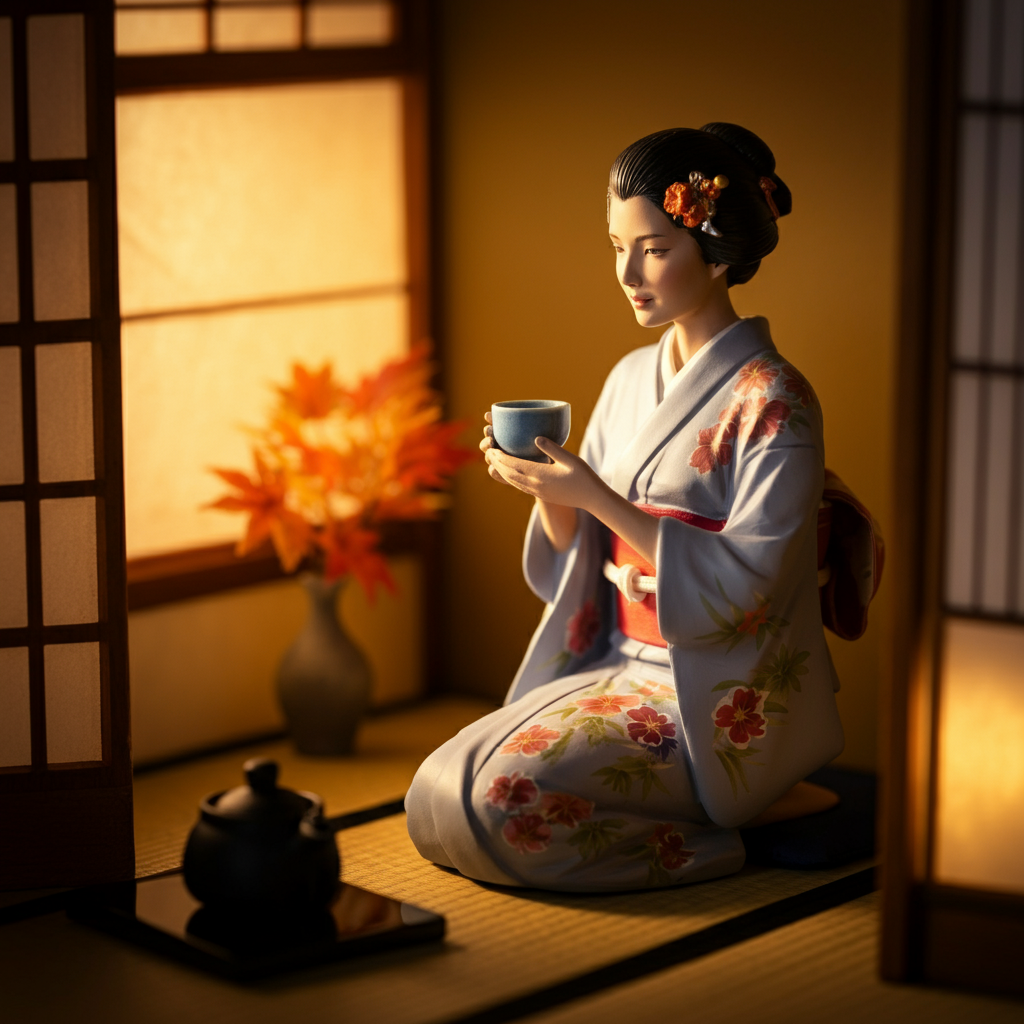
As we close another year, we find ourselves filled with immense gratitude. On behalf of our entire team at Kimono Shop, we want to extend a sincere thank you to every person who made 2025 a remarkable year for us. Your support and trust are the foundation of everything we do.
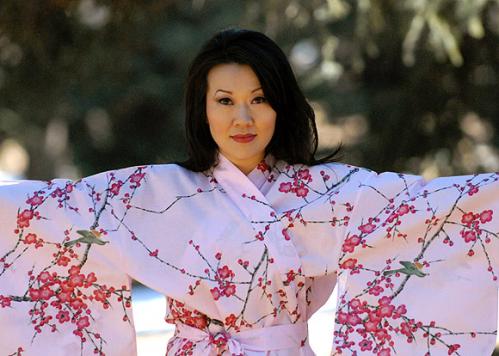
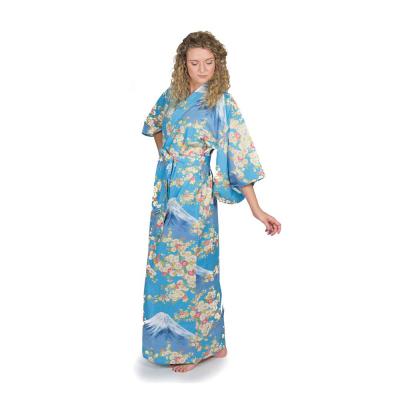
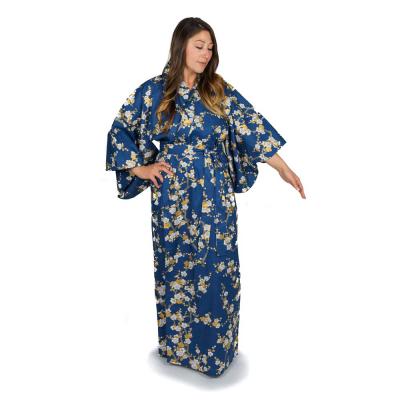
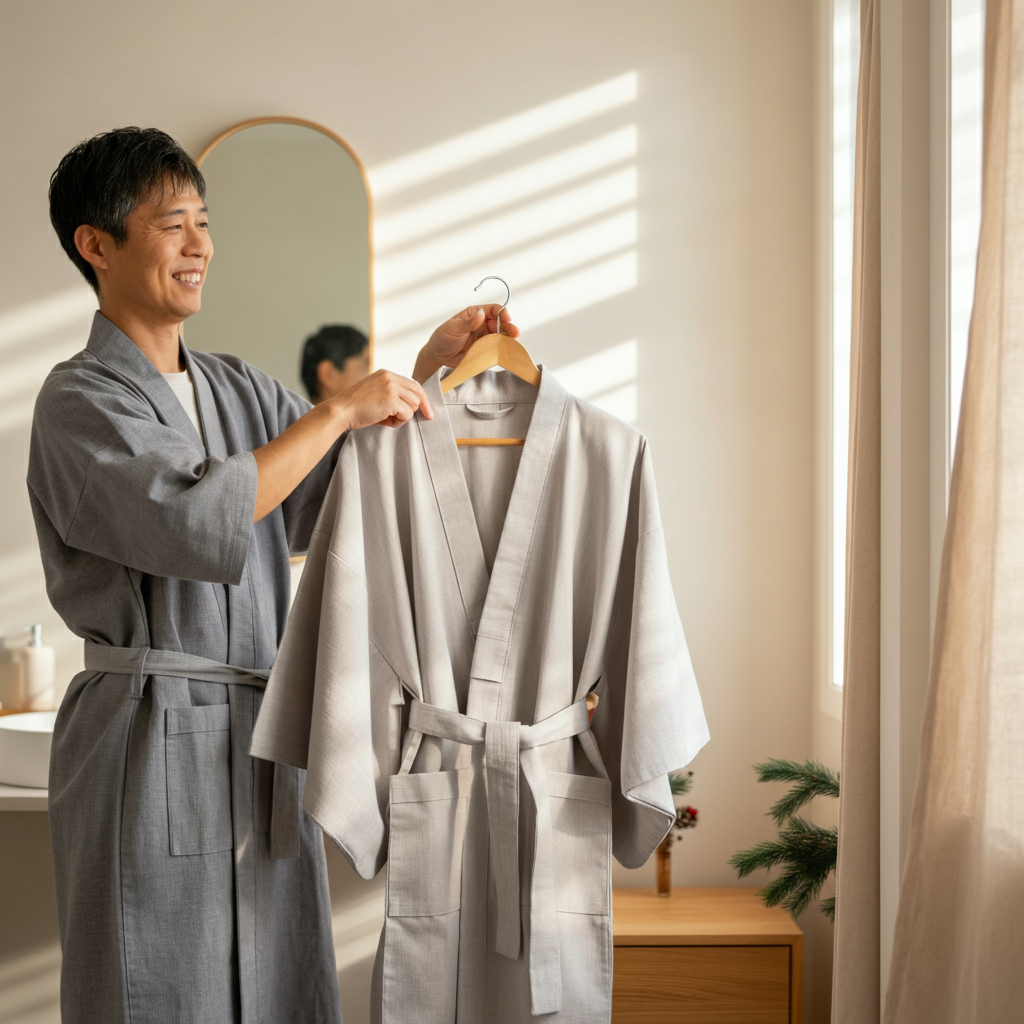
This year was filled with growth and success, and we couldn’t have achieved it without you. We are honored to serve a community that appreciates the artistry and comfort of authentic Japanese robes. It is a privilege to be your chosen destination for kimonos and yukatas.
A Legacy of Trust and Quality
For decades, we have dedicated ourselves to sharing the beauty of Japanese culture through our curated collection. We are humbled to know that over 34,000 customers have trusted us on this journey. When you choose us, you are choosing more than just a garment; you are embracing a tradition of elegance and relaxation.
Our commitment to you has always been clear. We believe in providing an experience that matches the quality of our products. This means delivering excellent customer service, ensuring your questions are answered, and your needs are met with a friendly and helpful approach.
Your Perfect Robe, Delivered Quickly
We understand that when you find the perfect piece, you want to enjoy it as soon as possible. That is why quick and reliable shipping is a cornerstone of our service. We work diligently to process and dispatch your orders efficiently, so your new loungewear arrives at your doorstep without delay.
Our goal is to make your shopping experience seamless from start to finish. From the moment you browse our collection to the day you unwrap your package, we want you to feel valued and cared for.
The Collection You Love
One of our greatest joys is curating one of the largest online collections of authentic Japanese kimonos and yukatas. We travel, research, and hand-select each item, ensuring it represents the fine craftsmanship and timeless style you deserve. Whether you are looking for a vibrant, modern yukata or a classic, silk kimono, we strive to have something for every taste.
We’ve also heard your feedback about the importance of inclusive sizing. Finding a beautiful Japanese robe that fits perfectly is essential. We are proud to offer a large range of sizes, making it easier for everyone to find their ideal fit. We believe that comfort and elegance should be accessible to all, and your positive response to our size selection has been incredibly rewarding.
It is this combination of style, comfort, and fit that allows us to call our robes “loungewear at its finest.”
Looking Ahead with Gratitude
Thank you, once again, for your patronage and for being part of our story. You inspire us to continue our mission of providing exceptional products and outstanding service. Your support is the greatest compliment we could ever receive.
We are incredibly excited for what the future holds and look forward to sharing another year of beauty, comfort, and culture with you. We wish you a peaceful and joyous end to the year.
Japan is a country where geography and artistry are intricately intertwined. Travel from the snowy peaks of Ishikawa to the tropical islands of Kagoshima, and you will find that the local textiles tell the story of the land itself. The history of the kimono is not just about fashion; it is a tapestry of regional techniques passed down through centuries of dedicated artisans.
For enthusiasts of Japanese culture and textile art, understanding these regional differences unlocks a deeper appreciation of the craft. It transforms a beautiful garment into a map of history, climate, and local pride.
In this guide, we will journey through three of Japan’s most celebrated textile traditions: the opulent weaves of Kyoto’s Nishijin-ori, the intricate mud-dyed silks of Oshima Tsumugi, and the breathtaking hand-painted artistry of Kaga Yuzen. Each represents a different pinnacle of Japanese craftsmanship, preserving ancient skills in a modern world.
Nishijin-ori: The Brocade of Emperors
When you imagine a dazzling, gold-flecked obi sash worn at a formal wedding, you are likely picturing Nishijin-ori. Originating in the Nishijin district of Kyoto, this weaving style is synonymous with luxury, high status, and incredible complexity.
A History Woven in Kyoto
The roots of Nishijin weaving go back over 1,200 years, flourishing when Kyoto became the imperial capital in 794. The area became a hub for weavers supplying the Imperial Court and aristocracy. The name “Nishijin” (meaning “Western Camp”) actually dates back to the Onin War in the 15th century, when displaced weavers returned to the site of the western army’s encampment to restart their trade.
The Technique: Painting with Thread
Nishijin-ori is not a single technique but a collection of complex weaving methods. Its defining characteristic is the use of pre-dyed yarns to create elaborate patterns directly into the fabric, rather than dyeing the fabric afterward.
Jacquard Power: Modern Nishijin often uses Jacquard looms, but the most prestigious pieces are still hand-woven.
Gold and Silver: A signature element is the heavy use of gold and silver foil threads, giving the fabric a three-dimensional, luminous quality.
Precision: Some patterns are so intricate they resemble paintings. The weaver must manually lift specific warp threads to insert the weft, a process that can take days to produce just a few centimeters of fabric.
Modern Relevance
Today, Nishijin-ori is the gold standard for formal obi (maru obi and fukuro obi) and kimono. However, the industry is innovating to survive. You can now find Nishijin techniques applied to luxury neckties, interior decor, and even high-end western accessories, proving that this ancient courtly style can adapt to contemporary life.
Oshima Tsumugi: The Mud-Dyed Masterpiece
Far from the imperial courts of Kyoto lies the island of Amami Oshima in Kagoshima Prefecture. Here, artisans create Oshima Tsumugi, a textile that looks deceptively simple from a distance but reveals mind-blowing complexity up close.
Born from Nature
Oshima Tsumugi is a type of silk pongee (woven from spun raw silk). Despite being 100% silk, it doesn’t have the glossy sheen of satin. Instead, it is matte, lightweight, and incredibly wrinkle-resistant. Historically, it was a durable fabric for everyday wear, but the immense labor involved has elevated it to a status of luxury.
The Process: Mud and Ikat
The creation of Oshima Tsumugi is unique in the world of textiles, relying on a specific combination of local flora and geology.
Teichigi Dyeing: Threads are dipped hundreds of times in a dye made from the Japanese hawthorn (Teichigi) tree, turning them red.
Mud Dyeing (Dorozome): This is the magic step. The red threads are immersed in the iron-rich mud of local rice paddies. The iron reacts with the tannins in the wood dye, turning the silk a deep, rich, lacquer-black. This process also strengthens the fiber, making it incredibly durable.
Kasuri (Ikat) Weaving: Before weaving, threads are spot-dyed to create white dots. When woven, these dots must align perfectly to form precise geometric patterns. This technique, known as kasuri, requires mathematical precision. A single millimeter of error can ruin the pattern.
Why It Matters
Authentic Oshima Tsumugi takes anywhere from six months to a year to produce. It is often called the “queen of kimono textiles” for casual wear. It represents a harmony between the artisan and the island’s unique natural resources—a fabric that literally could not exist anywhere else.
Kaga Yuzen: The Art of Realistic Beauty
Moving north to Kanazawa in Ishikawa Prefecture, we find Kaga Yuzen. While Kyoto has its own famous dyeing style (Kyo Yuzen), the Kaga style offers a different aesthetic philosophy—one grounded in realism and the quiet beauty of nature.
The Kaga Aesthetic
Established in the mid-17th century, Kaga Yuzen is a dyeing technique used to paint patterns directly onto silk cloth. Unlike the stylized, often gold-embellished designs of Kyoto, Kaga Yuzen focuses on Kaga Gosai—five specific colors: indigo, crimson, ocher, grass green, and ancient purple.
Techniques of the Trade
The hallmark of Kaga Yuzen is bokashi, or shading. Artisans use this gradient technique to give depth to flowers and leaves, making them look almost photographic.
Worm-Eaten Leaves: A unique and charming feature of Kaga Yuzen is the depiction of “mushikui”—leaves that appear to be eaten by insects. This embraces the Japanese aesthetic of wabi-sabi, finding beauty in imperfection and the natural cycle of life.
No Gold: Unlike Kyoto styles, which often feature gold leaf or embroidery, Kaga Yuzen relies solely on the mastery of the dyeing brush. The luxury comes from the painterly skill, not the addition of precious metals.
Cultural Significance
Kaga Yuzen kimonos are prized for their elegance and dignity. They are often worn for tea ceremonies and formal visits. The craft demands patience; a single artist often oversees the entire process from sketching the design to the final wash, ensuring a singular artistic vision remains intact.
Conclusion: Wearing History
Whether it is the dazzling brocade of Nishijin, the earthy resilience of Oshima Tsumugi, or the painterly grace of Kaga Yuzen, these traditions are more than just methods of making cloth. They are the identities of their regions.
In a world of fast fashion, these textiles remind us of the value of slowness. They speak of artisans who dedicate their lives to mastering a single craft, and of a culture that sees clothing not as disposable, but as a vessel for history, nature, and art. Owning or even just witnessing these fabrics is a way to keep these vibrant stories alive.
Frequently Asked Questions (FAQ)
1. What is the difference between Nishijin-ori and regular silk? Nishijin-ori refers specifically to high-end woven textiles from the Nishijin district in Kyoto. Unlike printed silk, Nishijin fabrics have patterns woven directly into the cloth using pre-dyed threads, often including gold and silver foil, creating a textured, brocade-like finish.
2. Can Oshima Tsumugi be worn for formal occasions? Traditionally, no. Despite being expensive and highly prized, Oshima Tsumugi is a type of tsumugi (woven, spun silk), which is considered casual wear in kimono etiquette. It is perfect for dinner parties, theater outings, or casual gatherings, but not for formal weddings.
3. Why is Kaga Yuzen painted with “imperfections” like bug bites? The “worm-eaten leaf” motif (mushikui) is a signature of the Kaga Yuzen style. It reflects a realistic observation of nature and the aesthetic of finding beauty in natural, imperfect states, distinguishing it from the more idealized or stylized nature motifs found in Kyoto designs.
4. Are these traditional textiles still being made today? Yes, but the number of skilled artisans is declining. Each of these traditions requires decades of training. While production volume has decreased, dedicated associations and master craftsmen in Kyoto, Kagoshima, and Ishikawa continue to produce these masterpieces and train the next generation.
Visit Kimono Shop online for a peek at the fine selection of Japanese Kimonos, Yukata, and short-length kimonos, known as the Happi Coat. Kimono Shop ships from the USA and offers a wide selection of colors, patterns, and sizes.
The elegance of a Japanese kimono or the casual comfort of a yukata can add a unique touch to your wardrobe. These traditional garments are beautiful, versatile, and rich with cultural history. However, owning an authentic piece can sometimes feel like a significant investment. With many people looking for ways to make their money go further, finding a great deal is more important than ever.
Fortunately, you don’t have to break the bank to own a beautiful kimono or yukata. With a few smart shopping strategies, you can find high-quality garments at affordable prices. This guide will show you how to find fantastic deals, so you can embrace Japanese style without straining your budget. We’ll focus on how to stay informed about sales and exclusive offers from retailers like Kimono Shop.
Why Quality Matters, Even on a Budget
When looking for a deal, it’s tempting to go for the cheapest option available. But with kimonos and yukatas, quality is key. A well-made garment will not only look better but will also last much longer. Authentic pieces are crafted from durable fabrics with intricate designs, offering a superior feel and fit.
Investing in a quality piece, even at a discounted price, means you get better value in the long run. You get to enjoy the authentic experience of wearing a traditional Japanese robe that is comfortable, breathable, and beautifully constructed. The goal is to find that perfect balance between an affordable price and excellent craftsmanship.
Stay Ahead of Sales with Social Media
One of the most effective ways to catch a sale is to follow your favorite retailers on social media. Companies often announce flash sales, special promotions, and new arrivals on their social channels first. By following them, you put yourself in the perfect position to be among the first to know when prices drop.
Kimono Shop, a popular retailer of Japanese robes, is active on several platforms. Following them is a simple, no-cost way to keep an eye on upcoming opportunities to save.
Platforms to Follow:
Facebook: Many brands use Facebook to post detailed announcements, share photos of their products, and interact with their community. Look for posts about seasonal sales or holiday discounts.
X (formerly Twitter): For quick, real-time updates, X is an excellent resource. Companies often post about limited-time flash sales that you might otherwise miss.
Instagram: Instagram is a visual platform, making it perfect for showcasing the beautiful patterns and colors of kimonos and yukatas. Brands often use Instagram Stories to announce exclusive, short-term promotions for their followers.
By connecting on these platforms, you ensure you won’t miss out on a chance to purchase the kimono you’ve been eyeing at a reduced price.
Unlock Exclusive Offers with Newsletters
While social media is great for public announcements, the best deals are often reserved for a smaller group of loyal customers. This is where email newsletters come in. Signing up for a company’s newsletter is like getting a VIP pass to exclusive sales and discounts that aren’t advertised anywhere else.
For example, Kimono Shop offers an online newsletter that periodically informs subscribers about special offers. This is a direct line to the best promotions the company runs throughout the year.
The Benefits of Signing Up
Subscribing to the Kimono Shop newsletter gives you several advantages. You receive notifications sent directly to your inbox, so you don’t have to constantly check social media or the website for updates. These emails often contain unique discount codes or early access to sales events before they are made public.
Many people hesitate to sign up for newsletters, fearing a flood of daily emails. However, reputable companies respect your inbox. Kimono Shop is a great example of this, typically sending no more than six emails a year. This low-key approach ensures that when you do get an email, it contains valuable information about a significant sale or a special offer worth your attention. Plus, you can easily opt out at any time, giving you complete control.
Timing is Everything: Watch for Periodic Sales
Patience can be a shopper’s best friend. Many retailers, including Kimono Shop, hold periodic sales throughout the year. These are often tied to seasons or holidays, providing predictable opportunities to save.
Keep an eye out for:
End-of-season sales: As seasons change, retailers may discount items like lightweight summer yukatas to make room for new inventory.
Holiday promotions: Major holidays can bring sitewide discounts.
Anniversary sales: Some companies celebrate their business anniversary with a special sale for customers.
By combining the knowledge you gain from newsletters and social media, you can anticipate these sales events and plan your purchase accordingly. This strategic approach helps you get the best possible price on a high-quality kimono or yukata.
Embrace Japanese Tradition Affordably
Owning a beautiful kimono or yukata is an achievable goal, even when you’re being mindful of your spending. By using smart strategies, you can find incredible deals on authentic, high-quality garments.
Start by following retailers like Kimono Shop on Facebook, X, and Instagram to catch public sales announcements. For even better discounts, sign up for their newsletter to receive exclusive offers directly in your inbox, without the worry of spam. By staying informed and being patient, you can find the perfect piece to add to your collection at a price that makes you smile.
Every pattern tells a story. From ancient symbols to modern interpretations, the designs we wear often carry deep cultural meaning. This month, we’re exploring the rich history behind one of Japan’s most iconic motifs: the Sakura, or cherry blossom, as showcased in our Golden Sakura Blossom Yukata. This garment is more than just comfortable clothing; it’s a piece of wearable art that connects timeless tradition with modern style.
We will look into the cultural significance of the Sakura, examine the exquisite details of this particular yukata, and discover how to style this versatile piece. It’s a celebration of history, craftsmanship, and the fleeting beauty that defines one of Japan’s most cherished symbols.
The Enduring Symbolism of Sakura
In Japan, the Sakura holds a profound place in the nation’s culture and philosophy. The cherry blossom season is a major event, drawing people outdoors for hanami (flower viewing) parties. But these blossoms are more than just pretty flowers; they are a powerful metaphor for the nature of life itself.
The Sakura’s life is beautiful but incredibly brief. The blossoms appear in a glorious burst of color, but after just a week or two, the petals fall like snow. This fleeting display serves as a reminder of mono no aware, a Japanese term for the gentle sadness or awareness of impermanence. It’s a concept that encourages an appreciation for the present moment and the beauty found in transient things. This philosophy is deeply woven into Japanese art, literature, and daily life. The cherry blossom, in its delicate and temporary existence, perfectly captures this idea.
Artistry in a Garment: The Golden Sakura Blossom Yukata
Our Golden Sakura Blossom Yukata captures this powerful symbolism through its thoughtful design. It translates the cultural weight of the Sakura into a stunning and wearable piece of art, available on both a deep blue and a striking black background.
Design and Detail
The pattern features delicate cherry blossom petals gracefully scattered across the fabric. These are not simple prints; they are rendered in shimmery gold and crisp white, creating a sense of depth and luminescence. On the blue version, the pattern evokes a serene spring day, while the black background provides a dramatic contrast that makes the golden accents radiate with a soft glow. This shimmer catches the light, mimicking the way sunlight filters through a canopy of blooming cherry trees.
Every detail of the yukata is crafted with intention. The traditional butterfly sleeves, or sode, add an authentic touch of elegance and freedom of movement. These wide sleeves are a hallmark of traditional Japanese robes and contribute to the garment’s graceful silhouette.
Uncompromising Quality and Comfort
Authenticity and quality are at the heart of this yukata. Made in Japan, it honors the long tradition of Japanese textile craftsmanship. The fabric is 100% cotton, chosen for its softness, breathability, and comfort, especially in warmer weather. It feels gentle against the skin, making it ideal for relaxing at home.
To ensure longevity and ease of use, the cotton is treated with a shrink-resistant finish. This practical feature means you can enjoy the yukata’s perfect fit and beautiful design for years to come. It is machine washable, making it as easy to care for as it is beautiful to wear. A matching sash, or obi, is included to complete the traditional look and provide a secure, adjustable fit.
Styling Your Yukata: From Loungewear to Statement Piece
The yukata was originally worn as a bathing robe, but its use has evolved significantly over time. Today, its versatility is one of its most appealing qualities. The Golden Sakura Blossom Yukata seamlessly blends function and fashion, making it a valuable addition to any wardrobe.
Luxurious Loungewear
As loungewear, the yukata offers unparalleled comfort and elegance. Wrap yourself in its soft cotton after a bath or while enjoying a quiet morning with a cup of tea. Its breathable fabric keeps you comfortable without feeling heavy. It transforms the simple act of relaxing at home into a more refined and beautiful experience.
A Stylish Cover-Up
The yukata also functions beautifully as a stylish cover-up. Take it to the beach or pool to wear over your swimsuit. It provides light coverage from the sun while allowing air to circulate, keeping you cool. The stunning Sakura pattern will undoubtedly make a chic statement, elevating your resort wear beyond a simple towel or sarong.
An Outer Layer for a Bold Look
For the fashion-forward, the yukata can even be worn as a lightweight jacket or duster coat. Pair it with jeans and a simple top to add a touch of Japanese-inspired elegance to a casual outfit. This works well with a short-length Happi Coat. The flowing butterfly sleeves and intricate pattern create a unique and eye-catching look that showcases your personal style.
Embracing Timeless Elegance
The Golden Sakura Blossom Yukata is more than just a robe. It’s a connection to a rich cultural heritage and a celebration of mindful living. It embodies the Japanese appreciation for beauty, quality, and the significance of the present moment. Wearing it is an invitation to embrace timeless elegance and modern comfort in your everyday life.
Whether you choose the serene blue or the dramatic black, this yukata offers a way to wrap yourself in a story—one of fleeting beauty, expert craftsmanship, and enduring style. It’s a reflection of art and tradition, designed for the modern woman who values elegance in every moment.
Choosing your first kimono is an exciting step into a world of incredible artistry, history, and personal expression. But with so many styles, fabrics, and terms, it can also feel a little overwhelming. This guide is here to walk you through everything you need to know, from finding the right fit to understanding the difference between a real silk treasure and a convincing replica.
We will cover the essential factors: fit, fabric, budget, and authenticity. By the end, you’ll feel confident and ready to select a beautiful garment you can wear with respect and joy.
First, Some Kimono Basics
Before diving into the details, let’s clarify a few key terms you’ll encounter.
Kimono: The word “kimono” literally means “thing to wear.” It’s a T-shaped, full-length robe that wraps left over right. Traditional kimonos are often made of silk or cotton and worn for special occasions like weddings, tea ceremonies, or festivals.
Yukata: Think of a yukata as the kimono’s casual, summer cousin. It’s typically made of unlined cotton or synthetic fabric, making it lighter and more breathable. Yukata are perfect for summer festivals, relaxing at a traditional inn (ryokan), or as a beautiful bathrobe. They are an excellent, affordable starting point.
Haori: This is a hip- or thigh-length jacket worn over a kimono. It’s not belted shut and adds a layer of formality or warmth. Modern fashion has embraced the haori as a stylish, versatile jacket to wear with everyday clothes.
Finding the Perfect Fit
Unlike Western clothing, kimonos are not sold in standard sizes like small, medium, or large. Fit is determined by your height and, to a lesser extent, your hip measurement.
Key Measurements to Check
Length (Mitake): A kimono’s length should be roughly equal to your height. The excess fabric is folded at the waist and hidden by the obi (sash), a fold called the ohashori. For a casual yukata, the length can be closer to your ankle without this fold.
Sleeve Length (Sodetake): The bottom of the sleeve should fall somewhere around your wrist when your arms are down. Long, flowing sleeves are a feature of furisode, a formal kimono for unmarried women.
Width (Mihaba): The kimono should wrap around your body comfortably, with the front panels overlapping. When you hold the center back seam against your spine, the edges of the robe should wrap to your hip bones. Most kimonos can accommodate a range of body shapes.
Sleeve Drop (Yuki): This is the measurement from the center seam of your neck to the edge of the sleeve. It should end near your wrist bone. If it’s too short, it can look ill-fitting, but vintage pieces often have a shorter yuki.
When trying on a kimono, make sure the left side is wrapped over the right side. Wrapping right over left is reserved for dressing the deceased for burial—a crucial piece of etiquette to remember.
A Guide to Kimono Fabrics
The material of a kimono dictates its formality, seasonality, and care requirements.
Silk (Shoken): The most traditional and luxurious fabric. It’s smooth, drapes beautifully, and is used for formal kimonos like furisode and tomesode. Silk is a year-round fabric, but different weaves are used for different seasons. It requires professional cleaning.
Cotton (Momen): The classic fabric for yukata. It’s breathable, absorbent, and relatively easy to wash at home, making it perfect for summer.
Wool (Uru): A durable, warm, and wrinkle-resistant fabric. Wool kimonos are considered casual and are ideal for everyday wear in the cooler autumn and winter months.
Linen/Hemp (Asa): Crisp, breathable, and highly prized for summer wear. Linen kimonos are a bit more upscale than cotton yukata and are perfect for staying cool in humid weather.
Polyester & Synthetics: Modern kimonos are often made from high-quality polyester. It’s a fantastic option for beginners because it’s affordable, wrinkle-resistant, and machine-washable. While it doesn’t breathe as well as natural fibers, its ease of care is a major advantage.
Setting Your Budget: New vs. Vintage
Your budget will be a major factor in your decision. Prices can range from under $50 to many thousands of dollars.
Under $100: In this range, you’ll find new polyester yukata sets (often including a simple obi and geta sandals) or secondhand wool and synthetic kimonos. This is a great budget for your very first piece.
$100 – $400: This tier opens up the world of high-quality vintage silk kimonos (komon, or small-pattern kimonos), new cotton yukata from good brands, and some simpler new silk pieces.
$400+: Here you can find pristine vintage kimonos, artisan-made pieces, and new silk kimonos. Bespoke, hand-dyed kimonos can cost several thousand dollars.
How to Spot an Authentic, Quality Kimono
Authenticity can mean different things—is it handmade in Japan, or is it a well-made modern piece? Here are some clues to look for.
Pattern Alignment: On a quality kimono, patterns should flow seamlessly across the seams, especially on the back.
Lining: Most kimonos, except for unlined summer ones (hitoe), will have a lining. A fully lined kimono is called awase. The lining is often made of silk or cotton.
Seams: Look at the construction. A traditional kimono has specific seam placements and is mostly hand-stitched, especially for hemming. Machine stitching is common on modern or everyday kimonos.
Artisan Techniques: Look for signs of hand-dyeing like shibori (tie-dye), which leaves tiny, puckered dots, or yuzen (resist dyeing), which has fine, hand-painted details. These indicate a high-value, artisanal piece.
Red Flags: Be wary of shiny, cheap satin fabrics, printed patterns that don’t align at the seams, and garments marketed as “kimono robes” that are more like lingerie or dressing gowns.
Vintage: Flea markets (especially in Japan), vintage kimono stores, and online marketplaces like Kimono Shop. Be sure to check seller reviews and measurements.
Rental: An excellent option for a special event. Kimono rental shops are common in tourist areas in Japan and some large cities worldwide. They handle the dressing and provide all accessories.
Essential Kimono Accessories
A kimono is rarely worn on its own. You’ll need a few key items to complete the look correctly.
Obi: The sash worn around the waist. There are many types, from the casual hanhaba obi for yukata to the formal, elaborate fukuro obi.
Koshihimo: Thin ties used to hold the kimono in place under the obi. You’ll need at least two.
Juban: An under-kimono. It keeps the outer kimono clean and provides a clean collar line (eri). A full-length nagajuban or a simpler two-piece version works.
Obi-ita: A stiff board placed inside the obi to keep it from wrinkling.
Footwear:Zori are formal sandals, while geta are wooden clogs typically worn with yukata. Always wear tabi (split-toe socks) with zori.
Simple Care and Storage
Airing: After wearing, hang your kimono on a special kimono hanger or a straight rod in a well-ventilated, shady area for a day to air out.
Cleaning: Polyester and cotton can often be hand-washed or machine-washed on a delicate cycle. Silk and wool must be professionally cleaned by a specialist.
Storage: Store your folded kimono flat, wrapped in a traditional paper wrapper called a tatoshi, or a simple cotton cloth. Keep it in a drawer or box away from direct sunlight and humidity.
Kimono Shop has been a leading online provider of quality Kimono and Yukata since 19949. They offer a wide selection of colors, styles, and patterns. Whether for a man, woman, or child, sizes are available in small, large, tall, petite, plus size, big and tall, and short length. Visit the Kimono Shop online 24 hours a day. Based and operated in the USA, shipping is always quick, and service is professional.
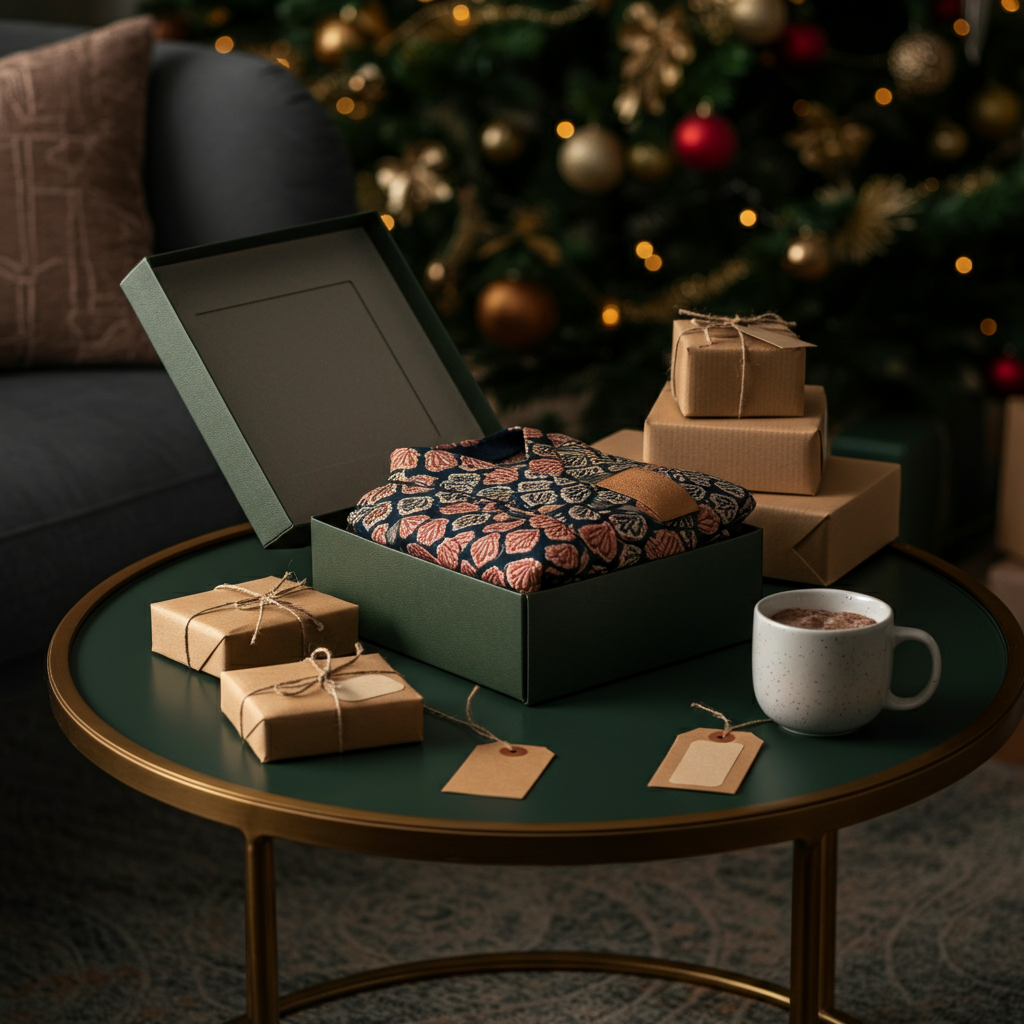
Is it too early to hear sleigh bells ringing? While it might feel like the winter holidays are still far off, getting a head start on your Christmas shopping this year is more than just a good idea—it’s a smart strategy. With retailers already warning about potential product shortages and price increases, early planning can save you stress, money, and disappointment.
Starting your gift hunt now ensures you get exactly what you want for your loved ones without the last-minute panic. This guide will walk you through the key benefits of early shopping, from avoiding stock-outs to securing the perfect presents. We’ll also explore some unique gift ideas, like kimonos and yukatas, that are sure to delight everyone on your list.
Beat the Shortages and Price Hikes
One of the most compelling reasons to shop early is the economic climate. Global trade negotiations and tariffs are creating uncertainty in the retail sector, and many businesses are concerned about their ability to keep shelves fully stocked this holiday season.
The Ripple Effect of Trade Uncertainty
When tariffs are imposed on goods, the cost to import those products rises. Retailers often have two choices: absorb the extra cost, which cuts into their profits, or pass it on to consumers through higher prices. Many experts predict that shoppers will see price tags on everything from electronics to clothing creep upward as the holidays approach.
By shopping now, you can lock in current prices before any potential hikes take effect. You are essentially buying your gifts before holiday-driven inflation hits, which could lead to significant savings, especially if you have a long list of people to buy for.
Avoid the “Out of Stock” Nightmare
Beyond pricing, there is a real concern about product availability. Retailers place their holiday orders months in advance, and ongoing trade discussions could disrupt supply chains. This might lead to:
Limited Selection: The most popular items and specific styles may sell out long before December.
Delayed Restocks: If a hot toy or trendy gadget sells out, it might not be restocked before Christmas.
Fewer Choices: You may be forced to settle for second-best if you wait too long to shop for high-demand products.
Shopping early means you get first pick of the inventory. You can browse a full selection of items, colors, and sizes, ensuring you find the perfect gift rather than what’s simply left over.
Secure Peace of Mind with Early Delivery
Holiday shopping isn’t just about buying the gift; it’s also about getting it where it needs to go on time. The holiday season puts immense strain on shipping carriers, and delays are increasingly common.
The Last-Minute Shipping Scramble
Every year, millions of people wait until the last minute to ship their packages, creating a logistical bottleneck. This often results in missed delivery deadlines and added stress. If you are sending gifts to family or friends who live out of state, this is an even bigger concern. You need to account for two shipping windows: the time it takes for the item to get to you, and the time it takes for you to forward it to its final destination.
Starting early gives you a generous buffer. You can take advantage of standard, more affordable shipping options and avoid the exorbitant fees for expedited services. More importantly, you can rest assured knowing your gifts will arrive with plenty of time to spare.
The Advantage of Extended Holiday Returns
A common hesitation with early shopping is the fear of being stuck with a gift that the recipient doesn’t love. What if you buy something in October, but the return window closes before you even give the gift in December?
Fortunately, most retailers have you covered. They understand that people shop early for the holidays and adjust their policies accordingly. Many major stores offer an extended holiday return period. Typically, items purchased from October through December can be returned well into January of the following year. Before you buy, simply check the store’s return policy. You’ll likely find that you have plenty of flexibility, removing the risk from your early purchases.
Discover Unique Gifts That Delight: Kimonos and Yukatas
When you shop early, you have more time to think beyond the usual gift cards and gadgets. You can discover truly special presents that reflect thoughtfulness and care. Kimonos and yukatas are perfect examples of gifts that blend beauty, comfort, and timeless style.
These traditional Japanese garments are incredibly versatile and make a wonderful gift for almost anyone on your list.
For the Homebody: A soft, comfortable kimono is the ultimate loungewear. It’s a luxurious upgrade from a standard bathrobe and perfect for relaxing with a cup of tea and a good book.
For the Fashion-Forward: A stylish yukata or short kimono (known as a “happi coat”) can be worn as a chic jacket over jeans and a t-shirt or as an elegant cover-up at the beach.
For the Person Who Has Everything: A beautifully crafted kimono is a unique and memorable gift. Its intricate patterns and rich history make it a piece of wearable art.
Kimonos and yukatas are available in a wide range of fabrics, from breathable cotton (ideal for yukatas) to knits, woven, and even luxurious silk. They offer a touch of elegance and comfort that feels both personal and special, making them a standout choice this holiday season.
Your Early Holiday Shopping Checklist
Ready to get started? Use this simple checklist to stay organized and make your early shopping experience a breeze.
[ ] Make Your List: Write down everyone you need to buy a gift for.
[ ] Set a Budget: Decide on a total spending limit and allocate a budget for each person.
[ ] Brainstorm Ideas: Think about each person’s hobbies, interests, and needs. Consider unique options like kimonos.
[ ] Research Prices and Policies: Compare prices online and in-store. Check the retailer’s extended holiday return policy before you buy.
[ ] Track Your Purchases: Keep a list of what you’ve bought to avoid duplicates and stay within budget.
[ ] Designate a Hiding Spot: Find a safe place to store the gifts away from curious eyes.
[ ] Plan for Shipping: If you’re mailing gifts, note the required shipping deadlines and prepare your boxes and labels early.
Start Your Thoughtful Gifting Today
The holidays should be a time of joy and connection, not stress and frantic shopping trips. By starting your Christmas shopping now, you can enjoy a more relaxed and meaningful holiday season. You’ll save money, avoid crowds, and have the satisfaction of finding thoughtful gifts that your loved ones will cherish.
So, make your list and start browsing today. Consider a beautiful kimono or yukata for someone special—it’s a gift of comfort, style, and thoughtfulness, all wrapped in one.
In Japanese culture, the dragon, or ryū, is not a creature of fire and destruction. Instead, it is a powerful and benevolent force associated with wisdom, strength, and good fortune. This divine being commands the waters and skies, bringing rain to nourish the land and protecting those it favors. Wearing a dragon on your clothing is more than a style choice; it’s an invitation to embody its auspicious energy. A Japanese robe adorned with a dragon becomes a symbol of personal power and protection.
At Kimono Shop, we have celebrated the art of Japanese textiles for over three decades. Our collection of dragon-themed kimonos and yukatas captures the spirit of this legendary creature. Each piece is expertly crafted in Japan from 100% cotton, offering a blend of authentic design and modern comfort.
The Symbolism of the Dragon
Unlike their Western counterparts, Japanese dragons are seen as guardians. They are complex symbols with deep roots in mythology and spirituality.
Strength and Power: The dragon is a figure of immense physical and spiritual strength. It represents the ability to overcome obstacles and achieve greatness.
Wisdom and Protection: As ancient beings, dragons are keepers of profound wisdom. They are often depicted as protectors of temples, treasures, and even entire communities.
Control Over Water and Sky: Japanese dragons are water deities, living in oceans, rivers, and lakes. They control rainfall, storms, and tides, symbolizing influence over the natural world and the flow of life itself.
Good Fortune: Sighting a dragon is considered an incredibly lucky omen, promising success, prosperity, and a bountiful future.
When you wear a dragon kimono or yukata, you carry these powerful meanings with you. It’s a statement of confidence, a nod to timeless tradition, and a personal emblem of good fortune.
Kimono Shop’s Dragon Kimono and Yukata Collection
Our curated selection of Japanese robes showcases the dragon in various awe-inspiring forms. Each design tells a unique story, pairing the dragon with other potent symbols from Japanese folklore.
Dragon and Mt. Fuji Yukata
This striking yukata combines two of Japan’s most powerful icons: the dragon and Mount Fuji. The dragon coils protectively around the sacred mountain, creating a design that symbolizes unshakeable strength and national pride. Available in deep navy, bold red, and classic black, this 100% cotton yukata is a masterpiece of cultural expression.
Dragon and Tiger Kimono
The dragon and the tiger are celestial rivals, representing the delicate balance of the universe. The dragon rules the heavens and the rain, while the tiger commands the earth. Together, they symbolize the harmony of opposing forces—spirit and matter, yin and yang. This dynamic Japanese robe is for those who appreciate the interplay of power and grace.
Dragon of Flame Kimono
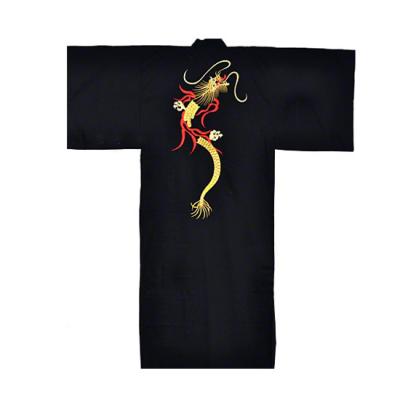
This design is a true showstopper. The Dragon of Flame Kimono features a large, intricately embroidered dragon across the back, its body ablaze with color and detail. Embroidery adds texture and dimension, making the dragon feel alive. It’s a bold and artistic piece that embodies the creature’s fiery spirit and unstoppable energy.
Dragon and Hawk Yukata
Another powerful pairing, the dragon and hawk represent supremacy over the sky. The hawk is known for its sharp vision and swift action, while the dragon commands the very weather. This yukata design speaks to ambition, clear focus, and the ability to rise above challenges.
Cloud Dragon Yukata
Often depicted among the clouds, the dragon is a master of the celestial realm. The Cloud Dragon yukata captures this ethereal quality, showing the dragon moving gracefully through the heavens. It evokes a sense of freedom, transcendence, and limitless potential.
Modern Style, Traditional Craftsmanship
We understand that style is personal. That’s why many of our dragon designs are available in both traditional, full-length cuts and as shorter Happi Coats. The Happi Coat offers a versatile, modern silhouette that works well as a light jacket over jeans and a t-shirt or as a comfortable lounge robe.
No matter which style you choose, you can be confident in its quality. Every Japanese kimono and yukata from Kimono Shop is made in Japan from soft, breathable 100% cotton.
Experience the Kimono Shop Difference
As a U.S.-based company, we make it simple to bring authentic Japanese style into your life. When you order from KimonoShop.com, you benefit from quick shipping from within the USA. There are no long waits for international packages or surprise customs fees. We also offer easy returns to ensure you are delighted with your purchase.
Embrace the dragon’s strength, wisdom, and good fortune. Explore our collection of dragon kimonos, yukatas, and Happi Coats to find the design that speaks to your spirit.
Halloween is just around the corner, and it’s time to start planning your ultimate costume. Whether you’re attending a party or going trick-or-treating, finding the perfect Halloween costume can be a daunting task. But fear not, because we have the ultimate solution for you – a Kimono or Yukata!
Embrace Japanese Culture on Halloween
Halloween is all about dressing up and having fun, but it’s also an opportunity to learn and embrace different cultures. Japan has a rich history and a unique fashion sense that makes it the perfect inspiration for a Halloween costume.
A traditional Japanese Kimono or Yukata is not only beautiful but also holds significant cultural meaning. The intricate designs and vibrant colors will draw attention to their beauty every time.
As the crisp autumn air signals the approach of Halloween, the annual quest for the perfect costume begins. Many of us search for an outfit that is both unique and comfortable, one that won’t be relegated to a box in the attic after just one night. This year, we invite you to consider a choice that is both timeless and stunningly versatile: the Japanese kimono or yukata.
More than just a costume, a kimono is a piece of art steeped in tradition. It offers an elegant and authentic alternative to the typical Halloween fare, allowing you to create a memorable look for your festivities.
Beyond a One-Time Costume
One of the greatest challenges with Halloween costumes is their fleeting nature. It’s common to spend a small fortune on a complex outfit, only to wear it once or twice. Fancy costumes can cost hundreds of dollars, making them a significant investment for a single evening of fun.
A kimono or yukata, however, is a beautiful garment you can enjoy long after the Halloween decorations come down. These robes are perfect for:
Elegant Loungewear: After a long day, there is nothing more comforting than slipping into a soft, breathable cotton yukata.
A Stylish Bathrobe: Enhance your daily routine with a robe that combines comfort with exquisite design.
Versatile Fashion: A short-length kimono, known as a Happi Coat, can be worn over jeans or as a light jacket, adding a touch of Japanese-inspired style to your everyday wardrobe.
Cosplay Events: For those who love cosplay, a high-quality yukata is an essential piece for portraying a wide range of characters from anime, manga, and Japanese folklore.
When you invest in a kimono, you are not just buying a Halloween costume; you are acquiring a multi-purpose garment that offers style and comfort year-round.
Create an Authentic Geisha Costume or Samurai Look
For those drawn to the grace and mystique of Japanese culture, a kimono provides the perfect foundation for an authentic geisha-inspired costume or a noble samurai. The rich fabrics, intricate patterns, and elegant silhouettes of our kimonos allow you to embody these iconic figures with dignity and beauty. Unlike mass-produced “geisha costumes” that often miss the mark, an authentic yukata lends an air of sophistication and respect to your ensemble.
Our collection features a wide variety of designs, from delicate floral patterns to bold, geometric prints, ensuring you can find the perfect piece to bring your vision to life. Paired with the right accessories, your kimono will transform you into a character of timeless elegance.
Fast Shipping from the USA
We understand that when inspiration for the perfect Halloween costume strikes, you don’t want to wait weeks for it to arrive. At Kimono Shop, we ship directly from the USA, ensuring your order reaches you quickly. You can plan your costume with confidence, knowing that your beautiful kimono or yukata will be delivered to your doorstep with time to spare.
For over 30 years, Kimono Shop has been a proud importer of authentic Japanese robes. We are passionate about sharing the beauty and tradition of these garments with our customers. This Halloween, step away from the predictable and embrace a costume that is as unique and versatile as you are.
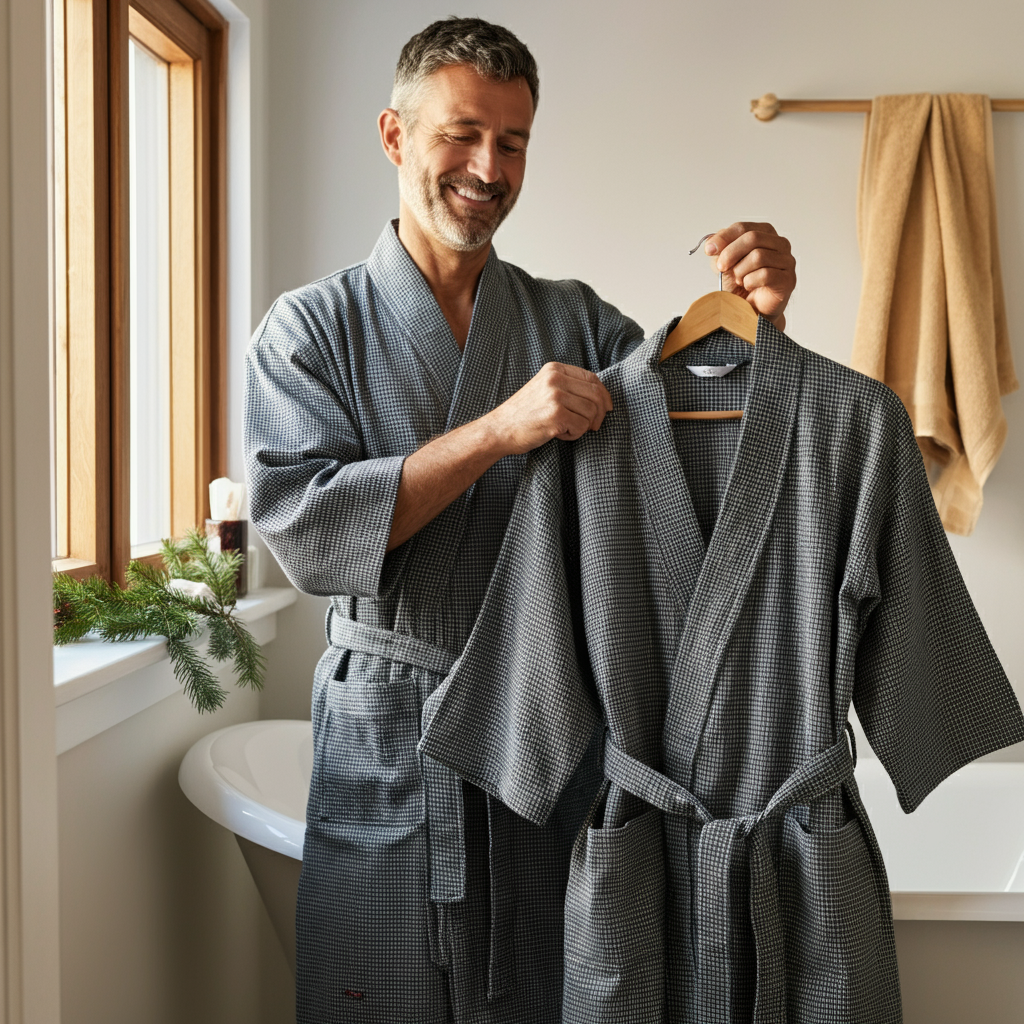
The holiday season brings a special kind of magic into our homes. We decorate, we cook, and most importantly, we open our doors to friends and family. As a host, you likely spend weeks planning menus and activities to make your guests feel cherished. But what about the small, quiet moments in between the celebrations? Consider the simple act of providing a guest robe—a gesture that offers comfort and a touch of luxury.
This year, elevate that experience by swapping the standard terry cloth for something truly memorable: a Japanese kimono or yukata. More than just a robe, it’s a thoughtful detail that blends practicality with elegance. It shows your guests you’ve considered their comfort down to the last detail. This simple addition can transform their stay from a pleasant visit into a cherished memory, all while being surprisingly easy and affordable for you.
A Gesture of Unforgettable Hospitality
When guests arrive, they are often living out of a suitcase. Providing a dedicated robe for lounging is a classic sign of a thoughtful host. A kimono or yukata takes this gesture to the next level. Unlike bulky bathrobes, these garments offer a unique blend of style and comfort.
Imagine your guest finding a beautifully folded, crisp cotton kimono waiting for them in their room or the bathroom. It’s an unexpected touch of luxury that immediately makes them feel pampered and welcomed. This isn’t just about providing something to wear; it’s about creating an experience. The lightweight fabric and elegant design feel special, turning a simple morning coffee or a quiet evening into a more refined moment of relaxation. It’s a small detail that communicates a powerful message: “You are special to us, and we want you to feel completely at home.”
The Practical Elegance of Kimonos and Yukatas
While the aesthetic appeal is undeniable, the practicality of these robes is what makes them a perfect fit for a busy host. Many authentic kimonos and yukatas are designed for ease of use and durability.
Easy Care for Busy Hosts
One of the biggest advantages is how simple they are to maintain. Many are made from high-quality, machine-washable cotton. You can simply toss them in the wash with other linens after your guests depart, and they come out fresh and ready for the next visitor. This eliminates the need for special laundering or dry cleaning, saving you time and effort during a hectic holiday season. The crisp feel of the cotton is easily restored, ensuring every guest gets that “brand new” experience.
Yukata: The Ideal Lightweight Option
When selecting a robe, you will often encounter both kimonos and yukatas. While related, the yukata is particularly well-suited for home use. Traditionally worn in summer or at hot spring resorts, yukatas are unlined robes made of a lighter cotton. This makes them perfect for wearing indoors, where central heating keeps things cozy. Your guests won’t feel overheated, and the fabric is soft and breathable against the skin, making it comfortable for lounging any time of day.
Styling, Comfort, and Modesty
A common concern with any house robe is coverage. You want your guests to feel comfortable walking from the bedroom to the kitchen for a glass of water without feeling exposed. Japanese kimonos and yukatas excel in this regard.
Each robe comes with a matching sash or belt, known as an obi. This allows your guests to easily secure the robe for a comfortable and modest fit. The design provides ample coverage, making it appropriate for wearing around you and other family members. The fabric drapes elegantly without being clingy, offering a flattering silhouette for all body types. Your guests can relax in style, whether they’re enjoying a lazy morning or winding down after a long day of festivities. This built-in modesty ensures everyone feels at ease, contributing to a relaxed and welcoming household atmosphere.
A Gift That Lasts Beyond the Holidays
The versatility of a kimono robe extends beyond a single visit. As a host, you have a few wonderful options once your guests have gone home.
First, you can treat them as part of your regular guest linen collection. Their durability means they can be washed and stored, ready to welcome visitors for years to come. Building a small collection of two or three ensures you are always prepared for holiday visitors or unexpected weekend guests.
Alternatively, for a truly generous gesture, you can invite your guests to take their robe home as a keepsake. A beautiful yukata is a memorable and useful gift that they will treasure long after the holidays are over. Every time they wear it, they will be reminded of the wonderful time they spent with you. This turns a simple piece of guest comfort into a lasting symbol of your friendship and hospitality, making it a gift that feels both personal and luxurious.
Setting the Stage for a Warm Welcome
Presentation is key to making this gesture feel special. Instead of just hanging it in the closet, consider how to display the robe for maximum impact upon arrival.
You could lay it neatly folded at the foot of the guest bed, along with fresh towels. Or, for a spa-like touch, hang it on a beautiful hook on the back of the bathroom door. Placing it alongside a small basket of toiletries—like nice soap, lotion, or a sleep mask—completes the picture of a five-star welcome. This thoughtful staging takes only a few moments but sets the tone for a relaxing and enjoyable stay.
Prepare Your Welcome Today
The holiday season is a time for connection and creating joyful memories. The small, thoughtful details are often the things our loved ones remember most. By offering a beautiful kimono or yukata, you provide more than just a robe; you offer a unique experience of comfort, elegance, and care. Start preparing your home for the season now by selecting a few beautiful robes. It’s a simple, affordable way to make your holiday guests feel truly cherished. Kimono Shop offers over 100 styles, patterns, colors, and sizes. Visit their online store, Kimono Shop, where shipping is quick and orders of $75 or more ship free.
As the air grows crisp and leaves paint the landscape in shades of amber and crimson, we naturally seek comfort and warmth. The arrival of the autumn equinox signals a shift not just in the weather, but in our daily routines. Evenings draw in sooner, and after a long day, the appeal of slipping into something comfortable to unwind at home becomes undeniable. This season of cozy sweaters and warm drinks is the perfect time to enhance your loungewear. Instead of reaching for the usual sweats, consider embracing the elegant comfort of an authentic Japanese kimono.
This fall, we invite you to discover how a kimono can transform your evenings from ordinary to exceptional. We will explore why this traditional garment is the ideal choice for autumn relaxation, how to select the perfect one for your style, and where to find high-quality, authentic pieces that will last for years to come. Prepare to wrap yourself in a new kind of comfort.
The Allure of Autumn and the Call for Comfort
Fall has a unique magic. It’s a season of transition, encouraging us to slow down and savor the simple pleasures. The cooler temperatures mean we spend more time indoors, creating personal sanctuaries where we can relax and recharge. This is the time for curling up with a good book, enjoying a hot cup of tea, or catching up with loved ones in a comfortable setting.
Your choice of loungewear plays a significant role in setting this relaxing mood. The right garment can make you feel instantly at ease, helping to shed the stresses of the day. While many people default to standard pajamas or athletic wear, a kimono offers a blend of sophistication, comfort, and cultural richness that typical loungewear lacks. It’s more than just clothing; it’s an experience.
Why a Kimono is Your Ideal Fall Companion
You might associate kimonos with formal occasions or summer festivals, but they are incredibly versatile and well-suited for relaxing at home, especially during the autumn months. The flowing design and soft fabrics provide a sense of freedom and ease that is perfect for unwinding.
Unmatched Comfort and Style
A kimono drapes elegantly over the body, offering a comfortable fit without being restrictive. Unlike heavy robes, many kimonos are crafted from breathable cotton, making them ideal for the transitional weather of fall. They provide just the right amount of coverage to ward off a slight evening chill while allowing your skin to breathe. The wide sleeves and simple tie-waist design make them easy to slip on and off.
Moreover, a kimono brings an element of effortless style to your downtime. The beautiful patterns, from classic geometric designs to intricate floral motifs, add a touch of artistry to your evening routine. Feeling good in what you wear, even at home, can significantly boost your mood and help you relax more deeply.
Versatility for Modern Living
The modern kimono is not just for lounging. Its versatility makes it a practical addition to any wardrobe. You can wear it over pajamas as a light robe, pair it with leggings and a simple top for a chic at-home look, or even use it as a stylish cover-up when you have guests. This adaptability ensures that your kimono will be a cherished piece you reach for time and again throughout the season.
Choosing Your Perfect Kimono with Kimono Shop
When you decide to invest in a kimono, authenticity and quality are key. For over three decades, Kimono Shop has been a leading online retailer of authentic Japanese kimonos and yukata robes, building a reputation for excellence and reliability. They have essentially written the book on online kimono shopping, making it easy for customers to find genuine, high-quality garments from the comfort of their homes.
A Legacy of Trust
Shopping online for traditional garments can be daunting, but Kimono Shop’s extensive experience provides peace of mind. With over 30 years in the business, they have cultivated deep relationships with manufacturers in Japan, ensuring that every piece they sell is authentic. Their commitment to quality means you are getting a durable, beautifully crafted garment that honors its cultural heritage.
An Unrivaled Selection
One of the greatest joys of shopping for a kimono is finding a pattern that speaks to you. Kimono Shop offers a vast selection of patterns, styles, and sizes to suit every taste.
Patterns and Colors: Whether you prefer subtle, minimalist designs or bold, vibrant prints, you will find something to love. Explore traditional motifs like cherry blossoms, cranes, and dragons, or opt for contemporary geometric patterns. The range of colors ensures you can find a kimono that complements your personal style.
Styles and Fabrics: Kimono Shop offers both traditional kimonos and the lighter cotton yukata, which are perfect for indoor lounging. You can choose from various lengths and fabric weights to find the ideal robe for your comfort level.
Inclusive Sizing: Finding the right fit is essential for comfort. Kimono Shop provides a wide array of sizes, including plus-size options, ensuring that everyone can experience the elegance and comfort of a Japanese kimono.
Make This Fall Your Coziest Season Yet
As the nights get longer and the air cooler, embrace the opportunity to create a cozy and restorative atmosphere in your home. Swapping your old loungewear for an authentic Japanese kimono is a simple yet powerful way to enhance your relaxation. The unique combination of comfort, style, and cultural beauty makes it the perfect garment for the autumn season.
We encourage you to explore the world of kimonos and discover how this timeless piece can enrich your life. Visit Kimono Shop to browse their incredible collection and find the perfect kimono to accompany you through this fall and many more to come. Wrap yourself in a tradition of comfort and make your evenings a little more magical.