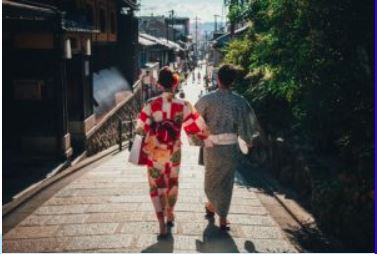
The traditional Japanese kimono and the more casual yukata have long been celebrated. Not just as garments but as exquisite canvases that tell stories through their designs. Among the most captivating motifs woven into these fabrics are birds. Each bird carries its unique symbolism. It weaves a rich tapestry of meaning into the garment. This blog post explores the enchanting world of bird symbolism in Japanese kimono and yukata. We offer insights for Japanese culture lovers, fashionistas, and kimono enthusiasts alike.
The Crane: Symbol of Longevity and Good Fortune – One cannot discuss bird motifs without mentioning the crane. Revered in Japanese culture, the crane is synonymous with luck, longevity, and fidelity. Represented often in wedding kimonos or “uchikake.” The crane promises a life of prosperity and happiness to newlyweds. Its presence on a kimono or yukata signifies hope for enduring love and a long, healthy life.
The Sparrow: Emblem of Simplicity and Joy – Contrasting the majestic crane, the humble sparrow symbolizes joy and the simplicity of a fulfilled life. Kimono and yukata adorned with sparrows invite wearers and onlookers to appreciate the small pleasures of daily existence. This motif is particularly popular among those who value the beauty in the ordinary.
The Phoenix: Fantasy of Rebirth – Though not exclusive to Japanese mythology, the phoenix holds a special place in the nation’s iconography. Known as “Hō-ō” in Japanese, the phoenix represents fire, rebirth, and immortality. Kimonos featuring this mythical bird are often worn on auspicious occasions. This symbolizes the wearer’s resilience and capacity for renewal.
The Peacock: Vanity and Nobility – While less common, the peacock is a motif that denotes nobility, beauty, and a sense of self-pride. The elaborate display of the peacock’s tail feathers on the kimono and yukata fabric reflects a celebration of beauty and an expression of personal style. Wearing a peacock-adorned garment suggests a confident and regal bearing.
Understanding and Appreciating the Symbolism – In the intricate world of Japanese kimono and yukata, every bird tells a story. Every color has a purpose, and every pattern represents a wish for the wearer. Individuals become enchanted by the cultural depth and aesthetic beauty of these garments. Understanding the symbolism behind the motifs can enrich the wearing experience and deepen their appreciation for Japanese culture.
Whether you’re donning a kimono adorned with the elegant crane, the joyful sparrow, the mythical phoenix, or the noble peacock, you’re participating in a storied tradition that spans centuries. These garments are more than mere fashion statements. They are wearable art steeped in cultural significance and symbolic meaning.
For those looking to explore the beauty of Japanese robes, keywords such as “bird kimono,” “kimono,” “kimonos,” “yukata,” and “Japanese robes” serve as gateways into this rich cultural tapestry. Each piece, with its unique blend of design and symbolism, invites wearers and admirers on a cultural journey that transcends mere aesthetics.
In conclusion, the bird symbolism woven into the fabric of Japanese kimono and yukata reveals a fascinating intersection between nature, culture, and fashion. By understanding and appreciating these motifs, we only honor the tradition behind these garments. We also continue the legacy of storytelling that they represent. Next time you encounter a kimono or yukata, take a moment to ponder the birds adorning it and the stories they tell.
The online Kimono Shop carries a vast selection of authentic Japanese kimonos and yukata. Kimono Shop offers a wide range of colors, styles, and patterns. Located in the USA, shipping is quick, and orders of $75 or more ship free anywhere in the USA, including Alaska and Hawaii.