Since 1994, Kimono Shop has been dedicated to serving kimono lovers around the globe. Recently, we asked our community to send in their most pressing questions about our brand, our garments, and our history. We selected five of the most popular inquiries and sat down to answer them in this exclusive interview.
What makes Kimono Shop a great choice to shop for kimonos?
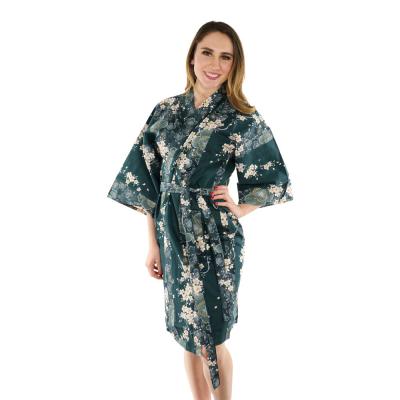
Kimono Shop is a trusted provider of authentic Japanese kimonos and yukatas, offering exceptional quality, direct-from-Japan sourcing, and over 30 years of industry expertise.
Since 1994, we have prioritized authentic craftsmanship and customer satisfaction. When you shop with Kimono Shop, you receive garments that provide both superior comfort and long-lasting durability, backed by a team that truly understands Japanese textiles.
What is the history of Kimono Shop?
Kimono Shop was founded in 1994 with a clear mission: to share the elegance and comfort of authentic Japanese loungewear with a global audience.
Over the past three decades, we have grown from a passionate small business into a premier online destination for kimono enthusiasts. As fashion trends change, our commitment to traditional Japanese quality and exceptional service remains our foundation.
How do you obtain your kimonos?
We source our kimonos and yukatas directly from skilled artisans and trusted textile manufacturers located in Japan.
By maintaining these direct, long-standing relationships, we eliminate middlemen and guarantee the authenticity of every garment. This sourcing method ensures our customers receive genuine Japanese products while actively supporting the traditional craftsmanship of local artisans.
Why do you do what you do?
We are deeply passionate about preserving the rich cultural heritage of Japanese textiles and making these beautiful, functional garments accessible worldwide.
The artistry, comfort, and history woven into every authentic kimono deserve to be shared. Providing our customers with a piece of this tradition—and hearing how much they love wearing their garments—drives our dedication every single day.
How do I decide what kimono or yukata to buy?
Choosing the right kimono or yukata depends entirely on your intended use, preferred fabric, and local climate.
To make the best choice, consider the following:
Material: Opt for a 100% cotton yukata for warm weather, spa days, or casual lounging due to its high breathability.
Occasion: Select a heavier kimono for cooler temperatures or more formal indoor wear.
Fit: Always consult our detailed sizing guide, paying close attention to length and width measurements to ensure maximum comfort.
Style: Whatever pattern suits your style. We like to let the patterns and designs speak to us. Once that occurs, the choice is easy.
Visit us in our online Kimono Shop 24 hours a day. We offer quick turnaround on most orders and strive to ship your robes within one business day.
Imagine coming home after a long day, kicking off your shoes, and slipping into a garment that feels like a gentle hug. There is nothing quite like the sensation of wrapping yourself in a beautifully crafted robe that perfectly balances elegance and ultimate comfort.
Here at Kimono Shop, we believe everyone deserves to experience that exact feeling. Since 1994, we have made it our mission to bring the rich tradition of Japanese loungewear directly to your doorstep. Whether you are a lifelong fan of Japanese culture or simply looking to upgrade your relaxation routine, we are here to help you find your perfect match.
Why We Love the Authentic Japanese Kimono
When you wear an authentic Japanese kimono, you wear a piece of art. These garments carry centuries of tradition, crafted with incredible attention to detail, vibrant colors, and stunning patterns.
But a kimono is much more than just a beautiful piece of clothing. It changes the way you move and feel. The straight seams and flowing sleeves encourage a sense of grace and mindfulness. You instantly feel put together, even if you are just sipping your morning coffee on the patio. We source our kimonos directly from skilled artisans, ensuring you get the genuine quality and incredible craftsmanship you deserve.
Yukata Robes: Your Everyday Oasis
If you want the elegance of a kimono with a lighter, breezier feel, you need to meet the yukata. Traditionally worn during summer festivals or after a relaxing soak in a hot spring, yukata robes offer the ultimate everyday luxury.
Made from breathable, crisp cotton, these robes keep you cool and comfortable all year round. They serve as the perfect companion for lazy Sunday mornings, spa days at home, or getting ready for a night out. Plus, they come in endless playful designs—from geometric shapes to brilliant floral prints. Finding a yukata that matches your vibrant personality takes only a few clicks.
We Make Online Kimono Shopping a Breeze
Let’s face it: buying traditional clothing on the internet used to feel like a guessing game. Will it fit? Is the fabric actually comfortable?
When we launched in 1994, we set out to completely rewrite the online kimono shopping experience. We took the guesswork out of the process by providing detailed sizing guides, crystal-clear fabric descriptions, and dedicated customer support. We want your shopping journey to be just as relaxing as the robes we sell.
What Sets Kimono Shop Apart
Decades of Expertise: With over 30 years in the business, we know exactly what makes a great robe.
Genuine Quality: We never cut corners. You receive garments that look brilliant and stand the test of time.
A Fit for Everyone: We offer a wide range of sizes and lengths, ensuring you find a robe that feels custom-made for you.
Find Your New Favorite Robe
Are you ready to elevate your loungewear game? It is time to ditch those worn-out sweatpants and treat yourself to something extraordinary.
Browse our latest collection of kimonos and yukatas to discover the vibrant colors, intricate patterns, and unmatched comfort that await you. Explore Kimono Shop today, and let us help you find the perfect authentic Japanese kimono to brighten up your wardrobe!
Finding a truly meaningful gift requires thought and intention. You want to present your loved ones with something beautiful, distinctive, and imbued with significance. Kimono-inspired gifts offer a delicate balance of rich cultural heritage and striking aesthetic appeal. Rooted in centuries of Japanese craftsmanship, these items transform traditional elegance into versatile treasures suitable for modern living.
Whether you are celebrating a wedding, searching for a memorable birthday present, or welcoming a friend into their new home, Japanese artistry provides endless inspiration. By gifting items inspired by the kimono, you share a piece of history, impeccable design, and unparalleled quality. We will explore how accessories, traditional fabrics, and home décor elements make unforgettable gifts for the special people in your life.
The Elegance of Kimono Accessories
Accessories serve as the perfect entry point into the world of traditional Japanese fashion. They allow the recipient to incorporate a touch of elegance into their everyday wardrobe without needing to wear a full kimono.
Statement Obi Belts
The obi is the wide sash worn over a kimono, famous for its heavy silk brocade and elaborate weaving techniques. An authentic obi is a masterpiece of textile art. Many modern fashion enthusiasts use vintage or newly crafted obi belts to cinch dresses, tunics, or coats. Gifting an obi offers a bold, sophisticated accessory that instantly elevates a simple outfit. When selecting an obi, look for intricate Nishijin-ori weaving, a traditional technique from Kyoto that produces breathtaking, multidimensional patterns.
Kanzashi Hairpins
Kanzashi are traditional Japanese hair ornaments designed to complement the kimono. Artisans meticulously craft these pieces using techniques like tsumami-zaiku, where they pinch and fold tiny squares of silk to form three-dimensional petals and flowers. A delicate kanzashi hairpin makes a thoughtful birthday or anniversary gift. It brings a refined, feminine touch to updo hairstyles for formal events, weddings, or evening gatherings.
Traditional Bags and Clutches
Kinchaku (drawstring bags) and clutch purses crafted from vintage kimono silk make exceptional gifts for those who appreciate unique fashion. These bags often feature auspicious Japanese motifs, such as cranes for longevity or cherry blossoms for renewal. A silk clutch serves as a brilliant conversation starter at social events and offers a stunning alternative to mass-produced accessories.
Transforming Spaces with Kimono Home Décor
If your recipient loves interior design, kimono-inspired home décor brings the quiet luxury of Japanese aesthetics directly into their living space. The heavy, ornate fabrics used in kimonos and obis translate beautifully into striking statement pieces for the home.
Wall Hangings and Tapestries
A vintage kimono or a beautifully woven obi sash makes a magnificent wall hanging. By mounting a pristine silk obi on a bamboo pole, you create a dramatic focal point for a living room, hallway, or bedroom. The vibrant colors and metallic threads catch the light, displaying the textile exactly like a piece of fine art. This makes a breathtaking housewarming gift that will anchor a room and command attention.
Elegant Table Runners
Repurposing kimono and obi fabrics into table runners is a wonderful way to bring traditional craftsmanship to the dining room. An obi table runner transforms an ordinary dinner table into a sophisticated setting. The stiff, durable nature of obi silk ensures the runner lies flat and maintains its shape. Gift this to a friend who loves hosting dinner parties or as an unforgettable wedding present that the couple can use for future holiday meals and anniversaries.
Decorative Throw Pillows
Cushion covers fashioned from vintage kimono silk add an instant touch of luxury to a sofa or armchair. Artisans often salvage pristine sections of older kimonos to create these stunning covers. Giving a pair of silk brocade throw pillows is an excellent way to help someone brighten up their living space with a pop of authentic Japanese color and texture.
The Gift of Traditional Japanese Fabrics
For the creative minds, crafters, and eco-conscious friends in your life, the raw materials and traditional fabric items associated with kimono culture make outstanding gifts.
Furoshiki Wrapping Cloths
Furoshiki are square pieces of fabric traditionally used to wrap and transport goods in Japan. Today, they serve as a beautiful, eco-friendly alternative to paper gift wrapping. You can purchase Furoshiki in various sizes, featuring classic kimono patterns like waves (seigaiha) or geometric hemp leaves (asanoha). The true magic of Furoshiki is that it functions as a two-in-one present. You can use it to wrap another gift, and the recipient can keep the cloth to use as a scarf, a bag, or a sustainable wrapping cloth for their own future gifting.
Silk Remnants and Fabric Panels
If you are shopping for a quilter, tailor, or DIY enthusiast, consider giving bundles of authentic kimono fabric remnants. Crafters highly prize Chirimen (crepe silk) and Rinzu (damask silk) for their unique textures and high-quality dyes. A curated selection of vintage silk panels allows the recipient to incorporate authentic Japanese textiles into their own creative projects, from patchwork quilts to bespoke clothing accents.
Matching the Motif to the Occasion
When selecting a kimono-inspired gift, pay attention to the patterns woven or dyed into the fabric. Traditional Japanese motifs carry deep symbolic meanings, allowing you to tailor your gift specifically to the occasion.
Weddings: Look for items featuring cranes (tsuru) or pine trees (matsu). Cranes mate for life and symbolize longevity and a harmonious marriage. Pine trees represent steadfastness and endurance.
Birthdays: Cherry blossoms (sakura) represent the fleeting beauty of life and new beginnings, making them perfect for celebrating another year. Chrysanthemums (kiku) symbolize rejuvenation and long life.
Housewarmings: The wave motif (seigaiha) signifies surges of good luck, strength, and resilience. This serves as a wonderful blessing for someone starting a new chapter in a new home.
Discover the Perfect Kimono Gift
Kimono-inspired gifts transcend ordinary presents. They carry the weight of artisanal dedication, the beauty of rich silk, and the profound symbolism of Japanese culture. Whether you choose a gleaming obi table runner for a wedding, a delicate silk hairpin for a birthday, or a versatile Furoshiki cloth for an eco-conscious friend, you are giving a gift that will be cherished for a lifetime.
Ready to find a deeply meaningful gift that leaves a lasting impression? Explore our carefully curated collection of authentic kimonos, beautiful silk accessories, and stunning home décor items today. Visit our shop to discover the perfect piece of Japanese artistry for your next special occasion.
Graduation season marks a magnificent milestone. Years of intense dedication, early morning classes, and relentless hard work culminate in a single, triumphant walk across the stage. As you look for meaningful ways to celebrate the new graduate in your life, you might want to move beyond the traditional pens, briefcases, and standard gift cards. Instead, give them something that wraps them in comfort and beautifully honors their incredible achievement.
A traditional Japanese kimono or a lightweight yukata robe makes an extraordinary graduation gift. These elegant garments perfectly blend sophisticated style with unmatched daily utility, making them a brilliant choice for young adults entering their next chapter.
A Gift of Unmatched Comfort and Style
When students transition from high school to college, or from a university campus to the professional sphere, their need for comfortable, reliable clothing remains a constant. A high-quality kimono provides exceptional comfort without ever sacrificing elegance.
Perfect for Dorm Living and College Life
For the recent high school graduate heading off to a busy university dormitory, a cotton yukata robe quickly becomes an essential piece of daily wear. College life demands flexibility. Imagine those grueling late-night study sessions preparing for midterms. Instead of wearing restrictive clothing or worn-out sweatpants, your graduate can slip into a breathable, beautifully patterned robe.
Kimonos also make for the absolute ideal loungewear on busy weekends. Whether your graduate is hanging out with friends in the common room, collaborating on intense group projects, or simply enjoying a quiet Sunday morning after a long week of classes, a kimono offers a sophisticated alternative to standard pajamas. It allows them to feel put-together and confident while remaining completely relaxed.
A Memorable, Long-Lasting Keepsake
Most graduation gifts are quickly spent or quietly forgotten within a few months. A beautifully crafted Japanese kimono stands far apart from the crowd. It is a highly personal, thoughtful present that carries a true sense of occasion. Every time your graduate wraps the soft fabric around themselves, they will remember the proud family member or friend who gave it to them.
Crafted from durable, premium materials, authentic kimonos are intentionally designed to last. They will comfortably carry the graduate through their four years of college and well into their adult life. This remarkable longevity transforms a simple piece of clothing into a cherished keepsake they will remember for years to come.
Find the Perfect Robe for Your Graduate
Selecting the right graduation gift requires care and attention to detail. By choosing a kimono, you offer a unique present that clearly stands out from the rest. You offer a practical solution for their everyday lounging needs and celebrate their milestone with genuine style and grace.
Are you ready to find the ideal present to celebrate your upcoming graduation? Browse our curated collection of authentic Japanese kimonos and yukata robes today to discover a beautiful, timeless gift they will treasure forever.
Finding the perfect balance between comfort and style during warmer months often feels like a challenge. You want clothing that breathes well, looks fantastic, and transitions effortlessly from your living room to the outdoors. Enter the Happi Coat.
This traditional Japanese short-length kimono offers an incredible blend of practicality and elegance. Whether you need a comfortable outfit for relaxing on the weekend, a chic pool cover-up, or even a cohesive uniform for your business team, this garment delivers. Let us explore why the Happi Coat deserves a permanent spot in your spring and summer wardrobe.
Effortless Comfort for Spring and Summer
When temperatures rise, heavy fabrics and restrictive cuts will not do. The Happi Coat provides a lightweight, breezy alternative that keeps you cool while looking undeniably stylish.
Perfect for Home and Beyond
True loungewear should work beautifully for everything you do around the house. Slip into a Happi Coat to enjoy your morning coffee, read a book on the patio, or tackle light chores. The loose, forgiving fit gives you plenty of room to move.
You can easily wear this short kimono while kneeling in the garden to pull weeds or water your flowers. If you need to run quick errands, the Happi Coat pairs wonderfully with simple jeans or leggings. It turns a quick trip to the grocery store into a comfortable, stylish outing.
The Ultimate Pool Cover-Up
Spending a sunny afternoon by the water requires the right attire. The Happi Coat serves as an ideal pool cover-up. Its open-front design allows you to slip it on easily over a wet swimsuit. The fabric catches the summer breeze, drying quickly while offering just the right amount of protection from the sun. You will feel instantly put-together as you transition from the pool to an outdoor lunch.
A Touch of Hospitality: Gifts and Guests
Finding a unique, thoughtful gift for a friend moving into a new home can be tricky. A Happi Coat makes an excellent housewarming present. It offers a touch of luxury that people rarely buy for themselves.
These short kimonos also elevate the hospitality of your own home. Keep a few clean Happi Coats in your guest room closet. When visitors arrive for the weekend, offering them a dedicated, stylish robe makes them feel like they are staying at a premium resort. It is a small detail that leaves a lasting impression on your guests.
Professional Elegance: Wardrobe Your Team
The benefits of the Happi Coat extend far beyond personal use. Business owners in the wellness and personal care industries constantly look for uniforms that look professional but feel incredibly comfortable.
If you run a nail salon, a dentist’s office, or a day spa, consider dressing your staff in matching Happi Coats. The clean lines and uniform appearance create a cohesive, calming brand aesthetic for your clients. At the same time, your employees will appreciate working in unrestrictive clothing. The short sleeves ensure their hands stay free to perform treatments, while the elegant silhouette projects a high standard of care and hygiene.
The Magic of Cool, Soft Cotton
The true secret behind the Happi Coat’s appeal lies in its material. Crafted from cool, soft cotton, the fabric feels absolutely incredible against your skin. Cotton naturally wicks moisture away, making it the perfect companion for humid spring and summer days.
Unlike synthetic materials that trap heat, a cotton short kimono allows air to circulate freely. Every time you wear it, you experience a soft, breathable embrace that helps you stay relaxed and comfortable from morning until night.
Upgrade Your Loungewear Experience
The Happi Coat proves that you never have to sacrifice style for comfort. From tending to your garden to outfitting your professional spa team, this versatile short kimono adapts to your needs effortlessly. It redefines what practical loungewear can be.
Take a moment to evaluate your warm-weather wardrobe. Embrace the breathable comfort of soft cotton and the timeless elegance of the Happi Coat to elevate your everyday routines this spring and summer.
Open your email right now and take a look at your inbox. If you are like most people, you likely see a mountain of unread messages. Retailers, software companies, and marketers flood our digital lives with daily updates, weekly digests, and endless promotional blasts. You delete them, archive them, or ignore them, yet they keep coming.
At Kimono Shop, we understand the frustration of email fatigue. We recognize that your inbox is a personal space, not a billboard for endless advertising. That is why we take a completely different approach to our email newsletter. We believe in quality over quantity, delivering real value without the overwhelming noise.
Here is exactly why our newsletter is different, how we protect your privacy, and why signing up will actually make your life a little easier.
The Reality of Inbox Overwhelm
Research indicates that consumers are incredibly overwhelmed by the sheer volume of digital communication they receive. Studies show that 39% of people currently sit on over 100 unread emails. Furthermore, 49% of consumers feel they receive far too many marketing emails from brands they otherwise like.
Marketers often operate on the assumption that more communication equals more sales. They push daily product features, weekly roundups, and constant “miracle cures” to grab your attention. However, this strategy frequently backfires. Consumers simply do not have the time or energy to sift through hundreds of emails each day.
We recognize the “Too Much” threshold. A significant 70% of consumers unsubscribe from email lists simply because they receive too many messages. Excessive email frequency leads directly to frustration, disengagement, and a loss of trust. When a brand emails you every single day, the messages lose their meaning. They become chores rather than opportunities.
Quality Over Quantity: The Kimono Shop Approach
We refuse to add to your daily digital clutter. Unlike most businesses, we treat your permission to email you with the highest possible regard. We respect your time, your attention, and your digital space.
Instead of bombarding you with daily or weekly messages, we carefully curate our communication. Kimono Shop sends out approximately five or six emails per year. We only reach out when we have something genuinely important and valuable to share with you.
What You Will Actually Receive
When you do see an email from Kimono Shop, you can trust that it contains meaningful information. Our periodic emails focus strictly on what benefits you the most:
Exclusive Sales: Be the first to know about our seasonal discounts and clearance events.
Special Deals: Access subscriber-only promotions that keep extra money in your wallet.
New Products: Get a sneak peek at our latest arrivals and carefully curated inventory additions.
We skip the fluff. We do not send out unnecessary company updates, daily lifestyle tips, or aggressive sales pitches. If an email does not directly benefit you with savings or exciting new product access, we simply do not send it.
Your Privacy is Our Strict Priority
Trust forms the foundation of any good relationship, and we take your digital privacy seriously. Many companies treat customer data as a secondary revenue stream, trading or selling lists to third-party marketers. This practice results in the endless spam and unsolicited emails that clutter your inbox.
Kimono Shop operates differently. We never sell, share, or provide your email address to any party outside our office. When you share your contact information with us, it stays strictly with us. We secure your data and use it solely for the purpose you intended: receiving occasional, high-value updates directly from Kimono Shop. You will never have to worry about your information ending up in the hands of unknown advertisers.
Why Less Communication Means Better Value
Mindful communication creates a better shopping experience. By limiting our emails to just five or six a year, we ensure that every message matters.
Think about the brands you actually look forward to hearing from. They are rarely the ones that demand your attention every day. They are the ones that respect your boundaries and consistently deliver value. Studies consistently show that consumers prefer receiving a limited number of emails from brands rather than hundreds. By holding back until we have a substantial deal or exciting new product, we make sure our emails are worth opening.
This approach forces us to be intentional. We spend our time curating the best possible deals and sourcing the highest quality products, rather than writing endless streams of marketing copy. Our focus remains exactly where it belongs: on providing you with exceptional goods and outstanding service.
Join the Kimono Shop Community Today
You deserve an inbox that serves you, rather than one that stresses you out. You can enjoy the benefits of staying connected with your favorite brands without sacrificing your digital peace of mind.
Experience the difference of a customer-centric newsletter that truly respects your space. Join our email list today and enjoy future announcements that save you money. Simply enter your email address below, and rest easy knowing you will only hear from us a few times a year when we have something great to share.
Finding the perfect loungewear often feels like a compromise. You might choose between something comfortable and something stylish, or between something that feels good and something easy to care for. What if you could have it all? Enter the world of traditional Japanese garments: the kimono and the yukata. These pieces are making a graceful transition from ceremonial wear to the ultimate choice for at-home relaxation, blending unparalleled comfort, effortless style, and practical benefits.
This post will explore why a cotton kimono or yukata deserves a special place in your wardrobe. We will look at how their design offers supreme comfort, how simple they are to maintain, and how they bring a touch of timeless elegance to your daily routine—all without a hefty price tag.
Effortless Comfort and Unmatched Ease
One of the most compelling reasons to adopt a kimono or yukata for lounging is its sheer simplicity. Forget about tight waistbands, restrictive seams, and complicated fastenings. These garments are designed for freedom of movement.
The Beauty of a Simple Design
A kimono is constructed from straight-line cuts of fabric, creating a T-shaped robe that drapes beautifully over the body. You simply wrap it around you and secure it with a sash, or obi. This design allows for a customizable fit that accommodates different body shapes and sizes, ensuring you never feel constricted. The loose, flowing sleeves and generous cut promote air circulation, keeping you cool and comfortable whether you’re enjoying a morning coffee or winding down in the evening.
From Morning Routine to Evening Relaxation
The ease of slipping into a kimono makes it a versatile piece for any part of your day. It’s the perfect robe to throw on after a shower, providing a soft and absorbent layer. It’s also an elegant alternative to a standard dressing gown for starting your day or relaxing before bed. The transition is seamless, offering a sense of calm and grace to your at-home moments.
The Practical Perk of Easy-Care Cotton
While silk kimonos are known for their luxuriousness, the everyday hero of loungewear is the cotton yukata. Originally worn for bathing, the yukata is a lighter, more casual version of the kimono, typically made from soft, breathable cotton. This choice of fabric is not only comfortable but also incredibly practical.
Say Goodbye to Complicated Washing Instructions
Cotton yukatas and kimonos are refreshingly low-maintenance. Unlike delicate fabrics that require special handling, most cotton versions can be machine-washed in cold water. This makes them a stress-free option for daily wear. You can relax in your favorite loungewear without worrying about spills or the hassle of dry cleaning. The durability of cotton means your garment will maintain its softness and shape wash after wash, becoming even more comfortable over time.
Breathable and Gentle on the Skin
The feel of soft cotton against your skin is a simple luxury. It’s a natural, hypoallergenic fiber that is gentle and breathable. This is especially beneficial for loungewear, as it helps regulate your body temperature and keeps you comfortable through changing seasons. The lightweight nature of the cotton yukata makes it ideal for warmer months, while a slightly thicker cotton kimono can provide a cozy layer during cooler weather.
Timeless Style and Understated Elegance
Choosing a kimono or yukata as loungewear is also a style statement. It’s a way to embrace beauty and elegance in your everyday life, transforming the simple act of relaxing at home into a more refined experience.
A Rich History of Beauty
Kimonos are adorned with a vast array of patterns, each with its own symbolism and history. From delicate cherry blossoms and graceful cranes to bold geometric designs, these patterns add a layer of artistry and meaning to the garment. Wearing one connects you to a tradition of craftsmanship and aesthetic appreciation. While you may be at home, you are draped in a piece of art that is both beautiful and functional.
Elevate Your At-Home Look
Swapping your old t-shirt and sweatpants for a kimono instantly elevates your loungewear game. It brings a sense of intention and sophistication to your relaxation time. This simple change can positively impact your mindset, helping you feel more put-together and serene even on the quietest of days. It’s a form of self-care, allowing you to surround yourself with beauty and comfort.
An Affordable Luxury: True Value for Your Money
Perhaps the most attractive aspect of embracing kimonos and yukatas for loungewear is their accessibility. While intricate, formal kimonos can be very expensive, high-quality cotton yukatas and casual kimonos are available at very reasonable prices.
This combination of durability, timeless style, and supreme comfort offers incredible value. You are investing in a versatile garment that you will reach for day after day. It’s a piece that won’t quickly wear out or go out of style, making it a sustainable and thoughtful addition to your wardrobe. You get to enjoy a touch of luxury and a world of comfort without a significant financial outlay.
Discover Your Perfect Loungewear Today
The search for the perfect loungewear ends here. A kimono or yukata offers a unique blend of benefits that are hard to find in other garments. The ease of wearing, the simple care of soft cotton, the timeless beauty of the designs, and the luxurious feel against your skin all come together in one perfect package.
By choosing a kimono, you are not just selecting a piece of clothing; you are embracing a lifestyle of comfort, elegance, and mindful relaxation. It’s an affordable luxury that provides true value and transforms your home into a personal sanctuary.
The term “vintage” carries different meanings depending on the context. For some, it evokes the memory of a fine wine, carefully noting the year it was produced. Others might think of a classic car their grandfather cherished or an antique treasure discovered at a garage sale. In the world of kimonos, however, “vintage” typically refers to pre-owned kimonos and yukata robes.
In recent years, the market for “vintage” clothing has grown significantly, with many dealers specializing in these unique garments. Often, the term “vintage” is used more as a marketing tool than a precise descriptor. After all, “vintage” sounds far more appealing than “used,” much like how car dealerships prefer the term “pre-owned.”
But why do people gravitate toward pre-owned clothing? For some, it’s about finding a bargain. Others are drawn to the charm of a one-of-a-kind piece that adds character to their wardrobe. And then there are the true enthusiasts—those who scour resale shops or online marketplaces in search of that perfect, storied garment.
Do We Sell Vintage Kimonos?
Occasionally, we receive inquiries about vintage kimonos—whether we sell them or are interested in buying them. The short answer is no; we do not. At Kimono Shop, we focus exclusively on offering new Japanese robes, with nearly 100 styles of kimono and yukata for men, women, and kids available in our online store, www.kimonoshop.com.
What Defines a Vintage Kimono?
The definition of a “vintage” kimono is surprisingly elusive. Does it mean the kimono was made in a particularly “good” year, like a fine wine? Does it need to be 20 years old to qualify, or is three years enough? Is “vintage” simply a more elegant way of saying “old”?
Our exploration of the vintage kimono market revealed a lack of clear standards in a fragmented arena. The term seems to be applied arbitrarily, with little consistency. A used kimono might be found at a garage sale, but often, there is no reliable backstory. Sellers are frequently vague, offering explanations like, “It was a gift from a family member” or “Someone brought it back from Japan years ago, and it’s been in storage ever since.”
The Vintage Kimono Market
Like many industries, the vintage kimono market includes both wholesalers and retailers. Wholesalers often purchase kimonos in bulk—sometimes by the pallet—through auctions or sight-unseen deals. These bundles are then sorted and graded. The best pieces are selected for resale, while those in average condition may be passed along to other dealers. Kimonos in poor condition are often repurposed, with their fabric used for art, design, or crafting projects like quilts or reconstructed garments.
When shopping for vintage kimonos, you will often encounter grading systems. However, these are highly subjective and vary widely between sellers. Grading might range from “A to AA” or “Good to Very Good,” but the criteria are rarely standardized. For example, one seller might describe a “Condition C” kimono as “well-used with clear signs of wear and staining, suitable for casual or decorative purposes.” Another might label a robe as “Top Grade” with vague descriptions like “fabric is in great condition” or “patterns are wonderful.”
If you are shopping by grade, it is essential to do your homework. Ask questions about the seller’s expertise: How long have they been in business? Do they have experience in Japan or the kimono industry? What criteria do they use for grading?
What to Consider When Buying Vintage Kimonos
When purchasing a vintage kimono, there are several factors to keep in mind:
Condition and Cleanliness: Ads often mention flaws like “light staining” or “some spotting.” Do not hesitate to ask for details—what caused the stains, and how was the kimono cleaned? With heightened awareness of infectious diseases, including COVID-19, it’s wise to exercise caution.
Storage Conditions: Inquire about how the kimono was stored. Was it kept in a climate-controlled environment, or was it exposed to high humidity and heat in an old warehouse? Musty or moldy odors can be a red flag, especially for those with respiratory concerns.
Authenticity and Story: Some vintage kimonos come with fascinating histories, while others may lack any provenance. If the story behind the garment matters to you, be prepared to ask questions and verify details.
Is a Vintage Kimono Right for You?
Ultimately, the decision to purchase a vintage kimono is a personal one. The market is filled with beautiful, unique pieces, each with its own charm and potential story. However, as with any form of art or collectible, it is important to research, investigate, and approach each purchase with care.
Whether you are a seasoned collector or a first-time buyer, the world of vintage kimonos offers a treasure trove of possibilities. Happy shopping, and may you find the perfect piece to add to your collection!
As the final frost melts away and the first buds of green begin to break through the soil, there is a natural desire to shed the heaviness of winter. We pack away the thick wool blankets and bulky sweaters, eager for something that reflects the awakening world outside. Spring is a season of renewal, and this sense of rejuvenation should extend into our homes and, more importantly, our wardrobes.
Loungewear has evolved significantly in recent years. We no longer need to choose between comfort and style; we can insist on having both. This spring, consider stepping away from the routine of tired sweatpants and embracing the refined elegance of a traditional Japanese kimono or a breezy yukata. There is a profound difference in how you feel when you wrap yourself in a garment that carries a legacy of craftsmanship. It isn’t just about covering up; it is about adorning yourself in a piece of art that invites a sense of grace into your daily rituals.
The Appeal of Kimonos and Yukatas for Loungewear
There is a quiet dignity in wearing a kimono. Unlike modern fast fashion, which often prioritizes speed over substance, these garments are steeped in tradition. When you slip one on, you are participating in a history of artistry that values the wearer’s comfort and dignity.
For loungewear, the appeal lies in the silhouette. The open, wrap-style design offers unrestricted movement, allowing you to breathe freely and relax completely. Yet, the structure of the collar and the sweep of the sleeves maintain a level of sophistication that few other garments can match. Whether you are enjoying a slow morning coffee or winding down with a book in the evening, a kimono transforms a mundane moment into a special occasion. You aren’t just wearing clothes; you are wearing a story, a tradition, and a piece of craftsmanship that has been carefully selected to bring joy to your everyday life.
Choosing Your Style: From Vibrant Florals to Minimalist Designs
One of the most delightful aspects of selecting a kimono or yukata is the sheer variety of visual storytelling available. Spring offers the perfect palette to experiment with.
For those who wish to mirror the blooming gardens outside, designs featuring vibrant florals are a breathtaking choice. Patterns of cherry blossoms (sakura), peonies, or wisteria don’t just add color; they symbolize the fleeting beauty of nature and the optimism of the season. Wearing these motifs can feel like a celebration of life itself.
On the other hand, you might find peace in simplicity. Minimalist designs, featuring geometric patterns or subtle, solid hues like indigo, sage, or soft lavender, offer a calming aesthetic. These styles speak to a refined taste that values the texture of the fabric and the precision of the cut over bold statements. Whichever path you choose, the garment becomes a reflection of your inner landscape, allowing you to express your personality within the sanctity of your own home.
Why Lightweight Fabrics are Perfect for the Season
As the days grow longer and the air turns milder, the heavy fabrics of winter become stifling. This is where the yukata—a casual, unlined summer kimono made of cotton—truly shines. Originally worn as a bathrobe in traditional Japanese inns, the yukata is the epitome of breathable comfort.
The cotton fabric is crisp, cool, and absorbent, making it ideal for the fluctuating temperatures of spring. It feels gentle against the skin, offering coverage without weight. For a touch more luxury, you might opt for a silk or satin-blend kimono. These fabrics glide over the skin like water, regulating your body temperature while providing a tactile experience of pure indulgence.
The quality of these fabrics is paramount. When you choose a garment made with care, you can feel the difference in every thread. It is durable yet delicate, meant to be worn and loved for years, becoming softer and more personal with every wash.
Uplifting Your At-Home Style
Spring is the perfect invitation to refresh your perspective. By inviting a kimono or yukata into your wardrobe, you are choosing to elevate the moments that happen behind closed doors. You are choosing to treat yourself with the same respect and care that you show the world outside.
Whether you are drawn to the vibrant energy of floral patterns or the serene elegance of minimalist cotton, these garments offer a unique blend of comfort and tradition. Embrace the season of renewal by wrapping yourself in a legacy of excellence. You deserve to feel beautiful, comfortable, and elegant, every single day.
Imagine wrapping yourself in a garment that speaks without words. It tells a story of seasons, of meticulous artistry, and of centuries-old tradition. The kimono is not merely clothing; it is a canvas of Japanese culture, worn with grace and preserved with love. Whether you are a long-time admirer of Japanese aesthetics or a newcomer captivated by the silken folds, understanding the depth behind the kimono transforms the experience of wearing one.
In this guide, we explore the rich tapestry of history woven into every thread, the dedication of the artisans who create them, and practical advice on how to select and care for your very own piece of wearable art.
More Than Fabric: The Soul of the Kimono
The word kimono literally translates to “thing to wear,” but its simplicity in name belies its complexity in significance. For over a thousand years, the kimono has evolved from a practical undergarment during the Heian period (794–1185) to the sophisticated outer robe we recognize today.
It is a garment that rejects the Western concept of tailoring to fit the body’s curves. Instead, the kimono is cut from a single bolt of fabric, or tanmono, in straight lines. The beauty lies in how it wraps the wearer, creating a uniform, cylindrical silhouette that emphasizes posture and grace. This design philosophy reflects a cultural appreciation for flat planes of fabric, which serve as uninterrupted surfaces for breathtaking artistic expression.
The Artisan’s Touch
True luxury lies in the details you cannot rush. The creation of a traditional kimono is a labor of love that involves a symphony of specialized craftsmen.
Dyers (Some-shi): Using techniques like Yuzen, artisans hand-paint intricate designs directly onto the silk, resisting dyes with rice paste to create crisp, vibrant patterns that look like paintings.
Weavers (Ori-shi): In styles like Oshima Tsumugi, the pattern is dyed into the threads before weaving. The weaver must align each thread with microscopic precision to reveal the image—a process that can take months for a single roll of fabric.
Embroiderers (Nui-haku): To add texture and opulence, gold and silver threads are often embroidered over the dyed patterns, catching the light with every movement.
When you purchase a quality kimono, you are supporting a lineage of skills passed down through generations.
Decoding the Occasion: When to Wear What
One of the most intimidating aspects for newcomers is the strict code of formality surrounding kimonos. The type of kimono you wear communicates your age, marital status, and the formality of the event. Wearing the right kimono shows respect for the host and the occasion.
The Furisode: Youthful Vibrance
Recognizable by its long, flowing sleeves that can touch the ground, the Furisode is the most formal kimono for unmarried women. It is vibrant, often featuring bold, sweeping patterns across the entire garment. You will typically see these at Coming of Age Day ceremonies (Seijin no Hi) or weddings.
The Tomesode: Elegant Maturity
For married women, the Tomesode is the pinnacle of formality. The Kuro-tomesode (black base) is worn by mothers of the bride or groom at weddings. It features five family crests (kamon) and an elegant pattern that appears only below the waist, symbolizing a humble yet dignified presence.
The Houmongi: Social Grace
Translating to “visiting wear,” the Houmongi is a versatile semi-formal kimono suitable for both married and unmarried women. The pattern flows continuously over the seams across the shoulders and sleeves. It is the perfect choice for tea ceremonies, friends’ weddings, or high-end parties.
The Yukata: Casual Comfort
In the heat of summer, the silk is swapped for cotton. The Yukata is the most accessible entry point into the world of kimono. Originally a bathrobe, it is now the standard attire for summer festivals (matsuri) and firework displays. It is casual, comfortable, and fun to accessorize.
Choosing Your Perfect Kimono
Selecting a kimono is a personal journey. While rules exist, your connection to the garment matters most. Here is how to find the one that speaks to you.
1. Let the Season Guide You
Japanese culture places immense importance on the changing seasons. Your kimono should reflect the time of year, often anticipating the coming season rather than the current one.
Spring: Look for cherry blossoms (sakura), peonies, or butterflies in soft pastels.
Summer: Choose lightweight weaves like ro or sha featuring water motifs, goldfish, or hydrangeas to evoke coolness.
Autumn: Rich hues of orange and brown with maple leaves, chrysanthemums, or bush clover are traditional.
Winter: Pines, bamboo, and plum blossoms (the “Three Friends of Winter”) are classic motifs, often on heavier, lined silk (awase).
2. Consider the Height and Size
While kimonos are adjustable, they are not one-size-fits-all. Vintage kimonos, in particular, tend to be shorter. Ensure the length is roughly equal to your height. If the kimono is too short, it will be difficult to create the ohashori (the fold at the waist).
3. Trust Your Instincts
Are you drawn to bold geometric patterns from the Taisho era, or the subtle, monochromatic elegance of an Iromuji? The right kimono will make you feel confident and poised. Don’t be afraid, match your personality to a pattern.
Caring for Your Kimono
A well-cared-for kimono can last with proper handling. Silk and cotton are natural fibers; they breathe and react to their environment. Proper maintenance is essential to preserving its luster.
Air it Out: After wearing your kimono, hang it on a kimono hanger (emonkake) indoors, away from direct sunlight, for several hours. This allows body heat and moisture to escape before storage.
Fold Correctly: Never hang a kimono for long-term storage, as the weight will distort the shape. Learn the proper folding technique (hon-tatami) to ensure creases only appear where they are supposed to be.
Breathing Room: Store your kimono in a tatooshi (a heavy washi paper wrapper) inside a paulownia wood chest (kiri-tansu) if possible. The paper and wood regulate humidity, protecting the silk from mold and insects.
Embracing the Tradition
Wearing a kimono is an act of mindfulness. It changes how you move; smaller steps become natural, your back straightens, and your gestures become more deliberate. In a world that often rushes, the kimono invites you to slow down and appreciate the beauty of the moment.
We invite you to visit our shop and experience the fabric for yourself. Whether you are looking for a casual Yukata for the summer or a formal masterpiece for a once-in-a-lifetime event, we are here to help you find the piece that resonates with your spirit.
Ready to find your own piece of history? Explore our latest collection online.