Tag: mens yukata

  • Where To Buy A Kimono Near Me

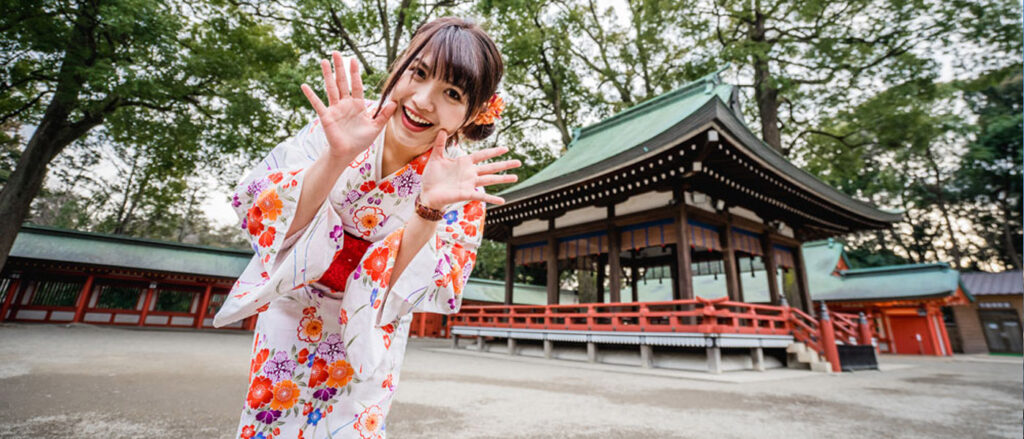
    For travel enthusiasts, fashion lovers, and Japanese fans alike, owning a yukata is a beautiful way to connect with Japanese culture. Traditionally worn during the summer or to festivals, these lightweight cotton robes are celebrated for their vibrant designs and comfort.

    But here’s the good news—you don’t have to travel to Japan to find a stunning yukata. Thanks to the internet and local shops, there are multiple ways to obtain this traditional Japanese attire. Let’s explore the best places to buy a yukata and weigh the pros and cons of each option.

    1. Online Yukata Stores

    Pros:

    • Wide Selection: Some Online stores offer a vast range of yukata styles, colors, and sizes.
    • Convenience: Shop from the comfort of your home and have your yukata delivered to your doorstep.
    • Customer Reviews: Many online platforms provide customer reviews, which can be helpful in assessing the quality and authenticity of the product.
    • Warranty: Most online dealers provide a warranty and assurance for a period of time.
    • History in the Business: Some online dealers have been in business for 30 or more years.  If they didn’t uphold high standards, the chance of being in business today would be minimal.

    Cons:

    • Risk of Inauthenticity: Not all online retailers are reputable. Some may sell low-quality or counterfeit products.
    • Shipping Costs and Time: Depending on the location of the seller (International), shipping can be expensive and time-consuming.

    Recommendations:

    • Kimono Shop: Renowned for its high-quality yukata, made in Japan, this store provides detailed product descriptions and customer reviews. They also offer free shipping on orders of $75 or more and a 30-day return policy.

    2. Local Japanese Stores

    Pros:

    • Immediate Availability: Purchase and take home your yukata on the same day.
    • Personal Inspection: Examine the fabric, design, and fit before buying.
    • Expert Advice: Store staff can provide personal guidance on how to wear and care for your yukata.

    Cons:

    • Limited Selection: Local shops may not have as extensive a variety as online stores.
    • Higher Prices: The convenience of buying locally can sometimes come at a premium price.
    • Quality: Some shops carry inferior quality robes mass produced for the retail trade.

    Recommendations:

    • Check your local directory to find a store near you. Some cities these shop are scarce.

    3. Resale Shops and Thrift Stores

    Pros:

    • Affordable Prices: Often, you can find high-quality, second-hand yukata at a fraction of the cost.
    • Unique Finds: Discover vintage and rare yukata that you might not find elsewhere.

    Cons:

    • Condition Uncertainty: The quality and condition of second-hand yukata can vary.
    • Limited Sizes and Styles: Finding the perfect fit and style might require some patience and luck.
    • Cleanliness: How was the robe washed or cleaned? Are there stains or spots? How do you know what they are?
    • Warranty: Many second hand dealers do not allow returns or exchanges.

    Recommendations:

    • It is hit and miss. Since kimono yukata are a specialty item, not all thrift shops will offer these robes. You have to do the footwork to locate one.

    4. Specialty Festivals and Events

    Pros:

    • Cultural Experience: Buying a yukata at a Japanese festival or event can be a fun and immersive experience.
    • Authenticity Assurance: Vendors at cultural events often sell genuine products, but some do not. Check tags and ask the salesperson.

    Cons:

    • Limited Time and Location: These opportunities are restricted to specific dates and venues.
    • Cost: Costs are usually higher and the quality can be less than standard. Often, dealers that attend these festivals know they have an impulse buyer at hand and will use that against the customer.
    • Crowds: Popular events can be crowded, making the shopping experience less pleasant.
    • All Sales Final: In most cases all sales are final. If you notice a problem with your robe after the show, you have no recourse for a return.

    Recommendations:

    • Annual Japanese Festivals: Obon and other gatherings will usually feature yukata and other traditional Japanese items for sale.

    Whether you choose to shop online, locally, or at special events, there are plenty of ways to find the perfect yukata without traveling to Japan. Each option has its own set of advantages and drawbacks, so consider what matters most to you—be it selection, convenience, or authenticity.

    Ready to start your yukata shopping adventure? Explore the options mentioned above and find the yukata that speaks to your style and love for Japanese culture.
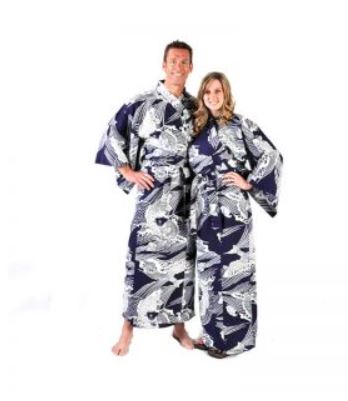
    Man and woman wearing a kimono
    Blue Koi Yukata

  • What is an Obi?

    If you’ve ever admired the elegant flow of a kimono or the casual charm of a yukata, you’ve likely noticed the beautiful sash that completes the look. This sash is called an obi, and it plays a crucial role in Japanese fashion and culture.

    A Brief History of the Obi

    The obi has a long and storied history in Japan. Originally, it was a simple and functional piece of cloth used to hold the kimono or yukata closed. However, as time passed, the obi evolved into a significant fashion statement and symbol of social status.

    Early Beginnings

    In the Heian period (794–1185), the obi started as a thin belt known as a koshi-himo. It was primarily functional, designed to keep the garments in place. By the Edo period (1603–1868), the obi began to grow in width and complexity, reflecting the wearer’s social standing and fashion sense.

    The Modern Obi

    Today, the obi is much more than a simple belt. It can be several meters long and vary widely in style, color, and fabric. There are even specialized obi for different occasions, such as formal events, festivals, and casual outings.

    The Role of the Obi in Attire

    The primary function of the obi is to keep the kimono or yukata securely closed. However, it also serves as a decorative element that adds flair and elegance to the outfit.

    Different Types of Obi

    • Fukuro Obi: This is a formal obi often worn at weddings or other special occasions. It is usually made from luxurious fabrics such as silk and features intricate patterns.
    • Nagoya Obi: A more casual obi, perfect for everyday wear. It is easier to tie and typically shorter than the fukuro obi.
    • Hanhaba Obi: This is a narrower and more informal obi, often used with yukata. It is simple to tie and ideal for casual occasions.

    Colors and Patterns

    The colors and patterns of an obi can signify various things, including the wearer’s age, marital status, and even the season. For example:

    • Bright, vibrant colors are often worn by young, unmarried women.
    • Subdued, elegant tones are more suitable for older or married women.
    • Seasonal patterns, such as cherry blossoms for spring or maple leaves for autumn, are also popular choices.

    How to Tie an Obi

    Tying an obi can be an art form in itself. There are many different knots and styles, each with its own cultural significance. Some popular methods include:

    • Taiko Musubi: Also known as the “drum knot,” this is a classic and formal style often seen at ceremonies and formal events.
    • Bunko Musubi: A simpler knot often used with yukata, perfect for casual outings.
    • Tsuke Obi: A pre-tied obi that is convenient and easy to wear, ideal for beginners.

    Why the Obi Matters

    The obi is more than just a sash; it is a symbol of Japanese culture and aesthetics. Whether you’re donning a kimono for a traditional tea ceremony or wearing a yukata to a summer festival, the obi completes your outfit and connects you to a rich cultural heritage.

    Understanding the significance and history of the obi can deepen your appreciation for Japanese fashion and culture. Whether you’re a Japan lover, a fashion enthusiast, or a cultural explorer, the obi offers a fascinating glimpse into the artistry and tradition of Japan.

    Ready to explore the world of obis? Learn how to tie an obi and much more with our detailed guides and expert tips.

    formal obi on kimono
    Formal obi
  • From Tradition to Trend: Do Men Wear Kimono?

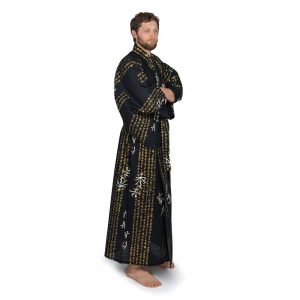
    In the world of fashion, certain garments have withstood the test of time and cultural shifts, maintaining their elegance and relevance. Among these timeless pieces is the kimono—a traditional Japanese garment that has captivated the world for centuries. While often associated with women, it’s time to break the stereotype and understand that kimono are not just for women. Men love wearing kimono and yukata too, and for good reason!

    A Brief History of Kimono for Men

    The kimono, which translates to “thing to wear,” has deep historical roots in Japan, dating back to the Heian period (794-1185). Initially, both men and women wore kimono as a standard form of dress. Over time, the designs and styles evolved, becoming more gender-specific and occasion-based. For men, kimono evolved into garments worn for formal occasions, festivals, and martial arts. Today, they continue to be a symbol of cultural heritage and identity.

    Style and Fashion

    Kimono for men come in various styles, each with its unique charm and purpose. Here are the key types:

    • Montsuki: A formal kimono typically worn with family crests. Often seen at weddings, tea ceremonies, and other formal events.
    • Yukata: A casual cotton kimono worn during summer festivals or at hot springs (onsen). It’s lighter and more comfortable, perfect for relaxed settings.
    • Hakama: Traditional pleated trousers worn over the kimono. Often seen in martial arts like Kendo and Aikido.

    Modern Interpretations

    In recent years, fashion enthusiasts and designers have reimagined the men’s kimono, blending traditional elements with contemporary styles. You can now find kimono-inspired jackets, robes, and even streetwear that pay homage to this classic garment. This modern twist makes the kimono more accessible and versatile, allowing men to incorporate it into their everyday wardrobe.

    Comfort and Versatility

    One of the most compelling reasons men love kimono and yukata is the comfort they offer. Made from natural fabrics like cotton and silk, these garments are breathable and suitable for various climates. The loose fit allows for free movement, making them ideal for both relaxation and formal events. Whether you’re attending a wedding or lounging at home, a kimono can provide unparalleled comfort and style.

    Breaking Stereotypes

    The resurgence of kimono for men is also a step towards redefining masculinity. In a world where traditional gender roles are continually evolving, wearing a kimono can be a statement of cultural appreciation, individuality, and confidence. It’s about time we break the stereotype that kimono are solely for women and celebrate the versatility and elegance they bring to men’s fashion.

    How to Wear a Men’s Kimono

    Wearing a kimono properly is an art in itself. Here are some basic steps to get you started:

    1. Undergarments: Start with traditional undergarments like the juban.
    2. Kimono: Wrap the kimono left over right and secure it with an obi (belt).
    3. Footwear: Pair your kimono with traditional wooden sandals called geta.
    4. Accessories: Consider adding a haori (jacket) or a hakama for added flair.

    For those new to kimono, there are plenty of resources and tutorials available online to guide you through the process.

    Conclusion

    From tradition to trend, the men’s kimono revolution is here to stay. These garments offer a unique blend of history, style, and comfort, making them a valuable addition to any man’s wardrobe. If you’re looking to redefine your style and make a statement, now is the perfect time to explore the world of kimono and yukata.

    Ready to elevate your wardrobe? Discover our curated collection of men’s kimonos and experience the perfect blend of tradition and modernity. Shop our online Kimono Shop today and find the kimono that speaks to you.

  • Why Copyright and Trademark Theft From Websites Matters

    Protecting Our Creativity and Work.

    Our intellectual property defines who we are as a business. It differentiates us from our competitors and reassures customers that they can always expect high-quality content and products. Unfortunately, some less reputable companies have stolen our copyrighted and trademarked images and intellectual property. This is illegal, unethical, and suggests even greater transgressions happening behind the scenes. If they steal from us, do they steal from their customers?

    Why Copyright and Trademark Theft Matters

    Stealing images from another business is not only a blatant violation of copyright and trademark laws; it’s a disregard for the hard work and creativity that goes into producing original content. Copyright laws grant creators exclusive rights to their works, while trademarks protect brand identifiers like logos and slogans. When a competitor uses our photos or other properties without permission, they undermine our brand integrity and deceive their customers into believing they offer something they do not.

    The Legal Consequences of Infringement

    The penalties for copyright and trademark infringement can be severe. Those caught using protected materials without authorization may face legal consequences including hefty fines and, in extreme cases, imprisonment. Here are some of the immediate steps we take when we discover unauthorized use of our images:

    • Cease and Desist Order: The first step is to issue a cease and desist order to the offending party. This formal demand instructs them to stop using our images immediately.
    • Legal Action: If the cease and desist order is ignored, we will consult with our legal team to determine the next course of action. This often includes seeking monetary compensation for damages as well as additional penalties allowed by the courts.

    What This Says About Our Competitors

    If a competitor is willing to steal images, it’s fair to question what other unethical practices they might be engaging in. Are they cutting corners in product quality? Are they misleading customers about their offerings? Does their “style” include claims they don’t honor? Trust is a crucial component of any business relationship. Companies that engage in intellectual property theft are not only harming us—they’re potentially harming their customers as well. Simply put, they cannot be trusted.

    We know of one competitor that claims to beat any price on the web, yet they charge substantially more for their goods. It’s trickery and deception. It isn’t the type of “style” that you want to deal with.

    How You Can Help

    We rely on our community to help protect our brand integrity. If you come across any unauthorized use of our images or trademarked materials, we urge you to report it immediately. Your vigilance helps us maintain the high standards you’ve come to expect from our brand. A reward may be earned for valid information.

    Summary

    Protecting our intellectual property is about more than just safeguarding our business—it’s about ensuring our customers can always trust they are receiving the best from us. Let’s work together to uphold the values of creativity, honesty, and integrity in our industry.

    Call to Action

    If you notice any unauthorized use of our images, please report it to us. Together, we can maintain the high standards and trust that define our brand. Notify us at our online Kimono Shop.

  • One Size Doesn’t Fit All: Embracing Kimono and Yukata Diversity

    The Problem of One-Size-Fits-All

    Finding the perfect kimono or yukata can be a challenge, especially when traditional sizing models don’t account for the diversity of body shapes and sizes. Historically, these garments have been produced with a “one-size-fits-all” approach, which can lead to poor fit and discomfort for many wearers.

    One Size Doesn’t Fit All

    When it comes to traditional Japanese garments like kimono and yukata, the reality is that one size truly does not fit everyone. The wide range of body types of men and women around the world require a more inclusive approach to sizing. For kimono collectors and enthusiasts, ensuring a comfortable and flattering fit is essential for both aesthetic and practical reasons.

    The Solution: Contrasting Sizing Options

    Kimono Shop, an innovative online kimono shop, recognized this problem and took steps to offer a solution. Understanding that customers come in all shapes and sizes, Kimono Shop has embraced diversity by providing an array of sizes to accommodate everyone from petite and short-length seekers to those needing plus-size or men’s big and tall kimono.

    Kimono Shop: Leading the Change in Kimono Sizing

    Kimono Shop was one of the first online dealers to introduce a range of sizes beyond the standard offerings. They understood that the naturally smaller sizes typical in Japanese culture didn’t meet the needs of many international customers. By offering big and tall sizes for men and plus sizes for women, Kimono Shop has set a new standard in the kimono and yukata market.

    Case Study: Real Experiences with Kimono Sizing

    One of the many success stories comes from Kimono Shop’s early adoption of diverse sizing. Customers who previously struggled to find kimonos and yukata that fit well have shared their gratitude. For example, a customer named Sarah, who wears a plus size, expressed her relief at finally finding a kimono that not only fits properly but also looks stunning. Similarly, John, who falls under the men’s big and tall category, highlighted how Kimono Shop’s varied sizing has made it possible for him to enjoy wearing yukata comfortably.

    The Impact of Inclusive Sizing

    Kimono Shop’s commitment to offering a wide range of sizes has had a significant impact on their customer satisfaction and brand loyalty. By acknowledging and addressing the broad needs of their clientele, they’ve built a reputation as a kimono shop that truly cares about its customers.

    Conclusion

    The days of one-size-fits-all kimono and yukata are behind us, thanks to forward-thinking retailers like Kimono Shop. By offering a variety of sizes to accommodate different body types, Kimono Shop has revolutionized the way people shop for these traditional garments. Whether you’re looking for a petite kimono, a plus-size yukata, or a men’s big and tall option, Kimono Shop has something for everyone.

    Embrace the diversity of kimono and yukata sizing and find your perfect fit at Kimono Shop, your go-to online kimono shop.

  • Yukata vs Kimono: Unraveling the Differences

    Traditional Japanese attire has captivated the world with its elegance, intricate designs, and cultural significance. Two garments that often pique curiosity are the yukata and the kimono. Although they may seem similar at first glance, each has unique features and historical contexts that set them apart. In this blog post, we will explore the differences between yukata and kimono, their evolution, and how they fit seamlessly into modern lifestyles.

    What is a Kimono?

    The kimono is a traditional Japanese garment worn by both men and women. Historically, kimonos were reserved for formal events such as weddings, tea ceremonies, and other important occasions. These garments are typically made from silk and come in a variety of colors and patterns, often signifying the wearer’s age, marital status, and season.

    Key Features of a Kimono:

    • Material: Typically made from silk, modern kimono are often made of cotton
    • Formality: Traditionally worn for formal events
    • Design: Intricate patterns and designs
    • Occasions: Weddings, tea ceremonies, and formal gatherings

    Kimonos have evolved and are now also worn to casual events and even for lounging. The modern kimono can be found in various materials, including cotton, making them more accessible and easier to care for.

    What is a Yukata?

    The yukata is a more casual version of the kimono, initially worn at bathhouses and for lounging at home. Made from lightweight cotton, yukatas are perfect for summer festivals, casual outings, and relaxing at home. They are simpler in design compared to kimonos and usually feature less intricate patterns.

    Key Features of a Yukata:

    • Material: Made from lightweight cotton
    • Formality: Casual, ideal for informal events
    • Design: Simple patterns and designs
    • Occasions: Summer festivals, casual outings, and lounging

    Yukatas are incredibly versatile and have become increasingly popular as daily wear, thanks to their comfort and ease of maintenance.

    Comparing Yukata and Kimono

    Similarities:

    • Daily Wear: Both garments can be worn daily, depending on the occasion.
    • Ease of Care: Modern versions, especially those made from cotton, are easy to maintain.

    Differences:

    • Formality: Kimonos are traditionally formal, while yukatas are casual.
    • Material: Kimonos are usually made from silk, whereas yukatas are made from cotton.
    • Design Complexity: Kimonos feature intricate patterns, while yukatas have simpler designs.
    • Occasions: Kimonos are worn at formal events; yukatas are for casual outings and home wear.

    Where to Shop for Yukata and Kimono

    Whether you’re looking for a cotton kimono, a lightweight kimono, or even men’s kimonos, there are numerous online stores where you can find high-quality traditional Japanese wear. Some popular categories to explore include:

    • Kimono Dress: Perfect for formal events
    • Kimono Robe: Ideal for lounging at home
    • Long Kimono: Great for elegant, formal occasions
    • Shop Kimonos and Yukata for a mix of both traditional and modern styles

    Conclusion

    Understanding the differences between yukata and kimono allows you to appreciate these beautiful garments even more. Whether you prefer the formality of a kimono or the casual comfort of a yukata, both offer a unique way to incorporate traditional Japanese culture into your wardrobe. Ready to explore? Visit our online Kimono Shop to find the perfect piece for you.

    The world of Kimonos
    The World of Kimonos
  • Unlocking Elegance: A Guide to Kimono Shopping Online

    In a world where tradition meets contemporary fashion, the kimono stands out as a symbol of Japanese culture’s timeless elegance. Whether you’re a cultural enthusiast, a lover of unique fashion, or someone looking to infuse tradition into your modern wardrobe, this guide aims to unlock the art of kimono shopping for enthusiasts of every shape and size.

    The Myth of “One Size Fits All” in Kimono Fashion

    For too long, the international narrative surrounding the kimono has suggested a “one size fits all” approach. This not only limited access to these beautiful garments but also restricted the experience of wearing a kimono to a select few. Recognizing this gap, Kimono Shop emerged as an innovator in the online kimono marketplace, challenging this notion by expanding its range to cater to diverse body types.

    A Size for Every Silhouette

    At Kimono Shop, we understand the importance of finding a garment that fits not just your body, but your soul. We offer an extensive selection of sizes and styles, from petite to plus size and big and tall, ensuring that everyone can experience the joy of kimono wearing. Whether you’re looking for a yukata for a summer festival or a formal kimono for a special occasion, our range considers short length, traditional length, and full figure, plus Big and Tall options to accommodate every body shape.

    Unveiling Variety and Style

    Our kimono and yukata collections boast a spectrum of patterns, from the classic to the contemporary. Sourced directly from manufacturers in Japan who share our vision of inclusivity, we ensure every piece is authentic, allowing you to wear a part of Japanese culture with pride and comfort.

    Voices from Our Community

    We’re more than a kimono shop; we’re a community of passionate individuals who appreciate the depth and beauty of Japanese fashion. Here’s what one of our customers had to say:

    “I wanted to tell you how wonderful my experience has been shopping on your site. The fact that you offer Kimono and Yukata for plus-sized women is so mindful and inclusive. I’ve been searching for months with fail until I found you. Thank You.”

    Navigating Your Kimono Shopping Experience

    • Start with Understanding Your Size: Check our detailed size charts to get a precise fit.
    • Select Your Style: Decide if you’re looking for a casual yukata or a more formal kimono.
    • Accessorize: Add obis, tabi socks, and other accessories to complete your look.
    • Care and Maintenance: Learn how to care for your kimono to keep it in pristine condition.

    Conclusion

    Kimono shopping can be an intricate process filled with discovery and delight. At Kimono Shop, we’re dedicated to providing an inclusive, enjoyable shopping experience for all our customers. With our wide range of sizes and styles, everyone can find their perfect kimono or yukata, carrying a piece of Japanese heritage into their daily lives.

    We invite you to explore our collection and find the kimono that speaks to you. Remember, when it comes to fashion, especially one as rich and nuanced as the kimono, one size doesn’t fit all, and individuality is the key to unlocking true elegance.

  • Why Buying a Kimono or Yukata in the USA Makes Perfect Sense

    In an era where authenticity and convenience both play crucial roles in our shopping habits, finding the right place to purchase traditional attire such as kimonos and yukatas can be a bit of a conundrum. The allure of owning an authentic Japanese kimono or yukata is undeniable but purchasing one overseas can often lead to unexpected hurdles and disappointments. This is where buying from a U.S.-based dealer offers a myriad of benefits that cannot be overlooked.

    Authenticity Coupled with Transparent Transaction

    One of the foremost benefits of buying from a U.S.-based dealer is the reputation that comes with it. “I am so happy to find a place to buy a Yukata, especially in the USA. The yukata is very nice,” says a satisfied customer. This sentiment echoes the trust, honesty, and clear communication provided by U.S. dealers that have established their tenure in the market.

    Quicker Shipping Without Hidden Costs

    When you buy a kimono or yukata from overseas, the excitement of your purchase can quickly turn into frustration due to long shipping times. Furthermore, the added stress of duties, customs, import taxes, and the risk of surprise fees upon delivery can sour the experience. U.S.-based dealers offer quicker shipping and firm prices, ensuring there are no unexpected financial surprises waiting for you.

    The Hassle-Free Return Policy Advantage

    One major concern with online shopping—especially from international vendors—is the uncertainty around returns. With U.S. dealers, the process is straightforward. Easy returns are a significant advantage, as shipping back goods to Asia can be not only expensive but also risky.

    Comparative Analysis

    Language:

    U.S Dealer: Fluent English communication, minimizing misunderstandings.

    Overseas Dealer: Possible language barriers and lost in translation issues.

    Shipping & Costs:

    U.S. Dealer: Quick and no surprise charges for customs, duties, or import taxes.

    Overseas Dealer: Potentially long shipping times and potential extra charges upon delivery.

    Returns:

    U.S. Dealer: Hassle-free and customer-friendly.

    Overseas Dealer: Expensive and risky. Good luck.

    Price:

    U.S. Dealer: Competitive pricing without the worry of additional import fees.

    Overseas Dealer: Initial lower cost may increase due to hidden fees.

    Why Choose a U.S.-based Dealer?

    Choosing a U.S.-based dealer for purchasing an authentic Japanese kimono or yukata makes perfect sense when you consider the convenience, reliability, and transparency of the process. Beyond the apparent advantages such as quicker shipping times and straightforward pricing, the ease of communication and the security of a smooth returns policy add layers of satisfaction to your buying experience.

    Final Thoughts

    In today’s digital age, where the world feels smaller thanks to e-commerce, choosing where to buy a kimono or yukata can impact your overall satisfaction. Purchasing from a U.S.-based dealer not only brings peace of mind but also supports local businesses that deeply value authenticity and customer satisfaction.

    Finding the perfect kimono or yukata in the USA is not just about acquiring a piece of traditional Japanese clothing; it’s about enjoying a seamless, transparent, and authentic shopping experience. Shop for your kimono or yukata at Kimono Shop.  Kimono Shop has been in business since 1994 and stands behind its reputation for high-quality robes, amazing customer service, and competitive pricing.

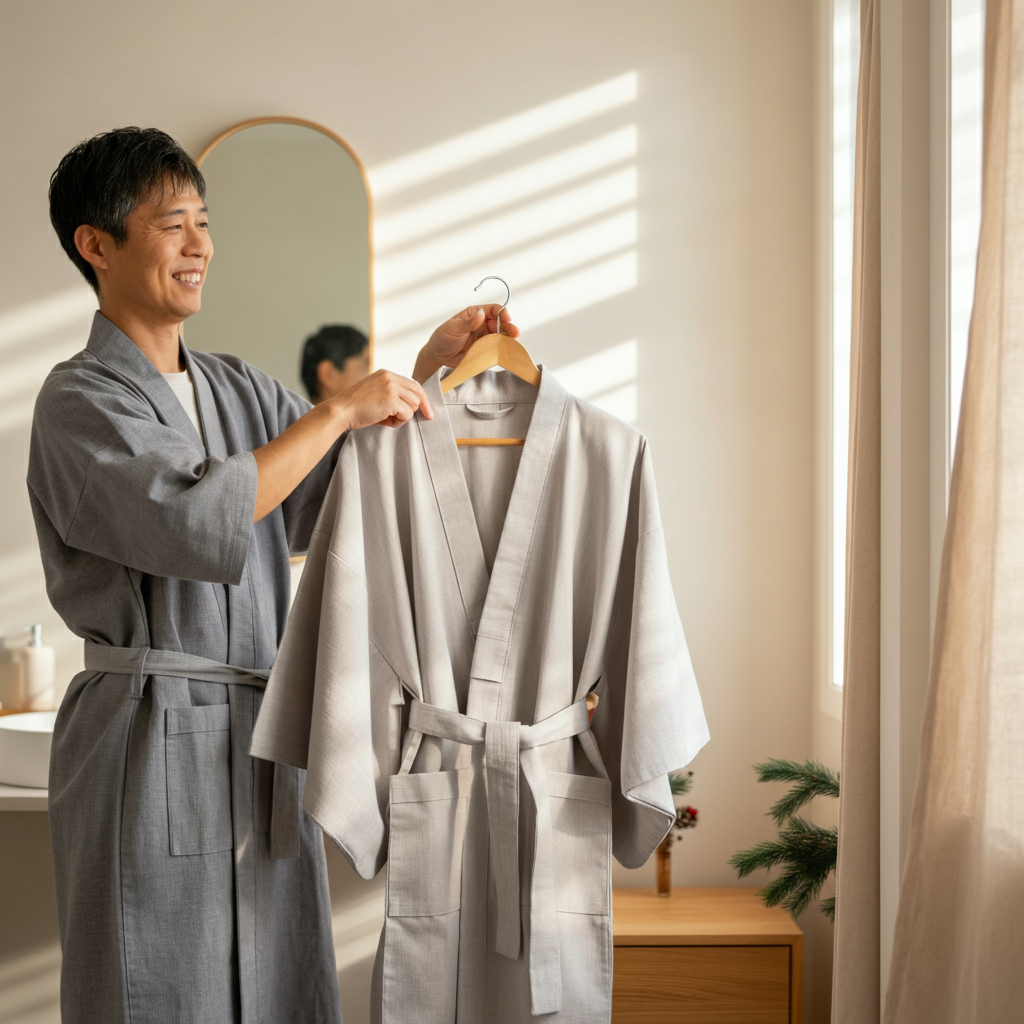
    man hanging his kimono on a kimono hanger
    Every day is better with a kimono
  • Why Kimono Manufacturing Has Become a Challenge in Japan

    Japan is world-renowned for its exquisite textile arts and particularly for creating stunning kimono and yukata garments. These traditional Japanese clothing styles are more than just clothing. They represent the cultural history and traditions of the nation. But, Japan is facing a challenge in the manufacturing of kimono and yukata. A shortage of labor and skilled sewers coupled with the rising cost of fabrics due to Covid-19 have caused many businesses to shut down. Plus, the pandemic safety measures imposed by the government have put many other companies out of business. In this blog post, we’ll explore why kimono manufacturing has become so difficult in Japan.

    First, let’s discuss the shortage of labor and skilled sewers. The average age of kimono and yukata sewers is around 60 years old. Since younger generations are not taking interest in sewing as a career choice, many manufacturers struggle to find workers. It is also a highly skilled trade that requires years of apprenticeship and practice. Furthermore, the pandemic has brought a halt to training and new hires because of social distancing and lockdowns.

    Secondly, the cost of fabric has continued to increase since Covid-19. Many businesses rely on imported fabrics or silk, which has become more expensive because of shipping restrictions. This has caused some manufacturers to cut costs by using cheaper and lower quality materials or find alternative ways to source the materials. Some businesses may have to change their strategy and focus more on the domestic market to save costs.

    Thirdly, many businesses shut down because they couldn’t survive the lockdowns and precautions Japan initiated during the pandemic. The pandemic has caused a huge economic impact in Japan, and many small businesses and manufacturers have been forced to shut down. For kimono manufacturers, the cultural significance of the garment may have made it difficult to pivot to more fashionable, modern garments.

    Lastly, Japan was under tight scrutiny for several years. Specifically, the government restricted the export of some materials and manufacturing processes to prevent imitation from other countries. It’s not only the manufacturing process, but the silk and fabrics are heavily controlled and monitored. While these measures have maintained the quality of kimono manufacturing, it has also made it difficult for companies to innovate and adapt to changing market demands.

    As we have learned, the manufacturing of kimono and yukata has become increasingly difficult in Japan because of a shortage of labor and skilled workers as well as the rising costs of fabrics due to Covid-19. Plus, the pandemic safety measures imposed by the government have put many other companies out of business. Japan prides itself on its traditional textile arts and crafts, and it’s a shame that this art form is slowly diminishing.

    However, it’s not all bad news. Some manufacturers are finding success with modern designs and materials that cater to a younger audience. It is the creative minds who will bring the new and old together and create the perfect balance for the future. It is up to us to preserve this distinct part of Japan’s culture by continuing to support its production and encourage future generations to learn and take an interest in it.

    Kimono Shop stands by it’s producers and manufacturers. Changes have been made but with integrity and quality at the top of our goal. Materials have been maintained, not cheapened. Locating and maintaining quality, skilled, veteran sewers is a must. We would rather forfeit some styles for a period of time rather than accept inferior. We are grateful for our longstanding relationships and the efforts of our partners. Long Live the Kimono and Yukata.  See our entire remarkable collection of Japanese robes at www.kimonoshop.com.