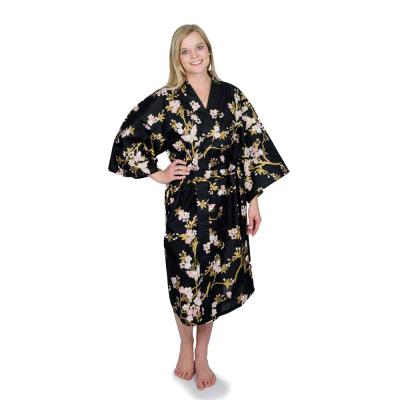
Tag: mens yukata

  • Fun Facts About Kimono You Probably Didn’t Know

    Kimono are one of the most iconic symbols of Japanese culture. This traditional garment epitomizes elegance, history, and art, making it a must-know for cultural enthusiasts. While they may look like simple robes from afar, kimono carry profound meanings and history that reflect Japanese traditions and values. If you’re fascinated by kimono—or wondering about “kimono vs yukata”—this guide will unveil some fun and intriguing facts about this wearable art.

    What Does the Japanese Kimono Represent?

    The word “kimono” literally translates to “thing to wear” (ki = wear, mono = thing). However, it represents far more than just clothing in Japanese culture. A kimono is a symbol of tradition, identity, and even storytelling. Each one reflects the wearer’s social status, age, occasion, and season.

    Whether it’s worn for a wedding, tea ceremony, or a summer festival, the kimono’s fabric, patterns, and embroidery often tell a story about the culture and nature of Japan. It’s a deliberate blend of ancient techniques and aesthetic symbolism that keeps Japan’s rich history alive in modern times.

    Kimono Are Made Using One Piece of Fabric

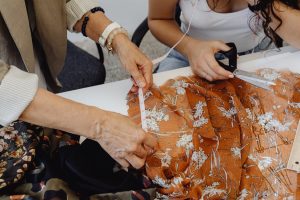
    Did you know that kimonos are crafted entirely from a single bolt of fabric called a tanmono? The fabric is skillfully cut, sewn, and folded into a highly geometric design without unnecessary trims or alterations. This allows the kimono to maintain its versatility. If damaged or outgrown, a kimono can often be repurposed or resewn.

    This single-fabric structure not only highlights the skill of the artisan but also symbolizes Japanese culture’s appreciation for simplicity and harmony.

    Kimono Are Worn at Many Events

    Kimonos have long been associated with special occasions, but did you know there are dozens of specific moments where a kimono is required?

    • Weddings: Brides often wear an elaborate uchikake kimono, which is richly embroidered.
    • Coming of Age Day (Seijin Shiki): Young adults celebrate their transition to adulthood by wearing furisode, which are long-sleeved kimono designed for festive occasions.
    • Funerals: Black kimono with family crests, known as kuro-tomesode, are worn to express formal condolences.
    • Summer Festivals (Matsuri): For more casual events, people wear yukatas—a lighter, more breathable version of kimonos perfect for warm weather.

    If you’ve been wondering about “kimono vs yukata,” the distinction mainly lies in the occasion and material. Yukata are made of cotton and are more informal, while kimono use silk or more intricate fabrics for formal elegance.

    Kimono Accessories and Types

    Wearing a kimono is not just about putting on a robe—it’s an experience. Kimonos can be worn with a variety of accessories that add to their distinct look and function.

    • Obi: The sash used to secure the kimono, which comes in solid color, matching patterns, or elaborate designs and requires proper folding techniques.
    • Zori and Geta: Traditional sandals worn with kimonos, paired often with split-toe socks called tabi.
    • Haneri and Nagajuban: Specific undergarments to keep the kimono clean and structured.

    There are also various types of kimonos depending on gender, age, and occasion.

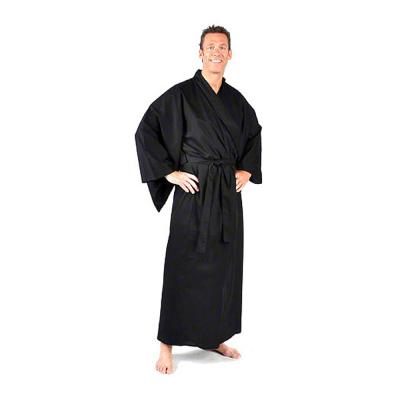
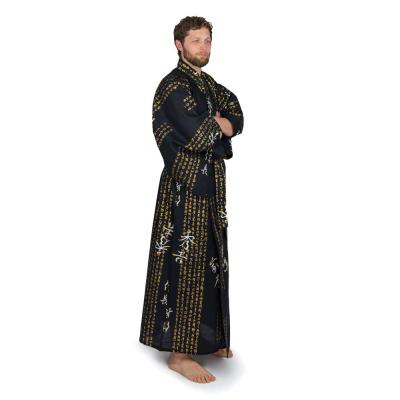
    • For men, the “male yukata” or kimono for men usually features darker, bolder colors with simpler patterns.
    • For women, kimonos vary from short yukata styles for casual wear to elaborate furisode with long, flowing sleeves for ceremonial occasions.

    Kimono Designs Hold a Lot of Symbolism

    The beauty of a kimono lies in its intricate patterns, and these are never chosen at random.

    • Seasonal Motifs: Sakura (cherry blossoms) are popular in spring, while maple leaves signify fall. Wearing seasonal patterns shows respect and mindfulness of nature’s cycles.
    • Symbolic Designs: Cranes often signify longevity and good fortune, while pine trees represent steadfastness. For weddings, specific flowers like chrysanthemums and plum blossoms are used to symbolize happiness and renewal.

    Every pattern has a purpose, often connecting the wearer to cultural beliefs, seasonal awareness, or personal sentiment.

    Final Thoughts

    Kimono are more than just traditional garments—they are pieces of wearable art deeply embedded in Japanese history and culture. Their versatility, symbolism, and elegance explain why kimonos and yukatas continue to captivate fashion lovers and cultural explorers across the globe.

    If you’re inspired to learn more about Japanese traditions or even own a yukata, check out our exclusive guide! Elevate your love for culture, one thread at a time.

  • Why Cotton is Widely Used in the Making of Kimono Yukata

    Kimono and Yukata robes are iconic Japanese attire pieces steeped in tradition and cultural significance. Over the years, these garments have evolved in design and the materials used to make them. Cotton has emerged as a favorite for crafting these beautiful robes among the various fabrics available. In this blog, we explore why cotton is so widely used in making Kimono and Yukata robes.

    The Allure of Cotton

    Easy Care

    One of the primary reasons cotton is preferred for Kimono and Yukata robes is its easy care. Unlike silk, which often requires special handling and dry cleaning, cotton can withstand regular washing without losing its quality. For fashion enthusiasts and textile lovers, this means a lot less hassle and more time enjoying their beautiful garments.

    Comfort on the Skin

    Cotton is known for its softness and breathability, making it an ideal fabric for clothing that sits close to the skin. Kimono and Yukata robes are often worn for extended periods, whether during festivals, tea ceremonies, or simply lounging at home. The comfort that cotton provides ensures that wearers can enjoy these activities without discomfort.

    Vivid Prints and Stylish Designs

    Cotton’s ability to hold dye exceptionally well makes it a popular choice for creating vivid prints and stylish designs. From intricate floral patterns to bold geometric shapes, cotton Kimono and Yukata robes are available in a plethora of designs that appeal to both traditionalists and modern fashionistas. This versatility in design options makes cotton an attractive fabric for these garments.

    Quality Fabric

    Cotton is a durable and long-lasting fabric, ensuring that Kimono and Yukata robes made from it can endure wear and tear while maintaining their aesthetic appeal. The high-quality fabric ensures that each robe retains its shape, color, and texture over time, making it a worthwhile investment for any wardrobe.

    Popular Across Clothing Pieces

    Cotton’s popularity isn’t limited to Kimono and Yukata robes. It is widely used in various clothing pieces, from everyday wear to high-fashion items. This widespread use further reinforces cotton’s reputation as a reliable and versatile fabric, making it a go-to choice for many designers and consumers alike.

    Cotton’s easy care, comfort, ability to hold vivid prints, quality, and versatility make it an ideal fabric for Kimono and Yukata robes. Its widespread use in various clothing pieces further underscores its appeal. Whether you’re a fashion enthusiast, textile lover, or cultural explorer, there’s no denying the charm and practicality of cotton in these traditional Japanese garments.

    Ready to explore the world of cotton kimonos and Yukata robes? Discover our collection and experience the beauty and comfort of these timeless pieces.

  • Living for the Kimono: Exploring the World of Kimonotarians

    Welcome to the captivating world of Kimonotarians, where the elegance and tradition of Japanese kimonos are embraced with unyielding passion. If you’re a fashion enthusiast, cultural explorer, or simply someone who admires the timeless beauty of kimonos, this blog is just for you.

    What is a Kimonotarian?

    The term “Kimonotarian” is a delightful blend of “kimono” and the suffix “-Arian,” which denotes an adherent or professional practitioner. A Kimonotarian is someone who is deeply devoted to the art and culture of the kimono. They not only wear kimonos but live for them. They appreciate the intricate designs, the rich history, and the cultural significance embedded in each stitch and fold.

    The Kimonotarian Lifestyle

    Living as a Kimonotarian goes beyond just wearing a kimono. It is about understanding and appreciating the cultural heritage and artistry involved in this traditional Japanese attire. Kimonotarians celebrate the diversity of kimonos, from elegant full-length garments to casual yukatas and short-length happi coats. They explore the meanings behind different patterns, colors, and styles, often sharing their knowledge and passion with others.

    Kimono Shop – A Haven for Kimonotarians

    For those who are drawn to the world of kimonos, Kimono Shop is a name synonymous with quality and authenticity. Established in 1994, Kimono Shop has become a leading online kimono shop. They offer a vast array of Japanese kimonos, yukatas, men’s yukatas, and plus-size options. Kimono Shop not only provides a diverse selection but also rewrote the book on online kimono shopping. Kimono Shop makes it accessible for enthusiasts around the world to indulge in their love for this traditional garment.

    Kimono Shop’s dedication to preserving the art of the kimono aligns perfectly with the Kimonotarian ethos. This provides a platform where individuals can find and purchase authentic Japanese attire with ease and confidence.

    Why Become a Kimonotarian?

    Becoming a Kimonotarian allows you to connect with a community that appreciates the beauty and intricacy of Japanese culture. It opens doors to understanding the cultural narratives and artistic expressions that have been passed down through generations. Whether you’re donning a kimono for a special occasion or incorporating elements of this traditional attire into your everyday wardrobe, living as a Kimonotarian enriches your appreciation for fashion and culture.

    Join the Kimonotarian Community

    Are you ready to explore the world of kimonos and become a Kimonotarian? Start by visiting Kimono Shop’s online store to discover your perfect kimono, yukata, or happi coat. Immerse yourself in the beauty and tradition that only a kimono can offer, and join a community that celebrates these iconic garments every day.

  • Discovering the Hidden Language of Kimono Colors in Japanese Culture

    In the vibrant tapestry of Japanese culture, the kimono stands as a symbol of tradition, elegance, and profound meaning. For kimono lovers, Japanese culture buffs, and those seeking Zen inspiration, understanding the significance of kimono colors offers a fascinating glimpse into the values and customs that have shaped Japan for centuries. This exploration will uncover how colors in kimonos not only enhance aesthetic beauty but also convey messages of virtue, seasonality, and personal expression.

    Unraveling the Meaning of Kimono Colors

    The kimono is more than just a traditional garment; it’s a canvas for storytelling and cultural expression. Its colors and patterns embody the virtues and seasonal changes that define a good and modest life. Each hue represents core values and carries specific connotations that mirror the wearer’s intentions or the occasion. For instance, wearing blue in spring, a color traditionally associated with summer may be seen as improper. Let’s explore these colors to understand their deeper meanings.

    Black in the World of Kimonos

    Black may be a popular color globally, but in Japan, it carries layers of meaning. It represents mystery, formality, and elegance, yet it also signifies mourning and anger. Historically, black has been linked to masculinity, with men donning black at weddings or during ceremonies. Fishermen and samurai used black in tattoos and armor to reflect strength and shine, while women embraced black in early makeup traditions. This duality in meaning showcases the color’s versatility and depth.

    The Purity of White

    White is revered as a sacred color in Japan, embodying purity and humility. It forms the backdrop of the national flag, symbolizing reverence for deities. While today, white has found its place in everyday fashion, traditionally, it was reserved for funerals, highlighting its association with mourning and spirituality. The simplicity of white allows it to be a blank canvas upon which other colors and patterns can tell their stories.

    Passionate Red

    Red holds a prominent place in Japanese culture, representing passion, strength, and prosperity. It is the color of the sun on the national flag and a symbol of happiness and authority. During festivals, red and white are the colors of celebration, with red signifying peace and wealth within families. Red envelopes, often used for gifting money, underscore the color’s connection to joy and good fortune, making it a staple in both personal and public celebrations.

    The Playfulness of Pink

    Pink is synonymous with youthfulness and romance in Japan. It evokes happiness and the innocence of childhood, while also being a color of love. Cherry blossoms, or Sakura, paint Japan in shades of pink each spring, celebrating renewal and the fleeting beauty of life. Pink’s gentle allure makes it a favored choice for clothing and décor, reflecting the delicate yet vibrant spirit of Japanese culture.

    Green’s Vitality and Growth

    Green is a color of luck and vitality in Japan, representing growth and fertility. It’s a symbol of nature’s abundance, celebrated annually on “Greenery Day.” The color is predominant in Japanese clothing for its freshness and restfulness. Matcha green tea further anchors green within the cultural heritage, offering a sensory connection to tradition and health. In many ways, green embodies the balance and harmony that lie at the heart of Japanese philosophy.

    Blue’s Cool Serenity

    Blue is revered for its associations with fidelity, coolness, and purity. Once used interchangeably with green, blue now stands as a distinct and lucky color. It’s a favorite in traditional Japanese male dress and yukatas, celebrated for its serene and calming qualities. Blue’s presence in everyday life underscores a commitment to cleanliness and peace, resonating deeply with those in search of tranquility and balance.

    The Regal Purple

    Purple is the color of royalty and nobility, a marker of status and spirituality. In historical Japan, commoners were forbidden to wear purple, underscoring its exclusivity. Its connotations of luxury and wisdom make it a color of choice for warriors, symbolizing strength and resilience. Purple’s rarity in nature and difficulty in production further elevate its prestige and allure.

    Courageous Yellow

    Yellow shines as the color of sunshine and nature, embodying sacredness and courage. While not as prominent as red or white, yellow has its cherished place in Japanese culture. Historically, a yellow chrysanthemum symbolized bravery. Today, yellow is used for visibility in public safety, such as children’s caps and railway crossings, illustrating its role as a beacon of hope and clarity.

    The Cultural Tapestry of Kimono Colors

    Kimono colors are more than mere aesthetics; they are deeply interwoven with the cultural and spiritual fabric of Japan. These colors tell stories of the seasons, celebrate virtues, and connect individuals to their community and heritage. For those captivated by Japanese culture, exploring kimono colors offers a window into a world where every hue holds history and meaning.

    The Intricacies of Color Seasonality

    In Japan, colors are often worn by the seasons, reflecting the natural world and its changes. This practice not only aligns with the weather but also honors traditional beliefs and aesthetics. Wearing a color out of season could disrupt the harmony and balance that these practices aim to maintain, underscoring the importance of color in daily life and rituals.

    Customizing Colors for Personal Expression

    While traditional meanings guide kimono colors, personal expression adds another layer. Individuals may choose colors based on their values or the events they attend, creating a unique narrative with their attire. This personalization allows wearers to communicate their identity and aspirations through the timeless language of color.

    The Influence of Kimono Colors Beyond Clothing

    The impact of kimono colors extends beyond fashion, influencing Japanese architecture, art, and design. These colors often appear in traditional Japanese bathrobes, known as yukata, and in home décor, where they create an atmosphere of peace and respect for tradition. The colors serve as a bridge connecting generations through shared values and aesthetics.

    Conclusion

    Understanding the meaning of kimono colors enriches our appreciation for this iconic garment and the culture it represents. Each color tells a story, expresses values, and connects individuals to a larger cultural narrative. Whether you’re a kimono lover, a Japanese culture buff, or someone seeking inspiration from the Zen philosophy, these colors offer a tapestry of insights and reflections. For those eager to explore further, consider engaging with local kimono communities, attending cultural events, or learning more about the history and artistry of Japanese textiles. Through this exploration, the vibrant world of kimono colors will continue to inspire and resonate.

    You can browse the large selection of kimonos and yukata at Kimono Shop. Kimono Shop has been a leading online provider of quality Japanese robes since 1994. They are based and ship from the USA. Visit their online store 24 hours a day.

  • Robes For Men: A Revolution in Luxury Loungewear

    In the realm of men’s fashion, loungewear is a category that’s finally receiving the attention it deserves. While traditional terry cloth or plush men’s bathrobes have long been the norm, today’s discerning gentlemen have embraced a more refined option—the kimono or yukata. These luxurious cotton robes are a testament to style and comfort, redefining the concept of relaxation.

    Discovering the Kimono and Yukata

    When envisioning a robe, one might typically picture a cozy, post-shower wrap. However, kimono and yukata offer so much more. Rooted in Japanese culture, these robes carry with them an air of sophistication and elegance. Featuring distinctive designs crafted by talented Japanese artists, each piece is unique wearable art.

    The Charm of Men’s Robes

    • Aesthetic Appeal: With intricate patterns and vibrant colors, kimono and yukata make a statement. They offer a chance to express personal style even in the comfort of home.
    • Comfort and Versatility: Lightweight yet substantial, these robes are perfect for any season. Whether you prefer a breezy yukata or a more substantial kimono, there’s a robe to suit every preference.
    • Practicality: Machine washable and easy-care, these robes are designed for everyday use without compromising on luxury.

    A Robe Experience Like No Other

    Men’s robes have evolved from mere functional items to symbols of leisure. Wearing a kimono or yukata is an experience—a moment of indulgence. The matching belt cinches the robe comfortably, while the breathable fabric ensures ease of movement.

    Ideal Gift for Him

    If you’re searching for the perfect gift, look no further. A luxury loungewear robe is a thoughtful choice for the men in your life. Whether as a birthday present, anniversary gift, or just because, a kimono or yukata is sure to leave a lasting impression.

    Why Choose Kimono Shop?

    For over 30 years, Kimono Shop has been a trusted purveyor of Japanese kimono and yukata, offering an extensive collection to cater to every taste and size. As an employee-owned company based in the USA, Kimono Shop takes pride in delivering exceptional customer service. From quick shipping to transparent communication, they ensure a seamless shopping experience.

    Are you ready to elevate your loungewear game? Explore Kimono Shop’s exquisite collection and discover the robe that speaks to your style. Join countless satisfied customers who have made Kimono Shop their go-to destination for luxury loungewear.

  • How to Get Free Shipping on Kimono and Yukata

    If you’re a fashion enthusiast, online shopper, or someone who loves Japanese culture, you know the joy of finding the perfect kimono or yukata. But what can make this experience even better? Free shipping! At Kimono Shop, we’re committed to making your shopping experience as seamless as possible, including offering straightforward free shipping. Read on to learn how you can take advantage of this fantastic offer.

    Why Choose Kimono Shop for Your Kimono and Yukata Needs?

    Before we get into the nitty-gritty of our free shipping policy, let’s talk about why Kimono Shop is the best place to shop for your kimono and yukata. We offer a wide range of high-quality, authentic Japanese garments that cater to different tastes and preferences. Our collection includes everything from traditional kimonos to modern yukata, ensuring that you’ll find something that suits your style.

    Simple & Easy Free Shipping

    We believe in keeping things simple and straightforward for our customers. That’s why we offer free shipping on all orders of $75 or more, anywhere in the USA. No gimmicks, no games—just plain and simple free shipping. There’s no need to hunt for a coupon or enter a special code; our system will automatically apply free shipping at checkout if your order qualifies.

    How It Works

    1. Browse Our Collection: Take your time to explore our wide range of kimono and yukata. Whether you’re looking for something traditional or modern, we’ve got you covered.
    2. Add to Cart: Once you’ve found your favorite pieces, add them to your cart. Remember, your order needs to total $75 or more to qualify for free shipping.
    3. Checkout: When you proceed to checkout, our system will automatically display the free shipping option if your order meets the criteria. No need to worry about entering any codes or coupons.

    Quick and Reliable Shipping

    At Kimono Shop, we don’t just promise free shipping; we also ensure that your order reaches you quickly. We offer quick shipping within one day of placing your order. Unlike some competitors who claim to offer quick shipping but only ship three days a week, we are committed to getting your order out as soon as possible.

    Why Free Shipping Matters

    Free shipping is more than just a nice perk; it’s a significant factor that can enhance your overall shopping experience. Here’s why:

    • Cost Savings: Shipping fees can add up quickly. Free shipping means you get more value for your money.
    • Convenience: Knowing that shipping is free makes the shopping process smoother and more enjoyable. You can focus on finding the perfect item without worrying about additional costs.
    • Trust: Our straightforward free shipping policy reflects our commitment to honesty and transparency. We want you to shop with confidence, knowing there are no hidden fees or surprises.

    Frequently Asked Questions

    Do I need a coupon for free shipping?

    No, you don’t need a coupon. If your order totals $75 or more, free shipping will be automatically applied at checkout.

    How quickly will my order ship?

    We offer quick shipping within one day of your order being placed. Beware of competitors who only ship three days a week and claim to offer fast shipping.

    Is free shipping available for international orders?

    Currently, our free shipping offer is limited to orders within the USA.

    Getting free shipping on your kimono and yukata has never been easier. At Kimono Shop, we aim to make your shopping experience as enjoyable and straightforward as possible. With our wide range of high-quality garments, easy free shipping policy, and quick delivery, there’s no better place to shop for your Japanese fashion needs.

    Ready to start shopping? Visit Kimono Shop now and explore our collection of kimonos and yukata. Don’t forget, orders of $75 or more qualify for free shipping!

  • Unfolding Wings: The Symbolism of Butterflies in Japanese Culture

    The Graceful Symbolism of Butterflies

    Butterflies have a profound place in the hearts and minds of many cultures, with their delicate wings and graceful flight capturing the imagination. In Japanese culture, butterflies are more than just beautiful insects; they are rich with symbolism and meaning, especially in traditional attire like the kimono and yukata.

    Butterfly Symbolism in Japanese Culture

    In Japan, butterflies symbolize various aspects of life, love, and spirituality:

    • Transformation and Rebirth: Much like in many other cultures, butterflies in Japan are seen as symbols of transformation and rebirth. Their metamorphosis from caterpillar to butterfly beautifully represents personal growth, change, and the cyclical nature of life.
    • Beauty and Elegance: The butterfly’s delicate wings and graceful flight are often associated with feminine beauty and elegance. This symbolism is prominently featured in traditional Japanese clothing, where butterfly patterns enhance the aesthetics of kimono and yukata.
    • Ephemeral Nature of Life: In Japanese philosophy, the fleeting beauty of the butterfly is a poignant reminder of the transient nature of life. This concept, known as “Mono no Aware,” reflects an awareness of the impermanence of all things, urging people to appreciate the beauty of the present moment.
    • Love and Marital Bliss: Butterflies often symbolize love and marital happiness. A pair of butterflies dancing together is seen as a symbol of harmonious marriage and romantic love, making it a popular motif in wedding kimonos and other celebratory garments.

    Kimono and Yukata Patterns

    Traditional Japanese garments like kimono and yukata frequently feature butterfly patterns that carry deep symbolic meanings:

    • Kimono: The elaborate designs of kimono often include butterflies, adding an element of grace and beauty. These patterns can symbolize a variety of themes, from romantic love to personal growth, and are chosen carefully for specific occasions.
    • Yukata: Lighter and more casual than kimono, yukata also showcase butterfly motifs, especially during the summer festival season. The presence of butterflies on yukata emphasizes a carefree, joyful spirit and a connection to nature.
    • Loungewear: Modern adaptations of traditional Japanese loungewear often incorporate butterfly designs, blending comfort with cultural symbolism. These pieces are perfect for those who appreciate the elegance and beauty of Japanese artistry in their everyday lives.

    The Significance of Butterfly Symbolism Today

    While the traditional meanings behind butterfly symbolism have deep roots, they continue to resonate in contemporary Japanese culture. From fashion to art, the butterfly remains a powerful symbol of beauty, transformation, and the fleeting nature of existence. Whether you’re a kimono lover, a Japanese culture enthusiast, or simply someone who appreciates the intricate beauty of this elegant insect, understanding the symbolism of butterflies can enrich your appreciation of Japanese art and tradition.

    Conclusion

    Butterflies hold a special place in Japanese culture, symbolizing everything from personal transformation to romantic love and the ephemeral beauty of life. Their presence in kimono and yukata patterns not only adds aesthetic appeal but also conveys deep cultural meanings.

    Ready to explore these beautiful designs further? Discover our curated collection of butterfly-themed kimonos and yukata, and bring a touch of Japanese elegance into your wardrobe.

    Explore Our Collection and find the perfect piece that resonates with your personal style and the timeless beauty of butterfly symbolism.

  • Where To Buy A Kimono Near Me

    For travel enthusiasts, fashion lovers, and Japanese fans alike, owning a yukata is a beautiful way to connect with Japanese culture. Traditionally worn during the summer or to festivals, these lightweight cotton robes are celebrated for their vibrant designs and comfort.

    But here’s the good news—you don’t have to travel to Japan to find a stunning yukata. Thanks to the internet and local shops, there are multiple ways to obtain this traditional Japanese attire. Let’s explore the best places to buy a yukata and weigh the pros and cons of each option.

    1. Online Yukata Stores

    Pros:

    • Wide Selection: Some Online stores offer a vast range of yukata styles, colors, and sizes.
    • Convenience: Shop from the comfort of your home and have your yukata delivered to your doorstep.
    • Customer Reviews: Many online platforms provide customer reviews, which can be helpful in assessing the quality and authenticity of the product.
    • Warranty: Most online dealers provide a warranty and assurance for a period of time.
    • History in the Business: Some online dealers have been in business for 30 or more years.  If they didn’t uphold high standards, the chance of being in business today would be minimal.

    Cons:

    • Risk of Inauthenticity: Not all online retailers are reputable. Some may sell low-quality or counterfeit products.
    • Shipping Costs and Time: Depending on the location of the seller (International), shipping can be expensive and time-consuming.

    Recommendations:

    • Kimono Shop: Renowned for its high-quality yukata, made in Japan, this store provides detailed product descriptions and customer reviews. They also offer free shipping on orders of $75 or more and a 30-day return policy.

    2. Local Japanese Stores

    Pros:

    • Immediate Availability: Purchase and take home your yukata on the same day.
    • Personal Inspection: Examine the fabric, design, and fit before buying.
    • Expert Advice: Store staff can provide personal guidance on how to wear and care for your yukata.

    Cons:

    • Limited Selection: Local shops may not have as extensive a variety as online stores.
    • Higher Prices: The convenience of buying locally can sometimes come at a premium price.
    • Quality: Some shops carry inferior quality robes mass produced for the retail trade.

    Recommendations:

    • Check your local directory to find a store near you. Some cities these shop are scarce.

    3. Resale Shops and Thrift Stores

    Pros:

    • Affordable Prices: Often, you can find high-quality, second-hand yukata at a fraction of the cost.
    • Unique Finds: Discover vintage and rare yukata that you might not find elsewhere.

    Cons:

    • Condition Uncertainty: The quality and condition of second-hand yukata can vary.
    • Limited Sizes and Styles: Finding the perfect fit and style might require some patience and luck.
    • Cleanliness: How was the robe washed or cleaned? Are there stains or spots? How do you know what they are?
    • Warranty: Many second hand dealers do not allow returns or exchanges.

    Recommendations:

    • It is hit and miss. Since kimono yukata are a specialty item, not all thrift shops will offer these robes. You have to do the footwork to locate one.

    4. Specialty Festivals and Events

    Pros:

    • Cultural Experience: Buying a yukata at a Japanese festival or event can be a fun and immersive experience.
    • Authenticity Assurance: Vendors at cultural events often sell genuine products, but some do not. Check tags and ask the salesperson.

    Cons:

    • Limited Time and Location: These opportunities are restricted to specific dates and venues.
    • Cost: Costs are usually higher and the quality can be less than standard. Often, dealers that attend these festivals know they have an impulse buyer at hand and will use that against the customer.
    • Crowds: Popular events can be crowded, making the shopping experience less pleasant.
    • All Sales Final: In most cases all sales are final. If you notice a problem with your robe after the show, you have no recourse for a return.

    Recommendations:

    • Annual Japanese Festivals: Obon and other gatherings will usually feature yukata and other traditional Japanese items for sale.

    Whether you choose to shop online, locally, or at special events, there are plenty of ways to find the perfect yukata without traveling to Japan. Each option has its own set of advantages and drawbacks, so consider what matters most to you—be it selection, convenience, or authenticity.

    Ready to start your yukata shopping adventure? Explore the options mentioned above and find the yukata that speaks to your style and love for Japanese culture.

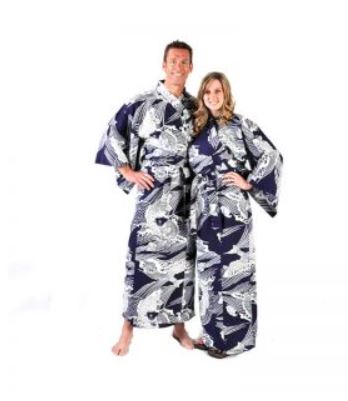
    Man and woman wearing a kimono
    Blue Koi Yukata

  • What is an Obi?

    If you’ve ever admired the elegant flow of a kimono or the casual charm of a yukata, you’ve likely noticed the beautiful sash that completes the look. This sash is called an obi, and it plays a crucial role in Japanese fashion and culture.

    A Brief History of the Obi

    The obi has a long and storied history in Japan. Originally, it was a simple and functional piece of cloth used to hold the kimono or yukata closed. However, as time passed, the obi evolved into a significant fashion statement and symbol of social status.

    Early Beginnings

    In the Heian period (794–1185), the obi started as a thin belt known as a koshi-himo. It was primarily functional, designed to keep the garments in place. By the Edo period (1603–1868), the obi began to grow in width and complexity, reflecting the wearer’s social standing and fashion sense.

    The Modern Obi

    Today, the obi is much more than a simple belt. It can be several meters long and vary widely in style, color, and fabric. There are even specialized obi for different occasions, such as formal events, festivals, and casual outings.

    The Role of the Obi in Attire

    The primary function of the obi is to keep the kimono or yukata securely closed. However, it also serves as a decorative element that adds flair and elegance to the outfit.

    Different Types of Obi

    • Fukuro Obi: This is a formal obi often worn at weddings or other special occasions. It is usually made from luxurious fabrics such as silk and features intricate patterns.
    • Nagoya Obi: A more casual obi, perfect for everyday wear. It is easier to tie and typically shorter than the fukuro obi.
    • Hanhaba Obi: This is a narrower and more informal obi, often used with yukata. It is simple to tie and ideal for casual occasions.

    Colors and Patterns

    The colors and patterns of an obi can signify various things, including the wearer’s age, marital status, and even the season. For example:

    • Bright, vibrant colors are often worn by young, unmarried women.
    • Subdued, elegant tones are more suitable for older or married women.
    • Seasonal patterns, such as cherry blossoms for spring or maple leaves for autumn, are also popular choices.

    How to Tie an Obi

    Tying an obi can be an art form in itself. There are many different knots and styles, each with its own cultural significance. Some popular methods include:

    • Taiko Musubi: Also known as the “drum knot,” this is a classic and formal style often seen at ceremonies and formal events.
    • Bunko Musubi: A simpler knot often used with yukata, perfect for casual outings.
    • Tsuke Obi: A pre-tied obi that is convenient and easy to wear, ideal for beginners.

    Why the Obi Matters

    The obi is more than just a sash; it is a symbol of Japanese culture and aesthetics. Whether you’re donning a kimono for a traditional tea ceremony or wearing a yukata to a summer festival, the obi completes your outfit and connects you to a rich cultural heritage.

    Understanding the significance and history of the obi can deepen your appreciation for Japanese fashion and culture. Whether you’re a Japan lover, a fashion enthusiast, or a cultural explorer, the obi offers a fascinating glimpse into the artistry and tradition of Japan.

    Ready to explore the world of obis? Learn how to tie an obi and much more with our detailed guides and expert tips.

    formal obi on kimono
    Formal obi
  • From Tradition to Trend: Do Men Wear Kimono?

    In the world of fashion, certain garments have withstood the test of time and cultural shifts, maintaining their elegance and relevance. Among these timeless pieces is the kimono—a traditional Japanese garment that has captivated the world for centuries. While often associated with women, it’s time to break the stereotype and understand that kimono are not just for women. Men love wearing kimono and yukata too, and for good reason!

    A Brief History of Kimono for Men

    The kimono, which translates to “thing to wear,” has deep historical roots in Japan, dating back to the Heian period (794-1185). Initially, both men and women wore kimono as a standard form of dress. Over time, the designs and styles evolved, becoming more gender-specific and occasion-based. For men, kimono evolved into garments worn for formal occasions, festivals, and martial arts. Today, they continue to be a symbol of cultural heritage and identity.

    Style and Fashion

    Kimono for men come in various styles, each with its unique charm and purpose. Here are the key types:

    • Montsuki: A formal kimono typically worn with family crests. Often seen at weddings, tea ceremonies, and other formal events.
    • Yukata: A casual cotton kimono worn during summer festivals or at hot springs (onsen). It’s lighter and more comfortable, perfect for relaxed settings.
    • Hakama: Traditional pleated trousers worn over the kimono. Often seen in martial arts like Kendo and Aikido.

    Modern Interpretations

    In recent years, fashion enthusiasts and designers have reimagined the men’s kimono, blending traditional elements with contemporary styles. You can now find kimono-inspired jackets, robes, and even streetwear that pay homage to this classic garment. This modern twist makes the kimono more accessible and versatile, allowing men to incorporate it into their everyday wardrobe.

    Comfort and Versatility

    One of the most compelling reasons men love kimono and yukata is the comfort they offer. Made from natural fabrics like cotton and silk, these garments are breathable and suitable for various climates. The loose fit allows for free movement, making them ideal for both relaxation and formal events. Whether you’re attending a wedding or lounging at home, a kimono can provide unparalleled comfort and style.

    Breaking Stereotypes

    The resurgence of kimono for men is also a step towards redefining masculinity. In a world where traditional gender roles are continually evolving, wearing a kimono can be a statement of cultural appreciation, individuality, and confidence. It’s about time we break the stereotype that kimono are solely for women and celebrate the versatility and elegance they bring to men’s fashion.

    How to Wear a Men’s Kimono

    Wearing a kimono properly is an art in itself. Here are some basic steps to get you started:

    1. Undergarments: Start with traditional undergarments like the juban.
    2. Kimono: Wrap the kimono left over right and secure it with an obi (belt).
    3. Footwear: Pair your kimono with traditional wooden sandals called geta.
    4. Accessories: Consider adding a haori (jacket) or a hakama for added flair.

    For those new to kimono, there are plenty of resources and tutorials available online to guide you through the process.

    Conclusion

    From tradition to trend, the men’s kimono revolution is here to stay. These garments offer a unique blend of history, style, and comfort, making them a valuable addition to any man’s wardrobe. If you’re looking to redefine your style and make a statement, now is the perfect time to explore the world of kimono and yukata.

    Ready to elevate your wardrobe? Discover our curated collection of men’s kimonos and experience the perfect blend of tradition and modernity. Shop our online Kimono Shop today and find the kimono that speaks to you.