Category: kimono for men

  • Buying a Kimono Yukata From an Employee-owner Makes Sense

    The Transformative Power of Employee Ownership.

    In an era where the corporate landscape is rapidly evolving, employee ownership emerges as a beacon of resilience, productivity, and mutual benefit. Employee-owned businesses are demonstrating that when employees become stakeholders, the advantages ripple through every aspect of the organization, reaching employees, customers, and the community at large.

    For Employees: A Stake in Success

    At the heart of employee ownership lies a revolutionary concept. When employees have a stake in the company’s success, they are more motivated, engaged, and dedicated to its growth. This model has proven its worth, as employee-owned businesses often outperform their counterparts in productivity, growth, and stability. Here’s how employees benefit directly:

    • Higher Wages and Net Worth: Employees with ownership typically earn higher wages and accumulate more in retirement savings compared to their counterparts in traditional firms.
    • Job Security: Employee-owners face lower risks of job loss during economic downturns, a testament to the resilience embedded within the ownership model.
    • Quality Benefits: Comprehensive benefits are common in employee-owned companies, contributing to employees’ overall satisfaction and well-being.

    For Customers: Elevated Service at Every Touchpoint

    The benefits of employee ownership extend beyond the internal workings of a business, directly impacting the quality of customer service and satisfaction. Here’s what customers can expect:

    • Exceptional Customer Service: With a vested interest in the company’s success, employee-owners are inclined to go above and beyond for customers, ensuring a level of service unparalleled by competitors.
    • Expertise and Experience: Reduced turnover means customers interact with knowledgeable and experienced staff who understand the products and services deeply.
    • Consistency and Reliability: Employee ownership fosters a culture of longevity and commitment, ensuring that businesses can maintain long-term relationships with customers and suppliers without disruption.

    For Communities: Local Jobs and Sustainable Growth

    Employee ownership doesn’t just benefit individuals inside the company; it plays a significant role in bolstering local economies and communities. By promoting job retention and creating a more stable workforce, employee-owned businesses help keep jobs local, supporting the surrounding community. Furthermore, the emphasis on long-term sustainability over short-term gains makes these businesses valuable community partners committed to shared prosperity.

    Conclusion

    The compelling evidence in favor of employee ownership paints a clear picture of its potential to redefine success in the business world. For employees, the promise of higher wages, job security, and a direct stake in the company’s future fosters a deeper level of engagement and satisfaction. For customers, the dedication of employee-owners translates into superior service, expertise, and reliability. And for communities, the stability and growth of employee-owned businesses ensure local jobs and support healthier economies.

    Thinking of shopping with an employee-owned business? Look no further than KimonoShop.com. Kimono Shop has an extensive selection of cotton kimonos and yukata for men and women of all sizes.  You’re not just choosing a company; you’re choosing a future where every stakeholder has a share in success, building a more resilient, equitable, and inclusive economy for all. As the customer, you gain a great deal of hidden value knowing you are dealing with an owner.
  • Bird Symbolism in Japanese Kimono & Yukata: A Cultural Journey

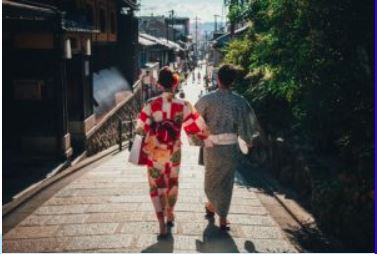
    The traditional Japanese kimono and the more casual yukata have long been celebrated. Not just as garments but as exquisite canvases that tell stories through their designs. Among the most captivating motifs woven into these fabrics are birds. Each bird carries its unique symbolism. It weaves a rich tapestry of meaning into the garment. This blog post explores the enchanting world of bird symbolism in Japanese kimono and yukata. We offer insights for Japanese culture lovers, fashionistas, and kimono enthusiasts alike.

    The Crane: Symbol of Longevity and Good Fortune – One cannot discuss bird motifs without mentioning the crane. Revered in Japanese culture, the crane is synonymous with luck, longevity, and fidelity. Represented often in wedding kimonos or “uchikake.” The crane promises a life of prosperity and happiness to newlyweds. Its presence on a kimono or yukata signifies hope for enduring love and a long, healthy life.

    The Sparrow: Emblem of Simplicity and Joy – Contrasting the majestic crane, the humble sparrow symbolizes joy and the simplicity of a fulfilled life. Kimono and yukata adorned with sparrows invite wearers and onlookers to appreciate the small pleasures of daily existence. This motif is particularly popular among those who value the beauty in the ordinary.

    The Phoenix: Fantasy of Rebirth – Though not exclusive to Japanese mythology, the phoenix holds a special place in the nation’s iconography. Known as “Hō-ō” in Japanese, the phoenix represents fire, rebirth, and immortality. Kimonos featuring this mythical bird are often worn on auspicious occasions. This symbolizes the wearer’s resilience and capacity for renewal.

    The Peacock: Vanity and Nobility – While less common, the peacock is a motif that denotes nobility, beauty, and a sense of self-pride. The elaborate display of the peacock’s tail feathers on the kimono and yukata fabric reflects a celebration of beauty and an expression of personal style. Wearing a peacock-adorned garment suggests a confident and regal bearing.

    Understanding and Appreciating the Symbolism – In the intricate world of Japanese kimono and yukata, every bird tells a story. Every color has a purpose, and every pattern represents a wish for the wearer. Individuals become enchanted by the cultural depth and aesthetic beauty of these garments. Understanding the symbolism behind the motifs can enrich the wearing experience and deepen their appreciation for Japanese culture.

    Whether you’re donning a kimono adorned with the elegant crane, the joyful sparrow, the mythical phoenix, or the noble peacock, you’re participating in a storied tradition that spans centuries. These garments are more than mere fashion statements. They are wearable art steeped in cultural significance and symbolic meaning.

    For those looking to explore the beauty of Japanese robes, keywords such as “bird kimono,” “kimono,” “kimonos,” “yukata,” and “Japanese robes” serve as gateways into this rich cultural tapestry. Each piece, with its unique blend of design and symbolism, invites wearers and admirers on a cultural journey that transcends mere aesthetics.

    In conclusion, the bird symbolism woven into the fabric of Japanese kimono and yukata reveals a fascinating intersection between nature, culture, and fashion. By understanding and appreciating these motifs, we only honor the tradition behind these garments. We also continue the legacy of storytelling that they represent. Next time you encounter a kimono or yukata, take a moment to ponder the birds adorning it and the stories they tell.

    The online Kimono Shop carries a vast selection of authentic Japanese kimonos and yukata. Kimono Shop offers a wide range of colors, styles, and patterns. Located in the USA, shipping is quick, and orders of $75 or more ship free anywhere in the USA, including Alaska and Hawaii.

  • The Unfolding Market: Why Kimono Prices are Rising in Japan

    The iconic Japanese kimono, a symbol of tradition and elegance, has experienced a surge in prices, reflecting broader economic trends within the country. As Japan’s economy shows signs of recovery with rising wages, increasing stock market prices, and a stronger Yen, the impact on traditional attire like kimonos and yukatas is becoming prominent.

    In this blog post, we will explore the multifaceted reasons behind the escalating costs associated with these garments. From fabric and labor to shipping, each element plays a significant role in the price uptick of kimonos and yukatas.

    Everyone is concerned about the rising prices of groceries, real estate, and utilities. But perhaps unexpectedly, traditional Japanese clothing, particularly kimonos, is getting pricier too. We delve into the reasons and implications behind this trend and what it might mean for aficionados of Japanese culture.

    COVID-19 Impact on Japan’s Economy

    The pandemic has left an indelible mark on economies worldwide, and Japan is no exception. Japan has experienced business closures and the retirement of skilled labor. Both have created a domino effect on industries, including the meticulous craft of kimono making.

    The Rising Cost of Fabric and Labor

    Fabric and labor have been identified as key cost drivers in the production of kimonos. The decrease in skilled labor availability and the increased demand for higher wages are contributing to the rising costs of these garments. Some industries have experienced wage hikes as high as 40%, especially those with unions.

    Wages and Consumer Prices on the Rise

    With wages in Japan increasing significantly, this economic adjustment is translating into higher retail prices for goods, including cultural wear like men’s yukata and women’s kimono.

    The Role of Shipping Costs

    Global shipping has undergone tumultuous changes, with rates soaring higher. These sharp increases in shipping costs have directly affected the pricing of kimonos imported and exported from Japan.

    Future Expectations for Kimono Shopping

    Looking ahead, we monitor the expected trends in kimono pricing. As economic recovery continues, we’ll share what consumers might anticipate should the Japanese Yen strengthen against the dollar.

    Wrapping up, we reflect on the importance of understanding the economic conditions that shape the pricing of traditional apparel and the broader implications for Japanese culture enthusiasts and consumers worldwide.

    Remember to explore our kimono shop for the latest in traditional Japanese attire, and stay informed about trends and prices. Despite rising costs, the beauty and heritage of the kimono remain timeless. We do our best to offset the rising prices by watching overhead expenses in detail. A dollar saved here means lower prices for you, our customer.