Category: kimono for men

  • Why Buying a Kimono or Yukata From a US Retailer Is the Smarter Choice

    When you shop for a Japanese kimono or yukata online, the seller matters as much as the robe itself. Many buyers assume ordering direct from an overseas dealer is the best way to get authentic Japanese robes. In practice, that route can bring extra costs, slow delivery, confusing return policies, and customer service challenges.

    Buying from a US-based retailer like Kimono Shop gives you a much easier experience from start to finish. You still get high-quality Japanese kimono and yukata, but without the stress that often comes with international orders.

    In this post, you’ll learn:

    • Why buying from a US kimono retailer can save you money
    • How faster shipping and simpler returns make a big difference
    • Why Kimono Shop offers more peace of mind than an overseas seller

    The Hidden Challenges of Buying a Kimono From an Overseas Dealer

    Ordering from another country can sound appealing at first. You may think you are getting closer to the source. But many shoppers discover that international buying comes with surprises.

    Common issues include:

    • Customs delays
    • Duties, tariffs, or import-related charges
    • Long shipping times
    • High return shipping costs
    • Language barriers when asking questions
    • Unclear business reputation or service standards

    These problems can turn a simple purchase into a frustrating one. Even if the item looks great online, the full buying experience may be far less convenient than expected.

    Key takeaway: Buying overseas may seem direct, but it often adds risk, delay, and extra expense.

    Why a US-Based Kimono Retailer Offers More Value

    A domestic retailer removes many of the problems that come with international ordering. You get a smoother process, more support, and fewer surprises.

    Kimono Shop has been serving customers online for over 30 years. As a US-based direct importer, Kimono Shop brings authentic Japanese robes into the country and handles the hard part for you. That means you can shop with more confidence and less hassle.

    No Customs, Duties, or Tariff Surprises

    One of the biggest benefits of buying from Kimono Shop is simple: there are no customs forms, duties, tariffs, or import headaches for you to deal with.

    When you place an international order yourself, extra charges can show up after checkout. A package may be held in transit. You may need to track down paperwork or pay fees before delivery. That can add cost and stress to what should be an enjoyable purchase.

    Kimono Shop takes care of that process as a direct importer. The work has already been done before the kimono or yukata reaches you.

    What that means for you:

    • No surprise import fees
    • No customs clearance issues
    • No added paperwork
    • No uncertainty about what your total cost will be

    Bottom line: The price you see is easier to trust when you buy from a US-based source.

    Fast Shipping From a US Facility

    Speed matters, especially when you are buying a kimono or yukata for a gift, an event, a spa day, lounging at home, or personal use. Overseas orders can take much longer than expected. Delays at customs or in international transit can push delivery back even further.

    Kimono Shop keeps robes in stock at a US facility. That means orders can be processed and shipped quickly, without waiting for international handling.

    This gives you several clear advantages:

    • Faster order fulfillment
    • Quicker delivery times
    • Better tracking visibility
    • More confidence when ordering for a deadline

    Consider this example: if you need a yukata for an upcoming celebration, waiting on an overseas shipment can be risky. A US-based seller with in-stock inventory gives you a much better chance of getting your order on time.

    In short, In-stock inventory in the US means less waiting and more certainty.

    Easier, Lower-Cost Returns

    Returns are one of the biggest differences between buying domestic and buying overseas. Even when a retailer accepts returns, sending a robe back to another country can be expensive and time-consuming.

    You may face:

    • High international return postage
    • Customs forms
    • Delivery delays
    • Limited tracking
    • Confusing return instructions

    With Kimono Shop, returns are far more manageable because the return address is in the United States. If the fit is not right or the style is not what you expected, the return process is much simpler and often much less expensive.

    That matters because apparel purchases are personal. Sometimes you need to see the fabric, try the fit, or compare a style in person before making your final decision.

    Why Domestic Returns Reduce Stress

    A domestic return gives you practical benefits that shoppers appreciate right away:

    • Lower shipping cost compared with overseas return shipping
    • Faster delivery to the return destination
    • Simpler mailing process
    • Easier communication if you need help

    Instead of worrying about sending a package across borders, you can handle your return in a familiar, straightforward way.

    Mini-summary: A US return process saves money, cuts hassle, and makes the purchase feel safer.

    Better Customer Service in English

    Good customer service matters before and after the sale. You may have questions about sizing, fabric, sleeve length, care, or the difference between a kimono and a yukata. Clear answers help you buy with confidence.

    When dealing with an overseas seller, communication can be harder than expected. Time zone differences can slow replies. Language differences can make details less clear. Even simple questions may take several messages to resolve.

    Kimono Shop offers English-speaking customer support, which makes the process easier from the start.

    Questions You Can Get Help With

    A knowledgeable US-based support team can help with practical concerns such as:

    • Choosing between a kimono and a yukata
    • Understanding sizing and fit
    • Learning about robe materials and use
    • Checking product availability
    • Clarifying shipping and return policies

    That kind of support is especially helpful if you are a first-time buyer. Instead of guessing, you can ask and get a clear answer.

    Key takeaway: Helpful English-speaking service removes friction and helps you make a better purchase.

    The Peace of Mind That Comes With a Known Reputation

    Trust plays a big role in online shopping. A low price from an unfamiliar overseas site may seem tempting, but reputation matters when you are spending money on a quality garment.

    Kimono Shop has been an online kimono dealer for over 30 years. That long history matters. It shows consistency, experience, and a real commitment to serving customers over time.

    A known US-based retailer gives you more confidence in areas that matter:

    • Product quality
    • Order reliability
    • Customer support
    • Clear policies
    • Business accountability

    When you buy from a company with an established reputation, you reduce the chance of unpleasant surprises. You know who you are buying from, and you know there is a real business standing behind the sale.

    Bottom line: Experience and reputation make the shopping experience more secure.

    Kimono Shop as a Direct Importer: Why That Benefits You

    Being a direct importer is not just a business detail. It creates real value for the customer.

    Kimono Shop imports Japanese robes directly, which helps create a streamlined buying experience. Instead of you dealing with overseas shipping, import complexity, and uncertainty, Kimono Shop manages that supply process for you.

    This setup helps deliver benefits that matter:

    • Inventory already in the US
    • Faster delivery to customers
    • No import complications at checkout
    • Better control over the buying experience
    • More reliable service from browsing to delivery

    For the customer, that means less friction and more convenience. You get the style and tradition of Japanese robes with the ease of shopping from a domestic retailer.

    Why Buying From Kimono Shop Is the Stress-Free Option

    If your goal is to enjoy a beautiful kimono or yukata without dealing with shipping problems, hidden fees, or difficult returns, buying from a US-based retailer is the clear choice.

    Kimono Shop combines the advantages shoppers want most:

    • Over 30 years of experience
    • Direct importing expertise
    • No customs, duties, or tariffs for the buyer
    • Fast shipping from a US facility
    • Easier and more affordable domestic returns
    • English-speaking customer service
    • A trusted US reputation

    That combination makes a real difference. You are not just buying a robe. You are choosing a smoother, more dependable buying experience.

    Final Thoughts

    Buying a Japanese kimono or yukata should feel exciting, not complicated. While overseas dealers may seem appealing, they often come with added costs, slower shipping, harder returns, and less accessible customer support.

    Kimono Shop makes the process simple. As a US-based direct importer with more than 30 years of experience, Kimono Shop offers authentic Japanese robes with fast domestic shipping, easy US returns, and helpful English-speaking service. You get the quality you want without the common problems of international ordering.

    If you want a stress-free way to shop for a kimono or yukata, here’s the simple checklist:

    • Choose a trusted US-based retailer
    • Look for in-stock inventory in the United States.
    • Avoid customs and import complications
    • Make sure returns are domestic and affordable
    • Buy from a company with a strong track record

    With Kimono Shop, you can shop with confidence and enjoy the comfort, beauty, and tradition of Japanese robes without the extra hassle.

  • The Mythology and Symbolism of Japanese Dragons

    Dragons capture our imagination across countless cultures, but few societies revere these mythical creatures as much as Japan. While Western stories often depict dragons as terrifying beasts guarding hordes of gold, Japanese folklore paints a vastly different picture. Here, dragons are majestic, benevolent spirits deeply woven into the fabric of daily life, religion, and art.

    Understanding the Japanese dragon means diving deep into ancient mythology and exploring its profound spiritual significance. In this guide, we will explore the historical origins of these magnificent creatures, uncover what they represent in Japanese spirituality, and show you how to embrace their powerful symbolism through traditional apparel.

    The Roots of Japanese Dragon Folklore

    To understand Japanese dragons, you must look back thousands of years. Known in Japanese as ryu or tatsu, these creatures originated from a blend of indigenous legends and imported myths from China, Korea, and India. When Buddhist monks traveled to Japan, they brought stories of powerful serpent-like water deities. Over time, these foreign myths merged with native Shinto beliefs, creating a uniquely Japanese interpretation of the dragon.

    You can easily distinguish a Japanese dragon from its Asian counterparts by counting its claws. Traditional Japanese folklore states that dragons have three claws, while Chinese dragons typically have five, and Korean dragons have four. Legend playfully suggests that dragons originated in Japan and grew more claws as they traveled further away.

    Regardless of their exact physical description, these creatures quickly became central figures in Japanese creation myths. They lived in oceans, rivers, and lakes, controlling the rainfall and the tides.

    Spiritual Significance and Symbolism

    In Japanese culture, the dragon is far more than a simple mythological monster. It serves as a complex spiritual symbol representing various virtues and natural forces.

    Masters of Water and Agriculture

    First and foremost, Japanese dragons are supreme water deities. Because Japan is an island nation heavily dependent on agriculture, controlling water meant controlling life itself. Farmers prayed to dragon gods for rain during droughts and for protection against devastating floods. The dragon became a symbol of balance, ensuring the rice paddies received exactly what they needed to thrive.

    Wisdom and Benevolence

    Unlike the destructive fire-breathing dragons of European lore, the Japanese ryu embodies ancient wisdom and quiet benevolence. They act as guardians of the divine and protectors of humanity. In many Buddhist temples across Japan, you will see dragon carvings adorning the ceilings or guarding the washing pavilions. These fierce faces are not meant to scare worshipers, but rather to ward off evil spirits and protect the sacred spaces.

    Strength, Courage, and Transformation

    Dragons also represent immense physical and spiritual strength. A famous legend tells of a persevering koi fish that swam up a massive waterfall against all odds. Upon reaching the top, the gods rewarded the fish for its determination by transforming it into a magnificent dragon. Because of this story, the dragon stands as a universal symbol of courage, resilience, and the ability to overcome impossible obstacles.

    Famous Dragons in Japanese Lore

    Several specific dragons hold prominent places in Japanese history and literature. Their stories continue to influence art, festivals, and spiritual practices.

    Ryujin (The Dragon King): Ryujin is perhaps the most famous Japanese dragon. As the ruler of the sea, he lived in an underwater palace made of red and white coral. He controlled the tides using magical jewels and commanded all marine life. Many Japanese emperors claimed direct descent from Ryujin, using his power to legitimize their rule.

    Yamata no Orochi: This fearsome eight-headed, eight-tailed dragon represents a darker side of mythology. According to Shinto legend, the storm god Susanoo defeated this monstrous creature to save a young maiden. Upon defeating the dragon, Susanoo discovered a legendary sword within its tail. This sword eventually became one of the Three Sacred Treasures of Japan, further cementing the dragon’s role in imperial history.

    Watatsumi: Often used interchangeably with Ryujin, Watatsumi is the legendary water tutelary deity of Shinto religion. Shrines dedicated to Watatsumi still exist across Japan, particularly in coastal fishing communities seeking safe passage and bountiful catches.

    Embracing the Dragon: Traditional Japanese Apparel

    The power and beauty of the dragon did not remain confined to ancient scrolls and temple ceilings. For centuries, Japanese artisans have woven dragon motifs into textiles, ceramics, and clothing. Wearing a dragon symbolizes a desire for strength, protection, and good fortune.

    Today, you can easily incorporate this powerful symbolism into your own wardrobe. Kimono Shop offers an incredible selection of authentic, dragon-themed kimonos and yukata that celebrate these mythical guardians in stunning detail.

    The Dragon and Mt Fuji Yukata

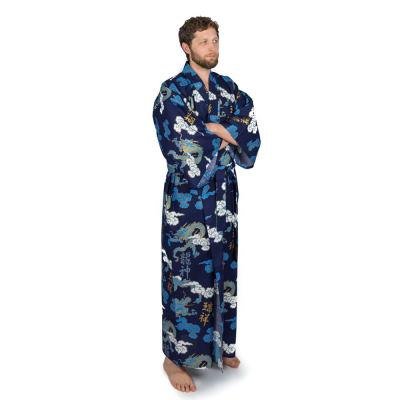
    Combine two of Japan’s most iconic symbols with the Dragon and Mt Fuji yukata. This design features a majestic dragon soaring above the sacred peak of Mount Fuji. Available in deep navy, striking black, and vibrant red, this lightweight cotton robe perfectly balances traditional artistry with ultimate comfort. The dynamic artwork captures the dragon’s role as a guardian of the natural world.

    Premium Black Dragon and Tiger Kimono

    For a truly striking piece, the premium Black Dragon and Tiger kimono brings a famous mythological rivalry to life. In Asian philosophy, the dragon and the tiger represent two opposing but complementary forces, much like yin and yang. The dragon commands the heavens, while the tiger rules the earth. This premium garment features intricate detailing that showcases both powerful creatures in perfect harmony against a rich black background.

    Embroidered Dragon and Flame Kimono

    If you appreciate detailed craftsmanship, the Embroidered Dragon and Flame kimono commands attention. This garment utilizes high-quality embroidery to create a textured, three-dimensional effect. The fierce dragon winds its way through stylized flames, creating a visually stunning piece that practically leaps off the fabric. It serves as a perfect choice for those who want to project confidence and strength.

    Dragon and Hawk Yukata

    The Dragon and Hawk yukata pairs the mighty water deity with a revered bird of prey. The hawk represents keen vision, nobility, and swift action. When paired with the dragon’s ancient wisdom and strength, the resulting design tells a story of complete mastery over both the sky and the sea.

    Dragon and Bamboo Yukata in Navy

    For a more understated but equally meaningful design, consider the Dragon and Bamboo yukata in classic navy. Bamboo symbolizes flexibility, resilience, and longevity—qualities that perfectly complement the dragon’s powerful nature. This elegant yukata offers a sophisticated nod to traditional Japanese folklore, making it an excellent choice for relaxing at home or attending summer festivals.

    Wear a Piece of Legend

    The Japanese dragon remains one of the most compelling and enduring symbols in Eastern mythology. By representing water, wisdom, protection, and strength, these magnificent creatures offer a deeper understanding of Japan’s spiritual heritage and its deep connection to the natural world.

    You do not need to visit an ancient temple to appreciate this powerful symbolism. By wrapping yourself in a beautifully crafted garment from Kimono Shop, you can carry the strength and protection of the dragon with you every day. Explore Kimono Shop’s full collection of dragon-inspired kimonos and yukatas to find the perfect piece that resonates with your own personal journey.

  • The History of the Kimono and Yukata

    The Evolution of Japanese Garments Through Time

    Over the centuries, both kimonos and yukatas have evolved to keep up with Japan’s changing cultural identity. The Meiji Restoration (1868–1912) marked Japan’s rapid modernization and exposure to Western fashion, impacting how traditional clothing was worn. Western suits gained popularity in the workplace, while the kimono transitioned into an outfit reserved for ceremonies and special occasions.

    During the Taisho period (1912–1926), kimono designs embraced new artistic styles influenced by Art Deco. Bright colors and bold patterns reflected the youth culture of the time, blending old traditions with new inspirations.

    The yukata, on the other hand, became a staple for summer festivals and leisure. Its simplicity and comfort meant it remained widely used, especially as Westernization required fewer formal outfits in daily life.

    Modern-Day Kimono and Yukata

    Fast forward to today, and both garments remain beloved symbols of Japanese heritage and craftsmanship. Despite their decline in daily wear, their cultural significance has kept them alive in modern Japan and on the global stage.

    The Kimono in Modern Fashion

    Luxury kimono tailoring is still highly respected, with artisans spending months crafting a single piece. Designers such as Issey Miyake and Hanae Mori have incorporated traditional kimono elements into contemporary fashion, bringing the aesthetic to haute couture. Additionally, kimonos are featured prominently in Japanese weddings, tea ceremonies, and as a way to mark coming-of-age celebrations.

    Internationally, the kimono has gained attention as a fashion statement, often worn as a jacket over casual clothes or as part of a fusion outfit. However, the cultural appropriation of this garment has sparked conversations about respecting its heritage when used outside of Japan.

    The Yukata Today

    The yukata is still widely embraced for casual and semi-formal occasions, especially during summer festivals like the Hanabi Taikai (fireworks festivals) or when visiting traditional inns (ryokan). Many young people enjoy choosing colorful yukatas, often pairing them with geta (wooden sandals) and decorative hairpins for a vibrant, playful look.

    Notably, yukatas have experienced a resurgence due to their lightweight design and affordability, appealing to tourists who wish to participate in Japanese cultural traditions.

    Why the Kimono and Yukata Matter Today

    The kimono and yukata represent more than just fashion—they are wearable stories of Japan’s past, present, and future. They showcase the artistry of Japanese textile makers, the symbolism of its patterns, and the adaptability of traditional culture in a globalized world.

    Whether worn during festivals, preserved in museums, or reimagined on runways, these garments endure as a testament to Japan’s dedication to art, elegance, and cultural identity. For those fortunate enough to wear them today, the kimono and yukata continue to connect individuals to the beauty and history of Japan.

  • How to Buy a Kimono or Yukata: A Simple Guide for Enthusiasts

    Whether you’re a kimono lover, an admirer of Asian art, or simply looking to elevate your wardrobe with luxurious loungewear, buying an authentic kimono or yukata is essential. Luckily, it’s not a complicated process—especially when you know the right place to shop.

    This guide will walk you through everything you need to know about buying a kimono or yukata. Where to find authentic Japanese robes, what to look for, and why Kimono Shop is the best retailer for your needs.

    What is the Difference Between a Kimono and a Yukata?

    Before we get deeper, it’s good to know the distinction between kimonos and yukatas.

    • Kimono is a traditional Japanese garment typically made of silk or cotton and worn on formal occasions.
    • Yukata is the lighter, more casual version, commonly crafted from cotton. It’s perfect for lounging, festivals, or even as stylish at-home attire. Think loungewear.

    Why Shop at Kimono Shop for Kimono and Yukata?

    If you’re in search of authentic Japanese robes but feel overwhelmed by choices, Kimono Shop is the ideal online destination. Here’s why Kimono Shop takes the guesswork out of kimono shopping:

    Wide Selection of Authentic Robes

    Kimono Shop offers a vast array of kimonos, yukatas, and even short-length happi coats. Their inventory caters to diverse tastes and needs, ranging from traditional kimono styles to modern yukatas for men and women.

    Superior Quality

    Every robe at Kimono Shop is made in Japan by expert artisans and crafted from quality 100% easy-care cotton. These robes combine timeless Japanese style with unbeatable comfort, making them ideal for everything from lounging at home to showcasing your love of Asian art.

    Sizes for Everyone

    Shopping for the perfect size has never been this easy. Kimono Shop provides multiple size options, from petite to Large/Tall, Plus-Size, and Big and Tall. Finding your fit is straightforward, whether you’re shopping for yourself or as a gift.

    Quick and Convenient Shipping in the USA

    Waiting weeks for your order to arrive? Not with Kimono Shop. Based in the USA, they ensure that your kimono or yukata is delivered to your doorstep in just a matter of days. Most orders are shipped the same or next business day, so you can start enjoying your new robe sooner than you think!

    Exceptional Customer Service

    Kimono Shop’s customer service is top-notch. Operating as an employee-owned company means members of their team are deeply invested in providing the best shopping experience possible. Their passion and commitment ensure that your questions are answered and your orders are handled with care.

    Hassle-Free Online Shopping Experience

    With their user-friendly online catalog, shopping becomes quick and stress-free. You can browse their extensive selection, choose your favorite robe, and pay for your order—all in just minutes.

    Tips for Buying a Kimono or Yukata

    When you’re ready to shop, keep these tips in mind to make the best choice for your lifestyle and personal style.

    1. Decide Between Kimono or Yukata: Consider whether you need a formal garment or a more casual robe for loungewear or summer festivals. With their cotton Kimono, many customers wear them daily.
    2. Choose the Right Size: Pay attention to the sizing guide and pick the option that fits your body type.
    3. Pick Your Favorite Design: From intricate traditional prints to modern patterns, choose a style that aligns with your aesthetic.
    4. Don’t Skip the Details: Look for robes made from high-quality materials, like Kimono Shop’s 100% cotton fabric, to ensure comfort and durability.
    5. Shop from a Reputable Seller: Stick with trusted retailers like Kimono Shop to guarantee authenticity and excellent customer service. Kimono Shop has been selling fine robes for over 30 years.

    Wrapping It Up

    Shopping for a kimono or yukata can be an exciting experience when you know where to look. Kimono Shop offers everything you need—authentic Japanese robes, quick shipping, exceptional customer service, and an easy online shopping platform. Whether you’re building your loungewear collection or connecting with Japanese culture, Kimono Shop has you covered.

    Start exploring your perfect kimono or yukata today at Kimono Shop. From expert curation to effortless style, they make it easy for you to dress in comfort and elegance.

  • Why Cotton is Widely Used in the Making of Kimono Yukata

    Kimono and Yukata robes are iconic Japanese attire pieces steeped in tradition and cultural significance. Over the years, these garments have evolved in design and the materials used to make them. Cotton has emerged as a favorite for crafting these beautiful robes among the various fabrics available. In this blog, we explore why cotton is so widely used in making Kimono and Yukata robes.

    The Allure of Cotton

    Easy Care

    One of the primary reasons cotton is preferred for Kimono and Yukata robes is its easy care. Unlike silk, which often requires special handling and dry cleaning, cotton can withstand regular washing without losing its quality. For fashion enthusiasts and textile lovers, this means a lot less hassle and more time enjoying their beautiful garments.

    Comfort on the Skin

    Cotton is known for its softness and breathability, making it an ideal fabric for clothing that sits close to the skin. Kimono and Yukata robes are often worn for extended periods, whether during festivals, tea ceremonies, or simply lounging at home. The comfort that cotton provides ensures that wearers can enjoy these activities without discomfort.

    Vivid Prints and Stylish Designs

    Cotton’s ability to hold dye exceptionally well makes it a popular choice for creating vivid prints and stylish designs. From intricate floral patterns to bold geometric shapes, cotton Kimono and Yukata robes are available in a plethora of designs that appeal to both traditionalists and modern fashionistas. This versatility in design options makes cotton an attractive fabric for these garments.

    Quality Fabric

    Cotton is a durable and long-lasting fabric, ensuring that Kimono and Yukata robes made from it can endure wear and tear while maintaining their aesthetic appeal. The high-quality fabric ensures that each robe retains its shape, color, and texture over time, making it a worthwhile investment for any wardrobe.

    Popular Across Clothing Pieces

    Cotton’s popularity isn’t limited to Kimono and Yukata robes. It is widely used in various clothing pieces, from everyday wear to high-fashion items. This widespread use further reinforces cotton’s reputation as a reliable and versatile fabric, making it a go-to choice for many designers and consumers alike.

    Cotton’s easy care, comfort, ability to hold vivid prints, quality, and versatility make it an ideal fabric for Kimono and Yukata robes. Its widespread use in various clothing pieces further underscores its appeal. Whether you’re a fashion enthusiast, textile lover, or cultural explorer, there’s no denying the charm and practicality of cotton in these traditional Japanese garments.

    Ready to explore the world of cotton kimonos and Yukata robes? Discover our collection and experience the beauty and comfort of these timeless pieces.

  • Robes For Men: A Revolution in Luxury Loungewear

    In the realm of men’s fashion, loungewear is a category that’s finally receiving the attention it deserves. While traditional terry cloth or plush men’s bathrobes have long been the norm, today’s discerning gentlemen have embraced a more refined option—the kimono or yukata. These luxurious cotton robes are a testament to style and comfort, redefining the concept of relaxation.

    Discovering the Kimono and Yukata

    When envisioning a robe, one might typically picture a cozy, post-shower wrap. However, kimono and yukata offer so much more. Rooted in Japanese culture, these robes carry with them an air of sophistication and elegance. Featuring distinctive designs crafted by talented Japanese artists, each piece is unique wearable art.

    The Charm of Men’s Robes

    • Aesthetic Appeal: With intricate patterns and vibrant colors, kimono and yukata make a statement. They offer a chance to express personal style even in the comfort of home.
    • Comfort and Versatility: Lightweight yet substantial, these robes are perfect for any season. Whether you prefer a breezy yukata or a more substantial kimono, there’s a robe to suit every preference.
    • Practicality: Machine washable and easy-care, these robes are designed for everyday use without compromising on luxury.

    A Robe Experience Like No Other

    Men’s robes have evolved from mere functional items to symbols of leisure. Wearing a kimono or yukata is an experience—a moment of indulgence. The matching belt cinches the robe comfortably, while the breathable fabric ensures ease of movement.

    Ideal Gift for Him

    If you’re searching for the perfect gift, look no further. A luxury loungewear robe is a thoughtful choice for the men in your life. Whether as a birthday present, anniversary gift, or just because, a kimono or yukata is sure to leave a lasting impression.

    Why Choose Kimono Shop?

    For over 30 years, Kimono Shop has been a trusted purveyor of Japanese kimono and yukata, offering an extensive collection to cater to every taste and size. As an employee-owned company based in the USA, Kimono Shop takes pride in delivering exceptional customer service. From quick shipping to transparent communication, they ensure a seamless shopping experience.

    Are you ready to elevate your loungewear game? Explore Kimono Shop’s exquisite collection and discover the robe that speaks to your style. Join countless satisfied customers who have made Kimono Shop their go-to destination for luxury loungewear.

  • What is an Obi?

    If you’ve ever admired the elegant flow of a kimono or the casual charm of a yukata, you’ve likely noticed the beautiful sash that completes the look. This sash is called an obi, and it plays a crucial role in Japanese fashion and culture.

    A Brief History of the Obi

    The obi has a long and storied history in Japan. Originally, it was a simple and functional piece of cloth used to hold the kimono or yukata closed. However, as time passed, the obi evolved into a significant fashion statement and symbol of social status.

    Early Beginnings

    In the Heian period (794–1185), the obi started as a thin belt known as a koshi-himo. It was primarily functional, designed to keep the garments in place. By the Edo period (1603–1868), the obi began to grow in width and complexity, reflecting the wearer’s social standing and fashion sense.

    The Modern Obi

    Today, the obi is much more than a simple belt. It can be several meters long and vary widely in style, color, and fabric. There are even specialized obi for different occasions, such as formal events, festivals, and casual outings.

    The Role of the Obi in Attire

    The primary function of the obi is to keep the kimono or yukata securely closed. However, it also serves as a decorative element that adds flair and elegance to the outfit.

    Different Types of Obi

    • Fukuro Obi: This is a formal obi often worn at weddings or other special occasions. It is usually made from luxurious fabrics such as silk and features intricate patterns.
    • Nagoya Obi: A more casual obi, perfect for everyday wear. It is easier to tie and typically shorter than the fukuro obi.
    • Hanhaba Obi: This is a narrower and more informal obi, often used with yukata. It is simple to tie and ideal for casual occasions.

    Colors and Patterns

    The colors and patterns of an obi can signify various things, including the wearer’s age, marital status, and even the season. For example:

    • Bright, vibrant colors are often worn by young, unmarried women.
    • Subdued, elegant tones are more suitable for older or married women.
    • Seasonal patterns, such as cherry blossoms for spring or maple leaves for autumn, are also popular choices.

    How to Tie an Obi

    Tying an obi can be an art form in itself. There are many different knots and styles, each with its own cultural significance. Some popular methods include:

    • Taiko Musubi: Also known as the “drum knot,” this is a classic and formal style often seen at ceremonies and formal events.
    • Bunko Musubi: A simpler knot often used with yukata, perfect for casual outings.
    • Tsuke Obi: A pre-tied obi that is convenient and easy to wear, ideal for beginners.

    Why the Obi Matters

    The obi is more than just a sash; it is a symbol of Japanese culture and aesthetics. Whether you’re donning a kimono for a traditional tea ceremony or wearing a yukata to a summer festival, the obi completes your outfit and connects you to a rich cultural heritage.

    Understanding the significance and history of the obi can deepen your appreciation for Japanese fashion and culture. Whether you’re a Japan lover, a fashion enthusiast, or a cultural explorer, the obi offers a fascinating glimpse into the artistry and tradition of Japan.

    Ready to explore the world of obis? Learn how to tie an obi and much more with our detailed guides and expert tips.

    formal obi on kimono
    Formal obi
  • Everything You Need to Know About Traditional Japanese Attire

    Curious about the fascinating world of traditional Japanese clothing? Whether you’re a cultural explorer or a Japan lover, this Q&A blog will provide insights into kimonos, obis, and more. Let’s jump into some commonly asked questions and their answers.

    What is a Kimono?

    A kimono is a traditional Japanese garment characterized by its long sleeves and wrap-around design. Typically made from cotton, silk, or other fine materials, kimonos are worn for various occasions, from casual gatherings to formal ceremonies. The word “kimono” literally means “a thing to wear” in Japanese. Unlike Western clothing, kimonos require specific techniques for wearing and tying the garment, making it a beautiful yet intricate piece of attire.

    What is an Obi?

    An obi is a sash worn with a kimono. It serves both a functional and decorative purpose. The obi secures the kimono in place and is often elaborately tied in different styles depending on the occasion and the wearer’s status. Obis come in various lengths, widths, and designs, adding an extra layer of beauty and complexity to the traditional outfit.

    How to Get Free Shipping?

    Getting free shipping often involves meeting specific criteria set by the retailer. Here are some common ways to qualify for free shipping:

    • Minimum Purchase Amount: Many stores offer free shipping if you spend over a certain amount.
    • Promotional Codes: Keep an eye out for promo codes specifically offering free shipping.
    • Subscription Services: Some online retailers offer free shipping as a perk for subscribers.

    Always check the retailer’s shipping policy for the most accurate information.

    What Do Butterflies Symbolize?

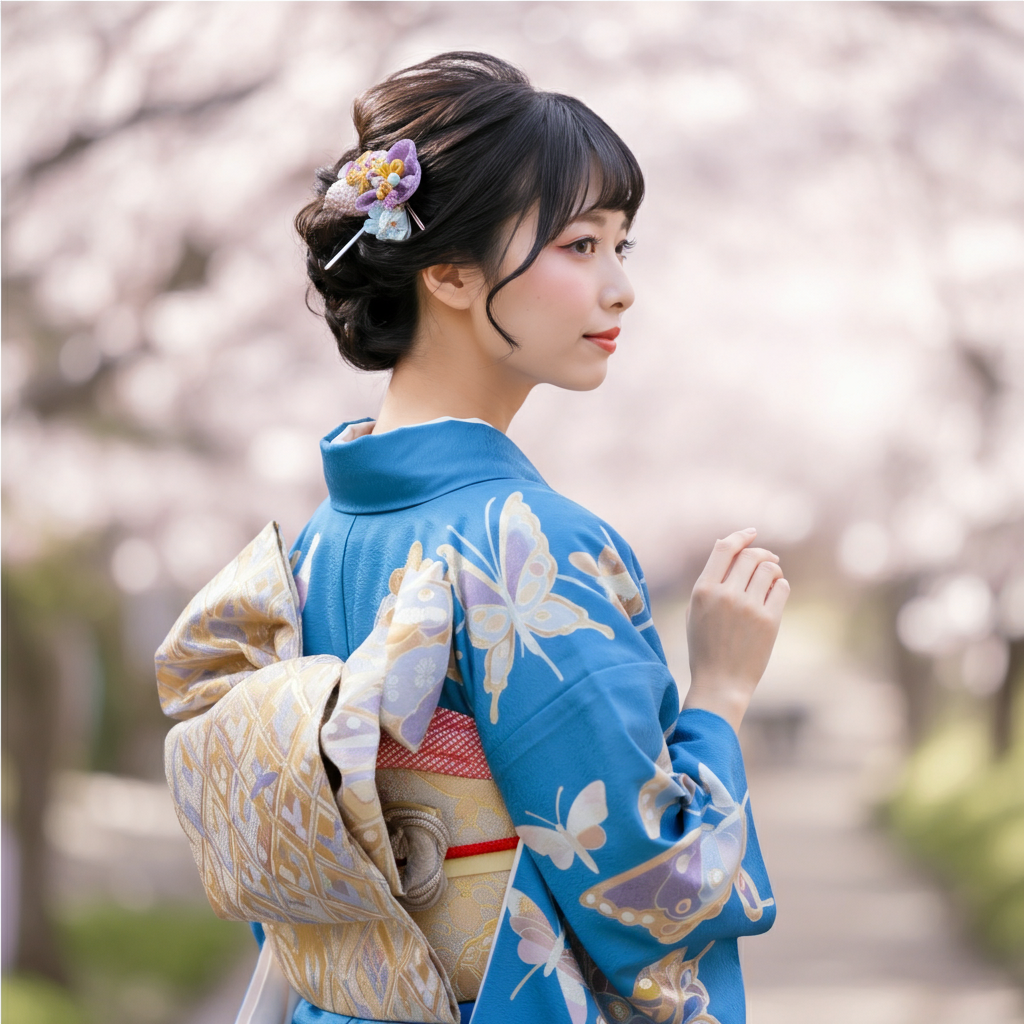
    In Japanese culture, butterflies hold a variety of symbolic meanings. Often seen as a symbol of transformation and renewal, butterflies are also associated with the soul and the afterlife. In art and literature, they frequently represent grace, beauty, and change. Their delicate appearance and graceful flight make them a popular motif in kimono designs and other traditional Japanese arts.

    Where to Buy a Yukata Near Me?

    Finding a yukata, which is a more casual version of a kimono, can be easier than you think. Here are some options:

    • Local Japanese Stores: Check nearby Japanese specialty stores or cultural shops.
    • Online Retailers: Websites like Kimono Shop offer a large selection of styles, colors and sizes. Shop from the convenience of your own home. They provide quick shipping and orders of $75 or more receive Free Shipping to anywhere in the USA.
    • Cultural Festivals: Local Japanese festivals or cultural events sometimes have vendors selling traditional attire.

    Do Men Wear Kimono?

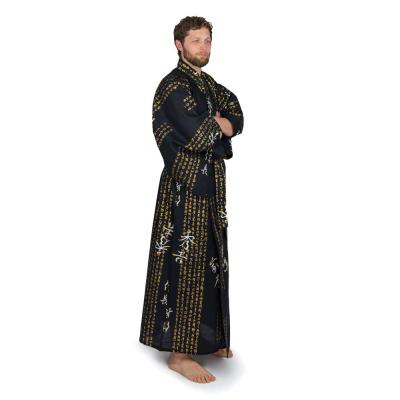
    Yes, men do wear kimono, although the styles and occasions may differ from women’s kimono. Men’s kimono are typically more subdued in color and pattern and are worn with a narrower obi. They are commonly seen during traditional ceremonies, festivals, and martial arts practices. Like women’s kimono, men’s kimono also require a specific way of wearing and securing the garment.

    Conclusion

    Traditional Japanese attire, such as kimono and obis, offers a rich tapestry of cultural significance and beauty. Whether you’re looking to buy your first yukata or simply curious about the symbolism in Japanese clothing, understanding these elements can enrich your appreciation for this timeless fashion.

  • Elevating Everyday Glamour – The Magic of Wearing a Kimono

    The kimono, a traditional Japanese garment, holds a special place in the hearts of those who cherish cultural heritage and sophistication. More than just a piece of clothing, wearing a kimono represents a deep connection to Japanese culture, embodying respect for tradition and formality. Let’s explore the joys of incorporating this timeless attire into your everyday wardrobe.

    The Cultural Significance of Kimono

    A Symbol of Heritage

    The kimono is not merely an article of clothing; it is a symbol of Japan’s rich heritage. The intricate designs, colors, and patterns often reflect the wearer’s social status, the season, and the occasion. Whether it’s a wedding or a tea ceremony, the kimono serves as a versatile and nuanced garment that speaks volumes about the wearer.

    The Art of Kitsuke

    The process of putting on a kimono, known as kitsuke, is an art form passed down through generations. This meticulous process involves specific rules and techniques, making it an experience that connects the wearer to centuries-old traditions. Today, the kimono is much simpler and less formal eliminating the long process of wearing one.

    Special Occasions

    Despite Japan’s modernization, the kimono remains a staple for special occasions. From weddings to coming-of-age ceremonies, the kimono is a beautiful reminder of the country’s enduring cultural values.

    Personal Stories and Experiences

    Modern-Day Celebrations

    In contemporary settings, the kimono has found new life. Brides often present kimono or yukata to their bridesmaids as gifts, wearing them at bachelorette parties or even beachside weddings. Couples frequently choose kimono for their wedding attire, blending tradition with modern romance.

    Fashion Tips for Everyday Wear

    Casual Chic

    Incorporating kimono-inspired ideas into everyday fashion is easier than you might think. These can be worn over jeans, pants, shorts, or even dresses. Unlike traditional kimono, these modern adaptations add a touch of elegance to casual outfits.

    Versatile and Stylish

    An authentic kimono robe, complete with a belt or sash, can be worn closed for a more formal look. Many fashion-forward individuals wear these robes to dinners, casual get-togethers, shopping trips, or even for a night out dancing. The versatility of the kimono makes it a must-have for anyone looking to elevate their style.

    Conclusion

    Whether you’re honoring tradition or looking to add a touch of elegance to your everyday wardrobe, the kimono offers endless possibilities. Its cultural significance, intricate designs, and versatile style make it a garment worth cherishing.

    If you’re ready to explore the world of kimonos, visit our online shop. Discover a range of options for both men and women and find the perfect piece to elevate your wardrobe.

  • Elegance Unveiled: 20 Reasons Kimono & Yukata Are Timeless

    The kimono and yukata have transcended their traditional Japanese roots to become global symbols of elegance, culture, and effortless style. Whether you’re a die-hard Japan lover, a fan of unique loungewear, or simply fascinated by the rich tapestry of world cultures, there’s no denying the allure of these garments. Here are twenty compelling reasons they continue to capture hearts worldwide.

    1. Deep Historical Roots

    The kimono dates back to ancient Japan, serving as a living canvas that beautifully narrates the country’s history, values, and aesthetic evolution.

    2. Unmatched Elegance

    With their flowing lines and graceful silhouettes, kimono and yukata exude a timeless elegance that complements any wearer.

    3. Infinite Variety

    From vibrant colors and intricate patterns to subtle hues and minimalist designs, there’s a style to match every mood and occasion.

    4. Comfort Personified

    Crafted from materials like cotton and silk, these garments invite a level of comfort that transcends simple loungewear.

    5. Expressions of Individuality

    Wearing a kimono or yukata offers a unique opportunity to express personal style and cultural appreciation simultaneously.

    6. Versatile Wardrobe Staples

    Easily transition from a casual day look to an exquisite evening ensemble with the right accessories.

    7. Year-Round Wearability

    While yukata are perfect for summer with their light cotton fabric, kimonos can be layered to suit cooler temperatures.

    8. Celebration of Craftsmanship

    Each piece showcases the meticulous craftsmanship of its maker, from hand-dying and printing techniques to embroidery.

    9. Symbol of Hospitality

    In Japan, wearing a yukata is often associated with the warm hospitality of traditional inns, evoking a sense of welcome and comfort.

    10. Cultural Immersion

    Donning a kimono or yukata can serve as a profound personal connection to Japanese culture and traditions.

    11. Aesthetic Flexibility

    Their design allows for easy adjustment, making them flattering to any body type and inclusive to all.

    12. Sustainable Fashion Choice

    Vintage kimonos and yukatas align with sustainable fashion trends, offering an eco-friendly wardrobe option.

    13. Unrivalled Photogenic Quality

    Their vibrant patterns and colors make kimono and yukata the perfect statement pieces for photoshoots and social media.

    14. Gateway to Learning

    Wearing and learning about these garments can spark a deeper interest in and respect for Japanese history and the art of kimono-making.

    15. Festive Attire

    They’re the attire of choice for festivals, weddings, and tea ceremonies, creating a direct link to Japan’s festive culture.

    16. Artistic Inspiration

    Many designers and artists draw inspiration from the kimono and yukata, highlighting their impact on global fashion and art.

    17. Gift of Meaning

    A kimono or yukata makes for a thoughtful and meaningful gift, conveying wishes of well-being and prosperity.

    18. Travel Companion

    Lightweight and easy to pack, a Yukata makes an excellent travel companion, bringing a touch of luxury and comfort to your journeys.

    19. Ensemble Enhancement

    They can elevate any ensemble, acting as exquisite robes, coverups, or even unique layers over Western attire.

    20. Promotes Mindfulness

    The traditional practice of wearing and caring for kimono and yukata encourages mindfulness and appreciation for the present.

    In an age of fast fashion and fleeting trends, the kimono and yukata stand out as beacons of timeless beauty, cultural depth, and personal expression. Beyond merely being garments, they offer wearers and admirers alike a way to connect with history, art, and each other. Whether purchased from an online kimono shop or inherited as an authentic heirloom, these pieces are more than just clothing—they are stories woven in fabric, waiting to be told.