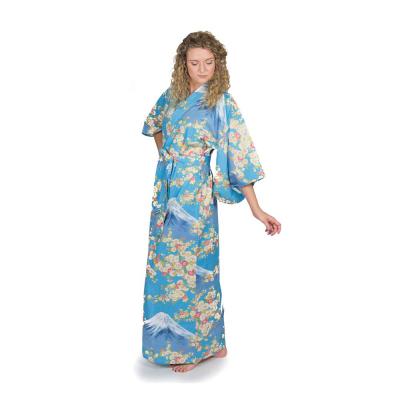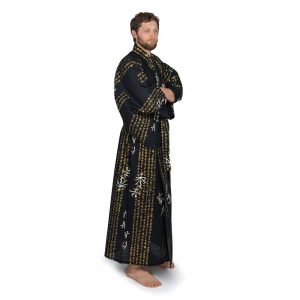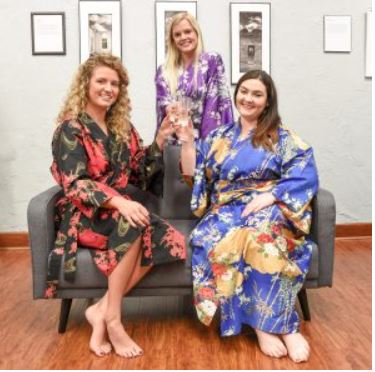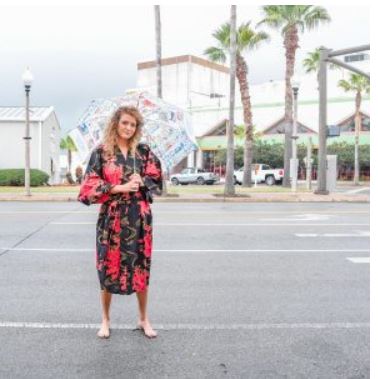
Tag: USA Kimono

  • Elegance Unveiled: 20 Reasons Kimono & Yukata Are Timeless

    The kimono and yukata have transcended their traditional Japanese roots to become global symbols of elegance, culture, and effortless style. Whether you’re a die-hard Japan lover, a fan of unique loungewear, or simply fascinated by the rich tapestry of world cultures, there’s no denying the allure of these garments. Here are twenty compelling reasons they continue to capture hearts worldwide.

    1. Deep Historical Roots

    The kimono dates back to ancient Japan, serving as a living canvas that beautifully narrates the country’s history, values, and aesthetic evolution.

    2. Unmatched Elegance

    With their flowing lines and graceful silhouettes, kimono and yukata exude a timeless elegance that complements any wearer.

    3. Infinite Variety

    From vibrant colors and intricate patterns to subtle hues and minimalist designs, there’s a style to match every mood and occasion.

    4. Comfort Personified

    Crafted from materials like cotton and silk, these garments invite a level of comfort that transcends simple loungewear.

    5. Expressions of Individuality

    Wearing a kimono or yukata offers a unique opportunity to express personal style and cultural appreciation simultaneously.

    6. Versatile Wardrobe Staples

    Easily transition from a casual day look to an exquisite evening ensemble with the right accessories.

    7. Year-Round Wearability

    While yukata are perfect for summer with their light cotton fabric, kimonos can be layered to suit cooler temperatures.

    8. Celebration of Craftsmanship

    Each piece showcases the meticulous craftsmanship of its maker, from hand-dying and printing techniques to embroidery.

    9. Symbol of Hospitality

    In Japan, wearing a yukata is often associated with the warm hospitality of traditional inns, evoking a sense of welcome and comfort.

    10. Cultural Immersion

    Donning a kimono or yukata can serve as a profound personal connection to Japanese culture and traditions.

    11. Aesthetic Flexibility

    Their design allows for easy adjustment, making them flattering to any body type and inclusive to all.

    12. Sustainable Fashion Choice

    Vintage kimonos and yukatas align with sustainable fashion trends, offering an eco-friendly wardrobe option.

    13. Unrivalled Photogenic Quality

    Their vibrant patterns and colors make kimono and yukata the perfect statement pieces for photoshoots and social media.

    14. Gateway to Learning

    Wearing and learning about these garments can spark a deeper interest in and respect for Japanese history and the art of kimono-making.

    15. Festive Attire

    They’re the attire of choice for festivals, weddings, and tea ceremonies, creating a direct link to Japan’s festive culture.

    16. Artistic Inspiration

    Many designers and artists draw inspiration from the kimono and yukata, highlighting their impact on global fashion and art.

    17. Gift of Meaning

    A kimono or yukata makes for a thoughtful and meaningful gift, conveying wishes of well-being and prosperity.

    18. Travel Companion

    Lightweight and easy to pack, a Yukata makes an excellent travel companion, bringing a touch of luxury and comfort to your journeys.

    19. Ensemble Enhancement

    They can elevate any ensemble, acting as exquisite robes, coverups, or even unique layers over Western attire.

    20. Promotes Mindfulness

    The traditional practice of wearing and caring for kimono and yukata encourages mindfulness and appreciation for the present.

    In an age of fast fashion and fleeting trends, the kimono and yukata stand out as beacons of timeless beauty, cultural depth, and personal expression. Beyond merely being garments, they offer wearers and admirers alike a way to connect with history, art, and each other. Whether purchased from an online kimono shop or inherited as an authentic heirloom, these pieces are more than just clothing—they are stories woven in fabric, waiting to be told.

  • Buying a Kimono Yukata From an Employee-owner Makes Sense

    The Transformative Power of Employee Ownership.

    In an era where the corporate landscape is rapidly evolving, employee ownership emerges as a beacon of resilience, productivity, and mutual benefit. Employee-owned businesses are demonstrating that when employees become stakeholders, the advantages ripple through every aspect of the organization, reaching employees, customers, and the community at large.

    For Employees: A Stake in Success

    At the heart of employee ownership lies a revolutionary concept. When employees have a stake in the company’s success, they are more motivated, engaged, and dedicated to its growth. This model has proven its worth, as employee-owned businesses often outperform their counterparts in productivity, growth, and stability. Here’s how employees benefit directly:

    • Higher Wages and Net Worth: Employees with ownership typically earn higher wages and accumulate more in retirement savings compared to their counterparts in traditional firms.
    • Job Security: Employee-owners face lower risks of job loss during economic downturns, a testament to the resilience embedded within the ownership model.
    • Quality Benefits: Comprehensive benefits are common in employee-owned companies, contributing to employees’ overall satisfaction and well-being.

    For Customers: Elevated Service at Every Touchpoint

    The benefits of employee ownership extend beyond the internal workings of a business, directly impacting the quality of customer service and satisfaction. Here’s what customers can expect:

    • Exceptional Customer Service: With a vested interest in the company’s success, employee-owners are inclined to go above and beyond for customers, ensuring a level of service unparalleled by competitors.
    • Expertise and Experience: Reduced turnover means customers interact with knowledgeable and experienced staff who understand the products and services deeply.
    • Consistency and Reliability: Employee ownership fosters a culture of longevity and commitment, ensuring that businesses can maintain long-term relationships with customers and suppliers without disruption.

    For Communities: Local Jobs and Sustainable Growth

    Employee ownership doesn’t just benefit individuals inside the company; it plays a significant role in bolstering local economies and communities. By promoting job retention and creating a more stable workforce, employee-owned businesses help keep jobs local, supporting the surrounding community. Furthermore, the emphasis on long-term sustainability over short-term gains makes these businesses valuable community partners committed to shared prosperity.

    Conclusion

    The compelling evidence in favor of employee ownership paints a clear picture of its potential to redefine success in the business world. For employees, the promise of higher wages, job security, and a direct stake in the company’s future fosters a deeper level of engagement and satisfaction. For customers, the dedication of employee-owners translates into superior service, expertise, and reliability. And for communities, the stability and growth of employee-owned businesses ensure local jobs and support healthier economies.

    Thinking of shopping with an employee-owned business? Look no further than KimonoShop.com. Kimono Shop has an extensive selection of cotton kimonos and yukata for men and women of all sizes.  You’re not just choosing a company; you’re choosing a future where every stakeholder has a share in success, building a more resilient, equitable, and inclusive economy for all. As the customer, you gain a great deal of hidden value knowing you are dealing with an owner.

  • Beyond the Obi: Intriguing Facts about Kimono and Yukata

    The kimono, with its long sleeves and elegant fall to the heels, is more than just traditional Japanese attire. It is a canvas where stories unfold, virtues are symbolized, and seasons are celebrated through design. In contrast, the yukata is often seen as the kimono’s lighter and easier-to-wear cousin. The yukata provides a simplistic yet profound beauty perfect for everyday wear.

    The Artistry and Symbolism of Kimono

    Kimono designs are a beautiful collage, illustrating Japan’s rich culture and respect for nature. Cranes, a recurring motif, are not merely birds drawn across silk but messengers of good fortune and longevity. It’s believed in Japanese folklore that cranes can live for thousands of years, earning a revered place in the realms of immortals.

    The depiction of flora and fauna in kimono is a poetic expression of the natural world, closely tied to the seasons. Cherry blossoms, or ‘sakura’, signify spring’s ephemeral beauty. While the fiery hues of autumn’s maple leaves gracing a kimono evoke a sense of wistful change.

    Further, classic literature and famous artworks are often weaved into the fabric. This allows wearers to adorn themselves with poignant narratives and revered art. A kimono isn’t just a garment; it’s a statement, an heirloom, and a piece of living history.

    The Practical Elegance of Yukata

    Yukata are traditionally made from breathable cotton or linen. These fabrics offer a comfortable and relaxed option for those looking to wear kimono in a more casual setting. Ideal for summer festivals or simply lounging at home, yukata come with fewer layers. They feature an ease that invites both the young and the old to experience Japanese tradition without formality.

    Despite their simplicity, yukatas also echo the aesthetic principles of their more ornate counterparts. The same attention to detail, the flow of the fabric, and the respectful nod to tradition is apparent in the graceful lines and restrained elegance of a well-worn yukata.

    The Fabric of History

    Is a yukata a kimono? Yes, in essence. It is a kind of informal kimono, transcending age, gender, and occasion. The variety amongst kimono is wide-ranging. From the furisode, flaunted by young unmarried women, to the tomesode, distinguished by its shorter sleeves and worn by married women.

    The kimono is not just “the thing to wear” but a testament to Japanese craftsmanship and aesthetic sensibility. The choice of silk, the quality of fabric, and the intricate techniques used can transform a simple garment into an exceptional work of art.

    Modern Relevance and Cultural Continuity

    Today, cultural explorers and kimono enthusiasts find as much joy in the rich past as in the vibrant present of kimono and yukata. The adaptability of these garments to modern tastes and lifestyles ensures their continued relevance. Kimono-inspired fashion pieces now grace international runways and street styles across the globe. While the yukata remains a beloved choice for casual comfort with a touch of elegance.

    Whether you’re a longtime admirer or a new convert to the beauty of kimonos and yukatas, there’s always more to learn and appreciate about these iconic elements of Japanese culture. They are garments with a past, woven through with stories and guided by principles that continue to resound today.

    In celebrating and honoring these traditional wears, we not only preserve a significant aspect of Japanese cultural heritage but also promote a greater understanding and appreciation for the diversity in art and expression worldwide.

    Join us as we continue to explore, learn, and admire the craftsmanship and profound stories stitched into every thread of the kimono and yukata. And for the men out there who have been captivated by the elegance of yukata, remember there are ‘yukata for men’, designed to offer the same comfort and style with a masculine touch.

  • Frequently Asked Kimono Questions: An Easy Reference Guide

    Are There Different Types of Kimono? Yes, there are different types of these Japanese robes. In the world of traditional Japanese attire, kimono and yukata reign supreme. While both options cater to both men and women, there are key distinctions to consider. Length, fabric, sleeves, and patterns all play a role in defining these iconic garments.

    For those seeking a more formal look, the kimono is the go-to choice. Crafted from heavier-weight fabric, it exudes elegance and sophistication. On the other hand, the yukata offers a similar aesthetic but leans towards the casual side. This lightweight option is perfect for warmer seasons like Spring and Summer, and some even find it comfortable year-round, depending on their climate.

    Originally designed as bathrobes, yukatas have gained immense popularity at summer festivals and celebrations. Embrace tradition and show off your style with these stunning and versatile garments.

    Discover the Diverse World of Kimono Fabric. While silk remains the traditional and original choice, there are various types of fabric to explore. Each has its level of formality and seasonal appropriateness. In modern-day, kimono can be crafted from cotton, wool, synthetic fibers, or linen. Uncover the nuances: wool for casual winter wear, cotton as the most casual option (known as yukata), and synthetic fabrics that offer convenience but may compromise breathability or quality.

    Today in the Western world, cotton is the most popular choice for both Kimono and Yukata. Cotton breathes well, is soft and comfortable against the body, and is also washable and easy to care for. Cost also plays a factor as it is lower in cost versus silk. Silk prices have risen sharply over the past few years.

    What is The Best Way to Clean a Kimono? Kimono and Yukata have come a long way since the early days. When it comes to kimono made from natural silk, leave it to the professionals or highly experienced kimono cleaners. A vintage ceremonial Kimono requires the knowledge and skills of a specialist to carefully dismantle the kimono and cleanse each piece individually.

    A lined kimono needed to be detached from its lining to prevent shrinking or expanding at different rates. This leads to color bleeding and permanent wrinkling. Synthetic fabrics are no exception – they too tend to bleed color. Cleaning a kimono can be a challenging and costly endeavor, so it’s crucial to strive to keep them pristine to begin with.

    Today, most cotton and some silk robes can be machine-washed. Easy-care cotton can be washed in cold water and either drip-dried on a kimono hanger or dried on a delicate, cool cycle. Some silk robes are washable as well. Using a gentle washing liquid like Woolite is often recommended. The safest method to determine how you care for your kimono or yukata is to check with the manufacturer or dealer you purchase your robe from. Check the tags on the robe or consult with your local dry cleaner.

    How Do I Store my Kimono? For expensive, traditional ceremonial kimono, careful storage can be essential for preserving the delicate nature of fabrics, like silk. After wearing your kimono, take the time to air it out for a day before returning it to storage. Kimono need a little breathing room, but be cautious about exposing them to humid air as it can cause significant damage.

    In modern times, using moisture-absorbing packets is a popular method to keep the air dry and maintain the kimono’s integrity. For added protection, consider using acid-free paper called tatoshi to store your kimono. These papers offer an extra layer of defense against potential harm.

    If you are not storing your Kimono or Yukata, hanging your robe on a Kimono Hanger is highly recommended. This hanger is much wider than a traditional hanger and helps to alleviate wrinkles and bunching up of the fabric. Hanging your garment can also allow airflow to prevent odors from accumulating on the fabric.

    To safeguard against color fading, it’s crucial to keep the kimono away from direct sunlight. Sunlight can bleach the natural dyes, diminishing their vibrancy over time. Furthermore, it’s advisable to rotate your kimono periodically to prevent excessive weight from settling at the bottom. This simple step can prevent long-term damage and maintain the kimono’s structural integrity.

    By following these storage guidelines, you can ensure that your cherished kimono stays in impeccable condition for years to come. If you seek further help, check out the Online Kimono Shop of Kimono Shop. Kimono Shop has been serving customers around the globe since 1994. They are based in the USA and offer quick shipping and one of the largest selections of patterns, colors, and sizes on the web.