Tag: kimonoshop

  • The Spirit of Giving: Why Giving Back is Part of Our Business

    When people talk about the “spirit of giving,” they often associate it with the holiday season—a time of reflection, gratitude, and generosity. But at Kimono Shop, we believe that giving back isn’t something that should be confined to just one part of the year. Supporting our community and contributing to meaningful causes is at the very heart of who we are every single day.

    Why We Give Back

    We are deeply grateful for the trust our customers place in us. Your ongoing support allows us to grow, thrive, and do what we love. To us, showing gratitude isn’t about words alone—it’s about action. This sense of responsibility drives our commitment to making charitable donations and supporting initiatives that align with our values.

    Giving back isn’t just good for the community; it’s essential for creating a business that truly cares. We understand that companies that give back to the community become stronger, more connected, and more meaningful to their customers and employees alike.

    Causes We Support

    At Kimono Shop, we channel our charitable donations into causes that matter and make a difference. Some of the areas we’re most passionate about include:

    • Education

    We champion access to learning by supporting organizations like Wikipedia, which empowers people everywhere with free knowledge. The  Educational Enhancement Trust Fund is another recipient providing up-to-date technology for classrooms throughout Florida.

    • Animal Welfare

    Our love for animals drives us to contribute to charities that protect and care for our furry friends who can’t speak for themselves.

    • Neighborhood Support

    Healthy, sustainable communities are the backbone of society. We invest in initiatives that enhance local neighborhoods, ensuring that everyone has a safe and welcoming place to call home. Contributions have helped establish community gardens and beautify neighborhoods with landscapes that inspire.

    • Environmental Enhancement

    We are committed to the well-being of our planet. Supporting projects that aim to reduce pollution, preserve ecosystems, and combat climate change helps secure a greener future for us all. Planting trees to provide shade and enhancing existing areas of blight

    Whether it’s through financial contributions, volunteering, or advocacy, we proudly stand with organizations that share our vision for a better world.

    “Giving back” is a Year-Round Practice

    We often get asked why we make giving back such an integral part of our business operations. The answer is simple—it feels right. Businesses that give back have a unique opportunity to lead by example. By committing to year-round giving, we aim to create a ripple effect, where our actions inspire others to join in, whether they are customers, employees, or even other companies.

    The spirit of giving, for us, is an ongoing responsibility to support the world and the people who support us—because every day is a chance to make a difference. Our business is more than just selling Japanese Kimono and Yukata.

    How You Help Us Pay It Forward

    When you choose to work with Kimono Shop, you’re not just supporting a business—you’re contributing to a larger mission. Every purchase you make helps us continue our efforts to donate to charities, fund projects, and impact lives positively. None of this would be possible without you, and for that, we thank you.

    Join Us in the Spirit of Giving

    The act of giving is one of life’s most fulfilling experiences. Together, we can create meaningful change and strengthen the communities that unite us.

    If you’re inspired to take your own steps toward giving back, we encourage you to explore causes that align with your passions. Whether it’s supporting education, protecting animals, or fighting for environmental change, every effort counts.

    At Kimono Shop, giving is woven into the fabric of who we are—not just during the holidays, but every single day of the year. Because the spirit of giving is a gift that never goes out of season.

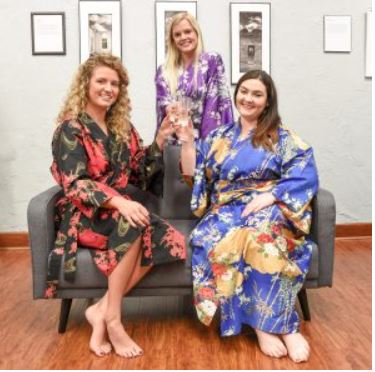
    Giving back is part of our business philosophy
  • Living for the Kimono: Exploring the World of Kimonotarians

    Welcome to the captivating world of Kimonotarians, where the elegance and tradition of Japanese kimonos are embraced with unyielding passion. If you’re a fashion enthusiast, cultural explorer, or simply someone who admires the timeless beauty of kimonos, this blog is just for you.

    What is a Kimonotarian?

    The term “Kimonotarian” is a delightful blend of “kimono” and the suffix “-Arian,” which denotes an adherent or professional practitioner. A Kimonotarian is someone who is deeply devoted to the art and culture of the kimono. They not only wear kimonos but live for them. They appreciate the intricate designs, the rich history, and the cultural significance embedded in each stitch and fold.

    The Kimonotarian Lifestyle

    Living as a Kimonotarian goes beyond just wearing a kimono. It is about understanding and appreciating the cultural heritage and artistry involved in this traditional Japanese attire. Kimonotarians celebrate the diversity of kimonos, from elegant full-length garments to casual yukatas and short-length happi coats. They explore the meanings behind different patterns, colors, and styles, often sharing their knowledge and passion with others.

    Kimono Shop – A Haven for Kimonotarians

    For those who are drawn to the world of kimonos, Kimono Shop is a name synonymous with quality and authenticity. Established in 1994, Kimono Shop has become a leading online kimono shop. They offer a vast array of Japanese kimonos, yukatas, men’s yukatas, and plus-size options. Kimono Shop not only provides a diverse selection but also rewrote the book on online kimono shopping. Kimono Shop makes it accessible for enthusiasts around the world to indulge in their love for this traditional garment.

    Kimono Shop’s dedication to preserving the art of the kimono aligns perfectly with the Kimonotarian ethos. This provides a platform where individuals can find and purchase authentic Japanese attire with ease and confidence.

    Why Become a Kimonotarian?

    Becoming a Kimonotarian allows you to connect with a community that appreciates the beauty and intricacy of Japanese culture. It opens doors to understanding the cultural narratives and artistic expressions that have been passed down through generations. Whether you’re donning a kimono for a special occasion or incorporating elements of this traditional attire into your everyday wardrobe, living as a Kimonotarian enriches your appreciation for fashion and culture.

    Join the Kimonotarian Community

    Are you ready to explore the world of kimonos and become a Kimonotarian? Start by visiting Kimono Shop’s online store to discover your perfect kimono, yukata, or happi coat. Immerse yourself in the beauty and tradition that only a kimono can offer, and join a community that celebrates these iconic garments every day.

  • Discovering the Hidden Language of Kimono Colors in Japanese Culture

    In the vibrant tapestry of Japanese culture, the kimono stands as a symbol of tradition, elegance, and profound meaning. For kimono lovers, Japanese culture buffs, and those seeking Zen inspiration, understanding the significance of kimono colors offers a fascinating glimpse into the values and customs that have shaped Japan for centuries. This exploration will uncover how colors in kimonos not only enhance aesthetic beauty but also convey messages of virtue, seasonality, and personal expression.

    Unraveling the Meaning of Kimono Colors

    The kimono is more than just a traditional garment; it’s a canvas for storytelling and cultural expression. Its colors and patterns embody the virtues and seasonal changes that define a good and modest life. Each hue represents core values and carries specific connotations that mirror the wearer’s intentions or the occasion. For instance, wearing blue in spring, a color traditionally associated with summer may be seen as improper. Let’s explore these colors to understand their deeper meanings.

    Black in the World of Kimonos

    Black may be a popular color globally, but in Japan, it carries layers of meaning. It represents mystery, formality, and elegance, yet it also signifies mourning and anger. Historically, black has been linked to masculinity, with men donning black at weddings or during ceremonies. Fishermen and samurai used black in tattoos and armor to reflect strength and shine, while women embraced black in early makeup traditions. This duality in meaning showcases the color’s versatility and depth.

    The Purity of White

    White is revered as a sacred color in Japan, embodying purity and humility. It forms the backdrop of the national flag, symbolizing reverence for deities. While today, white has found its place in everyday fashion, traditionally, it was reserved for funerals, highlighting its association with mourning and spirituality. The simplicity of white allows it to be a blank canvas upon which other colors and patterns can tell their stories.

    Passionate Red

    Red holds a prominent place in Japanese culture, representing passion, strength, and prosperity. It is the color of the sun on the national flag and a symbol of happiness and authority. During festivals, red and white are the colors of celebration, with red signifying peace and wealth within families. Red envelopes, often used for gifting money, underscore the color’s connection to joy and good fortune, making it a staple in both personal and public celebrations.

    The Playfulness of Pink

    Pink is synonymous with youthfulness and romance in Japan. It evokes happiness and the innocence of childhood, while also being a color of love. Cherry blossoms, or Sakura, paint Japan in shades of pink each spring, celebrating renewal and the fleeting beauty of life. Pink’s gentle allure makes it a favored choice for clothing and décor, reflecting the delicate yet vibrant spirit of Japanese culture.

    Green’s Vitality and Growth

    Green is a color of luck and vitality in Japan, representing growth and fertility. It’s a symbol of nature’s abundance, celebrated annually on “Greenery Day.” The color is predominant in Japanese clothing for its freshness and restfulness. Matcha green tea further anchors green within the cultural heritage, offering a sensory connection to tradition and health. In many ways, green embodies the balance and harmony that lie at the heart of Japanese philosophy.

    Blue’s Cool Serenity

    Blue is revered for its associations with fidelity, coolness, and purity. Once used interchangeably with green, blue now stands as a distinct and lucky color. It’s a favorite in traditional Japanese male dress and yukatas, celebrated for its serene and calming qualities. Blue’s presence in everyday life underscores a commitment to cleanliness and peace, resonating deeply with those in search of tranquility and balance.

    The Regal Purple

    Purple is the color of royalty and nobility, a marker of status and spirituality. In historical Japan, commoners were forbidden to wear purple, underscoring its exclusivity. Its connotations of luxury and wisdom make it a color of choice for warriors, symbolizing strength and resilience. Purple’s rarity in nature and difficulty in production further elevate its prestige and allure.

    Courageous Yellow

    Yellow shines as the color of sunshine and nature, embodying sacredness and courage. While not as prominent as red or white, yellow has its cherished place in Japanese culture. Historically, a yellow chrysanthemum symbolized bravery. Today, yellow is used for visibility in public safety, such as children’s caps and railway crossings, illustrating its role as a beacon of hope and clarity.

    The Cultural Tapestry of Kimono Colors

    Kimono colors are more than mere aesthetics; they are deeply interwoven with the cultural and spiritual fabric of Japan. These colors tell stories of the seasons, celebrate virtues, and connect individuals to their community and heritage. For those captivated by Japanese culture, exploring kimono colors offers a window into a world where every hue holds history and meaning.

    The Intricacies of Color Seasonality

    In Japan, colors are often worn by the seasons, reflecting the natural world and its changes. This practice not only aligns with the weather but also honors traditional beliefs and aesthetics. Wearing a color out of season could disrupt the harmony and balance that these practices aim to maintain, underscoring the importance of color in daily life and rituals.

    Customizing Colors for Personal Expression

    While traditional meanings guide kimono colors, personal expression adds another layer. Individuals may choose colors based on their values or the events they attend, creating a unique narrative with their attire. This personalization allows wearers to communicate their identity and aspirations through the timeless language of color.

    The Influence of Kimono Colors Beyond Clothing

    The impact of kimono colors extends beyond fashion, influencing Japanese architecture, art, and design. These colors often appear in traditional Japanese bathrobes, known as yukata, and in home décor, where they create an atmosphere of peace and respect for tradition. The colors serve as a bridge connecting generations through shared values and aesthetics.

    Conclusion

    Understanding the meaning of kimono colors enriches our appreciation for this iconic garment and the culture it represents. Each color tells a story, expresses values, and connects individuals to a larger cultural narrative. Whether you’re a kimono lover, a Japanese culture buff, or someone seeking inspiration from the Zen philosophy, these colors offer a tapestry of insights and reflections. For those eager to explore further, consider engaging with local kimono communities, attending cultural events, or learning more about the history and artistry of Japanese textiles. Through this exploration, the vibrant world of kimono colors will continue to inspire and resonate.

    You can browse the large selection of kimonos and yukata at Kimono Shop. Kimono Shop has been a leading online provider of quality Japanese robes since 1994. They are based and ship from the USA. Visit their online store 24 hours a day.

  • Discovering the Best Kimono Robe Near You

    For fashion enthusiasts and lovers of Japanese culture, finding the perfect kimono robe can sometimes feel like a treasure hunt. Whether you’re a local shopper exploring nearby boutiques or an online enthusiast browsing global collections, the quest for the perfect kimono robe can be both exciting and challenging.

    The Challenge of Finding Local Kimono Shops

    Kimonos, with their rich history and cultural significance, are often not readily available in local stores, making it difficult for those seeking authentic pieces. Many local neighborhoods lack specialized kimono shops, leading enthusiasts to spend hours searching for that perfect piece.

    This is where Kimono Shop – Your Kimono Source steps in to transform your shopping experience.

    Why Choose Kimono Shop – Your Kimono Source?

    Convenient Online Shopping Experience

    With Kimono Shop, there’s no need to drive around town, deal with traffic, or search for parking spaces. From the comfort of your home or office, you can explore a vast selection of kimono robes online, 24 hours a day. Simply browse, add your favorite items to your cart, provide your information, and leave the rest to us.

    Extensive Range of Styles and Sizes

    We pride ourselves on offering a diverse range of kimono robes, ensuring there’s something for everyone. Our collection includes various sizes, styles, and patterns, allowing you to find the perfect match for your personal taste.

    Quick and Reliable Shipping

    At Kimono Shop, we understand the anticipation of receiving your new kimono robe. That’s why we offer fast shipping, with most orders dispatched within one day and delivery occurring within 2 to 3 days for most orders.

    Hassle-Free Returns and Exchanges

    Your satisfaction is our priority. If your kimono or yukata doesn’t meet your expectations, you can return it for a refund or exchange, making your purchase simple and easy.

    Trusted Experience Since 1994

    With over two decades of experience in offering Japanese robes online, Kimono Shop has perfected the art of customer satisfaction. Our extensive knowledge ensures that your shopping experience is seamless and enjoyable.

    The search for a “kimono robe near me” ends here. With Kimono Shop, you can enjoy a hassle-free shopping experience, discovering beautiful kimono robes without leaving your home. Whether you’re a local shopper or an online enthusiast, our collection awaits you. Explore our range today and bring a touch of Japanese elegance to your wardrobe.

  • What is the Name of the Traditional Japanese Robe?

    For centuries, the Japanese kimono has captivated the world with its exquisite beauty, intricate designs, and profound cultural symbolism. But what is a kimono, exactly? How has this traditional garment evolved over time, and what role does it play in modern fashion? Let’s uncover the fascinating story of the kimono, a timeless robe that continues to enchant fashion enthusiasts, history buffs, and cultural explorers alike.

    The Evolution of the Kimono

    The origins of the kimono can be traced back to the Heian period (794-1185). Initially influenced by Chinese fashions, the kimono has undergone significant transformations over the centuries. During the Edo period (1603-1868), it became a symbol of status and wealth, with elaborate designs indicating the wearer’s social class. In modern times, the kimono has adapted to contemporary trends while retaining its traditional essence, making appearances in both high fashion and street style.

    Cultural Significance and Symbolism

    The kimono is more than just a piece of clothing; it is a symbol of Japanese culture and identity. Each element, from the choice of fabric to the patterns and colors, holds deep meaning. For example, cranes represent longevity and good fortune, while cherry blossoms symbolize the fleeting nature of life. Wearing a kimono is a way to connect with Japan’s rich heritage and to celebrate important life events such as weddings, tea ceremonies, and coming-of-age ceremonies.

    Different Types of Kimono and When They Are Worn

    There are various types of kimonos, each suited for different occasions:

    • Furisode: Worn by unmarried women during formal events.
    • Yukata: A casual, lightweight kimono often worn during summer festivals.
    • Tomesode: A formal kimono for married women, usually adorned with family crests.
    • Homongi: Semi-formal kimono suitable for various social gatherings.

    Understanding these distinctions helps appreciate the versatility and depth of the kimono tradition.

    The Intricate Art of Kimono Making

    Creating a kimono is an art form that requires masterful skill and dedication. The process begins with selecting high-quality fabrics like silk or cotton. Artisans then dye and weave intricate patterns, often by hand, using techniques passed down through generations. The final step is carefully sewing the fabric into the iconic T-shape, ensuring every detail is perfect. This craftsmanship makes each kimono a unique work of art, reflecting the wearer’s personal style and the artisan’s expertise.

    How the Kimono Has Influenced Global Fashion Trends

    The kimono’s influence extends beyond Japan, inspiring designers worldwide. From the elegant lines and patterns of haute couture to the casual silhouettes of streetwear, elements of the kimono can be seen in various fashion trends. Brands like Gucci, Yohji Yamamoto, and Alexander McQueen have incorporated kimono-inspired designs into their collections, showcasing the garment’s timeless appeal and adaptability.

    Tips for Wearing and Caring for a Kimono

    Wearing a kimono involves understanding its layers and accessories:

    • Nagajuban (underwear layer)
    • Obi (belt)
    • Tabi (socks)
    • Zori (sandals)

    To care for your kimono, store it in a cool, dry place, avoid direct sunlight, and gently clean it with appropriate methods to preserve the delicate fabric and intricate designs.

    The Future of the Kimono in a Modern World

    Despite the fast-paced changes in fashion, the kimono remains a symbol of elegance and tradition. Younger generations are rediscovering its beauty, incorporating it into their wardrobes in new and innovative ways. The kimono’s ability to adapt while maintaining its cultural significance ensures that it will continue to be cherished for years to come.

    The Japanese kimono is a testament to the country’s rich cultural heritage and artistic excellence. Whether you’re a fashion enthusiast, a history buff, or a cultural explorer, understanding the kimono’s evolution, significance, and global influence offers a deeper appreciation for this timeless garment. Interested in learning more about kimonos and how they can enhance your wardrobe? Shop our online store 24 hours a day and start your journey into the world of Japanese fashion.

  • Why Cotton is Widely Used in the Making of Kimono Yukata

    Kimono and Yukata robes are iconic Japanese attire pieces steeped in tradition and cultural significance. Over the years, these garments have evolved in design and the materials used to make them. Cotton has emerged as a favorite for crafting these beautiful robes among the various fabrics available. In this blog, we explore why cotton is so widely used in making Kimono and Yukata robes.

    The Allure of Cotton

    Easy Care

    One of the primary reasons cotton is preferred for Kimono and Yukata robes is its easy care. Unlike silk, which often requires special handling and dry cleaning, cotton can withstand regular washing without losing its quality. For fashion enthusiasts and textile lovers, this means a lot less hassle and more time enjoying their beautiful garments.

    Comfort on the Skin

    Cotton is known for its softness and breathability, making it an ideal fabric for clothing that sits close to the skin. Kimono and Yukata robes are often worn for extended periods, whether during festivals, tea ceremonies, or simply lounging at home. The comfort that cotton provides ensures that wearers can enjoy these activities without discomfort.

    Vivid Prints and Stylish Designs

    Cotton’s ability to hold dye exceptionally well makes it a popular choice for creating vivid prints and stylish designs. From intricate floral patterns to bold geometric shapes, cotton Kimono and Yukata robes are available in a plethora of designs that appeal to both traditionalists and modern fashionistas. This versatility in design options makes cotton an attractive fabric for these garments.

    Quality Fabric

    Cotton is a durable and long-lasting fabric, ensuring that Kimono and Yukata robes made from it can endure wear and tear while maintaining their aesthetic appeal. The high-quality fabric ensures that each robe retains its shape, color, and texture over time, making it a worthwhile investment for any wardrobe.

    Popular Across Clothing Pieces

    Cotton’s popularity isn’t limited to Kimono and Yukata robes. It is widely used in various clothing pieces, from everyday wear to high-fashion items. This widespread use further reinforces cotton’s reputation as a reliable and versatile fabric, making it a go-to choice for many designers and consumers alike.

    Cotton’s easy care, comfort, ability to hold vivid prints, quality, and versatility make it an ideal fabric for Kimono and Yukata robes. Its widespread use in various clothing pieces further underscores its appeal. Whether you’re a fashion enthusiast, textile lover, or cultural explorer, there’s no denying the charm and practicality of cotton in these traditional Japanese garments.

    Ready to explore the world of cotton Kimono and Yukata robes? Discover our collection and experience the beauty and comfort of these timeless pieces.

  • Men’s Yukata: The Ultimate Loungewear

    When it comes to combining comfort, tradition, and style, nothing quite matches the versatility of a men’s yukata. Originally a summer garment in Japan, the yukata has evolved into the ultimate loungewear for men around the world. In this blog, we’ll explore why the men’s yukata is more than just a robe, highlighting its luxurious feel, easy maintenance, historical significance, and why it makes a fantastic gift.

    What is a Yukata?

    A yukata is a casual summer kimono made from lighter-weight cotton fabric. Unlike formal kimono, yukatas are unlined and ideal for warmer weather. Traditionally worn at summer festivals and hot spring resorts in Japan, modern yukatas have found a place in the wardrobes of fashion-forward men globally.

    The Ultimate Loungewear

    Luxurious Comfort

    One of the standout features of the men’s yukata is its luxurious comfort. Made from soft, high-quality cotton, it feels gentle against the skin, making it perfect for lounging at home or even as nightwear. The breathable fabric keeps you cool during summer while providing enough warmth for cooler evenings.

    Easy to Wear, Easy to Care For

    Unlike many traditional garments, the yukata is incredibly easy to wear and maintain. It features a simple wrap-around design secured with an obi (belt), making it quick to put on. Plus, it’s machine washable, ensuring that keeping it clean is hassle-free.

    Versatility

    From lounging at home to stepping out for an evening stroll, the yukata offers versatility that few other garments can match. Its stylish yet casual look makes it suitable for a variety of occasions.

    A Gift with Meaning

    Yukatas make excellent gifts, especially for those who appreciate cultural heritage and comfort. The wide variety of styles, patterns, and colors available means you can find the perfect yukata for any man. Plus, the historical and symbolic significance of the yukata adds a layer of depth to your gift.

    Historical Significance and Symbolism

    The yukata traces its origins back to the Heian period in Japan (794-1185). Originally worn as a bathrobe by court nobles, it has evolved into a symbol of relaxation and casual elegance. Each pattern and color in a yukata holds specific meanings, often tied to nature and seasons, offering a rich tapestry of history and culture.

    The Symbolism in Patterns

    • Floral Designs: Often represent beauty and transience.
    • Geometric Patterns: Symbolize order and harmony.
    • Animal Prints: Represent strength, agility, or specific traits admired in Japanese culture.

    Men’s yukatas offer a unique blend of comfort, style, and tradition. Whether you’re a fashion enthusiast, a traveler with a love for Japanese culture, or someone looking for the perfect gift, a yukata is a fantastic choice. With its luxurious cotton fabric, easy maintenance, and deep historical roots, it’s no wonder that men around the world are falling in love with this traditional yet modern garment.

    Ready to experience the ultimate in loungewear? Explore our extensive collection of men’s yukatas and find the perfect fit for you or your loved ones today.

  • Everything You Need to Know About Traditional Japanese Attire

    Curious about the fascinating world of traditional Japanese clothing? Whether you’re a cultural explorer or a Japan lover, this Q&A blog will provide insights into kimonos, obis, and more. Let’s jump into some commonly asked questions and their answers.

    What is a Kimono?

    A kimono is a traditional Japanese garment characterized by its long sleeves and wrap-around design. Typically made from cotton, silk, or other fine materials, kimonos are worn for various occasions, from casual gatherings to formal ceremonies. The word “kimono” literally means “a thing to wear” in Japanese. Unlike Western clothing, kimonos require specific techniques for wearing and tying the garment, making it a beautiful yet intricate piece of attire.

    What is an Obi?

    An obi is a sash worn with a kimono. It serves both a functional and decorative purpose. The obi secures the kimono in place and is often elaborately tied in different styles depending on the occasion and the wearer’s status. Obis come in various lengths, widths, and designs, adding an extra layer of beauty and complexity to the traditional outfit.

    How to Get Free Shipping?

    Getting free shipping often involves meeting specific criteria set by the retailer. Here are some common ways to qualify for free shipping:

    • Minimum Purchase Amount: Many stores offer free shipping if you spend over a certain amount.
    • Promotional Codes: Keep an eye out for promo codes specifically offering free shipping.
    • Subscription Services: Some online retailers offer free shipping as a perk for subscribers.

    Always check the retailer’s shipping policy for the most accurate information.

    What Do Butterflies Symbolize?

    In Japanese culture, butterflies hold a variety of symbolic meanings. Often seen as a symbol of transformation and renewal, butterflies are also associated with the soul and the afterlife. In art and literature, they frequently represent grace, beauty, and change. Their delicate appearance and graceful flight make them a popular motif in kimono designs and other traditional Japanese arts.

    Where to Buy a Yukata Near Me?

    Finding a yukata, which is a more casual version of a kimono, can be easier than you think. Here are some options:

    • Local Japanese Stores: Check nearby Japanese specialty stores or cultural shops.
    • Online Retailers: Websites like Kimono Shop offer a large selection of styles, colors and sizes. Shop from the convenience of your own home. They provide quick shipping and orders of $75 or more receive Free Shipping to anywhere in the USA.
    • Cultural Festivals: Local Japanese festivals or cultural events sometimes have vendors selling traditional attire.

    Do Men Wear Kimono?

    Yes, men do wear kimono, although the styles and occasions may differ from women’s kimono. Men’s kimono are typically more subdued in color and pattern and are worn with a narrower obi. They are commonly seen during traditional ceremonies, festivals, and martial arts practices. Like women’s kimono, men’s kimono also require a specific way of wearing and securing the garment.

    Conclusion

    Traditional Japanese attire, such as kimono and obis, offers a rich tapestry of cultural significance and beauty. Whether you’re looking to buy your first yukata or simply curious about the symbolism in Japanese clothing, understanding these elements can enrich your appreciation for this timeless fashion.

  • Elegance Unveiled: 20 Reasons Kimono & Yukata Are Timeless

    The kimono and yukata have transcended their traditional Japanese roots to become global symbols of elegance, culture, and effortless style. Whether you’re a die-hard Japan lover, a fan of unique loungewear, or simply fascinated by the rich tapestry of world cultures, there’s no denying the allure of these garments. Here are twenty compelling reasons they continue to capture hearts worldwide.

    1. Deep Historical Roots

    The kimono dates back to ancient Japan, serving as a living canvas that beautifully narrates the country’s history, values, and aesthetic evolution.

    2. Unmatched Elegance

    With their flowing lines and graceful silhouettes, kimono and yukata exude a timeless elegance that complements any wearer.

    3. Infinite Variety

    From vibrant colors and intricate patterns to subtle hues and minimalist designs, there’s a style to match every mood and occasion.

    4. Comfort Personified

    Crafted from materials like cotton and silk, these garments invite a level of comfort that transcends simple loungewear.

    5. Expressions of Individuality

    Wearing a kimono or yukata offers a unique opportunity to express personal style and cultural appreciation simultaneously.

    6. Versatile Wardrobe Staples

    Easily transition from a casual day look to an exquisite evening ensemble with the right accessories.

    7. Year-Round Wearability

    While yukata are perfect for summer with their light cotton fabric, kimonos can be layered to suit cooler temperatures.

    8. Celebration of Craftsmanship

    Each piece showcases the meticulous craftsmanship of its maker, from hand-dying and printing techniques to embroidery.

    9. Symbol of Hospitality

    In Japan, wearing a yukata is often associated with the warm hospitality of traditional inns, evoking a sense of welcome and comfort.

    10. Cultural Immersion

    Donning a kimono or yukata can serve as a profound personal connection to Japanese culture and traditions.

    11. Aesthetic Flexibility

    Their design allows for easy adjustment, making them flattering to any body type and inclusive to all.

    12. Sustainable Fashion Choice

    Vintage kimonos and yukatas align with sustainable fashion trends, offering an eco-friendly wardrobe option.

    13. Unrivalled Photogenic Quality

    Their vibrant patterns and colors make kimono and yukata the perfect statement pieces for photoshoots and social media.

    14. Gateway to Learning

    Wearing and learning about these garments can spark a deeper interest in and respect for Japanese history and the art of kimono-making.

    15. Festive Attire

    They’re the attire of choice for festivals, weddings, and tea ceremonies, creating a direct link to Japan’s festive culture.

    16. Artistic Inspiration

    Many designers and artists draw inspiration from the kimono and yukata, highlighting their impact on global fashion and art.

    17. Gift of Meaning

    A kimono or yukata makes for a thoughtful and meaningful gift, conveying wishes of well-being and prosperity.

    18. Travel Companion

    Lightweight and easy to pack, a Yukata makes an excellent travel companion, bringing a touch of luxury and comfort to your journeys.

    19. Ensemble Enhancement

    They can elevate any ensemble, acting as exquisite robes, coverups, or even unique layers over Western attire.

    20. Promotes Mindfulness

    The traditional practice of wearing and caring for kimono and yukata encourages mindfulness and appreciation for the present.

    In an age of fast fashion and fleeting trends, the kimono and yukata stand out as beacons of timeless beauty, cultural depth, and personal expression. Beyond merely being garments, they offer wearers and admirers alike a way to connect with history, art, and each other. Whether purchased from an online kimono shop or inherited as an authentic heirloom, these pieces are more than just clothing—they are stories woven in fabric, waiting to be told.

  • Unlocking the Best Online Kimono Shopping Experience: Our Survey Insights.

    In the quest to provide unbeatable online shopping experiences for kimono and yukata enthusiasts, we embarked on a comprehensive customer service satisfaction survey. Our goal was straightforward: to ensure that every aspect of our service not only meets but exceeds our customers’ expectations. Today, we’re excited to share the insights gleaned from your feedback and the steps we’re taking to make shopping with us even better.

    Survey Highlights: A Testament to Quality and Service

    Our customers have spoken, and the feedback is overwhelmingly positive. From quick response times to the exceptional quality of our kimono and yukata, it’s clear our commitment to excellence hasn’t gone unnoticed. Here are some of the key findings from our survey:

    Rapid Response Times: Time is precious, and our team ensures that your queries and special requests are addressed swiftly.

    High-Quality Selection at Reasonable Prices: Our selection of kimono and yukata is praised not just for their beauty and authenticity but also for the value they represent.

    Efficient Order and Delivery Process: From order processing to delivery, efficiency is our mantra. Our customers appreciate the fast shipping times and the low nominal shipping costs on orders that don’t qualify for free shipping.

    Accuracy and Satisfaction with Orders: Receiving what you ordered, precisely as you envisioned it, is crucial. Our survey results commend our accuracy and the overall satisfaction with the received products.

    The Return Experience: Returns can be a hassle, but we strive to make the process as smooth as possible, ensuring you’re happy with the outcome. Our customers spoke and praised our easy return policy and speed of refunds or exchanges.

    Customer Testimonials: In Your Own Words

    One of our customers shared their delight: “I received my kimono today, and it is well above my expectations! It’s comfortable and well-made. I will be back for more!”

    This is just one of many testimonials that echo the sentiment of satisfaction and joy experienced by our customers.

    Our Commitment to Continuous Improvement

    Armed with your feedback, we’re implementing several enhancements to our services. Whether it’s streamlining our shipping processes or expanding our selection, we’re committed to making your online kimono shopping experience the best it can be.

    Email and Social Media Marketing – Staying Connected

    We understand the importance of keeping you updated and engaged. Our low-pressure email and social media marketing efforts are geared toward bringing you the latest styles, deals, and insights into the world of kimono and yukata fashion. Stay tuned for tips, trends, and exclusive offers that celebrate the beauty and tradition of Japanese attire. Our customers said they prefer deals to be announced on social media rather than emails. We listened and will guide more efforts into social media.

    Summary

    Your feedback drives us to do better, and we’re grateful for the opportunity to serve you. At Kimono Shop, we’re not just selling kimono and yukata; we’re offering an experience steeped in tradition, supported by customer service that’s second to none.

    Thank you for choosing us as your preferred destination for kimono and yukata shopping. We look forward to continuing to meet and exceed your expectations, making every purchase with us a memorable one.