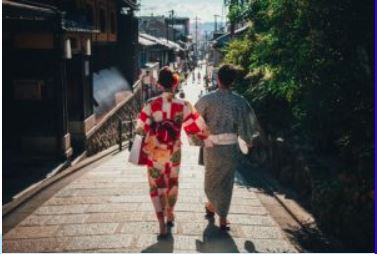
Tag: kimonos

  • Where People Wear Kimonos and Yukatas Across the USA

    You might picture a kimono draped against a backdrop of Kyoto temples or a yukata gliding through a Japanese summer festival. But these stunning garments have found a happy home across the United States, too. From bustling city festivals to cozy backyard gatherings, Americans are embracing kimonos and yukatas with curiosity and respect.

    So where exactly do people wear them? And how do you wear one without crossing the line from appreciation into awkward missteps? In this post, we’ll walk through the most common places people in the USA slip into these elegant garments. You’ll also pick up practical etiquette tips that help you wear them with confidence and care.

    Here’s what we’ll cover: the quick difference between a kimono and a yukata, the real-world spots where they show up across America, and the cultural know-how to wear them well.

    Kimono vs. Yukata: A Quick Breakdown

    Before we dive in, let’s clear up a common mix-up. A kimono is a more formal garment, traditionally made from silk and worn with multiple layers, an obi (sash), and accessories. People reserve kimonos for special occasions like weddings, ceremonies, and formal events.

    A yukata is the casual cousin. Made from lightweight cotton, it’s easy to wear and perfect for hot weather. You’ll spot yukatas at summer festivals, relaxed gatherings, and informal events. Think of the kimono as a tailored suit and the yukata as a breezy summer outfit—both beautiful, but built for different moments.

    Now that we’ve got that sorted, let’s explore where these garments come to life across the USA.

    Japanese Cultural Festivals

    Cities with strong Japanese American communities host vibrant cultural festivals year-round. Events like the Nisei Week Japanese Festival in Los Angeles or the Japanese Cultural Fair in Santa Cruz draw crowds dressed in colorful kimonos and yukatas.

    These festivals celebrate music, food, dance, and tradition. Wearing a yukata here feels natural and welcomed, especially when you join in respectfully and ask questions about the culture you’re celebrating.

    Mini takeaway: Cultural festivals are one of the most genuine places to wear a yukata while honoring its roots.

    Cherry Blossom Events

    Spring brings a wave of cherry blossom festivals across the country. The National Cherry Blossom Festival in Washington, D.C., and similar events in San Francisco and Seattle attract thousands of visitors each year.

    Many attendees wear kimonos or yukatas to match the floral, picture-perfect setting. These events often include tea ceremonies, taiko drumming, and traditional performances—making them a lovely backdrop for traditional dress. Just remember: you’re celebrating a shared cultural moment, so wear your garment thoughtfully.

    Anime and Pop Culture Conventions

    Walk into any major anime convention—like Anime Expo in Los Angeles or Otakon in Washington, D.C.—, and you’ll see kimonos and yukatas everywhere. Fans wear them as cosplay, as casual con-wear, or simply to express their love of Japanese culture.

    This space tends to be playful and creative. Still, it helps to know the difference between a costume-inspired piece and an authentic garment. If you’re wearing a traditional yukata rather than a character outfit, treat it with the same respect you’d show at a cultural event.

    Tea Ceremonies

    Traditional Japanese tea ceremonies happen at cultural centers, gardens, and tea schools across the USA. Places like the Urasenke tea schools offer authentic experiences guided by trained practitioners.

    These settings call for formal, mindful attire—often a kimono. Wearing one shows respect for the ritual and the host. If you attend, follow the guidance of the tea master and dress modestly and neatly.

    Mini takeaway: Tea ceremonies are formal occasions, so a kimono fits the mood better than a casual yukata.

    Summer Matsuri Celebrations

    Matsuri are traditional Japanese summer festivals, and many American cities recreate them with food stalls, lanterns, games, and dancing. The Obon festivals held at Buddhist temples nationwide are a beautiful example.

    Yukatas shine here. The lightweight cotton keeps you cool, and the festive atmosphere makes it the perfect place to wear one. Join the Bon Odori dance, enjoy the food, and soak up the community spirit.

    College Cultural Showcases

    Universities with active Japanese student associations often host cultural nights and showcases. These events feature performances, food, and fashion presentations where students wear kimonos and yukatas.

    If your campus hosts one, it’s a wonderful chance to learn directly from people who grew up with these traditions. Many showcases even offer kimono-fitting demonstrations so you can see how the garments are properly worn.

    Photoshoots

    Photographers and models love the visual drama of a kimono. Whether it’s a professional portfolio shoot, a graduation photo session, or a personal creative project, these garments add elegance and storytelling power to images.

    If you book a kimono photoshoot, choose a studio or stylist who understands the garment’s significance. The best shoots highlight beauty while honoring cultural meaning—not reducing it to a prop.

    Weddings and Formal Celebrations

    Some couples, especially those with Japanese heritage, incorporate kimonos into their weddings. The bride may wear a white shiromuku or a colorful uchikake over her kimono for a stunning, ceremonial look.

    Guests at Japanese American weddings sometimes wear formal kimonos, too. These moments call for the highest level of care and respect, so it’s worth learning the proper styling or working with a professional dresser.

    Spas and Ryokan-Inspired Experiences

    A growing number of American spas and resorts offer ryokan-inspired experiences. Guests slip into yukatas to relax, just as they would at a traditional Japanese inn.

    These cotton yukatas are designed for comfort and rest. Wearing one here is part of the experience, and the staff will usually show you how to tie it correctly.

    Mini takeaway: Spa yukatas are about relaxation—wear them as intended and enjoy the calm.

    At-Home Themed Gatherings

    Plenty of people wear yukatas at home too. Themed dinner parties, movie nights, or casual get-togethers inspired by Japanese culture are popular ways to enjoy these garments in a low-key setting.

    If you host one, take a moment to share a little context with your guests. A bit of knowledge turns a fun night into a respectful celebration of culture.

    Etiquette Tips for Wearing Kimonos and Yukatas

    Wearing these garments well comes down to a few simple guidelines. Keep these in mind:

    • Always wrap left over right. Right over left is reserved for dressing the deceased, so this one matters.
    • Tie the obi securely and at the right spot—usually around the waist for men and higher for women.
    • Match the formality to the occasion. Save kimonos for formal events and yukatas for casual ones.
    • Wear appropriate footwear like geta or zori when possible, especially at traditional events.
    • Learn a little history. Understanding the garment’s meaning helps you wear it with genuine respect.

    Common Mistakes to Avoid

    A few slip-ups can turn a thoughtful gesture into an awkward one. Don’t wrap the garment right over left. Don’t treat a kimono as a costume at formal cultural events. And don’t skip the research—knowing why these garments matter shows real appreciation.

    Final Thoughts

    Kimonos and yukatas have woven their way into countless corners of American life, from spring festivals to spa retreats. Each setting offers a different way to enjoy these beautiful garments while honoring their roots.

    The key is simple: wear them with curiosity, care, and respect. Take time to learn the difference between formal and casual styles, follow basic etiquette, and appreciate the rich culture behind every fold of fabric.
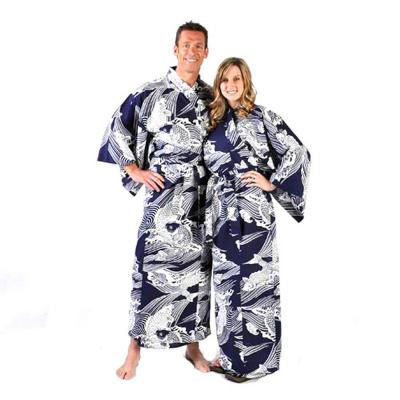
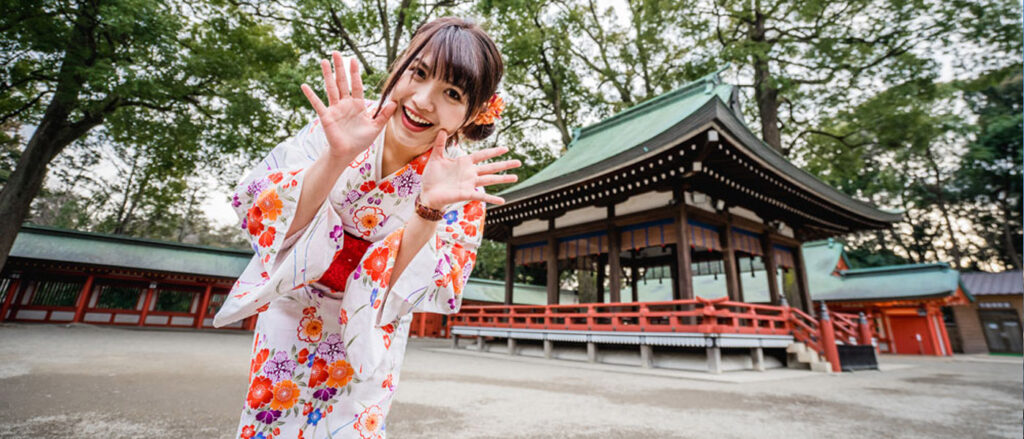
    Blue koi yukata in 100% cotton from Japan
    Comfort Never Felt so Good
  • The Enchanting History of the Yukata Robe.

    The yukata robe is steeped in tradition and elegance. This garment holds a special place in Japan’s rich tapestry of cultural heritage. Once used as a functional bathrobe, the yukata has evolved into a beloved summer garment. They are often worn to celebrate the arrival of festivals and warm weather.

    From the intricacies of its weave to the symbolism behind its vibrant patterns, the yukata’s history offers a fascinating glimpse into Japan’s past and present. Join us as we traverse through time to uncover the evolution of the yukata robe and its significance in Japanese culture.

    A millennia after its inception, the yukata remains an emblem of cultural pride and aesthetic sophistication. In this blog, we explore how this simple cotton robe became a symbol of summer and social splendor. We’ll look at its transition from a humble bathrobe to a fashion statement that thrives in today’s world. Whether donned by men or women, for relaxation or celebration, the yukata continues to weave its story into the fabric of Japan’s identity.

    Stay with us as we reveal tales of the yukata robe, where tradition meets trend, and every fold and dye retains the echoes of a bygone era. Join us on this historical fashion voyage through time.

    The Timeless Tapestry of the Yukata Robe: A Cultural and Fashionable Journey Through Japanese History

    The Yukata robe has traversed through centuries, donning multiple roles. From a simple bathrobe to a stylish ensemble, illustrates Japan’s chronicles of tradition, aesthetics, and seasonal festivities. This stylish garment exemplifies both the historic elegance and the contemporary flair of Japanese culture.

    From Steaming Baths to Summer Revelries

    The origin story of the yukata begins in Japan’s Kamakura period (1192–1333). As nobles took their leisurely steam baths, the ‘yu-katabira’ – a hemp garment worn in bathhouses to protect the skin and absorb sweat – became essential. Later known as ‘mi-nugui’ during the Muromachi period (1336–1573), this garment eventually evolved to become the yukata.

    It wasn’t until the Edo period (1603-1867) that the yukata transitioned into familiar territory. With cotton becoming affordable, the yukata stepped out as commoners’ choice of nightwear and relaxed indoor clothing. Paintings from early 20th-century Japan depicted the yukata as casual at-home attire. However, halfway through the Showa period (1926-1989), the yukata embarked on a glamorous transformation, emerging as the go-to attire for outdoor festivals and firework displays, reflecting a societal affection for this breezy kimono.

    A Tapestry of Tradition and Trend

    In the throbbing districts of Tokyo today, the yukata stands as a testament to this garment’s versatility and continued appeal. Crowds at concerts and events create a kaleidoscope of patterns and styles, flaunting yukatas adorned with contemporary designs and traditional sashes (obi belts). This blend of the classic and the modern showcases how the yukata remains deeply ingrained in the fabric of social and cultural expressions in Japan. Fashion-conscious individuals like Miki Fukagawa, with an enviable collection of over 50 yukatas, exemplify the robe’s hold over the current zeitgeist. Despite the ebb in festivity turnouts due to recent pandemic constraints, the zeal for personalizing yukata fashion continues to surge, illustrating the garment’s resilience as a conduit for self-expression.

    The Art of Arimatsu Shibori

    Arimatsu, nestled along the ancient Tokaido Road, holds a key to appreciating the yukata’s cultural depth. Here, the traditional art of Arimatsu shibori tie-dyeing has been practiced since the Edo period. This labor-intensive method sees more than 70 techniques actively used to produce fabrics with unmatched complexity and beauty. Among these is the tegumo shibori, creating spiderweb designs that demand unyielding commitment, skill, and endurance from its artisans. Each tie-dyed yukata stands as a narrative canvas, narrating stories through every meticulous knot and dyed pattern – a craft not just of textiles, but of heritage and painstaking artistry.

    Conclusion

    In tracing the historical threads of the yukata, we discover a reflection of Japan itself – adaptive, aesthetic, and deeply rooted in custom. The Yukata robe has withstood the ebb and flow of time, reinventing itself again and again while never losing its intrinsic essence as a symbol of grace and summer enchantment. Whether it’s the silhouette against fireworks in a summer sky or the strategic folds that speak to an ancient craft, the yukata persists, a cherished vestige of the past and a vibrant tribute to the living culture of Japan.

    Further Exploration

    For those captivated by the yukata’s history and eager to witness the craftsmanship firsthand, a visit to Arimatsu, with its tie-dyeing studios and workshops, is a must. Alternatively, adorn your yukata during the warm summer events and become a part of the ongoing narrative that is this beloved garment’s history. From its humble beginnings to its celebrated place in modern-day wardrobes and gatherings, the yukata carries the echoes of Japan’s past into the future, one elegant fold at a time. Check out the great selection of yukata for men and women at the Kimono Shop. On the web at www.kimonoshop.com

    The world of Kimonos
    Kimono Happiness
  • Bird Symbolism in Japanese Kimono & Yukata: A Cultural Journey

    The traditional Japanese kimono and the more casual yukata have long been celebrated. Not just as garments but as exquisite canvases that tell stories through their designs. Among the most captivating motifs woven into these fabrics are birds. Each bird carries its unique symbolism. It weaves a rich tapestry of meaning into the garment. This blog post explores the enchanting world of bird symbolism in Japanese kimono and yukata. We offer insights for Japanese culture lovers, fashionistas, and kimono enthusiasts alike.

    The Crane: Symbol of Longevity and Good Fortune – One cannot discuss bird motifs without mentioning the crane. Revered in Japanese culture, the crane is synonymous with luck, longevity, and fidelity. Represented often in wedding kimonos or “uchikake.” The crane promises a life of prosperity and happiness to newlyweds. Its presence on a kimono or yukata signifies hope for enduring love and a long, healthy life.

    The Sparrow: Emblem of Simplicity and Joy – Contrasting the majestic crane, the humble sparrow symbolizes joy and the simplicity of a fulfilled life. Kimono and yukata adorned with sparrows invite wearers and onlookers to appreciate the small pleasures of daily existence. This motif is particularly popular among those who value the beauty in the ordinary.

    The Phoenix: Fantasy of Rebirth – Though not exclusive to Japanese mythology, the phoenix holds a special place in the nation’s iconography. Known as “Hō-ō” in Japanese, the phoenix represents fire, rebirth, and immortality. Kimonos featuring this mythical bird are often worn on auspicious occasions. This symbolizes the wearer’s resilience and capacity for renewal.

    The Peacock: Vanity and Nobility – While less common, the peacock is a motif that denotes nobility, beauty, and a sense of self-pride. The elaborate display of the peacock’s tail feathers on the kimono and yukata fabric reflects a celebration of beauty and an expression of personal style. Wearing a peacock-adorned garment suggests a confident and regal bearing.

    Understanding and Appreciating the Symbolism – In the intricate world of Japanese kimono and yukata, every bird tells a story. Every color has a purpose, and every pattern represents a wish for the wearer. Individuals become enchanted by the cultural depth and aesthetic beauty of these garments. Understanding the symbolism behind the motifs can enrich the wearing experience and deepen their appreciation for Japanese culture.

    Whether you’re donning a kimono adorned with the elegant crane, the joyful sparrow, the mythical phoenix, or the noble peacock, you’re participating in a storied tradition that spans centuries. These garments are more than mere fashion statements. They are wearable art steeped in cultural significance and symbolic meaning.

    For those looking to explore the beauty of Japanese robes, keywords such as “bird kimono,” “kimono,” “kimonos,” “yukata,” and “Japanese robes” serve as gateways into this rich cultural tapestry. Each piece, with its unique blend of design and symbolism, invites wearers and admirers on a cultural journey that transcends mere aesthetics.

    In conclusion, the bird symbolism woven into the fabric of Japanese kimono and yukata reveals a fascinating intersection between nature, culture, and fashion. By understanding and appreciating these motifs, we only honor the tradition behind these garments. We also continue the legacy of storytelling that they represent. Next time you encounter a kimono or yukata, take a moment to ponder the birds adorning it and the stories they tell.

    The online Kimono Shop carries a vast selection of authentic Japanese kimonos and yukata. Kimono Shop offers a wide range of colors, styles, and patterns. Located in the USA, shipping is quick, and orders of $75 or more ship free anywhere in the USA, including Alaska and Hawaii.