Japanese culture is rich in symbolism, with centuries-old traditions that celebrate happiness, prosperity, longevity, love, and good fortune. From charming lucky cats to elegant cranes and beautiful floral patterns, Japanese good luck symbols carry meaningful stories that continue to inspire art, fashion, and everyday life.
One of the most beautiful ways to appreciate these traditions is through traditional Japanese clothing. Kimonos and yukata often feature symbolic motifs that represent positive wishes and cultural values. Whether you are looking for a meaningful garment or simply curious about Japanese traditions, this guide explores some of the most popular Japanese good luck symbols and their significance.
1. The Crane: A Symbol of Longevity and Happiness
The Japanese crane, known as tsuru, is one of the country’s most recognizable symbols of good fortune. Traditionally associated with long life, happiness, and fidelity, the crane holds a special place in Japanese art and folklore.
According to a popular Japanese tradition, folding 1,000 origami cranes is believed to bring good fortune and express a wish for health, peace, or recovery. Cranes are also associated with weddings, where they symbolize a long and happy marriage.
In Japanese fashion, crane motifs frequently appear on formal kimonos and ceremonial garments. Their graceful shapes and flowing wings make them especially beautiful on silk fabrics. A kimono decorated with cranes can be a thoughtful choice for celebrations, special occasions, or anyone who appreciates clothing with a deeper meaning.
2. Cherry Blossoms: Beauty, Renewal, and New Beginnings
Cherry blossoms, or sakura, are among Japan’s most beloved symbols. Every spring, the blooming cherry trees attract visitors from around the world, celebrating the arrival of a new season.
Sakura represent renewal, beauty, and the fleeting nature of life. Their brief blooming period reminds us to appreciate precious moments and embrace new beginnings.
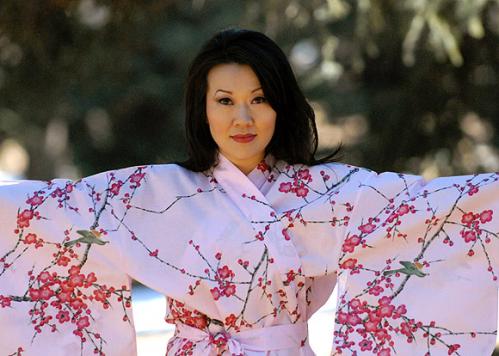
Cherry blossom patterns are particularly popular in Japanese clothing. A floral kimono or lightweight yukata featuring delicate pink and white blossoms captures the elegance of spring while reflecting an important part of Japanese culture.
For those who love feminine floral designs, cherry blossom prints offer a timeless way to bring a touch of Japanese tradition into everyday wardrobes, festivals, and seasonal celebrations.
3. The Koi Fish: Perseverance and Success
Koi fish are admired in Japan for their beauty, strength, and determination. Their ability to swim against strong currents has made them a symbol of perseverance, courage, and success.
In Japanese folklore, koi are associated with a legend in which a determined fish transforms into a dragon after overcoming a powerful waterfall. This story represents the rewards of persistence and the ability to overcome life’s challenges.
Koi patterns are often found in traditional Japanese artwork, textiles, and decorative designs. On a kimono or yukata, these colorful fish create a striking visual statement while representing ambition and personal growth.
A koi-inspired garment can be especially meaningful for someone celebrating a new chapter in life, pursuing a goal, or simply drawn to bold Japanese-inspired designs.
4. The Lucky Cat: Wealth and Prosperity
The maneki-neko, or beckoning cat, is one of Japan’s most famous good luck symbols. Often displayed in shops, restaurants, and homes, this charming figure is believed to attract good fortune.
Its raised paw has a special meaning: a raised left paw is traditionally associated with attracting customers and social connections, while a raised right paw is associated with money and good fortune. Interpretations can vary, but the cat is widely recognized as a symbol of prosperity.
Although the maneki-neko is more commonly seen as a figurine than a traditional clothing motif, it remains an iconic part of Japanese popular culture. Its playful character also inspires accessories, prints, and contemporary Japanese-inspired fashion.
For anyone who loves cheerful designs with cultural significance, the lucky cat is a delightful reminder to welcome new opportunities.
5. The Pine, Bamboo, and Plum: Strength and Resilience
The combination of pine, bamboo, and plum blossoms is known as shōchikubai. These three plants are traditionally associated with good fortune and are often used to express wishes for happiness and resilience.
- Pine (matsu): Represents longevity, endurance, and steadfastness because it remains green throughout the year.
- Bamboo (take): Symbolizes strength, flexibility, and growth, thanks to its ability to bend without easily breaking.
- Plum blossoms (ume): Represent perseverance and hope because they bloom during the cold winter months.
Together, these motifs express the ability to withstand difficulties and flourish through life’s challenges.
You may encounter pine, bamboo, and plum designs on traditional Japanese textiles and formal kimonos. These patterns are especially appealing to those who appreciate understated elegance and symbolism rooted in nature.
6. Waves and Geometric Patterns: Harmony and Good Fortune
Not every Japanese good luck symbol depicts an animal or flower. Traditional Japanese patterns can also carry wishes for stability, abundance, and a harmonious life.
The seigaiha, or blue ocean waves pattern, features repeating semicircular shapes resembling waves. It symbolizes peaceful seas, good fortune, and the hope for a life filled with tranquility and prosperity.
Another traditional motif, asanoha, is inspired by hemp leaves. Its geometric star-like pattern is associated with growth, vitality, and resilience.
These repeating designs work beautifully on both kimonos and yukata. They offer a sophisticated alternative to floral prints while celebrating the beauty of traditional Japanese textile design.
Bring Japanese Symbolism Into Your Wardrobe
Japanese good luck symbols are more than decorative elements. They reflect centuries of cultural traditions, expressing hopes for happiness, longevity, prosperity, and personal growth.
From cherry blossoms and cranes to koi fish and geometric waves, these motifs add meaning and personality to traditional Japanese clothing. They can also help you choose a garment that reflects your interests, values, or the message you want to express.
At Kimonoshop.com, exploring Japanese-inspired kimonos and yukata is a wonderful way to appreciate the colors, patterns, and aesthetics associated with this rich heritage. Whether you prefer delicate floral designs, nature-inspired motifs, or bold traditional patterns, there is a style to suit different tastes and occasions.
Discover the beauty of Japanese fashion and find a kimono or yukata that speaks to your personal style. A thoughtfully chosen pattern can be more than a beautiful detail—it can be a celebration of Japanese culture and a reminder of the good fortune we hope to welcome into our lives.