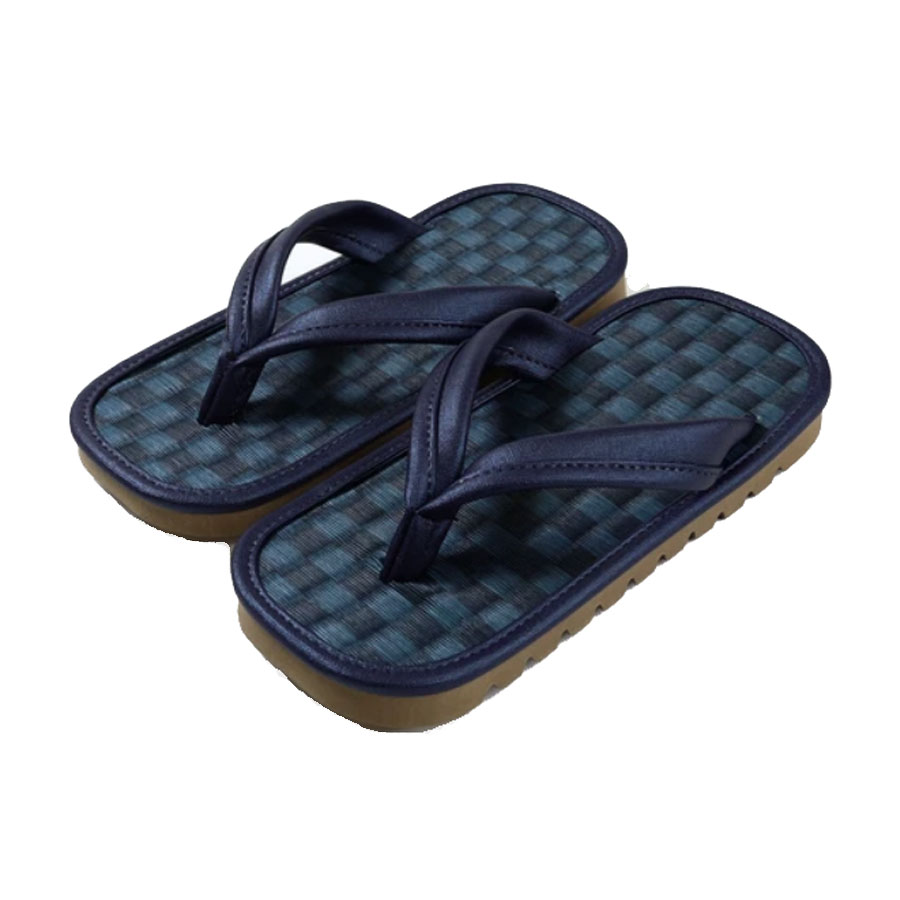
Japanese footwear combines timeless design, everyday practicality, and centuries of cultural tradition. From the simple elegance of Japanese zori sandals to the distinctive construction of setta sandals and the unique design of tabi split-toe socks, these traditional styles offer a fascinating way to explore Japanese fashion.
Whether you are completing a kimono or yukata outfit, looking for distinctive warm-weather footwear, or simply interested in Japanese craftsmanship, understanding these three footwear styles can help you find the right fit for your wardrobe.
At KimonoShop.com, a US-based online source for Japanese clothing and accessories, you can explore traditional Japanese style and discover footwear and accessories inspired by Japan’s rich cultural heritage.
What Is Traditional Japanese Footwear?
Traditional Japanese footwear is designed around distinctive shapes, materials, and ways of wearing clothing. Unlike conventional Western shoes, many Japanese sandals use a thong-style strap that passes between the big toe and second toe. This design works naturally with tabi socks, which feature a separate compartment for the big toe.
Zori and setta are two important styles of Japanese sandals. Although the names are sometimes used interchangeably, they are not exactly the same. Tabi socks, meanwhile, complement these sandals and provide the characteristic split-toe silhouette associated with traditional Japanese dress.
Together, these pieces create a coordinated look that works beautifully with kimono, yukata, and other Japanese-inspired outfits.
Japanese Zori: The Classic Traditional Sandal
Zori (草履) is the broader category of traditional Japanese thong sandals. They have a flat or slightly elevated sole and straps, known as hanao, that hold the foot in place. Depending on the style, zori may feature woven materials, fabric coverings, or modern synthetic materials.
Historically, zori have been worn with traditional Japanese clothing, including kimono. Their designs range from understated everyday options to more decorative sandals suited to formal attire.
Today, Japanese zori sandals appeal to people who appreciate minimalist footwear, traditional craftsmanship, and versatile styling. They can complement a classic Japanese outfit or add a distinctive cultural touch to a contemporary wardrobe.
When choosing zori, consider the materials, sole construction, strap design, and the occasion for which you plan to wear them. A simple pair may suit a relaxed summer look, while a more refined design can help complete a carefully coordinated traditional ensemble.
Setta Sandals: A Distinctive Style of Zori
Setta (雪駄) are a particular style of Japanese sandal that belongs to the broader zori family. Traditionally associated with a flatter, more substantial construction, setta often feature a woven upper inspired by tatami mat surfaces and a leather sole.
Their practical design distinguishes them from some of the lighter or more decorative styles of zori. Depending on the construction, setta may also feature a reinforced heel for added durability.
Setta have long been associated with traditional Japanese attire, particularly men’s kimono and yukata, although their clean lines can appeal to anyone interested in Japanese footwear. Modern versions also offer opportunities to incorporate this classic style into casual, contemporary outfits.
What Is the Difference Between Zori and Setta?
The simplest distinction is that zori is the broader category, while setta is a specific type of zori.
Zori encompass a wide range of sandal designs, materials, and levels of formality. Setta are traditionally recognized by their flatter, sturdier construction and characteristic sole materials.
If you are comparing Japanese zori vs. setta, think about the overall appearance and construction you prefer, as well as how you intend to wear your sandals. Both styles offer a distinctive alternative to conventional footwear and can complement traditional Japanese clothing.
Tabi Socks: Japan’s Traditional Split-Toe Socks
Tabi socks (足袋) are traditional Japanese socks characterized by their split-toe design. Unlike ordinary socks, tabi separate the big toe from the remaining four toes.
This distinctive construction has a practical purpose: it allows the wearer to comfortably accommodate the thong straps of traditional Japanese sandals, including zori and setta.
Traditional tabi are closely associated with kimono and other forms of Japanese dress. White tabi are particularly familiar in formal settings, while contemporary variations offer different colors, patterns, and materials for a wider range of personal styles.
Tabi socks are also an appealing option for anyone curious about Japanese fashion. Their unusual silhouette adds visual interest, while their traditional design connects modern wardrobes with a long-standing element of Japanese clothing culture.
How to Wear Tabi Socks with Japanese Sandals
Tabi socks and Japanese sandals are natural companions. The split between the big toe and the other toes allows the foot to sit correctly within the sandal’s thong-style straps.
For a traditional look, pair white tabi with an appropriate kimono and zori. For a more relaxed outfit, explore different tabi styles with casual Japanese clothing and setta sandals.
When choosing tabi, consider the color, fabric, fit, and intended occasion. A comfortable fit helps the socks sit neatly on the foot, while the right color can complement your overall outfit.
How to Choose the Right Japanese Footwear
Choosing between zori, setta, and tabi starts with understanding what each item does.
- Choose zori if you want a classic Japanese sandal available in a broad variety of designs and materials.
- Choose setta if you prefer a flatter, more substantial sandal with a distinctive traditional construction.
- Choose tabi socks if you want traditional split-toe socks to wear with thong-style Japanese sandals or to incorporate into a Japanese-inspired outfit.
You do not have to choose just one. Zori or setta paired with tabi socks can create a coordinated look that reflects the details of traditional Japanese dress.
As with any footwear, check the sizing information and product details before purchasing. Materials, fit, and construction can vary between styles.
Explore Traditional Japanese Footwear at KimonoShop.com
Japanese zori, setta, and tabi socks each bring something unique to traditional Japanese footwear. Zori offer versatility, setta provide a distinctive variation on the classic sandal, and tabi socks complete the look with their instantly recognizable split-toe design.
Together, they offer a meaningful way to explore Japanese fashion, whether you are dressing for a cultural celebration, styling a kimono or yukata, or discovering traditional Japanese accessories for the first time.
Explore the Japanese footwear and tabi sock selections at KimonoShop.com to find styles that suit your wardrobe and appreciate the enduring appeal of traditional Japanese design.
Discover the details that make Japanese footwear special, from the classic lines of zori to the distinctive construction of setta and the timeless design of tabi socks.