Category: Traditional Japanese clothing

  • Explore Japan’s Textiles: an Inside Look at Regional Fabrics

    Japan is a country where geography and artistry are intricately intertwined. Travel from the snowy peaks of Ishikawa to the tropical islands of Kagoshima, and you will find that the local textiles tell the story of the land itself. The history of the kimono is not just about fashion; it is a tapestry of regional techniques passed down through centuries of dedicated artisans.

    For enthusiasts of Japanese culture and textile art, understanding these regional differences unlocks a deeper appreciation of the craft. It transforms a beautiful garment into a map of history, climate, and local pride.

    In this guide, we will journey through three of Japan’s most celebrated textile traditions: the opulent weaves of Kyoto’s Nishijin-ori, the intricate mud-dyed silks of Oshima Tsumugi, and the breathtaking hand-painted artistry of Kaga Yuzen. Each represents a different pinnacle of Japanese craftsmanship, preserving ancient skills in a modern world.

    Nishijin-ori: The Brocade of Emperors

    When you imagine a dazzling, gold-flecked obi sash worn at a formal wedding, you are likely picturing Nishijin-ori. Originating in the Nishijin district of Kyoto, this weaving style is synonymous with luxury, high status, and incredible complexity.

    A History Woven in Kyoto

    The roots of Nishijin weaving go back over 1,200 years, flourishing when Kyoto became the imperial capital in 794. The area became a hub for weavers supplying the Imperial Court and aristocracy. The name “Nishijin” (meaning “Western Camp”) actually dates back to the Onin War in the 15th century, when displaced weavers returned to the site of the western army’s encampment to restart their trade.

    The Technique: Painting with Thread

    Nishijin-ori is not a single technique but a collection of complex weaving methods. Its defining characteristic is the use of pre-dyed yarns to create elaborate patterns directly into the fabric, rather than dyeing the fabric afterward.

    • Jacquard Power: Modern Nishijin often uses Jacquard looms, but the most prestigious pieces are still hand-woven.
    • Gold and Silver: A signature element is the heavy use of gold and silver foil threads, giving the fabric a three-dimensional, luminous quality.
    • Precision: Some patterns are so intricate they resemble paintings. The weaver must manually lift specific warp threads to insert the weft, a process that can take days to produce just a few centimeters of fabric.

    Modern Relevance

    Today, Nishijin-ori is the gold standard for formal obi (maru obi and fukuro obi) and kimono. However, the industry is innovating to survive. You can now find Nishijin techniques applied to luxury neckties, interior decor, and even high-end western accessories, proving that this ancient courtly style can adapt to contemporary life.

    Oshima Tsumugi: The Mud-Dyed Masterpiece

    Far from the imperial courts of Kyoto lies the island of Amami Oshima in Kagoshima Prefecture. Here, artisans create Oshima Tsumugi, a textile that looks deceptively simple from a distance but reveals mind-blowing complexity up close.

    Born from Nature

    Oshima Tsumugi is a type of silk pongee (woven from spun raw silk). Despite being 100% silk, it doesn’t have the glossy sheen of satin. Instead, it is matte, lightweight, and incredibly wrinkle-resistant. Historically, it was a durable fabric for everyday wear, but the immense labor involved has elevated it to a status of luxury.

    The Process: Mud and Ikat

    The creation of Oshima Tsumugi is unique in the world of textiles, relying on a specific combination of local flora and geology.

    1. Teichigi Dyeing: Threads are dipped hundreds of times in a dye made from the Japanese hawthorn (Teichigi) tree, turning them red.
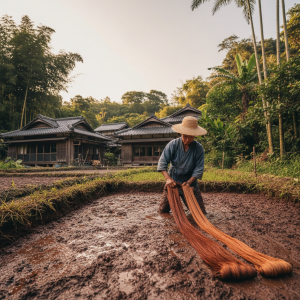
    2. Mud Dyeing (Dorozome): This is the magic step. The red threads are immersed in the iron-rich mud of local rice paddies. The iron reacts with the tannins in the wood dye, turning the silk a deep, rich, lacquer-black. This process also strengthens the fiber, making it incredibly durable.
    3. Kasuri (Ikat) Weaving: Before weaving, threads are spot-dyed to create white dots. When woven, these dots must align perfectly to form precise geometric patterns. This technique, known as kasuri, requires mathematical precision. A single millimeter of error can ruin the pattern.

    Why It Matters

    Authentic Oshima Tsumugi takes anywhere from six months to a year to produce. It is often called the “queen of kimono textiles” for casual wear. It represents a harmony between the artisan and the island’s unique natural resources—a fabric that literally could not exist anywhere else.

    Kaga Yuzen: The Art of Realistic Beauty

    Moving north to Kanazawa in Ishikawa Prefecture, we find Kaga Yuzen. While Kyoto has its own famous dyeing style (Kyo Yuzen), the Kaga style offers a different aesthetic philosophy—one grounded in realism and the quiet beauty of nature.

    The Kaga Aesthetic

    Established in the mid-17th century, Kaga Yuzen is a dyeing technique used to paint patterns directly onto silk cloth. Unlike the stylized, often gold-embellished designs of Kyoto, Kaga Yuzen focuses on Kaga Gosai—five specific colors: indigo, crimson, ocher, grass green, and ancient purple.

    Techniques of the Trade

    The hallmark of Kaga Yuzen is bokashi, or shading. Artisans use this gradient technique to give depth to flowers and leaves, making them look almost photographic.

    • Worm-Eaten Leaves: A unique and charming feature of Kaga Yuzen is the depiction of “mushikui”—leaves that appear to be eaten by insects. This embraces the Japanese aesthetic of wabi-sabi, finding beauty in imperfection and the natural cycle of life.
    • No Gold: Unlike Kyoto styles, which often feature gold leaf or embroidery, Kaga Yuzen relies solely on the mastery of the dyeing brush. The luxury comes from the painterly skill, not the addition of precious metals.

    Cultural Significance

    Kaga Yuzen kimonos are prized for their elegance and dignity. They are often worn for tea ceremonies and formal visits. The craft demands patience; a single artist often oversees the entire process from sketching the design to the final wash, ensuring a singular artistic vision remains intact.

    Conclusion: Wearing History

    Whether it is the dazzling brocade of Nishijin, the earthy resilience of Oshima Tsumugi, or the painterly grace of Kaga Yuzen, these traditions are more than just methods of making cloth. They are the identities of their regions.

    In a world of fast fashion, these textiles remind us of the value of slowness. They speak of artisans who dedicate their lives to mastering a single craft, and of a culture that sees clothing not as disposable, but as a vessel for history, nature, and art. Owning or even just witnessing these fabrics is a way to keep these vibrant stories alive.

    Frequently Asked Questions (FAQ)

    1. What is the difference between Nishijin-ori and regular silk?
    Nishijin-ori refers specifically to high-end woven textiles from the Nishijin district in Kyoto. Unlike printed silk, Nishijin fabrics have patterns woven directly into the cloth using pre-dyed threads, often including gold and silver foil, creating a textured, brocade-like finish.

    2. Can Oshima Tsumugi be worn for formal occasions?
    Traditionally, no. Despite being expensive and highly prized, Oshima Tsumugi is a type of tsumugi (woven, spun silk), which is considered casual wear in kimono etiquette. It is perfect for dinner parties, theater outings, or casual gatherings, but not for formal weddings.

    3. Why is Kaga Yuzen painted with “imperfections” like bug bites?
    The “worm-eaten leaf” motif (mushikui) is a signature of the Kaga Yuzen style. It reflects a realistic observation of nature and the aesthetic of finding beauty in natural, imperfect states, distinguishing it from the more idealized or stylized nature motifs found in Kyoto designs.

    4. Are these traditional textiles still being made today?
    Yes, but the number of skilled artisans is declining. Each of these traditions requires decades of training. While production volume has decreased, dedicated associations and master craftsmen in Kyoto, Kagoshima, and Ishikawa continue to produce these masterpieces and train the next generation.

    Visit Kimono Shop online for a peek at the fine selection of Japanese Kimonos, Yukata, and short-length kimonos, known as the Happi Coat. Kimono Shop ships from the USA and offers a wide selection of colors, patterns, and sizes.
    Mud Dyeing Process
  • The Enduring Charm of Practical Gifts Over Fleeting Trends

    Gift-giving season often brings a familiar pressure: finding the perfect present. It’s easy to get caught up in the latest fads and trendy items that flood social media feeds and store shelves. While these gifts might generate initial excitement, their appeal often fades as quickly as it appeared. A different approach, focusing on practical gifts, offers a more meaningful and lasting alternative.

    This post explores why choosing a practical gift is a more thoughtful decision. We will highlight how items that combine utility, comfort, and timeless style provide value long after the wrapping paper is gone. As a prime example, we’ll look at the Japanese kimono and yukata robe—a gift that is both deeply practical and culturally unique.

    Why Choose Practicality Over Popularity?

    Trendy gifts are designed for the moment. They capture a current obsession, a popular character, or a fleeting technological gimmick. The problem is that moments pass. That must-have gadget from last year is now collecting dust, and the novelty item that seemed hilarious at the time has lost its charm.

    Practical gifts, on the other hand, are rooted in usefulness. They solve a problem, enhance a daily routine, or provide comfort. This focus on function doesn’t mean they are boring. In fact, a truly great practical gift combines utility with quality, style, and a touch of personal consideration. It shows that you’ve considered the recipient’s lifestyle and what would genuinely make their life better or more enjoyable.

    Think about the best gifts you’ve ever received. Chances are, they were items you used again and again—a high-quality kitchen knife, a durable travel bag, or a comfortable piece of clothing that became a staple in your wardrobe. These are the gifts that foster genuine, long-term appreciation.

    The Kimono and Yukata: A Perfect Example of Practical Elegance

    When you think of a practical gift, a traditional Japanese robe might not be the first thing that comes to mind. However, the kimono and its more casual cousin, the yukata, are exceptional examples of how practicality and beauty can intersect. They are more than just clothing; they are a versatile, comfortable, and timeless garment perfect for modern life.

    Unmatched Comfort for Everyday Lounging

    At its core, a gift should bring joy to the recipient. A Japanese kimono or yukata excels at this by offering unparalleled comfort. Made from fabrics like cotton, they are designed to be airy and light. The loose, flowing cut allows for complete freedom of movement, making it the ultimate loungewear.

    Imagine wrapping yourself in a soft, breathable robe after a long day. Whether you’re enjoying a morning cup of coffee, reading a book on the sofa, or relaxing on the patio, a yukata provides a sense of ease and tranquility. Unlike heavy, restrictive bathrobes, its lightweight design makes it suitable for year-round wear, providing just the right amount of coverage without causing overheating.

    Simplicity and Ease of Care

    A gift that requires complicated maintenance can quickly become a burden. Another practical advantage of a high-quality cotton yukata is its ease of care. Most are machine washable, and their durable construction means they hold up well to regular use. They are designed for living, not just for special occasions.

    This simplicity ensures that the recipient can enjoy the gift daily without worrying about special treatments or expensive dry cleaning. It’s a low-maintenance luxury that easily integrates into anyone’s daily routine, reinforcing its value every time it’s worn.

    A Gift That Lasts Beyond the Season

    While trendy gifts end up in the back of a closet, a well-made kimono or yukata is a gift that endures. Its classic design transcends fashion cycles. The simple lines and elegant patterns have been refined over centuries, resulting in a truly timeless garment. This is not an item that will look dated next year; it’s a piece that can be cherished for a lifetime.

    By giving a gift with such longevity, you are offering more than a temporary thrill. You are giving a staple item that will become a part of the recipient’s life. It’s a sustainable choice that moves away from the throwaway culture associated with fast fashion and fad products.

    The Surprise of a Unique and Meaningful Present

    Beyond its practical benefits, a Japanese robe is a gift that carries a sense of discovery and uniqueness. Many people have never considered owning one, making it a truly surprising and delightful present. It stands out from the usual sweaters, gadgets, and gift cards.

    A Connection to History and Culture

    Giving a kimono or yukata is also sharing a piece of cultural heritage. These garments have a rich history in Japan, evolving over centuries from formal court attire to the versatile robes known today. Each pattern can carry a different meaning, and the garment itself is a symbol of grace and simplicity.

    Your recipient will be full of gratitude not just for the beautiful robe, but for the story behind it. It’s an opportunity for them to learn about and appreciate a different culture. This added layer of meaning elevates the gift from a simple object to a memorable experience, sparking curiosity and conversation.

    Make Your Next Gift Thoughtful and Enduring

    When you choose a practical gift like a Japanese kimono or yukata, you are making a statement. You are showing that you care enough to select something with lasting value, exceptional comfort, and a unique story. You are giving a gift that will be used, loved, and appreciated daily.

    So, the next time you’re searching for the perfect present, step away from the fleeting trends. Consider a gift that offers enduring charm and everyday utility. A beautiful, airy, and comfortable robe is more than just a piece of clothing—it’s an invitation to relax, a touch of elegance for the home, and a thoughtful gesture that will be remembered for years to come.

  • Embrace Cozy Comfort: Why Fall is Perfect for Kimonos

    As the air grows crisp and leaves paint the landscape in shades of amber and crimson, we naturally seek comfort and warmth. The arrival of the autumn equinox signals a shift not just in the weather, but in our daily routines. Evenings draw in sooner, and after a long day, the appeal of slipping into something comfortable to unwind at home becomes undeniable. This season of cozy sweaters and warm drinks is the perfect time to enhance your loungewear. Instead of reaching for the usual sweats, consider embracing the elegant comfort of an authentic Japanese kimono.

    This fall, we invite you to discover how a kimono can transform your evenings from ordinary to exceptional. We will explore why this traditional garment is the ideal choice for autumn relaxation, how to select the perfect one for your style, and where to find high-quality, authentic pieces that will last for years to come. Prepare to wrap yourself in a new kind of comfort.

    The Allure of Autumn and the Call for Comfort

    Fall has a unique magic. It’s a season of transition, encouraging us to slow down and savor the simple pleasures. The cooler temperatures mean we spend more time indoors, creating personal sanctuaries where we can relax and recharge. This is the time for curling up with a good book, enjoying a hot cup of tea, or catching up with loved ones in a comfortable setting.

    Your choice of loungewear plays a significant role in setting this relaxing mood. The right garment can make you feel instantly at ease, helping to shed the stresses of the day. While many people default to standard pajamas or athletic wear, a kimono offers a blend of sophistication, comfort, and cultural richness that typical loungewear lacks. It’s more than just clothing; it’s an experience.

    Why a Kimono is Your Ideal Fall Companion

    You might associate kimonos with formal occasions or summer festivals, but they are incredibly versatile and well-suited for relaxing at home, especially during the autumn months. The flowing design and soft fabrics provide a sense of freedom and ease that is perfect for unwinding.

    Unmatched Comfort and Style

    A kimono drapes elegantly over the body, offering a comfortable fit without being restrictive. Unlike heavy robes, many kimonos are crafted from breathable cotton, making them ideal for the transitional weather of fall. They provide just the right amount of coverage to ward off a slight evening chill while allowing your skin to breathe. The wide sleeves and simple tie-waist design make them easy to slip on and off.

    Moreover, a kimono brings an element of effortless style to your downtime. The beautiful patterns, from classic geometric designs to intricate floral motifs, add a touch of artistry to your evening routine. Feeling good in what you wear, even at home, can significantly boost your mood and help you relax more deeply.

    Versatility for Modern Living

    The modern kimono is not just for lounging. Its versatility makes it a practical addition to any wardrobe. You can wear it over pajamas as a light robe, pair it with leggings and a simple top for a chic at-home look, or even use it as a stylish cover-up when you have guests. This adaptability ensures that your kimono will be a cherished piece you reach for time and again throughout the season.

    Choosing Your Perfect Kimono with Kimono Shop

    When you decide to invest in a kimono, authenticity and quality are key. For over three decades, Kimono Shop has been a leading online retailer of authentic Japanese kimonos and yukata robes, building a reputation for excellence and reliability. They have essentially written the book on online kimono shopping, making it easy for customers to find genuine, high-quality garments from the comfort of their homes.

    A Legacy of Trust

    Shopping online for traditional garments can be daunting, but Kimono Shop’s extensive experience provides peace of mind. With over 30 years in the business, they have cultivated deep relationships with manufacturers in Japan, ensuring that every piece they sell is authentic. Their commitment to quality means you are getting a durable, beautifully crafted garment that honors its cultural heritage.

    An Unrivaled Selection

    One of the greatest joys of shopping for a kimono is finding a pattern that speaks to you. Kimono Shop offers a vast selection of patterns, styles, and sizes to suit every taste.

    • Patterns and Colors: Whether you prefer subtle, minimalist designs or bold, vibrant prints, you will find something to love. Explore traditional motifs like cherry blossoms, cranes, and dragons, or opt for contemporary geometric patterns. The range of colors ensures you can find a kimono that complements your personal style.
    • Styles and Fabrics: Kimono Shop offers both traditional kimonos and the lighter cotton yukata, which are perfect for indoor lounging. You can choose from various lengths and fabric weights to find the ideal robe for your comfort level.
    • Inclusive Sizing: Finding the right fit is essential for comfort. Kimono Shop provides a wide array of sizes, including plus-size options, ensuring that everyone can experience the elegance and comfort of a Japanese kimono.

    Make This Fall Your Coziest Season Yet

    As the nights get longer and the air cooler, embrace the opportunity to create a cozy and restorative atmosphere in your home. Swapping your old loungewear for an authentic Japanese kimono is a simple yet powerful way to enhance your relaxation. The unique combination of comfort, style, and cultural beauty makes it the perfect garment for the autumn season.

    We encourage you to explore the world of kimonos and discover how this timeless piece can enrich your life. Visit Kimono Shop to browse their incredible collection and find the perfect kimono to accompany you through this fall and many more to come. Wrap yourself in a tradition of comfort and make your evenings a little more magical.

  • The Art of Lounging: The Japanese Kimono Experience

    Imagine slipping into a garment that is more than just clothing. It’s a piece of history, a work of art, and the very definition of comfort. This is the experience of wearing a Japanese kimono or yukata. These traditional robes offer a unique blend of cultural significance, timeless style, and unparalleled comfort, transforming the simple act of lounging into a luxurious ritual.

    This post will delve into the rich world of Japanese kimonos and yukata. We will delve into their history, admire their artistic beauty, and discover why they represent the ultimate in sophisticated loungewear. We’ll also guide you on how to begin your own collection with confidence.

    More Than a Robe: A Cultural Icon

    The kimono, which translates to “thing to wear,” is one of Japan’s most recognizable cultural symbols. Its history stretches back over a thousand years to the Heian period (794-1185). Initially worn as an undergarment, it evolved into the primary outer garment for both men and women, with its T-shape, straight seams, and wide sleeves becoming iconic.

    Each kimono tells a story. The fabric, color, and patterns often carry deep symbolic meaning, reflecting the season, the occasion, or the wearer’s social status. For instance, cranes symbolize longevity and good fortune, while cherry blossoms represent the beautiful, fleeting nature of life. Wearing a kimono is a way to connect with centuries of Japanese tradition and artistry.

    Yukata: The Comfort of Summer

    A common misconception is that “kimono” is a catch-all term for all Japanese robes. However, there is an important distinction to be made with the yukata. A yukata is a casual, unlined cotton robe, originally worn after bathing in onsens (hot springs). Its name even translates to “bathing cloth.”

    Today, the yukata is a popular garment for summer festivals, fireworks displays, and everyday lounging. Made from breathable cotton, it is lightweight and incredibly comfortable, making it the perfect choice for warm weather. The designs are often bright and festive, reflecting the relaxed and cheerful spirit of summer. For many, a yukata is the ideal entry point into the world of Japanese robes.

    Wearing a Work of Art

    One of the most captivating aspects of a kimono or yukata is its artistic quality. These garments are canvases for breathtaking designs, often created using traditional techniques passed down through generations. From intricate dyeing methods like shibori (tie-dye) to delicate hand-painting, each robe is a testament to the skill of its creator.

    The straight-line construction of the kimono allows for a continuous display of patterns across the entire garment. This creates a flowing, elegant silhouette that is both flattering and graceful. When you wear a kimono, you are wrapping yourself in a piece of wearable art that embodies a deep appreciation for beauty and craftsmanship.

    The Ultimate Loungewear Experience

    While kimonos hold a special place in formal ceremonies, both they and yukatas have found a modern role as luxurious loungewear. The loose fit and soft fabrics provide a sense of freedom and relaxation that is hard to find in conventional robes or pajamas. The wide sleeves allow for easy movement, while the simple tie closure makes them effortless to wear.

    Slipping into a high-quality yukata or kimono after a long day is an act of self-care. It elevates your downtime from mundane to mindful. Whether you are enjoying a quiet morning with a cup of tea, reading a book, or simply relaxing at home, these robes add a touch of elegance and tranquility to your routine. They invite you to slow down and savor the moment.

    Navigating the World of Online Kimono Shopping

    The idea of purchasing a kimono online might seem daunting. How do you ensure authenticity, quality, and the right fit? This is where choosing a trusted retailer makes all the difference. For those new to Japanese robes or seasoned collectors, finding a knowledgeable source is key.

    One of the original leaders in this space is Kimono Shop. With decades of experience, they have established themselves as a premier destination for authentic Japanese kimonos and yukatas. Their deep understanding of the garments, from fabric types to cultural significance, removes the guesswork from online shopping. Kimono Shop offers a vast selection, ensuring you can find a robe that perfectly suits your style and needs.

    Moreover, their commitment to customer service provides a seamless and supportive shopping experience. They help customers navigate the choices, understand sizing, and care for their new garments. With an expert like Kimono Shop, you can be confident that you are investing in a genuine, high-quality piece of Japanese culture.

    Embrace the Elegance of the Kimono

    A Japanese kimono or yukata is more than just loungewear; it is an experience. It’s an invitation to appreciate artistry, connect with history, and embrace a more elegant way of relaxing. The blend of comfort, style, and cultural depth makes it a truly unique addition to any wardrobe.

    By exploring the world of these beautiful robes, you can bring a piece of Japanese tradition into your own home. Discover the unmatched comfort and timeless beauty for yourself, and transform your moments of rest into something truly special.

  • How to Care for Your Kimono & Yukata Robe

    Your kimono or yukata robe is more than just clothing; it’s a piece of wearable art steeped in tradition and comfort. Whether you wear it for lounging, special occasions, or as a connection to Japanese culture, you want to keep it looking its best. Proper care is essential for preserving the vibrant colors and soft feel of the 100% cotton fabric. This guide will walk you through the simple steps to wash and dry your robe, ensuring it remains beautiful for years to come.

    We will cover the best practices for washing, the benefits of using cold water, and the ideal methods for drying your garments. With a little attention, you can easily maintain the quality and longevity of your cherished robe.

    The Gentle Art of Washing Your Robe

    Washing your kimono or yukata doesn’t have to be complicated. The key is to be gentle. Harsh washing cycles, hot water, and strong detergents can damage the delicate cotton fibers, leading to fading and wear. Following a few simple rules will protect your investment and keep your robe in pristine condition.

    Why Cold Water is Your Best Friend

    Choosing the right water temperature is the single most important step in washing your robe. Always opt for a cold water wash. This simple choice offers significant benefits for the fabric and its appearance.

    Hot water can be aggressive on fabrics, especially natural ones like 100% cotton. It causes fibers to constrict and can lead to shrinkage and stress on the seams. Cold water, on the other hand, cleans effectively without being harsh, gently lifting away dirt and oils. This gentle approach helps extend the overall lifespan of your garment.

    Furthermore, cold water is crucial for color preservation. The rich patterns and deep dyes that make your kimono or yukata so striking are vulnerable to heat. Hot water can cause these colors to bleed and fade over time, leaving your robe looking dull. A cold wash helps lock in the dyes, keeping the colors as vivid and bright as the day you got it.

    Choosing the Right Settings and Detergent

    Once you’ve committed to cold water, select the proper settings on your washing machine.

    • Use the Delicate or Gentle Cycle: This setting mimics hand washing by using a slower spin and less agitation, which prevents stretching and damage.
    • Wash with Similar Colors: To prevent any potential color transfer, wash your robe with other dark or similarly colored items. For the first wash, it’s a good idea to wash it alone.
    • Use a Mild Detergent: Choose a gentle, pH-neutral detergent. Avoid harsh chemicals, bleach, and fabric softeners, as they can break down cotton fibers and leave a residue that dulls the fabric’s feel and appearance.

    Perfecting the Drying Process

    How you dry your kimono or yukata is just as important as how you wash it. High heat is the enemy of cotton, leading to shrinkage and irreversible damage to the fibers. The goal is to dry your robe gently, preserving its shape and softness.

    The Tumble Dry and Hang Dry Method

    For the best results, we recommend a two-step drying process. This combination method quickly removes most of the moisture without exposing the fabric to prolonged, damaging heat.

    First, place your robe in the dryer on a low heat or no heat (air fluff) setting. Let it tumble for a short period, around 10 to 15 minutes. The purpose of this step is not to dry the garment completely but to remove excess water and fluff the fibers, which helps prevent stiffness. A short, low-heat tumble is all that’s needed.

    Finishing with a Drip Dry

    After the brief tumble dry, remove the robe while it is still damp. The final and most crucial step is to hang it up to air dry.

    Find a spot with good air circulation, away from direct sunlight, which can cause colors to fade. A sturdy, kimono hanger is ideal to support the garment’s weight and help it maintain its shape, especially around the shoulders. Smooth out any wrinkles with your hands before hanging. Allowing your robe to dry for the remainder of the time is the gentlest way to finish the process. It prevents shrinkage and ensures the cotton fabric stays soft and comfortable against your skin.

    Caring for Your Robe, Preserving a Tradition

    Your kimono or yukata robe is a special garment that brings comfort and elegance into your life. By following these simple care instructions—washing in cold water on a gentle cycle and using a combination of low-heat tumbling and air drying—you are doing more than just cleaning a piece of clothing. You are actively preserving its beauty, feel, and longevity.

    With this mindful approach, your robe will continue to be a source of joy and relaxation for many years, retaining its vibrant colors and luxurious softness wash after wash.