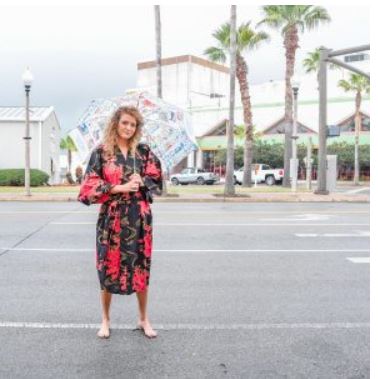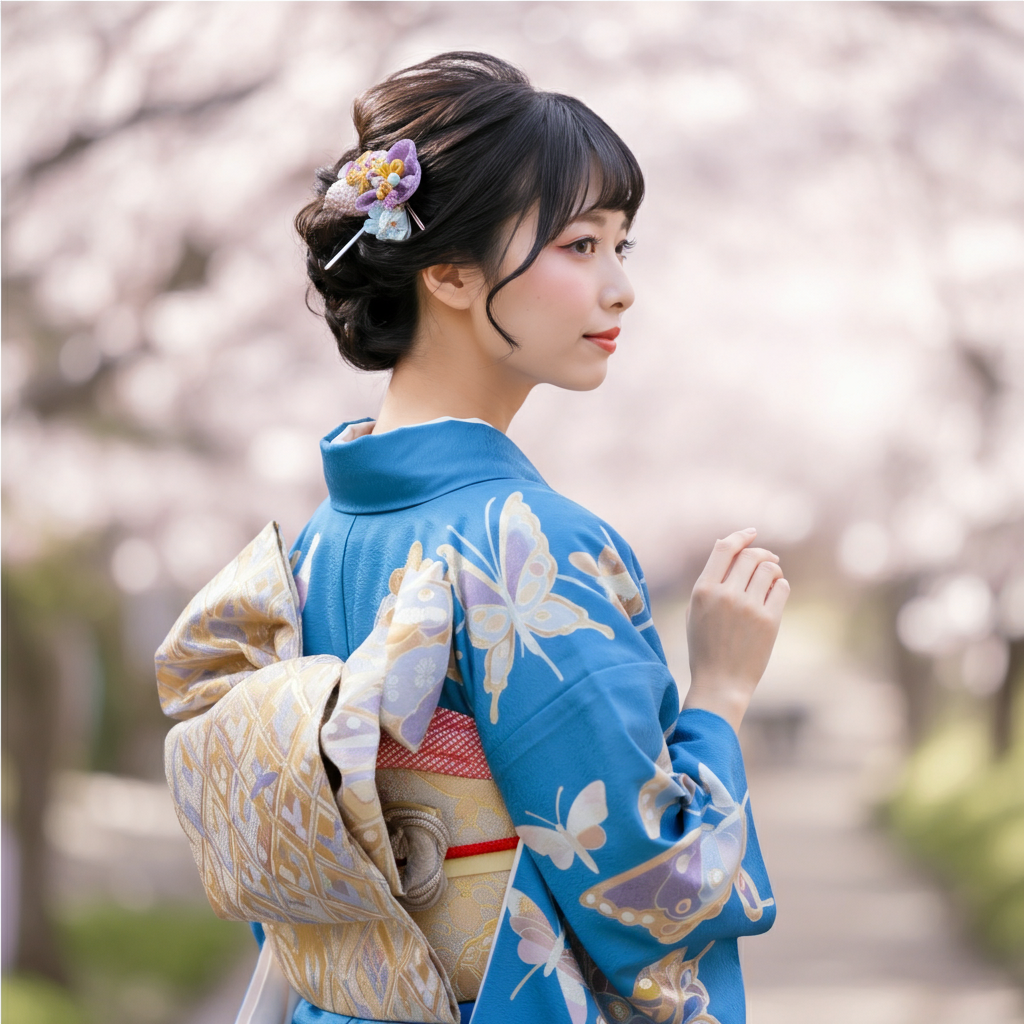
Category: Plus size kimono

  • The Timeless Elegance of Kimonos: A Guide to Choosing the Perfect One

    The kimono stands out as a garment of striking beauty and deep cultural meaning. Originating in Japan, this iconic robe has captured the admiration of fashion enthusiasts and comfort-seekers worldwide. With its straight seams, wide sleeves, and vibrant patterns, the garment commands attention while offering an incredibly comfortable fit.

    Adding a kimono to your wardrobe is an exciting choice, but the variety of options can feel overwhelming. Understanding the history, different styles, and materials available is essential to finding a piece that fits your lifestyle. This guide will walk you through everything you need to know to select a garment you will cherish for years to come.

    History and Cultural Significance

    The word “kimono” translates simply to “something to wear.” While the term is straightforward, the garment’s history is incredibly rich. Evolving significantly during the Heian period (794–1185), the straight-cut method of making clothes allowed makers to accommodate various body shapes and weather conditions.

    Over the centuries, the kimono transformed from everyday attire to a cherished symbol of tradition and artistry. Patterns, colors, and fabrics began to reflect a wearer’s social status, marital status, and even the season or occasion. Today, while modern fashion trends have changed daily dress in Japan, the kimono remains a centerpiece for ceremonies, celebrations, and cultural events, reminding us of its timeless importance.

    Different Styles for Every Occasion

    There is a kimono for every milestone and moment. The furisode, with its long, swinging sleeves, is commonly worn by young, unmarried women at special events like coming-of-age ceremonies. The elegant tomesode, with shorter sleeves, is reserved for married women and often features intricate designs on the lower half. The yukata, made from lightweight cotton, is perfect for summer festivals and relaxation at home, offering a casual and breezy alternative.

    Men’s kimonos are known for their subtle design, usually featuring subdued colors and family crests. Formal occasions may call for the addition of a haori (a hip- or thigh-length jacket) and hakama (traditional pleated trousers).

    How to Choose Your Perfect Kimono

    Choosing a kimono begins with understanding your needs. Think about the occasion—are you dressing for a wedding, a tea ceremony, a festival, or simply for casual comfort at home? Consider color and fabric: silk is luxurious and beautiful for formal events, while cotton or synthetic blends are both practical and stylish for everyday wear.

    Look for patterns and motifs that speak to you. Traditional designs often feature nature, such as cherry blossoms or cranes, each carrying its own symbolism of luck, longevity, or beauty. When in doubt, classic styles and subtle shades create a timeless look.

    Why Choose Kimono Shop?

    At Kimono Shop, authenticity and quality are at the heart of our collection. We offer a wide range of kimonos to suit every occasion and personal style, from elegant, hand-crafted pieces to easy-to-wear modern designs. Our knowledgeable staff can help you find the perfect fit, ensuring you feel confident and comfortable.

    Care Tips for Your Kimono

    To keep your kimono looking its best for years, follow a few simple care tips. Store it in a cool, dry place away from direct sunlight to prevent colors from fading. When not in use, fold it neatly or hang it with a special kimono hanger to maintain its shape. For silk kimonos, consider professional cleaning or gentle hand-washing for delicate items.

    Conclusion

    No matter your personal style or the occasion, embracing a kimono is a way to celebrate culture, craftsmanship, and beauty. Whether you’re wearing one for a special event or simply savoring comfort at home, each kimono tells a unique story—one that intertwines tradition with your own journey.

    Ready to find your perfect kimono? Explore the Kimono Shop collection and discover the elegance that has captivated generations.
  • The History of the Kimono and Yukata

    The Evolution of Japanese Garments Through Time

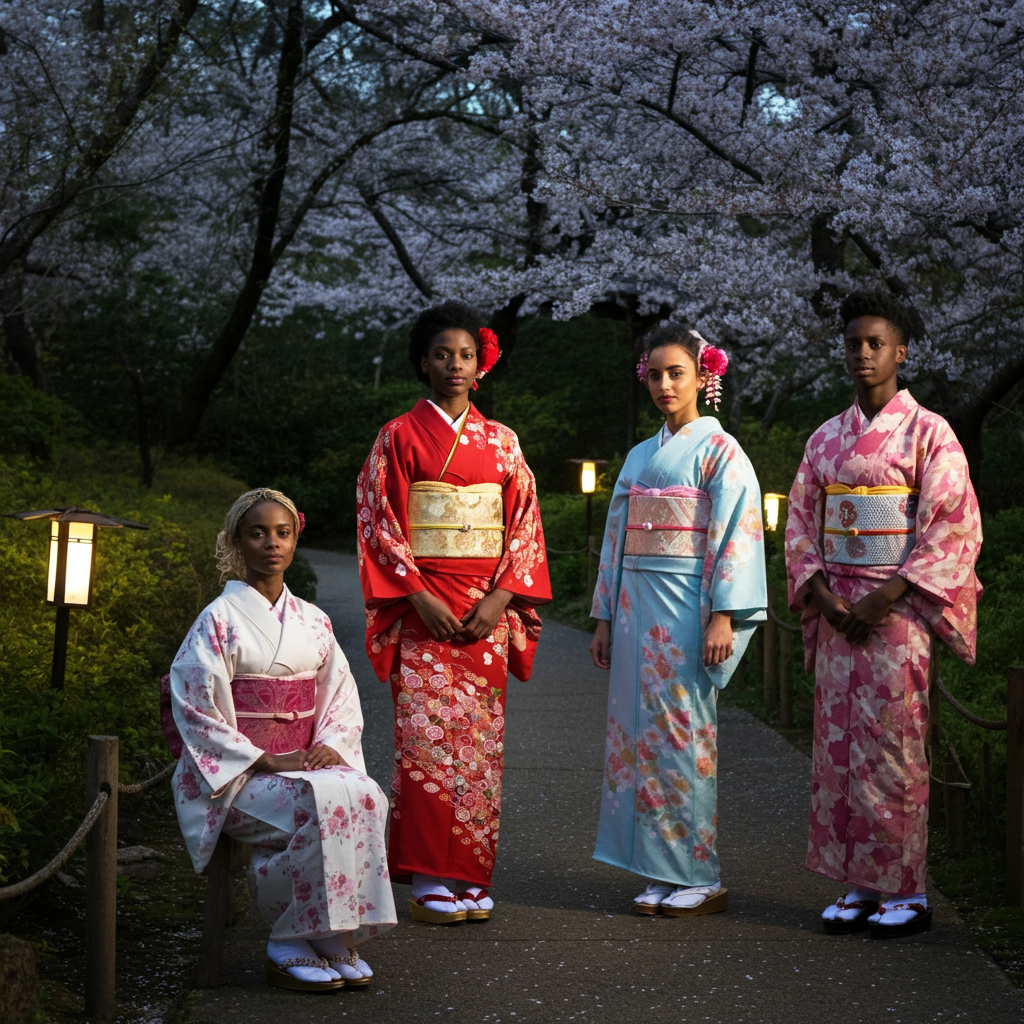
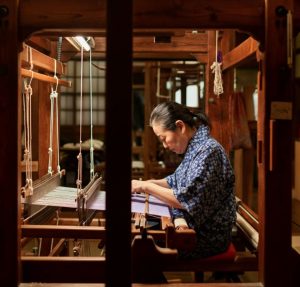
    Over the centuries, both kimonos and yukatas have evolved to keep up with Japan’s changing cultural identity. The Meiji Restoration (1868–1912) marked Japan’s rapid modernization and exposure to Western fashion, impacting how traditional clothing was worn. Western suits gained popularity in the workplace, while the kimono transitioned into an outfit reserved for ceremonies and special occasions.

    During the Taisho period (1912–1926), kimono designs embraced new artistic styles influenced by Art Deco. Bright colors and bold patterns reflected the youth culture of the time, blending old traditions with new inspirations.

    The yukata, on the other hand, became a staple for summer festivals and leisure. Its simplicity and comfort meant it remained widely used, especially as Westernization required fewer formal outfits in daily life.

    Modern-Day Kimono and Yukata

    Fast forward to today, and both garments remain beloved symbols of Japanese heritage and craftsmanship. Despite their decline in daily wear, their cultural significance has kept them alive in modern Japan and on the global stage.

    The Kimono in Modern Fashion

    Luxury kimono tailoring is still highly respected, with artisans spending months crafting a single piece. Designers such as Issey Miyake and Hanae Mori have incorporated traditional kimono elements into contemporary fashion, bringing the aesthetic to haute couture. Additionally, kimonos are featured prominently in Japanese weddings, tea ceremonies, and as a way to mark coming-of-age celebrations.

    Internationally, the kimono has gained attention as a fashion statement, often worn as a jacket over casual clothes or as part of a fusion outfit. However, the cultural appropriation of this garment has sparked conversations about respecting its heritage when used outside of Japan.

    The Yukata Today

    The yukata is still widely embraced for casual and semi-formal occasions, especially during summer festivals like the Hanabi Taikai (fireworks festivals) or when visiting traditional inns (ryokan). Many young people enjoy choosing colorful yukatas, often pairing them with geta (wooden sandals) and decorative hairpins for a vibrant, playful look.

    Notably, yukatas have experienced a resurgence due to their lightweight design and affordability, appealing to tourists who wish to participate in Japanese cultural traditions.

    Why the Kimono and Yukata Matter Today

    The kimono and yukata represent more than just fashion—they are wearable stories of Japan’s past, present, and future. They showcase the artistry of Japanese textile makers, the symbolism of its patterns, and the adaptability of traditional culture in a globalized world.

    Whether worn during festivals, preserved in museums, or reimagined on runways, these garments endure as a testament to Japan’s dedication to art, elegance, and cultural identity. For those fortunate enough to wear them today, the kimono and yukata continue to connect individuals to the beauty and history of Japan.

  • Why Quality Matters: The Story Behind Our Kimonos

    There’s a reason why kimonos are celebrated worldwide as not just garments but works of art. They carry cultural heritage, showcase remarkable craftsmanship, and boast intricate designs that stand the test of time. At the heart of every kimono lies an unwavering commitment to quality. But what truly makes kimonos special? Join us as we explore the meticulous process of creation, the artisanship behind each piece, and what makes these timeless garments treasures to own.

    The Cultural Significance of Kimonos

    Kimonos are more than just clothing; they are a cultural symbol in Japan. Historically, they represented the wearer’s social status, personality, and individuality. Each detail on a kimono, from the patterns to the choice of fabric, carries specific meaning. For instance, floral motifs often reflect the seasons, with cherry blossoms signifying spring and chrysanthemums symbolizing longevity.

    Beyond their wearable beauty, kimonos are deeply tied to rituals and milestones—weddings, tea ceremonies, and coming-of-age celebrations. Every kimono tells a story, making each piece a priceless heirloom to be passed down through generations.

    Sourcing Materials with Purpose

    Creating a kimono starts with selecting the finest materials. Quality kimonos are traditionally made from pure silk, an unmatched fabric for elegance, durability, and dye absorption. This material provides the perfect canvas for intricate patterns and vibrant colors.

    Today, while silk remains a primary choice for formal kimonos, other materials such as cotton and wool are also used for casual wear. Regardless of the fabric, the emphasis is always on longevity and preserving the authenticity of traditional methods.

    The dyeing process further elevates the material’s beauty. Artisans use natural dyes to achieve hues that are not only vivid but environmentally sustainable. These dyes require skillful precision, as the process can take days—or even weeks—to yield the perfect shades.

    The Artisans at Work

    Creating a kimono is not a single-person effort. It involves a collaborative process that brings together seasoned artisans, each with a specialized skill. Here’s how the remarkable team behind a kimono works their magic:

    1. Pattern Designers

    These artists sketch the kimono’s motif, ensuring every line and shape aligns with the garment’s cultural significance. Their designs blend tradition with innovation, resulting in patterns that appeal to modern tastes while staying true to heritage.

    2. Weavers

    Once the design is finalized, the weavers bring it to life on looms. Using complex weaving techniques like nishijin-ori (a Kyoto specialty), they create textiles that are both robust and delicate. Depending on the pattern’s complexity, this step can take months.

    3. Dyers

    The fabric then goes to the dyers, who use age-old methods like yuzen dyeing. This painstaking process involves painting designs freehand with rice paste resist, followed by multiple dye baths to achieve each vibrant hue.

    4. Sewers and Finishers

    Finally, master sewers assemble the kimono with precise, hand-stitched seams. Even here, no detail is overlooked. The alignment of patterns along the seams is carefully examined, ensuring the design flows seamlessly.

    The Meticulous Process of Creation

    From start to finish, crafting a kimono is nothing short of a labor of love. Here’s a glimpse into the process:

    • Fabric Preparation

    The act of preparing silk involves washing, stretching, and refining until it’s smooth yet durable, ready to take on patterns and dyes.

    • Dyeing and Pattern Creation

    The chosen design is transferred onto the fabric, either through hand-painting or stenciling. Artisans ensure every stroke, line, and motif is carefully rendered for a mesmerizing finish.

    • Cutting and Sewing

    A kimono is made from one continuous bolt of fabric called a tan. Each tan is meticulously cut so as to not waste an inch. The sewing process focuses not only on precision but also on symmetry, which is vital for the garment’s harmony.

    • Final Touches

    After rigorous inspection for quality, the kimono is steamed to remove creases and folded in the traditional manner, ready for wear or display.

    Why Quality Matters

    When you wear a kimono made with care and authenticity, you’re not just wearing a piece of clothing—you’re donning a legacy. High-quality craftsmanship means these garments can last for decades, maintaining their beauty and integrity. It’s no wonder vintage kimonos are highly sought after today.

    Beyond physical durability, the true value lies in the intangibles—the artisans’ dedication, the centuries-old techniques, and the stories embedded in the fabric. Quality ensures that every kimono is not just a product but a symbol of culture, artistry, and passion.

    The Timeless Appeal of Kimonos

    Despite modernization, the allure of a well-made kimono remains undeniable. Its timeless design seamlessly adapts to contemporary fashion while retaining its traditional essence. Styled casually or worn during formal occasions, a quality kimono transcends trends and generations, making it both fashionable and meaningful.

    Investing in a quality kimono isn’t just about owning a piece of clothing; it’s about appreciating a tradition that values artistry and excellence. It’s a commitment to preserving heritage and supporting the artisans who dedicate their lives to this remarkable craft.

    Final Thoughts

    The story behind kimonos is one of dedication, artistry, and cultural pride. Each piece is a testament to the beauty of craftsmanship, the significance of materials sourced with respect, and the history woven into every thread.

    When you choose a kimono that embodies quality, you’re not just investing in a garment—you’re choosing to honor tradition, support artisans, and celebrate timeless style. After all, true beauty lies in the details, and those details are what make a kimono truly unforgettable.

  • Why We’re Minimizing Our Reliance on USPS for Deliveries

    When it comes to your orders, ensuring fast and reliable delivery is one of our greatest responsibilities. After all, modern customers deserve convenience, predictability, and a seamless experience. Over the years, USPS (United States Postal Service) has been an integral part of logistics for countless businesses, including ours. However, challenges such as increasing unpredictability and delivery delays have prompted us to reevaluate our approach.

    We want to share why we’ve made the decision to minimize reliance on USPS and how we’re investing in alternative solutions to serve you better.

    Understanding the Challenges with USPS

    USPS has long played an important role in connecting businesses with customers and facilitating commerce. But in recent years, several factors have complicated its ability to deliver consistent service.

    1. Unpredictable Service Times

    Delivery schedules have become less reliable due to increasing volumes of mail, limited resources, and operational inefficiencies. Whether it’s delays in handling packages or fluctuating delivery times, customers often face uncertainty about when their orders will arrive.

    2. Delivery Delays During Peak Periods

    High-demand seasons, such as holidays, frequently overwhelm USPS infrastructure. While delays around these times were once tolerable, recent years have brought lengthier disruptions, stretched timelines, and sometimes even misplaced packages.

    3. System Constraints

    USPS operates within strict federal guidelines, coupled with budget and staffing challenges. While they’ve worked hard to address these issues, it hasn’t been enough to fully align with the efficiency standards modern businesses and customers expect.

    4. Impact on Customer Experience

    These ongoing delivery challenges can create frustration for customers. Timely delivery is critical for many purchases, and disruptions can directly impact satisfaction and trust. We understand that waiting for a delayed package is never a good experience.

    Our Commitment to Better Delivery Services

    While it’s important to acknowledge USPS’s historic contributions to U.S. commerce, our priority remains focused on you—our valued customer. To ensure that your experience with us is smooth and dependable, we’re implementing new delivery solutions designed around speed and reliability. Here’s how we’re making it happen.

    1. Diversifying Our Shipping Partners

    We’re expanding our network of logistics partners to include private shipping providers known for efficiency and customer-first policies. Partners like FedEx, UPS, and regional couriers offer enhanced tracking, faster shipping times, and fewer service interruptions. By broadening our delivery network, we reduce dependency on a single carrier, creating a more resilient logistics strategy.

    2. Investing in Advanced Tracking Technology

    Customers deserve transparency when it comes to their orders. We’re adopting advanced tracking solutions that provide updates, so you can always know where your package is and when to expect it. This technology minimizes uncertainty and strengthens trust.

    3. Establishing Regional Fulfillment Centers

    To speed up the process of delivering orders, we’re creating regional fulfillment hubs strategically located close to high-demand areas. With orders shipped from nearby warehouses, transit times decrease, and delivery reliability improves dramatically.

    4. Expedited Shipping Options

    For customers needing rapid delivery, we offer express shipping options through high-performance carriers. Whether you need your order in two days or overnight, we’ll ensure it gets to you quickly.

    5. Listening to Customer Feedback

    Your input is invaluable in shaping our logistics strategies. We actively monitor your comments and reviews about delivery experiences to understand what’s working and what we can improve.

    Recognizing the Challenges USPS Faces

    It’s essential to approach this decision with empathy. USPS operates under immense pressure, serving not just businesses but millions of households daily. Their service spans rural communities and hard-to-reach areas, often delivering where private carriers do not. These responsibilities come with unique logistical hurdles and constraints.

    The hardworking individuals behind USPS deserve recognition for their efforts, even when facing resource limitations and external challenges. While our business model requires a shift toward more responsive solutions, we respect their role in maintaining essential services for the country.

    What This Means for You

    Going forward, you can expect smoother, faster, and more predictable deliveries when you place an order with us. Our investments in diversified carriers, technology, and localized centers are all aimed at enhancing your experience. Whether it’s better tracking, shorter waiting times, or minimized delivery uncertainty, each change is about exceeding customer expectations.

    We believe that better logistics translate into a stronger relationship with our customers. If you have questions about this change or need assistance with your order, our customer service team is always here to help.

    Looking Ahead Together

    Delivering value starts with delivering your orders, and you deserve nothing less than reliability and efficiency. While we continue to adjust our logistics approach, our mission remains unchanged—to provide you with the best possible service, every single time.

    Minimizing our reliance on USPS is a step toward that promise. We’re committed to bringing you a delivery experience that matches the quality of our products and the trust you place in us. Together, we’ll keep raising the bar for what exceptional service truly looks like.

  • Elevating Everyday Glamour – The Magic of Wearing a Kimono

    The kimono, a traditional Japanese garment, holds a special place in the hearts of those who cherish cultural heritage and sophistication. More than just a piece of clothing, wearing a kimono represents a deep connection to Japanese culture, embodying respect for tradition and formality. Let’s explore the joys of incorporating this timeless attire into your everyday wardrobe.

    The Cultural Significance of Kimono

    A Symbol of Heritage

    The kimono is not merely an article of clothing; it is a symbol of Japan’s rich heritage. The intricate designs, colors, and patterns often reflect the wearer’s social status, the season, and the occasion. Whether it’s a wedding or a tea ceremony, the kimono serves as a versatile and nuanced garment that speaks volumes about the wearer.

    The Art of Kitsuke

    The process of putting on a kimono, known as kitsuke, is an art form passed down through generations. This meticulous process involves specific rules and techniques, making it an experience that connects the wearer to centuries-old traditions. Today, the kimono is much simpler and less formal eliminating the long process of wearing one.

    Special Occasions

    Despite Japan’s modernization, the kimono remains a staple for special occasions. From weddings to coming-of-age ceremonies, the kimono is a beautiful reminder of the country’s enduring cultural values.

    Personal Stories and Experiences

    Modern-Day Celebrations

    In contemporary settings, the kimono has found new life. Brides often present kimono or yukata to their bridesmaids as gifts, wearing them at bachelorette parties or even beachside weddings. Couples frequently choose kimono for their wedding attire, blending tradition with modern romance.

    Fashion Tips for Everyday Wear

    Casual Chic

    Incorporating kimono-inspired ideas into everyday fashion is easier than you might think. These can be worn over jeans, pants, shorts, or even dresses. Unlike traditional kimono, these modern adaptations add a touch of elegance to casual outfits.

    Versatile and Stylish

    An authentic kimono robe, complete with a belt or sash, can be worn closed for a more formal look. Many fashion-forward individuals wear these robes to dinners, casual get-togethers, shopping trips, or even for a night out dancing. The versatility of the kimono makes it a must-have for anyone looking to elevate their style.

    Conclusion

    Whether you’re honoring tradition or looking to add a touch of elegance to your everyday wardrobe, the kimono offers endless possibilities. Its cultural significance, intricate designs, and versatile style make it a garment worth cherishing.

    If you’re ready to explore the world of kimonos, visit our online shop. Discover a range of options for both men and women and find the perfect piece to elevate your wardrobe.

  • One Size Doesn’t Fit All: Embracing Kimono and Yukata Diversity

    The Problem of One-Size-Fits-All

    Finding the perfect kimono or yukata can be a challenge, especially when traditional sizing models don’t account for the diversity of body shapes and sizes. Historically, these garments have been produced with a “one-size-fits-all” approach, which can lead to poor fit and discomfort for many wearers.

    One Size Doesn’t Fit All

    When it comes to traditional Japanese garments like kimono and yukata, the reality is that one size truly does not fit everyone. The wide range of body types of men and women around the world require a more inclusive approach to sizing. For kimono collectors and enthusiasts, ensuring a comfortable and flattering fit is essential for both aesthetic and practical reasons.

    The Solution: Contrasting Sizing Options

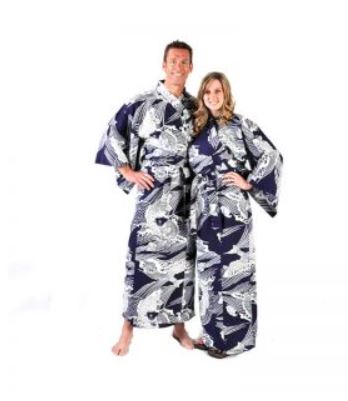
    Kimono Shop, an innovative online kimono shop, recognized this problem and took steps to offer a solution. Understanding that customers come in all shapes and sizes, Kimono Shop has embraced diversity by providing an array of sizes to accommodate everyone from petite and short-length seekers to those needing plus-size or men’s big and tall kimono.

    Kimono Shop: Leading the Change in Kimono Sizing

    Kimono Shop was one of the first online dealers to introduce a range of sizes beyond the standard offerings. They understood that the naturally smaller sizes typical in Japanese culture didn’t meet the needs of many international customers. By offering big and tall sizes for men and plus sizes for women, Kimono Shop has set a new standard in the kimono and yukata market.

    Case Study: Real Experiences with Kimono Sizing

    One of the many success stories comes from Kimono Shop’s early adoption of diverse sizing. Customers who previously struggled to find kimonos and yukata that fit well have shared their gratitude. For example, a customer named Sarah, who wears a plus size, expressed her relief at finally finding a kimono that not only fits properly but also looks stunning. Similarly, John, who falls under the men’s big and tall category, highlighted how Kimono Shop’s varied sizing has made it possible for him to enjoy wearing yukata comfortably.

    The Impact of Inclusive Sizing

    Kimono Shop’s commitment to offering a wide range of sizes has had a significant impact on their customer satisfaction and brand loyalty. By acknowledging and addressing the broad needs of their clientele, they’ve built a reputation as a kimono shop that truly cares about its customers.

    Conclusion

    The days of one-size-fits-all kimono and yukata are behind us, thanks to forward-thinking retailers like Kimono Shop. By offering a variety of sizes to accommodate different body types, Kimono Shop has revolutionized the way people shop for these traditional garments. Whether you’re looking for a petite kimono, a plus-size yukata, or a men’s big and tall option, Kimono Shop has something for everyone.

    Embrace the diversity of kimono and yukata sizing and find your perfect fit at Kimono Shop, your go-to online kimono shop.

  • Yukata vs Kimono: Unraveling the Differences

    Traditional Japanese attire has captivated the world with its elegance, intricate designs, and cultural significance. Two garments that often pique curiosity are the yukata and the kimono. Although they may seem similar at first glance, each has unique features and historical contexts that set them apart. In this blog post, we will explore the differences between yukata and kimono, their evolution, and how they fit seamlessly into modern lifestyles.

    What is a Kimono?

    The kimono is a traditional Japanese garment worn by both men and women. Historically, kimonos were reserved for formal events such as weddings, tea ceremonies, and other important occasions. These garments are typically made from silk and come in a variety of colors and patterns, often signifying the wearer’s age, marital status, and season.

    Key Features of a Kimono:

    • Material: Typically made from silk, modern kimono are often made of cotton
    • Formality: Traditionally worn for formal events
    • Design: Intricate patterns and designs
    • Occasions: Weddings, tea ceremonies, and formal gatherings

    Kimonos have evolved and are now also worn to casual events and even for lounging. The modern kimono can be found in various materials, including cotton, making them more accessible and easier to care for.

    What is a Yukata?

    The yukata is a more casual version of the kimono, initially worn at bathhouses and for lounging at home. Made from lightweight cotton, yukatas are perfect for summer festivals, casual outings, and relaxing at home. They are simpler in design compared to kimonos and usually feature less intricate patterns.

    Key Features of a Yukata:

    • Material: Made from lightweight cotton
    • Formality: Casual, ideal for informal events
    • Design: Simple patterns and designs
    • Occasions: Summer festivals, casual outings, and lounging

    Yukatas are incredibly versatile and have become increasingly popular as daily wear, thanks to their comfort and ease of maintenance.

    Comparing Yukata and Kimono

    Similarities:

    • Daily Wear: Both garments can be worn daily, depending on the occasion.
    • Ease of Care: Modern versions, especially those made from cotton, are easy to maintain.

    Differences:

    • Formality: Kimonos are traditionally formal, while yukatas are casual.
    • Material: Kimonos are usually made from silk, whereas yukatas are made from cotton.
    • Design Complexity: Kimonos feature intricate patterns, while yukatas have simpler designs.
    • Occasions: Kimonos are worn at formal events; yukatas are for casual outings and home wear.

    Where to Shop for Yukata and Kimono

    Whether you’re looking for a cotton kimono, a lightweight kimono, or even men’s kimonos, there are numerous online stores where you can find high-quality traditional Japanese wear. Some popular categories to explore include:

    • Kimono Dress: Perfect for formal events
    • Kimono Robe: Ideal for lounging at home
    • Long Kimono: Great for elegant, formal occasions
    • Shop Kimonos and Yukata for a mix of both traditional and modern styles

    Conclusion

    Understanding the differences between yukata and kimono allows you to appreciate these beautiful garments even more. Whether you prefer the formality of a kimono or the casual comfort of a yukata, both offer a unique way to incorporate traditional Japanese culture into your wardrobe. Ready to explore? Visit our online Kimono Shop to find the perfect piece for you.

    The world of Kimonos
    The World of Kimonos
  • Five Interesting Facts About Kimono and Yukata

    When it comes to traditional Japanese attire, kimonos and yukatas are iconic garments that have captivated people around the world. Whether you’re a cultural explorer or simply curious about these elegant pieces of clothing, read on to uncover five interesting facts about kimono and yukata.

    1. A Rich History

    The kimono, which translates to “thing to wear,” has a long and storied history dating back to the Heian period (794-1185). Originally, kimonos were worn by both men and women and served as everyday clothing. Over time, they evolved into more elaborate garments, especially during the Edo period (1603-1868), when they became a symbol of status and wealth. The yukata, a simpler version of the kimono, was originally worn as a bathrobe by Japanese nobility. Today, yukata are commonly worn at summer festivals and hot spring resorts.

    2. Types of Fabric

    Kimono and yukata are made from a variety of fabrics, each chosen for its specific qualities. Traditional kimono are often made from silk, known for its luxurious texture and durability. Other common fabrics include wool, cotton, and synthetic fibers like polyester. Yukata, on the other hand, are typically made from lightweight cotton, making them ideal for warmer weather. The choice of fabric not only affects the garment’s appearance but also its comfort and suitability for different occasions.

    3. Colors and Their Meanings

    Colors play a significant role in the design of kimono and yukata, often carrying symbolic meanings. For example, red is associated with youth and vitality, while black signifies formality and elegance. Seasonal colors are also important; spring kimono might feature pastel colors like pink and green, while autumn kimono might showcase deeper hues like red and orange. The patterns and motifs on the fabric can also be symbolic, with designs featuring cherry blossoms, cranes, or dragons each carrying their own cultural significance.

    4. Popularity in the USA

    In recent years, kimono and yukata have gained popularity in the USA, not just as traditional garments but also as fashion statements. Influenced by Japanese pop culture, including anime and manga, as well as by a growing interest in Japanese festivals and cultural events, more Americans are embracing these garments. Fashion designers have also incorporated kimono-inspired elements into their collections, blending traditional aesthetics with modern styles. This cross-cultural exchange has made kimono and yukata accessible to a wider audience.

    5. Perfect Loungewear

    While kimono are often reserved for special occasions, yukata have found a new niche as comfortable loungewear. Their lightweight, breathable cotton fabric makes them perfect for relaxing at home, especially during the warmer months. Many people appreciate the blend of tradition and comfort that yukata offer, allowing them to experience a piece of Japanese culture from the comfort of their own homes. Some even choose to wear yukata as stylish robes or cover-ups at the beach or pool.

    Conclusion

    Kimono and yukata are more than just garments; they are a window into Japanese culture, history, and artistry. From their rich history and diverse fabrics to their symbolic colors and growing popularity in the USA, these traditional garments continue to captivate and inspire. Whether you’re looking to add a touch of elegance to your wardrobe or simply want to learn more about Japanese culture, kimono and yukata offer a fascinating journey through history and fashion.

    So, next time you see a kimono or yukata, you’ll know a little more about the story behind these beautiful garments. For a great selection of robes, visit Kimono Shop.  The Kimono Shop has been a leading provider of fine kimono and yukata since 1994. It is easy to see why they are known as Your Kimono Source Since 1994. Happy exploring!

  • Beyond the Obi: Intriguing Facts about Kimono and Yukata

    The kimono, with its long sleeves and elegant fall to the heels, is more than just traditional Japanese attire. It is a canvas where stories unfold, virtues are symbolized, and seasons are celebrated through design. In contrast, the yukata is often seen as the kimono’s lighter and easier-to-wear cousin. The yukata provides a simplistic yet profound beauty perfect for everyday wear.

    The Artistry and Symbolism of Kimono

    Kimono designs are a beautiful collage, illustrating Japan’s rich culture and respect for nature. Cranes, a recurring motif, are not merely birds drawn across silk but messengers of good fortune and longevity. It’s believed in Japanese folklore that cranes can live for thousands of years, earning a revered place in the realms of immortals.

    The depiction of flora and fauna in kimono is a poetic expression of the natural world, closely tied to the seasons. Cherry blossoms, or ‘sakura’, signify spring’s ephemeral beauty. While the fiery hues of autumn’s maple leaves gracing a kimono evoke a sense of wistful change.

    Further, classic literature and famous artworks are often weaved into the fabric. This allows wearers to adorn themselves with poignant narratives and revered art. A kimono isn’t just a garment; it’s a statement, an heirloom, and a piece of living history.

    The Practical Elegance of Yukata

    Yukata are traditionally made from breathable cotton or linen. These fabrics offer a comfortable and relaxed option for those looking to wear kimono in a more casual setting. Ideal for summer festivals or simply lounging at home, yukata come with fewer layers. They feature an ease that invites both the young and the old to experience Japanese tradition without formality.

    Despite their simplicity, yukatas also echo the aesthetic principles of their more ornate counterparts. The same attention to detail, the flow of the fabric, and the respectful nod to tradition is apparent in the graceful lines and restrained elegance of a well-worn yukata.

    The Fabric of History

    Is a yukata a kimono? Yes, in essence. It is a kind of informal kimono, transcending age, gender, and occasion. The variety amongst kimono is wide-ranging. From the furisode, flaunted by young unmarried women, to the tomesode, distinguished by its shorter sleeves and worn by married women.

    The kimono is not just “the thing to wear” but a testament to Japanese craftsmanship and aesthetic sensibility. The choice of silk, the quality of fabric, and the intricate techniques used can transform a simple garment into an exceptional work of art.

    Modern Relevance and Cultural Continuity

    Today, cultural explorers and kimono enthusiasts find as much joy in the rich past as in the vibrant present of kimono and yukata. The adaptability of these garments to modern tastes and lifestyles ensures their continued relevance. Kimono-inspired fashion pieces now grace international runways and street styles across the globe. While the yukata remains a beloved choice for casual comfort with a touch of elegance.

    Whether you’re a longtime admirer or a new convert to the beauty of kimonos and yukatas, there’s always more to learn and appreciate about these iconic elements of Japanese culture. They are garments with a past, woven through with stories and guided by principles that continue to resound today.

    In celebrating and honoring these traditional wears, we not only preserve a significant aspect of Japanese cultural heritage but also promote a greater understanding and appreciation for the diversity in art and expression worldwide.

    Join us as we continue to explore, learn, and admire the craftsmanship and profound stories stitched into every thread of the kimono and yukata. And for the men out there who have been captivated by the elegance of yukata, remember there are ‘yukata for men’, designed to offer the same comfort and style with a masculine touch.

  • Unlocking Elegance: A Guide to Kimono Shopping Online

    In a world where tradition meets contemporary fashion, the kimono stands out as a symbol of Japanese culture’s timeless elegance. Whether you’re a cultural enthusiast, a lover of unique fashion, or someone looking to infuse tradition into your modern wardrobe, this guide aims to unlock the art of kimono shopping for enthusiasts of every shape and size.

    The Myth of “One Size Fits All” in Kimono Fashion

    For too long, the international narrative surrounding the kimono has suggested a “one size fits all” approach. This not only limited access to these beautiful garments but also restricted the experience of wearing a kimono to a select few. Recognizing this gap, Kimono Shop emerged as an innovator in the online kimono marketplace, challenging this notion by expanding its range to cater to diverse body types.

    A Size for Every Silhouette

    At Kimono Shop, we understand the importance of finding a garment that fits not just your body, but your soul. We offer an extensive selection of sizes and styles, from petite to plus size and big and tall, ensuring that everyone can experience the joy of kimono wearing. Whether you’re looking for a yukata for a summer festival or a formal kimono for a special occasion, our range considers short length, traditional length, and full figure, plus Big and Tall options to accommodate every body shape.

    Unveiling Variety and Style

    Our kimono and yukata collections boast a spectrum of patterns, from the classic to the contemporary. Sourced directly from manufacturers in Japan who share our vision of inclusivity, we ensure every piece is authentic, allowing you to wear a part of Japanese culture with pride and comfort.

    Voices from Our Community

    We’re more than a kimono shop; we’re a community of passionate individuals who appreciate the depth and beauty of Japanese fashion. Here’s what one of our customers had to say:

    “I wanted to tell you how wonderful my experience has been shopping on your site. The fact that you offer Kimono and Yukata for plus-sized women is so mindful and inclusive. I’ve been searching for months with fail until I found you. Thank You.”

    Navigating Your Kimono Shopping Experience

    • Start with Understanding Your Size: Check our detailed size charts to get a precise fit.
    • Select Your Style: Decide if you’re looking for a casual yukata or a more formal kimono.
    • Accessorize: Add obis, tabi socks, and other accessories to complete your look.
    • Care and Maintenance: Learn how to care for your kimono to keep it in pristine condition.

    Conclusion

    Kimono shopping can be an intricate process filled with discovery and delight. At Kimono Shop, we’re dedicated to providing an inclusive, enjoyable shopping experience for all our customers. With our wide range of sizes and styles, everyone can find their perfect kimono or yukata, carrying a piece of Japanese heritage into their daily lives.

    We invite you to explore our collection and find the kimono that speaks to you. Remember, when it comes to fashion, especially one as rich and nuanced as the kimono, one size doesn’t fit all, and individuality is the key to unlocking true elegance.