Category: online kimono shop

  • Discovering the Hidden Language of Kimono Colors in Japanese Culture

    In the vibrant tapestry of Japanese culture, the kimono stands as a symbol of tradition, elegance, and profound meaning. For kimono lovers, Japanese culture buffs, and those seeking Zen inspiration, understanding the significance of kimono colors offers a fascinating glimpse into the values and customs that have shaped Japan for centuries. This exploration will uncover how colors in kimonos not only enhance aesthetic beauty but also convey messages of virtue, seasonality, and personal expression.

    Unraveling the Meaning of Kimono Colors

    The kimono is more than just a traditional garment; it’s a canvas for storytelling and cultural expression. Its colors and patterns embody the virtues and seasonal changes that define a good and modest life. Each hue represents core values and carries specific connotations that mirror the wearer’s intentions or the occasion. For instance, wearing blue in spring, a color traditionally associated with summer may be seen as improper. Let’s explore these colors to understand their deeper meanings.

    Black in the World of Kimonos

    Black may be a popular color globally, but in Japan, it carries layers of meaning. It represents mystery, formality, and elegance, yet it also signifies mourning and anger. Historically, black has been linked to masculinity, with men donning black at weddings or during ceremonies. Fishermen and samurai used black in tattoos and armor to reflect strength and shine, while women embraced black in early makeup traditions. This duality in meaning showcases the color’s versatility and depth.

    The Purity of White

    White is revered as a sacred color in Japan, embodying purity and humility. It forms the backdrop of the national flag, symbolizing reverence for deities. While today, white has found its place in everyday fashion, traditionally, it was reserved for funerals, highlighting its association with mourning and spirituality. The simplicity of white allows it to be a blank canvas upon which other colors and patterns can tell their stories.

    Passionate Red

    Red holds a prominent place in Japanese culture, representing passion, strength, and prosperity. It is the color of the sun on the national flag and a symbol of happiness and authority. During festivals, red and white are the colors of celebration, with red signifying peace and wealth within families. Red envelopes, often used for gifting money, underscore the color’s connection to joy and good fortune, making it a staple in both personal and public celebrations.

    The Playfulness of Pink

    Pink is synonymous with youthfulness and romance in Japan. It evokes happiness and the innocence of childhood, while also being a color of love. Cherry blossoms, or Sakura, paint Japan in shades of pink each spring, celebrating renewal and the fleeting beauty of life. Pink’s gentle allure makes it a favored choice for clothing and décor, reflecting the delicate yet vibrant spirit of Japanese culture.

    Green’s Vitality and Growth

    Green is a color of luck and vitality in Japan, representing growth and fertility. It’s a symbol of nature’s abundance, celebrated annually on “Greenery Day.” The color is predominant in Japanese clothing for its freshness and restfulness. Matcha green tea further anchors green within the cultural heritage, offering a sensory connection to tradition and health. In many ways, green embodies the balance and harmony that lie at the heart of Japanese philosophy.

    Blue’s Cool Serenity

    Blue is revered for its associations with fidelity, coolness, and purity. Once used interchangeably with green, blue now stands as a distinct and lucky color. It’s a favorite in traditional Japanese male dress and yukatas, celebrated for its serene and calming qualities. Blue’s presence in everyday life underscores a commitment to cleanliness and peace, resonating deeply with those in search of tranquility and balance.

    The Regal Purple

    Purple is the color of royalty and nobility, a marker of status and spirituality. In historical Japan, commoners were forbidden to wear purple, underscoring its exclusivity. Its connotations of luxury and wisdom make it a color of choice for warriors, symbolizing strength and resilience. Purple’s rarity in nature and difficulty in production further elevate its prestige and allure.

    Courageous Yellow

    Yellow shines as the color of sunshine and nature, embodying sacredness and courage. While not as prominent as red or white, yellow has its cherished place in Japanese culture. Historically, a yellow chrysanthemum symbolized bravery. Today, yellow is used for visibility in public safety, such as children’s caps and railway crossings, illustrating its role as a beacon of hope and clarity.

    The Cultural Tapestry of Kimono Colors

    Kimono colors are more than mere aesthetics; they are deeply interwoven with the cultural and spiritual fabric of Japan. These colors tell stories of the seasons, celebrate virtues, and connect individuals to their community and heritage. For those captivated by Japanese culture, exploring kimono colors offers a window into a world where every hue holds history and meaning.

    The Intricacies of Color Seasonality

    In Japan, colors are often worn by the seasons, reflecting the natural world and its changes. This practice not only aligns with the weather but also honors traditional beliefs and aesthetics. Wearing a color out of season could disrupt the harmony and balance that these practices aim to maintain, underscoring the importance of color in daily life and rituals.

    Customizing Colors for Personal Expression

    While traditional meanings guide kimono colors, personal expression adds another layer. Individuals may choose colors based on their values or the events they attend, creating a unique narrative with their attire. This personalization allows wearers to communicate their identity and aspirations through the timeless language of color.

    The Influence of Kimono Colors Beyond Clothing

    The impact of kimono colors extends beyond fashion, influencing Japanese architecture, art, and design. These colors often appear in traditional Japanese bathrobes, known as yukata, and in home décor, where they create an atmosphere of peace and respect for tradition. The colors serve as a bridge connecting generations through shared values and aesthetics.

    Conclusion

    Understanding the meaning of kimono colors enriches our appreciation for this iconic garment and the culture it represents. Each color tells a story, expresses values, and connects individuals to a larger cultural narrative. Whether you’re a kimono lover, a Japanese culture buff, or someone seeking inspiration from the Zen philosophy, these colors offer a tapestry of insights and reflections. For those eager to explore further, consider engaging with local kimono communities, attending cultural events, or learning more about the history and artistry of Japanese textiles. Through this exploration, the vibrant world of kimono colors will continue to inspire and resonate.

    You can browse the large selection of kimonos and yukata at Kimono Shop. Kimono Shop has been a leading online provider of quality Japanese robes since 1994. They are based and ship from the USA. Visit their online store 24 hours a day.
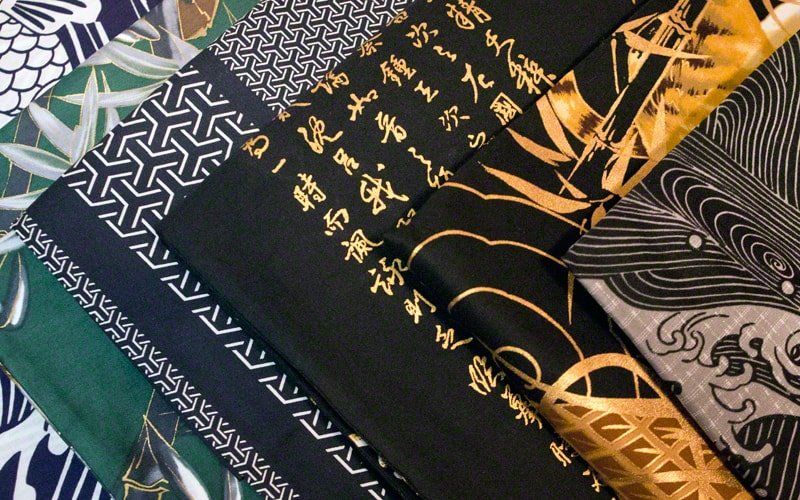
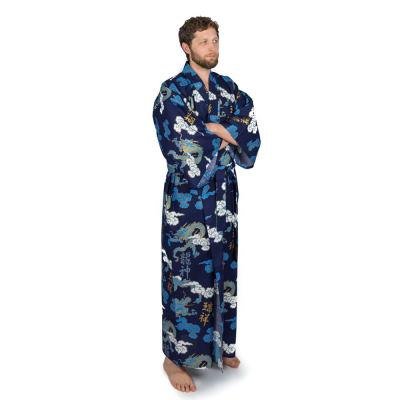
  • Men’s Yukata: The Ultimate Loungewear

    When it comes to combining comfort, tradition, and style, nothing quite matches the versatility of a men’s yukata. Originally a summer garment in Japan, the yukata has evolved into the ultimate loungewear for men around the world. In this blog, we’ll explore why the men’s yukata is more than just a robe, highlighting its luxurious feel, easy maintenance, historical significance, and why it makes a fantastic gift.

    What is a Yukata?

    A yukata is a casual summer kimono made from lighter-weight cotton fabric. Unlike formal kimono, yukatas are unlined and ideal for warmer weather. Traditionally worn at summer festivals and hot spring resorts in Japan, modern yukatas have found a place in the wardrobes of fashion-forward men globally.

    The Ultimate Loungewear

    Luxurious Comfort

    One of the standout features of the men’s yukata is its luxurious comfort. Made from soft, high-quality cotton, it feels gentle against the skin, making it perfect for lounging at home or even as nightwear. The breathable fabric keeps you cool during summer while providing enough warmth for cooler evenings.

    Easy to Wear, Easy to Care For

    Unlike many traditional garments, the yukata is incredibly easy to wear and maintain. It features a simple wrap-around design secured with an obi (belt), making it quick to put on. Plus, it’s machine washable, ensuring that keeping it clean is hassle-free.

    Versatility

    From lounging at home to stepping out for an evening stroll, the yukata offers versatility that few other garments can match. Its stylish yet casual look makes it suitable for a variety of occasions.

    A Gift with Meaning

    Yukatas make excellent gifts, especially for those who appreciate cultural heritage and comfort. The wide variety of styles, patterns, and colors available means you can find the perfect yukata for any man. Plus, the historical and symbolic significance of the yukata adds a layer of depth to your gift.

    Historical Significance and Symbolism

    The yukata traces its origins back to the Heian period in Japan (794-1185). Originally worn as a bathrobe by court nobles, it has evolved into a symbol of relaxation and casual elegance. Each pattern and color in a yukata holds specific meanings, often tied to nature and seasons, offering a rich tapestry of history and culture.

    The Symbolism in Patterns

    • Floral Designs: Often represent beauty and transience.
    • Geometric Patterns: Symbolize order and harmony.
    • Animal Prints: Represent strength, agility, or specific traits admired in Japanese culture.

    Men’s yukatas offer a unique blend of comfort, style, and tradition. Whether you’re a fashion enthusiast, a traveler with a love for Japanese culture, or someone looking for the perfect gift, a yukata is a fantastic choice. With its luxurious cotton fabric, easy maintenance, and deep historical roots, it’s no wonder that men around the world are falling in love with this traditional yet modern garment.

    Ready to experience the ultimate in loungewear? Explore our extensive collection of men’s yukatas and find the perfect fit for you or your loved ones today.

  • From Tradition to Trend: Do Men Wear Kimono?

    In the world of fashion, certain garments have withstood the test of time and cultural shifts, maintaining their elegance and relevance. Among these timeless pieces is the kimono—a traditional Japanese garment that has captivated the world for centuries. While often associated with women, it’s time to break the stereotype and understand that kimono are not just for women. Men love wearing kimono and yukata too, and for good reason!

    A Brief History of Kimono for Men

    The kimono, which translates to “thing to wear,” has deep historical roots in Japan, dating back to the Heian period (794-1185). Initially, both men and women wore kimono as a standard form of dress. Over time, the designs and styles evolved, becoming more gender-specific and occasion-based. For men, kimono evolved into garments worn for formal occasions, festivals, and martial arts. Today, they continue to be a symbol of cultural heritage and identity.

    Style and Fashion

    Kimono for men come in various styles, each with its unique charm and purpose. Here are the key types:

    • Montsuki: A formal kimono typically worn with family crests. Often seen at weddings, tea ceremonies, and other formal events.
    • Yukata: A casual cotton kimono worn during summer festivals or at hot springs (onsen). It’s lighter and more comfortable, perfect for relaxed settings.
    • Hakama: Traditional pleated trousers worn over the kimono. Often seen in martial arts like Kendo and Aikido.

    Modern Interpretations

    In recent years, fashion enthusiasts and designers have reimagined the men’s kimono, blending traditional elements with contemporary styles. You can now find kimono-inspired jackets, robes, and even streetwear that pay homage to this classic garment. This modern twist makes the kimono more accessible and versatile, allowing men to incorporate it into their everyday wardrobe.

    Comfort and Versatility

    One of the most compelling reasons men love kimono and yukata is the comfort they offer. Made from natural fabrics like cotton and silk, these garments are breathable and suitable for various climates. The loose fit allows for free movement, making them ideal for both relaxation and formal events. Whether you’re attending a wedding or lounging at home, a kimono can provide unparalleled comfort and style.

    Breaking Stereotypes

    The resurgence of kimono for men is also a step towards redefining masculinity. In a world where traditional gender roles are continually evolving, wearing a kimono can be a statement of cultural appreciation, individuality, and confidence. It’s about time we break the stereotype that kimono are solely for women and celebrate the versatility and elegance they bring to men’s fashion.

    How to Wear a Men’s Kimono

    Wearing a kimono properly is an art in itself. Here are some basic steps to get you started:

    1. Undergarments: Start with traditional undergarments like the juban.
    2. Kimono: Wrap the kimono left over right and secure it with an obi (belt).
    3. Footwear: Pair your kimono with traditional wooden sandals called geta.
    4. Accessories: Consider adding a haori (jacket) or a hakama for added flair.

    For those new to kimono, there are plenty of resources and tutorials available online to guide you through the process.

    Conclusion

    From tradition to trend, the men’s kimono revolution is here to stay. These garments offer a unique blend of history, style, and comfort, making them a valuable addition to any man’s wardrobe. If you’re looking to redefine your style and make a statement, now is the perfect time to explore the world of kimono and yukata.

    Ready to elevate your wardrobe? Discover our curated collection of men’s kimonos and experience the perfect blend of tradition and modernity. Shop our online Kimono Shop today and find the kimono that speaks to you.

  • One Size Doesn’t Fit All: Embracing Kimono and Yukata Diversity

    The Problem of One-Size-Fits-All

    Finding the perfect kimono or yukata can be a challenge, especially when traditional sizing models don’t account for the diversity of body shapes and sizes. Historically, these garments have been produced with a “one-size-fits-all” approach, which can lead to poor fit and discomfort for many wearers.

    One Size Doesn’t Fit All

    When it comes to traditional Japanese garments like kimono and yukata, the reality is that one size truly does not fit everyone. The wide range of body types of men and women around the world require a more inclusive approach to sizing. For kimono collectors and enthusiasts, ensuring a comfortable and flattering fit is essential for both aesthetic and practical reasons.

    The Solution: Contrasting Sizing Options

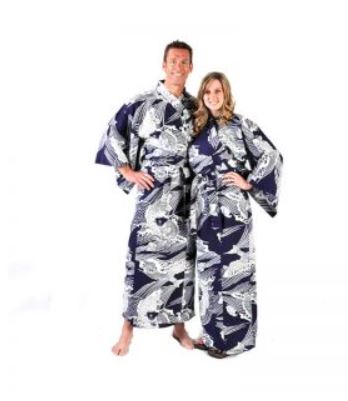
    Kimono Shop, an innovative online kimono shop, recognized this problem and took steps to offer a solution. Understanding that customers come in all shapes and sizes, Kimono Shop has embraced diversity by providing an array of sizes to accommodate everyone from petite and short-length seekers to those needing plus-size or men’s big and tall kimono.

    Kimono Shop: Leading the Change in Kimono Sizing

    Kimono Shop was one of the first online dealers to introduce a range of sizes beyond the standard offerings. They understood that the naturally smaller sizes typical in Japanese culture didn’t meet the needs of many international customers. By offering big and tall sizes for men and plus sizes for women, Kimono Shop has set a new standard in the kimono and yukata market.

    Case Study: Real Experiences with Kimono Sizing

    One of the many success stories comes from Kimono Shop’s early adoption of diverse sizing. Customers who previously struggled to find kimonos and yukata that fit well have shared their gratitude. For example, a customer named Sarah, who wears a plus size, expressed her relief at finally finding a kimono that not only fits properly but also looks stunning. Similarly, John, who falls under the men’s big and tall category, highlighted how Kimono Shop’s varied sizing has made it possible for him to enjoy wearing yukata comfortably.

    The Impact of Inclusive Sizing

    Kimono Shop’s commitment to offering a wide range of sizes has had a significant impact on their customer satisfaction and brand loyalty. By acknowledging and addressing the broad needs of their clientele, they’ve built a reputation as a kimono shop that truly cares about its customers.

    Conclusion

    The days of one-size-fits-all kimono and yukata are behind us, thanks to forward-thinking retailers like Kimono Shop. By offering a variety of sizes to accommodate different body types, Kimono Shop has revolutionized the way people shop for these traditional garments. Whether you’re looking for a petite kimono, a plus-size yukata, or a men’s big and tall option, Kimono Shop has something for everyone.

    Embrace the diversity of kimono and yukata sizing and find your perfect fit at Kimono Shop, your go-to online kimono shop.

  • Shipping Smarter: How We Moved Beyond USPS with Your Orders

    In today’s fast-paced world, efficiency and reliability are paramount, especially when it comes to shipping customer orders. At Kimono Shop, where we pride ourselves on offering beautiful kimonos and yukata, we have a reputation for quick shipping. However, we have encountered significant challenges using USPS for our shipping needs, leading us to make a pivotal shift toward more reliable alternatives like UPS and FedEx. Here’s why we’ve chosen to move beyond USPS and what that means for you as our valued customer.

    One of the most significant issues we faced with USPS was the lack of transparency in package tracking. There were numerous instances where packages were not scanned promptly, or sometimes not scanned at all. For example, we would ship a package to a customer on Friday, yet it wouldn’t be scanned until Tuesday or Wednesday. This not only caused frustration and lack of trust but also left customers in the dark, wondering if their package had even been shipped. Such inconsistencies are detrimental to our commitment to providing stellar customer service and maintaining our reputation for quick shipping.

    Inconsistency of Transit Times

    Another critical factor was the inconsistency of transit times. USPS’s delivery times could vary greatly, making it difficult to predict when a package would reach its destination. For a business like ours, where timely delivery is crucial, this unpredictability was simply unacceptable. Customers rely on us to ship their kimono and yukata promptly, whether for a special event or as a gift, and USPS’s inconsistencies made it challenging to meet those expectations.

    Increasing Costs

    Over time, USPS has steadily increased shipping costs, which directly impacts our bottom line and, ultimately affects our customers. While we understand that rising operational costs are a reality of business, we found that the escalating prices did not correlate with an improvement in service quality. When customers are paying for shipping, they expect reliability and efficiency, which USPS increasingly fails to deliver.

    Condition of Post Offices

    Lastly, the general conditions of many post offices contributed to our decision to seek alternatives. Many USPS facilities are understaffed and face operational inefficiencies, leading to delays and mishandling of packages. This environment is not conducive to providing the high level of service our customers deserve and expect.

    Transitioning to UPS and FedEx

    Given the challenges we faced with USPS, we decided to transition to UPS and FedEx for shipping most customer orders. These carriers offer several advantages that align with our commitment to excellence.

    Improved Transparency and Tracking

    UPS and FedEx provide robust tracking systems that ensure packages are scanned at every stage of their journey. This level of transparency reassures our customers that their orders are on the way and allows them to monitor the progress in real time. With accurate and timely updates, our customers can plan accordingly, knowing exactly when to expect their kimono and yukata.

    Consistent and Reliable Transit Times

    Both UPS and FedEx are known for their consistent and reliable transit times. By partnering with these carriers, we can provide more accurate delivery estimates, ensuring that our customers receive their orders promptly. This reliability is crucial for maintaining the trust and satisfaction of our customers, particularly for those who need their orders by a specific date.

    Competitive Shipping Costs

    While shipping costs continue to be a consideration for any business, we have found that UPS and FedEx offer competitive rates that reflect the quality of service expected. By offering favorable shipping terms, we provide our customers with reasonable shipping prices without compromising on the speed and reliability of their deliveries.

    Professional Handling and Facilities

    UPS and FedEx boast state-of-the-art facilities and professional handling of packages. This ensures that our products are treated with care from the moment they leave our warehouse until they reach our customers’ hands. The professional infrastructure of these carriers significantly reduces the risk of damage or loss during transit, further enhancing our customers’ experience.

    Why This Matters to Our Customers

    Our switch from USPS to UPS and FedEx is ultimately about enhancing your shopping experience. By choosing carriers that prioritize transparency, consistency, and reliability, we ensure that your orders are delivered promptly and efficiently. Whether you’re purchasing a kimono, yukata, or any other product from our shop, you can rest assured that your order is in good hands from start to finish.

    Conclusion

    At Kimono Shop, our customers’ satisfaction is our top priority. The decision to move away from USPS and adopt UPS and FedEx for most shipping was made with this commitment in mind. We believe that by offering improved transparency, consistent transit times, competitive costs, and professional handling, we can provide a superior shipping experience for our valued customers.

    Thank you for your continued trust and support. We look forward to serving you better with our new and improved shipping solutions.

    Interested in experiencing our quick and reliable shipping firsthand? Visit our shop today and explore our wide range of kimono and yukata. Your perfect piece is just a few clicks away, and now, it’ll arrive even faster.

  • Why Kimono Manufacturing Has Become a Challenge in Japan

    Japan is world-renowned for its exquisite textile arts and particularly for creating stunning kimono and yukata garments. These traditional Japanese clothing styles are more than just clothing. They represent the cultural history and traditions of the nation. But, Japan is facing a challenge in the manufacturing of kimono and yukata. A shortage of labor and skilled sewers coupled with the rising cost of fabrics due to Covid-19 have caused many businesses to shut down. Plus, the pandemic safety measures imposed by the government have put many other companies out of business. In this blog post, we’ll explore why kimono manufacturing has become so difficult in Japan.

    First, let’s discuss the shortage of labor and skilled sewers. The average age of kimono and yukata sewers is around 60 years old. Since younger generations are not taking interest in sewing as a career choice, many manufacturers struggle to find workers. It is also a highly skilled trade that requires years of apprenticeship and practice. Furthermore, the pandemic has brought a halt to training and new hires because of social distancing and lockdowns.

    Secondly, the cost of fabric has continued to increase since Covid-19. Many businesses rely on imported fabrics or silk, which has become more expensive because of shipping restrictions. This has caused some manufacturers to cut costs by using cheaper and lower quality materials or find alternative ways to source the materials. Some businesses may have to change their strategy and focus more on the domestic market to save costs.

    Thirdly, many businesses shut down because they couldn’t survive the lockdowns and precautions Japan initiated during the pandemic. The pandemic has caused a huge economic impact in Japan, and many small businesses and manufacturers have been forced to shut down. For kimono manufacturers, the cultural significance of the garment may have made it difficult to pivot to more fashionable, modern garments.

    Lastly, Japan was under tight scrutiny for several years. Specifically, the government restricted the export of some materials and manufacturing processes to prevent imitation from other countries. It’s not only the manufacturing process, but the silk and fabrics are heavily controlled and monitored. While these measures have maintained the quality of kimono manufacturing, it has also made it difficult for companies to innovate and adapt to changing market demands.

    As we have learned, the manufacturing of kimono and yukata has become increasingly difficult in Japan because of a shortage of labor and skilled workers as well as the rising costs of fabrics due to Covid-19. Plus, the pandemic safety measures imposed by the government have put many other companies out of business. Japan prides itself on its traditional textile arts and crafts, and it’s a shame that this art form is slowly diminishing.

    However, it’s not all bad news. Some manufacturers are finding success with modern designs and materials that cater to a younger audience. It is the creative minds who will bring the new and old together and create the perfect balance for the future. It is up to us to preserve this distinct part of Japan’s culture by continuing to support its production and encourage future generations to learn and take an interest in it.

    Kimono Shop stands by it’s producers and manufacturers. Changes have been made but with integrity and quality at the top of our goal. Materials have been maintained, not cheapened. Locating and maintaining quality, skilled, veteran sewers is a must. We would rather forfeit some styles for a period of time rather than accept inferior. We are grateful for our longstanding relationships and the efforts of our partners. Long Live the Kimono and Yukata.  See our entire remarkable collection of Japanese robes at www.kimonoshop.com.

  • Why a Japanese Kimono Makes the Perfect Graduation Gift

    Graduation season is upon us, and with that comes the stress of finding the perfect gift. But why not surprise your graduate with something unique and memorable? In Japan, a traditional kimono or yukata robe is often worn to celebrate special occasions like graduation. Not only is it a beautiful and elegant garment, but it also carries a deep cultural significance. At kimonoshop.com, we offer a wide range of styles, colors, and sizes to cater to every graduate’s preferences. Keep reading to discover why a Japanese kimono or yukata robe makes the perfect graduation gift.</p>

    A Gift with Meaning

    When you give a kimono or yukata robe as a graduation gift, you’re not just giving a beautiful garment. You are also honoring a long-standing tradition. In Japanese culture, these robes are worn to mark significant milestones and occasions, including graduations. By giving a kimono or yukata to your graduate, you are acknowledging their hard work and achievement in a meaningful way.

    Perfect for All Occasions

    One of the great things about a Japanese kimono or yukata robe is its versatility. Your graduate can wear it for special events like graduations, but it’s also suitable for everyday wear. Whether your graduate is heading off to college or starting a new job, they can wear their robe to add a touch of elegance to any outfit.

    Wide Range of Styles and Sizes

    At kimonoshop.com, we offer over 100 styles and patterns, as well as a range of sizes from regular to petite and plus sizes. This means you can find the perfect robe for every graduate, no matter their style or body type. From bold and colorful designs to more subdued patterns, there is a kimono or yukata to suit every taste.

    Easy to Care for

    Unlike traditional Japanese silk kimonos, our robes are made from easy-care cotton. This means they&rsquo;re machine washable and easy to care for, making them a practical gift that your graduate will appreciate. Plus, the cotton fabric makes the robe comfortable to wear in any season. Your graduate can enjoy it all year long.

    A Lasting Memory

    Finally, a Japanese kimono or yukata robe is a gift that your graduate will treasure for years to come. Every time they wear it, they will remember their graduation and the special people who supported them along the way. It’s a gift that will last for many years and become a cherished memory of their achievement. In conclusion, a Japanese kimono or yukata robe is the perfect graduation gift. It’s a beautiful and meaningful way to honor your graduate’s achievement and mark the start of a new chapter in their life. At kimonoshop.com, we offer a wide range of styles and sizes to suit every taste, so you’re sure to find the perfect robe for your graduate. So why not surprise your graduate with a gift they will treasure for years to come?

    Tags: authentic kimonos, kids kimonos, kimono yukata, online kimono shop