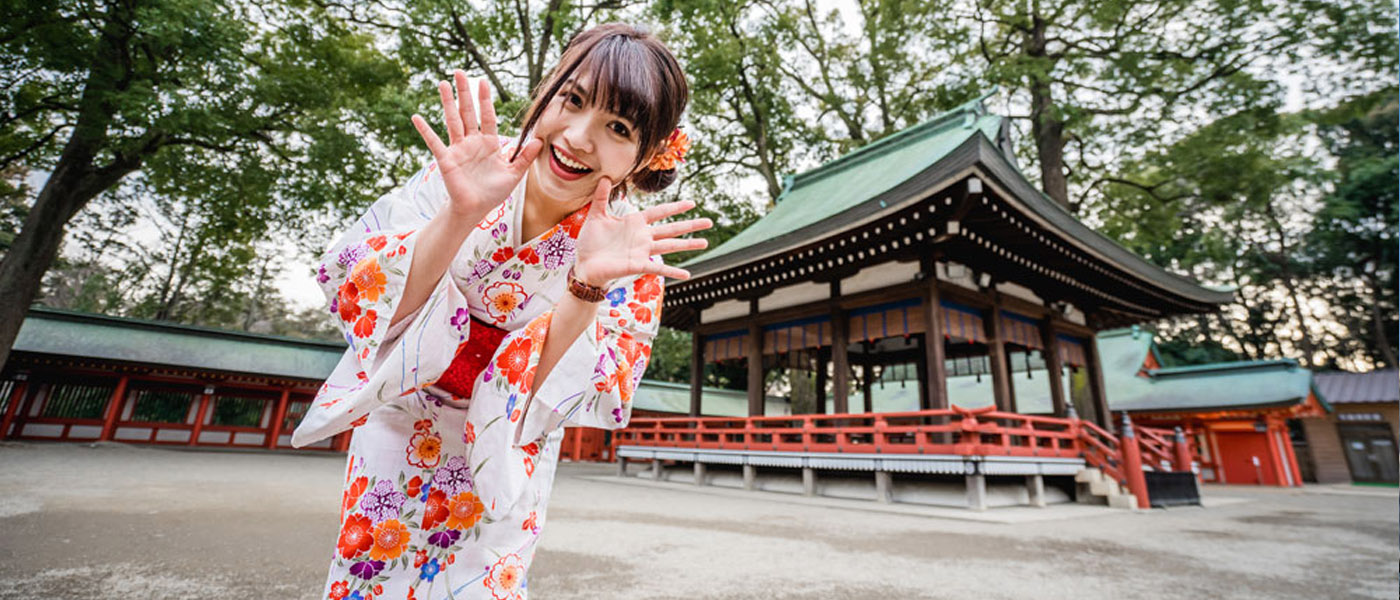
Category: men’s yukata

  • What is a Yukata? Your Guide to Japan’s Summer Kimono

    Have you ever seen those beautiful, lightweight robes worn at Japanese summer festivals and wondered what they were? You were likely looking at a yukata—one of Japan’s most beloved traditional garments. Far from being just another pretty robe, the yukata carries centuries of cultural meaning while remaining surprisingly practical for modern life.

    In this guide, you’ll discover everything you need to know about yukatas, from their fascinating history to practical tips for wearing one yourself. Whether you’re planning a trip to Japan or simply curious about Japanese culture, understanding the yukata opens a window into the heart of Japanese tradition.

    What Exactly is a Yukata?

    A yukata is a casual summer kimono made from lightweight cotton or synthetic fabric. The word “yukata” literally translates to “bathing clothes” (yu = bath, kata = clothes), revealing its humble origins as post-bath wear. Today, yukatas serve as comfortable summer clothing perfect for festivals, fireworks displays, and hot weather relaxation. In the West, yukata are worn year round.

    Unlike their formal kimono cousins, yukatas embrace simplicity. They feature bold, colorful patterns—think bright florals, geometric designs, or traditional motifs like goldfish and fans. The lightweight fabric makes them ideal for Japan’s notoriously humid summers, while their relaxed styling keeps wearers cool and comfortable.

    Most yukatas come in standard sizes with an adjustable fit achieved through specific folding and tying techniques. This one-size-fits-most approach reflects the garment’s practical nature and democratic accessibility—anyone can enjoy wearing a yukata regardless of body type.

    The Rich History Behind the Yukata

    The yukata’s story begins over 1,000 years ago during Japan’s Heian period (794-1185). Originally, nobles wore simple linen robes called “yukatabira” after bathing in hot springs. These early versions were purely functional—thin, absorbent garments that helped cool the body and absorb moisture.

    During the Edo period (1603-1868), yukatas evolved beyond bathhouse walls. Merchants and artisans began wearing them as everyday summer clothing, and the designs grew more elaborate. This period saw the emergence of regional styles and the development of yukata-specific dyeing techniques like “chusen,” which creates the characteristic bleeding patterns many yukatas display.

    The Meiji period (1868-1912) brought Western influence to Japan, but rather than disappearing, yukatas adapted. They became symbols of Japanese identity during a time of rapid modernization. Families would don matching yukatas for summer outings, creating lasting memories and strengthening cultural bonds.

    Yukata vs. Kimono: Understanding the Differences

    While yukatas and kimonos share similar silhouettes, they’re distinct garments with different purposes, materials, and cultural significance. Understanding these differences helps appreciate each garment’s unique role in Japanese culture.

    Fabric and Construction

    Formal kimonos are typically made from silk, with elaborate designs often featuring metallic threads or hand-painted details. They’re lined garments designed for formal occasions and cooler weather. Yukatas, conversely, use unlined cotton or synthetic fabrics in bright, bold patterns printed using various dyeing techniques.

    Formality Level

    Think of kimonos as formal evening wear—they’re appropriate for weddings, tea ceremonies, and important cultural events. Yukatas are casual clothing, perfect for summer festivals, casual dining, or lounging at home. You wouldn’t wear a yukata to a formal event, just as you wouldn’t wear a tuxedo to a barbecue.

    Undergarments and Accessories

    Proper kimono wearing requires multiple undergarments, including a special undershirt (hadajuban) and underskirt (susoyoke). Yukatas are much simpler—you can wear them over regular underwear or a thin slip. Kimono accessories include elaborate obi (sash) and various decorative elements, while yukata accessories remain minimal and functional.

    Cost and Accessibility

    Quality kimonos can cost thousands of dollars, making them significant investments often passed down through generations. Yukatas are much more affordable, with decent quality options available for under $75. This accessibility makes yukatas perfect for those wanting to experience Japanese traditional dress without major financial commitment.

    When and Where to Wear a Yukata

    Yukatas have specific appropriate contexts that honor their cultural significance while ensuring you look stylish and respectful.

    Summer Festivals (Matsuri)

    Summer festivals are the yukata’s natural habitat. From July through September, Japanese festivals celebrate everything from local deities to seasonal changes. Wearing a yukata to these events isn’t just appropriate—it’s encouraged. The flowing fabric keeps you cool while the traditional aesthetic enhances the festival atmosphere.

    Popular festivals perfect for yukata wearing include the Gion Matsuri in Kyoto, Tanabata festivals across Japan, and local bon festivals. Many festival-goers coordinate their yukata colors with friends or family members, creating beautiful visual harmony in the crowds.

    Fireworks Displays (Hanabi)

    Japanese fireworks displays are spectacular events that draw millions of viewers each summer. Wearing a yukata to hanabi viewing parties is a cherished tradition that dates back centuries. The combination of colorful yukatas, twinkling fireworks, and warm summer evenings creates magical memories.

    Hot Spring Resorts (Onsen)

    Many onsen resorts provide yukatas as loungewear for guests. After soaking in mineral-rich hot springs, slipping into a soft cotton yukata feels incredibly relaxing. Some guests enjoy wearing these yukatas while exploring resort grounds, dining, or socializing with other visitors.

    Cultural Events and Performances

    Traditional performances like kabuki, bunraku puppet theater, or classical music concerts welcome appropriately dressed audiences. A yukata demonstrates cultural appreciation and adds to the authentic atmosphere these events strive to create.

    Modern Casual Settings

    Contemporary Japan has embraced yukatas in new contexts. Some restaurants encourage yukata dining, especially during summer months. Art galleries, museums, and cultural centers often host yukata-friendly events that blend traditional dress with modern cultural appreciation.

    Essential Tips for Wearing a Yukata

    Wearing a yukata properly requires understanding both the physical techniques and cultural etiquette involved. Follow these tips to look authentic and feel comfortable.

    Choosing the Right Size and Fit

    Unlike Western clothing, yukatas don’t rely on precise measurements. The key is achieving proper length and adjustability through folding techniques. The ideal yukata should be slightly longer than your height, allowing for proper hip adjustment and ankle coverage.

    When trying on a yukata, check that the hem falls between your ankles and mid-calf. Too short looks awkward, while too long creates tripping hazards and spoils the clean lines yukatas are known for.

    Putting On Your Yukata Step-by-Step

    Start by putting your arms through the sleeves and pulling the yukata around your body. The left panel should overlap the right—getting this backwards is a serious cultural error associated with dressing the deceased. Adjust the length by lifting the fabric at your waist and creating a small fold called an “ohashori.”

    Secure the yukata with the obi or sash around your waist. For casual wear, simple bow knots work perfectly, though more elaborate obi tying creates stunning visual effects. The obi should sit comfortably at your natural waist, not too high or too low.

    Selecting Appropriate Accessories

    Traditional yukata accessories enhance both comfort and style. Geta (wooden sandals) are classic footwear choices that provide height and an authentic clicking sound as you walk. For beginners, flat geta or comfortable sandals work better than high platforms. While indoors, many prefer wearing tabi or toe socks for added comfort.

    Consider carrying a small drawstring bag (kinchaku) that complements your yukata’s colors. These traditional purses hold essentials while maintaining the outfit’s historical authenticity. Hair accessories like decorative combs or flowers add elegant finishing touches, especially for longer hairstyles.

    Movement and Posture Tips

    Wearing a yukata affects how you move and sit. Take smaller steps than usual—the narrow hem restricts stride length but creates graceful, deliberate movement. When sitting, gather the back of the yukata beneath you to prevent wrinkles and maintain the garment’s shape.

    Avoid reaching high or making sudden movements that might disturb the careful wrapping. This limitation encourages mindful, composed behavior that aligns with traditional Japanese concepts of grace and dignity.

    Cultural Significance and Etiquette

    Understanding yukata etiquette shows respect for Japanese culture and ensures you wear this traditional garment appropriately.

    Color and Pattern Meanings

    Yukata patterns carry symbolic meanings that add depth to your clothing choice. Cherry blossoms represent the fleeting nature of beauty, while chrysanthemums symbolize longevity and nobility. Goldfish patterns evoke summer coolness, and geometric designs often represent family crests or regional identities.

    Darker colors suit evening events, while lighter, brighter patterns work well for daytime activities. Subtle patterns show sophistication, while bold designs express youthful energy and celebration.

    Seasonal Appropriateness

    Yukatas are specifically summer garments, typically worn from June through September in Japan. Wearing one during winter months or spring cherry blossom season would seem odd to Japanese observers. Respect these seasonal boundaries to demonstrate cultural understanding. Throughout the West, people wear them year round for comfort and to relax.

    Respectful Wearing Practices

    Never wear a yukata to solemn occasions like funerals or formal business meetings. These garments represent leisure, celebration, and relaxation—contexts that would be inappropriate for serious formal events.

    Always ensure the left panel overlaps the right when wrapping your yukata. This seemingly small detail carries significant cultural weight, and getting it wrong can be deeply offensive to Japanese observers.

    Modern Yukata Culture

    Today’s yukata culture blends traditional elements with contemporary innovation, creating new opportunities for cultural engagement and personal expression. Yukata popularity has spread globally, with enthusiasts worldwide participating in Japanese cultural events and festivals. This international appreciation helps preserve traditional crafts while creating new markets for skilled artisans.

    Fashion designers have also drawn inspiration from yukata silhouettes, creating fusion garments that blend Japanese aesthetics with international style preferences. These adaptations help introduce wider audiences to Japanese culture through familiar fashion contexts.

    If you are seeking to buy a Kimono or Yukata, check out the fine selection of robes at Kimono Shop. Kimono Shop has been a leading online provider of authentic Japanese robes for over 30 years. Shop with confidence in your home or office. Their online Kimono Shop is open 24 hours a day. Shipping is quick, and most orders ship within one business day. Kimono Shop is a US-based company and ships from Northwest Florida. No need to worry about tariffs, customs duties, or import fees. Kimono Shop takes care of that for your added convenience and value.

  • Unlocking the Best Online Kimono Shopping Experience: Our Survey Insights.

    In the quest to provide unbeatable online shopping experiences for kimono and yukata enthusiasts, we embarked on a comprehensive customer service satisfaction survey. Our goal was straightforward: to ensure that every aspect of our service not only meets but exceeds our customers’ expectations. Today, we’re excited to share the insights gleaned from your feedback and the steps we’re taking to make shopping with us even better.

    Survey Highlights: A Testament to Quality and Service

    Our customers have spoken, and the feedback is overwhelmingly positive. From quick response times to the exceptional quality of our kimono and yukata, it’s clear our commitment to excellence hasn’t gone unnoticed. Here are some of the key findings from our survey:

    Rapid Response Times: Time is precious, and our team ensures that your queries and special requests are addressed swiftly.

    High-Quality Selection at Reasonable Prices: Our selection of kimono and yukata is praised not just for their beauty and authenticity but also for the value they represent.

    Efficient Order and Delivery Process: From order processing to delivery, efficiency is our mantra. Our customers appreciate the fast shipping times and the low nominal shipping costs on orders that don’t qualify for free shipping.

    Accuracy and Satisfaction with Orders: Receiving what you ordered, precisely as you envisioned it, is crucial. Our survey results commend our accuracy and the overall satisfaction with the received products.

    The Return Experience: Returns can be a hassle, but we strive to make the process as smooth as possible, ensuring you’re happy with the outcome. Our customers spoke and praised our easy return policy and speed of refunds or exchanges.

    Customer Testimonials: In Your Own Words

    One of our customers shared their delight: “I received my kimono today, and it is well above my expectations! It’s comfortable and well-made. I will be back for more!”

    This is just one of many testimonials that echo the sentiment of satisfaction and joy experienced by our customers.

    Our Commitment to Continuous Improvement

    Armed with your feedback, we’re implementing several enhancements to our services. Whether it’s streamlining our shipping processes or expanding our selection, we’re committed to making your online kimono shopping experience the best it can be.

    Email and Social Media Marketing – Staying Connected

    We understand the importance of keeping you updated and engaged. Our low-pressure email and social media marketing efforts are geared toward bringing you the latest styles, deals, and insights into the world of kimono and yukata fashion. Stay tuned for tips, trends, and exclusive offers that celebrate the beauty and tradition of Japanese attire. Our customers said they prefer deals to be announced on social media rather than emails. We listened and will guide more efforts into social media.

    Summary

    Your feedback drives us to do better, and we’re grateful for the opportunity to serve you. At Kimono Shop, we’re not just selling kimono and yukata; we’re offering an experience steeped in tradition, supported by customer service that’s second to none.

    Thank you for choosing us as your preferred destination for kimono and yukata shopping. We look forward to continuing to meet and exceed your expectations, making every purchase with us a memorable one.

  • Thirty Years Under Our Obi Means Many Happy Repeat Customers

    In an age where the online marketplace is more crowded than the streets of Tokyo during the cherry blossom season, standing out as a go-to source for authentic Japanese kimonos and Yukata is no small feat. At Kimono Shop, we’ve done just that, weaving a tapestry of trust and satisfaction that spans over three decades.

    Our customers, a diverse blend of men and women of all ages, return time and time, not just for our vast selection of over 100 styles, prints, colors, and sizes, but because they recognize the unmatched value we’ve stitched into every fabric of our business.

    Why Do Customers Keep Coming Back?

    Our repeat customers aren’t just numbers in a database; they are satisfied patrons who step out into the world adorned in more than just a garment – they wear a story, a tradition, and a piece of craftsmanship that’s been carefully selected and delivered with care.

    Satisfaction Guaranteed

    One of our loyal customers shared, “My kimono arrived in perfect condition. The design was absolutely beautiful, and it was a great value. The quality alone is worth more than what they charge. I highly recommend Kimono Shop for your kimono and Yukata. I own several and have purchased more as gifts.” This testimonial isn’t a lone cherry blossom; it’s reflective of the garden of satisfaction we’ve cultivated.

    A Case Study in Loyalty

    Our commitment to quality and service shines through in the long-term relationships we’ve built. A poignant example is a spa owner who has adorned her staff and spa with our yukata for nearly two decades. Her choice reflects not just a preference for our lightweight, gorgeous, machine-washable cotton robes but an understanding of the value they add to her business and the comfort they bring to her clients.

    Beyond The Product

    At Kimono Shop, it isn’t just about the kimono or yukata; it’s about the entire experience. Fast shipping from the USA, easy returns, free shipping on qualified orders, and easy care are pillars that support our towering reputation. Our customers understand this, and their loyalty is a testament to our business culture.

    Anchored In Tradition, Thriving on Trust

    Established 30 years ago, our business is not just a purveyor of fine Japanese garments; we are custodians of tradition, offering authenticity in a digital age defined by fleeting trends and momentary desires. Our customers recognize this – their loyalty is our legacy, and their satisfaction is our future.

    A Continuous Thread of Excellence

    The emotional weave of every interaction – from browsing to unpacking – is what keeps our customers loyal. Their repeat business isn’t merely transactional; it’s an ongoing relationship built on mutual respect and appreciation for the art of the kimono and yukata.

    In a world where everything is temporary, Kimono Shop stands as a beacon of continuity, tradition, and quality. Our customers know this, and it’s why they return, season after season, year after year, decade after decade. Here’s to celebrating thirty years of unwavering customer loyalty. Here’s to celebrating you.

    Join the Kimono Shop family today and experience the difference that dedication, quality, and care can make in your wardrobe. Because when you choose Kimono Shop, you’re not just buying a kimono or yukata – you’re choosing a legacy of excellence.

    beautiful kimono in blue
  • Why Kimono Manufacturing Has Become a Challenge in Japan

    Japan is world-renowned for its exquisite textile arts and particularly for creating stunning kimono and yukata garments. These traditional Japanese clothing styles are more than just clothing. They represent the cultural history and traditions of the nation. But, Japan is facing a challenge in the manufacturing of kimono and yukata. A shortage of labor and skilled sewers coupled with the rising cost of fabrics due to Covid-19 have caused many businesses to shut down. Plus, the pandemic safety measures imposed by the government have put many other companies out of business. In this blog post, we’ll explore why kimono manufacturing has become so difficult in Japan.

    First, let’s discuss the shortage of labor and skilled sewers. The average age of kimono and yukata sewers is around 60 years old. Since younger generations are not taking interest in sewing as a career choice, many manufacturers struggle to find workers. It is also a highly skilled trade that requires years of apprenticeship and practice. Furthermore, the pandemic has brought a halt to training and new hires because of social distancing and lockdowns.

    Secondly, the cost of fabric has continued to increase since Covid-19. Many businesses rely on imported fabrics or silk, which has become more expensive because of shipping restrictions. This has caused some manufacturers to cut costs by using cheaper and lower quality materials or find alternative ways to source the materials. Some businesses may have to change their strategy and focus more on the domestic market to save costs.

    Thirdly, many businesses shut down because they couldn’t survive the lockdowns and precautions Japan initiated during the pandemic. The pandemic has caused a huge economic impact in Japan, and many small businesses and manufacturers have been forced to shut down. For kimono manufacturers, the cultural significance of the garment may have made it difficult to pivot to more fashionable, modern garments.

    Lastly, Japan was under tight scrutiny for several years. Specifically, the government restricted the export of some materials and manufacturing processes to prevent imitation from other countries. It’s not only the manufacturing process, but the silk and fabrics are heavily controlled and monitored. While these measures have maintained the quality of kimono manufacturing, it has also made it difficult for companies to innovate and adapt to changing market demands.

    As we have learned, the manufacturing of kimono and yukata has become increasingly difficult in Japan because of a shortage of labor and skilled workers as well as the rising costs of fabrics due to Covid-19. Plus, the pandemic safety measures imposed by the government have put many other companies out of business. Japan prides itself on its traditional textile arts and crafts, and it’s a shame that this art form is slowly diminishing.

    However, it’s not all bad news. Some manufacturers are finding success with modern designs and materials that cater to a younger audience. It is the creative minds who will bring the new and old together and create the perfect balance for the future. It is up to us to preserve this distinct part of Japan’s culture by continuing to support its production and encourage future generations to learn and take an interest in it.

    Kimono Shop stands by it’s producers and manufacturers. Changes have been made but with integrity and quality at the top of our goal. Materials have been maintained, not cheapened. Locating and maintaining quality, skilled, veteran sewers is a must. We would rather forfeit some styles for a period of time rather than accept inferior. We are grateful for our longstanding relationships and the efforts of our partners. Long Live the Kimono and Yukata.  See our entire remarkable collection of Japanese robes at www.kimonoshop.com.

  • Answering the Top Five Questions about Kimonos

    Kimonos have been worn for centuries. Their unique and beautiful design has captured the hearts of people all around the world. However, shopping for the perfect kimono can be daunting, especially if you’re not sure where to go. Here at Kimono Shop, we’ve been in the business for over 30 years. We know the ins and outs of our products better than anyone else.

    We frequently receive questions about kimonos and how we manage to offer such a large variety of sizes at competitive prices. It is our pleasure to answer these for you. In this blog, we’ll delve into the top five questions we receive about kimonos and why we’re your best bet for finding the perfect one.

    1. Why is Kimono Shop the Best Place to Shop?

    At Kimono Shop, we pride ourselves on providing one of the largest selections of authentic, high-quality kimonos in the market. We work with skilled artisans in Japan to bring you genuine Kimonos. Made by master craftspeople and using traditional techniques to ensure that each product is high quality.

    Additionally, we offer more sizes than most other shops. All of our kimonos are shipped directly from our facilities in the USA. We cut out the middleman and importing hassles with customs and duties. This means we have total control of quality, and we ensure that each kimono is carefully inspected before it’s shipped to our customers.

    2. How does Kimono Shop ship so quickly?

    Our team understands the importance of timely fashion. We strive to ship all orders promptly and most ship within one business day. Orders are filled promptly and usually delivered within a few business days to the address provided. We use the best courier to handle your shipment to ensure that you receive your order quickly and at the right time.

    Our goal is to offer a secure and reliable shipping service that ensures that your Kimono arrives in good condition and on time.

    3. Why does Kimono Shop offer so many more sizes than other stores?

    Kimonos are beautiful and offer many benefits. We understand that, at Kimono Shop. Every person is unique, and we offer different patterns and sizes to ensure that almost everyone can find a Kimono that fits. Unlike other shops that offer a limited range of sizes, we offer customers sizes ranging from petite to plus sizes up to 2XL/Wide. This means that everyone can find a Kimono that fits their size and taste.

    4. Why are Kimono Shop’s prices so competitive?

    Kimono Shop values our customers and wants to provide them with the best Kimono at affordable prices. As a direct importer, we offer competitive pricing while maintaining the quality of Kimonos. Our online store allows customers to shop from anywhere in the country. This makes us accessible to tens of millions of people. Furthermore, all of our Kimonos are made using authentic cotton fabrics that are easy to maintain and will last. This ensures that our customers get their money’s worth for their purchase.

    5. Is Kimono Shop a USA-based business?

    Yes! At Kimonoshop.com, we have offices and warehouses in Northwest Florida, USA. This means that we’re easy to reach and communicate with. We are an employee-owned business that has prided itself on offering genuine Kimonos for decades. Our business roots date back to 1994 when we started selling authentic Japanese Kimonos to the Colorado market. Since then, we have expanded our reach to serve customers nationwide, including Alaska and Hawaii.

    Shopping for kimonos can be exciting and fun, but it doesn’t have to be daunting. When you shop for kimonos with Kimono Shop, you are assured that you’ll have access to an extensive range of authentic, high-quality kimonos. Our unique assortment of sizes ensures that you’ll find a kimono that’s just right for you.

    Our quick shipping, competitive prices, and USA-based business only reiterate that we are your best bet for finding the perfect kimono. Should you have any questions and need assistance, reach out to us via our website, or email, and our customer care team will be happy to assist. Happy Shopping!