Category: made in japan

  • Butterfly Symbolism in Japanese Culture

    The delicate flutter of a butterfly’s wings can capture the imagination, but in Japan, this graceful insect is woven into the very fabric of the nation’s art and soul. More than just a beautiful creature, the butterfly holds a mirror to life, love, and the profound beauty of fleeting moments. Understanding the meaning of butterflies in Japan opens a window into a culture that finds depth in subtlety and poetry in nature.

    This rich butterfly symbolism in Japanese culture finds its most elegant expression in traditional garments. From the formal silks of a wedding kimono to the light cotton of a summer yukata, butterfly motifs tell a story of transformation, joy, and timeless elegance. We will explore the deep meanings behind these designs, see how they compare to other traditional patterns, and offer guidance on how to wear and style these beautiful pieces.

    The Core Meanings of Butterflies in Japan

    In Japanese art and literature, the butterfly, or chō (蝶), is a multifaceted symbol. It dances between the worlds of the living and the spiritual, embodying concepts that are central to Japanese thought.

    Transformation and Rebirth

    The butterfly’s journey from a humble caterpillar to a magnificent winged creature is a powerful universal metaphor for change. In Japan, this represents not just physical transformation but also personal growth and spiritual evolution. It symbolizes the soul’s journey, making it a poignant motif for marking significant life changes, from coming-of-age ceremonies to new beginnings. This idea of metamorphosis resonates deeply, reminding us that great beauty can emerge from periods of quiet development.

    Feminine Beauty and Grace

    With its delicate form and gentle, dancing flight, the butterfly is a powerful emblem of feminine beauty and elegance. Its association with grace makes it one of the most beloved Japanese kimono patterns. A butterfly kimono doesn’t just adorn the wearer; it imbues her with an aura of refinement and gentle strength. This symbolism dates back centuries, with courtly ladies of the Heian period (794–1185) admiring butterflies as representations of ideal feminine charm.

    The Beauty of Impermanence: Mono no Aware

    Perhaps the most uniquely Japanese interpretation of the butterfly is its connection to mono no aware (物の哀れ). This philosophical concept translates roughly to “the pathos of things” or an awareness of the transient, impermanent nature of life. The butterfly lives for only a short time, yet its existence is one of incredible beauty.

    This serves as a reminder to cherish the present moment and find beauty in its fleetingness. Just as cherry blossoms are admired for their brief but spectacular bloom, the butterfly teaches an appreciation for ephemeral beauty. This concept, refined during the Edo period (1603-1868), is a cornerstone of Japanese aesthetics and gives the butterfly motif a deep, contemplative quality.

    Love and Marital Bliss

    When butterflies appear in pairs, their symbolism shifts to themes of love, partnership, and marital happiness. Two butterflies fluttering together are seen as a perfect picture of a joyful and harmonious union. For this reason, the paired butterfly motif is a popular choice for wedding attire, particularly on the bride’s uchikake (a formal, ornate outer kimono). A butterfly kimono worn at a wedding is a wish for a long, happy, and devoted life with one’s partner.

    Butterflies on Kimono and Yukata: A Closer Look

    The application of butterfly motifs on traditional garments is a deliberate art form. The type of garment, the season, and the occasion all influence the design.

    The Elegance of the Butterfly Kimono

    A butterfly kimono can be worn for various formal and semi-formal occasions. The design’s execution—from fabric to placement—speaks volumes.

    • Occasions: Butterfly motifs are especially appropriate for celebratory events like weddings, tea ceremonies, and spring festivals. They signify joy, new beginnings, and refined beauty.
    • Fabric and Design: On formal kimonos like furisode (long-sleeved kimono for unmarried women) or hōmongi (visiting wear), butterflies are often rendered in exquisite detail using techniques like yūzen dyeing or embroidery. The patterns may be scattered across the sleeves and hem or featured as a central design element.
    • Color Symbolism: The colors used can add another layer of meaning. Red and gold butterflies might signify luck and prosperity, while purple and white combinations evoke a sense of high elegance.

    The Joyful Spirit of the Butterfly Yukata

    The butterfly yukata, a lighter cotton garment for summer, embodies a more carefree spirit.

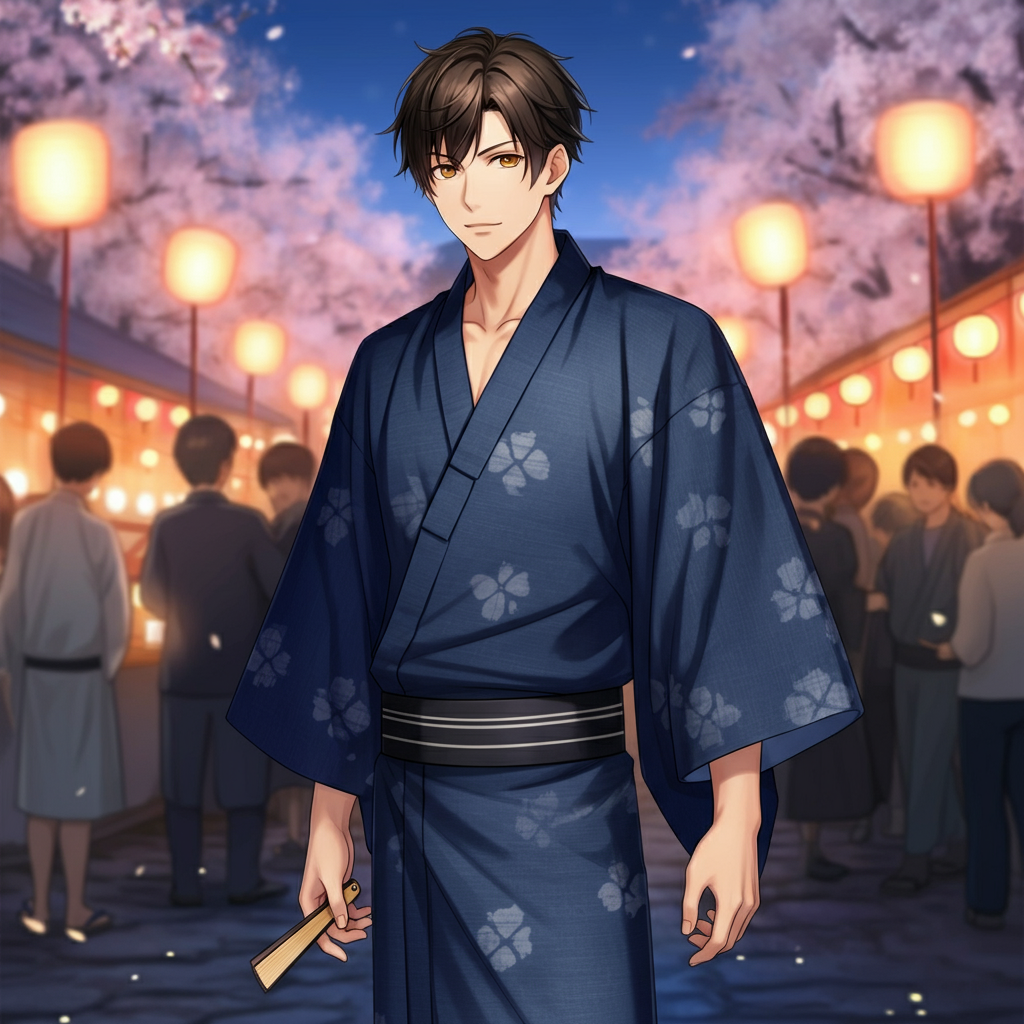
    • Occasions: A butterfly yukata is perfect for summer festivals (matsuri), fireworks displays, and casual summer outings. Its connection to nature and joy makes it a festive favorite.
    • Fabric and Design: Yukata designs are typically printed rather than hand-dyed. Butterfly patterns are often stylized and combined with other summer motifs like morning glories or flowing water, creating a vibrant and energetic look. The lightweight cotton is designed for comfort in warm, humid weather.
    • Modern Loungewear: Today, this beautiful symbolism extends to modern loungewear inspired by traditional robes. These pieces blend the comfort of relaxed silhouettes with the rich artistic heritage of Japanese kimono patterns, allowing you to enjoy this cultural elegance every day. See our Loungewear Collection.

    Choosing Your Motif: Butterflies vs. Other Patterns

    When selecting a kimono or yukata, you’ll encounter many beautiful Japanese kimono patterns. Understanding how butterflies compare to other popular motifs can help you choose the one that speaks to you.

    • Butterflies vs. Sakura (Cherry Blossoms): While both are tied to spring and the concept of mono no aware, butterflies represent dynamic transformation and personal growth. Sakura, on the other hand, symbolizes renewal and the collective beauty of a fleeting moment.
    • Butterflies vs. Cranes (Tsuru): Cranes are symbols of longevity, good fortune, and fidelity, as they are believed to live for a thousand years and mate for life. They are a very auspicious and formal motif, often reserved for weddings. Butterflies offer a softer, more personal symbolism related to beauty, grace, and change.

    Ultimately, the choice is personal. A butterfly kimono is ideal for someone celebrating personal transformation or wishing to express grace and joy.

    How to Style Your Butterfly Kimono or Yukata

    Wearing a traditional Japanese garment is an art. Here are some tips to help you style your piece with grace.

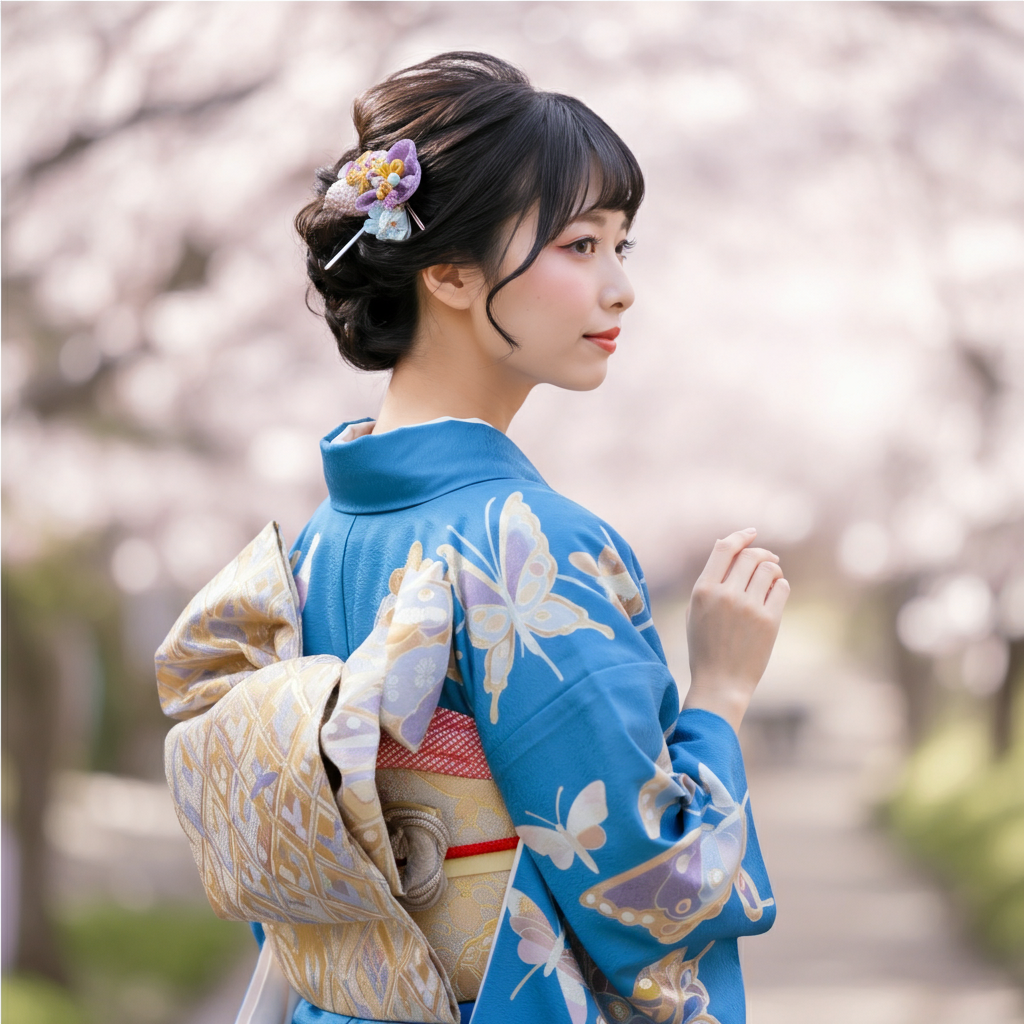
    • Obi Selection: The obi (sash) is key to the overall look. For a multi-colored butterfly kimono, pick a dominant color from the pattern for your obi to create a cohesive look. Alternatively, choose a complementary color for a bold, modern statement. A yellow obi with a blue kimono, for instance, can be stunning.
    • Accessories: Keep accessories simple to let the garment shine. A traditional kanzashi (hair ornament), perhaps with a subtle butterfly or floral motif, is a perfect touch. Pair with simple zōri (sandals) and a kinchaku (drawstring bag).
    • Hairstyles: An elegant updo is traditional and practical, as it keeps your neck cool and showcases the beautiful collar of the kimono or yukata. Simple, clean hairstyles complement the intricate patterns.

    Buyer’s Guide: Finding the Perfect Piece

    When investing in a butterfly kimono or butterfly yukata, consider these factors:

    • Fit: Traditional garments are sized differently. Pay attention to the mitake (length from shoulder to hem) and yuki (sleeve span). Most can be adjusted with the obi.
    • Fabric: Silk is for a formal kimono, offering a luxurious drape. Cotton is standard for yukata, prized for its breathability. Modern pieces may use blends like cotton-satin or rayon for easy care.
    • Craftsmanship: Look at the quality of the print or embroidery. Even on printed yukata, crisp lines and vibrant colors are a sign of good quality.
    • Care: Check the care instructions. Silk kimonos require professional cleaning, while most cotton yukata can be hand-washed or machine-washed on a delicate cycle.

    A Note on Cultural Etiquette

    Wearing a kimono or yukata is a way of appreciating Japanese culture. To do so respectfully, ensure you are wearing it correctly. The most critical rule is to always wrap the left side over the right side. The opposite (right over left) is reserved for dressing the deceased for burial.

    Frequently Asked Questions

    1. What does a butterfly mean on a kimono?
    A butterfly on a kimono carries several meanings. It most often symbolizes feminine beauty, grace, and personal transformation. When shown in pairs, butterflies represent marital bliss and a happy union. The butterfly symbolism in Japanese culture is rich, also connecting the insect to the soul and the joyful spirit of summer.

    2. Is a butterfly yukata appropriate for festivals?
    Absolutely. A butterfly yukata is a perfect choice for summer festivals (matsuri). The butterfly is a symbol of joy, summer, and carefree beauty, which aligns perfectly with the festive atmosphere. It’s a very popular and appropriate motif.

    3. What are the best colors for butterfly motifs?
    There are no “wrong” colors, as it depends on the desired mood. Bright colors like red, pink, and yellow create a youthful and joyful feeling. Deeper colors like indigo, purple, and black lend an air of sophistication and elegance. The background color of the fabric is just as important in setting the overall tone.

    4. Can men wear butterfly patterns?
    Traditionally, butterfly motifs are considered feminine and are almost exclusively found on women’s garments. Men’s kimono patterns tend to feature geometric designs, landscapes, or more “masculine” symbols like dragons or tigers.

    Embrace the Beauty of Transformation

    The butterfly is more than a pattern; it is a piece of poetry you can wear. It tells a story of change, beauty, and the quiet wisdom of appreciating every moment. The rich butterfly symbolism in Japanese culture adds a layer of depth and meaning, transforming a beautiful garment into a personal statement.

    Are you ready to find the design that reflects your own journey? Explore our curated collection of butterfly-themed kimonos, yukata, and loungewear, and let this timeless symbol of elegance become a part of your story.
  • What is a Yukata? Your Guide to Japan’s Summer Kimono

    Have you ever seen those beautiful, lightweight robes worn at Japanese summer festivals and wondered what they were? You were likely looking at a yukata—one of Japan’s most beloved traditional garments. Far from being just another pretty robe, the yukata carries centuries of cultural meaning while remaining surprisingly practical for modern life.

    In this guide, you’ll discover everything you need to know about yukatas, from their fascinating history to practical tips for wearing one yourself. Whether you’re planning a trip to Japan or simply curious about Japanese culture, understanding the yukata opens a window into the heart of Japanese tradition.

    What Exactly is a Yukata?

    A yukata is a casual summer kimono made from lightweight cotton or synthetic fabric. The word “yukata” literally translates to “bathing clothes” (yu = bath, kata = clothes), revealing its humble origins as post-bath wear. Today, yukatas serve as comfortable summer clothing perfect for festivals, fireworks displays, and hot weather relaxation. In the West, yukata are worn year round.

    Unlike their formal kimono cousins, yukatas embrace simplicity. They feature bold, colorful patterns—think bright florals, geometric designs, or traditional motifs like goldfish and fans. The lightweight fabric makes them ideal for Japan’s notoriously humid summers, while their relaxed styling keeps wearers cool and comfortable.

    Most yukatas come in standard sizes with an adjustable fit achieved through specific folding and tying techniques. This one-size-fits-most approach reflects the garment’s practical nature and democratic accessibility—anyone can enjoy wearing a yukata regardless of body type.

    The Rich History Behind the Yukata

    The yukata’s story begins over 1,000 years ago during Japan’s Heian period (794-1185). Originally, nobles wore simple linen robes called “yukatabira” after bathing in hot springs. These early versions were purely functional—thin, absorbent garments that helped cool the body and absorb moisture.

    During the Edo period (1603-1868), yukatas evolved beyond bathhouse walls. Merchants and artisans began wearing them as everyday summer clothing, and the designs grew more elaborate. This period saw the emergence of regional styles and the development of yukata-specific dyeing techniques like “chusen,” which creates the characteristic bleeding patterns many yukatas display.

    The Meiji period (1868-1912) brought Western influence to Japan, but rather than disappearing, yukatas adapted. They became symbols of Japanese identity during a time of rapid modernization. Families would don matching yukatas for summer outings, creating lasting memories and strengthening cultural bonds.

    Yukata vs. Kimono: Understanding the Differences

    While yukatas and kimonos share similar silhouettes, they’re distinct garments with different purposes, materials, and cultural significance. Understanding these differences helps appreciate each garment’s unique role in Japanese culture.

    Fabric and Construction

    Formal kimonos are typically made from silk, with elaborate designs often featuring metallic threads or hand-painted details. They’re lined garments designed for formal occasions and cooler weather. Yukatas, conversely, use unlined cotton or synthetic fabrics in bright, bold patterns printed using various dyeing techniques.

    Formality Level

    Think of kimonos as formal evening wear—they’re appropriate for weddings, tea ceremonies, and important cultural events. Yukatas are casual clothing, perfect for summer festivals, casual dining, or lounging at home. You wouldn’t wear a yukata to a formal event, just as you wouldn’t wear a tuxedo to a barbecue.

    Undergarments and Accessories

    Proper kimono wearing requires multiple undergarments, including a special undershirt (hadajuban) and underskirt (susoyoke). Yukatas are much simpler—you can wear them over regular underwear or a thin slip. Kimono accessories include elaborate obi (sash) and various decorative elements, while yukata accessories remain minimal and functional.

    Cost and Accessibility

    Quality kimonos can cost thousands of dollars, making them significant investments often passed down through generations. Yukatas are much more affordable, with decent quality options available for under $75. This accessibility makes yukatas perfect for those wanting to experience Japanese traditional dress without major financial commitment.

    When and Where to Wear a Yukata

    Yukatas have specific appropriate contexts that honor their cultural significance while ensuring you look stylish and respectful.

    Summer Festivals (Matsuri)

    Summer festivals are the yukata’s natural habitat. From July through September, Japanese festivals celebrate everything from local deities to seasonal changes. Wearing a yukata to these events isn’t just appropriate—it’s encouraged. The flowing fabric keeps you cool while the traditional aesthetic enhances the festival atmosphere.

    Popular festivals perfect for yukata wearing include the Gion Matsuri in Kyoto, Tanabata festivals across Japan, and local bon festivals. Many festival-goers coordinate their yukata colors with friends or family members, creating beautiful visual harmony in the crowds.

    Fireworks Displays (Hanabi)

    Japanese fireworks displays are spectacular events that draw millions of viewers each summer. Wearing a yukata to hanabi viewing parties is a cherished tradition that dates back centuries. The combination of colorful yukatas, twinkling fireworks, and warm summer evenings creates magical memories.

    Hot Spring Resorts (Onsen)

    Many onsen resorts provide yukatas as loungewear for guests. After soaking in mineral-rich hot springs, slipping into a soft cotton yukata feels incredibly relaxing. Some guests enjoy wearing these yukatas while exploring resort grounds, dining, or socializing with other visitors.

    Cultural Events and Performances

    Traditional performances like kabuki, bunraku puppet theater, or classical music concerts welcome appropriately dressed audiences. A yukata demonstrates cultural appreciation and adds to the authentic atmosphere these events strive to create.

    Modern Casual Settings

    Contemporary Japan has embraced yukatas in new contexts. Some restaurants encourage yukata dining, especially during summer months. Art galleries, museums, and cultural centers often host yukata-friendly events that blend traditional dress with modern cultural appreciation.

    Essential Tips for Wearing a Yukata

    Wearing a yukata properly requires understanding both the physical techniques and cultural etiquette involved. Follow these tips to look authentic and feel comfortable.

    Choosing the Right Size and Fit

    Unlike Western clothing, yukatas don’t rely on precise measurements. The key is achieving proper length and adjustability through folding techniques. The ideal yukata should be slightly longer than your height, allowing for proper hip adjustment and ankle coverage.

    When trying on a yukata, check that the hem falls between your ankles and mid-calf. Too short looks awkward, while too long creates tripping hazards and spoils the clean lines yukatas are known for.

    Putting On Your Yukata Step-by-Step

    Start by putting your arms through the sleeves and pulling the yukata around your body. The left panel should overlap the right—getting this backwards is a serious cultural error associated with dressing the deceased. Adjust the length by lifting the fabric at your waist and creating a small fold called an “ohashori.”

    Secure the yukata with the obi or sash around your waist. For casual wear, simple bow knots work perfectly, though more elaborate obi tying creates stunning visual effects. The obi should sit comfortably at your natural waist, not too high or too low.

    Selecting Appropriate Accessories

    Traditional yukata accessories enhance both comfort and style. Geta (wooden sandals) are classic footwear choices that provide height and an authentic clicking sound as you walk. For beginners, flat geta or comfortable sandals work better than high platforms. While indoors, many prefer wearing tabi or toe socks for added comfort.

    Consider carrying a small drawstring bag (kinchaku) that complements your yukata’s colors. These traditional purses hold essentials while maintaining the outfit’s historical authenticity. Hair accessories like decorative combs or flowers add elegant finishing touches, especially for longer hairstyles.

    Movement and Posture Tips

    Wearing a yukata affects how you move and sit. Take smaller steps than usual—the narrow hem restricts stride length but creates graceful, deliberate movement. When sitting, gather the back of the yukata beneath you to prevent wrinkles and maintain the garment’s shape.

    Avoid reaching high or making sudden movements that might disturb the careful wrapping. This limitation encourages mindful, composed behavior that aligns with traditional Japanese concepts of grace and dignity.

    Cultural Significance and Etiquette

    Understanding yukata etiquette shows respect for Japanese culture and ensures you wear this traditional garment appropriately.

    Color and Pattern Meanings

    Yukata patterns carry symbolic meanings that add depth to your clothing choice. Cherry blossoms represent the fleeting nature of beauty, while chrysanthemums symbolize longevity and nobility. Goldfish patterns evoke summer coolness, and geometric designs often represent family crests or regional identities.

    Darker colors suit evening events, while lighter, brighter patterns work well for daytime activities. Subtle patterns show sophistication, while bold designs express youthful energy and celebration.

    Seasonal Appropriateness

    Yukatas are specifically summer garments, typically worn from June through September in Japan. Wearing one during winter months or spring cherry blossom season would seem odd to Japanese observers. Respect these seasonal boundaries to demonstrate cultural understanding. Throughout the West, people wear them year round for comfort and to relax.

    Respectful Wearing Practices

    Never wear a yukata to solemn occasions like funerals or formal business meetings. These garments represent leisure, celebration, and relaxation—contexts that would be inappropriate for serious formal events.

    Always ensure the left panel overlaps the right when wrapping your yukata. This seemingly small detail carries significant cultural weight, and getting it wrong can be deeply offensive to Japanese observers.

    Modern Yukata Culture

    Today’s yukata culture blends traditional elements with contemporary innovation, creating new opportunities for cultural engagement and personal expression. Yukata popularity has spread globally, with enthusiasts worldwide participating in Japanese cultural events and festivals. This international appreciation helps preserve traditional crafts while creating new markets for skilled artisans.

    Fashion designers have also drawn inspiration from yukata silhouettes, creating fusion garments that blend Japanese aesthetics with international style preferences. These adaptations help introduce wider audiences to Japanese culture through familiar fashion contexts.

    If you are seeking to buy a Kimono or Yukata, check out the fine selection of robes at Kimono Shop. Kimono Shop has been a leading online provider of authentic Japanese robes for over 30 years. Shop with confidence in your home or office. Their online Kimono Shop is open 24 hours a day. Shipping is quick, and most orders ship within one business day. Kimono Shop is a US-based company and ships from Northwest Florida. No need to worry about tariffs, customs duties, or import fees. Kimono Shop takes care of that for your added convenience and value.

  • How New US Tariffs Could Impact Kimono and Yukata Prices

    The timeless elegance of kimonos and yukatas has long been cherished by enthusiasts and retailers alike, serving as both a symbol of Japanese tradition and a personal expression of style. However, recent changes in US trade policy may bring a surprising twist to the market for these treasured garments. With a new 24% tariff on Japanese imports, the prices you pay for these handcrafted pieces might soon reflect additional costs.

    What Do These Tariffs Mean for Kimono Enthusiasts?

    This new tariff directly impacts Japanese goods imported into the United States, including the beautiful cotton kimonos and yukatas our customers adore. But who will bear the cost of this tariff? Will it be absorbed by manufacturers? Passed along to retailers? Or ultimately reflected in the prices paid by customers? These questions create a complex ripple effect through the kimono industry.

    For a traditional cotton yukata robe priced at $100, an additional 24% tariff could push the price to $124 even before factoring in other costs like logistics and handling. These numbers demonstrate how a seemingly small percentage can have a significant impact, especially for those who are deeply passionate about owning an authentic, high-quality Japanese kimono.

    Kimono Shop’s Commitment to Quality and Affordability

    At Kimono Shop, we’ve weathered countless storms over our 30 years of experience in logistics and international trade. From shipping disruptions to container shortages, we’ve maintained an unwavering commitment to delivering exceptional quality and value to our customers. This is no exception.

    Our team is already working tirelessly to mitigate the effects of these new tariffs. Leveraging our longstanding relationships with suppliers and an unmatched understanding of global logistics, we are determined to find solutions that minimize cost increases while preserving the quality you expect from us.

    What Does This Mean for You?

    While prices for authentic Japanese kimonos and yukatas may experience an increase, our commitment to craftsmanship, tradition, and customer satisfaction will remain unchanged. When you shop with us, you’re not just purchasing a garment—you’re investing in a story, a culture, and a tradition that’s been passed down through centuries.

    How You Can Support Kimono Tradition

    • Choose quality over quantity. Every kimono or yukata from Kimono Shop is made with meticulous attention to detail, offering a piece of wearable art that will last for years.
    • Stay informed. Understanding how tariffs impact pricing helps you make more informed purchasing decisions.
    • Join a community of enthusiasts who are passionate about Japanese culture. By supporting businesses like ours, you help ensure the enduring legacy of traditional Japanese garments.

    Looking Forward

    While these tariffs present challenges, they also invite us to reflect on the craftsmanship and heritage that make kimonos and yukatas so special. We at Kimono Shop are honored to bring you these timeless garments and are committed to overcoming obstacles to ensure your experience remains as elegant and seamless as the garments themselves.

    To explore our collection and learn more about how we’re navigating these challenges, visit Kimono Shop today.

  • 32 Years of Tradition and Style with Kimono Shop

    This year, we at Kimono Shop are thrilled to celebrate 32 years of sharing the beauty and elegance of fine Japanese kimono and yukata robes. It’s been a remarkable journey filled with growth, transformation, and, most importantly, the unwavering support of our loyal customers from around the world. Here’s a look back at how we started, what we’ve achieved, and what the future holds for Your Kimono Source.

    Reflecting on Our Journey

    Founded in 1994, Chopa began as one of the early pioneers of e-commerce, offering a curated selection of Buddhist meditation supplies alongside a small collection of Japanese kimono. Over the years, our offerings expanded to include Asian home décor, meditation tools, and a diverse range of traditional Japanese garments.

    However, like any business, our path faced unexpected challenges. Hurricane Michael in 2018 dealt a devastating blow to our warehouse and operations, forcing us to rethink and rebuild. From this adversity, Kimono Shop emerged as a stronger and more focused organization. We rebranded as Your Kimono Source, concentrating exclusively on authentic kimono, yukata, and short-length Happi Coats. Today, we pride ourselves on providing a large selection of high-quality robes in various styles, colors, and sizes—all while offering stellar customer service and fast, reliable shipping from our U.S.-based operations.

    The Heart of Kimono Shop—Our Customers

    The success of Kimono Shop over the past three decades wouldn’t have been possible without the incredible support of our customers. From individuals seeking a unique piece for personal wear to spas, hotels, restaurants, and theater groups who use our robes as uniforms and costumes, we’re beyond grateful for the trust and loyalty they’ve shown us.

    One of the reasons customers keep coming back is the care and attention we place on curating authentic, high-quality garments. Many have shared stories of how our robes have added elements of beauty, tradition, and sophistication to their lives. Whether it’s a spa owner outfitting her team or an actor donning a Happi Coat for a performance, knowing our kimonos play a role in these special moments inspires us to continue offering our best.

    Moving Forward with Excitement

    With 32 incredible years behind us, we’re more excited than ever about the future. Our team is working hard on several improvements, including an updated website to enhance the customer shopping experience. Additionally, we’re expanding our selection of kimono and yukata based on valuable feedback gathered from surveys of our cherished customers.

    At Kimono Shop, we believe there’s always room for growth and improvement, and we’re committed to maintaining our standard of excellence while introducing fresh ideas that align with the needs and preferences of the community we serve.

    Thank You for an Amazing 32 Years

    This milestone is not just about celebrating Kimono Shop’s history—it’s about celebrating the community that has made our success possible. To our loyal customers, whether you’ve been with us since the beginning or discovered us more recently, we extend our heartfelt gratitude. Thank you for allowing us to be a part of your lives and for bringing joy to ours in return.

    Here’s to the next chapter of Kimono Shop’s story. We invite you to shop with us, explore our newest arrivals, and join us as we continue to grow as Your Kimono Source. The future is bright, and we can’t wait to share it with you.

    Explore Our Wide Selection of Kimono and Yukata

    Discover why we’ve been trusted for 32 years as a go-to destination for traditional Japanese robes. Browse our collection today and find the perfect garment to suit your style.

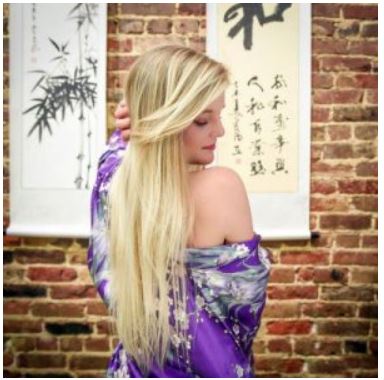
    Beautiful woman wearing a kimono off the shoulder
    It feels great on the body.