
Category: kimonos dragon

  • Japanese Headbands (Hachimaki): The Symbolism and Style Behind the Iconic Accessory

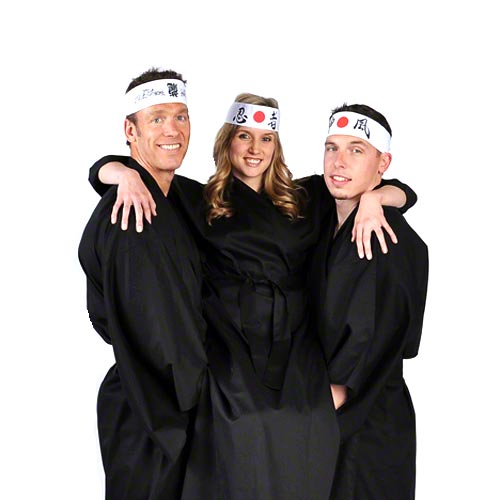
    For martial artists, Japanese culture enthusiasts, and fashion-forward individuals, Japanese headbands—commonly known as hachimaki—are not just accessories. These traditional headbands carry deep cultural significance and a rich history while making a bold visual statement. Whether you’re practicing martial arts, paying homage to Japanese traditions, or incorporating Japanese aesthetics into your wardrobe, hachimaki are a striking emblem of determination, spirit, and style.

    What Are Hachimaki?

    A hachimaki is a simple yet symbolic headband, traditionally made of cotton fabric. Its origins trace back centuries in Japan, where it was worn by samurai, laborers, and even students preparing for exams. Today, hachimaki are more than just a practical accessory; they are steeped in meaning, often representing perseverance, effort, and unity.

    The Symbolism Behind Hachimaki

    Hachimaki designs are often printed with powerful symbols, colors, or Japanese phrases. Each design carries unique significance, making it more than a decorative item.

    Common Designs and Their Meanings

    • Sun Motif (Hinomaru): Represents the Japanese flag and symbolizes hope and national pride.
    • “Kamikaze” (Divine Wind): Often linked to bravery and determination. While historically tied to Japan’s WWII kamikaze pilots, it is now seen as a broader representation of courage.
    • Kindred Spirit“: Ideal for group solidarity, often worn by sports teams, martial artists, or event participants.

    The colors also serve symbolic purposes. Solid red hachimaki indicate passion and strength, while white embodies purity and focus.

    Who Wears Japanese Headbands?

    Hachimaki are versatile and unisex, worn by both men and women. Martial artists frequently wear them during tournaments, ceremonies, or rigorous training sessions as a means to channel their focus and strength. Additionally, performers and athletes wear hachimaki for displays of energy and determination.

    They are not limited to martial arts, though! Hachimaki often appears in cultural festivals, parades, and even academic settings, where students wear them to signify diligence and concentration.

    Wearing Hachimaki With Kimono and Martial Arts Uniforms

    While hachimaki can complement kimono during performances or festivals, they are more commonly paired with martial arts uniforms such as gi or hakama. Their blend of functionality and symbolism makes hachimaki an integral part of martial arts fashion. For some, wearing a hachimaki during practice is like carrying the spirit of the samurai.

    Modern Fashion Meets Tradition

    Hachimaki are not only rooted in tradition—they’ve also found their way into modern fashion. With their bold designs and historical appeal, hachimaki have been embraced by fashion enthusiasts looking to infuse their style with Japanese flair. Solid colors or graphic motifs can be styled with casual or edgy outfits for a unique look.

    How To Choose Your Hachimaki

    When selecting your hachimaki, consider these factors:

    • Purpose: Choose a design that matches your intent—be it for martial arts, cultural celebrations, or everyday fashion.
    • Design: Opt for calligraphy messages, symbolic prints, or minimalist solid colors.
    • Material: Look for durable cotton to ensure both comfort and longevity.

    The Spirit of the Hachimaki

    At its core, the hachimaki is not just a piece of fabric—it’s an emblem of determination, unity, and cultural pride. From martial artists aiming to harness their inner strength to fashion enthusiasts exploring the depth of Japanese culture, hachimaki offers both function and meaning.

    Looking for the perfect hachimaki to start your collection or elevate your style? Share your favorite hachimaki designs on our social media pages, Facebook, Instagram, or X. Shop and explore authentic ones from various cultural shops and martial arts suppliers. Whether you’re a Japanese lover, a budding martial artist, or someone with a keen eye for fashion, the hachimaki is a timeless accessory that bridges tradition and modernity.
  • 7 Common Questions About Kimonos—Answered!

    Kimonos have captured the hearts of fashion lovers, cultural enthusiasts, and bridal parties alike. Whether you’re admiring their rich history or planning to incorporate them into your wardrobe or special event, there’s no denying the timeless elegance of these iconic garments. Below, we answer seven common questions from our customers to help you make informed decisions about buying and styling kimono.

    1. What Is the Most Popular Pink Kimono?

    Regarding pink kimonos, delicate pastel hues with floral patterns remain timeless favorites. Our most popular pink kimono features cherry blossom prints on a blush-toned base. The pink cherry blossom yukata is a classic combination that suits any occasion from lounging at home to wearing as a statement piece.

    Are you looking for something versatile? The Pink Sakura Blossom Happi Coat combines soft pink colors with subtle traditional motifs. This makes it perfect for bridesmaid outfits, gifts, or casual styling.

    2. Do You Sell Vintage Kimonos?

    We do not sell vintage kimono. A vintage kimono is simply used clothing. While suitable for many seeking a specific pattern or vintage feel,  this market can be tricky to navigate. Many dealers exaggerate the condition quality. Used kimono are fairly abundant from wholesale houses in Japan or China. They sell large quantities of used robes in bulk by the pound. A dealer will bid as little as possible to offset the risk of unusable clothing that may be found in the lot.

    Each piece will be graded reflecting the condition. Commonly, these robes have tears, stains, rips, or other damage. We found that when asking three dealers to grade a robe, we received three different grades. With the variance in grading, the random pricing, and the used condition lottery, our customers have come to rely on new, quality-known robes as their choice.

    3. Can Yukata Be Worn as Bridesmaid Robes?

    Absolutely! Yukata, the lightweight and casual summer version of a kimono, makes a stunning and unique option for bridesmaid robes. With their flowy silhouettes and vibrant colors, yukata robes are comfortable, photogenic, and suitable for a variety of wedding themes.

    For bridal parties looking for a cohesive yet elegant look, we recommend choosing a complimentary patterned yukata. Not only do they make your bridesmaids look effortlessly chic, but they can also double as memorable keepsakes your friends will cherish.

    4. Can You Help Find a Dragon Kimono?

    Yes, dragon kimonos are a bold and striking choice that symbolizes strength, power, and tradition. These designs often feature intricately embroidered or printed dragon motifs, making them a go-to for individuals seeking a standout look.

    Whether you’re looking for a traditional black dragon kimono with gold accents or a more modern interpretation, we invite you to browse our online store to find a dragon kimono that speaks to your unique style.

    5. Is It Wise to Buy a Kimono on Amazon?

    While Amazon may seem like a convenient option, purchasing a kimono from marketplaces like ours can provide better quality control, authenticity, and personalized service. We are an employee-owned business and do the legwork for you. Many Amazon listings may feature mass-produced items that lack craftsmanship and cultural accuracy. Many Amazon sellers claim their robes are “Japanese Style” which translates to “made in China”. The same is true on Etsy. Many of the robes we see on other online sites are poorly made, feature poor-quality fabrics and sizing is misleading.

    By shopping with a specialized and trusted retailer, you’ll receive quality garments, accurate sizing, and access to unique designs.

    6. Do You Have Unisex Kimonos?

    Yes, we carry a variety of unisex kimonos designed to suit all styles and preferences. These kimonos generally feature classic patterns or minimalist designs that look great on everyone. While our robes state male or female, it is really up to the individual to decide which style or pattern they choose. If a female is interested in a male’s style, usually selecting the next smaller size hits the mark. Our unisex collection blends tradition with everyday wearability, allowing anyone to enjoy the beauty of kimonos.

    Popular options include kimono robes and lightweight yukata, both of which are versatile and easy to style for multiple occasions.

    7. Do You Offer Black Kimonos?

    Certainly! Black kimonos are a wardrobe staple, perfect for those who appreciate timeless elegance. Whether you’re looking for a formal piece adorned with intricate embroidery or a chic, minimalist robe, we have options to suit every occasion.

    Our bestselling black kimono for women features subtle floral patterns, adding a touch of sophistication while maintaining a clean, modern look. Perfect for lounging at home, adding a dramatic layer to your outfit, or even as bridal attire, a black kimono is always a good idea. For men, we have beautifully embroidered kimono and yukata as well as a solid black robe which is popular for meditation, martial arts or simply lounging.

    Find Your Perfect Kimono Today

    From vintage-inspired designs to bold patterns that make a statement, we’re here to help you find the kimono that fits your style and needs. Whether you’re searching for a pink kimono, a bridesmaid-ready yukata, or a dragon kimono, our curated selection has something for everyone.

    Explore our collection and bring the timeless elegance of kimonos into your life!

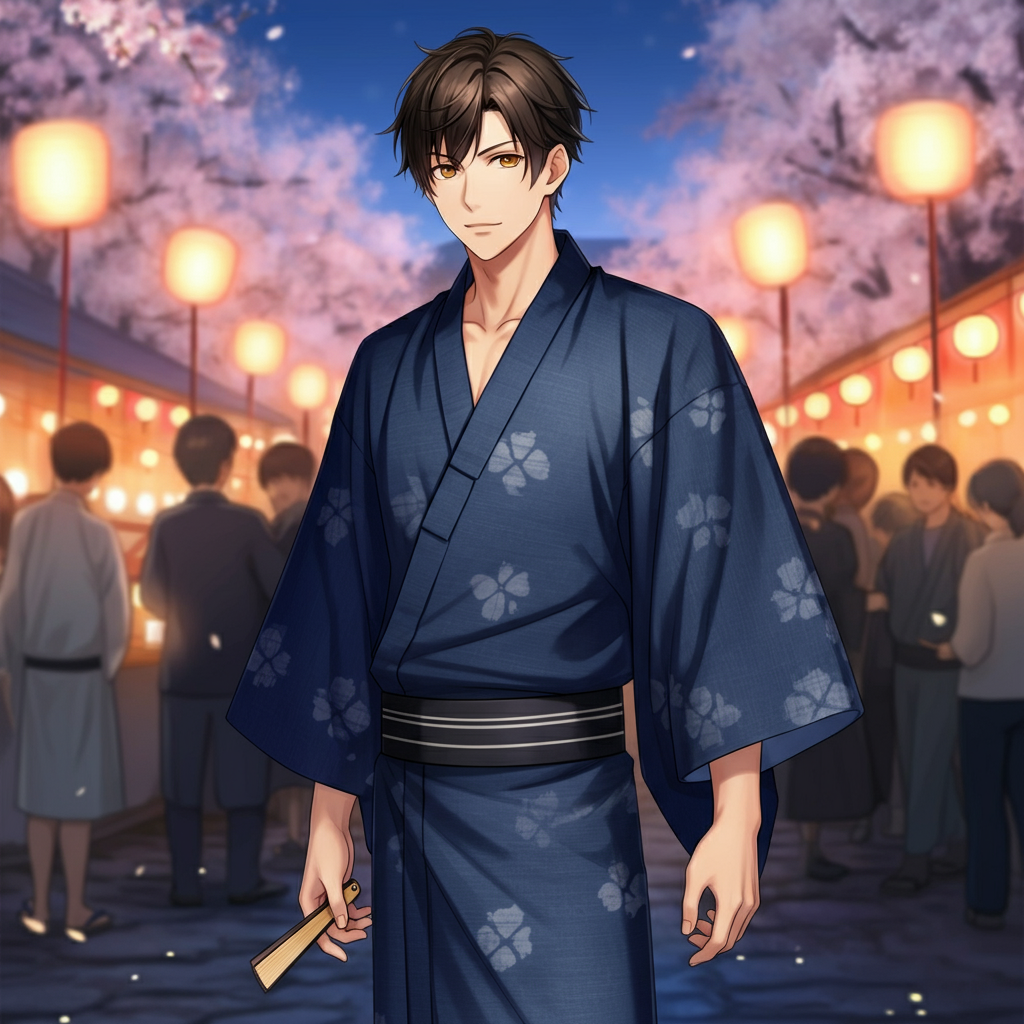
    man in yukata at night
    The Art of the Kimono
  • Frequently Asked Kimono Questions: An Easy Reference Guide

    Are There Different Types of Kimono? Yes, there are different types of these Japanese robes. In the world of traditional Japanese attire, kimono and yukata reign supreme. While both options cater to both men and women, there are key distinctions to consider. Length, fabric, sleeves, and patterns all play a role in defining these iconic garments.

    For those seeking a more formal look, the kimono is the go-to choice. Crafted from heavier-weight fabric, it exudes elegance and sophistication. On the other hand, the yukata offers a similar aesthetic but leans towards the casual side. This lightweight option is perfect for warmer seasons like Spring and Summer, and some even find it comfortable year-round, depending on their climate.

    Originally designed as bathrobes, yukatas have gained immense popularity at summer festivals and celebrations. Embrace tradition and show off your style with these stunning and versatile garments.

    Discover the Diverse World of Kimono Fabric. While silk remains the traditional and original choice, there are various types of fabric to explore. Each has its level of formality and seasonal appropriateness. In modern-day, kimono can be crafted from cotton, wool, synthetic fibers, or linen. Uncover the nuances: wool for casual winter wear, cotton as the most casual option (known as yukata), and synthetic fabrics that offer convenience but may compromise breathability or quality.

    Today in the Western world, cotton is the most popular choice for both Kimono and Yukata. Cotton breathes well, is soft and comfortable against the body, and is also washable and easy to care for. Cost also plays a factor as it is lower in cost versus silk. Silk prices have risen sharply over the past few years.

    What is The Best Way to Clean a Kimono? Kimono and Yukata have come a long way since the early days. When it comes to kimono made from natural silk, leave it to the professionals or highly experienced kimono cleaners. A vintage ceremonial Kimono requires the knowledge and skills of a specialist to carefully dismantle the kimono and cleanse each piece individually.

    A lined kimono needed to be detached from its lining to prevent shrinking or expanding at different rates. This leads to color bleeding and permanent wrinkling. Synthetic fabrics are no exception – they too tend to bleed color. Cleaning a kimono can be a challenging and costly endeavor, so it’s crucial to strive to keep them pristine to begin with.

    Today, most cotton and some silk robes can be machine-washed. Easy-care cotton can be washed in cold water and either drip-dried on a kimono hanger or dried on a delicate, cool cycle. Some silk robes are washable as well. Using a gentle washing liquid like Woolite is often recommended. The safest method to determine how you care for your kimono or yukata is to check with the manufacturer or dealer you purchase your robe from. Check the tags on the robe or consult with your local dry cleaner.

    How Do I Store my Kimono? For expensive, traditional ceremonial kimono, careful storage can be essential for preserving the delicate nature of fabrics, like silk. After wearing your kimono, take the time to air it out for a day before returning it to storage. Kimono need a little breathing room, but be cautious about exposing them to humid air as it can cause significant damage.

    In modern times, using moisture-absorbing packets is a popular method to keep the air dry and maintain the kimono’s integrity. For added protection, consider using acid-free paper called tatoshi to store your kimono. These papers offer an extra layer of defense against potential harm.

    If you are not storing your Kimono or Yukata, hanging your robe on a Kimono Hanger is highly recommended. This hanger is much wider than a traditional hanger and helps to alleviate wrinkles and bunching up of the fabric. Hanging your garment can also allow airflow to prevent odors from accumulating on the fabric.

    To safeguard against color fading, it’s crucial to keep the kimono away from direct sunlight. Sunlight can bleach the natural dyes, diminishing their vibrancy over time. Furthermore, it’s advisable to rotate your kimono periodically to prevent excessive weight from settling at the bottom. This simple step can prevent long-term damage and maintain the kimono’s structural integrity.

    By following these storage guidelines, you can ensure that your cherished kimono stays in impeccable condition for years to come. If you seek further help, check out the Online Kimono Shop of Kimono Shop. Kimono Shop has been serving customers around the globe since 1994. They are based in the USA and offer quick shipping and one of the largest selections of patterns, colors, and sizes on the web.