Category: kimono

  • 7 Common Questions About Kimonos—Answered!

    Kimonos have captured the hearts of fashion lovers, cultural enthusiasts, and bridal parties alike. Whether you’re admiring their rich history or planning to incorporate them into your wardrobe or special event, there’s no denying the timeless elegance of these iconic garments. Below, we answer seven common questions from our customers to help you make informed decisions about buying and styling kimono.

    1. What Is the Most Popular Pink Kimono?

    Regarding pink kimonos, delicate pastel hues with floral patterns remain timeless favorites. Our most popular pink kimono features cherry blossom prints on a blush-toned base. The pink cherry blossom yukata is a classic combination that suits any occasion from lounging at home to wearing as a statement piece.

    Are you looking for something versatile? The Pink Sakura Blossom Happi Coat combines soft pink colors with subtle traditional motifs. This makes it perfect for bridesmaid outfits, gifts, or casual styling.

    2. Do You Sell Vintage Kimonos?

    We do not sell vintage kimono. A vintage kimono is simply used clothing. While suitable for many seeking a specific pattern or vintage feel,  this market can be tricky to navigate. Many dealers exaggerate the condition quality. Used kimono are fairly abundant from wholesale houses in Japan or China. They sell large quantities of used robes in bulk by the pound. A dealer will bid as little as possible to offset the risk of unusable clothing that may be found in the lot.

    Each piece will be graded reflecting the condition. Commonly, these robes have tears, stains, rips, or other damage. We found that when asking three dealers to grade a robe, we received three different grades. With the variance in grading, the random pricing, and the used condition lottery, our customers have come to rely on new, quality-known robes as their choice.

    3. Can Yukata Be Worn as Bridesmaid Robes?

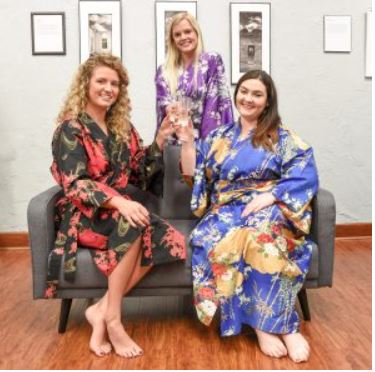
    Absolutely! Yukata, the lightweight and casual summer version of a kimono, makes a stunning and unique option for bridesmaid robes. With their flowy silhouettes and vibrant colors, yukata robes are comfortable, photogenic, and suitable for a variety of wedding themes.

    For bridal parties looking for a cohesive yet elegant look, we recommend choosing a complimentary patterned yukata. Not only do they make your bridesmaids look effortlessly chic, but they can also double as memorable keepsakes your friends will cherish.

    4. Can You Help Find a Dragon Kimono?

    Yes, dragon kimonos are a bold and striking choice that symbolizes strength, power, and tradition. These designs often feature intricately embroidered or printed dragon motifs, making them a go-to for individuals seeking a standout look.

    Whether you’re looking for a traditional black dragon kimono with gold accents or a more modern interpretation, we invite you to browse our online store to find a dragon kimono that speaks to your unique style.

    5. Is It Wise to Buy a Kimono on Amazon?

    While Amazon may seem like a convenient option, purchasing a kimono from marketplaces like ours can provide better quality control, authenticity, and personalized service. We are an employee-owned business and do the legwork for you. Many Amazon listings may feature mass-produced items that lack craftsmanship and cultural accuracy. Many Amazon sellers claim their robes are “Japanese Style” which translates to “made in China”. The same is true on Etsy. Many of the robes we see on other online sites are poorly made, feature poor-quality fabrics and sizing is misleading.

    By shopping with a specialized and trusted retailer, you’ll receive quality garments, accurate sizing, and access to unique designs.

    6. Do You Have Unisex Kimonos?

    Yes, we carry a variety of unisex kimonos designed to suit all styles and preferences. These kimonos generally feature classic patterns or minimalist designs that look great on everyone. While our robes state male or female, it is really up to the individual to decide which style or pattern they choose. If a female is interested in a male’s style, usually selecting the next smaller size hits the mark. Our unisex collection blends tradition with everyday wearability, allowing anyone to enjoy the beauty of kimonos.

    Popular options include kimono robes and lightweight yukata, both of which are versatile and easy to style for multiple occasions.

    7. Do You Offer Black Kimonos?

    Certainly! Black kimonos are a wardrobe staple, perfect for those who appreciate timeless elegance. Whether you’re looking for a formal piece adorned with intricate embroidery or a chic, minimalist robe, we have options to suit every occasion.

    Our bestselling black kimono for women features subtle floral patterns, adding a touch of sophistication while maintaining a clean, modern look. Perfect for lounging at home, adding a dramatic layer to your outfit, or even as bridal attire, a black kimono is always a good idea. For men, we have beautifully embroidered kimono and yukata as well as a solid black robe which is popular for meditation, martial arts or simply lounging.

    Find Your Perfect Kimono Today

    From vintage-inspired designs to bold patterns that make a statement, we’re here to help you find the kimono that fits your style and needs. Whether you’re searching for a pink kimono, a bridesmaid-ready yukata, or a dragon kimono, our curated selection has something for everyone.

    Explore our collection and bring the timeless elegance of kimonos into your life!
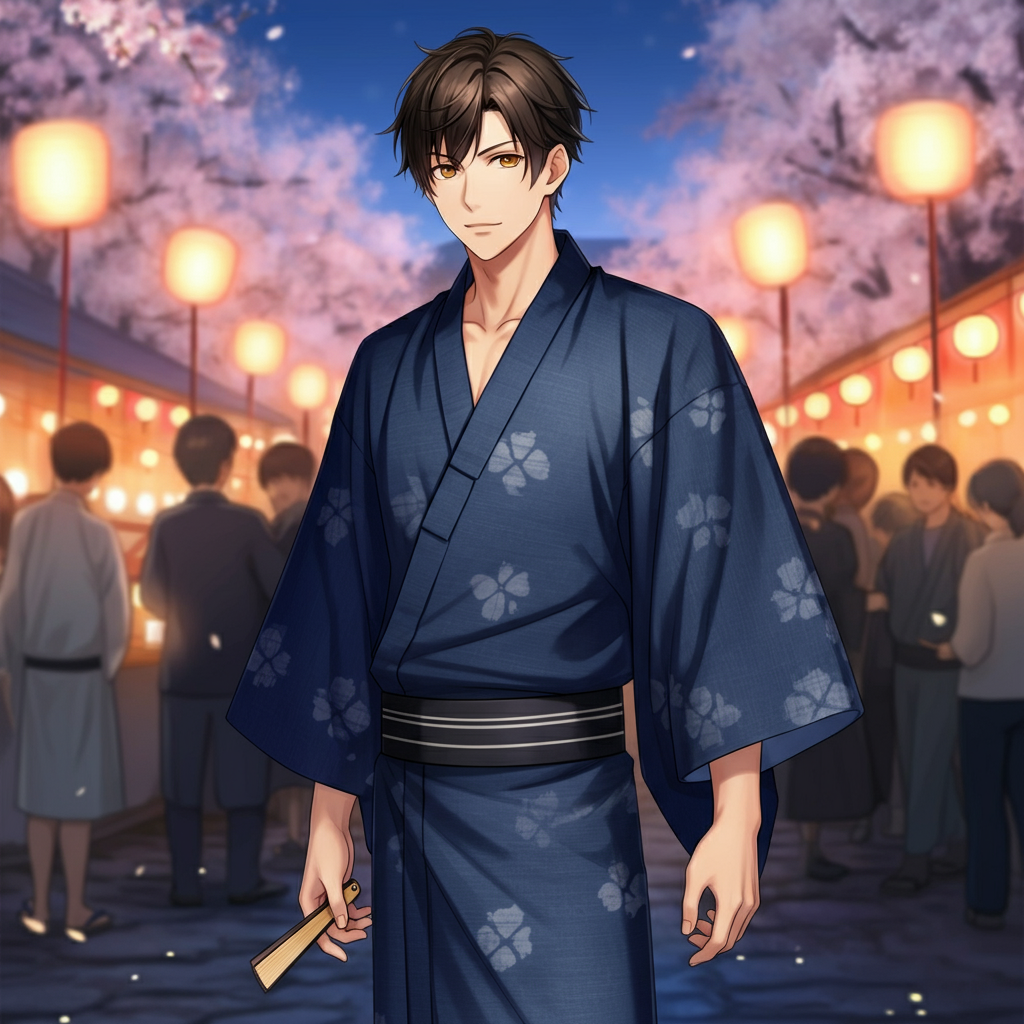
    man in yukata at night
    The Art of the Kimono
  • Living for the Kimono: Exploring the World of Kimonotarians

    Welcome to the captivating world of Kimonotarians, where the elegance and tradition of Japanese kimonos are embraced with unyielding passion. If you’re a fashion enthusiast, cultural explorer, or simply someone who admires the timeless beauty of kimonos, this blog is just for you.

    What is a Kimonotarian?

    The term “Kimonotarian” is a delightful blend of “kimono” and the suffix “-Arian,” which denotes an adherent or professional practitioner. A Kimonotarian is someone who is deeply devoted to the art and culture of the kimono. They not only wear kimonos but live for them. They appreciate the intricate designs, the rich history, and the cultural significance embedded in each stitch and fold.

    The Kimonotarian Lifestyle

    Living as a Kimonotarian goes beyond just wearing a kimono. It is about understanding and appreciating the cultural heritage and artistry involved in this traditional Japanese attire. Kimonotarians celebrate the diversity of kimonos, from elegant full-length garments to casual yukatas and short-length happi coats. They explore the meanings behind different patterns, colors, and styles, often sharing their knowledge and passion with others.

    Kimono Shop – A Haven for Kimonotarians

    For those who are drawn to the world of kimonos, Kimono Shop is a name synonymous with quality and authenticity. Established in 1994, Kimono Shop has become a leading online kimono shop. They offer a vast array of Japanese kimonos, yukatas, men’s yukatas, and plus-size options. Kimono Shop not only provides a diverse selection but also rewrote the book on online kimono shopping. Kimono Shop makes it accessible for enthusiasts around the world to indulge in their love for this traditional garment.

    Kimono Shop’s dedication to preserving the art of the kimono aligns perfectly with the Kimonotarian ethos. This provides a platform where individuals can find and purchase authentic Japanese attire with ease and confidence.

    Why Become a Kimonotarian?

    Becoming a Kimonotarian allows you to connect with a community that appreciates the beauty and intricacy of Japanese culture. It opens doors to understanding the cultural narratives and artistic expressions that have been passed down through generations. Whether you’re donning a kimono for a special occasion or incorporating elements of this traditional attire into your everyday wardrobe, living as a Kimonotarian enriches your appreciation for fashion and culture.

    Join the Kimonotarian Community

    Are you ready to explore the world of kimonos and become a Kimonotarian? Start by visiting Kimono Shop’s online store to discover your perfect kimono, yukata, or happi coat. Immerse yourself in the beauty and tradition that only a kimono can offer, and join a community that celebrates these iconic garments every day.

  • What is the Name of the Traditional Japanese Robe?

    For centuries, the Japanese kimono has captivated the world with its exquisite beauty, intricate designs, and profound cultural symbolism. But what is a kimono, exactly? How has this traditional garment evolved over time, and what role does it play in modern fashion? Let’s uncover the fascinating story of the kimono, a timeless robe that continues to enchant fashion enthusiasts, history buffs, and cultural explorers alike.

    The Evolution of the Kimono

    The origins of the kimono can be traced back to the Heian period (794-1185). Initially influenced by Chinese fashions, the kimono has undergone significant transformations over the centuries. During the Edo period (1603-1868), it became a symbol of status and wealth, with elaborate designs indicating the wearer’s social class. In modern times, the kimono has adapted to contemporary trends while retaining its traditional essence, making appearances in both high fashion and street style.

    Cultural Significance and Symbolism

    The kimono is more than just a piece of clothing; it is a symbol of Japanese culture and identity. Each element, from the choice of fabric to the patterns and colors, holds deep meaning. For example, cranes represent longevity and good fortune, while cherry blossoms symbolize the fleeting nature of life. Wearing a kimono is a way to connect with Japan’s rich heritage and to celebrate important life events such as weddings, tea ceremonies, and coming-of-age ceremonies.

    Different Types of Kimono and When They Are Worn

    There are various types of kimonos, each suited for different occasions:

    • Furisode: Worn by unmarried women during formal events.
    • Yukata: A casual, lightweight kimono often worn during summer festivals.
    • Tomesode: A formal kimono for married women, usually adorned with family crests.
    • Homongi: Semi-formal kimono suitable for various social gatherings.

    Understanding these distinctions helps appreciate the versatility and depth of the kimono tradition.

    The Intricate Art of Kimono Making

    Creating a kimono is an art form that requires masterful skill and dedication. The process begins with selecting high-quality fabrics like silk or cotton. Artisans then dye and weave intricate patterns, often by hand, using techniques passed down through generations. The final step is carefully sewing the fabric into the iconic T-shape, ensuring every detail is perfect. This craftsmanship makes each kimono a unique work of art, reflecting the wearer’s personal style and the artisan’s expertise.

    How the Kimono Has Influenced Global Fashion Trends

    The kimono’s influence extends beyond Japan, inspiring designers worldwide. From the elegant lines and patterns of haute couture to the casual silhouettes of streetwear, elements of the kimono can be seen in various fashion trends. Brands like Gucci, Yohji Yamamoto, and Alexander McQueen have incorporated kimono-inspired designs into their collections, showcasing the garment’s timeless appeal and adaptability.

    Tips for Wearing and Caring for a Kimono

    Wearing a kimono involves understanding its layers and accessories:

    • Nagajuban (underwear layer)
    • Obi (belt)
    • Tabi (socks)
    • Zori (sandals)

    To care for your kimono, store it in a cool, dry place, avoid direct sunlight, and gently clean it with appropriate methods to preserve the delicate fabric and intricate designs.

    The Future of the Kimono in a Modern World

    Despite the fast-paced changes in fashion, the kimono remains a symbol of elegance and tradition. Younger generations are rediscovering its beauty, incorporating it into their wardrobes in new and innovative ways. The kimono’s ability to adapt while maintaining its cultural significance ensures that it will continue to be cherished for years to come.

    The Japanese kimono is a testament to the country’s rich cultural heritage and artistic excellence. Whether you’re a fashion enthusiast, a history buff, or a cultural explorer, understanding the kimono’s evolution, significance, and global influence offers a deeper appreciation for this timeless garment. Interested in learning more about kimonos and how they can enhance your wardrobe? Shop our online store 24 hours a day and start your journey into the world of Japanese fashion.

  • How to Get Free Shipping on Kimono and Yukata

    If you’re a fashion enthusiast, online shopper, or someone who loves Japanese culture, you know the joy of finding the perfect kimono or yukata. But what can make this experience even better? Free shipping! At Kimono Shop, we’re committed to making your shopping experience as seamless as possible, including offering straightforward free shipping. Read on to learn how you can take advantage of this fantastic offer.

    Why Choose Kimono Shop for Your Kimono and Yukata Needs?

    Before we get into the nitty-gritty of our free shipping policy, let’s talk about why Kimono Shop is the best place to shop for your kimono and yukata. We offer a wide range of high-quality, authentic Japanese garments that cater to different tastes and preferences. Our collection includes everything from traditional kimonos to modern yukata, ensuring that you’ll find something that suits your style.

    Simple & Easy Free Shipping

    We believe in keeping things simple and straightforward for our customers. That’s why we offer free shipping on all orders of $75 or more, anywhere in the USA. No gimmicks, no games—just plain and simple free shipping. There’s no need to hunt for a coupon or enter a special code; our system will automatically apply free shipping at checkout if your order qualifies.

    How It Works

    1. Browse Our Collection: Take your time to explore our wide range of kimono and yukata. Whether you’re looking for something traditional or modern, we’ve got you covered.
    2. Add to Cart: Once you’ve found your favorite pieces, add them to your cart. Remember, your order needs to total $75 or more to qualify for free shipping.
    3. Checkout: When you proceed to checkout, our system will automatically display the free shipping option if your order meets the criteria. No need to worry about entering any codes or coupons.

    Quick and Reliable Shipping

    At Kimono Shop, we don’t just promise free shipping; we also ensure that your order reaches you quickly. We offer quick shipping within one day of placing your order. Unlike some competitors who claim to offer quick shipping but only ship three days a week, we are committed to getting your order out as soon as possible.

    Why Free Shipping Matters

    Free shipping is more than just a nice perk; it’s a significant factor that can enhance your overall shopping experience. Here’s why:

    • Cost Savings: Shipping fees can add up quickly. Free shipping means you get more value for your money.
    • Convenience: Knowing that shipping is free makes the shopping process smoother and more enjoyable. You can focus on finding the perfect item without worrying about additional costs.
    • Trust: Our straightforward free shipping policy reflects our commitment to honesty and transparency. We want you to shop with confidence, knowing there are no hidden fees or surprises.

    Frequently Asked Questions

    Do I need a coupon for free shipping?

    No, you don’t need a coupon. If your order totals $75 or more, free shipping will be automatically applied at checkout.

    How quickly will my order ship?

    We offer quick shipping within one day of your order being placed. Beware of competitors who only ship three days a week and claim to offer fast shipping.

    Is free shipping available for international orders?

    Currently, our free shipping offer is limited to orders within the USA.

    Getting free shipping on your kimono and yukata has never been easier. At Kimono Shop, we aim to make your shopping experience as enjoyable and straightforward as possible. With our wide range of high-quality garments, easy free shipping policy, and quick delivery, there’s no better place to shop for your Japanese fashion needs.

    Ready to start shopping? Visit Kimono Shop now and explore our collection of kimonos and yukata. Don’t forget, orders of $75 or more qualify for free shipping!

  • Where To Buy A Kimono Near Me

    For travel enthusiasts, fashion lovers, and Japanese fans alike, owning a yukata is a beautiful way to connect with Japanese culture. Traditionally worn during the summer or to festivals, these lightweight cotton robes are celebrated for their vibrant designs and comfort.

    But here’s the good news—you don’t have to travel to Japan to find a stunning yukata. Thanks to the internet and local shops, there are multiple ways to obtain this traditional Japanese attire. Let’s explore the best places to buy a yukata and weigh the pros and cons of each option.

    1. Online Yukata Stores

    Pros:

    • Wide Selection: Some Online stores offer a vast range of yukata styles, colors, and sizes.
    • Convenience: Shop from the comfort of your home and have your yukata delivered to your doorstep.
    • Customer Reviews: Many online platforms provide customer reviews, which can be helpful in assessing the quality and authenticity of the product.
    • Warranty: Most online dealers provide a warranty and assurance for a period of time.
    • History in the Business: Some online dealers have been in business for 30 or more years.  If they didn’t uphold high standards, the chance of being in business today would be minimal.

    Cons:

    • Risk of Inauthenticity: Not all online retailers are reputable. Some may sell low-quality or counterfeit products.
    • Shipping Costs and Time: Depending on the location of the seller (International), shipping can be expensive and time-consuming.

    Recommendations:

    • Kimono Shop: Renowned for its high-quality yukata, made in Japan, this store provides detailed product descriptions and customer reviews. They also offer free shipping on orders of $75 or more and a 30-day return policy.

    2. Local Japanese Stores

    Pros:

    • Immediate Availability: Purchase and take home your yukata on the same day.
    • Personal Inspection: Examine the fabric, design, and fit before buying.
    • Expert Advice: Store staff can provide personal guidance on how to wear and care for your yukata.

    Cons:

    • Limited Selection: Local shops may not have as extensive a variety as online stores.
    • Higher Prices: The convenience of buying locally can sometimes come at a premium price.
    • Quality: Some shops carry inferior quality robes mass produced for the retail trade.

    Recommendations:

    • Check your local directory to find a store near you. Some cities these shop are scarce.

    3. Resale Shops and Thrift Stores

    Pros:

    • Affordable Prices: Often, you can find high-quality, second-hand yukata at a fraction of the cost.
    • Unique Finds: Discover vintage and rare yukata that you might not find elsewhere.

    Cons:

    • Condition Uncertainty: The quality and condition of second-hand yukata can vary.
    • Limited Sizes and Styles: Finding the perfect fit and style might require some patience and luck.
    • Cleanliness: How was the robe washed or cleaned? Are there stains or spots? How do you know what they are?
    • Warranty: Many second hand dealers do not allow returns or exchanges.

    Recommendations:

    • It is hit and miss. Since kimono yukata are a specialty item, not all thrift shops will offer these robes. You have to do the footwork to locate one.

    4. Specialty Festivals and Events

    Pros:

    • Cultural Experience: Buying a yukata at a Japanese festival or event can be a fun and immersive experience.
    • Authenticity Assurance: Vendors at cultural events often sell genuine products, but some do not. Check tags and ask the salesperson.

    Cons:

    • Limited Time and Location: These opportunities are restricted to specific dates and venues.
    • Cost: Costs are usually higher and the quality can be less than standard. Often, dealers that attend these festivals know they have an impulse buyer at hand and will use that against the customer.
    • Crowds: Popular events can be crowded, making the shopping experience less pleasant.
    • All Sales Final: In most cases all sales are final. If you notice a problem with your robe after the show, you have no recourse for a return.

    Recommendations:

    • Annual Japanese Festivals: Obon and other gatherings will usually feature yukata and other traditional Japanese items for sale.

    Whether you choose to shop online, locally, or at special events, there are plenty of ways to find the perfect yukata without traveling to Japan. Each option has its own set of advantages and drawbacks, so consider what matters most to you—be it selection, convenience, or authenticity.

    Ready to start your yukata shopping adventure? Explore the options mentioned above and find the yukata that speaks to your style and love for Japanese culture.

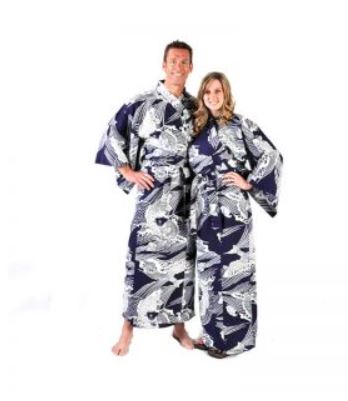
    Man and woman wearing a kimono
    Blue Koi Yukata

  • What is an Obi?

    If you’ve ever admired the elegant flow of a kimono or the casual charm of a yukata, you’ve likely noticed the beautiful sash that completes the look. This sash is called an obi, and it plays a crucial role in Japanese fashion and culture.

    A Brief History of the Obi

    The obi has a long and storied history in Japan. Originally, it was a simple and functional piece of cloth used to hold the kimono or yukata closed. However, as time passed, the obi evolved into a significant fashion statement and symbol of social status.

    Early Beginnings

    In the Heian period (794–1185), the obi started as a thin belt known as a koshi-himo. It was primarily functional, designed to keep the garments in place. By the Edo period (1603–1868), the obi began to grow in width and complexity, reflecting the wearer’s social standing and fashion sense.

    The Modern Obi

    Today, the obi is much more than a simple belt. It can be several meters long and vary widely in style, color, and fabric. There are even specialized obi for different occasions, such as formal events, festivals, and casual outings.

    The Role of the Obi in Attire

    The primary function of the obi is to keep the kimono or yukata securely closed. However, it also serves as a decorative element that adds flair and elegance to the outfit.

    Different Types of Obi

    • Fukuro Obi: This is a formal obi often worn at weddings or other special occasions. It is usually made from luxurious fabrics such as silk and features intricate patterns.
    • Nagoya Obi: A more casual obi, perfect for everyday wear. It is easier to tie and typically shorter than the fukuro obi.
    • Hanhaba Obi: This is a narrower and more informal obi, often used with yukata. It is simple to tie and ideal for casual occasions.

    Colors and Patterns

    The colors and patterns of an obi can signify various things, including the wearer’s age, marital status, and even the season. For example:

    • Bright, vibrant colors are often worn by young, unmarried women.
    • Subdued, elegant tones are more suitable for older or married women.
    • Seasonal patterns, such as cherry blossoms for spring or maple leaves for autumn, are also popular choices.

    How to Tie an Obi

    Tying an obi can be an art form in itself. There are many different knots and styles, each with its own cultural significance. Some popular methods include:

    • Taiko Musubi: Also known as the “drum knot,” this is a classic and formal style often seen at ceremonies and formal events.
    • Bunko Musubi: A simpler knot often used with yukata, perfect for casual outings.
    • Tsuke Obi: A pre-tied obi that is convenient and easy to wear, ideal for beginners.

    Why the Obi Matters

    The obi is more than just a sash; it is a symbol of Japanese culture and aesthetics. Whether you’re donning a kimono for a traditional tea ceremony or wearing a yukata to a summer festival, the obi completes your outfit and connects you to a rich cultural heritage.

    Understanding the significance and history of the obi can deepen your appreciation for Japanese fashion and culture. Whether you’re a Japan lover, a fashion enthusiast, or a cultural explorer, the obi offers a fascinating glimpse into the artistry and tradition of Japan.

    Ready to explore the world of obis? Learn how to tie an obi and much more with our detailed guides and expert tips.

    formal obi on kimono
    Formal obi
  • Five Interesting Facts About Kimono and Yukata

    When it comes to traditional Japanese attire, kimonos and yukatas are iconic garments that have captivated people around the world. Whether you’re a cultural explorer or simply curious about these elegant pieces of clothing, read on to uncover five interesting facts about kimono and yukata.

    1. A Rich History

    The kimono, which translates to “thing to wear,” has a long and storied history dating back to the Heian period (794-1185). Originally, kimonos were worn by both men and women and served as everyday clothing. Over time, they evolved into more elaborate garments, especially during the Edo period (1603-1868), when they became a symbol of status and wealth. The yukata, a simpler version of the kimono, was originally worn as a bathrobe by Japanese nobility. Today, yukata are commonly worn at summer festivals and hot spring resorts.

    2. Types of Fabric

    Kimono and yukata are made from a variety of fabrics, each chosen for its specific qualities. Traditional kimono are often made from silk, known for its luxurious texture and durability. Other common fabrics include wool, cotton, and synthetic fibers like polyester. Yukata, on the other hand, are typically made from lightweight cotton, making them ideal for warmer weather. The choice of fabric not only affects the garment’s appearance but also its comfort and suitability for different occasions.

    3. Colors and Their Meanings

    Colors play a significant role in the design of kimono and yukata, often carrying symbolic meanings. For example, red is associated with youth and vitality, while black signifies formality and elegance. Seasonal colors are also important; spring kimono might feature pastel colors like pink and green, while autumn kimono might showcase deeper hues like red and orange. The patterns and motifs on the fabric can also be symbolic, with designs featuring cherry blossoms, cranes, or dragons each carrying their own cultural significance.

    4. Popularity in the USA

    In recent years, kimono and yukata have gained popularity in the USA, not just as traditional garments but also as fashion statements. Influenced by Japanese pop culture, including anime and manga, as well as by a growing interest in Japanese festivals and cultural events, more Americans are embracing these garments. Fashion designers have also incorporated kimono-inspired elements into their collections, blending traditional aesthetics with modern styles. This cross-cultural exchange has made kimono and yukata accessible to a wider audience.

    5. Perfect Loungewear

    While kimono are often reserved for special occasions, yukata have found a new niche as comfortable loungewear. Their lightweight, breathable cotton fabric makes them perfect for relaxing at home, especially during the warmer months. Many people appreciate the blend of tradition and comfort that yukata offer, allowing them to experience a piece of Japanese culture from the comfort of their own homes. Some even choose to wear yukata as stylish robes or cover-ups at the beach or pool.

    Conclusion

    Kimono and yukata are more than just garments; they are a window into Japanese culture, history, and artistry. From their rich history and diverse fabrics to their symbolic colors and growing popularity in the USA, these traditional garments continue to captivate and inspire. Whether you’re looking to add a touch of elegance to your wardrobe or simply want to learn more about Japanese culture, kimono and yukata offer a fascinating journey through history and fashion.

    So, next time you see a kimono or yukata, you’ll know a little more about the story behind these beautiful garments. For a great selection of robes, visit Kimono Shop.  The Kimono Shop has been a leading provider of fine kimono and yukata since 1994. It is easy to see why they are known as Your Kimono Source Since 1994. Happy exploring!

  • Elegance Unveiled: 20 Reasons Kimono & Yukata Are Timeless

    The kimono and yukata have transcended their traditional Japanese roots to become global symbols of elegance, culture, and effortless style. Whether you’re a die-hard Japan lover, a fan of unique loungewear, or simply fascinated by the rich tapestry of world cultures, there’s no denying the allure of these garments. Here are twenty compelling reasons they continue to capture hearts worldwide.

    1. Deep Historical Roots

    The kimono dates back to ancient Japan, serving as a living canvas that beautifully narrates the country’s history, values, and aesthetic evolution.

    2. Unmatched Elegance

    With their flowing lines and graceful silhouettes, kimono and yukata exude a timeless elegance that complements any wearer.

    3. Infinite Variety

    From vibrant colors and intricate patterns to subtle hues and minimalist designs, there’s a style to match every mood and occasion.

    4. Comfort Personified

    Crafted from materials like cotton and silk, these garments invite a level of comfort that transcends simple loungewear.

    5. Expressions of Individuality

    Wearing a kimono or yukata offers a unique opportunity to express personal style and cultural appreciation simultaneously.

    6. Versatile Wardrobe Staples

    Easily transition from a casual day look to an exquisite evening ensemble with the right accessories.

    7. Year-Round Wearability

    While yukata are perfect for summer with their light cotton fabric, kimonos can be layered to suit cooler temperatures.

    8. Celebration of Craftsmanship

    Each piece showcases the meticulous craftsmanship of its maker, from hand-dying and printing techniques to embroidery.

    9. Symbol of Hospitality

    In Japan, wearing a yukata is often associated with the warm hospitality of traditional inns, evoking a sense of welcome and comfort.

    10. Cultural Immersion

    Donning a kimono or yukata can serve as a profound personal connection to Japanese culture and traditions.

    11. Aesthetic Flexibility

    Their design allows for easy adjustment, making them flattering to any body type and inclusive to all.

    12. Sustainable Fashion Choice

    Vintage kimonos and yukatas align with sustainable fashion trends, offering an eco-friendly wardrobe option.

    13. Unrivalled Photogenic Quality

    Their vibrant patterns and colors make kimono and yukata the perfect statement pieces for photoshoots and social media.

    14. Gateway to Learning

    Wearing and learning about these garments can spark a deeper interest in and respect for Japanese history and the art of kimono-making.

    15. Festive Attire

    They’re the attire of choice for festivals, weddings, and tea ceremonies, creating a direct link to Japan’s festive culture.

    16. Artistic Inspiration

    Many designers and artists draw inspiration from the kimono and yukata, highlighting their impact on global fashion and art.

    17. Gift of Meaning

    A kimono or yukata makes for a thoughtful and meaningful gift, conveying wishes of well-being and prosperity.

    18. Travel Companion

    Lightweight and easy to pack, a Yukata makes an excellent travel companion, bringing a touch of luxury and comfort to your journeys.

    19. Ensemble Enhancement

    They can elevate any ensemble, acting as exquisite robes, coverups, or even unique layers over Western attire.

    20. Promotes Mindfulness

    The traditional practice of wearing and caring for kimono and yukata encourages mindfulness and appreciation for the present.

    In an age of fast fashion and fleeting trends, the kimono and yukata stand out as beacons of timeless beauty, cultural depth, and personal expression. Beyond merely being garments, they offer wearers and admirers alike a way to connect with history, art, and each other. Whether purchased from an online kimono shop or inherited as an authentic heirloom, these pieces are more than just clothing—they are stories woven in fabric, waiting to be told.

  • Buying a Kimono Yukata From an Employee-owner Makes Sense

    The Transformative Power of Employee Ownership.

    In an era where the corporate landscape is rapidly evolving, employee ownership emerges as a beacon of resilience, productivity, and mutual benefit. Employee-owned businesses are demonstrating that when employees become stakeholders, the advantages ripple through every aspect of the organization, reaching employees, customers, and the community at large.

    For Employees: A Stake in Success

    At the heart of employee ownership lies a revolutionary concept. When employees have a stake in the company’s success, they are more motivated, engaged, and dedicated to its growth. This model has proven its worth, as employee-owned businesses often outperform their counterparts in productivity, growth, and stability. Here’s how employees benefit directly:

    • Higher Wages and Net Worth: Employees with ownership typically earn higher wages and accumulate more in retirement savings compared to their counterparts in traditional firms.
    • Job Security: Employee-owners face lower risks of job loss during economic downturns, a testament to the resilience embedded within the ownership model.
    • Quality Benefits: Comprehensive benefits are common in employee-owned companies, contributing to employees’ overall satisfaction and well-being.

    For Customers: Elevated Service at Every Touchpoint

    The benefits of employee ownership extend beyond the internal workings of a business, directly impacting the quality of customer service and satisfaction. Here’s what customers can expect:

    • Exceptional Customer Service: With a vested interest in the company’s success, employee-owners are inclined to go above and beyond for customers, ensuring a level of service unparalleled by competitors.
    • Expertise and Experience: Reduced turnover means customers interact with knowledgeable and experienced staff who understand the products and services deeply.
    • Consistency and Reliability: Employee ownership fosters a culture of longevity and commitment, ensuring that businesses can maintain long-term relationships with customers and suppliers without disruption.

    For Communities: Local Jobs and Sustainable Growth

    Employee ownership doesn’t just benefit individuals inside the company; it plays a significant role in bolstering local economies and communities. By promoting job retention and creating a more stable workforce, employee-owned businesses help keep jobs local, supporting the surrounding community. Furthermore, the emphasis on long-term sustainability over short-term gains makes these businesses valuable community partners committed to shared prosperity.

    Conclusion

    The compelling evidence in favor of employee ownership paints a clear picture of its potential to redefine success in the business world. For employees, the promise of higher wages, job security, and a direct stake in the company’s future fosters a deeper level of engagement and satisfaction. For customers, the dedication of employee-owners translates into superior service, expertise, and reliability. And for communities, the stability and growth of employee-owned businesses ensure local jobs and support healthier economies.

    Thinking of shopping with an employee-owned business? Look no further than KimonoShop.com. Kimono Shop has an extensive selection of cotton kimonos and yukata for men and women of all sizes.  You’re not just choosing a company; you’re choosing a future where every stakeholder has a share in success, building a more resilient, equitable, and inclusive economy for all. As the customer, you gain a great deal of hidden value knowing you are dealing with an owner.

  • Why Buying a Kimono or Yukata in the USA Makes Perfect Sense

    In an era where authenticity and convenience both play crucial roles in our shopping habits, finding the right place to purchase traditional attire such as kimonos and yukatas can be a bit of a conundrum. The allure of owning an authentic Japanese kimono or yukata is undeniable but purchasing one overseas can often lead to unexpected hurdles and disappointments. This is where buying from a U.S.-based dealer offers a myriad of benefits that cannot be overlooked.

    Authenticity Coupled with Transparent Transaction

    One of the foremost benefits of buying from a U.S.-based dealer is the reputation that comes with it. “I am so happy to find a place to buy a Yukata, especially in the USA. The yukata is very nice,” says a satisfied customer. This sentiment echoes the trust, honesty, and clear communication provided by U.S. dealers that have established their tenure in the market.

    Quicker Shipping Without Hidden Costs

    When you buy a kimono or yukata from overseas, the excitement of your purchase can quickly turn into frustration due to long shipping times. Furthermore, the added stress of duties, customs, import taxes, and the risk of surprise fees upon delivery can sour the experience. U.S.-based dealers offer quicker shipping and firm prices, ensuring there are no unexpected financial surprises waiting for you.

    The Hassle-Free Return Policy Advantage

    One major concern with online shopping—especially from international vendors—is the uncertainty around returns. With U.S. dealers, the process is straightforward. Easy returns are a significant advantage, as shipping back goods to Asia can be not only expensive but also risky.

    Comparative Analysis

    Language:

    U.S Dealer: Fluent English communication, minimizing misunderstandings.

    Overseas Dealer: Possible language barriers and lost in translation issues.

    Shipping & Costs:

    U.S. Dealer: Quick and no surprise charges for customs, duties, or import taxes.

    Overseas Dealer: Potentially long shipping times and potential extra charges upon delivery.

    Returns:

    U.S. Dealer: Hassle-free and customer-friendly.

    Overseas Dealer: Expensive and risky. Good luck.

    Price:

    U.S. Dealer: Competitive pricing without the worry of additional import fees.

    Overseas Dealer: Initial lower cost may increase due to hidden fees.

    Why Choose a U.S.-based Dealer?

    Choosing a U.S.-based dealer for purchasing an authentic Japanese kimono or yukata makes perfect sense when you consider the convenience, reliability, and transparency of the process. Beyond the apparent advantages such as quicker shipping times and straightforward pricing, the ease of communication and the security of a smooth returns policy add layers of satisfaction to your buying experience.

    Final Thoughts

    In today’s digital age, where the world feels smaller thanks to e-commerce, choosing where to buy a kimono or yukata can impact your overall satisfaction. Purchasing from a U.S.-based dealer not only brings peace of mind but also supports local businesses that deeply value authenticity and customer satisfaction.

    Finding the perfect kimono or yukata in the USA is not just about acquiring a piece of traditional Japanese clothing; it’s about enjoying a seamless, transparent, and authentic shopping experience. Shop for your kimono or yukata at Kimono Shop.  Kimono Shop has been in business since 1994 and stands behind its reputation for high-quality robes, amazing customer service, and competitive pricing.

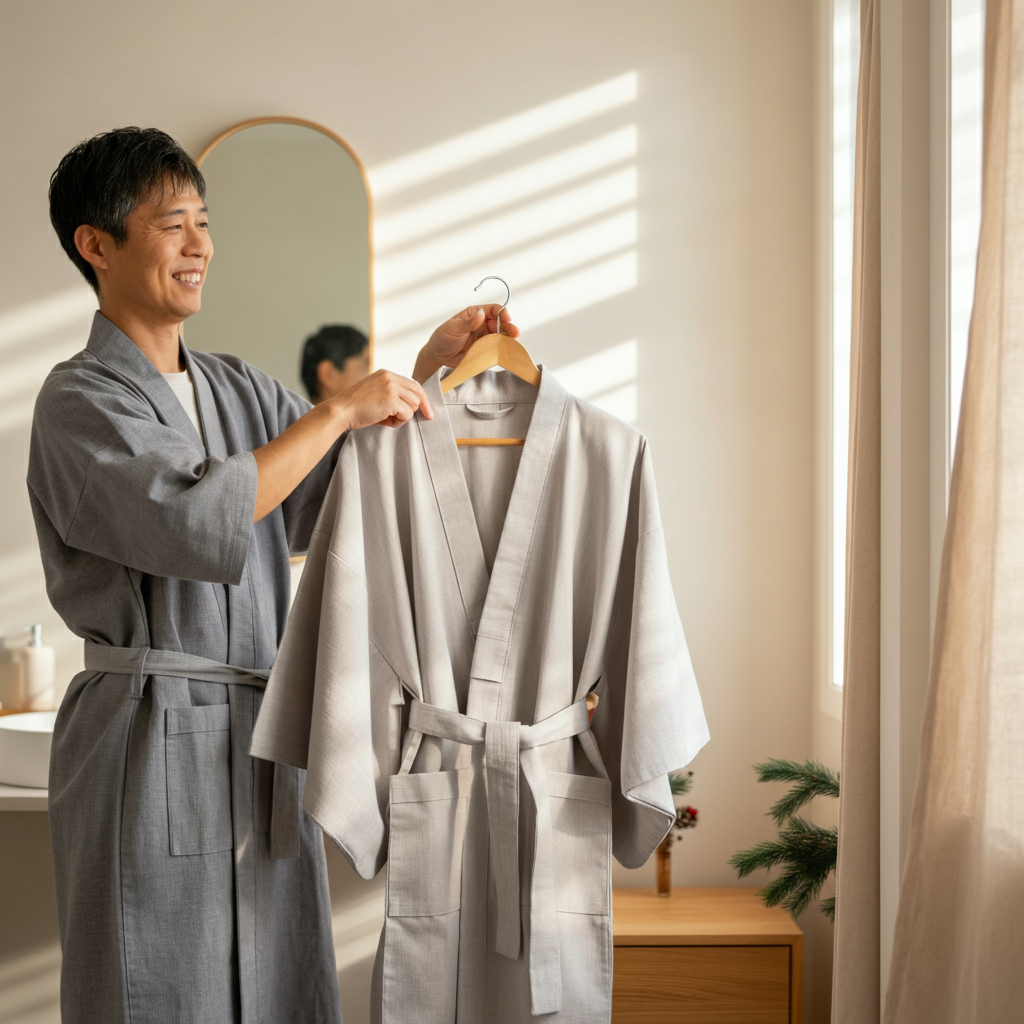
    man hanging his kimono on a kimono hanger
    Every day is better with a kimono