Category: kimono for women

  • Where People Wear Kimonos and Yukatas Across the USA

    You might picture a kimono draped against a backdrop of Kyoto temples or a yukata gliding through a Japanese summer festival. But these stunning garments have found a happy home across the United States, too. From bustling city festivals to cozy backyard gatherings, Americans are embracing kimonos and yukatas with curiosity and respect.

    So where exactly do people wear them? And how do you wear one without crossing the line from appreciation into awkward missteps? In this post, we’ll walk through the most common places people in the USA slip into these elegant garments. You’ll also pick up practical etiquette tips that help you wear them with confidence and care.

    Here’s what we’ll cover: the quick difference between a kimono and a yukata, the real-world spots where they show up across America, and the cultural know-how to wear them well.

    Kimono vs. Yukata: A Quick Breakdown

    Before we dive in, let’s clear up a common mix-up. A kimono is a more formal garment, traditionally made from silk and worn with multiple layers, an obi (sash), and accessories. People reserve kimonos for special occasions like weddings, ceremonies, and formal events.

    A yukata is the casual cousin. Made from lightweight cotton, it’s easy to wear and perfect for hot weather. You’ll spot yukatas at summer festivals, relaxed gatherings, and informal events. Think of the kimono as a tailored suit and the yukata as a breezy summer outfit—both beautiful, but built for different moments.

    Now that we’ve got that sorted, let’s explore where these garments come to life across the USA.

    Japanese Cultural Festivals

    Cities with strong Japanese American communities host vibrant cultural festivals year-round. Events like the Nisei Week Japanese Festival in Los Angeles or the Japanese Cultural Fair in Santa Cruz draw crowds dressed in colorful kimonos and yukatas.

    These festivals celebrate music, food, dance, and tradition. Wearing a yukata here feels natural and welcomed, especially when you join in respectfully and ask questions about the culture you’re celebrating.

    Mini takeaway: Cultural festivals are one of the most genuine places to wear a yukata while honoring its roots.

    Cherry Blossom Events

    Spring brings a wave of cherry blossom festivals across the country. The National Cherry Blossom Festival in Washington, D.C., and similar events in San Francisco and Seattle attract thousands of visitors each year.

    Many attendees wear kimonos or yukatas to match the floral, picture-perfect setting. These events often include tea ceremonies, taiko drumming, and traditional performances—making them a lovely backdrop for traditional dress. Just remember: you’re celebrating a shared cultural moment, so wear your garment thoughtfully.

    Anime and Pop Culture Conventions

    Walk into any major anime convention—like Anime Expo in Los Angeles or Otakon in Washington, D.C.—, and you’ll see kimonos and yukatas everywhere. Fans wear them as cosplay, as casual con-wear, or simply to express their love of Japanese culture.

    This space tends to be playful and creative. Still, it helps to know the difference between a costume-inspired piece and an authentic garment. If you’re wearing a traditional yukata rather than a character outfit, treat it with the same respect you’d show at a cultural event.

    Tea Ceremonies

    Traditional Japanese tea ceremonies happen at cultural centers, gardens, and tea schools across the USA. Places like the Urasenke tea schools offer authentic experiences guided by trained practitioners.

    These settings call for formal, mindful attire—often a kimono. Wearing one shows respect for the ritual and the host. If you attend, follow the guidance of the tea master and dress modestly and neatly.

    Mini takeaway: Tea ceremonies are formal occasions, so a kimono fits the mood better than a casual yukata.

    Summer Matsuri Celebrations

    Matsuri are traditional Japanese summer festivals, and many American cities recreate them with food stalls, lanterns, games, and dancing. The Obon festivals held at Buddhist temples nationwide are a beautiful example.

    Yukatas shine here. The lightweight cotton keeps you cool, and the festive atmosphere makes it the perfect place to wear one. Join the Bon Odori dance, enjoy the food, and soak up the community spirit.

    College Cultural Showcases

    Universities with active Japanese student associations often host cultural nights and showcases. These events feature performances, food, and fashion presentations where students wear kimonos and yukatas.

    If your campus hosts one, it’s a wonderful chance to learn directly from people who grew up with these traditions. Many showcases even offer kimono-fitting demonstrations so you can see how the garments are properly worn.

    Photoshoots

    Photographers and models love the visual drama of a kimono. Whether it’s a professional portfolio shoot, a graduation photo session, or a personal creative project, these garments add elegance and storytelling power to images.

    If you book a kimono photoshoot, choose a studio or stylist who understands the garment’s significance. The best shoots highlight beauty while honoring cultural meaning—not reducing it to a prop.

    Weddings and Formal Celebrations

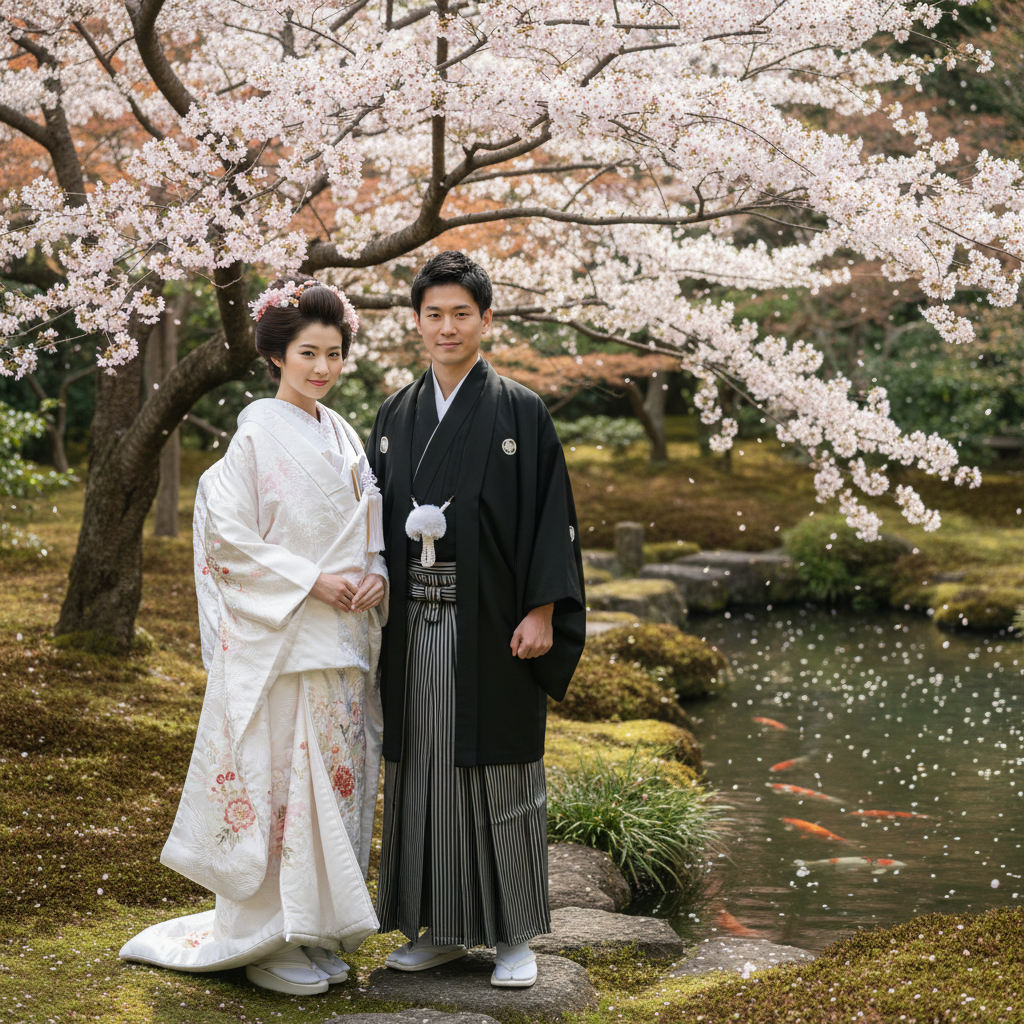
    Some couples, especially those with Japanese heritage, incorporate kimonos into their weddings. The bride may wear a white shiromuku or a colorful uchikake over her kimono for a stunning, ceremonial look.

    Guests at Japanese American weddings sometimes wear formal kimonos, too. These moments call for the highest level of care and respect, so it’s worth learning the proper styling or working with a professional dresser.

    Spas and Ryokan-Inspired Experiences

    A growing number of American spas and resorts offer ryokan-inspired experiences. Guests slip into yukatas to relax, just as they would at a traditional Japanese inn.

    These cotton yukatas are designed for comfort and rest. Wearing one here is part of the experience, and the staff will usually show you how to tie it correctly.

    Mini takeaway: Spa yukatas are about relaxation—wear them as intended and enjoy the calm.

    At-Home Themed Gatherings

    Plenty of people wear yukatas at home too. Themed dinner parties, movie nights, or casual get-togethers inspired by Japanese culture are popular ways to enjoy these garments in a low-key setting.

    If you host one, take a moment to share a little context with your guests. A bit of knowledge turns a fun night into a respectful celebration of culture.

    Etiquette Tips for Wearing Kimonos and Yukatas

    Wearing these garments well comes down to a few simple guidelines. Keep these in mind:

    • Always wrap left over right. Right over left is reserved for dressing the deceased, so this one matters.
    • Tie the obi securely and at the right spot—usually around the waist for men and higher for women.
    • Match the formality to the occasion. Save kimonos for formal events and yukatas for casual ones.
    • Wear appropriate footwear like geta or zori when possible, especially at traditional events.
    • Learn a little history. Understanding the garment’s meaning helps you wear it with genuine respect.

    Common Mistakes to Avoid

    A few slip-ups can turn a thoughtful gesture into an awkward one. Don’t wrap the garment right over left. Don’t treat a kimono as a costume at formal cultural events. And don’t skip the research—knowing why these garments matter shows real appreciation.

    Final Thoughts

    Kimonos and yukatas have woven their way into countless corners of American life, from spring festivals to spa retreats. Each setting offers a different way to enjoy these beautiful garments while honoring their roots.

    The key is simple: wear them with curiosity, care, and respect. Take time to learn the difference between formal and casual styles, follow basic etiquette, and appreciate the rich culture behind every fold of fabric.
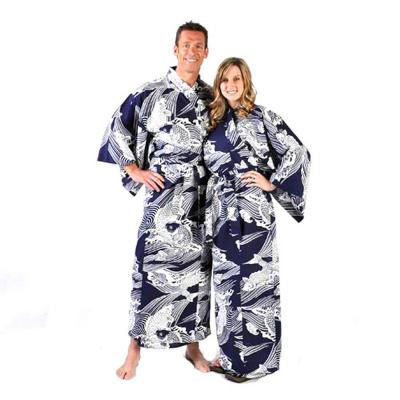
    Blue koi yukata in 100% cotton from Japan
    Comfort Never Felt so Good
  • Pattern of the Month: History of the Golden Sakura Yukata

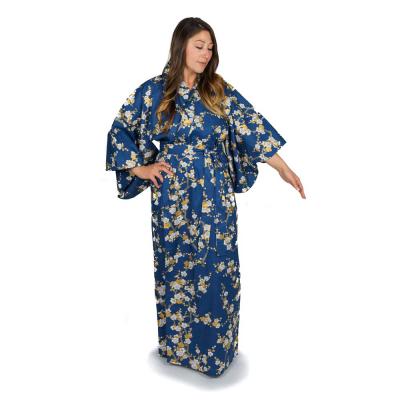
    Every pattern tells a story. From ancient symbols to modern interpretations, the designs we wear often carry deep cultural meaning. This month, we’re exploring the rich history behind one of Japan’s most iconic motifs: the Sakura, or cherry blossom, as showcased in our Golden Sakura Blossom Yukata. This garment is more than just comfortable clothing; it’s a piece of wearable art that connects timeless tradition with modern style.

    We will look into the cultural significance of the Sakura, examine the exquisite details of this particular yukata, and discover how to style this versatile piece. It’s a celebration of history, craftsmanship, and the fleeting beauty that defines one of Japan’s most cherished symbols.

    The Enduring Symbolism of Sakura

    In Japan, the Sakura holds a profound place in the nation’s culture and philosophy. The cherry blossom season is a major event, drawing people outdoors for hanami (flower viewing) parties. But these blossoms are more than just pretty flowers; they are a powerful metaphor for the nature of life itself.

    The Sakura’s life is beautiful but incredibly brief. The blossoms appear in a glorious burst of color, but after just a week or two, the petals fall like snow. This fleeting display serves as a reminder of mono no aware, a Japanese term for the gentle sadness or awareness of impermanence. It’s a concept that encourages an appreciation for the present moment and the beauty found in transient things. This philosophy is deeply woven into Japanese art, literature, and daily life. The cherry blossom, in its delicate and temporary existence, perfectly captures this idea.

    Artistry in a Garment: The Golden Sakura Blossom Yukata

    Our Golden Sakura Blossom Yukata captures this powerful symbolism through its thoughtful design. It translates the cultural weight of the Sakura into a stunning and wearable piece of art, available on both a deep blue and a striking black background.

    Design and Detail

    The pattern features delicate cherry blossom petals gracefully scattered across the fabric. These are not simple prints; they are rendered in shimmery gold and crisp white, creating a sense of depth and luminescence. On the blue version, the pattern evokes a serene spring day, while the black background provides a dramatic contrast that makes the golden accents radiate with a soft glow. This shimmer catches the light, mimicking the way sunlight filters through a canopy of blooming cherry trees.

    Every detail of the yukata is crafted with intention. The traditional butterfly sleeves, or sode, add an authentic touch of elegance and freedom of movement. These wide sleeves are a hallmark of traditional Japanese robes and contribute to the garment’s graceful silhouette.

    Uncompromising Quality and Comfort

    Authenticity and quality are at the heart of this yukata. Made in Japan, it honors the long tradition of Japanese textile craftsmanship. The fabric is 100% cotton, chosen for its softness, breathability, and comfort, especially in warmer weather. It feels gentle against the skin, making it ideal for relaxing at home.

    To ensure longevity and ease of use, the cotton is treated with a shrink-resistant finish. This practical feature means you can enjoy the yukata’s perfect fit and beautiful design for years to come. It is machine washable, making it as easy to care for as it is beautiful to wear. A matching sash, or obi, is included to complete the traditional look and provide a secure, adjustable fit.

    Styling Your Yukata: From Loungewear to Statement Piece

    The yukata was originally worn as a bathing robe, but its use has evolved significantly over time. Today, its versatility is one of its most appealing qualities. The Golden Sakura Blossom Yukata seamlessly blends function and fashion, making it a valuable addition to any wardrobe.

    Luxurious Loungewear

    As loungewear, the yukata offers unparalleled comfort and elegance. Wrap yourself in its soft cotton after a bath or while enjoying a quiet morning with a cup of tea. Its breathable fabric keeps you comfortable without feeling heavy. It transforms the simple act of relaxing at home into a more refined and beautiful experience.

    A Stylish Cover-Up

    The yukata also functions beautifully as a stylish cover-up. Take it to the beach or pool to wear over your swimsuit. It provides light coverage from the sun while allowing air to circulate, keeping you cool. The stunning Sakura pattern will undoubtedly make a chic statement, elevating your resort wear beyond a simple towel or sarong.

    An Outer Layer for a Bold Look

    For the fashion-forward, the yukata can even be worn as a lightweight jacket or duster coat. Pair it with jeans and a simple top to add a touch of Japanese-inspired elegance to a casual outfit. This works well with a short-length Happi Coat. The flowing butterfly sleeves and intricate pattern create a unique and eye-catching look that showcases your personal style.

    Embracing Timeless Elegance

    The Golden Sakura Blossom Yukata is more than just a robe. It’s a connection to a rich cultural heritage and a celebration of mindful living. It embodies the Japanese appreciation for beauty, quality, and the significance of the present moment. Wearing it is an invitation to embrace timeless elegance and modern comfort in your everyday life.

    Whether you choose the serene blue or the dramatic black, this yukata offers a way to wrap yourself in a story—one of fleeting beauty, expert craftsmanship, and enduring style. It’s a reflection of art and tradition, designed for the modern woman who values elegance in every moment.

  • The Future of Kimonos and Yukatas

    Timeless, elegant, and inherently Japanese, kimonos and yukatas have captured the imagination of fashion enthusiasts worldwide for centuries. While they remain symbols of Japanese heritage, these traditional garments are evolving in response to global trends, technological advancements, and the push for sustainable fashion. The question is no longer whether kimonos and yukatas can adapt, but how they will redefine themselves in a world that seems to move faster every day.

    This article dives into the future of kimonos and yukatas, analyzing how cultural preservation, modern adaptation, and international influence are reshaping the essence of these iconic garments.

    A Heritage Worth Preserving

    Kimonos and yukatas have historically held unique positions within Japanese society. Kimonos are often associated with formal ceremonies, weddings, and tea rituals, while yukatas serve as lightweight, casual wear ideal for summer festivals. Beyond functionality, these pieces represent craftsmanship, storytelling, and family heritage, passed down through generations.

    However, preserving these traditions is not without challenges. The artisan industry supporting these garments has seen significant decline over the years due to a combination of aging craftspeople, rising materials costs, and diminished everyday use in Japan. Yet, there is hope on the horizon. Institutions and cultural advocates are working to document the techniques used in textile production and kimono design, ensuring these skills are not lost.

    At the same time, brands specializing in traditional Japanese clothing have begun leveraging digital storytelling to reach younger generations. Campaigns that highlight the beauty and legacy of kimonos resonate with both local audiences and international admirers of Japanese culture, opening avenues for preservation through education and commerce.

    The Modern Makeover

    While the essence of kimonos and yukatas lies in their traditions, their modern iterations are stepping into uncharted territory. Today, contemporary designers are deconstructing and reinterpreting these garments for the global marketplace.

    Key elements such as obi belts or signature floral motifs are being incorporated into ready-to-wear pieces like dresses, jackets, and trousers, offering a fusion of East and West. Collaborations with international designers have also added an exciting twist—think streetwear infused with kimono-inspired silhouettes and diverse fabrications.

    The rise of customization has played a major role in making these garments more appealing to younger audiences. Modern technology, including digital embroidery and 3-D printing, allows consumers to personalize designs while maintaining the spirit of the traditional garment. This trend of blending heritage with individuality has struck a chord in the era of self-expression.

    Technology as a Catalyst

    Technological advancements have permeated every sector, and traditional clothing is no exception. The revival of kimonos and yukatas owes much to technologies that have made their production accessible and their appeal global.

    For one, e-commerce platforms are expanding the reach of Japanese fashion designers beyond geographical boundaries. Brands and artisans are now marketing their creations directly to consumers in Europe, the Americas, and beyond, bypassing the need for brick-and-mortar stores.

    3-D design software is another game-changer, allowing designers to experiment with innovative patterns and non-traditional textiles while optimizing waste reduction. Meanwhile, augmented reality (AR) apps are enabling customers to visualize how different kimonos or yukatas might look on them before making a purchase, offering a modern shopping experience aligned with convenience-driven consumer behavior.

    Sustainability and Ethical Fashion

    The global fashion industry’s shift toward sustainability has also influenced the trajectory of kimonos and yukatas. Fast fashion has never been compatible with the meticulous craftsmanship these garments require—a factor positioning kimonos as a natural fit for slow fashion movements.

    Artisans are increasingly opting for organic and locally sourced materials, while upcycling and recycling kimono fabrics into accessories or modern clothing pieces are also gaining traction. Some initiatives aim to integrate traditional dyeing techniques with sustainable practices. These changes not only make a compelling case for the environmental benefits of choosing a handmade kimono but also preserve centuries-old fabric-making traditions.

    The Role of Younger Generations

    A surprising factor in the resurgence of kimonos and yukatas is the involvement of younger Japanese generations. Rather than dismissing these garments as relics of the past, many young people are reviving old traditions and wearing kimonos or yukatas in fresh and unexpected ways.

    Social media platforms such as Instagram and TikTok are proving instrumental in this trend. Influencers and enthusiasts are showcasing colorful, modern arrangements of kimonos paired with statement accessories like boots or sneakers. This wave of creativity not only keeps kimono culture alive but also makes it relatable to a new demographic.

    Additionally, the international community’s growing interest in Japanese culture—spurred by anime, festivals, and tourism—has amplified appreciation for traditional clothing. Whether worn for cosplay, weddings, or cultural exchange, kimonos and yukatas are finding their way into wardrobes around the world.

    What Lies Ahead

    Looking forward, the future of kimonos and yukatas appears both vibrant and promising. The growing movement to preserve traditions, combined with modern technology and sustainable practices, positions these garments for a renaissance in global fashion.

    We might see increases in wearable tech seamlessly integrated into kimonos to make them more functional or temperature-adaptive. Cross-industry collaborations could introduce kimonos to high-tech fashion shows, further showcasing their versatility.

    Perhaps most importantly, kimonos are poised to remain symbols of cultural dialogue, bridging Japan’s heritage with the global innovation landscape. The blending of tradition and reinvention will ensure that kimonos and yukatas continue to captivate future generations.

    If these garments represent Japan’s past, they also hold the key to its sartorial future—an enduring legacy that evolves, one thread at a time.

  • Styling Your Wedding Day with Kimono Elegance

    Few garments capture the essence of tradition and sophistication as beautifully as a kimono. Particularly in weddings, the kimono transcends its role as simply clothing to become a statement of grace, history, and intention. Whether you’re a traditionalist or someone looking to blend elegance with modern trends, bridal kimono styling offers endless possibilities.

    Here, we’ll explore the art of kimono bridal wear with tips for styling, modern trends, and timeless traditions to help you create a wedding day look that’s rich in meaning and unparalleled in beauty.

    Tips for Styling Your Bridal Kimono

    Auspicious Patterns for Good Luck

    A wedding day is filled with wishes for a bright and joyful future, and your kimono can reflect this sentiment beautifully. When selecting your bridal kimono, opt for designs featuring auspicious patterns such as cranes, pine trees, or plum blossoms, which symbolize longevity, resilience, and prosperity.

    Luxurious and Comfortable Fabrics

    Comfort is as important as appearance on your big day. Choose lighter fabrics for your wedding kimono to combine elegance and ease of movement. Soft, cotton kimonos drape effortlessly, ensuring you’ll feel graceful from the ceremony to the reception.

    Modern Accessories for a Contemporary Edge

    Even within a traditional framework, there’s room to incorporate modern touches. Pair your kimono with a delicate headpiece, such as a subtle hairpin, or go bold with statement jewelry to complement your ensemble. These additions provide a hint of individuality while respecting the kimono’s heritage.

    Flattering Hair and Neckline Styling

    An updo is a classic choice when wearing a kimono, as it elegantly frames your face and highlights the neckline and back. Work with a stylist to create a sleek, polished look that balances tradition and modernity.

    Color Coordination for a Cohesive Look

    Your obi (belt) is a key element of your bridal kimono, both structurally and aesthetically. To create harmony, match the colors or details of your obi with your wedding theme. A subtle connection between your kimono and the décor or floral arrangements ties everything together beautifully.

    Seasonally Inspired Choices

    The seasons hold a special place in Japanese traditions. Choose colors and patterns that reflect the season of your wedding. Rich reds and golds evoke the warmth of autumn, while pastel hues align with the softer tones of spring.

    Modern Trends in Bridal Kimono

    While steeped in tradition, bridal kimono styling has embraced modern influences that enable brides to showcase contemporary flair.

    • Lace and Sheer Details

    Combining sheer panels or lace accents with traditional silk fabrics provides an ethereal, modern edge to a classic silhouette.

    • Western Footwear Pairing

    A bold choice among brides today is pairing a kimono with Western-style heels or sandals for a multicultural touch.

    • Detachable Trains for Drama

    Add a statement element to your ceremonial look with a detachable train that evokes the drama of Western bridal attire while complementing the kimono’s elegance.

    • Shorter Kimonos for Reception Ease

    Transitioning into a shorter kimono length for the reception embraces comfort while maintaining the traditional aesthetic.

    • Non-Traditional Colors and Patterns

    Break away from convention with bold hues like emerald green or patterns featuring abstract motifs, allowing your personality to shine in new and creative ways.

    Honoring Timeless Traditions

    Symbolism in Patterns and Colors

    Every element of a traditional bridal kimono tells a story. From the cranes denoting eternal love to the use of red symbolizing happiness and vitality, understanding these symbols allows you to weave deep meaning into your outfit.

    Mastering Etiquette and Movement

    Wearing a bridal kimono is an art that extends beyond its physical form. Brides are encouraged to practice proper posture, controlled movements, and slower steps to maintain the elegance and respect the garment commands.

    Layers and Components Explained

    Traditional bridal kimonos are composed of layers that each play an essential role in the overall ensemble. This includes the inner robes, outer garments, and the intricately tied obi. Each layer is a testament to the craftsmanship and artistry deeply rooted in Japanese culture.

    Historical Significance

    Dating back centuries, the tradition of wearing kimonos at weddings connects brides to a heritage of artistry and family values. Each kimono serves as a cultural heirloom, passed down or thoughtfully created to carry the legacy of love and continuity.

    Craftsmanship and Artistry

    Bridal kimonos are works of art, often handmade and hand-painted by skilled artisans who pour their expertise into every detail. From the delicate embroidery to the intricate dye techniques, each kimono is a masterpiece, uniquely created for the bride who wears it.

    Bridal Kimono for Every Bride

    Whether you lean toward tradition or prefer a modern interpretation, wearing a bridal kimono is an opportunity to create a meaningful and visually captivating wedding day look.

    Allow the artistry, history, and beauty of a kimono to transform your special day into something truly unforgettable. And if you’re unsure where to start, it’s always helpful to consult an expert who can guide you in selecting the perfect kimono or fusing traditional touches with modern trends.

    Your wedding day deserves nothing but the finest craftsmanship and elegant styling, and a bridal kimono is a reflection of those qualities. Whether you’re cherishing timeless traditions or making bold, modern choices, the kimono connects you to a legacy of beauty and grace.

  • How to Buy a Kimono or Yukata: A Simple Guide for Enthusiasts

    Whether you’re a kimono lover, an admirer of Asian art, or simply looking to elevate your wardrobe with luxurious loungewear, buying an authentic kimono or yukata is essential. Luckily, it’s not a complicated process—especially when you know the right place to shop.

    This guide will walk you through everything you need to know about buying a kimono or yukata. Where to find authentic Japanese robes, what to look for, and why Kimono Shop is the best retailer for your needs.

    What is the Difference Between a Kimono and a Yukata?

    Before we get deeper, it’s good to know the distinction between kimonos and yukatas.

    • Kimono is a traditional Japanese garment typically made of silk or cotton and worn on formal occasions.
    • Yukata is the lighter, more casual version, commonly crafted from cotton. It’s perfect for lounging, festivals, or even as stylish at-home attire. Think loungewear.

    Why Shop at Kimono Shop for Kimono and Yukata?

    If you’re in search of authentic Japanese robes but feel overwhelmed by choices, Kimono Shop is the ideal online destination. Here’s why Kimono Shop takes the guesswork out of kimono shopping:

    Wide Selection of Authentic Robes

    Kimono Shop offers a vast array of kimonos, yukatas, and even short-length happi coats. Their inventory caters to diverse tastes and needs, ranging from traditional kimono styles to modern yukatas for men and women.

    Superior Quality

    Every robe at Kimono Shop is made in Japan by expert artisans and crafted from quality 100% easy-care cotton. These robes combine timeless Japanese style with unbeatable comfort, making them ideal for everything from lounging at home to showcasing your love of Asian art.

    Sizes for Everyone

    Shopping for the perfect size has never been this easy. Kimono Shop provides multiple size options, from petite to Large/Tall, Plus-Size, and Big and Tall. Finding your fit is straightforward, whether you’re shopping for yourself or as a gift.

    Quick and Convenient Shipping in the USA

    Waiting weeks for your order to arrive? Not with Kimono Shop. Based in the USA, they ensure that your kimono or yukata is delivered to your doorstep in just a matter of days. Most orders are shipped the same or next business day, so you can start enjoying your new robe sooner than you think!

    Exceptional Customer Service

    Kimono Shop’s customer service is top-notch. Operating as an employee-owned company means members of their team are deeply invested in providing the best shopping experience possible. Their passion and commitment ensure that your questions are answered and your orders are handled with care.

    Hassle-Free Online Shopping Experience

    With their user-friendly online catalog, shopping becomes quick and stress-free. You can browse their extensive selection, choose your favorite robe, and pay for your order—all in just minutes.

    Tips for Buying a Kimono or Yukata

    When you’re ready to shop, keep these tips in mind to make the best choice for your lifestyle and personal style.

    1. Decide Between Kimono or Yukata: Consider whether you need a formal garment or a more casual robe for loungewear or summer festivals. With their cotton Kimono, many customers wear them daily.
    2. Choose the Right Size: Pay attention to the sizing guide and pick the option that fits your body type.
    3. Pick Your Favorite Design: From intricate traditional prints to modern patterns, choose a style that aligns with your aesthetic.
    4. Don’t Skip the Details: Look for robes made from high-quality materials, like Kimono Shop’s 100% cotton fabric, to ensure comfort and durability.
    5. Shop from a Reputable Seller: Stick with trusted retailers like Kimono Shop to guarantee authenticity and excellent customer service. Kimono Shop has been selling fine robes for over 30 years.

    Wrapping It Up

    Shopping for a kimono or yukata can be an exciting experience when you know where to look. Kimono Shop offers everything you need—authentic Japanese robes, quick shipping, exceptional customer service, and an easy online shopping platform. Whether you’re building your loungewear collection or connecting with Japanese culture, Kimono Shop has you covered.

    Start exploring your perfect kimono or yukata today at Kimono Shop. From expert curation to effortless style, they make it easy for you to dress in comfort and elegance.

  • Unfolding Wings: The Symbolism of Butterflies in Japanese Culture

    The Graceful Symbolism of Butterflies

    Butterflies have a profound place in the hearts and minds of many cultures, with their delicate wings and graceful flight capturing the imagination. In Japanese culture, butterflies are more than just beautiful insects; they are rich with symbolism and meaning, especially in traditional attire like the kimono and yukata.

    Butterfly Symbolism in Japanese Culture

    In Japan, butterflies symbolize various aspects of life, love, and spirituality:

    • Transformation and Rebirth: Much like in many other cultures, butterflies in Japan are seen as symbols of transformation and rebirth. Their metamorphosis from caterpillar to butterfly beautifully represents personal growth, change, and the cyclical nature of life.
    • Beauty and Elegance: The butterfly’s delicate wings and graceful flight are often associated with feminine beauty and elegance. This symbolism is prominently featured in traditional Japanese clothing, where butterfly patterns enhance the aesthetics of kimono and yukata.
    • Ephemeral Nature of Life: In Japanese philosophy, the fleeting beauty of the butterfly is a poignant reminder of the transient nature of life. This concept, known as “Mono no Aware,” reflects an awareness of the impermanence of all things, urging people to appreciate the beauty of the present moment.
    • Love and Marital Bliss: Butterflies often symbolize love and marital happiness. A pair of butterflies dancing together is seen as a symbol of harmonious marriage and romantic love, making it a popular motif in wedding kimonos and other celebratory garments.

    Kimono and Yukata Patterns

    Traditional Japanese garments like kimono and yukata frequently feature butterfly patterns that carry deep symbolic meanings:

    • Kimono: The elaborate designs of kimono often include butterflies, adding an element of grace and beauty. These patterns can symbolize a variety of themes, from romantic love to personal growth, and are chosen carefully for specific occasions.
    • Yukata: Lighter and more casual than kimono, yukata also showcase butterfly motifs, especially during the summer festival season. The presence of butterflies on yukata emphasizes a carefree, joyful spirit and a connection to nature.
    • Loungewear: Modern adaptations of traditional Japanese loungewear often incorporate butterfly designs, blending comfort with cultural symbolism. These pieces are perfect for those who appreciate the elegance and beauty of Japanese artistry in their everyday lives.

    The Significance of Butterfly Symbolism Today

    While the traditional meanings behind butterfly symbolism have deep roots, they continue to resonate in contemporary Japanese culture. From fashion to art, the butterfly remains a powerful symbol of beauty, transformation, and the fleeting nature of existence. Whether you’re a kimono lover, a Japanese culture enthusiast, or simply someone who appreciates the intricate beauty of this elegant insect, understanding the symbolism of butterflies can enrich your appreciation of Japanese art and tradition.

    Conclusion

    Butterflies hold a special place in Japanese culture, symbolizing everything from personal transformation to romantic love and the ephemeral beauty of life. Their presence in kimono and yukata patterns not only adds aesthetic appeal but also conveys deep cultural meanings.

    Ready to explore these beautiful designs further? Discover our curated collection of butterfly-themed kimonos and yukata, and bring a touch of Japanese elegance into your wardrobe.

    Explore Our Collection and find the perfect piece that resonates with your personal style and the timeless beauty of butterfly symbolism.

  • What is an Obi?

    If you’ve ever admired the elegant flow of a kimono or the casual charm of a yukata, you’ve likely noticed the beautiful sash that completes the look. This sash is called an obi, and it plays a crucial role in Japanese fashion and culture.

    A Brief History of the Obi

    The obi has a long and storied history in Japan. Originally, it was a simple and functional piece of cloth used to hold the kimono or yukata closed. However, as time passed, the obi evolved into a significant fashion statement and symbol of social status.

    Early Beginnings

    In the Heian period (794–1185), the obi started as a thin belt known as a koshi-himo. It was primarily functional, designed to keep the garments in place. By the Edo period (1603–1868), the obi began to grow in width and complexity, reflecting the wearer’s social standing and fashion sense.

    The Modern Obi

    Today, the obi is much more than a simple belt. It can be several meters long and vary widely in style, color, and fabric. There are even specialized obi for different occasions, such as formal events, festivals, and casual outings.

    The Role of the Obi in Attire

    The primary function of the obi is to keep the kimono or yukata securely closed. However, it also serves as a decorative element that adds flair and elegance to the outfit.

    Different Types of Obi

    • Fukuro Obi: This is a formal obi often worn at weddings or other special occasions. It is usually made from luxurious fabrics such as silk and features intricate patterns.
    • Nagoya Obi: A more casual obi, perfect for everyday wear. It is easier to tie and typically shorter than the fukuro obi.
    • Hanhaba Obi: This is a narrower and more informal obi, often used with yukata. It is simple to tie and ideal for casual occasions.

    Colors and Patterns

    The colors and patterns of an obi can signify various things, including the wearer’s age, marital status, and even the season. For example:

    • Bright, vibrant colors are often worn by young, unmarried women.
    • Subdued, elegant tones are more suitable for older or married women.
    • Seasonal patterns, such as cherry blossoms for spring or maple leaves for autumn, are also popular choices.

    How to Tie an Obi

    Tying an obi can be an art form in itself. There are many different knots and styles, each with its own cultural significance. Some popular methods include:

    • Taiko Musubi: Also known as the “drum knot,” this is a classic and formal style often seen at ceremonies and formal events.
    • Bunko Musubi: A simpler knot often used with yukata, perfect for casual outings.
    • Tsuke Obi: A pre-tied obi that is convenient and easy to wear, ideal for beginners.

    Why the Obi Matters

    The obi is more than just a sash; it is a symbol of Japanese culture and aesthetics. Whether you’re donning a kimono for a traditional tea ceremony or wearing a yukata to a summer festival, the obi completes your outfit and connects you to a rich cultural heritage.

    Understanding the significance and history of the obi can deepen your appreciation for Japanese fashion and culture. Whether you’re a Japan lover, a fashion enthusiast, or a cultural explorer, the obi offers a fascinating glimpse into the artistry and tradition of Japan.

    Ready to explore the world of obis? Learn how to tie an obi and much more with our detailed guides and expert tips.

    formal obi on kimono
    Formal obi
  • Everything You Need to Know About Traditional Japanese Attire

    Curious about the fascinating world of traditional Japanese clothing? Whether you’re a cultural explorer or a Japan lover, this Q&A blog will provide insights into kimonos, obis, and more. Let’s jump into some commonly asked questions and their answers.

    What is a Kimono?

    A kimono is a traditional Japanese garment characterized by its long sleeves and wrap-around design. Typically made from cotton, silk, or other fine materials, kimonos are worn for various occasions, from casual gatherings to formal ceremonies. The word “kimono” literally means “a thing to wear” in Japanese. Unlike Western clothing, kimonos require specific techniques for wearing and tying the garment, making it a beautiful yet intricate piece of attire.

    What is an Obi?

    An obi is a sash worn with a kimono. It serves both a functional and decorative purpose. The obi secures the kimono in place and is often elaborately tied in different styles depending on the occasion and the wearer’s status. Obis come in various lengths, widths, and designs, adding an extra layer of beauty and complexity to the traditional outfit.

    How to Get Free Shipping?

    Getting free shipping often involves meeting specific criteria set by the retailer. Here are some common ways to qualify for free shipping:

    • Minimum Purchase Amount: Many stores offer free shipping if you spend over a certain amount.
    • Promotional Codes: Keep an eye out for promo codes specifically offering free shipping.
    • Subscription Services: Some online retailers offer free shipping as a perk for subscribers.

    Always check the retailer’s shipping policy for the most accurate information.

    What Do Butterflies Symbolize?

    In Japanese culture, butterflies hold a variety of symbolic meanings. Often seen as a symbol of transformation and renewal, butterflies are also associated with the soul and the afterlife. In art and literature, they frequently represent grace, beauty, and change. Their delicate appearance and graceful flight make them a popular motif in kimono designs and other traditional Japanese arts.

    Where to Buy a Yukata Near Me?

    Finding a yukata, which is a more casual version of a kimono, can be easier than you think. Here are some options:

    • Local Japanese Stores: Check nearby Japanese specialty stores or cultural shops.
    • Online Retailers: Websites like Kimono Shop offer a large selection of styles, colors and sizes. Shop from the convenience of your own home. They provide quick shipping and orders of $75 or more receive Free Shipping to anywhere in the USA.
    • Cultural Festivals: Local Japanese festivals or cultural events sometimes have vendors selling traditional attire.

    Do Men Wear Kimono?

    Yes, men do wear kimono, although the styles and occasions may differ from women’s kimono. Men’s kimono are typically more subdued in color and pattern and are worn with a narrower obi. They are commonly seen during traditional ceremonies, festivals, and martial arts practices. Like women’s kimono, men’s kimono also require a specific way of wearing and securing the garment.

    Conclusion

    Traditional Japanese attire, such as kimono and obis, offers a rich tapestry of cultural significance and beauty. Whether you’re looking to buy your first yukata or simply curious about the symbolism in Japanese clothing, understanding these elements can enrich your appreciation for this timeless fashion.

  • Sensational Seduction: The Ultimate Guide to Sexy Robes

    Are you looking to add a touch of allure to your wardrobe? Whether you’re a woman seeking to elevate your lingerie collection or a man hunting for the perfect gift, sexy robes are an essential choice. Gaining in popularity, Happi Coats, also known as a short-length Kimono is becoming a go-to choice when seeking a sexy robe. In this guide, we’ll explore the features that make these robes irresistible and offer styling tips to help you make the most of them.

    Explore the Allure of Sexy Robes

    Why Choose a Happi Coat?

    While Happi Coats were not always thought of as sexy, men and women alike are taking a second look. Sexy is in the eye of the beholder and short-length Kimono Happi Coats are becoming more well known in the sexy robe category. They are a favorite among those who love lingerie for several reasons:

    • Sexy Lightweight Robes: Perfect for warmer climates or summer nights, these robes keep you feeling cool and comfortable.
    • Flattering Styles and Patterns: Choose from a variety of designs that enhance your natural beauty and make you feel confident.
    • Easy to Put On and Take Off: With no buttons or snaps, these robes are hassle-free and convenient.
    • Matching Belt or Sash: A stylish accessory to keep your robe closed and accentuate your waist.

    Style Tips for Wearing Sexy Robes

    Here are some creative ways to wear your sexy robes to maximize their impact:

    1. With or Without Lingerie:
    • Enjoy the versatility of wearing your robe over your favorite lingerie set or on its own for a sultry look.
    1. Accessorize with an Ankle Bracelet:
    • Add a touch of elegance with an ankle bracelet, making your ensemble even more eye-catching.
    1. Adjust for Your Desired Look:
    • Wear your robe open or closed, loose or tight, depending on the occasion and your mood. Highlight your best features and feel seductive.
    1. Mix and Match:
    • Pair your robe with different lingerie sets to create various looks. Experiment with colors and textures to find what makes you feel most confident.

    Why Sexy Robes Make Great Gifts

    Sexy robes are not only a treat for yourself but also make wonderful gifts. Here’s why:

    • Versatility:
    • Suitable for various occasions, from romantic nights to lazy mornings.
    • Easy Care:
    • Quality Happi Coats are made from cotton that is easy to care for, ensuring they maintain their beauty over time. For those looking to splurge these beautiful robes are also available in silk.
    • Reasonable Cost:
    • Enjoy luxury without breaking the bank. Many sexy robes are affordably priced.
    • Sex Appeal:
    • Enhance the allure of any wardrobe with these sultry pieces.
    • Perfect Lengths:
    • Available in two lengths, allowing the wearer to choose how long or short they want to go.

    Conclusion

    Sexy robes are a must-have for anyone wanting to add a bit of flair and seduction to their wardrobe. With their flattering styles, easy wearability, and versatility, they are perfect for any occasion. Whether you’re treating yourself or looking for the ideal gift, these robes are sure to please.

    Ready to find your perfect sexy robe? Explore our collection at Chopa and discover the allure. Don’t forget to share your favorite styling tips and looks with our community on social media!

    Beautiful woman wearing a kimono off the shoulder
    It feels great on the body.
  • Elevating Everyday Glamour – The Magic of Wearing a Kimono

    The kimono, a traditional Japanese garment, holds a special place in the hearts of those who cherish cultural heritage and sophistication. More than just a piece of clothing, wearing a kimono represents a deep connection to Japanese culture, embodying respect for tradition and formality. Let’s explore the joys of incorporating this timeless attire into your everyday wardrobe.

    The Cultural Significance of Kimono

    A Symbol of Heritage

    The kimono is not merely an article of clothing; it is a symbol of Japan’s rich heritage. The intricate designs, colors, and patterns often reflect the wearer’s social status, the season, and the occasion. Whether it’s a wedding or a tea ceremony, the kimono serves as a versatile and nuanced garment that speaks volumes about the wearer.

    The Art of Kitsuke

    The process of putting on a kimono, known as kitsuke, is an art form passed down through generations. This meticulous process involves specific rules and techniques, making it an experience that connects the wearer to centuries-old traditions. Today, the kimono is much simpler and less formal eliminating the long process of wearing one.

    Special Occasions

    Despite Japan’s modernization, the kimono remains a staple for special occasions. From weddings to coming-of-age ceremonies, the kimono is a beautiful reminder of the country’s enduring cultural values.

    Personal Stories and Experiences

    Modern-Day Celebrations

    In contemporary settings, the kimono has found new life. Brides often present kimono or yukata to their bridesmaids as gifts, wearing them at bachelorette parties or even beachside weddings. Couples frequently choose kimono for their wedding attire, blending tradition with modern romance.

    Fashion Tips for Everyday Wear

    Casual Chic

    Incorporating kimono-inspired ideas into everyday fashion is easier than you might think. These can be worn over jeans, pants, shorts, or even dresses. Unlike traditional kimono, these modern adaptations add a touch of elegance to casual outfits.

    Versatile and Stylish

    An authentic kimono robe, complete with a belt or sash, can be worn closed for a more formal look. Many fashion-forward individuals wear these robes to dinners, casual get-togethers, shopping trips, or even for a night out dancing. The versatility of the kimono makes it a must-have for anyone looking to elevate their style.

    Conclusion

    Whether you’re honoring tradition or looking to add a touch of elegance to your everyday wardrobe, the kimono offers endless possibilities. Its cultural significance, intricate designs, and versatile style make it a garment worth cherishing.

    If you’re ready to explore the world of kimonos, visit our online shop. Discover a range of options for both men and women and find the perfect piece to elevate your wardrobe.