Category: kimono care

  • The Timeless Elegance of Authentic Japanese Kimonos

    Step into a rich tradition of artistry and grace. The Japanese kimono is an enduring symbol of beauty, carefully woven with centuries of history and profound cultural significance. Draping a beautifully crafted kimono over your shoulders allows you to experience a story of meticulous craftsmanship and heritage. These garments carry the spirit of the artisans who design them and the generations who have cherished them.

    Celebrating 33 years of kimono perfection, our employee-owned company has passionately shared this legacy with the world. Our deep appreciation for quality fabrics, unique patterns, and exceptional comfort guides everything we do. We believe that choosing a traditional Japanese garment is a deeply personal journey, one that connects you to an elegant and refined aesthetic.

    We invite you to explore the beautiful world of traditional Japanese attire. By understanding the subtle differences between our most beloved garments, you can find the perfect piece that resonates with your personal style and needs.

    Understanding the Art of Traditional Garments

    The beauty of Japanese clothing lies in its incredible variety. Each style serves a unique purpose, carefully tailored to different seasons, occasions, and levels of formality.

    The Classic Kimono

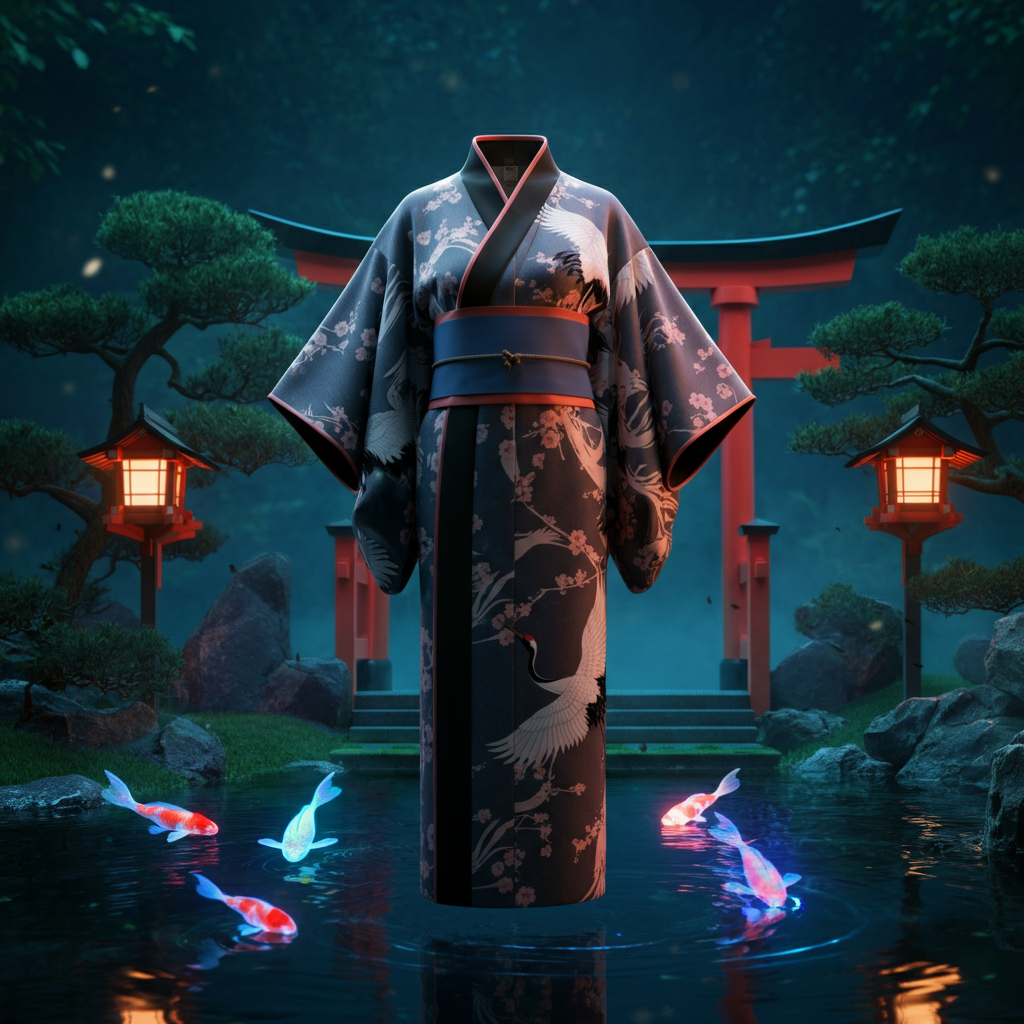
    The kimono represents the pinnacle of Japanese elegance. Traditionally worn for formal events, ceremonies, and special gatherings, the classic kimono features long, flowing sleeves and intricate patterns. We carefully select premium fabrics to ensure that every kimono drapes beautifully and feels luxurious against the skin. The vibrant colors and elegant motifs often reflect the changing seasons, allowing you to wear a piece of nature’s beauty.

    The Breezy Yukata

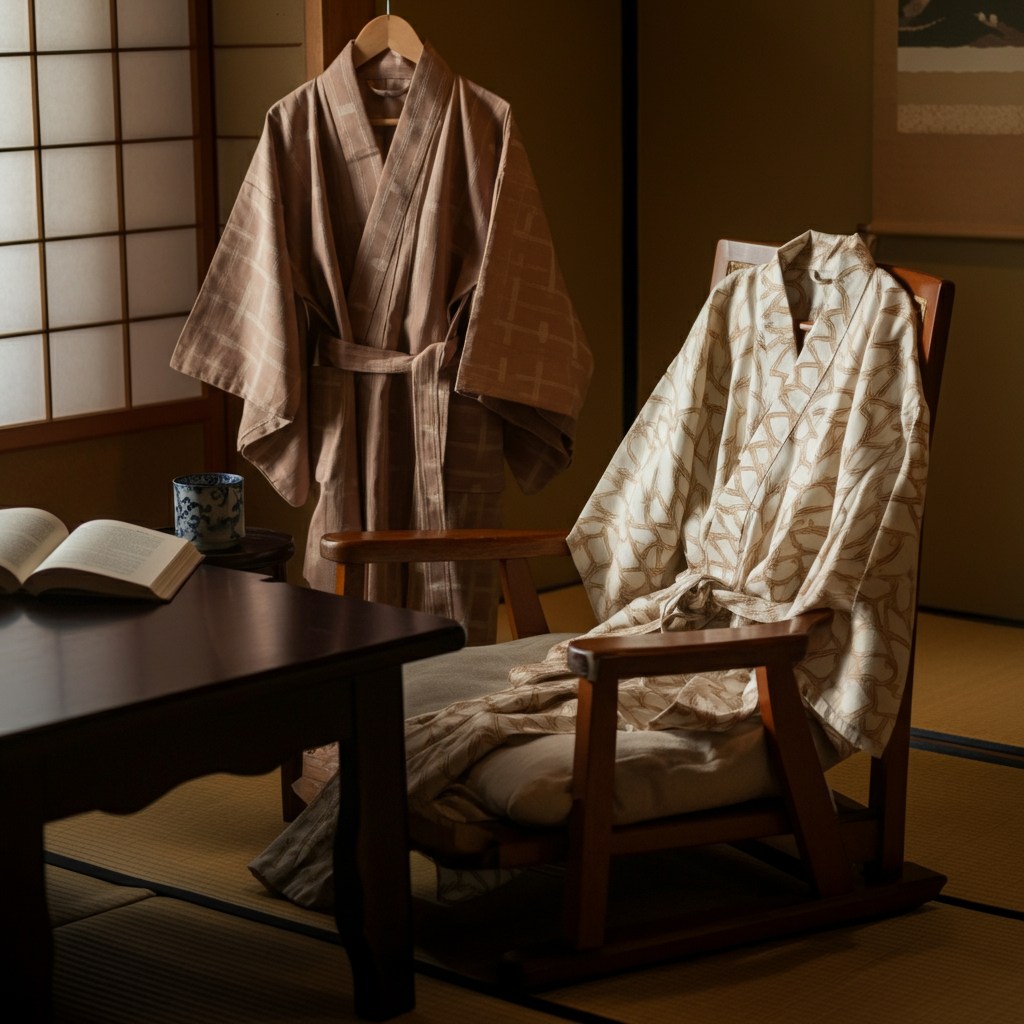
    When the warm summer months arrive, the yukata offers a beautifully comfortable alternative. Originally worn as a bathing robe, the yukata has evolved into a popular garment for summer festivals, fireworks displays, and relaxed evening strolls. Crafted from lightweight, breathable cotton, a yukata keeps you cool while maintaining an effortless sense of style. The patterns tend to be playful and bold, bringing a festive energy to your wardrobe.

    The Versatile Happi Coat

    For those seeking a touch of Japanese tradition in a shorter, more casual silhouette, the happi coat is a wonderful choice. Historically worn during festivals and by craftsmen, the happi coat is a straight-cut, lightweight jacket. Today, it serves as a comfortable and stylish layering piece for everyday wear or relaxing at home. Its relaxed fit and striking designs make it a beloved addition to any closet.

    Craftsmanship You Can Feel

    Our customers wear a story, a tradition, and a piece of craftsmanship that has been carefully selected and delivered with care. Every stitch and seam reflects a dedication to excellence. We partner with skilled artisans who understand the nuances of traditional textile design. From the initial dyeing process to the final tailored finish, our garments are crafted to withstand the test of time.

    The staff at Kimono Shop works hard to ensure customer satisfaction. We take immense pride in our curated collections, ensuring that every garment meets our rigorous standards for durability and beauty. This shared passion for quality means you receive a product crafted with genuine love and respect for the culture it represents.

    Finding Your Perfect Fit and Style

    Selecting the right kimono or yukata should be a joyful and seamless experience. We offer a wide range of sizes to ensure that everyone can enjoy the elegance of traditional Japanese clothing. Our friendly and attentive customer service team is always ready to help you navigate our collection.

    Consider the occasions you plan to attend and the fabrics that bring you comfort. A crisp cotton yukata might be perfect for hosting a summer garden party, while a beautifully patterned silk-blend kimono could be the ideal choice for an upcoming formal celebration. Whatever you choose, the right garment will make you feel confident and deeply connected to a timeless tradition.

    Frequently Asked Questions

    What is the main difference between a kimono and a yukata?

    The primary difference lies in the fabric and the occasion. Kimonos are typically made from heavier, luxurious materials like silk or fine synthetic blends and are worn for formal events. Yukatas are crafted from unlined, breathable cotton and are designed for casual, warm-weather wear.

    How should I care for my authentic Japanese garment?

    Care instructions vary depending on the fabric. Cotton yukatas and happi coats can often be gently hand-washed or machine-washed on a delicate cycle in cold water. Formal kimonos, especially those made of silk, usually require professional dry cleaning to preserve their intricate dyes and structural integrity.

    Do I need special accessories to wear these garments?

    To achieve the traditional look, a kimono or yukata is typically secured with a wide belt called an obi. You might also want to pair your outfit with traditional footwear, such as geta or zori. However, many of our customers enjoy wearing our garments open as beautiful, flowing robes around the home.

    Embrace a Legacy of Excellence

    When you choose Kimono Shop, you are choosing a legacy of excellence. We want our customers to have a smooth and pleasant shopping experience, from the moment you browse our unique patterns to the day your new garment arrives at your door.

    We warmly invite you to explore our extensive collection of Japanese kimonos, yukatas, and short-length happi coats. Discover the perfect piece to enrich your wardrobe and become part of a beautiful, enduring tradition today.
    Luxury loungewear, Japanese Kimonos and Yukata
    Luxury Loungewear
  • The Timeless Beauty of Kimonos: A Guide to History & Care

    Imagine wrapping yourself in a garment that speaks without words. It tells a story of seasons, of meticulous artistry, and of centuries-old tradition. The kimono is not merely clothing; it is a canvas of Japanese culture, worn with grace and preserved with love. Whether you are a long-time admirer of Japanese aesthetics or a newcomer captivated by the silken folds, understanding the depth behind the kimono transforms the experience of wearing one.

    In this guide, we explore the rich tapestry of history woven into every thread, the dedication of the artisans who create them, and practical advice on how to select and care for your very own piece of wearable art.

    More Than Fabric: The Soul of the Kimono

    The word kimono literally translates to “thing to wear,” but its simplicity in name belies its complexity in significance. For over a thousand years, the kimono has evolved from a practical undergarment during the Heian period (794–1185) to the sophisticated outer robe we recognize today.

    It is a garment that rejects the Western concept of tailoring to fit the body’s curves. Instead, the kimono is cut from a single bolt of fabric, or tanmono, in straight lines. The beauty lies in how it wraps the wearer, creating a uniform, cylindrical silhouette that emphasizes posture and grace. This design philosophy reflects a cultural appreciation for flat planes of fabric, which serve as uninterrupted surfaces for breathtaking artistic expression.

    The Artisan’s Touch

    True luxury lies in the details you cannot rush. The creation of a traditional kimono is a labor of love that involves a symphony of specialized craftsmen.

    • Dyers (Some-shi): Using techniques like Yuzen, artisans hand-paint intricate designs directly onto the silk, resisting dyes with rice paste to create crisp, vibrant patterns that look like paintings.
    • Weavers (Ori-shi): In styles like Oshima Tsumugi, the pattern is dyed into the threads before weaving. The weaver must align each thread with microscopic precision to reveal the image—a process that can take months for a single roll of fabric.
    • Embroiderers (Nui-haku): To add texture and opulence, gold and silver threads are often embroidered over the dyed patterns, catching the light with every movement.

    When you purchase a quality kimono, you are supporting a lineage of skills passed down through generations.

    Decoding the Occasion: When to Wear What

    One of the most intimidating aspects for newcomers is the strict code of formality surrounding kimonos. The type of kimono you wear communicates your age, marital status, and the formality of the event. Wearing the right kimono shows respect for the host and the occasion.

    The Furisode: Youthful Vibrance

    Recognizable by its long, flowing sleeves that can touch the ground, the Furisode is the most formal kimono for unmarried women. It is vibrant, often featuring bold, sweeping patterns across the entire garment. You will typically see these at Coming of Age Day ceremonies (Seijin no Hi) or weddings.

    The Tomesode: Elegant Maturity

    For married women, the Tomesode is the pinnacle of formality. The Kuro-tomesode (black base) is worn by mothers of the bride or groom at weddings. It features five family crests (kamon) and an elegant pattern that appears only below the waist, symbolizing a humble yet dignified presence.

    The Houmongi: Social Grace

    Translating to “visiting wear,” the Houmongi is a versatile semi-formal kimono suitable for both married and unmarried women. The pattern flows continuously over the seams across the shoulders and sleeves. It is the perfect choice for tea ceremonies, friends’ weddings, or high-end parties.

    The Yukata: Casual Comfort

    In the heat of summer, the silk is swapped for cotton. The Yukata is the most accessible entry point into the world of kimono. Originally a bathrobe, it is now the standard attire for summer festivals (matsuri) and firework displays. It is casual, comfortable, and fun to accessorize.

    Choosing Your Perfect Kimono

    Selecting a kimono is a personal journey. While rules exist, your connection to the garment matters most. Here is how to find the one that speaks to you.

    1. Let the Season Guide You

    Japanese culture places immense importance on the changing seasons. Your kimono should reflect the time of year, often anticipating the coming season rather than the current one.

    • Spring: Look for cherry blossoms (sakura), peonies, or butterflies in soft pastels.
    • Summer: Choose lightweight weaves like ro or sha featuring water motifs, goldfish, or hydrangeas to evoke coolness.
    • Autumn: Rich hues of orange and brown with maple leaves, chrysanthemums, or bush clover are traditional.
    • Winter: Pines, bamboo, and plum blossoms (the “Three Friends of Winter”) are classic motifs, often on heavier, lined silk (awase).

    2. Consider the Height and Size

    While kimonos are adjustable, they are not one-size-fits-all. Vintage kimonos, in particular, tend to be shorter. Ensure the length is roughly equal to your height. If the kimono is too short, it will be difficult to create the ohashori (the fold at the waist).

    3. Trust Your Instincts

    Are you drawn to bold geometric patterns from the Taisho era, or the subtle, monochromatic elegance of an Iromuji? The right kimono will make you feel confident and poised. Don’t be afraid, match your personality to a pattern.

    Caring for Your Kimono

    A well-cared-for kimono can last with proper handling. Silk and cotton are natural fibers; they breathe and react to their environment. Proper maintenance is essential to preserving its luster.

    • Air it Out: After wearing your kimono, hang it on a kimono hanger (emonkake) indoors, away from direct sunlight, for several hours. This allows body heat and moisture to escape before storage.
    • Fold Correctly: Never hang a kimono for long-term storage, as the weight will distort the shape. Learn the proper folding technique (hon-tatami) to ensure creases only appear where they are supposed to be.
    • Breathing Room: Store your kimono in a tatooshi (a heavy washi paper wrapper) inside a paulownia wood chest (kiri-tansu) if possible. The paper and wood regulate humidity, protecting the silk from mold and insects.

    Embracing the Tradition

    Wearing a kimono is an act of mindfulness. It changes how you move; smaller steps become natural, your back straightens, and your gestures become more deliberate. In a world that often rushes, the kimono invites you to slow down and appreciate the beauty of the moment.

    We invite you to visit our shop and experience the fabric for yourself. Whether you are looking for a casual Yukata for the summer or a formal masterpiece for a once-in-a-lifetime event, we are here to help you find the piece that resonates with your spirit.

    Ready to find your own piece of history? Explore our latest collection online.

  • How to Care for Your Kimono & Yukata Robe

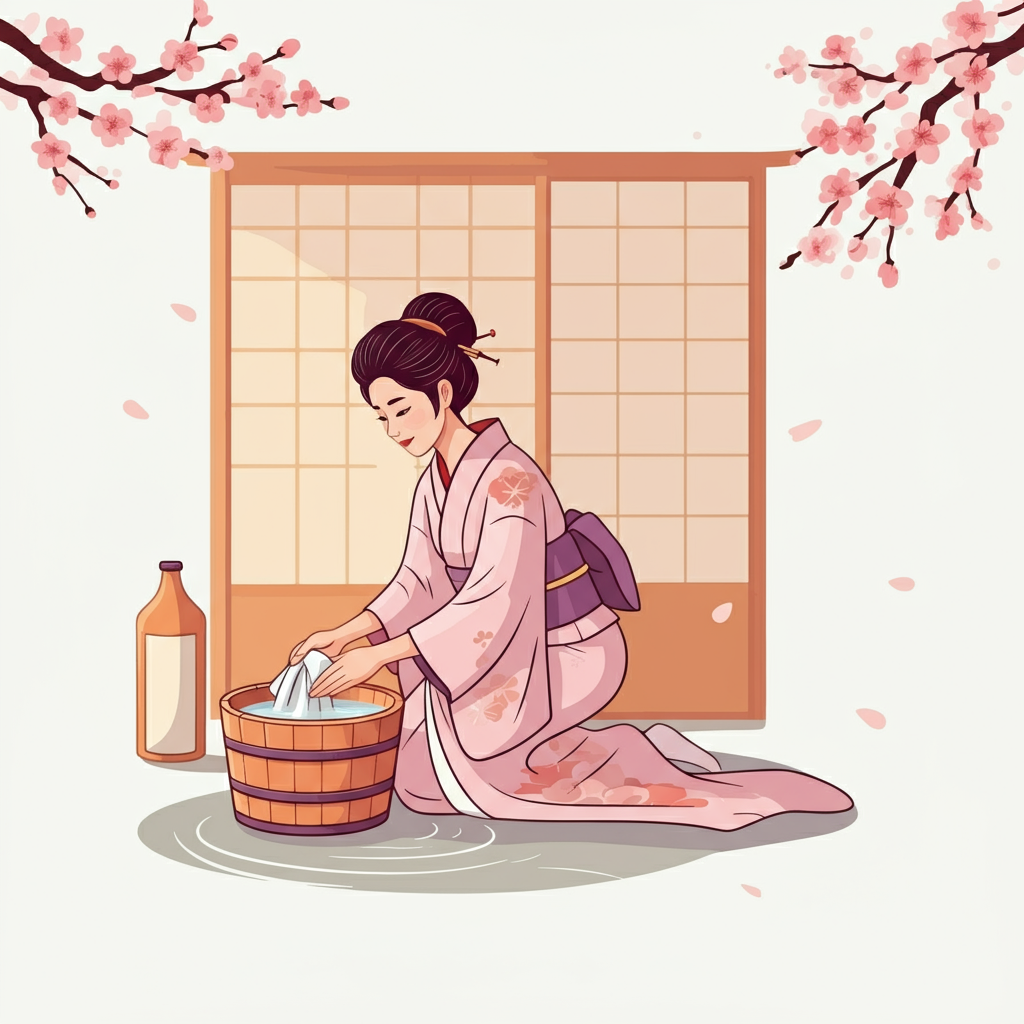
    Your kimono or yukata robe is more than just clothing; it’s a piece of wearable art steeped in tradition and comfort. Whether you wear it for lounging, special occasions, or as a connection to Japanese culture, you want to keep it looking its best. Proper care is essential for preserving the vibrant colors and soft feel of the 100% cotton fabric. This guide will walk you through the simple steps to wash and dry your robe, ensuring it remains beautiful for years to come.

    We will cover the best practices for washing, the benefits of using cold water, and the ideal methods for drying your garments. With a little attention, you can easily maintain the quality and longevity of your cherished robe.

    The Gentle Art of Washing Your Robe

    Washing your kimono or yukata doesn’t have to be complicated. The key is to be gentle. Harsh washing cycles, hot water, and strong detergents can damage the delicate cotton fibers, leading to fading and wear. Following a few simple rules will protect your investment and keep your robe in pristine condition.

    Why Cold Water is Your Best Friend

    Choosing the right water temperature is the single most important step in washing your robe. Always opt for a cold water wash. This simple choice offers significant benefits for the fabric and its appearance.

    Hot water can be aggressive on fabrics, especially natural ones like 100% cotton. It causes fibers to constrict and can lead to shrinkage and stress on the seams. Cold water, on the other hand, cleans effectively without being harsh, gently lifting away dirt and oils. This gentle approach helps extend the overall lifespan of your garment.

    Furthermore, cold water is crucial for color preservation. The rich patterns and deep dyes that make your kimono or yukata so striking are vulnerable to heat. Hot water can cause these colors to bleed and fade over time, leaving your robe looking dull. A cold wash helps lock in the dyes, keeping the colors as vivid and bright as the day you got it.

    Choosing the Right Settings and Detergent

    Once you’ve committed to cold water, select the proper settings on your washing machine.

    • Use the Delicate or Gentle Cycle: This setting mimics hand washing by using a slower spin and less agitation, which prevents stretching and damage.
    • Wash with Similar Colors: To prevent any potential color transfer, wash your robe with other dark or similarly colored items. For the first wash, it’s a good idea to wash it alone.
    • Use a Mild Detergent: Choose a gentle, pH-neutral detergent. Avoid harsh chemicals, bleach, and fabric softeners, as they can break down cotton fibers and leave a residue that dulls the fabric’s feel and appearance.

    Perfecting the Drying Process

    How you dry your kimono or yukata is just as important as how you wash it. High heat is the enemy of cotton, leading to shrinkage and irreversible damage to the fibers. The goal is to dry your robe gently, preserving its shape and softness.

    The Tumble Dry and Hang Dry Method

    For the best results, we recommend a two-step drying process. This combination method quickly removes most of the moisture without exposing the fabric to prolonged, damaging heat.

    First, place your robe in the dryer on a low heat or no heat (air fluff) setting. Let it tumble for a short period, around 10 to 15 minutes. The purpose of this step is not to dry the garment completely but to remove excess water and fluff the fibers, which helps prevent stiffness. A short, low-heat tumble is all that’s needed.

    Finishing with a Drip Dry

    After the brief tumble dry, remove the robe while it is still damp. The final and most crucial step is to hang it up to air dry.

    Find a spot with good air circulation, away from direct sunlight, which can cause colors to fade. A sturdy, kimono hanger is ideal to support the garment’s weight and help it maintain its shape, especially around the shoulders. Smooth out any wrinkles with your hands before hanging. Allowing your robe to dry for the remainder of the time is the gentlest way to finish the process. It prevents shrinkage and ensures the cotton fabric stays soft and comfortable against your skin.

    Caring for Your Robe, Preserving a Tradition

    Your kimono or yukata robe is a special garment that brings comfort and elegance into your life. By following these simple care instructions—washing in cold water on a gentle cycle and using a combination of low-heat tumbling and air drying—you are doing more than just cleaning a piece of clothing. You are actively preserving its beauty, feel, and longevity.

    With this mindful approach, your robe will continue to be a source of joy and relaxation for many years, retaining its vibrant colors and luxurious softness wash after wash.

  • Why Cotton is Widely Used in the Making of Kimono Yukata

    Kimono and Yukata robes are iconic Japanese attire pieces steeped in tradition and cultural significance. Over the years, these garments have evolved in design and the materials used to make them. Cotton has emerged as a favorite for crafting these beautiful robes among the various fabrics available. In this blog, we explore why cotton is so widely used in making Kimono and Yukata robes.

    The Allure of Cotton

    Easy Care

    One of the primary reasons cotton is preferred for Kimono and Yukata robes is its easy care. Unlike silk, which often requires special handling and dry cleaning, cotton can withstand regular washing without losing its quality. For fashion enthusiasts and textile lovers, this means a lot less hassle and more time enjoying their beautiful garments.

    Comfort on the Skin

    Cotton is known for its softness and breathability, making it an ideal fabric for clothing that sits close to the skin. Kimono and Yukata robes are often worn for extended periods, whether during festivals, tea ceremonies, or simply lounging at home. The comfort that cotton provides ensures that wearers can enjoy these activities without discomfort.

    Vivid Prints and Stylish Designs

    Cotton’s ability to hold dye exceptionally well makes it a popular choice for creating vivid prints and stylish designs. From intricate floral patterns to bold geometric shapes, cotton Kimono and Yukata robes are available in a plethora of designs that appeal to both traditionalists and modern fashionistas. This versatility in design options makes cotton an attractive fabric for these garments.

    Quality Fabric

    Cotton is a durable and long-lasting fabric, ensuring that Kimono and Yukata robes made from it can endure wear and tear while maintaining their aesthetic appeal. The high-quality fabric ensures that each robe retains its shape, color, and texture over time, making it a worthwhile investment for any wardrobe.

    Popular Across Clothing Pieces

    Cotton’s popularity isn’t limited to Kimono and Yukata robes. It is widely used in various clothing pieces, from everyday wear to high-fashion items. This widespread use further reinforces cotton’s reputation as a reliable and versatile fabric, making it a go-to choice for many designers and consumers alike.

    Cotton’s easy care, comfort, ability to hold vivid prints, quality, and versatility make it an ideal fabric for Kimono and Yukata robes. Its widespread use in various clothing pieces further underscores its appeal. Whether you’re a fashion enthusiast, textile lover, or cultural explorer, there’s no denying the charm and practicality of cotton in these traditional Japanese garments.

    Ready to explore the world of cotton Kimono and Yukata robes? Discover our collection and experience the beauty and comfort of these timeless pieces.