Category: japanese kimono men

  • Where People Wear Kimonos and Yukatas Across the USA

    You might picture a kimono draped against a backdrop of Kyoto temples or a yukata gliding through a Japanese summer festival. But these stunning garments have found a happy home across the United States, too. From bustling city festivals to cozy backyard gatherings, Americans are embracing kimonos and yukatas with curiosity and respect.

    So where exactly do people wear them? And how do you wear one without crossing the line from appreciation into awkward missteps? In this post, we’ll walk through the most common places people in the USA slip into these elegant garments. You’ll also pick up practical etiquette tips that help you wear them with confidence and care.

    Here’s what we’ll cover: the quick difference between a kimono and a yukata, the real-world spots where they show up across America, and the cultural know-how to wear them well.

    Kimono vs. Yukata: A Quick Breakdown

    Before we dive in, let’s clear up a common mix-up. A kimono is a more formal garment, traditionally made from silk and worn with multiple layers, an obi (sash), and accessories. People reserve kimonos for special occasions like weddings, ceremonies, and formal events.

    A yukata is the casual cousin. Made from lightweight cotton, it’s easy to wear and perfect for hot weather. You’ll spot yukatas at summer festivals, relaxed gatherings, and informal events. Think of the kimono as a tailored suit and the yukata as a breezy summer outfit—both beautiful, but built for different moments.

    Now that we’ve got that sorted, let’s explore where these garments come to life across the USA.

    Japanese Cultural Festivals

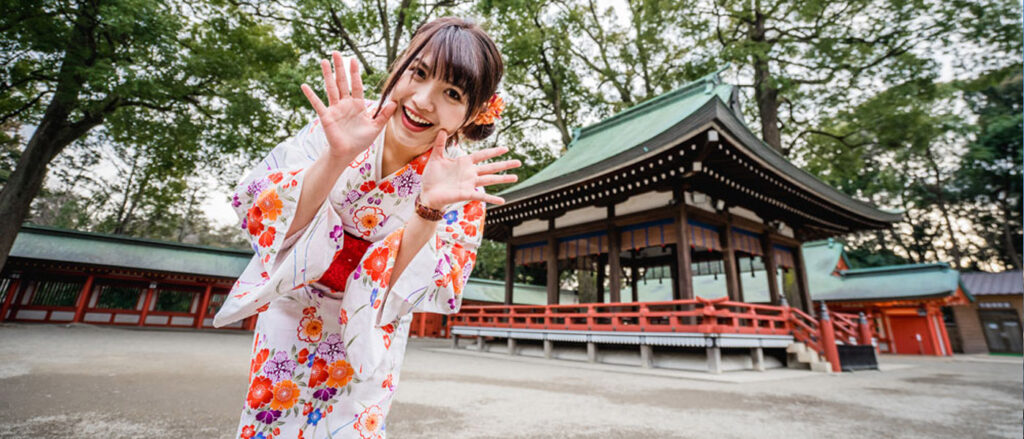
    Cities with strong Japanese American communities host vibrant cultural festivals year-round. Events like the Nisei Week Japanese Festival in Los Angeles or the Japanese Cultural Fair in Santa Cruz draw crowds dressed in colorful kimonos and yukatas.

    These festivals celebrate music, food, dance, and tradition. Wearing a yukata here feels natural and welcomed, especially when you join in respectfully and ask questions about the culture you’re celebrating.

    Mini takeaway: Cultural festivals are one of the most genuine places to wear a yukata while honoring its roots.

    Cherry Blossom Events

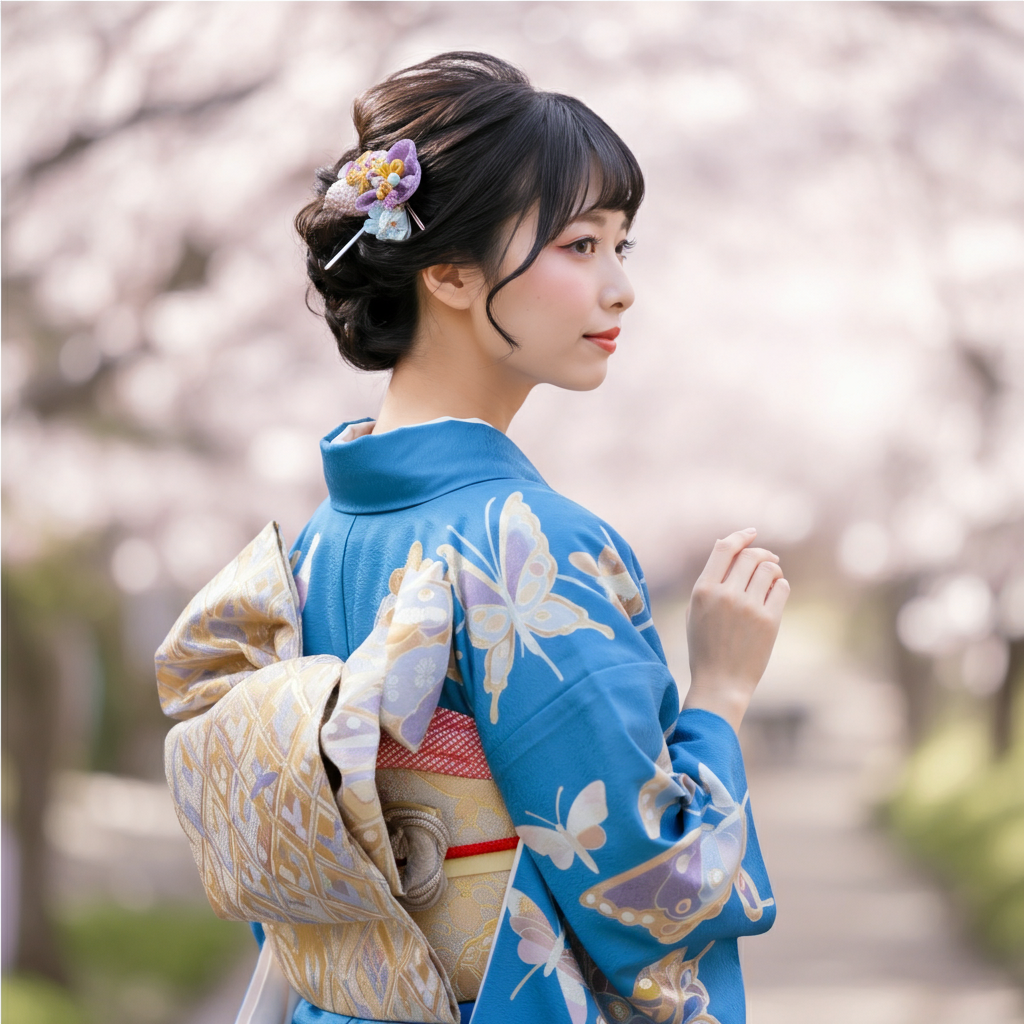
    Spring brings a wave of cherry blossom festivals across the country. The National Cherry Blossom Festival in Washington, D.C., and similar events in San Francisco and Seattle attract thousands of visitors each year.

    Many attendees wear kimonos or yukatas to match the floral, picture-perfect setting. These events often include tea ceremonies, taiko drumming, and traditional performances—making them a lovely backdrop for traditional dress. Just remember: you’re celebrating a shared cultural moment, so wear your garment thoughtfully.

    Anime and Pop Culture Conventions

    Walk into any major anime convention—like Anime Expo in Los Angeles or Otakon in Washington, D.C.—, and you’ll see kimonos and yukatas everywhere. Fans wear them as cosplay, as casual con-wear, or simply to express their love of Japanese culture.

    This space tends to be playful and creative. Still, it helps to know the difference between a costume-inspired piece and an authentic garment. If you’re wearing a traditional yukata rather than a character outfit, treat it with the same respect you’d show at a cultural event.

    Tea Ceremonies

    Traditional Japanese tea ceremonies happen at cultural centers, gardens, and tea schools across the USA. Places like the Urasenke tea schools offer authentic experiences guided by trained practitioners.

    These settings call for formal, mindful attire—often a kimono. Wearing one shows respect for the ritual and the host. If you attend, follow the guidance of the tea master and dress modestly and neatly.

    Mini takeaway: Tea ceremonies are formal occasions, so a kimono fits the mood better than a casual yukata.

    Summer Matsuri Celebrations

    Matsuri are traditional Japanese summer festivals, and many American cities recreate them with food stalls, lanterns, games, and dancing. The Obon festivals held at Buddhist temples nationwide are a beautiful example.

    Yukatas shine here. The lightweight cotton keeps you cool, and the festive atmosphere makes it the perfect place to wear one. Join the Bon Odori dance, enjoy the food, and soak up the community spirit.

    College Cultural Showcases

    Universities with active Japanese student associations often host cultural nights and showcases. These events feature performances, food, and fashion presentations where students wear kimonos and yukatas.

    If your campus hosts one, it’s a wonderful chance to learn directly from people who grew up with these traditions. Many showcases even offer kimono-fitting demonstrations so you can see how the garments are properly worn.

    Photoshoots

    Photographers and models love the visual drama of a kimono. Whether it’s a professional portfolio shoot, a graduation photo session, or a personal creative project, these garments add elegance and storytelling power to images.

    If you book a kimono photoshoot, choose a studio or stylist who understands the garment’s significance. The best shoots highlight beauty while honoring cultural meaning—not reducing it to a prop.

    Weddings and Formal Celebrations

    Some couples, especially those with Japanese heritage, incorporate kimonos into their weddings. The bride may wear a white shiromuku or a colorful uchikake over her kimono for a stunning, ceremonial look.

    Guests at Japanese American weddings sometimes wear formal kimonos, too. These moments call for the highest level of care and respect, so it’s worth learning the proper styling or working with a professional dresser.

    Spas and Ryokan-Inspired Experiences

    A growing number of American spas and resorts offer ryokan-inspired experiences. Guests slip into yukatas to relax, just as they would at a traditional Japanese inn.

    These cotton yukatas are designed for comfort and rest. Wearing one here is part of the experience, and the staff will usually show you how to tie it correctly.

    Mini takeaway: Spa yukatas are about relaxation—wear them as intended and enjoy the calm.

    At-Home Themed Gatherings

    Plenty of people wear yukatas at home too. Themed dinner parties, movie nights, or casual get-togethers inspired by Japanese culture are popular ways to enjoy these garments in a low-key setting.

    If you host one, take a moment to share a little context with your guests. A bit of knowledge turns a fun night into a respectful celebration of culture.

    Etiquette Tips for Wearing Kimonos and Yukatas

    Wearing these garments well comes down to a few simple guidelines. Keep these in mind:

    • Always wrap left over right. Right over left is reserved for dressing the deceased, so this one matters.
    • Tie the obi securely and at the right spot—usually around the waist for men and higher for women.
    • Match the formality to the occasion. Save kimonos for formal events and yukatas for casual ones.
    • Wear appropriate footwear like geta or zori when possible, especially at traditional events.
    • Learn a little history. Understanding the garment’s meaning helps you wear it with genuine respect.

    Common Mistakes to Avoid

    A few slip-ups can turn a thoughtful gesture into an awkward one. Don’t wrap the garment right over left. Don’t treat a kimono as a costume at formal cultural events. And don’t skip the research—knowing why these garments matter shows real appreciation.

    Final Thoughts

    Kimonos and yukatas have woven their way into countless corners of American life, from spring festivals to spa retreats. Each setting offers a different way to enjoy these beautiful garments while honoring their roots.

    The key is simple: wear them with curiosity, care, and respect. Take time to learn the difference between formal and casual styles, follow basic etiquette, and appreciate the rich culture behind every fold of fabric.
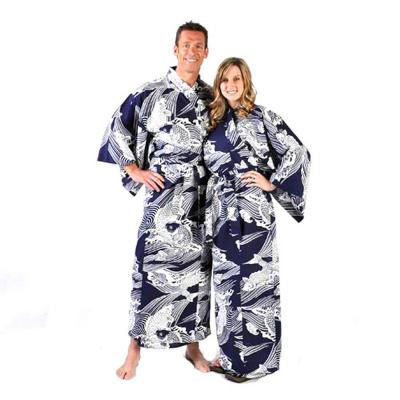
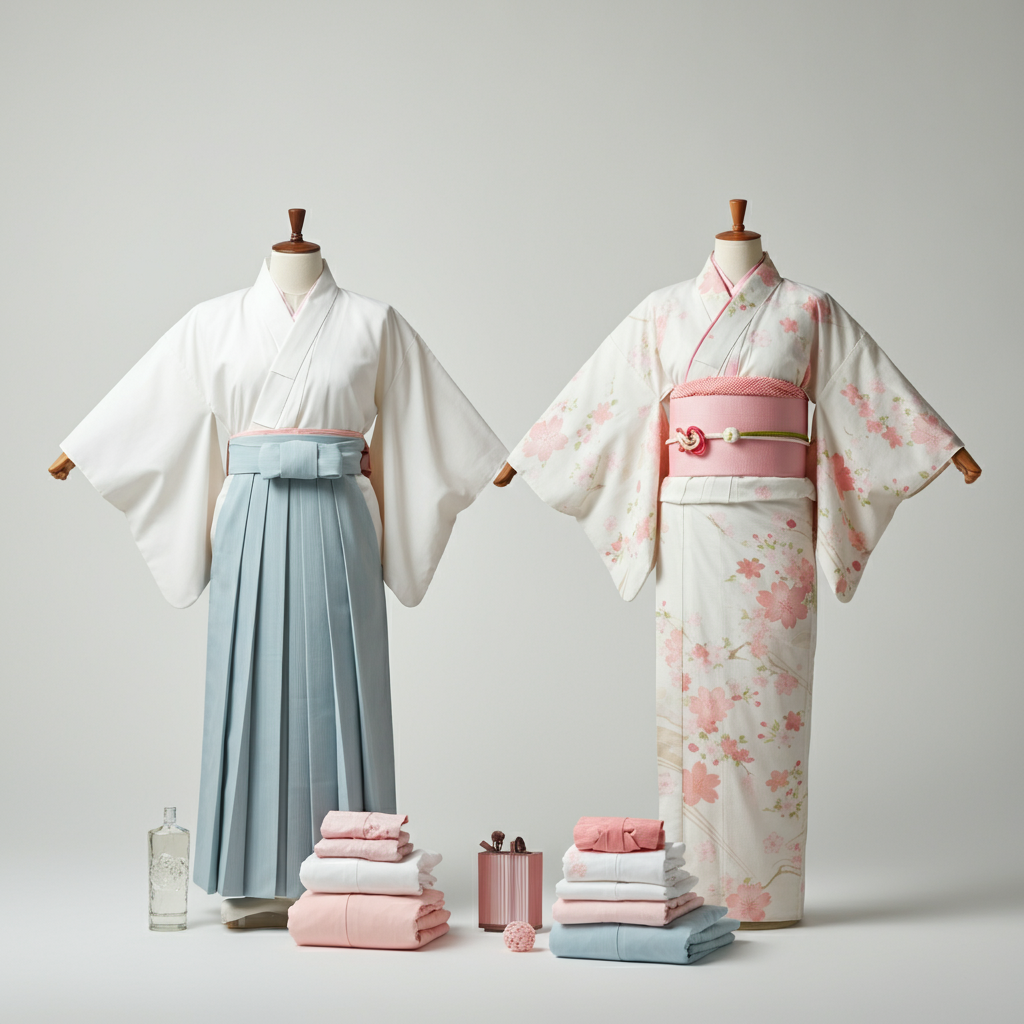
    Blue koi yukata in 100% cotton from Japan
    Comfort Never Felt so Good
  • We Asked, You Answered: What Makes KimonoShop.com Special?

    We recently reached out to our community to ask a simple question: What do you love about KimonoShop.com? The response was incredible, and the feedback we received painted a clear picture of why our customers choose us for authentic Japanese garments. We wanted to take a moment to share what we learned and express our gratitude for your continued trust.

    For over 30 years, our mission has been to share the beauty and comfort of Japanese culture through high-quality kimonos, yukatas, and happi coats. Your feedback confirms that our commitment to authenticity, service, and value is what truly sets us apart. Here’s a closer look at what you told us makes Kimono Shop your go-to source.

    A Legacy of Trust and Quality

    One of the most common themes in your feedback was trust. Kimono Shop was founded in 1994, and as an employee-owned business, we have a personal stake in every order. This reflects our core philosophy: to offer you the very best in quality, service, and satisfaction.

    Your survey responses showed that our three decades of experience matter. Customers appreciate knowing they are buying from a retailer with deep expertise in Japanese textiles and a proven track record of reliability. This long-standing heritage is the foundation of the trust you place in us every time you shop.

    An Inclusive Selection for Every Body

    We believe everyone should be able to enjoy the comfort and elegance of a well-fitting kimono or yukata. That’s why we’ve worked hard to build one of the largest and most inclusive selections in the United States. Your feedback highlighted how much you value our diverse range of sizes and styles.

    Finding Your Perfect Fit

    Many of you mentioned the difficulty of finding authentic Japanese robes that fit properly. We heard you, and that’s why our collection includes over 100 styles with options for everyone:

    • Plus Sizes: Generously cut for comfort and a graceful drape.
    • Short & Petite Lengths: Designed to prevent tripping or overwhelming smaller frames.
    • Tall & Big-and-Tall: Extra length and room for a perfect fit.

    From men’s and women’s to children’s sizes, our goal is to ensure you find a garment that feels like it was made just for you.

    Styles for Every Occasion

    Whether you’re looking for a lightweight cotton yukata for lounging on a summer evening or a more elegant and dressy kimono for a special event, our selection has you covered. You told us you appreciate the variety, from classic, timeless designs to modern, vibrant patterns that suit every aesthetic and function.

    Authentic Quality at an Affordable Price

    How do we offer authentic, made-in-Japan garments without the high price tag? Your survey responses showed a keen appreciation for our pricing model. By importing directly from manufacturers in Japan and sourcing in large volumes, we cut out the middlemen. This allows us to pass those savings directly on to you. In times of great market volatility, we can hedge foreign currency needs to further maintain lower prices.

    Customers noted the value of our transparent pricing. When you shop with us, there are no surprise customs or import fees. We also offer free shipping within the U.S. on all orders of $75 or more, making it even more affordable to bring home a piece of Japanese culture.

    Fast and Reliable U.S.-Based Fulfillment

    In a world of international shipping delays, quick and reliable delivery is more important than ever. Your feedback overwhelmingly praised our fast fulfillment. Because our warehouse is located in Northwest Florida, we have complete control over the quality and handling of every item.

    Most orders ship within just one business day, with an average delivery time of 2–4 days across the United States. You told us you love knowing that your order will arrive promptly, whether it’s a gift for a loved one or a treat for yourself.

    Customer-First Policies and a Seamless Experience

    We strive to make your shopping experience as simple and enjoyable as possible. The survey results confirmed that our customer-centric policies are a major reason you choose to shop with us again and again.

    Easy Returns and No-Hassle Shopping

    We understand that sometimes a purchase isn’t quite right. Our easy return policy allows you to send back any unworn item in its original packaging without a fuss. We also don’t force you to create an account to place an order. You can shop freely as a guest, with the option to create an account only if it’s convenient for you.

    Secure and Transparent Checkout

    Your security is our priority. We accept all major credit cards and PayPal through a secure SSL-encrypted checkout process. We never store your payment details, ensuring your sensitive information remains safe.

    A Trusted Part of the Community

    Our connection with you goes beyond transactions. We are proud to have been recognized by the Panama City Beach Award Program as the Best Online Retailer in the Kimono & Yukata category for several years running. This local recognition is a testament to our commitment to excellence. More importantly, we value the vibrant community we’ve built through our social media channels, blog, and direct feedback from customers like you.

    The KimonoShop.com Difference: A Summary

    Your feedback has been invaluable, confirming that our efforts are hitting the mark. Kimono Shop stands out because of our heritage, inclusive selection, fair pricing, and unwavering focus on the customer. Whether you are buying your first yukata, searching for a meaningful gift, or outfitting your business, you can count on us for quality, culture, and convenience. Thank you for being part of our journey.

  • The Future of Kimonos and Yukatas

    Timeless, elegant, and inherently Japanese, kimonos and yukatas have captured the imagination of fashion enthusiasts worldwide for centuries. While they remain symbols of Japanese heritage, these traditional garments are evolving in response to global trends, technological advancements, and the push for sustainable fashion. The question is no longer whether kimonos and yukatas can adapt, but how they will redefine themselves in a world that seems to move faster every day.

    This article dives into the future of kimonos and yukatas, analyzing how cultural preservation, modern adaptation, and international influence are reshaping the essence of these iconic garments.

    A Heritage Worth Preserving

    Kimonos and yukatas have historically held unique positions within Japanese society. Kimonos are often associated with formal ceremonies, weddings, and tea rituals, while yukatas serve as lightweight, casual wear ideal for summer festivals. Beyond functionality, these pieces represent craftsmanship, storytelling, and family heritage, passed down through generations.

    However, preserving these traditions is not without challenges. The artisan industry supporting these garments has seen significant decline over the years due to a combination of aging craftspeople, rising materials costs, and diminished everyday use in Japan. Yet, there is hope on the horizon. Institutions and cultural advocates are working to document the techniques used in textile production and kimono design, ensuring these skills are not lost.

    At the same time, brands specializing in traditional Japanese clothing have begun leveraging digital storytelling to reach younger generations. Campaigns that highlight the beauty and legacy of kimonos resonate with both local audiences and international admirers of Japanese culture, opening avenues for preservation through education and commerce.

    The Modern Makeover

    While the essence of kimonos and yukatas lies in their traditions, their modern iterations are stepping into uncharted territory. Today, contemporary designers are deconstructing and reinterpreting these garments for the global marketplace.

    Key elements such as obi belts or signature floral motifs are being incorporated into ready-to-wear pieces like dresses, jackets, and trousers, offering a fusion of East and West. Collaborations with international designers have also added an exciting twist—think streetwear infused with kimono-inspired silhouettes and diverse fabrications.

    The rise of customization has played a major role in making these garments more appealing to younger audiences. Modern technology, including digital embroidery and 3-D printing, allows consumers to personalize designs while maintaining the spirit of the traditional garment. This trend of blending heritage with individuality has struck a chord in the era of self-expression.

    Technology as a Catalyst

    Technological advancements have permeated every sector, and traditional clothing is no exception. The revival of kimonos and yukatas owes much to technologies that have made their production accessible and their appeal global.

    For one, e-commerce platforms are expanding the reach of Japanese fashion designers beyond geographical boundaries. Brands and artisans are now marketing their creations directly to consumers in Europe, the Americas, and beyond, bypassing the need for brick-and-mortar stores.

    3-D design software is another game-changer, allowing designers to experiment with innovative patterns and non-traditional textiles while optimizing waste reduction. Meanwhile, augmented reality (AR) apps are enabling customers to visualize how different kimonos or yukatas might look on them before making a purchase, offering a modern shopping experience aligned with convenience-driven consumer behavior.

    Sustainability and Ethical Fashion

    The global fashion industry’s shift toward sustainability has also influenced the trajectory of kimonos and yukatas. Fast fashion has never been compatible with the meticulous craftsmanship these garments require—a factor positioning kimonos as a natural fit for slow fashion movements.

    Artisans are increasingly opting for organic and locally sourced materials, while upcycling and recycling kimono fabrics into accessories or modern clothing pieces are also gaining traction. Some initiatives aim to integrate traditional dyeing techniques with sustainable practices. These changes not only make a compelling case for the environmental benefits of choosing a handmade kimono but also preserve centuries-old fabric-making traditions.

    The Role of Younger Generations

    A surprising factor in the resurgence of kimonos and yukatas is the involvement of younger Japanese generations. Rather than dismissing these garments as relics of the past, many young people are reviving old traditions and wearing kimonos or yukatas in fresh and unexpected ways.

    Social media platforms such as Instagram and TikTok are proving instrumental in this trend. Influencers and enthusiasts are showcasing colorful, modern arrangements of kimonos paired with statement accessories like boots or sneakers. This wave of creativity not only keeps kimono culture alive but also makes it relatable to a new demographic.

    Additionally, the international community’s growing interest in Japanese culture—spurred by anime, festivals, and tourism—has amplified appreciation for traditional clothing. Whether worn for cosplay, weddings, or cultural exchange, kimonos and yukatas are finding their way into wardrobes around the world.

    What Lies Ahead

    Looking forward, the future of kimonos and yukatas appears both vibrant and promising. The growing movement to preserve traditions, combined with modern technology and sustainable practices, positions these garments for a renaissance in global fashion.

    We might see increases in wearable tech seamlessly integrated into kimonos to make them more functional or temperature-adaptive. Cross-industry collaborations could introduce kimonos to high-tech fashion shows, further showcasing their versatility.

    Perhaps most importantly, kimonos are poised to remain symbols of cultural dialogue, bridging Japan’s heritage with the global innovation landscape. The blending of tradition and reinvention will ensure that kimonos and yukatas continue to captivate future generations.

    If these garments represent Japan’s past, they also hold the key to its sartorial future—an enduring legacy that evolves, one thread at a time.

  • Samurai Kimono Robes: Elegance, Heritage, and the Spirit of the Samurai

    Few garments today carry the timeless heritage and intrinsic elegance of a samurai kimono robe. Bridging the gap between Japan’s rich cultural history and modern craftsmanship, the samurai kimono robe is not just clothing—it’s a statement of honor, precision, and aesthetic refinement.

    Whether you’re a martial artist, a meditation practitioner, or simply someone who appreciates the artistry of Japanese robes, our premium black samurai kimono robe is a masterpiece worth exploring. Here’s everything you need to know about its intricacies, cultural significance, and why it’s a must-have for enthusiasts.

    What Makes Samurai Kimonos Special?

    Samurai kimonos go beyond being mere robes; they were a foundational part of the clothing tradition of Japan’s ancient warriors. Worn during ceremonies, rituals, and even casual moments in feudal Japan, these garments symbolize honor, discipline, and attention to detail—qualities that defined the Samurai class.

    Far from ordinary robes, samurai kimonos are marked by their rich materials, intricate designs, and the functionality required for ease of movement during meditation, martial arts practice, or a calming moment of reflection.

    The Features of Our Samurai Kimono

    Unveil the spirit of the Samurai in luxurious detail with our long black samurai kimono, an elite garment expertly crafted in Japan using 100% shantung cotton. This kimono introduces historic elegance to modern living, combining durable craftsmanship, comfort, and undeniable style. Here are the standout features of this one-of-a-kind piece:

    1. Premium Fabric for Maximum Comfort

    Made from 100% shantung cotton, this versatile fabric is known for its ribbed texture and durability. Its airy feel is reminiscent of linen, offering breathability for summer months while remaining plush and cozy in winter. This makes it perfect whether you’re practicing martial arts, meditating, or relaxing at home. This premium robe is also offered in 100% cotton broadcloth, a high-end fabric usually reserved for the finest dress shirts.

    2. Authentic Samurai Embellishments

    This kimono robe honors Japanese culture with stunning vintage embroidery. The back features the iconic golden “Samurai” calligraphy symbol framed within a 6-inch square. Its front panels are elevated with vibrant red Sakura crests, symbolizing beauty, vitality, and the fleeting nature of life—hallmarks of Japanese philosophy. The robe is also available in black with no embroidery or embellishments.

    3. Meticulous Craftsmanship

    Every element of this samurai-inspired kimono is thoughtfully designed to reflect the precision of the Samurai ethos.

    • Structure & Fit: The robe comes with a matching belt, providing a customizable fit that works for all body types.
    • Design Detail: Crafted in solid black, this kimono embodies understated elegance, making it perfect for formal or casual settings.

    4. Easy Care Instructions

    While craftsmanship of this caliber often demands significant upkeep, caring for this Japanese robe is refreshingly simple. A gentle hand wash in warm water followed by drip drying will preserve the kimono’s vivid embroidery and luxurious texture, allowing it to persist through time as a symbol of enduring quality.

    When and How to Wear Your Samurai Kimono

    The versatility of this samurai kimono allows it to suit a broad range of occasions and lifestyles. Wondering when to wear it? Here are a few ideas:

    • Meditation Sessions: Find your Zen while enveloped in breathable and comforting cotton.
    • Martial Arts Practice: Lightweight yet durable, this kimono allows for the freedom of movement necessary for martial arts.
    • Special Events/Ceremonies: The robe’s design and traditional embellishments make it ideal for cultural gatherings.
    • Daily Relaxation: Elevate your comfort post-work or on lazy weekends by slipping into this elegant piece.

    Why Choose a Samurai Kimono?

    Investing in a samurai kimono is more than choosing attire; it’s about capturing the enduring spirit of discipline, grace, and balance that the Samurai embodied. Beyond everyday use, this garment pays homage to Japan’s vibrant past while serving as a versatile, stylish addition to your wardrobe.

    Our black samurai kimono robe isn’t just functional—it’s a celebration of historical craftsmanship, ideal for collectors and those seeking meaningful fashion.

    A Piece of Tradition—for You

    Owning a samurai kimono is like owning a piece of living history. Woven authentically in Japan, this masterpiece not only connects you to the spirit of the ancient Samurai but also serves as a versatile robe for modern-day use. Whether you’re meditating, practicing martial arts, or simply unwinding at home, this kimono offers the perfect blend of comfort, style, and cultural significance.

    Make it yours—experience the elegance, honor, and history of the Samurai. Get your black samurai kimono robe today.

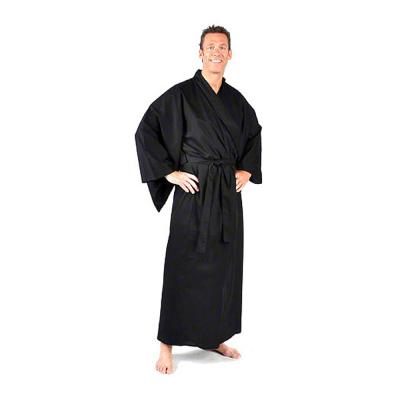
    The Samurai black kimono for men.
    Samurai Life!
  • The Enchanting History of the Yukata Robe.

    The yukata robe is steeped in tradition and elegance. This garment holds a special place in Japan’s rich tapestry of cultural heritage. Once used as a functional bathrobe, the yukata has evolved into a beloved summer garment. They are often worn to celebrate the arrival of festivals and warm weather.

    From the intricacies of its weave to the symbolism behind its vibrant patterns, the yukata’s history offers a fascinating glimpse into Japan’s past and present. Join us as we traverse through time to uncover the evolution of the yukata robe and its significance in Japanese culture.

    A millennia after its inception, the yukata remains an emblem of cultural pride and aesthetic sophistication. In this blog, we explore how this simple cotton robe became a symbol of summer and social splendor. We’ll look at its transition from a humble bathrobe to a fashion statement that thrives in today’s world. Whether donned by men or women, for relaxation or celebration, the yukata continues to weave its story into the fabric of Japan’s identity.

    Stay with us as we reveal tales of the yukata robe, where tradition meets trend, and every fold and dye retains the echoes of a bygone era. Join us on this historical fashion voyage through time.

    The Timeless Tapestry of the Yukata Robe: A Cultural and Fashionable Journey Through Japanese History

    The Yukata robe has traversed through centuries, donning multiple roles. From a simple bathrobe to a stylish ensemble, illustrates Japan’s chronicles of tradition, aesthetics, and seasonal festivities. This stylish garment exemplifies both the historic elegance and the contemporary flair of Japanese culture.

    From Steaming Baths to Summer Revelries

    The origin story of the yukata begins in Japan’s Kamakura period (1192–1333). As nobles took their leisurely steam baths, the ‘yu-katabira’ – a hemp garment worn in bathhouses to protect the skin and absorb sweat – became essential. Later known as ‘mi-nugui’ during the Muromachi period (1336–1573), this garment eventually evolved to become the yukata.

    It wasn’t until the Edo period (1603-1867) that the yukata transitioned into familiar territory. With cotton becoming affordable, the yukata stepped out as commoners’ choice of nightwear and relaxed indoor clothing. Paintings from early 20th-century Japan depicted the yukata as casual at-home attire. However, halfway through the Showa period (1926-1989), the yukata embarked on a glamorous transformation, emerging as the go-to attire for outdoor festivals and firework displays, reflecting a societal affection for this breezy kimono.

    A Tapestry of Tradition and Trend

    In the throbbing districts of Tokyo today, the yukata stands as a testament to this garment’s versatility and continued appeal. Crowds at concerts and events create a kaleidoscope of patterns and styles, flaunting yukatas adorned with contemporary designs and traditional sashes (obi belts). This blend of the classic and the modern showcases how the yukata remains deeply ingrained in the fabric of social and cultural expressions in Japan. Fashion-conscious individuals like Miki Fukagawa, with an enviable collection of over 50 yukatas, exemplify the robe’s hold over the current zeitgeist. Despite the ebb in festivity turnouts due to recent pandemic constraints, the zeal for personalizing yukata fashion continues to surge, illustrating the garment’s resilience as a conduit for self-expression.

    The Art of Arimatsu Shibori

    Arimatsu, nestled along the ancient Tokaido Road, holds a key to appreciating the yukata’s cultural depth. Here, the traditional art of Arimatsu shibori tie-dyeing has been practiced since the Edo period. This labor-intensive method sees more than 70 techniques actively used to produce fabrics with unmatched complexity and beauty. Among these is the tegumo shibori, creating spiderweb designs that demand unyielding commitment, skill, and endurance from its artisans. Each tie-dyed yukata stands as a narrative canvas, narrating stories through every meticulous knot and dyed pattern – a craft not just of textiles, but of heritage and painstaking artistry.

    Conclusion

    In tracing the historical threads of the yukata, we discover a reflection of Japan itself – adaptive, aesthetic, and deeply rooted in custom. The Yukata robe has withstood the ebb and flow of time, reinventing itself again and again while never losing its intrinsic essence as a symbol of grace and summer enchantment. Whether it’s the silhouette against fireworks in a summer sky or the strategic folds that speak to an ancient craft, the yukata persists, a cherished vestige of the past and a vibrant tribute to the living culture of Japan.

    Further Exploration

    For those captivated by the yukata’s history and eager to witness the craftsmanship firsthand, a visit to Arimatsu, with its tie-dyeing studios and workshops, is a must. Alternatively, adorn your yukata during the warm summer events and become a part of the ongoing narrative that is this beloved garment’s history. From its humble beginnings to its celebrated place in modern-day wardrobes and gatherings, the yukata carries the echoes of Japan’s past into the future, one elegant fold at a time. Check out the great selection of yukata for men and women at the Kimono Shop. On the web at www.kimonoshop.com

    The world of Kimonos
    Kimono Happiness
  • Unlocking Elegance: A Guide to Kimono Shopping Online

    In a world where tradition meets contemporary fashion, the kimono stands out as a symbol of Japanese culture’s timeless elegance. Whether you’re a cultural enthusiast, a lover of unique fashion, or someone looking to infuse tradition into your modern wardrobe, this guide aims to unlock the art of kimono shopping for enthusiasts of every shape and size.

    The Myth of “One Size Fits All” in Kimono Fashion

    For too long, the international narrative surrounding the kimono has suggested a “one size fits all” approach. This not only limited access to these beautiful garments but also restricted the experience of wearing a kimono to a select few. Recognizing this gap, Kimono Shop emerged as an innovator in the online kimono marketplace, challenging this notion by expanding its range to cater to diverse body types.

    A Size for Every Silhouette

    At Kimono Shop, we understand the importance of finding a garment that fits not just your body, but your soul. We offer an extensive selection of sizes and styles, from petite to plus size and big and tall, ensuring that everyone can experience the joy of kimono wearing. Whether you’re looking for a yukata for a summer festival or a formal kimono for a special occasion, our range considers short length, traditional length, and full figure, plus Big and Tall options to accommodate every body shape.

    Unveiling Variety and Style

    Our kimono and yukata collections boast a spectrum of patterns, from the classic to the contemporary. Sourced directly from manufacturers in Japan who share our vision of inclusivity, we ensure every piece is authentic, allowing you to wear a part of Japanese culture with pride and comfort.

    Voices from Our Community

    We’re more than a kimono shop; we’re a community of passionate individuals who appreciate the depth and beauty of Japanese fashion. Here’s what one of our customers had to say:

    “I wanted to tell you how wonderful my experience has been shopping on your site. The fact that you offer Kimono and Yukata for plus-sized women is so mindful and inclusive. I’ve been searching for months with fail until I found you. Thank You.”

    Navigating Your Kimono Shopping Experience

    • Start with Understanding Your Size: Check our detailed size charts to get a precise fit.
    • Select Your Style: Decide if you’re looking for a casual yukata or a more formal kimono.
    • Accessorize: Add obis, tabi socks, and other accessories to complete your look.
    • Care and Maintenance: Learn how to care for your kimono to keep it in pristine condition.

    Conclusion

    Kimono shopping can be an intricate process filled with discovery and delight. At Kimono Shop, we’re dedicated to providing an inclusive, enjoyable shopping experience for all our customers. With our wide range of sizes and styles, everyone can find their perfect kimono or yukata, carrying a piece of Japanese heritage into their daily lives.

    We invite you to explore our collection and find the kimono that speaks to you. Remember, when it comes to fashion, especially one as rich and nuanced as the kimono, one size doesn’t fit all, and individuality is the key to unlocking true elegance.