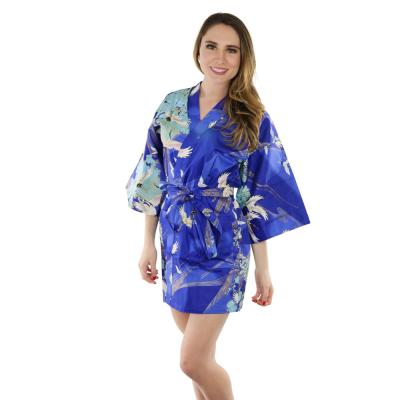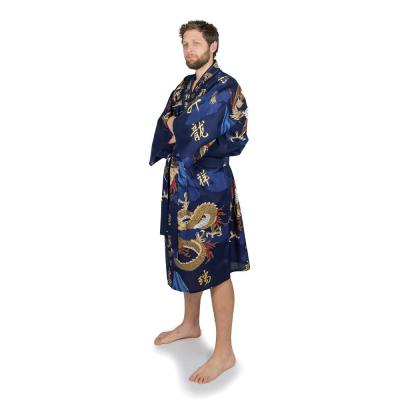
Category: happi coats japanese

  • How to Choose Your First Kimono: A Beginner’s Guide

    Choosing your first kimono is an exciting step into a world of incredible artistry, history, and personal expression. But with so many styles, fabrics, and terms, it can also feel a little overwhelming. This guide is here to walk you through everything you need to know, from finding the right fit to understanding the difference between a real silk treasure and a convincing replica.

    We will cover the essential factors: fit, fabric, budget, and authenticity. By the end, you’ll feel confident and ready to select a beautiful garment you can wear with respect and joy.

    First, Some Kimono Basics

    Before diving into the details, let’s clarify a few key terms you’ll encounter.

    • Kimono: The word “kimono” literally means “thing to wear.” It’s a T-shaped, full-length robe that wraps left over right. Traditional kimonos are often made of silk or cotton and worn for special occasions like weddings, tea ceremonies, or festivals.
    • Yukata: Think of a yukata as the kimono’s casual, summer cousin. It’s typically made of unlined cotton or synthetic fabric, making it lighter and more breathable. Yukata are perfect for summer festivals, relaxing at a traditional inn (ryokan), or as a beautiful bathrobe. They are an excellent, affordable starting point.
    • Haori: This is a hip- or thigh-length jacket worn over a kimono. It’s not belted shut and adds a layer of formality or warmth. Modern fashion has embraced the haori as a stylish, versatile jacket to wear with everyday clothes.

    Finding the Perfect Fit

    Unlike Western clothing, kimonos are not sold in standard sizes like small, medium, or large. Fit is determined by your height and, to a lesser extent, your hip measurement.

    Key Measurements to Check

    • Length (Mitake): A kimono’s length should be roughly equal to your height. The excess fabric is folded at the waist and hidden by the obi (sash), a fold called the ohashori. For a casual yukata, the length can be closer to your ankle without this fold.
    • Sleeve Length (Sodetake): The bottom of the sleeve should fall somewhere around your wrist when your arms are down. Long, flowing sleeves are a feature of furisode, a formal kimono for unmarried women.
    • Width (Mihaba): The kimono should wrap around your body comfortably, with the front panels overlapping. When you hold the center back seam against your spine, the edges of the robe should wrap to your hip bones. Most kimonos can accommodate a range of body shapes.
    • Sleeve Drop (Yuki): This is the measurement from the center seam of your neck to the edge of the sleeve. It should end near your wrist bone. If it’s too short, it can look ill-fitting, but vintage pieces often have a shorter yuki.

    When trying on a kimono, make sure the left side is wrapped over the right side. Wrapping right over left is reserved for dressing the deceased for burial—a crucial piece of etiquette to remember.

    A Guide to Kimono Fabrics

    The material of a kimono dictates its formality, seasonality, and care requirements.

    • Silk (Shoken): The most traditional and luxurious fabric. It’s smooth, drapes beautifully, and is used for formal kimonos like furisode and tomesode. Silk is a year-round fabric, but different weaves are used for different seasons. It requires professional cleaning.
    • Cotton (Momen): The classic fabric for yukata. It’s breathable, absorbent, and relatively easy to wash at home, making it perfect for summer.
    • Wool (Uru): A durable, warm, and wrinkle-resistant fabric. Wool kimonos are considered casual and are ideal for everyday wear in the cooler autumn and winter months.
    • Linen/Hemp (Asa): Crisp, breathable, and highly prized for summer wear. Linen kimonos are a bit more upscale than cotton yukata and are perfect for staying cool in humid weather.
    • Polyester & Synthetics: Modern kimonos are often made from high-quality polyester. It’s a fantastic option for beginners because it’s affordable, wrinkle-resistant, and machine-washable. While it doesn’t breathe as well as natural fibers, its ease of care is a major advantage.

    Setting Your Budget: New vs. Vintage

    Your budget will be a major factor in your decision. Prices can range from under $50 to many thousands of dollars.

    • Under $100: In this range, you’ll find new polyester yukata sets (often including a simple obi and geta sandals) or secondhand wool and synthetic kimonos. This is a great budget for your very first piece.
    • $100 – $400: This tier opens up the world of high-quality vintage silk kimonos (komon, or small-pattern kimonos), new cotton yukata from good brands, and some simpler new silk pieces.
    • $400+: Here you can find pristine vintage kimonos, artisan-made pieces, and new silk kimonos. Bespoke, hand-dyed kimonos can cost several thousand dollars.

    How to Spot an Authentic, Quality Kimono

    Authenticity can mean different things—is it handmade in Japan, or is it a well-made modern piece? Here are some clues to look for.

    • Pattern Alignment: On a quality kimono, patterns should flow seamlessly across the seams, especially on the back.
    • Lining: Most kimonos, except for unlined summer ones (hitoe), will have a lining. A fully lined kimono is called awase. The lining is often made of silk or cotton.
    • Seams: Look at the construction. A traditional kimono has specific seam placements and is mostly hand-stitched, especially for hemming. Machine stitching is common on modern or everyday kimonos.
    • Artisan Techniques: Look for signs of hand-dyeing like shibori (tie-dye), which leaves tiny, puckered dots, or yuzen (resist dyeing), which has fine, hand-painted details. These indicate a high-value, artisanal piece.
    • Red Flags: Be wary of shiny, cheap satin fabrics, printed patterns that don’t align at the seams, and garments marketed as “kimono robes” that are more like lingerie or dressing gowns.

    Where to Buy Your First Kimono

    • New: Department stores in Japan or specialty online retailers.
    • Vintage: Flea markets (especially in Japan), vintage kimono stores, and online marketplaces like Kimono Shop. Be sure to check seller reviews and measurements.
    • Rental: An excellent option for a special event. Kimono rental shops are common in tourist areas in Japan and some large cities worldwide. They handle the dressing and provide all accessories.

    Essential Kimono Accessories

    A kimono is rarely worn on its own. You’ll need a few key items to complete the look correctly.

    1. Obi: The sash worn around the waist. There are many types, from the casual hanhaba obi for yukata to the formal, elaborate fukuro obi.
    2. Koshihimo: Thin ties used to hold the kimono in place under the obi. You’ll need at least two.
    3. Juban: An under-kimono. It keeps the outer kimono clean and provides a clean collar line (eri). A full-length nagajuban or a simpler two-piece version works.
    4. Obi-ita: A stiff board placed inside the obi to keep it from wrinkling.
    5. Footwear: Zori are formal sandals, while geta are wooden clogs typically worn with yukata. Always wear tabi (split-toe socks) with zori.

    Simple Care and Storage

    • Airing: After wearing, hang your kimono on a special kimono hanger or a straight rod in a well-ventilated, shady area for a day to air out.
    • Cleaning: Polyester and cotton can often be hand-washed or machine-washed on a delicate cycle. Silk and wool must be professionally cleaned by a specialist.
    • Storage: Store your folded kimono flat, wrapped in a traditional paper wrapper called a tatoshi, or a simple cotton cloth. Keep it in a drawer or box away from direct sunlight and humidity.

    Kimono Shop has been a leading online provider of quality Kimono and Yukata since 19949. They offer a wide selection of colors, styles, and patterns. Whether for a man, woman, or child, sizes are available in small, large, tall, petite, plus size, big and tall, and short length. Visit the Kimono Shop online 24 hours a day. Based and operated in the USA, shipping is always quick, and service is professional.
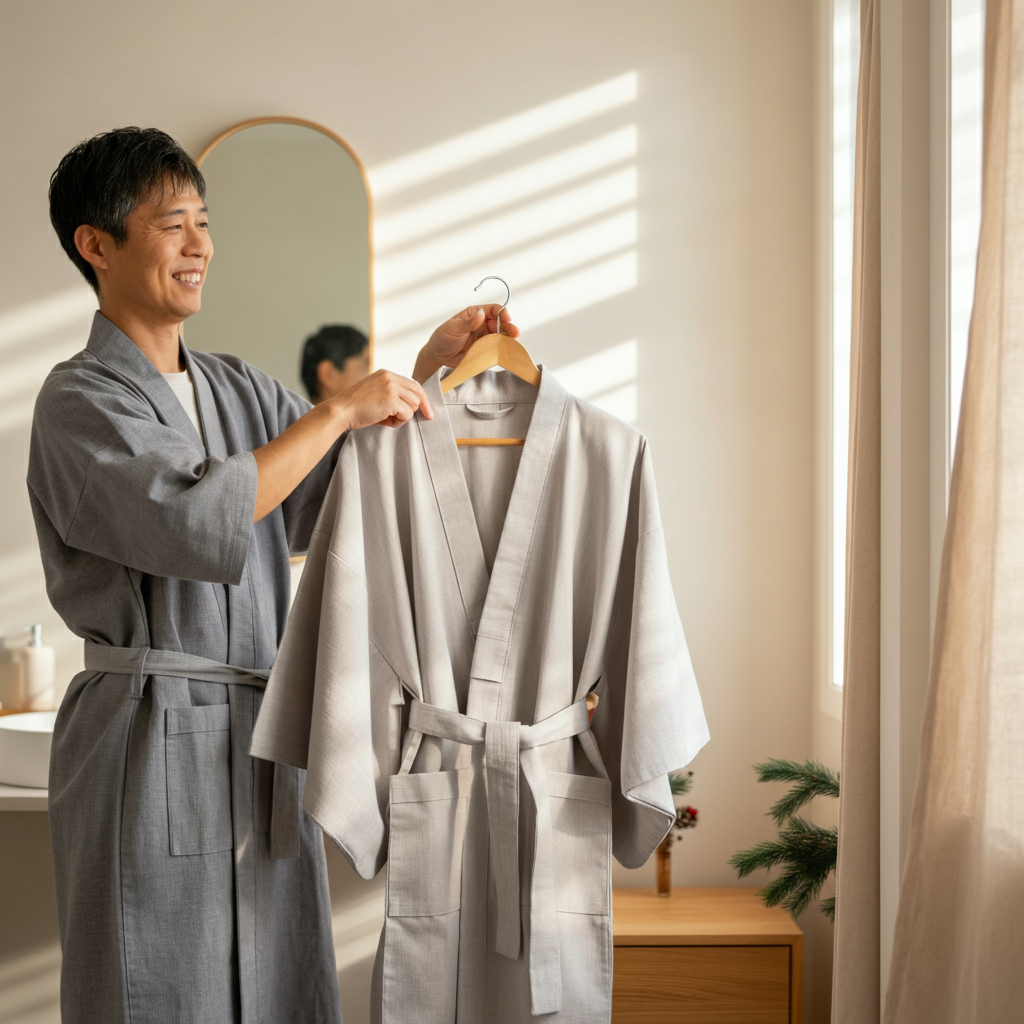
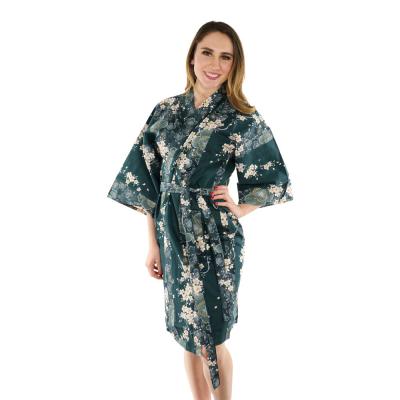
  • Seasonal Trends: What’s Hot This Season? Happi Coat Robes!

    This season, one classic yet versatile garment is making waves in the fashion world — the Happi Coat. A shorter-length version of the traditional kimono or yukata, Happi Coats are effortlessly stylish, lightweight, and perfect for a range of occasions. At Kimono Shop, we’re proud to offer a curated selection of these timeless beauties, blending cultural heritage with modern appeal. Whether you’re looking for something traditional or trendy, Happi Coats are a must-have addition to your wardrobe this season.

    The Timeless Appeal of Happi Coats

    Happi Coats hold deep cultural significance in Japanese fashion and history. Originally used by festival workers and traditional artisans, these coats were designed for practicality but soon became a symbol of respect and unity. Their short length, vibrant designs, and unique patterns made them a beloved garment for celebratory occasions and everyday wear alike.

    Today, Happi Coats have evolved into a global trend, thanks to their mix of comfort and style. Their blend of heritage artistry and modern tailoring turns every outfit into a conversation starter, seamlessly incorporating an authentic cultural touch into contemporary wardrobes.

    Why Happi Coats Are Trending This Season

    Here are a few reasons why Happi Coats are dominating style trends right now:

    1. Versatile Styling Options

      • Dress up or down! Happi Coats pair beautifully with jeans and a simple tee for an effortlessly chic, casual look. Alternatively, layer them over a sleek black dress for an elegant statement.
      • They’re also perfect for lounging at home, offering both comfort and visual flair.

    2. Season-Friendly Fabrics

      • Happi Coats are typically crafted from lightweight, breathable materials, such as cotton or linen. These fabrics are ideal for transitioning wardrobes through warm summer evenings and the breezy early days of fall.

    3. Bold Prints and Designs

      • This season celebrates vibrant hues and bold prints, and Happi Coats delivers just that. From intricate floral arrangements to geometric patterns, they allow wearers to showcase their individuality while nodding to traditional Japanese aesthetics.

    4. Cultural Appreciation Meets Modern Fashion

      • With growing interest in mindful purchasing and culturally significant pieces, Happi Coats are more than just garments — they’re a way to celebrate diversity through fashion.

    Styling Your Happi Coat Perfectly

    Not sure how to make the Happi Coat work for you? Here are some styling ideas:

    • Casual Chic: Pair a floral Happi Coat with distressed jeans, a basic white t-shirt, and sneakers for a laid-back weekend look.
    • Boho Elegance: Layer a lightweight Happi Coat over a neutral maxi dress with strappy sandals and minimalist gold jewelry.
    • Work-Appropriate: Choose a subtle patterned Happi Coat to wear over a fitted top and tailored trousers for a modern, polished office outfit.
    • Evening Glamour: Opt for a rich, dramatic color like deep navy or crimson, and layer your Happi Coat over a classic little black dress.

    The possibilities are endless, which is why they’re quickly becoming a wardrobe essential!

    Why KimonoShop.com’s Happi Coats Stand Out

    At Kimono Shop, we pride ourselves on offering a carefully curated selection of Happi Coats that celebrate the artistry and heritage behind these beautiful garments. Here’s why shopping for your Happi Coat at Kimono Shop is the best choice:

    • Wide Variety: We carry Happi Coats in countless designs, from traditional motifs to contemporary patterns, ensuring there’s something for every personal style.
    • Premium Quality: Each Happi Coat is crafted from high-quality fabrics, ensuring you get durability and comfort with every wear.
    • Uniqueness You’ll Love: Many of our designs are exclusive to Kimono Shop, meaning you’ll find one-of-a-kind pieces that stand out from the crowd.
    • Cultural Integrity: We honor the cultural roots of Happi Coats by sourcing authentic designs inspired by Japanese traditions.

    When you shop at Kimono Shop, you’re not just purchasing a garment — you’re investing in a piece of history, carefully tailored for today’s style aficionados.

    Explore the Trend Today!

    There’s no better time to add a Happi Coat to your wardrobe than now. Its versatility, cultural significance, and contemporary appeal make it a standout choice for any season. From casual outings to elegant evenings, these coats epitomize functional fashion.

    Discover the perfect Happi Coat for your style by exploring our extensive collection at Kimono Shop.com. Make this season your most stylish yet with timeless pieces that speak volumes. Start shopping today and see why Happi Coats are this season’s hottest trend!

  • Happi Coat Season is Here! Celebrate Tradition and Style

    The much-awaited Happi coat season has arrived, and it’s time to celebrate style, culture, and tradition all wrapped in one vibrant garment. Whether you’ve long admired Japanese culture or have recently spotted these colorful coats making waves globally, one thing is clear – Happi coats are a must-have this season. From their deep-rooted history in Japanese festivals to their iconic place in modern fashion, Happi coats combine the old and the new most stylishly.

    What is a Happi Coat?

    Happi coats are lightweight, traditional Japanese garments typically worn over clothing, but often not. These coats are recognizable by their straight-cut design, wide sleeves, bold, eye-catching patterns and short-length. Traditionally crafted from cotton, they are comfortable and durable, making them perfect for festive celebrations and casual settings alike. The designs often feature iconic Japanese symbols, such as kanji characters, family crests, or motifs of nature, such as cherry blossoms or waves.

    Originally worn during festivals and events, Happi coats have since transcended cultural boundaries to become a global fashion statement. Today, they embody a unique blend of tradition and modern chic, making them a versatile addition to any wardrobe.

    The Cultural Significance of Happi Coats

    Happi coats hold a special place in Japanese culture, especially during matsuri, or traditional festivals. Historically, these coats were used by shopkeepers, tradespeople, and fire brigades to identify themselves, with family crests or company logos displayed prominently on the back. Over time, they became integral to festival celebrations, symbolizing unity, pride, and community.

    During festivals like Tenjin Matsuri in Osaka or the Kanda Matsuri in Tokyo, groups of participants wear matching Happi coats to foster a sense of solidarity. These vibrant garments, along with the beating of taiko drums and the colorful floats, bring Japan’s traditional celebrations to life. The Happi coat is more than just a piece of clothing – it is a wearable part of Japanese history and culture.

    The Modern-Day Appeal of Happi Coats

    What makes Happi coats so popular outside of Japan? For starters, their stunning designs and versatility make them perfect for fashion enthusiasts who want to stand out. Influencers, stylists, and designers across the globe have embraced this garment, adapting it for modern wear. Whether styled with jeans and sneakers for a casual look or layered over a dress for a chic evening outfit, Happi coats bring a unique aesthetic to any ensemble.

    They’ve also caught the attention of cultural enthusiasts who appreciate the fusion of tradition and contemporary appeal. Wearing a Happi coat is a way to showcase a love and respect for Japanese culture while making a bold fashion statement.

    How to Style a Happi Coat This Season

    One of the best things about Happi coats is their versatility. Here’s how you can style them for different occasions:

    1. Casual Streetwear

    Pair a bright Happi coat with a plain white t-shirt, ripped denim, and your favorite sneakers. The coat acts as a statement piece that turns a simple outfit into a showstopper.

    2. Festival Flair

    Going to a music festival or cultural event? Opt for a Happi coat with intricate patterns and bright colors. Match it with comfortable shorts and sandals for a day of dancing and fun.

    3. Office Chic

    For a more polished look, layer your Happi coat over a neutral blouse and tailored pants. Stick to monochromatic tones to keep the outfit professional while letting the coat add a pop of personality.

    4. Evening Glam

    Dressing up for a special night out? Choose a silk or satin Happi coat with metallic accents and wear it as a long jacket over a sleek dress. Add some statement jewelry, and you’re ready to own the evening.

    5. At-Home Loungewear

    Yes, you can even relax in style! A Happi coat doubles as a lightweight robe for cozy evenings at home. Pair it with soft joggers or pajamas for maximum comfort.

    Why You Need a Happi Coat This Season

    Happi coats aren’t just beautiful; they’re meaningful. They tell a story, celebrate heritage, and add flair to your personal style. By owning one, you’re not just adding a new piece to your wardrobe – you’re connecting with a rich cultural tradition that has stood the test of time. And as they continue to rise in global popularity, Happi coats are more accessible than ever, making this the perfect time to join the trend.

    Where to Find Your Perfect Happi Coat

    Happi coats come in a variety of designs, fabrics, and price ranges, so there’s something for everyone. You can shop them at specialty Japanese stores, cultural markets, or online retailers offering authentic apparel. When shopping for a Happi coat, consider supporting ethical brands that source high-quality, traditional materials while respecting Japanese artisanship.

    Celebrate the Season in Style

    Happi coat season is more than just a fashion moment – it’s an opportunity to celebrate a beautiful intersection of culture, style, and self-expression. Whether you’re attending a cultural festival, exploring new trends, or simply looking for something unique to upgrade your wardrobe, a Happi coat is the answer.

    Make the Happi Coat Trend Yours

    This season, don’t miss your chance to stand out. Add a Happi coat to your collection, embrace its history, and make it your own. Whether you wear it as a nod to tradition or a bold new style statement, you’re sure to turn heads wherever you go.

    Are you ready to join the Happi coat movement? Find your perfect design and step into a season of vibrant celebration!

  • Happi Coats: The Beauty of Tradition in a Short-Length Robe

    If you’ve admired the timeless elegance of traditional Japanese kimonos, prepare to fall in love with their shorter, more modern sibling, the Happi Coat. This short-length kimono or yukata carries the same rich cultural heritage and craftsmanship, reimagined for versatility and ease. Whether you’re lounging at home, searching for the perfect post-bath coverup, or enhancing your spring wardrobe with something lightweight and stylish, the Happi Coat is your answer.

    At Kimono Shop, we celebrate over three decades of bringing the splendor of Japanese attire to your doorstep. With a passion for tradition and quality, we make online shopping for kimonos, yukata, and Happi Coats effortless and enjoyable, right here in the USA.

    What is a Happi Coat?

    A Happi Coat is a shorter-length kimono or yukata, elegantly tailored to offer a balance of functionality and style. Historically, Happi Coats were worn during Japanese festivals and often adorned with family crests or symbolic motifs. Today, they have evolved into an essential wardrobe piece that embodies the grace of Japanese culture with unmatched versatility.

    Unlike a full-length kimono, the shorter hemline of a Happi Coat makes it perfect for both casual and semi-formal occasions. They are available in various colors, patterns, and sizes, designed thoughtfully to cater to men and women alike.

    Key Features & Benefits of Happi Coats

    1. A Lightweight, Comfortable Fit

    • Happi Coats are designed with the changing seasons in mind. Their lightweight fabrics make them perfect for spring and warmer weather, ensuring you look stylish while staying cool and comfortable.

    2. Versatility for Every Occasion

    • Whether you’re enjoying a lazy weekend at home, heading to the spa, or stepping out to run errands, the Happi Coat is your go-to choice. Wear it as loungewear, a fashionable coverup after a bath, or pair it with jeans or shorts for an effortless chic vibe.

    3. The Elegance of a Kimono

    • Happi Coats mirror the graceful lines and refined patterns of traditional kimonos, offering you the splendor of Japanese culture in a practical, modern design.

    4. For Him and Her

    • With designs tailored for men, women, and unisex options, there’s a Happi Coat for everyone. Celebrate this quintessential piece with your own unique flair.

    5. Easy to Style

    • Style your Happi Coat over a tank top, swimsuit, or even a turtleneck for cooler nights. Its simplicity means endless possibilities for creative pairings.

    6. A Touch of Cultural Heritage

    • Each Happi Coat tells a story of artistry and tradition, blending centuries of Japanese elegance with a contemporary flair.

    Why Choose Kimono Shop for Your Happi Coat?

    At Kimono Shop, we’ve been a trusted name in Japanese kimonos, yukata, and Happi Coats for over 30 years. Here’s why shopping with us is the ultimate experience:

    • Quick Shipping: No need to wait weeks for attire sourced from across the globe. We operate in the USA, meaning fast delivery without import hassles.
    • Easy Returns: Shop with confidence. Our straightforward return process ensures your purchase meets your expectations.
    • Superior Selection: From timeless patterns to bold designs, our Happi Coats are chosen for their craftsmanship and appeal.
    • Hassle-Free Shopping: No lengthy delays, duties, or tariffs. Just thoughtful, efficient service so you can wear tradition with pride.

    How to Wear a Happi Coat

    Not sure how to style your Happi Coat or incorporate it into your wardrobe? Here are a few ideas:

    • Loungewear Perfection: Pair your Happi Coat with soft cotton shorts or leggings for ultimate comfort at home.
    • Pool-Side Elegance: Use it as a lightweight coverup after a refreshing swim.
    • Casual Chic: Wear it over a casual outfit to add a touch of sophistication and intrigue.
    • Evening Glam: Layer your Happi Coat over a sleek mini dress or tailored trousers for a modern twist on traditional fashion.

    The Perfect Blend of Tradition and Ease

    Happi Coats are more than just garments; they are wearable pieces of art. They bring the beauty of Japanese culture into your everyday life with a blend of style, comfort, and practicality. Whether you’ve loved Japanese fashion for years or are just beginning to explore it, the Happi Coat is an accessible, must-have addition to your wardrobe.

    Explore our collection of Happi Coats today, and discover how this short-length kimono can transform your style. With Kimono Shop’s expert curation, quick shipping, and exceptional service, timeless Japanese fashion is always within reach.

    Shop Happi Coats Now

  • Happi Coats: A Timeless Blend of Tradition and Modern Elegance

    The Happi Coat is a fascinating garment steeped in history, cultural significance, and evolving uses that merge tradition with contemporary fashion. Whether you’re a Japan enthusiast, a kimono lover, or simply someone looking for elegant yet comfortable loungewear, the Happi Coat is a one-of-a-kind addition to your wardrobe. This blog takes you on a rich and immersive exploration of the Happi Coat’s evolution, offering insights into its significance, styling tips, care, and why you might want to call one your own.

    A Brief History of the Happi Coat

    The Happi Coat has been a cherished part of Japanese culture for centuries. Originally worn by workers and festival participants, the Happi Coat was adorned with symbols and family crests that denoted unity and pride. Over time, this knee-length kimono, often made of lightweight cotton, transformed into a versatile piece of Japanese fashion.

    During the post-war period, the Happi Coat gained global attention, especially in the West, where it became known as the “shortie.” Women’s house coats became shorter and more casual, and today, the Happi Coat’s appeal transcends its cultural roots as a timeless blend of comfort, tradition, and personal expression.

    Cultural Significance in Japanese Society

    The Happi Coat plays a prominent role in Japanese festivals and ceremonial events. You’ll often spot them in vibrant parades, worn by groups to show unity and identity. Typically crafted with bold colors and patterns—such as kanji characters or family crests—they are symbols of celebration and tradition. This garment embodies the spirit of Japanese craftsmanship and respect for cultural heritage, making it a garment with deep sentimental value.

    Modern Fashion Integration

    Today, the Happi Coat is more than just a cultural artifact—it’s a versatile fashion statement. Its short-length design and airy fabric make it the perfect wardrobe piece for various occasions. Here are a few ways to style your Happi Coat in modern life:

    • Beach or Pool Cover-Up

    Transition effortlessly from a swim to lounging by the shore by pairing your Happi Coat with your favorite swimsuit. The light fabric and colorful designs make it both practical and eye-catching.

    • Loungewear Chic

    Whether you’re reading, listening to music, or simply relaxing at home, Happi Coats make for the ultimate sophisticated loungewear. Their knee-length fit combines comfort with a touch of elegance.

    • Layered Streetwear

    Make a bold fashion statement by incorporating a Happi Coat into your casual outfits. Layer it over a plain top and jeans, or elevate your look with sandals and accessories reminiscent of traditional Japanese design.

    Choosing the Right Happi Coat for Every Occasion

    Selecting the perfect Happi Coat is an art in itself, and at Kimono Shop, there are countless designs waiting to inspire you. Here are some tips to find the one that suits your needs:

    • Elegant Simplicity: Opt for muted tones and minimal patterns when looking for a Happi Coat suitable for home or laidback occasions.
    • Festival-Perfect: If you’re drawn to vibrant celebrations and parties, go bold with bright colors and intricate designs. Look for traditional motifs such as kanji or floral prints to honor the garment’s festive origins.
    • Versatility in Design: For everyday wear, choose Happi Coats in neutral palettes with subtle prints. These can seamlessly blend into your wardrobe while still making a statement.

    Browse the beautiful selection of Japanese Happi Coats for men and women at Kimono Shop and find one that speaks to your unique taste.

    Care and Maintenance

    Your Happi Coat deserves premium care to maintain its quality and beauty. To ensure your garment stays as stunning as the day you received it, keep these tips in mind:

    • Handle with Care: Always wash your Happi Coat using a gentle hand-wash cycle or by hand to avoid damaging intricate designs.
    • Mild Detergent: Opt for a mild detergent that won’t fade the garment’s vibrant colors.
    • Air Dry: Avoid exposing your Happi Coat to direct sunlight for extended periods, as this can diminish its color. Instead, air dry it in a shaded area.

    By following these simple steps, you’ll keep your Happi Coat looking impeccable for years to come.

    Experience the Timeless Elegance of Happi Coats

    Happi Coats encapsulate the beauty of Japanese tradition, the artistry of fine craftsmanship, and the versatility of modern-day fashion. Whether you’re using it as a breezy beach cover-up, a luxurious lounge robe, or an artistic statement piece, the Happi Coat is a wearable celebration of culture and comfort.

    Explore the exquisite collection of Happi Coats at Kimono Shop and discover designs that honor tradition while fitting effortlessly into today’s lifestyles. Each garment is a testament to quality and care—offering you not just a piece of clothing, but a legacy of art and history.