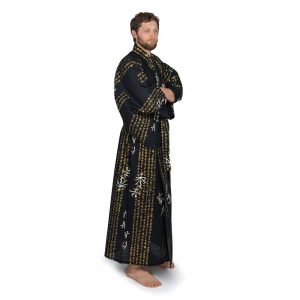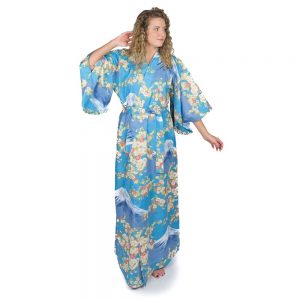
Category: geisha costume

  • What is a “Vintage” Kimono?

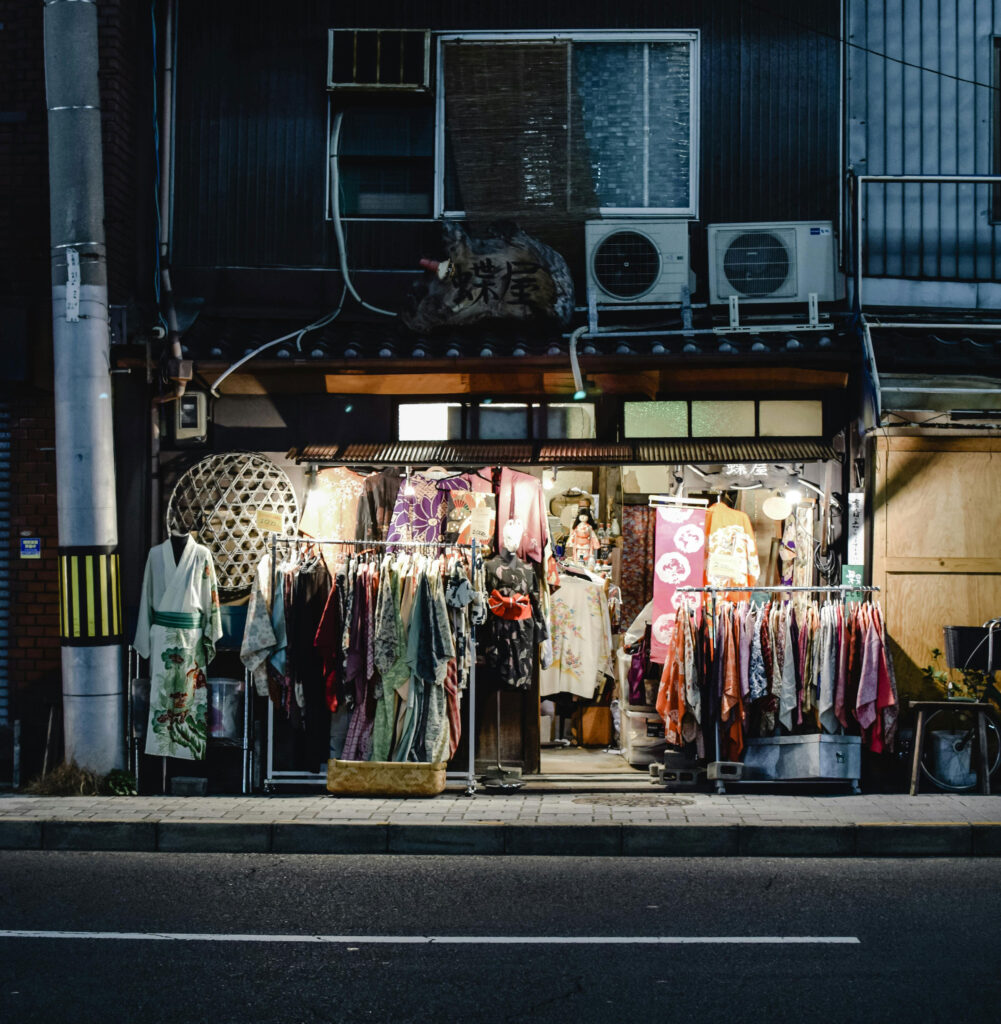
    The term “vintage” carries different meanings depending on the context. For some, it evokes the memory of a fine wine, carefully noting the year it was produced. Others might think of a classic car their grandfather cherished or an antique treasure discovered at a garage sale. In the world of kimonos, however, “vintage” typically refers to pre-owned kimonos and yukata robes.

    In recent years, the market for “vintage” clothing has grown significantly, with many dealers specializing in these unique garments. Often, the term “vintage” is used more as a marketing tool than a precise descriptor. After all, “vintage” sounds far more appealing than “used,” much like how car dealerships prefer the term “pre-owned.”

    But why do people gravitate toward pre-owned clothing? For some, it’s about finding a bargain. Others are drawn to the charm of a one-of-a-kind piece that adds character to their wardrobe. And then there are the true enthusiasts—those who scour resale shops or online marketplaces in search of that perfect, storied garment.

    Do We Sell Vintage Kimonos?

    Occasionally, we receive inquiries about vintage kimonos—whether we sell them or are interested in buying them. The short answer is no; we do not. At Kimono Shop, we focus exclusively on offering new Japanese robes, with nearly 100 styles of kimono and yukata for men, women, and kids available in our online store, www.kimonoshop.com.

    What Defines a Vintage Kimono?

    The definition of a “vintage” kimono is surprisingly elusive. Does it mean the kimono was made in a particularly “good” year, like a fine wine? Does it need to be 20 years old to qualify, or is three years enough? Is “vintage” simply a more elegant way of saying “old”?

    Our exploration of the vintage kimono market revealed a lack of clear standards in a fragmented arena. The term seems to be applied arbitrarily, with little consistency. A used kimono might be found at a garage sale, but often, there is no reliable backstory. Sellers are frequently vague, offering explanations like, “It was a gift from a family member” or “Someone brought it back from Japan years ago, and it’s been in storage ever since.”

    The Vintage Kimono Market

    Like many industries, the vintage kimono market includes both wholesalers and retailers. Wholesalers often purchase kimonos in bulk—sometimes by the pallet—through auctions or sight-unseen deals. These bundles are then sorted and graded. The best pieces are selected for resale, while those in average condition may be passed along to other dealers. Kimonos in poor condition are often repurposed, with their fabric used for art, design, or crafting projects like quilts or reconstructed garments.

    When shopping for vintage kimonos, you will often encounter grading systems. However, these are highly subjective and vary widely between sellers. Grading might range from “A to AA” or “Good to Very Good,” but the criteria are rarely standardized. For example, one seller might describe a “Condition C” kimono as “well-used with clear signs of wear and staining, suitable for casual or decorative purposes.” Another might label a robe as “Top Grade” with vague descriptions like “fabric is in great condition” or “patterns are wonderful.”

    If you are shopping by grade, it is essential to do your homework. Ask questions about the seller’s expertise: How long have they been in business? Do they have experience in Japan or the kimono industry? What criteria do they use for grading?

    What to Consider When Buying Vintage Kimonos

    When purchasing a vintage kimono, there are several factors to keep in mind:

    1. Condition and Cleanliness: Ads often mention flaws like “light staining” or “some spotting.” Do not hesitate to ask for details—what caused the stains, and how was the kimono cleaned? With heightened awareness of infectious diseases, including COVID-19, it’s wise to exercise caution.
    2. Storage Conditions: Inquire about how the kimono was stored. Was it kept in a climate-controlled environment, or was it exposed to high humidity and heat in an old warehouse? Musty or moldy odors can be a red flag, especially for those with respiratory concerns.
    3. Authenticity and Story: Some vintage kimonos come with fascinating histories, while others may lack any provenance. If the story behind the garment matters to you, be prepared to ask questions and verify details.

    Is a Vintage Kimono Right for You?

    Ultimately, the decision to purchase a vintage kimono is a personal one. The market is filled with beautiful, unique pieces, each with its own charm and potential story. However, as with any form of art or collectible, it is important to research, investigate, and approach each purchase with care.

    Whether you are a seasoned collector or a first-time buyer, the world of vintage kimonos offers a treasure trove of possibilities. Happy shopping, and may you find the perfect piece to add to your collection!
  • A Heartfelt Thank You for a Wonderful 2025

    As we close another year, we find ourselves filled with immense gratitude. On behalf of our entire team at Kimono Shop, we want to extend a sincere thank you to every person who made 2025 a remarkable year for us. Your support and trust are the foundation of everything we do.

    This year was filled with growth and success, and we couldn’t have achieved it without you. We are honored to serve a community that appreciates the artistry and comfort of authentic Japanese robes. It is a privilege to be your chosen destination for kimonos and yukatas.

    A Legacy of Trust and Quality

    For decades, we have dedicated ourselves to sharing the beauty of Japanese culture through our curated collection. We are humbled to know that over 34,000 customers have trusted us on this journey. When you choose us, you are choosing more than just a garment; you are embracing a tradition of elegance and relaxation.

    Our commitment to you has always been clear. We believe in providing an experience that matches the quality of our products. This means delivering excellent customer service, ensuring your questions are answered, and your needs are met with a friendly and helpful approach.

    Your Perfect Robe, Delivered Quickly

    We understand that when you find the perfect piece, you want to enjoy it as soon as possible. That is why quick and reliable shipping is a cornerstone of our service. We work diligently to process and dispatch your orders efficiently, so your new loungewear arrives at your doorstep without delay.

    Our goal is to make your shopping experience seamless from start to finish. From the moment you browse our collection to the day you unwrap your package, we want you to feel valued and cared for.

    The Collection You Love

    One of our greatest joys is curating one of the largest online collections of authentic Japanese kimonos and yukatas. We travel, research, and hand-select each item, ensuring it represents the fine craftsmanship and timeless style you deserve. Whether you are looking for a vibrant, modern yukata or a classic, silk kimono, we strive to have something for every taste.

    We’ve also heard your feedback about the importance of inclusive sizing. Finding a beautiful Japanese robe that fits perfectly is essential. We are proud to offer a large range of sizes, making it easier for everyone to find their ideal fit. We believe that comfort and elegance should be accessible to all, and your positive response to our size selection has been incredibly rewarding.

    It is this combination of style, comfort, and fit that allows us to call our robes “loungewear at its finest.”

    Looking Ahead with Gratitude

    Thank you, once again, for your patronage and for being part of our story. You inspire us to continue our mission of providing exceptional products and outstanding service. Your support is the greatest compliment we could ever receive.

    We are incredibly excited for what the future holds and look forward to sharing another year of beauty, comfort, and culture with you. We wish you a peaceful and joyous end to the year.

  • The Ultimate Halloween Costume: Why a Kimono or Yukata is the Perfect Choice

    Halloween is just around the corner, and it’s time to start planning your ultimate costume. Whether you’re attending a party or going trick-or-treating, finding the perfect Halloween costume can be a daunting task. But fear not, because we have the ultimate solution for you – a Kimono or Yukata!

    Embrace Japanese Culture on Halloween

    Halloween is all about dressing up and having fun, but it’s also an opportunity to learn and embrace different cultures. Japan has a rich history and a unique fashion sense that makes it the perfect inspiration for a Halloween costume.

    A traditional Japanese Kimono or Yukata is not only beautiful but also holds significant cultural meaning. The intricate designs and vibrant colors will draw attention to their beauty every time.

    As the crisp autumn air signals the approach of Halloween, the annual quest for the perfect costume begins. Many of us search for an outfit that is both unique and comfortable, one that won’t be relegated to a box in the attic after just one night. This year, we invite you to consider a choice that is both timeless and stunningly versatile: the Japanese kimono or yukata.

    More than just a costume, a kimono is a piece of art steeped in tradition. It offers an elegant and authentic alternative to the typical Halloween fare, allowing you to create a memorable look for your festivities.

    Beyond a One-Time Costume

    One of the greatest challenges with Halloween costumes is their fleeting nature. It’s common to spend a small fortune on a complex outfit, only to wear it once or twice. Fancy costumes can cost hundreds of dollars, making them a significant investment for a single evening of fun.

    A kimono or yukata, however, is a beautiful garment you can enjoy long after the Halloween decorations come down. These robes are perfect for:

    • Elegant Loungewear: After a long day, there is nothing more comforting than slipping into a soft, breathable cotton yukata.
    • A Stylish Bathrobe: Enhance your daily routine with a robe that combines comfort with exquisite design.
    • Versatile Fashion: A short-length kimono, known as a Happi Coat, can be worn over jeans or as a light jacket, adding a touch of Japanese-inspired style to your everyday wardrobe.
    • Cosplay Events: For those who love cosplay, a high-quality yukata is an essential piece for portraying a wide range of characters from anime, manga, and Japanese folklore.

    When you invest in a kimono, you are not just buying a Halloween costume; you are acquiring a multi-purpose garment that offers style and comfort year-round.

    Create an Authentic Geisha Costume or Samurai Look

    For those drawn to the grace and mystique of Japanese culture, a kimono provides the perfect foundation for an authentic geisha-inspired costume or a noble samurai. The rich fabrics, intricate patterns, and elegant silhouettes of our kimonos allow you to embody these iconic figures with dignity and beauty. Unlike mass-produced “geisha costumes” that often miss the mark, an authentic yukata lends an air of sophistication and respect to your ensemble.

    Our collection features a wide variety of designs, from delicate floral patterns to bold, geometric prints, ensuring you can find the perfect piece to bring your vision to life. Paired with the right accessories, your kimono will transform you into a character of timeless elegance.

    Fast Shipping from the USA

    We understand that when inspiration for the perfect Halloween costume strikes, you don’t want to wait weeks for it to arrive. At Kimono Shop, we ship directly from the USA, ensuring your order reaches you quickly. You can plan your costume with confidence, knowing that your beautiful kimono or yukata will be delivered to your doorstep with time to spare.

    For over 30 years, Kimono Shop has been a proud importer of authentic Japanese robes. We are passionate about sharing the beauty and tradition of these garments with our customers. This Halloween, step away from the predictable and embrace a costume that is as unique and versatile as you are.

    Explore our collection of Men’s Yukatas, Women’s Kimonos, and Children’s Robes to find the perfect piece for your celebration and beyond.

  • Why Quality Matters: The Story Behind Our Kimonos

    There’s a reason why kimonos are celebrated worldwide as not just garments but works of art. They carry cultural heritage, showcase remarkable craftsmanship, and boast intricate designs that stand the test of time. At the heart of every kimono lies an unwavering commitment to quality. But what truly makes kimonos special? Join us as we explore the meticulous process of creation, the artisanship behind each piece, and what makes these timeless garments treasures to own.

    The Cultural Significance of Kimonos

    Kimonos are more than just clothing; they are a cultural symbol in Japan. Historically, they represented the wearer’s social status, personality, and individuality. Each detail on a kimono, from the patterns to the choice of fabric, carries specific meaning. For instance, floral motifs often reflect the seasons, with cherry blossoms signifying spring and chrysanthemums symbolizing longevity.

    Beyond their wearable beauty, kimonos are deeply tied to rituals and milestones—weddings, tea ceremonies, and coming-of-age celebrations. Every kimono tells a story, making each piece a priceless heirloom to be passed down through generations.

    Sourcing Materials with Purpose

    Creating a kimono starts with selecting the finest materials. Quality kimonos are traditionally made from pure silk, an unmatched fabric for elegance, durability, and dye absorption. This material provides the perfect canvas for intricate patterns and vibrant colors.

    Today, while silk remains a primary choice for formal kimonos, other materials such as cotton and wool are also used for casual wear. Regardless of the fabric, the emphasis is always on longevity and preserving the authenticity of traditional methods.

    The dyeing process further elevates the material’s beauty. Artisans use natural dyes to achieve hues that are not only vivid but environmentally sustainable. These dyes require skillful precision, as the process can take days—or even weeks—to yield the perfect shades.

    The Artisans at Work

    Creating a kimono is not a single-person effort. It involves a collaborative process that brings together seasoned artisans, each with a specialized skill. Here’s how the remarkable team behind a kimono works their magic:

    1. Pattern Designers

    These artists sketch the kimono’s motif, ensuring every line and shape aligns with the garment’s cultural significance. Their designs blend tradition with innovation, resulting in patterns that appeal to modern tastes while staying true to heritage.

    2. Weavers

    Once the design is finalized, the weavers bring it to life on looms. Using complex weaving techniques like nishijin-ori (a Kyoto specialty), they create textiles that are both robust and delicate. Depending on the pattern’s complexity, this step can take months.

    3. Dyers

    The fabric then goes to the dyers, who use age-old methods like yuzen dyeing. This painstaking process involves painting designs freehand with rice paste resist, followed by multiple dye baths to achieve each vibrant hue.

    4. Sewers and Finishers

    Finally, master sewers assemble the kimono with precise, hand-stitched seams. Even here, no detail is overlooked. The alignment of patterns along the seams is carefully examined, ensuring the design flows seamlessly.

    The Meticulous Process of Creation

    From start to finish, crafting a kimono is nothing short of a labor of love. Here’s a glimpse into the process:

    • Fabric Preparation

    The act of preparing silk involves washing, stretching, and refining until it’s smooth yet durable, ready to take on patterns and dyes.

    • Dyeing and Pattern Creation

    The chosen design is transferred onto the fabric, either through hand-painting or stenciling. Artisans ensure every stroke, line, and motif is carefully rendered for a mesmerizing finish.

    • Cutting and Sewing

    A kimono is made from one continuous bolt of fabric called a tan. Each tan is meticulously cut so as to not waste an inch. The sewing process focuses not only on precision but also on symmetry, which is vital for the garment’s harmony.

    • Final Touches

    After rigorous inspection for quality, the kimono is steamed to remove creases and folded in the traditional manner, ready for wear or display.

    Why Quality Matters

    When you wear a kimono made with care and authenticity, you’re not just wearing a piece of clothing—you’re donning a legacy. High-quality craftsmanship means these garments can last for decades, maintaining their beauty and integrity. It’s no wonder vintage kimonos are highly sought after today.

    Beyond physical durability, the true value lies in the intangibles—the artisans’ dedication, the centuries-old techniques, and the stories embedded in the fabric. Quality ensures that every kimono is not just a product but a symbol of culture, artistry, and passion.

    The Timeless Appeal of Kimonos

    Despite modernization, the allure of a well-made kimono remains undeniable. Its timeless design seamlessly adapts to contemporary fashion while retaining its traditional essence. Styled casually or worn during formal occasions, a quality kimono transcends trends and generations, making it both fashionable and meaningful.

    Investing in a quality kimono isn’t just about owning a piece of clothing; it’s about appreciating a tradition that values artistry and excellence. It’s a commitment to preserving heritage and supporting the artisans who dedicate their lives to this remarkable craft.

    Final Thoughts

    The story behind kimonos is one of dedication, artistry, and cultural pride. Each piece is a testament to the beauty of craftsmanship, the significance of materials sourced with respect, and the history woven into every thread.

    When you choose a kimono that embodies quality, you’re not just investing in a garment—you’re choosing to honor tradition, support artisans, and celebrate timeless style. After all, true beauty lies in the details, and those details are what make a kimono truly unforgettable.

  • What is the Name of the Traditional Japanese Robe?

    For centuries, the Japanese kimono has captivated the world with its exquisite beauty, intricate designs, and profound cultural symbolism. But what is a kimono, exactly? How has this traditional garment evolved over time, and what role does it play in modern fashion? Let’s uncover the fascinating story of the kimono, a timeless robe that continues to enchant fashion enthusiasts, history buffs, and cultural explorers alike.

    The Evolution of the Kimono

    The origins of the kimono can be traced back to the Heian period (794-1185). Initially influenced by Chinese fashions, the kimono has undergone significant transformations over the centuries. During the Edo period (1603-1868), it became a symbol of status and wealth, with elaborate designs indicating the wearer’s social class. In modern times, the kimono has adapted to contemporary trends while retaining its traditional essence, making appearances in both high fashion and street style.

    Cultural Significance and Symbolism

    The kimono is more than just a piece of clothing; it is a symbol of Japanese culture and identity. Each element, from the choice of fabric to the patterns and colors, holds deep meaning. For example, cranes represent longevity and good fortune, while cherry blossoms symbolize the fleeting nature of life. Wearing a kimono is a way to connect with Japan’s rich heritage and to celebrate important life events such as weddings, tea ceremonies, and coming-of-age ceremonies.

    Different Types of Kimono and When They Are Worn

    There are various types of kimonos, each suited for different occasions:

    • Furisode: Worn by unmarried women during formal events.
    • Yukata: A casual, lightweight kimono often worn during summer festivals.
    • Tomesode: A formal kimono for married women, usually adorned with family crests.
    • Homongi: Semi-formal kimono suitable for various social gatherings.

    Understanding these distinctions helps appreciate the versatility and depth of the kimono tradition.

    The Intricate Art of Kimono Making

    Creating a kimono is an art form that requires masterful skill and dedication. The process begins with selecting high-quality fabrics like silk or cotton. Artisans then dye and weave intricate patterns, often by hand, using techniques passed down through generations. The final step is carefully sewing the fabric into the iconic T-shape, ensuring every detail is perfect. This craftsmanship makes each kimono a unique work of art, reflecting the wearer’s personal style and the artisan’s expertise.

    How the Kimono Has Influenced Global Fashion Trends

    The kimono’s influence extends beyond Japan, inspiring designers worldwide. From the elegant lines and patterns of haute couture to the casual silhouettes of streetwear, elements of the kimono can be seen in various fashion trends. Brands like Gucci, Yohji Yamamoto, and Alexander McQueen have incorporated kimono-inspired designs into their collections, showcasing the garment’s timeless appeal and adaptability.

    Tips for Wearing and Caring for a Kimono

    Wearing a kimono involves understanding its layers and accessories:

    • Nagajuban (underwear layer)
    • Obi (belt)
    • Tabi (socks)
    • Zori (sandals)

    To care for your kimono, store it in a cool, dry place, avoid direct sunlight, and gently clean it with appropriate methods to preserve the delicate fabric and intricate designs.

    The Future of the Kimono in a Modern World

    Despite the fast-paced changes in fashion, the kimono remains a symbol of elegance and tradition. Younger generations are rediscovering its beauty, incorporating it into their wardrobes in new and innovative ways. The kimono’s ability to adapt while maintaining its cultural significance ensures that it will continue to be cherished for years to come.

    The Japanese kimono is a testament to the country’s rich cultural heritage and artistic excellence. Whether you’re a fashion enthusiast, a history buff, or a cultural explorer, understanding the kimono’s evolution, significance, and global influence offers a deeper appreciation for this timeless garment. Interested in learning more about kimonos and how they can enhance your wardrobe? Shop our online store 24 hours a day and start your journey into the world of Japanese fashion.

  • What Do Sakura Blossoms Represent?

    Every spring, Japan transforms into a sea of pink and white as the beloved sakura (cherry blossom) trees burst into bloom. But beyond their stunning beauty, sakura blossoms carry deep cultural significance in Japan. This blog explores the rich symbolism of sakura, from its historical context to its modern-day cultural relevance.

    What is Sakura?

    Sakura, or cherry blossoms, are the cherry tree’s delicate pink and white flowers. They bloom in profusion across Japan each spring, signaling the arrival of warmer weather and new beginnings.

    Cultural Meaning of Sakura

    Transience and Impermanence

    Sakura flowers symbolize the fleeting nature of life. Their short bloom period, often lasting only a week or two, reminds us of the transient beauty of existence. This aligns with the Buddhist concept of impermanence, encouraging people to appreciate the present moment.

    Renewal and Rebirth

    The arrival of Sakura blossoms heralds the start of a new season. In Japan, the school and fiscal years begin in April, coinciding with the Sakura bloom. This makes the flowers a powerful symbol of renewal and fresh starts.

    Beauty and Aesthetics

    The sheer beauty of sakura blossoms has made them a central motif in Japanese art, poetry, and fashion. Their delicate appearance and subtle fragrance embody the aesthetic principles of wabi-sabi, which finds beauty in imperfection and impermanence.

    Sakura in Japanese Fashion

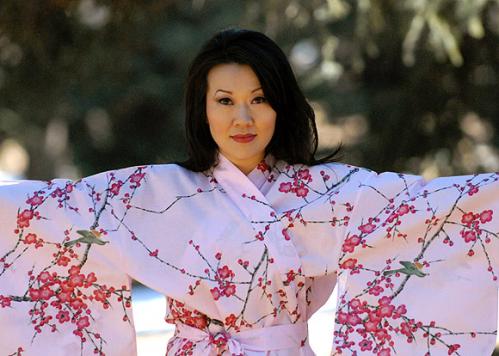
    Many traditional garments like the kimono and yukata feature Sakura blossom prints. These designs celebrate the flower’s natural beauty and carry its deeper symbolic meanings. Wearing Sakura patterns can evoke a sense of renewal, beauty, and a mindful appreciation of life’s fleeting moments.

    Example Product Featuring Sakura

    For those who wish to incorporate this beautiful symbolism into their daily lives, Kimono Shop offers several stunning kimono and yukata robes adorned with Sakura blossom patterns. Made from soft cotton, these garments are incredibly comfortable to wear and perfect for lounging. You can explore their collection and enjoy quick shipping from the USA by visiting their online store, open 24 hours a day.

    Sakura blossoms are more than a seasonal spectacle; they are a profound symbol of life’s fleeting beauty, renewal, and the aesthetic values that define Japanese culture. Whether you’re a Japan enthusiast, a cultural explorer, or a kimono lover, understanding the deep meanings behind sakura can enrich your appreciation for these extraordinary flowers.