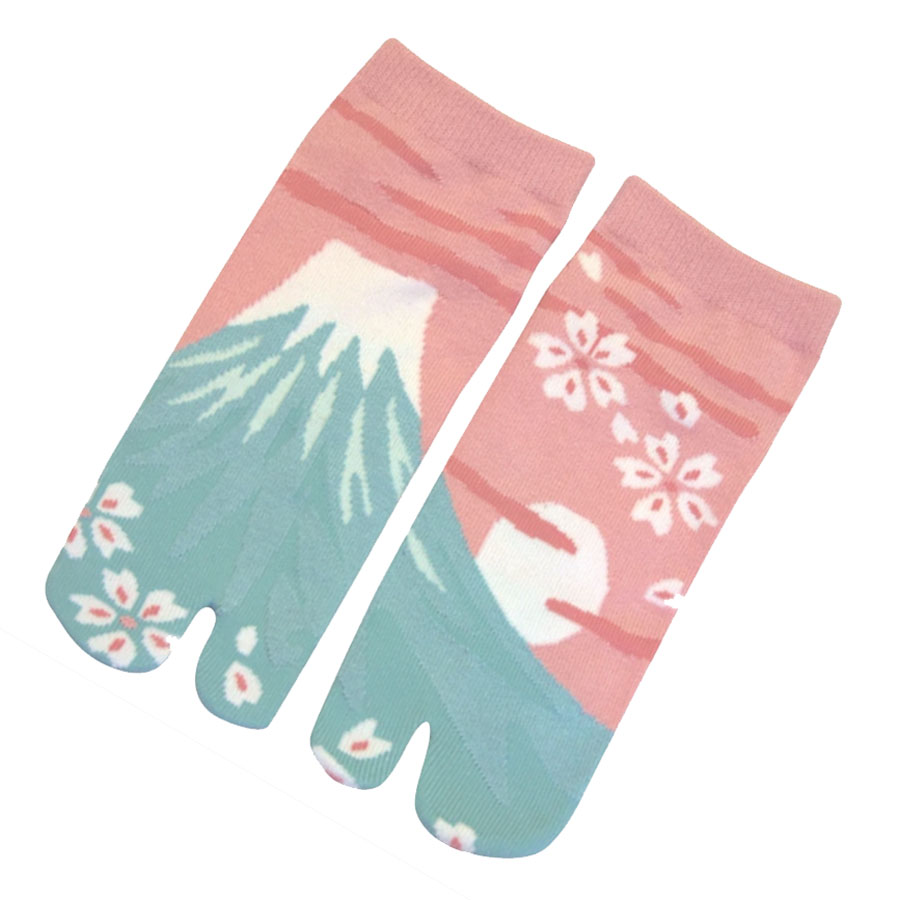
When exploring traditional Japanese fashion, few accessories carry as much quiet distinction as tabi socks (足袋). With their iconic split-toe design, tabi have anchored Japanese footwear for centuries, bridging the gap between traditional geta or zori sandals and modern street fashion.
However, if you step into the world of kimono dressing (kitsuke), you quickly discover that choosing between classic plain white tabi and vibrant patterned Japanese socks is not merely a matter of personal taste. In Japan, an intricate web of cultural rules, formality levels, and social etiquette governs what you wear on your feet.
Here is what you need to know about the hidden rules of Japanese tabi etiquette—and how to wear both styles with confidence.
1. The Undisputed Standard: Plain White Tabi Socks (Shiro-Tabi)
In traditional Japanese culture, white tabi socks are the ultimate symbol of purity, cleanliness, and formality. Historically, wearing immaculate white footwear demonstrated respect for host environments, particularly when stepping onto delicate straw tatami mats inside tea rooms, temples, or formal estates.
When You MUST Wear White Tabi:
- Formal Ceremonies (Hare no Hi): Weddings, coming-of-age ceremonies (Seijin shiki), tea ceremonies (chado), and graduation ceremonies require crisp white tabi.
- Formal Kimono Types: High-status garments such as Kurotomesode (formal married women’s kimono), Furisode (long-sleeved formal wear), and Homongi (visiting wear) demand traditional white tabi.
- Traditional Arts Performance: Classical music, Noh theater, and martial arts practice mandate white tabi as part of the formal uniform.
Etiquette Tip: When attending a formal event or tea ceremony in Japan, it is customary to pack a clean, fresh pair of white tabi. You slip them on right before entering the venue so your soles remain spotless on the tatami mats.
2. Expressing Personality: Patterned Tabi Socks (Gara-Tabi)
While white tabi represent duty and decorum, patterned tabi socks celebrate individuality, creativity, and seasonal flair. Known as gara-tabi, patterned and colorful split-toe socks gained popularity among merchants, actors, and everyday city dwellers during the Edo period (1603–1867) when strict sumptuary laws restricted bright clothing. Today, patterned tabi are a staple of modern casual fashion.
The Unwritten Rules for Wearing Patterns:
- Casual Kimono Only: Wear patterned tabi strictly with casual attire—such as summer yukata, komon (everyday repeated-pattern kimono), or tsumugi (woven silk/cotton kimono). Wearing patterned tabi to a formal wedding or tea ceremony is considered a social faux pas equivalent to wearing sneakers with a tuxedo.
- Seasonal Harmony: Japanese aesthetics prioritize nature’s cycles. Floral motifs like cherry blossoms (sakura) fit spring, bamboo or waves suit summer, maple leaves (momiji) belong in autumn, and geometric pine or snow patterns shine in winter.
- Modern Streetwear Fusion: Outside traditional dress, patterned tabi pair seamlessly with Western clothing, boots, and split-toe sneakers (like Nike Air Rifts or Maison Margiela Tabi boots).
White vs. Patterned Tabi: At a Glance
| Feature | Plain White Tabi (Shiro-Tabi) | Patterned Tabi (Gara-Tabi) |
| Formality Level | Formal to Highest Formal | Casual to Semi-Casual |
| Primary Occasions | Tea Ceremonies, Weddings, Shrines | Festivals (Matsuri), Everyday Outfits, Street Style |
| Kimono Pairings | Furisode, Tomesode, Homongi | Yukata, Komon, Tsumugi, Western Wear |
| Cultural Signal | Purity, Respect, Tradition | Personality, Playfulness, Seasonality |
| Closure Type | Traditional metal clasps (kohaze) | Clasps (kohaze) or Stretch Elastic Sock-style |
How to Style Patterned Tabi Socks at Home
You don’t need to be in Kyoto or wearing a full silk kimono to incorporate patterned tabi into your everyday wardrobe. Split-toe socks offer real health and comfort benefits—improving toe alignment, boosting circulation, and keeping feet cool and dry.
- Pair with Sandals & Birkenstocks: Split-toe tabi fit right into thong sandals and slides during cooler spring or autumn evenings.
- Elevate Your Streetwear: Bright geometric or floral patterns popping out above low-top sneakers or boots add an effortless layer of Japanese street style.
- Loungewear & House Shoes: Soft stretch tabi socks make comfortable, cozy indoor footwear that stays secure on your feet.
Bring Authentic Japanese Style to Your Closet
Understanding the rules of traditional footwear allows you to break them with intention. Whether you stick to classic elegance or lean into playful colors, split-toe tabi socks are a versatile addition to any wardrobe.
Looking to add authentic Japanese footwear to your collection without waiting for overseas shipping? Browse the wide selection of patterned tabi socks sold in the USA at Kimono Shop. From vibrant traditional floral prints to modern geometric designs, you can explore high-quality, comfortable tabi delivered straight to your door.