Since 1994, Kimono Shop has been dedicated to serving kimono lovers around the globe. Recently, we asked our community to send in their most pressing questions about our brand, our garments, and our history. We selected five of the most popular inquiries and sat down to answer them in this exclusive interview.
What makes Kimono Shop a great choice to shop for kimonos?
Kimono Shop is a trusted provider of authentic Japanese kimonos and yukatas, offering exceptional quality, direct-from-Japan sourcing, and over 30 years of industry expertise.
Since 1994, we have prioritized authentic craftsmanship and customer satisfaction. When you shop with Kimono Shop, you receive garments that provide both superior comfort and long-lasting durability, backed by a team that truly understands Japanese textiles.
What is the history of Kimono Shop?
Kimono Shop was founded in 1994 with a clear mission: to share the elegance and comfort of authentic Japanese loungewear with a global audience.
Over the past three decades, we have grown from a passionate small business into a premier online destination for kimono enthusiasts. As fashion trends change, our commitment to traditional Japanese quality and exceptional service remains our foundation.
How do you obtain your kimonos?
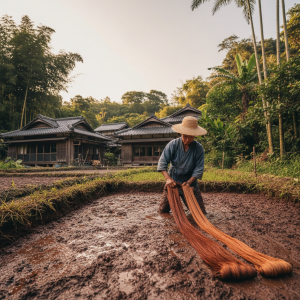
We source our kimonos and yukatas directly from skilled artisans and trusted textile manufacturers located in Japan.
By maintaining these direct, long-standing relationships, we eliminate middlemen and guarantee the authenticity of every garment. This sourcing method ensures our customers receive genuine Japanese products while actively supporting the traditional craftsmanship of local artisans.
Why do you do what you do?
We are deeply passionate about preserving the rich cultural heritage of Japanese textiles and making these beautiful, functional garments accessible worldwide.
The artistry, comfort, and history woven into every authentic kimono deserve to be shared. Providing our customers with a piece of this tradition—and hearing how much they love wearing their garments—drives our dedication every single day.
How do I decide what kimono or yukata to buy?
Choosing the right kimono or yukata depends entirely on your intended use, preferred fabric, and local climate.
To make the best choice, consider the following:
Material: Opt for a 100% cotton yukata for warm weather, spa days, or casual lounging due to its high breathability.
Occasion: Select a heavier kimono for cooler temperatures or more formal indoor wear.
Fit: Always consult our detailed sizing guide, paying close attention to length and width measurements to ensure maximum comfort.
Style: Whatever pattern suits your style. We like to let the patterns and designs speak to us. Once that occurs, the choice is easy.
Visit us in our online Kimono Shop 24 hours a day. We offer quick turnaround on most orders and strive to ship your robes within one business day.
Dragons capture our imagination across countless cultures, but few societies revere these mythical creatures as much as Japan. While Western stories often depict dragons as terrifying beasts guarding hordes of gold, Japanese folklore paints a vastly different picture. Here, dragons are majestic, benevolent spirits deeply woven into the fabric of daily life, religion, and art.
Understanding the Japanese dragon means diving deep into ancient mythology and exploring its profound spiritual significance. In this guide, we will explore the historical origins of these magnificent creatures, uncover what they represent in Japanese spirituality, and show you how to embrace their powerful symbolism through traditional apparel.
The Roots of Japanese Dragon Folklore
To understand Japanese dragons, you must look back thousands of years. Known in Japanese as ryu or tatsu, these creatures originated from a blend of indigenous legends and imported myths from China, Korea, and India. When Buddhist monks traveled to Japan, they brought stories of powerful serpent-like water deities. Over time, these foreign myths merged with native Shinto beliefs, creating a uniquely Japanese interpretation of the dragon.
You can easily distinguish a Japanese dragon from its Asian counterparts by counting its claws. Traditional Japanese folklore states that dragons have three claws, while Chinese dragons typically have five, and Korean dragons have four. Legend playfully suggests that dragons originated in Japan and grew more claws as they traveled further away.
Regardless of their exact physical description, these creatures quickly became central figures in Japanese creation myths. They lived in oceans, rivers, and lakes, controlling the rainfall and the tides.
Spiritual Significance and Symbolism
In Japanese culture, the dragon is far more than a simple mythological monster. It serves as a complex spiritual symbol representing various virtues and natural forces.
Masters of Water and Agriculture
First and foremost, Japanese dragons are supreme water deities. Because Japan is an island nation heavily dependent on agriculture, controlling water meant controlling life itself. Farmers prayed to dragon gods for rain during droughts and for protection against devastating floods. The dragon became a symbol of balance, ensuring the rice paddies received exactly what they needed to thrive.
Wisdom and Benevolence
Unlike the destructive fire-breathing dragons of European lore, the Japanese ryu embodies ancient wisdom and quiet benevolence. They act as guardians of the divine and protectors of humanity. In many Buddhist temples across Japan, you will see dragon carvings adorning the ceilings or guarding the washing pavilions. These fierce faces are not meant to scare worshipers, but rather to ward off evil spirits and protect the sacred spaces.
Strength, Courage, and Transformation
Dragons also represent immense physical and spiritual strength. A famous legend tells of a persevering koi fish that swam up a massive waterfall against all odds. Upon reaching the top, the gods rewarded the fish for its determination by transforming it into a magnificent dragon. Because of this story, the dragon stands as a universal symbol of courage, resilience, and the ability to overcome impossible obstacles.
Famous Dragons in Japanese Lore
Several specific dragons hold prominent places in Japanese history and literature. Their stories continue to influence art, festivals, and spiritual practices.
Ryujin (The Dragon King): Ryujin is perhaps the most famous Japanese dragon. As the ruler of the sea, he lived in an underwater palace made of red and white coral. He controlled the tides using magical jewels and commanded all marine life. Many Japanese emperors claimed direct descent from Ryujin, using his power to legitimize their rule.
Yamata no Orochi: This fearsome eight-headed, eight-tailed dragon represents a darker side of mythology. According to Shinto legend, the storm god Susanoo defeated this monstrous creature to save a young maiden. Upon defeating the dragon, Susanoo discovered a legendary sword within its tail. This sword eventually became one of the Three Sacred Treasures of Japan, further cementing the dragon’s role in imperial history.
Watatsumi: Often used interchangeably with Ryujin, Watatsumi is the legendary water tutelary deity of Shinto religion. Shrines dedicated to Watatsumi still exist across Japan, particularly in coastal fishing communities seeking safe passage and bountiful catches.
Embracing the Dragon: Traditional Japanese Apparel
The power and beauty of the dragon did not remain confined to ancient scrolls and temple ceilings. For centuries, Japanese artisans have woven dragon motifs into textiles, ceramics, and clothing. Wearing a dragon symbolizes a desire for strength, protection, and good fortune.
Today, you can easily incorporate this powerful symbolism into your own wardrobe. Kimono Shop offers an incredible selection of authentic, dragon-themed kimonos and yukata that celebrate these mythical guardians in stunning detail.
The Dragon and Mt Fuji Yukata
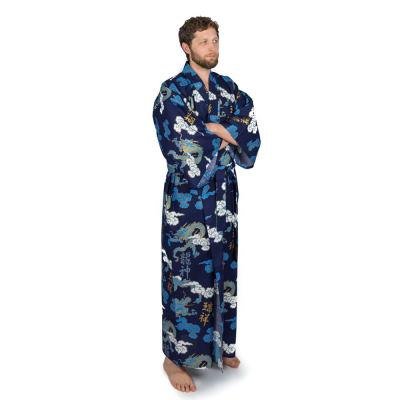
Combine two of Japan’s most iconic symbols with the Dragon and Mt Fuji yukata. This design features a majestic dragon soaring above the sacred peak of Mount Fuji. Available in deep navy, striking black, and vibrant red, this lightweight cotton robe perfectly balances traditional artistry with ultimate comfort. The dynamic artwork captures the dragon’s role as a guardian of the natural world.
Premium Black Dragon and Tiger Kimono
For a truly striking piece, the premium Black Dragon and Tiger kimono brings a famous mythological rivalry to life. In Asian philosophy, the dragon and the tiger represent two opposing but complementary forces, much like yin and yang. The dragon commands the heavens, while the tiger rules the earth. This premium garment features intricate detailing that showcases both powerful creatures in perfect harmony against a rich black background.
Embroidered Dragon and Flame Kimono
If you appreciate detailed craftsmanship, the Embroidered Dragon and Flame kimono commands attention. This garment utilizes high-quality embroidery to create a textured, three-dimensional effect. The fierce dragon winds its way through stylized flames, creating a visually stunning piece that practically leaps off the fabric. It serves as a perfect choice for those who want to project confidence and strength.
Dragon and Hawk Yukata
The Dragon and Hawk yukata pairs the mighty water deity with a revered bird of prey. The hawk represents keen vision, nobility, and swift action. When paired with the dragon’s ancient wisdom and strength, the resulting design tells a story of complete mastery over both the sky and the sea.
Dragon and Bamboo Yukata in Navy
For a more understated but equally meaningful design, consider the Dragon and Bamboo yukata in classic navy. Bamboo symbolizes flexibility, resilience, and longevity—qualities that perfectly complement the dragon’s powerful nature. This elegant yukata offers a sophisticated nod to traditional Japanese folklore, making it an excellent choice for relaxing at home or attending summer festivals.
Wear a Piece of Legend
The Japanese dragon remains one of the most compelling and enduring symbols in Eastern mythology. By representing water, wisdom, protection, and strength, these magnificent creatures offer a deeper understanding of Japan’s spiritual heritage and its deep connection to the natural world.
You do not need to visit an ancient temple to appreciate this powerful symbolism. By wrapping yourself in a beautifully crafted garment from Kimono Shop, you can carry the strength and protection of the dragon with you every day. Explore Kimono Shop’s full collection of dragon-inspired kimonos and yukatas to find the perfect piece that resonates with your own personal journey.
Finding the perfect loungewear often feels like a compromise. You might choose between something comfortable and something stylish, or between something that feels good and something easy to care for. What if you could have it all? Enter the world of traditional Japanese garments: the kimono and the yukata. These pieces are making a graceful transition from ceremonial wear to the ultimate choice for at-home relaxation, blending unparalleled comfort, effortless style, and practical benefits.
This post will explore why a cotton kimono or yukata deserves a special place in your wardrobe. We will look at how their design offers supreme comfort, how simple they are to maintain, and how they bring a touch of timeless elegance to your daily routine—all without a hefty price tag.
Effortless Comfort and Unmatched Ease
One of the most compelling reasons to adopt a kimono or yukata for lounging is its sheer simplicity. Forget about tight waistbands, restrictive seams, and complicated fastenings. These garments are designed for freedom of movement.
The Beauty of a Simple Design
A kimono is constructed from straight-line cuts of fabric, creating a T-shaped robe that drapes beautifully over the body. You simply wrap it around you and secure it with a sash, or obi. This design allows for a customizable fit that accommodates different body shapes and sizes, ensuring you never feel constricted. The loose, flowing sleeves and generous cut promote air circulation, keeping you cool and comfortable whether you’re enjoying a morning coffee or winding down in the evening.
From Morning Routine to Evening Relaxation
The ease of slipping into a kimono makes it a versatile piece for any part of your day. It’s the perfect robe to throw on after a shower, providing a soft and absorbent layer. It’s also an elegant alternative to a standard dressing gown for starting your day or relaxing before bed. The transition is seamless, offering a sense of calm and grace to your at-home moments.
The Practical Perk of Easy-Care Cotton
While silk kimonos are known for their luxuriousness, the everyday hero of loungewear is the cotton yukata. Originally worn for bathing, the yukata is a lighter, more casual version of the kimono, typically made from soft, breathable cotton. This choice of fabric is not only comfortable but also incredibly practical.
Say Goodbye to Complicated Washing Instructions
Cotton yukatas and kimonos are refreshingly low-maintenance. Unlike delicate fabrics that require special handling, most cotton versions can be machine-washed in cold water. This makes them a stress-free option for daily wear. You can relax in your favorite loungewear without worrying about spills or the hassle of dry cleaning. The durability of cotton means your garment will maintain its softness and shape wash after wash, becoming even more comfortable over time.
Breathable and Gentle on the Skin
The feel of soft cotton against your skin is a simple luxury. It’s a natural, hypoallergenic fiber that is gentle and breathable. This is especially beneficial for loungewear, as it helps regulate your body temperature and keeps you comfortable through changing seasons. The lightweight nature of the cotton yukata makes it ideal for warmer months, while a slightly thicker cotton kimono can provide a cozy layer during cooler weather.
Timeless Style and Understated Elegance
Choosing a kimono or yukata as loungewear is also a style statement. It’s a way to embrace beauty and elegance in your everyday life, transforming the simple act of relaxing at home into a more refined experience.
A Rich History of Beauty
Kimonos are adorned with a vast array of patterns, each with its own symbolism and history. From delicate cherry blossoms and graceful cranes to bold geometric designs, these patterns add a layer of artistry and meaning to the garment. Wearing one connects you to a tradition of craftsmanship and aesthetic appreciation. While you may be at home, you are draped in a piece of art that is both beautiful and functional.
Elevate Your At-Home Look
Swapping your old t-shirt and sweatpants for a kimono instantly elevates your loungewear game. It brings a sense of intention and sophistication to your relaxation time. This simple change can positively impact your mindset, helping you feel more put-together and serene even on the quietest of days. It’s a form of self-care, allowing you to surround yourself with beauty and comfort.
An Affordable Luxury: True Value for Your Money
Perhaps the most attractive aspect of embracing kimonos and yukatas for loungewear is their accessibility. While intricate, formal kimonos can be very expensive, high-quality cotton yukatas and casual kimonos are available at very reasonable prices.
This combination of durability, timeless style, and supreme comfort offers incredible value. You are investing in a versatile garment that you will reach for day after day. It’s a piece that won’t quickly wear out or go out of style, making it a sustainable and thoughtful addition to your wardrobe. You get to enjoy a touch of luxury and a world of comfort without a significant financial outlay.
Discover Your Perfect Loungewear Today
The search for the perfect loungewear ends here. A kimono or yukata offers a unique blend of benefits that are hard to find in other garments. The ease of wearing, the simple care of soft cotton, the timeless beauty of the designs, and the luxurious feel against your skin all come together in one perfect package.
By choosing a kimono, you are not just selecting a piece of clothing; you are embracing a lifestyle of comfort, elegance, and mindful relaxation. It’s an affordable luxury that provides true value and transforms your home into a personal sanctuary.
Japan is a country where geography and artistry are intricately intertwined. Travel from the snowy peaks of Ishikawa to the tropical islands of Kagoshima, and you will find that the local textiles tell the story of the land itself. The history of the kimono is not just about fashion; it is a tapestry of regional techniques passed down through centuries of dedicated artisans.
For enthusiasts of Japanese culture and textile art, understanding these regional differences unlocks a deeper appreciation of the craft. It transforms a beautiful garment into a map of history, climate, and local pride.
In this guide, we will journey through three of Japan’s most celebrated textile traditions: the opulent weaves of Kyoto’s Nishijin-ori, the intricate mud-dyed silks of Oshima Tsumugi, and the breathtaking hand-painted artistry of Kaga Yuzen. Each represents a different pinnacle of Japanese craftsmanship, preserving ancient skills in a modern world.
Nishijin-ori: The Brocade of Emperors
When you imagine a dazzling, gold-flecked obi sash worn at a formal wedding, you are likely picturing Nishijin-ori. Originating in the Nishijin district of Kyoto, this weaving style is synonymous with luxury, high status, and incredible complexity.
A History Woven in Kyoto
The roots of Nishijin weaving go back over 1,200 years, flourishing when Kyoto became the imperial capital in 794. The area became a hub for weavers supplying the Imperial Court and aristocracy. The name “Nishijin” (meaning “Western Camp”) actually dates back to the Onin War in the 15th century, when displaced weavers returned to the site of the western army’s encampment to restart their trade.
The Technique: Painting with Thread
Nishijin-ori is not a single technique but a collection of complex weaving methods. Its defining characteristic is the use of pre-dyed yarns to create elaborate patterns directly into the fabric, rather than dyeing the fabric afterward.
Jacquard Power: Modern Nishijin often uses Jacquard looms, but the most prestigious pieces are still hand-woven.
Gold and Silver: A signature element is the heavy use of gold and silver foil threads, giving the fabric a three-dimensional, luminous quality.
Precision: Some patterns are so intricate they resemble paintings. The weaver must manually lift specific warp threads to insert the weft, a process that can take days to produce just a few centimeters of fabric.
Modern Relevance
Today, Nishijin-ori is the gold standard for formal obi (maru obi and fukuro obi) and kimono. However, the industry is innovating to survive. You can now find Nishijin techniques applied to luxury neckties, interior decor, and even high-end western accessories, proving that this ancient courtly style can adapt to contemporary life.
Oshima Tsumugi: The Mud-Dyed Masterpiece
Far from the imperial courts of Kyoto lies the island of Amami Oshima in Kagoshima Prefecture. Here, artisans create Oshima Tsumugi, a textile that looks deceptively simple from a distance but reveals mind-blowing complexity up close.
Born from Nature
Oshima Tsumugi is a type of silk pongee (woven from spun raw silk). Despite being 100% silk, it doesn’t have the glossy sheen of satin. Instead, it is matte, lightweight, and incredibly wrinkle-resistant. Historically, it was a durable fabric for everyday wear, but the immense labor involved has elevated it to a status of luxury.
The Process: Mud and Ikat
The creation of Oshima Tsumugi is unique in the world of textiles, relying on a specific combination of local flora and geology.
Teichigi Dyeing: Threads are dipped hundreds of times in a dye made from the Japanese hawthorn (Teichigi) tree, turning them red.
Mud Dyeing (Dorozome): This is the magic step. The red threads are immersed in the iron-rich mud of local rice paddies. The iron reacts with the tannins in the wood dye, turning the silk a deep, rich, lacquer-black. This process also strengthens the fiber, making it incredibly durable.
Kasuri (Ikat) Weaving: Before weaving, threads are spot-dyed to create white dots. When woven, these dots must align perfectly to form precise geometric patterns. This technique, known as kasuri, requires mathematical precision. A single millimeter of error can ruin the pattern.
Why It Matters
Authentic Oshima Tsumugi takes anywhere from six months to a year to produce. It is often called the “queen of kimono textiles” for casual wear. It represents a harmony between the artisan and the island’s unique natural resources—a fabric that literally could not exist anywhere else.
Kaga Yuzen: The Art of Realistic Beauty
Moving north to Kanazawa in Ishikawa Prefecture, we find Kaga Yuzen. While Kyoto has its own famous dyeing style (Kyo Yuzen), the Kaga style offers a different aesthetic philosophy—one grounded in realism and the quiet beauty of nature.
The Kaga Aesthetic
Established in the mid-17th century, Kaga Yuzen is a dyeing technique used to paint patterns directly onto silk cloth. Unlike the stylized, often gold-embellished designs of Kyoto, Kaga Yuzen focuses on Kaga Gosai—five specific colors: indigo, crimson, ocher, grass green, and ancient purple.
Techniques of the Trade
The hallmark of Kaga Yuzen is bokashi, or shading. Artisans use this gradient technique to give depth to flowers and leaves, making them look almost photographic.
Worm-Eaten Leaves: A unique and charming feature of Kaga Yuzen is the depiction of “mushikui”—leaves that appear to be eaten by insects. This embraces the Japanese aesthetic of wabi-sabi, finding beauty in imperfection and the natural cycle of life.
No Gold: Unlike Kyoto styles, which often feature gold leaf or embroidery, Kaga Yuzen relies solely on the mastery of the dyeing brush. The luxury comes from the painterly skill, not the addition of precious metals.
Cultural Significance
Kaga Yuzen kimonos are prized for their elegance and dignity. They are often worn for tea ceremonies and formal visits. The craft demands patience; a single artist often oversees the entire process from sketching the design to the final wash, ensuring a singular artistic vision remains intact.
Conclusion: Wearing History
Whether it is the dazzling brocade of Nishijin, the earthy resilience of Oshima Tsumugi, or the painterly grace of Kaga Yuzen, these traditions are more than just methods of making cloth. They are the identities of their regions.
In a world of fast fashion, these textiles remind us of the value of slowness. They speak of artisans who dedicate their lives to mastering a single craft, and of a culture that sees clothing not as disposable, but as a vessel for history, nature, and art. Owning or even just witnessing these fabrics is a way to keep these vibrant stories alive.
Frequently Asked Questions (FAQ)
1. What is the difference between Nishijin-ori and regular silk? Nishijin-ori refers specifically to high-end woven textiles from the Nishijin district in Kyoto. Unlike printed silk, Nishijin fabrics have patterns woven directly into the cloth using pre-dyed threads, often including gold and silver foil, creating a textured, brocade-like finish.
2. Can Oshima Tsumugi be worn for formal occasions? Traditionally, no. Despite being expensive and highly prized, Oshima Tsumugi is a type of tsumugi (woven, spun silk), which is considered casual wear in kimono etiquette. It is perfect for dinner parties, theater outings, or casual gatherings, but not for formal weddings.
3. Why is Kaga Yuzen painted with “imperfections” like bug bites? The “worm-eaten leaf” motif (mushikui) is a signature of the Kaga Yuzen style. It reflects a realistic observation of nature and the aesthetic of finding beauty in natural, imperfect states, distinguishing it from the more idealized or stylized nature motifs found in Kyoto designs.
4. Are these traditional textiles still being made today? Yes, but the number of skilled artisans is declining. Each of these traditions requires decades of training. While production volume has decreased, dedicated associations and master craftsmen in Kyoto, Kagoshima, and Ishikawa continue to produce these masterpieces and train the next generation.
Visit Kimono Shop online for a peek at the fine selection of Japanese Kimonos, Yukata, and short-length kimonos, known as the Happi Coat. Kimono Shop ships from the USA and offers a wide selection of colors, patterns, and sizes.
Every pattern tells a story. From ancient symbols to modern interpretations, the designs we wear often carry deep cultural meaning. This month, we’re exploring the rich history behind one of Japan’s most iconic motifs: the Sakura, or cherry blossom, as showcased in our Golden Sakura Blossom Yukata. This garment is more than just comfortable clothing; it’s a piece of wearable art that connects timeless tradition with modern style.
We will look into the cultural significance of the Sakura, examine the exquisite details of this particular yukata, and discover how to style this versatile piece. It’s a celebration of history, craftsmanship, and the fleeting beauty that defines one of Japan’s most cherished symbols.
The Enduring Symbolism of Sakura
In Japan, the Sakura holds a profound place in the nation’s culture and philosophy. The cherry blossom season is a major event, drawing people outdoors for hanami (flower viewing) parties. But these blossoms are more than just pretty flowers; they are a powerful metaphor for the nature of life itself.
The Sakura’s life is beautiful but incredibly brief. The blossoms appear in a glorious burst of color, but after just a week or two, the petals fall like snow. This fleeting display serves as a reminder of mono no aware, a Japanese term for the gentle sadness or awareness of impermanence. It’s a concept that encourages an appreciation for the present moment and the beauty found in transient things. This philosophy is deeply woven into Japanese art, literature, and daily life. The cherry blossom, in its delicate and temporary existence, perfectly captures this idea.
Artistry in a Garment: The Golden Sakura Blossom Yukata
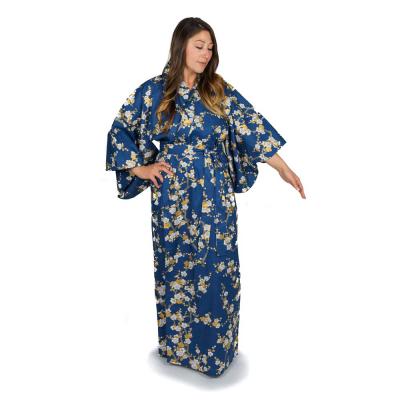
Our Golden Sakura Blossom Yukata captures this powerful symbolism through its thoughtful design. It translates the cultural weight of the Sakura into a stunning and wearable piece of art, available on both a deep blue and a striking black background.
Design and Detail
The pattern features delicate cherry blossom petals gracefully scattered across the fabric. These are not simple prints; they are rendered in shimmery gold and crisp white, creating a sense of depth and luminescence. On the blue version, the pattern evokes a serene spring day, while the black background provides a dramatic contrast that makes the golden accents radiate with a soft glow. This shimmer catches the light, mimicking the way sunlight filters through a canopy of blooming cherry trees.
Every detail of the yukata is crafted with intention. The traditional butterfly sleeves, or sode, add an authentic touch of elegance and freedom of movement. These wide sleeves are a hallmark of traditional Japanese robes and contribute to the garment’s graceful silhouette.
Uncompromising Quality and Comfort
Authenticity and quality are at the heart of this yukata. Made in Japan, it honors the long tradition of Japanese textile craftsmanship. The fabric is 100% cotton, chosen for its softness, breathability, and comfort, especially in warmer weather. It feels gentle against the skin, making it ideal for relaxing at home.
To ensure longevity and ease of use, the cotton is treated with a shrink-resistant finish. This practical feature means you can enjoy the yukata’s perfect fit and beautiful design for years to come. It is machine washable, making it as easy to care for as it is beautiful to wear. A matching sash, or obi, is included to complete the traditional look and provide a secure, adjustable fit.
Styling Your Yukata: From Loungewear to Statement Piece
The yukata was originally worn as a bathing robe, but its use has evolved significantly over time. Today, its versatility is one of its most appealing qualities. The Golden Sakura Blossom Yukata seamlessly blends function and fashion, making it a valuable addition to any wardrobe.
Luxurious Loungewear
As loungewear, the yukata offers unparalleled comfort and elegance. Wrap yourself in its soft cotton after a bath or while enjoying a quiet morning with a cup of tea. Its breathable fabric keeps you comfortable without feeling heavy. It transforms the simple act of relaxing at home into a more refined and beautiful experience.
A Stylish Cover-Up
The yukata also functions beautifully as a stylish cover-up. Take it to the beach or pool to wear over your swimsuit. It provides light coverage from the sun while allowing air to circulate, keeping you cool. The stunning Sakura pattern will undoubtedly make a chic statement, elevating your resort wear beyond a simple towel or sarong.
An Outer Layer for a Bold Look
For the fashion-forward, the yukata can even be worn as a lightweight jacket or duster coat. Pair it with jeans and a simple top to add a touch of Japanese-inspired elegance to a casual outfit. This works well with a short-length Happi Coat. The flowing butterfly sleeves and intricate pattern create a unique and eye-catching look that showcases your personal style.
Embracing Timeless Elegance
The Golden Sakura Blossom Yukata is more than just a robe. It’s a connection to a rich cultural heritage and a celebration of mindful living. It embodies the Japanese appreciation for beauty, quality, and the significance of the present moment. Wearing it is an invitation to embrace timeless elegance and modern comfort in your everyday life.
Whether you choose the serene blue or the dramatic black, this yukata offers a way to wrap yourself in a story—one of fleeting beauty, expert craftsmanship, and enduring style. It’s a reflection of art and tradition, designed for the modern woman who values elegance in every moment.
Choosing your first kimono is an exciting step into a world of incredible artistry, history, and personal expression. But with so many styles, fabrics, and terms, it can also feel a little overwhelming. This guide is here to walk you through everything you need to know, from finding the right fit to understanding the difference between a real silk treasure and a convincing replica.
We will cover the essential factors: fit, fabric, budget, and authenticity. By the end, you’ll feel confident and ready to select a beautiful garment you can wear with respect and joy.
First, Some Kimono Basics
Before diving into the details, let’s clarify a few key terms you’ll encounter.
Kimono: The word “kimono” literally means “thing to wear.” It’s a T-shaped, full-length robe that wraps left over right. Traditional kimonos are often made of silk or cotton and worn for special occasions like weddings, tea ceremonies, or festivals.
Yukata: Think of a yukata as the kimono’s casual, summer cousin. It’s typically made of unlined cotton or synthetic fabric, making it lighter and more breathable. Yukata are perfect for summer festivals, relaxing at a traditional inn (ryokan), or as a beautiful bathrobe. They are an excellent, affordable starting point.
Haori: This is a hip- or thigh-length jacket worn over a kimono. It’s not belted shut and adds a layer of formality or warmth. Modern fashion has embraced the haori as a stylish, versatile jacket to wear with everyday clothes.
Finding the Perfect Fit
Unlike Western clothing, kimonos are not sold in standard sizes like small, medium, or large. Fit is determined by your height and, to a lesser extent, your hip measurement.
Key Measurements to Check
Length (Mitake): A kimono’s length should be roughly equal to your height. The excess fabric is folded at the waist and hidden by the obi (sash), a fold called the ohashori. For a casual yukata, the length can be closer to your ankle without this fold.
Sleeve Length (Sodetake): The bottom of the sleeve should fall somewhere around your wrist when your arms are down. Long, flowing sleeves are a feature of furisode, a formal kimono for unmarried women.
Width (Mihaba): The kimono should wrap around your body comfortably, with the front panels overlapping. When you hold the center back seam against your spine, the edges of the robe should wrap to your hip bones. Most kimonos can accommodate a range of body shapes.
Sleeve Drop (Yuki): This is the measurement from the center seam of your neck to the edge of the sleeve. It should end near your wrist bone. If it’s too short, it can look ill-fitting, but vintage pieces often have a shorter yuki.
When trying on a kimono, make sure the left side is wrapped over the right side. Wrapping right over left is reserved for dressing the deceased for burial—a crucial piece of etiquette to remember.
A Guide to Kimono Fabrics
The material of a kimono dictates its formality, seasonality, and care requirements.
Silk (Shoken): The most traditional and luxurious fabric. It’s smooth, drapes beautifully, and is used for formal kimonos like furisode and tomesode. Silk is a year-round fabric, but different weaves are used for different seasons. It requires professional cleaning.
Cotton (Momen): The classic fabric for yukata. It’s breathable, absorbent, and relatively easy to wash at home, making it perfect for summer.
Wool (Uru): A durable, warm, and wrinkle-resistant fabric. Wool kimonos are considered casual and are ideal for everyday wear in the cooler autumn and winter months.
Linen/Hemp (Asa): Crisp, breathable, and highly prized for summer wear. Linen kimonos are a bit more upscale than cotton yukata and are perfect for staying cool in humid weather.
Polyester & Synthetics: Modern kimonos are often made from high-quality polyester. It’s a fantastic option for beginners because it’s affordable, wrinkle-resistant, and machine-washable. While it doesn’t breathe as well as natural fibers, its ease of care is a major advantage.
Setting Your Budget: New vs. Vintage
Your budget will be a major factor in your decision. Prices can range from under $50 to many thousands of dollars.
Under $100: In this range, you’ll find new polyester yukata sets (often including a simple obi and geta sandals) or secondhand wool and synthetic kimonos. This is a great budget for your very first piece.
$100 – $400: This tier opens up the world of high-quality vintage silk kimonos (komon, or small-pattern kimonos), new cotton yukata from good brands, and some simpler new silk pieces.
$400+: Here you can find pristine vintage kimonos, artisan-made pieces, and new silk kimonos. Bespoke, hand-dyed kimonos can cost several thousand dollars.
How to Spot an Authentic, Quality Kimono
Authenticity can mean different things—is it handmade in Japan, or is it a well-made modern piece? Here are some clues to look for.
Pattern Alignment: On a quality kimono, patterns should flow seamlessly across the seams, especially on the back.
Lining: Most kimonos, except for unlined summer ones (hitoe), will have a lining. A fully lined kimono is called awase. The lining is often made of silk or cotton.
Seams: Look at the construction. A traditional kimono has specific seam placements and is mostly hand-stitched, especially for hemming. Machine stitching is common on modern or everyday kimonos.
Artisan Techniques: Look for signs of hand-dyeing like shibori (tie-dye), which leaves tiny, puckered dots, or yuzen (resist dyeing), which has fine, hand-painted details. These indicate a high-value, artisanal piece.
Red Flags: Be wary of shiny, cheap satin fabrics, printed patterns that don’t align at the seams, and garments marketed as “kimono robes” that are more like lingerie or dressing gowns.
Vintage: Flea markets (especially in Japan), vintage kimono stores, and online marketplaces like Kimono Shop. Be sure to check seller reviews and measurements.
Rental: An excellent option for a special event. Kimono rental shops are common in tourist areas in Japan and some large cities worldwide. They handle the dressing and provide all accessories.
Essential Kimono Accessories
A kimono is rarely worn on its own. You’ll need a few key items to complete the look correctly.
Obi: The sash worn around the waist. There are many types, from the casual hanhaba obi for yukata to the formal, elaborate fukuro obi.
Koshihimo: Thin ties used to hold the kimono in place under the obi. You’ll need at least two.
Juban: An under-kimono. It keeps the outer kimono clean and provides a clean collar line (eri). A full-length nagajuban or a simpler two-piece version works.
Obi-ita: A stiff board placed inside the obi to keep it from wrinkling.
Footwear:Zori are formal sandals, while geta are wooden clogs typically worn with yukata. Always wear tabi (split-toe socks) with zori.
Simple Care and Storage
Airing: After wearing, hang your kimono on a special kimono hanger or a straight rod in a well-ventilated, shady area for a day to air out.
Cleaning: Polyester and cotton can often be hand-washed or machine-washed on a delicate cycle. Silk and wool must be professionally cleaned by a specialist.
Storage: Store your folded kimono flat, wrapped in a traditional paper wrapper called a tatoshi, or a simple cotton cloth. Keep it in a drawer or box away from direct sunlight and humidity.
Kimono Shop has been a leading online provider of quality Kimono and Yukata since 19949. They offer a wide selection of colors, styles, and patterns. Whether for a man, woman, or child, sizes are available in small, large, tall, petite, plus size, big and tall, and short length. Visit the Kimono Shop online 24 hours a day. Based and operated in the USA, shipping is always quick, and service is professional.
The holiday season brings a special kind of magic into our homes. We decorate, we cook, and most importantly, we open our doors to friends and family. As a host, you likely spend weeks planning menus and activities to make your guests feel cherished. But what about the small, quiet moments in between the celebrations? Consider the simple act of providing a guest robe—a gesture that offers comfort and a touch of luxury.
This year, elevate that experience by swapping the standard terry cloth for something truly memorable: a Japanese kimono or yukata. More than just a robe, it’s a thoughtful detail that blends practicality with elegance. It shows your guests you’ve considered their comfort down to the last detail. This simple addition can transform their stay from a pleasant visit into a cherished memory, all while being surprisingly easy and affordable for you.
A Gesture of Unforgettable Hospitality
When guests arrive, they are often living out of a suitcase. Providing a dedicated robe for lounging is a classic sign of a thoughtful host. A kimono or yukata takes this gesture to the next level. Unlike bulky bathrobes, these garments offer a unique blend of style and comfort.
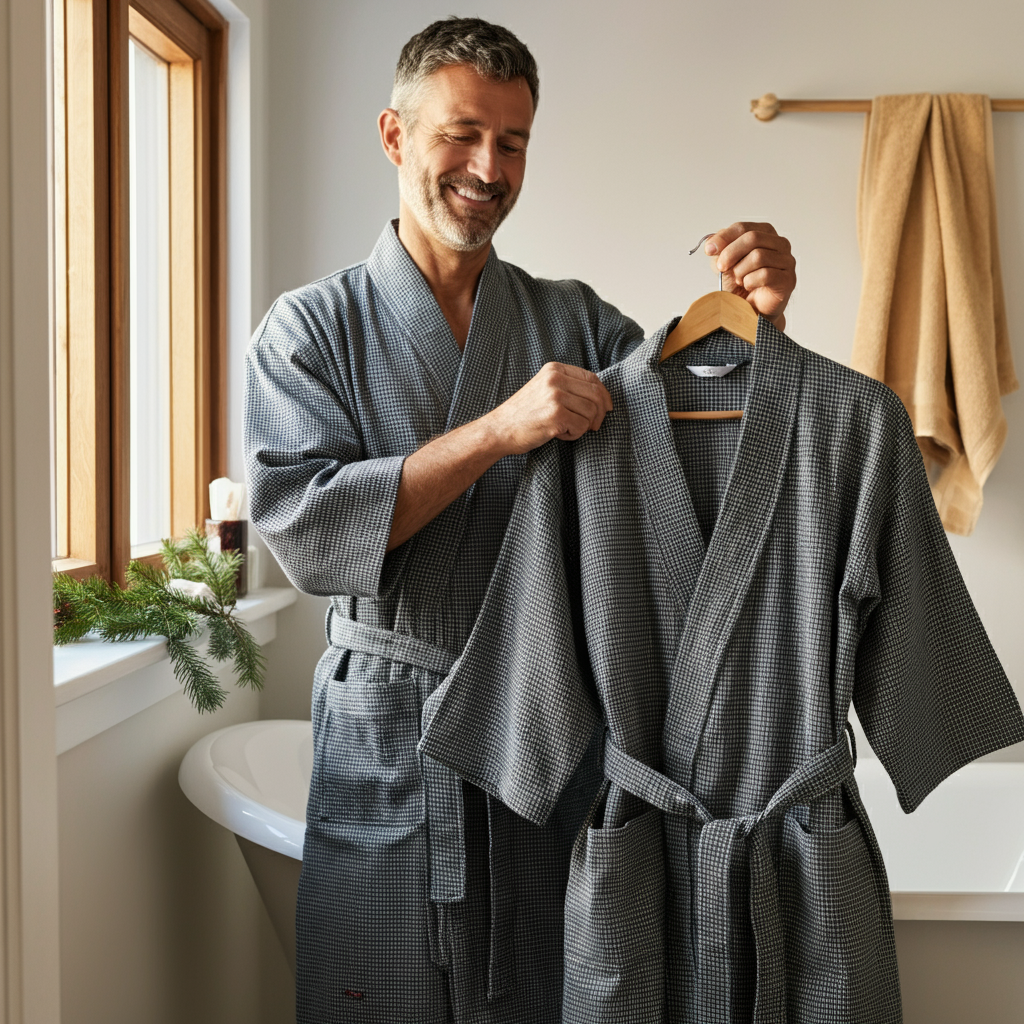
Imagine your guest finding a beautifully folded, crisp cotton kimono waiting for them in their room or the bathroom. It’s an unexpected touch of luxury that immediately makes them feel pampered and welcomed. This isn’t just about providing something to wear; it’s about creating an experience. The lightweight fabric and elegant design feel special, turning a simple morning coffee or a quiet evening into a more refined moment of relaxation. It’s a small detail that communicates a powerful message: “You are special to us, and we want you to feel completely at home.”
The Practical Elegance of Kimonos and Yukatas
While the aesthetic appeal is undeniable, the practicality of these robes is what makes them a perfect fit for a busy host. Many authentic kimonos and yukatas are designed for ease of use and durability.
Easy Care for Busy Hosts
One of the biggest advantages is how simple they are to maintain. Many are made from high-quality, machine-washable cotton. You can simply toss them in the wash with other linens after your guests depart, and they come out fresh and ready for the next visitor. This eliminates the need for special laundering or dry cleaning, saving you time and effort during a hectic holiday season. The crisp feel of the cotton is easily restored, ensuring every guest gets that “brand new” experience.
Yukata: The Ideal Lightweight Option
When selecting a robe, you will often encounter both kimonos and yukatas. While related, the yukata is particularly well-suited for home use. Traditionally worn in summer or at hot spring resorts, yukatas are unlined robes made of a lighter cotton. This makes them perfect for wearing indoors, where central heating keeps things cozy. Your guests won’t feel overheated, and the fabric is soft and breathable against the skin, making it comfortable for lounging any time of day.
Styling, Comfort, and Modesty
A common concern with any house robe is coverage. You want your guests to feel comfortable walking from the bedroom to the kitchen for a glass of water without feeling exposed. Japanese kimonos and yukatas excel in this regard.
Each robe comes with a matching sash or belt, known as an obi. This allows your guests to easily secure the robe for a comfortable and modest fit. The design provides ample coverage, making it appropriate for wearing around you and other family members. The fabric drapes elegantly without being clingy, offering a flattering silhouette for all body types. Your guests can relax in style, whether they’re enjoying a lazy morning or winding down after a long day of festivities. This built-in modesty ensures everyone feels at ease, contributing to a relaxed and welcoming household atmosphere.
A Gift That Lasts Beyond the Holidays
The versatility of a kimono robe extends beyond a single visit. As a host, you have a few wonderful options once your guests have gone home.
First, you can treat them as part of your regular guest linen collection. Their durability means they can be washed and stored, ready to welcome visitors for years to come. Building a small collection of two or three ensures you are always prepared for holiday visitors or unexpected weekend guests.
Alternatively, for a truly generous gesture, you can invite your guests to take their robe home as a keepsake. A beautiful yukata is a memorable and useful gift that they will treasure long after the holidays are over. Every time they wear it, they will be reminded of the wonderful time they spent with you. This turns a simple piece of guest comfort into a lasting symbol of your friendship and hospitality, making it a gift that feels both personal and luxurious.
Setting the Stage for a Warm Welcome
Presentation is key to making this gesture feel special. Instead of just hanging it in the closet, consider how to display the robe for maximum impact upon arrival.
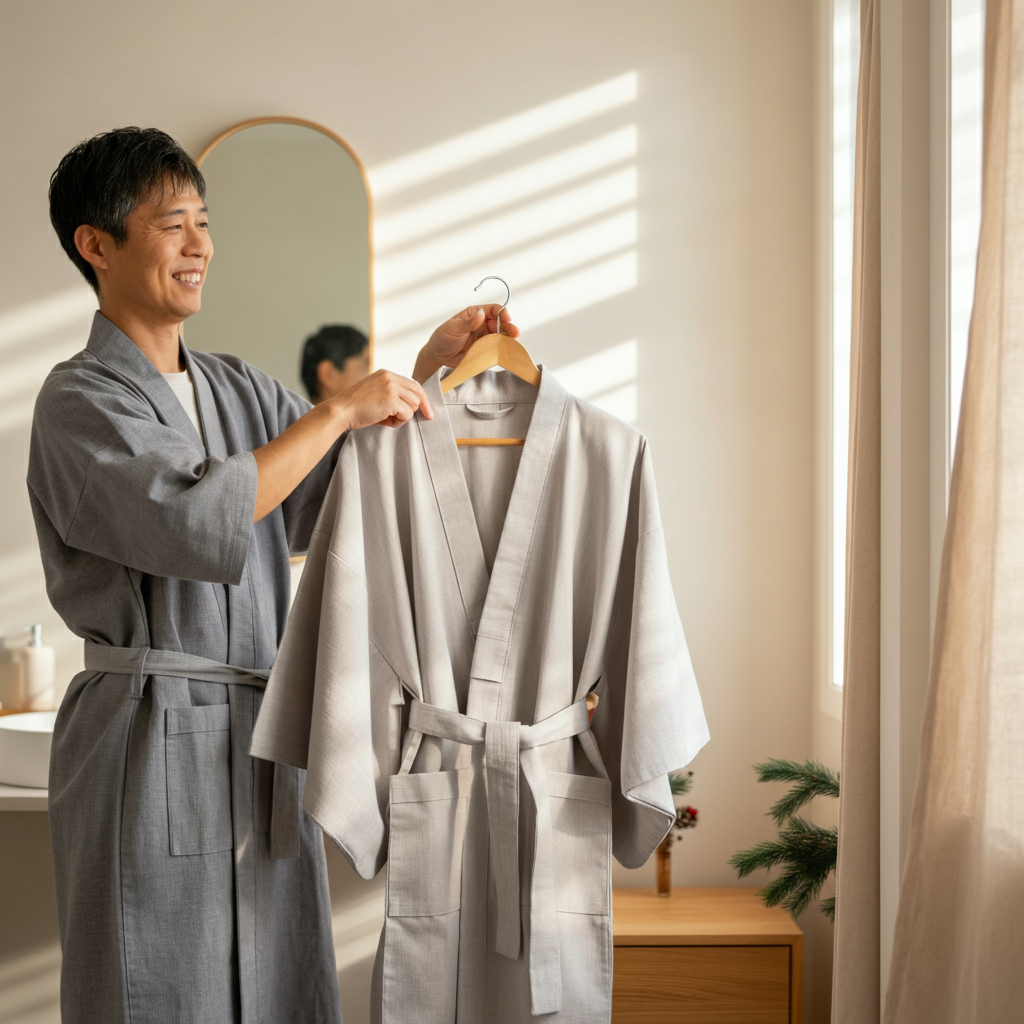
You could lay it neatly folded at the foot of the guest bed, along with fresh towels. Or, for a spa-like touch, hang it on a beautiful hook on the back of the bathroom door. Placing it alongside a small basket of toiletries—like nice soap, lotion, or a sleep mask—completes the picture of a five-star welcome. This thoughtful staging takes only a few moments but sets the tone for a relaxing and enjoyable stay.
Prepare Your Welcome Today
The holiday season is a time for connection and creating joyful memories. The small, thoughtful details are often the things our loved ones remember most. By offering a beautiful kimono or yukata, you provide more than just a robe; you offer a unique experience of comfort, elegance, and care. Start preparing your home for the season now by selecting a few beautiful robes. It’s a simple, affordable way to make your holiday guests feel truly cherished. Kimono Shop offers over 100 styles, patterns, colors, and sizes. Visit their online store, Kimono Shop, where shipping is quick and orders of $75 or more ship free.
Imagine slipping into a garment that is more than just clothing. It’s a piece of history, a work of art, and the very definition of comfort. This is the experience of wearing a Japanese kimono or yukata. These traditional robes offer a unique blend of cultural significance, timeless style, and unparalleled comfort, transforming the simple act of lounging into a luxurious ritual.
This post will delve into the rich world of Japanese kimonos and yukata. We will delve into their history, admire their artistic beauty, and discover why they represent the ultimate in sophisticated loungewear. We’ll also guide you on how to begin your own collection with confidence.
More Than a Robe: A Cultural Icon
The kimono, which translates to “thing to wear,” is one of Japan’s most recognizable cultural symbols. Its history stretches back over a thousand years to the Heian period (794-1185). Initially worn as an undergarment, it evolved into the primary outer garment for both men and women, with its T-shape, straight seams, and wide sleeves becoming iconic.
Each kimono tells a story. The fabric, color, and patterns often carry deep symbolic meaning, reflecting the season, the occasion, or the wearer’s social status. For instance, cranes symbolize longevity and good fortune, while cherry blossoms represent the beautiful, fleeting nature of life. Wearing a kimono is a way to connect with centuries of Japanese tradition and artistry.
Yukata: The Comfort of Summer
A common misconception is that “kimono” is a catch-all term for all Japanese robes. However, there is an important distinction to be made with the yukata. A yukata is a casual, unlined cotton robe, originally worn after bathing in onsens (hot springs). Its name even translates to “bathing cloth.”
Today, the yukata is a popular garment for summer festivals, fireworks displays, and everyday lounging. Made from breathable cotton, it is lightweight and incredibly comfortable, making it the perfect choice for warm weather. The designs are often bright and festive, reflecting the relaxed and cheerful spirit of summer. For many, a yukata is the ideal entry point into the world of Japanese robes.
Wearing a Work of Art
One of the most captivating aspects of a kimono or yukata is its artistic quality. These garments are canvases for breathtaking designs, often created using traditional techniques passed down through generations. From intricate dyeing methods like shibori (tie-dye) to delicate hand-painting, each robe is a testament to the skill of its creator.
The straight-line construction of the kimono allows for a continuous display of patterns across the entire garment. This creates a flowing, elegant silhouette that is both flattering and graceful. When you wear a kimono, you are wrapping yourself in a piece of wearable art that embodies a deep appreciation for beauty and craftsmanship.
The Ultimate Loungewear Experience
While kimonos hold a special place in formal ceremonies, both they and yukatas have found a modern role as luxurious loungewear. The loose fit and soft fabrics provide a sense of freedom and relaxation that is hard to find in conventional robes or pajamas. The wide sleeves allow for easy movement, while the simple tie closure makes them effortless to wear.
Slipping into a high-quality yukata or kimono after a long day is an act of self-care. It elevates your downtime from mundane to mindful. Whether you are enjoying a quiet morning with a cup of tea, reading a book, or simply relaxing at home, these robes add a touch of elegance and tranquility to your routine. They invite you to slow down and savor the moment.
Navigating the World of Online Kimono Shopping
The idea of purchasing a kimono online might seem daunting. How do you ensure authenticity, quality, and the right fit? This is where choosing a trusted retailer makes all the difference. For those new to Japanese robes or seasoned collectors, finding a knowledgeable source is key.
One of the original leaders in this space is Kimono Shop. With decades of experience, they have established themselves as a premier destination for authentic Japanese kimonos and yukatas. Their deep understanding of the garments, from fabric types to cultural significance, removes the guesswork from online shopping. Kimono Shop offers a vast selection, ensuring you can find a robe that perfectly suits your style and needs.
Moreover, their commitment to customer service provides a seamless and supportive shopping experience. They help customers navigate the choices, understand sizing, and care for their new garments. With an expert like Kimono Shop, you can be confident that you are investing in a genuine, high-quality piece of Japanese culture.
Embrace the Elegance of the Kimono
A Japanese kimono or yukata is more than just loungewear; it is an experience. It’s an invitation to appreciate artistry, connect with history, and embrace a more elegant way of relaxing. The blend of comfort, style, and cultural depth makes it a truly unique addition to any wardrobe.
By exploring the world of these beautiful robes, you can bring a piece of Japanese tradition into your own home. Discover the unmatched comfort and timeless beauty for yourself, and transform your moments of rest into something truly special.
Your kimono or yukata robe is more than just clothing; it’s a piece of wearable art steeped in tradition and comfort. Whether you wear it for lounging, special occasions, or as a connection to Japanese culture, you want to keep it looking its best. Proper care is essential for preserving the vibrant colors and soft feel of the 100% cotton fabric. This guide will walk you through the simple steps to wash and dry your robe, ensuring it remains beautiful for years to come.
We will cover the best practices for washing, the benefits of using cold water, and the ideal methods for drying your garments. With a little attention, you can easily maintain the quality and longevity of your cherished robe.
The Gentle Art of Washing Your Robe
Washing your kimono or yukata doesn’t have to be complicated. The key is to be gentle. Harsh washing cycles, hot water, and strong detergents can damage the delicate cotton fibers, leading to fading and wear. Following a few simple rules will protect your investment and keep your robe in pristine condition.
Why Cold Water is Your Best Friend
Choosing the right water temperature is the single most important step in washing your robe. Always opt for a cold water wash. This simple choice offers significant benefits for the fabric and its appearance.
Hot water can be aggressive on fabrics, especially natural ones like 100% cotton. It causes fibers to constrict and can lead to shrinkage and stress on the seams. Cold water, on the other hand, cleans effectively without being harsh, gently lifting away dirt and oils. This gentle approach helps extend the overall lifespan of your garment.
Furthermore, cold water is crucial for color preservation. The rich patterns and deep dyes that make your kimono or yukata so striking are vulnerable to heat. Hot water can cause these colors to bleed and fade over time, leaving your robe looking dull. A cold wash helps lock in the dyes, keeping the colors as vivid and bright as the day you got it.
Choosing the Right Settings and Detergent
Once you’ve committed to cold water, select the proper settings on your washing machine.
Use the Delicate or Gentle Cycle: This setting mimics hand washing by using a slower spin and less agitation, which prevents stretching and damage.
Wash with Similar Colors: To prevent any potential color transfer, wash your robe with other dark or similarly colored items. For the first wash, it’s a good idea to wash it alone.
Use a Mild Detergent: Choose a gentle, pH-neutral detergent. Avoid harsh chemicals, bleach, and fabric softeners, as they can break down cotton fibers and leave a residue that dulls the fabric’s feel and appearance.
Perfecting the Drying Process
How you dry your kimono or yukata is just as important as how you wash it. High heat is the enemy of cotton, leading to shrinkage and irreversible damage to the fibers. The goal is to dry your robe gently, preserving its shape and softness.
The Tumble Dry and Hang Dry Method
For the best results, we recommend a two-step drying process. This combination method quickly removes most of the moisture without exposing the fabric to prolonged, damaging heat.
First, place your robe in the dryer on a low heat or no heat (air fluff) setting. Let it tumble for a short period, around 10 to 15 minutes. The purpose of this step is not to dry the garment completely but to remove excess water and fluff the fibers, which helps prevent stiffness. A short, low-heat tumble is all that’s needed.
Finishing with a Drip Dry
After the brief tumble dry, remove the robe while it is still damp. The final and most crucial step is to hang it up to air dry.
Find a spot with good air circulation, away from direct sunlight, which can cause colors to fade. A sturdy, kimono hanger is ideal to support the garment’s weight and help it maintain its shape, especially around the shoulders. Smooth out any wrinkles with your hands before hanging. Allowing your robe to dry for the remainder of the time is the gentlest way to finish the process. It prevents shrinkage and ensures the cotton fabric stays soft and comfortable against your skin.
Caring for Your Robe, Preserving a Tradition
Your kimono or yukata robe is a special garment that brings comfort and elegance into your life. By following these simple care instructions—washing in cold water on a gentle cycle and using a combination of low-heat tumbling and air drying—you are doing more than just cleaning a piece of clothing. You are actively preserving its beauty, feel, and longevity.
With this mindful approach, your robe will continue to be a source of joy and relaxation for many years, retaining its vibrant colors and luxurious softness wash after wash.
Have you ever seen those beautiful, lightweight robes worn at Japanese summer festivals and wondered what they were? You were likely looking at a yukata—one of Japan’s most beloved traditional garments. Far from being just another pretty robe, the yukata carries centuries of cultural meaning while remaining surprisingly practical for modern life.
In this guide, you’ll discover everything you need to know about yukatas, from their fascinating history to practical tips for wearing one yourself. Whether you’re planning a trip to Japan or simply curious about Japanese culture, understanding the yukata opens a window into the heart of Japanese tradition.
What Exactly is a Yukata?
A yukata is a casual summer kimono made from lightweight cotton or synthetic fabric. The word “yukata” literally translates to “bathing clothes” (yu = bath, kata = clothes), revealing its humble origins as post-bath wear. Today, yukatas serve as comfortable summer clothing perfect for festivals, fireworks displays, and hot weather relaxation. In the West, yukata are worn year round.
Unlike their formal kimono cousins, yukatas embrace simplicity. They feature bold, colorful patterns—think bright florals, geometric designs, or traditional motifs like goldfish and fans. The lightweight fabric makes them ideal for Japan’s notoriously humid summers, while their relaxed styling keeps wearers cool and comfortable.
Most yukatas come in standard sizes with an adjustable fit achieved through specific folding and tying techniques. This one-size-fits-most approach reflects the garment’s practical nature and democratic accessibility—anyone can enjoy wearing a yukata regardless of body type.
The Rich History Behind the Yukata
The yukata’s story begins over 1,000 years ago during Japan’s Heian period (794-1185). Originally, nobles wore simple linen robes called “yukatabira” after bathing in hot springs. These early versions were purely functional—thin, absorbent garments that helped cool the body and absorb moisture.
During the Edo period (1603-1868), yukatas evolved beyond bathhouse walls. Merchants and artisans began wearing them as everyday summer clothing, and the designs grew more elaborate. This period saw the emergence of regional styles and the development of yukata-specific dyeing techniques like “chusen,” which creates the characteristic bleeding patterns many yukatas display.
The Meiji period (1868-1912) brought Western influence to Japan, but rather than disappearing, yukatas adapted. They became symbols of Japanese identity during a time of rapid modernization. Families would don matching yukatas for summer outings, creating lasting memories and strengthening cultural bonds.
Yukata vs. Kimono: Understanding the Differences
While yukatas and kimonos share similar silhouettes, they’re distinct garments with different purposes, materials, and cultural significance. Understanding these differences helps appreciate each garment’s unique role in Japanese culture.
Fabric and Construction
Formal kimonos are typically made from silk, with elaborate designs often featuring metallic threads or hand-painted details. They’re lined garments designed for formal occasions and cooler weather. Yukatas, conversely, use unlined cotton or synthetic fabrics in bright, bold patterns printed using various dyeing techniques.
Formality Level
Think of kimonos as formal evening wear—they’re appropriate for weddings, tea ceremonies, and important cultural events. Yukatas are casual clothing, perfect for summer festivals, casual dining, or lounging at home. You wouldn’t wear a yukata to a formal event, just as you wouldn’t wear a tuxedo to a barbecue.
Undergarments and Accessories
Proper kimono wearing requires multiple undergarments, including a special undershirt (hadajuban) and underskirt (susoyoke). Yukatas are much simpler—you can wear them over regular underwear or a thin slip. Kimono accessories include elaborate obi (sash) and various decorative elements, while yukata accessories remain minimal and functional.
Cost and Accessibility
Quality kimonos can cost thousands of dollars, making them significant investments often passed down through generations. Yukatas are much more affordable, with decent quality options available for under $75. This accessibility makes yukatas perfect for those wanting to experience Japanese traditional dress without major financial commitment.
When and Where to Wear a Yukata
Yukatas have specific appropriate contexts that honor their cultural significance while ensuring you look stylish and respectful.
Summer Festivals (Matsuri)
Summer festivals are the yukata’s natural habitat. From July through September, Japanese festivals celebrate everything from local deities to seasonal changes. Wearing a yukata to these events isn’t just appropriate—it’s encouraged. The flowing fabric keeps you cool while the traditional aesthetic enhances the festival atmosphere.
Popular festivals perfect for yukata wearing include the Gion Matsuri in Kyoto, Tanabata festivals across Japan, and local bon festivals. Many festival-goers coordinate their yukata colors with friends or family members, creating beautiful visual harmony in the crowds.
Fireworks Displays (Hanabi)
Japanese fireworks displays are spectacular events that draw millions of viewers each summer. Wearing a yukata to hanabi viewing parties is a cherished tradition that dates back centuries. The combination of colorful yukatas, twinkling fireworks, and warm summer evenings creates magical memories.
Hot Spring Resorts (Onsen)
Many onsen resorts provide yukatas as loungewear for guests. After soaking in mineral-rich hot springs, slipping into a soft cotton yukata feels incredibly relaxing. Some guests enjoy wearing these yukatas while exploring resort grounds, dining, or socializing with other visitors.
Cultural Events and Performances
Traditional performances like kabuki, bunraku puppet theater, or classical music concerts welcome appropriately dressed audiences. A yukata demonstrates cultural appreciation and adds to the authentic atmosphere these events strive to create.
Modern Casual Settings
Contemporary Japan has embraced yukatas in new contexts. Some restaurants encourage yukata dining, especially during summer months. Art galleries, museums, and cultural centers often host yukata-friendly events that blend traditional dress with modern cultural appreciation.
Essential Tips for Wearing a Yukata
Wearing a yukata properly requires understanding both the physical techniques and cultural etiquette involved. Follow these tips to look authentic and feel comfortable.
Choosing the Right Size and Fit
Unlike Western clothing, yukatas don’t rely on precise measurements. The key is achieving proper length and adjustability through folding techniques. The ideal yukata should be slightly longer than your height, allowing for proper hip adjustment and ankle coverage.
When trying on a yukata, check that the hem falls between your ankles and mid-calf. Too short looks awkward, while too long creates tripping hazards and spoils the clean lines yukatas are known for.
Putting On Your Yukata Step-by-Step
Start by putting your arms through the sleeves and pulling the yukata around your body. The left panel should overlap the right—getting this backwards is a serious cultural error associated with dressing the deceased. Adjust the length by lifting the fabric at your waist and creating a small fold called an “ohashori.”
Secure the yukata with the obi or sash around your waist. For casual wear, simple bow knots work perfectly, though more elaborate obi tying creates stunning visual effects. The obi should sit comfortably at your natural waist, not too high or too low.
Selecting Appropriate Accessories
Traditional yukata accessories enhance both comfort and style. Geta (wooden sandals) are classic footwear choices that provide height and an authentic clicking sound as you walk. For beginners, flat geta or comfortable sandals work better than high platforms. While indoors, many prefer wearing tabi or toe socks for added comfort.
Consider carrying a small drawstring bag (kinchaku) that complements your yukata’s colors. These traditional purses hold essentials while maintaining the outfit’s historical authenticity. Hair accessories like decorative combs or flowers add elegant finishing touches, especially for longer hairstyles.
Movement and Posture Tips
Wearing a yukata affects how you move and sit. Take smaller steps than usual—the narrow hem restricts stride length but creates graceful, deliberate movement. When sitting, gather the back of the yukata beneath you to prevent wrinkles and maintain the garment’s shape.
Avoid reaching high or making sudden movements that might disturb the careful wrapping. This limitation encourages mindful, composed behavior that aligns with traditional Japanese concepts of grace and dignity.
Cultural Significance and Etiquette
Understanding yukata etiquette shows respect for Japanese culture and ensures you wear this traditional garment appropriately.
Color and Pattern Meanings
Yukata patterns carry symbolic meanings that add depth to your clothing choice. Cherry blossoms represent the fleeting nature of beauty, while chrysanthemums symbolize longevity and nobility. Goldfish patterns evoke summer coolness, and geometric designs often represent family crests or regional identities.
Darker colors suit evening events, while lighter, brighter patterns work well for daytime activities. Subtle patterns show sophistication, while bold designs express youthful energy and celebration.
Seasonal Appropriateness
Yukatas are specifically summer garments, typically worn from June through September in Japan. Wearing one during winter months or spring cherry blossom season would seem odd to Japanese observers. Respect these seasonal boundaries to demonstrate cultural understanding. Throughout the West, people wear them year round for comfort and to relax.
Respectful Wearing Practices
Never wear a yukata to solemn occasions like funerals or formal business meetings. These garments represent leisure, celebration, and relaxation—contexts that would be inappropriate for serious formal events.
Always ensure the left panel overlaps the right when wrapping your yukata. This seemingly small detail carries significant cultural weight, and getting it wrong can be deeply offensive to Japanese observers.
Modern Yukata Culture
Today’s yukata culture blends traditional elements with contemporary innovation, creating new opportunities for cultural engagement and personal expression. Yukata popularity has spread globally, with enthusiasts worldwide participating in Japanese cultural events and festivals. This international appreciation helps preserve traditional crafts while creating new markets for skilled artisans.
Fashion designers have also drawn inspiration from yukata silhouettes, creating fusion garments that blend Japanese aesthetics with international style preferences. These adaptations help introduce wider audiences to Japanese culture through familiar fashion contexts.
If you are seeking to buy a Kimono or Yukata, check out the fine selection of robes at Kimono Shop. Kimono Shop has been a leading online provider of authentic Japanese robes for over 30 years. Shop with confidence in your home or office. Their online Kimono Shop is open 24 hours a day. Shipping is quick, and most orders ship within one business day. Kimono Shop is a US-based company and ships from Northwest Florida. No need to worry about tariffs, customs duties, or import fees. Kimono Shop takes care of that for your added convenience and value.