As the final frost melts away and the first buds of green begin to break through the soil, there is a natural desire to shed the heaviness of winter. We pack away the thick wool blankets and bulky sweaters, eager for something that reflects the awakening world outside. Spring is a season of renewal, and this sense of rejuvenation should extend into our homes and, more importantly, our wardrobes.
Loungewear has evolved significantly in recent years. We no longer need to choose between comfort and style; we can insist on having both. This spring, consider stepping away from the routine of tired sweatpants and embracing the refined elegance of a traditional Japanese kimono or a breezy yukata. There is a profound difference in how you feel when you wrap yourself in a garment that carries a legacy of craftsmanship. It isn’t just about covering up; it is about adorning yourself in a piece of art that invites a sense of grace into your daily rituals.
The Appeal of Kimonos and Yukatas for Loungewear
There is a quiet dignity in wearing a kimono. Unlike modern fast fashion, which often prioritizes speed over substance, these garments are steeped in tradition. When you slip one on, you are participating in a history of artistry that values the wearer’s comfort and dignity.
For loungewear, the appeal lies in the silhouette. The open, wrap-style design offers unrestricted movement, allowing you to breathe freely and relax completely. Yet, the structure of the collar and the sweep of the sleeves maintain a level of sophistication that few other garments can match. Whether you are enjoying a slow morning coffee or winding down with a book in the evening, a kimono transforms a mundane moment into a special occasion. You aren’t just wearing clothes; you are wearing a story, a tradition, and a piece of craftsmanship that has been carefully selected to bring joy to your everyday life.
Choosing Your Style: From Vibrant Florals to Minimalist Designs
One of the most delightful aspects of selecting a kimono or yukata is the sheer variety of visual storytelling available. Spring offers the perfect palette to experiment with.
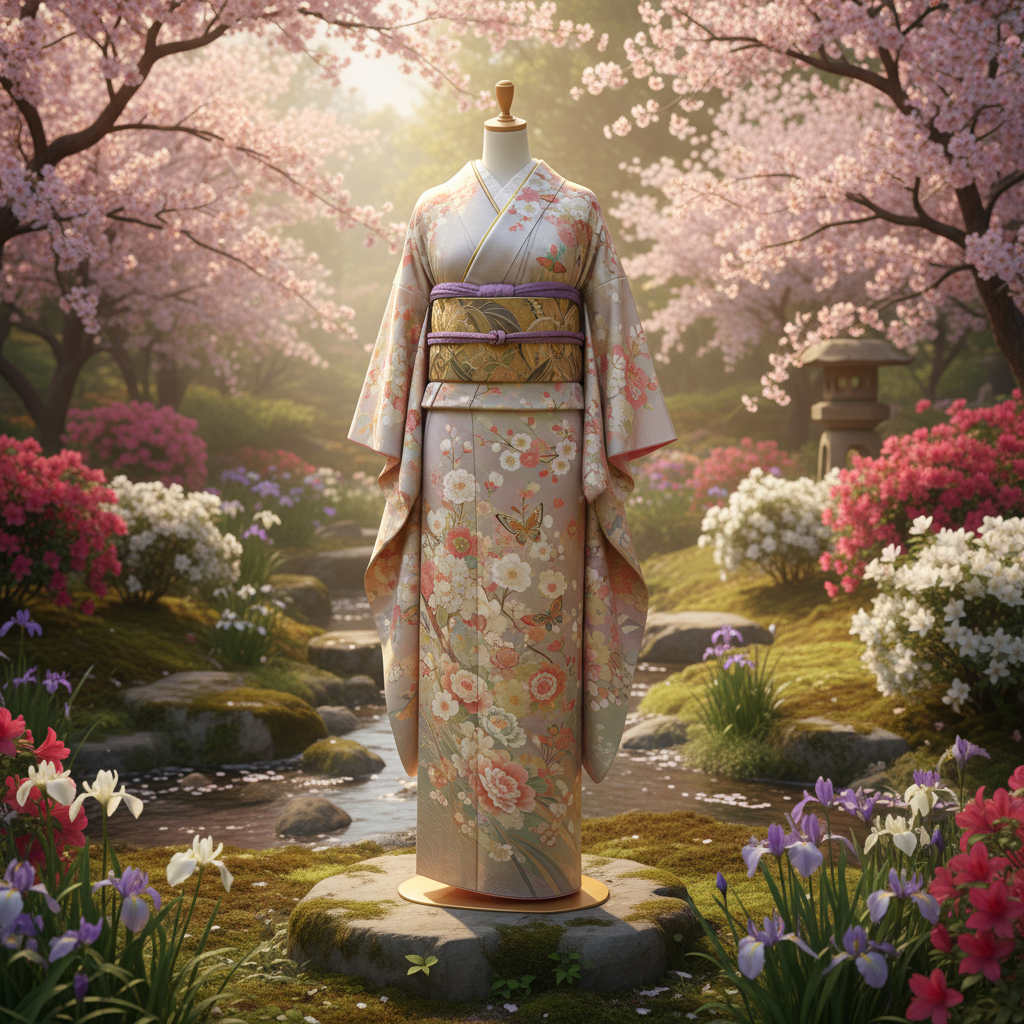
For those who wish to mirror the blooming gardens outside, designs featuring vibrant florals are a breathtaking choice. Patterns of cherry blossoms (sakura), peonies, or wisteria don’t just add color; they symbolize the fleeting beauty of nature and the optimism of the season. Wearing these motifs can feel like a celebration of life itself.
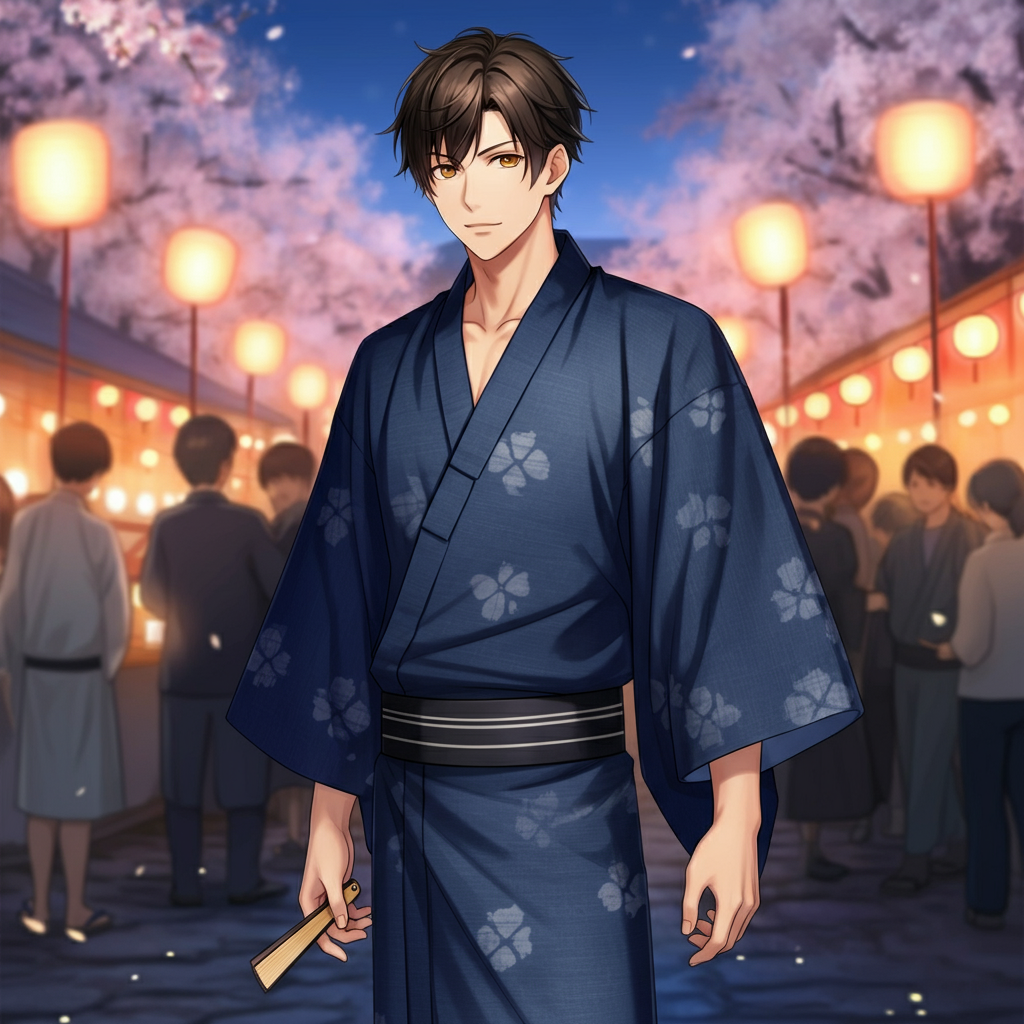
On the other hand, you might find peace in simplicity. Minimalist designs, featuring geometric patterns or subtle, solid hues like indigo, sage, or soft lavender, offer a calming aesthetic. These styles speak to a refined taste that values the texture of the fabric and the precision of the cut over bold statements. Whichever path you choose, the garment becomes a reflection of your inner landscape, allowing you to express your personality within the sanctity of your own home.
Why Lightweight Fabrics are Perfect for the Season
As the days grow longer and the air turns milder, the heavy fabrics of winter become stifling. This is where the yukata—a casual, unlined summer kimono made of cotton—truly shines. Originally worn as a bathrobe in traditional Japanese inns, the yukata is the epitome of breathable comfort.
The cotton fabric is crisp, cool, and absorbent, making it ideal for the fluctuating temperatures of spring. It feels gentle against the skin, offering coverage without weight. For a touch more luxury, you might opt for a silk or satin-blend kimono. These fabrics glide over the skin like water, regulating your body temperature while providing a tactile experience of pure indulgence.
The quality of these fabrics is paramount. When you choose a garment made with care, you can feel the difference in every thread. It is durable yet delicate, meant to be worn and loved for years, becoming softer and more personal with every wash.
Uplifting Your At-Home Style
Spring is the perfect invitation to refresh your perspective. By inviting a kimono or yukata into your wardrobe, you are choosing to elevate the moments that happen behind closed doors. You are choosing to treat yourself with the same respect and care that you show the world outside.
Whether you are drawn to the vibrant energy of floral patterns or the serene elegance of minimalist cotton, these garments offer a unique blend of comfort and tradition. Embrace the season of renewal by wrapping yourself in a legacy of excellence. You deserve to feel beautiful, comfortable, and elegant, every single day.
The delicate flutter of a butterfly’s wings can capture the imagination, but in Japan, this graceful insect is woven into the very fabric of the nation’s art and soul. More than just a beautiful creature, the butterfly holds a mirror to life, love, and the profound beauty of fleeting moments. Understanding the meaning of butterflies in Japan opens a window into a culture that finds depth in subtlety and poetry in nature.
This rich butterfly symbolism in Japanese culture finds its most elegant expression in traditional garments. From the formal silks of a wedding kimono to the light cotton of a summer yukata, butterfly motifs tell a story of transformation, joy, and timeless elegance. We will explore the deep meanings behind these designs, see how they compare to other traditional patterns, and offer guidance on how to wear and style these beautiful pieces.
The Core Meanings of Butterflies in Japan
In Japanese art and literature, the butterfly, or chō (蝶), is a multifaceted symbol. It dances between the worlds of the living and the spiritual, embodying concepts that are central to Japanese thought.
Transformation and Rebirth
The butterfly’s journey from a humble caterpillar to a magnificent winged creature is a powerful universal metaphor for change. In Japan, this represents not just physical transformation but also personal growth and spiritual evolution. It symbolizes the soul’s journey, making it a poignant motif for marking significant life changes, from coming-of-age ceremonies to new beginnings. This idea of metamorphosis resonates deeply, reminding us that great beauty can emerge from periods of quiet development.
Feminine Beauty and Grace
With its delicate form and gentle, dancing flight, the butterfly is a powerful emblem of feminine beauty and elegance. Its association with grace makes it one of the most beloved Japanese kimono patterns. A butterfly kimono doesn’t just adorn the wearer; it imbues her with an aura of refinement and gentle strength. This symbolism dates back centuries, with courtly ladies of the Heian period (794–1185) admiring butterflies as representations of ideal feminine charm.
The Beauty of Impermanence: Mono no Aware
Perhaps the most uniquely Japanese interpretation of the butterfly is its connection to mono no aware (物の哀れ). This philosophical concept translates roughly to “the pathos of things” or an awareness of the transient, impermanent nature of life. The butterfly lives for only a short time, yet its existence is one of incredible beauty.
This serves as a reminder to cherish the present moment and find beauty in its fleetingness. Just as cherry blossoms are admired for their brief but spectacular bloom, the butterfly teaches an appreciation for ephemeral beauty. This concept, refined during the Edo period (1603-1868), is a cornerstone of Japanese aesthetics and gives the butterfly motif a deep, contemplative quality.
Love and Marital Bliss
When butterflies appear in pairs, their symbolism shifts to themes of love, partnership, and marital happiness. Two butterflies fluttering together are seen as a perfect picture of a joyful and harmonious union. For this reason, the paired butterfly motif is a popular choice for wedding attire, particularly on the bride’s uchikake (a formal, ornate outer kimono). A butterfly kimono worn at a wedding is a wish for a long, happy, and devoted life with one’s partner.
Butterflies on Kimono and Yukata: A Closer Look
The application of butterfly motifs on traditional garments is a deliberate art form. The type of garment, the season, and the occasion all influence the design.
The Elegance of the Butterfly Kimono
A butterfly kimono can be worn for various formal and semi-formal occasions. The design’s execution—from fabric to placement—speaks volumes.
Occasions: Butterfly motifs are especially appropriate for celebratory events like weddings, tea ceremonies, and spring festivals. They signify joy, new beginnings, and refined beauty.
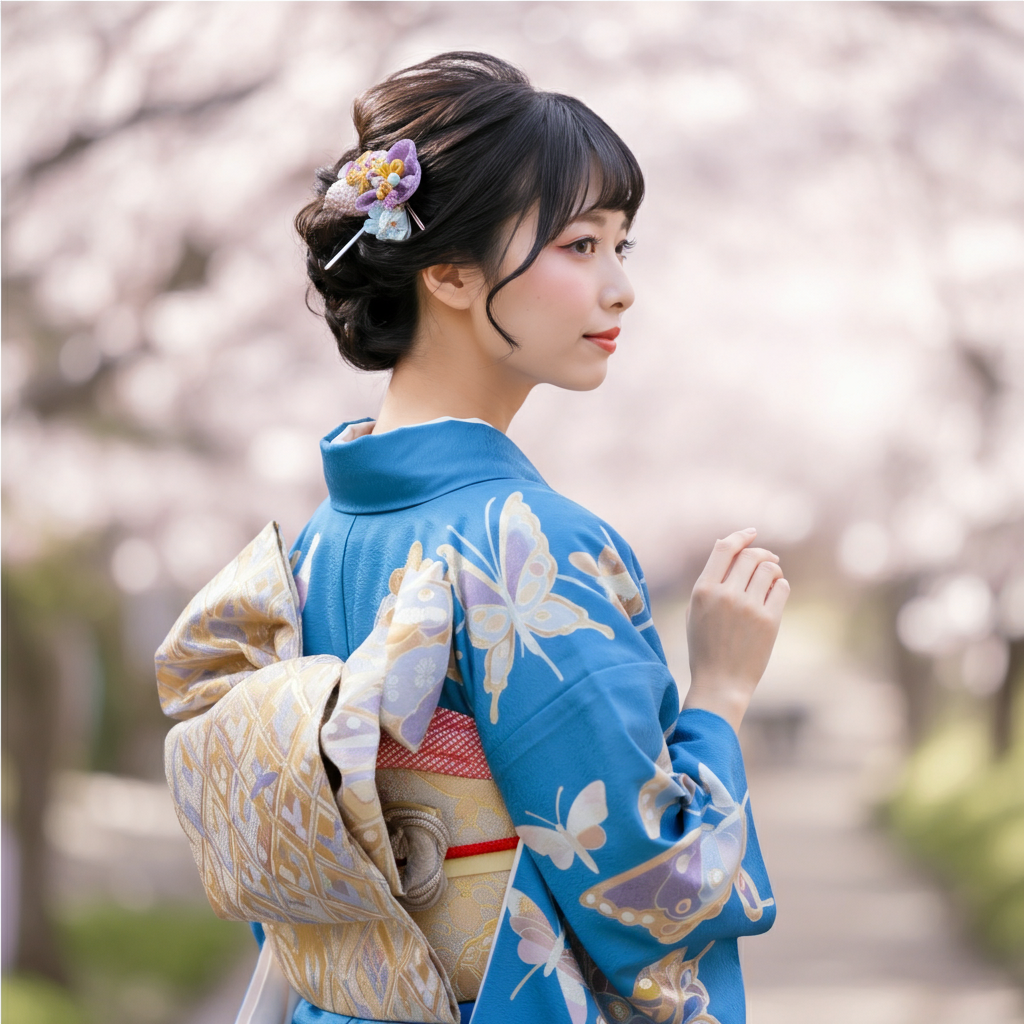
Fabric and Design: On formal kimonos like furisode (long-sleeved kimono for unmarried women) or hōmongi (visiting wear), butterflies are often rendered in exquisite detail using techniques like yūzen dyeing or embroidery. The patterns may be scattered across the sleeves and hem or featured as a central design element.
Color Symbolism: The colors used can add another layer of meaning. Red and gold butterflies might signify luck and prosperity, while purple and white combinations evoke a sense of high elegance.
The Joyful Spirit of the Butterfly Yukata
The butterfly yukata, a lighter cotton garment for summer, embodies a more carefree spirit.
Occasions: A butterfly yukata is perfect for summer festivals (matsuri), fireworks displays, and casual summer outings. Its connection to nature and joy makes it a festive favorite.
Fabric and Design: Yukata designs are typically printed rather than hand-dyed. Butterfly patterns are often stylized and combined with other summer motifs like morning glories or flowing water, creating a vibrant and energetic look. The lightweight cotton is designed for comfort in warm, humid weather.
Modern Loungewear: Today, this beautiful symbolism extends to modern loungewear inspired by traditional robes. These pieces blend the comfort of relaxed silhouettes with the rich artistic heritage of Japanese kimono patterns, allowing you to enjoy this cultural elegance every day. See our Loungewear Collection.
Choosing Your Motif: Butterflies vs. Other Patterns
When selecting a kimono or yukata, you’ll encounter many beautiful Japanese kimono patterns. Understanding how butterflies compare to other popular motifs can help you choose the one that speaks to you.
Butterflies vs. Sakura (Cherry Blossoms): While both are tied to spring and the concept of mono no aware, butterflies represent dynamic transformation and personal growth. Sakura, on the other hand, symbolizes renewal and the collective beauty of a fleeting moment.
Butterflies vs. Cranes (Tsuru): Cranes are symbols of longevity, good fortune, and fidelity, as they are believed to live for a thousand years and mate for life. They are a very auspicious and formal motif, often reserved for weddings. Butterflies offer a softer, more personal symbolism related to beauty, grace, and change.
Ultimately, the choice is personal. A butterfly kimono is ideal for someone celebrating personal transformation or wishing to express grace and joy.
How to Style Your Butterfly Kimono or Yukata
Wearing a traditional Japanese garment is an art. Here are some tips to help you style your piece with grace.
Obi Selection: The obi (sash) is key to the overall look. For a multi-colored butterfly kimono, pick a dominant color from the pattern for your obi to create a cohesive look. Alternatively, choose a complementary color for a bold, modern statement. A yellow obi with a blue kimono, for instance, can be stunning.
Accessories: Keep accessories simple to let the garment shine. A traditional kanzashi (hair ornament), perhaps with a subtle butterfly or floral motif, is a perfect touch. Pair with simple zōri (sandals) and a kinchaku (drawstring bag).
Hairstyles: An elegant updo is traditional and practical, as it keeps your neck cool and showcases the beautiful collar of the kimono or yukata. Simple, clean hairstyles complement the intricate patterns.
Buyer’s Guide: Finding the Perfect Piece
When investing in a butterfly kimono or butterfly yukata, consider these factors:
Fit: Traditional garments are sized differently. Pay attention to the mitake (length from shoulder to hem) and yuki (sleeve span). Most can be adjusted with the obi.
Fabric: Silk is for a formal kimono, offering a luxurious drape. Cotton is standard for yukata, prized for its breathability. Modern pieces may use blends like cotton-satin or rayon for easy care.
Craftsmanship: Look at the quality of the print or embroidery. Even on printed yukata, crisp lines and vibrant colors are a sign of good quality.
Care: Check the care instructions. Silk kimonos require professional cleaning, while most cotton yukata can be hand-washed or machine-washed on a delicate cycle.
A Note on Cultural Etiquette
Wearing a kimono or yukata is a way of appreciating Japanese culture. To do so respectfully, ensure you are wearing it correctly. The most critical rule is to always wrap the left side over the right side. The opposite (right over left) is reserved for dressing the deceased for burial.
Frequently Asked Questions
1. What does a butterfly mean on a kimono? A butterfly on a kimono carries several meanings. It most often symbolizes feminine beauty, grace, and personal transformation. When shown in pairs, butterflies represent marital bliss and a happy union. The butterfly symbolism in Japanese culture is rich, also connecting the insect to the soul and the joyful spirit of summer.
2. Is a butterfly yukata appropriate for festivals? Absolutely. A butterfly yukata is a perfect choice for summer festivals (matsuri). The butterfly is a symbol of joy, summer, and carefree beauty, which aligns perfectly with the festive atmosphere. It’s a very popular and appropriate motif.
3. What are the best colors for butterfly motifs? There are no “wrong” colors, as it depends on the desired mood. Bright colors like red, pink, and yellow create a youthful and joyful feeling. Deeper colors like indigo, purple, and black lend an air of sophistication and elegance. The background color of the fabric is just as important in setting the overall tone.
4. Can men wear butterfly patterns? Traditionally, butterfly motifs are considered feminine and are almost exclusively found on women’s garments. Men’s kimono patterns tend to feature geometric designs, landscapes, or more “masculine” symbols like dragons or tigers.
Embrace the Beauty of Transformation
The butterfly is more than a pattern; it is a piece of poetry you can wear. It tells a story of change, beauty, and the quiet wisdom of appreciating every moment. The rich butterfly symbolism in Japanese culture adds a layer of depth and meaning, transforming a beautiful garment into a personal statement.
Are you ready to find the design that reflects your own journey? Explore our curated collection of butterfly-themed kimonos, yukata, and loungewear, and let this timeless symbol of elegance become a part of your story.
Kimonos have captured the hearts of fashion lovers, cultural enthusiasts, and bridal parties alike. Whether you’re admiring their rich history or planning to incorporate them into your wardrobe or special event, there’s no denying the timeless elegance of these iconic garments. Below, we answer seven common questions from our customers to help you make informed decisions about buying and styling kimono.
1. What Is the Most Popular Pink Kimono?
Regarding pink kimonos, delicate pastel hues with floral patterns remain timeless favorites. Our most popular pink kimono features cherry blossom prints on a blush-toned base. The pink cherry blossom yukata is a classic combination that suits any occasion from lounging at home to wearing as a statement piece.
Are you looking for something versatile? The Pink Sakura Blossom Happi Coat combines soft pink colors with subtle traditional motifs. This makes it perfect for bridesmaid outfits, gifts, or casual styling.
2. Do You Sell Vintage Kimonos?
We do not sell vintage kimono. A vintage kimono is simply used clothing. While suitable for many seeking a specific pattern or vintage feel, this market can be tricky to navigate. Many dealers exaggerate the condition quality. Used kimono are fairly abundant from wholesale houses in Japan or China. They sell large quantities of used robes in bulk by the pound. A dealer will bid as little as possible to offset the risk of unusable clothing that may be found in the lot.
Each piece will be graded reflecting the condition. Commonly, these robes have tears, stains, rips, or other damage. We found that when asking three dealers to grade a robe, we received three different grades. With the variance in grading, the random pricing, and the used condition lottery, our customers have come to rely on new, quality-known robes as their choice.
3. Can Yukata Be Worn as Bridesmaid Robes?
Absolutely! Yukata, the lightweight and casual summer version of a kimono, makes a stunning and unique option for bridesmaid robes. With their flowy silhouettes and vibrant colors, yukata robes are comfortable, photogenic, and suitable for a variety of wedding themes.
For bridal parties looking for a cohesive yet elegant look, we recommend choosing a complimentary patterned yukata. Not only do they make your bridesmaids look effortlessly chic, but they can also double as memorable keepsakes your friends will cherish.
4. Can You Help Find a Dragon Kimono?
Yes, dragon kimonos are a bold and striking choice that symbolizes strength, power, and tradition. These designs often feature intricately embroidered or printed dragon motifs, making them a go-to for individuals seeking a standout look.
Whether you’re looking for a traditional black dragon kimono with gold accents or a more modern interpretation, we invite you to browse our online store to find a dragon kimono that speaks to your unique style.
5. Is It Wise to Buy a Kimono on Amazon?
While Amazon may seem like a convenient option, purchasing a kimono from marketplaces like ours can provide better quality control, authenticity, and personalized service. We are an employee-owned business and do the legwork for you. Many Amazon listings may feature mass-produced items that lack craftsmanship and cultural accuracy. Many Amazon sellers claim their robes are “Japanese Style” which translates to “made in China”. The same is true on Etsy. Many of the robes we see on other online sites are poorly made, feature poor-quality fabrics and sizing is misleading.
By shopping with a specialized and trusted retailer, you’ll receive quality garments, accurate sizing, and access to unique designs.
6. Do You Have Unisex Kimonos?
Yes, we carry a variety of unisex kimonos designed to suit all styles and preferences. These kimonos generally feature classic patterns or minimalist designs that look great on everyone. While our robes state male or female, it is really up to the individual to decide which style or pattern they choose. If a female is interested in a male’s style, usually selecting the next smaller size hits the mark. Our unisex collection blends tradition with everyday wearability, allowing anyone to enjoy the beauty of kimonos.
Popular options include kimono robes and lightweight yukata, both of which are versatile and easy to style for multiple occasions.
7. Do You Offer Black Kimonos?
Certainly! Black kimonos are a wardrobe staple, perfect for those who appreciate timeless elegance. Whether you’re looking for a formal piece adorned with intricate embroidery or a chic, minimalist robe, we have options to suit every occasion.
Our bestselling black kimono for women features subtle floral patterns, adding a touch of sophistication while maintaining a clean, modern look. Perfect for lounging at home, adding a dramatic layer to your outfit, or even as bridal attire, a black kimono is always a good idea. For men, we have beautifully embroidered kimono and yukata as well as a solid black robe which is popular for meditation, martial arts or simply lounging.
Find Your Perfect Kimono Today
From vintage-inspired designs to bold patterns that make a statement, we’re here to help you find the kimono that fits your style and needs. Whether you’re searching for a pink kimono, a bridesmaid-ready yukata, or a dragon kimono, our curated selection has something for everyone.
Explore our collection and bring the timeless elegance of kimonos into your life!
Every spring, Japan transforms into a sea of pink and white as the beloved sakura (cherry blossom) trees burst into bloom. But beyond their stunning beauty, sakura blossoms carry deep cultural significance in Japan. This blog explores the rich symbolism of sakura, from its historical context to its modern-day cultural relevance.
What is Sakura?
Sakura, or cherry blossoms, are the cherry tree’s delicate pink and white flowers. They bloom in profusion across Japan each spring, signaling the arrival of warmer weather and new beginnings.
Cultural Meaning of Sakura
Transience and Impermanence
Sakura flowers symbolize the fleeting nature of life. Their short bloom period, often lasting only a week or two, reminds us of the transient beauty of existence. This aligns with the Buddhist concept of impermanence, encouraging people to appreciate the present moment.
Renewal and Rebirth
The arrival of Sakura blossoms heralds the start of a new season. In Japan, the school and fiscal years begin in April, coinciding with the Sakura bloom. This makes the flowers a powerful symbol of renewal and fresh starts.
Beauty and Aesthetics
The sheer beauty of sakura blossoms has made them a central motif in Japanese art, poetry, and fashion. Their delicate appearance and subtle fragrance embody the aesthetic principles of wabi-sabi, which finds beauty in imperfection and impermanence.
Sakura in Japanese Fashion
Many traditional garments like the kimono and yukata feature Sakura blossom prints. These designs celebrate the flower’s natural beauty and carry its deeper symbolic meanings. Wearing Sakura patterns can evoke a sense of renewal, beauty, and a mindful appreciation of life’s fleeting moments.
Example Product Featuring Sakura
For those who wish to incorporate this beautiful symbolism into their daily lives, Kimono Shop offers several stunning kimono and yukata robes adorned with Sakura blossom patterns. Made from soft cotton, these garments are incredibly comfortable to wear and perfect for lounging. You can explore their collection and enjoy quick shipping from the USA by visiting their online store, open 24 hours a day.
Sakura blossoms are more than a seasonal spectacle; they are a profound symbol of life’s fleeting beauty, renewal, and the aesthetic values that define Japanese culture. Whether you’re a Japan enthusiast, a cultural explorer, or a kimono lover, understanding the deep meanings behind sakura can enrich your appreciation for these extraordinary flowers.