Category: big and tall kimono

  • Where People Wear Kimonos and Yukatas Across the USA

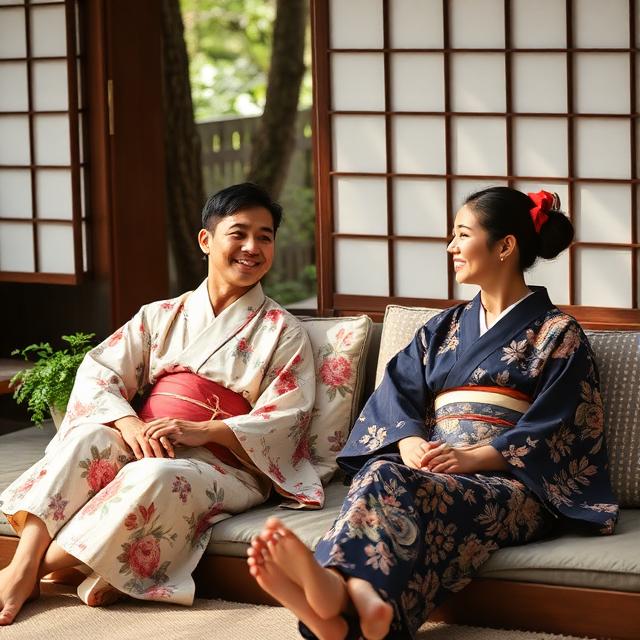
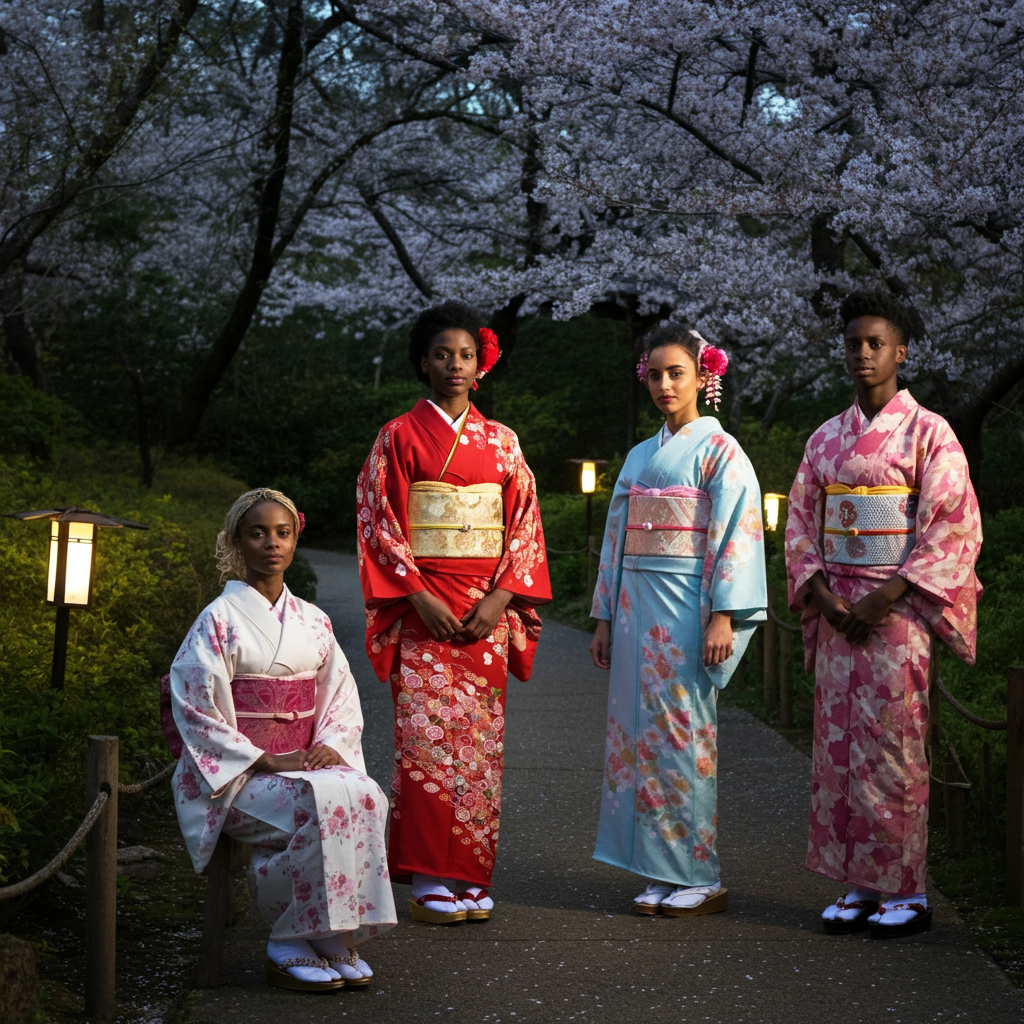
    You might picture a kimono draped against a backdrop of Kyoto temples or a yukata gliding through a Japanese summer festival. But these stunning garments have found a happy home across the United States, too. From bustling city festivals to cozy backyard gatherings, Americans are embracing kimonos and yukatas with curiosity and respect.

    So where exactly do people wear them? And how do you wear one without crossing the line from appreciation into awkward missteps? In this post, we’ll walk through the most common places people in the USA slip into these elegant garments. You’ll also pick up practical etiquette tips that help you wear them with confidence and care.

    Here’s what we’ll cover: the quick difference between a kimono and a yukata, the real-world spots where they show up across America, and the cultural know-how to wear them well.

    Kimono vs. Yukata: A Quick Breakdown

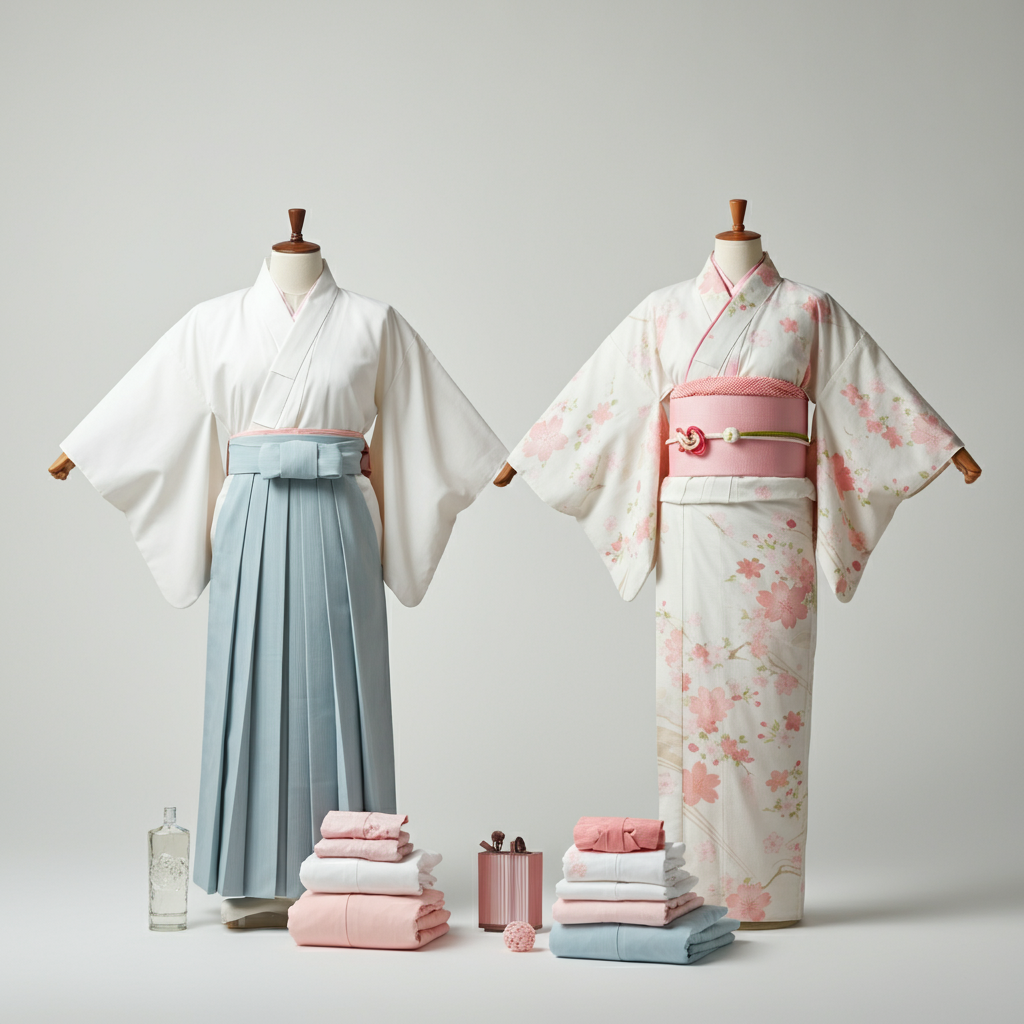
    Before we dive in, let’s clear up a common mix-up. A kimono is a more formal garment, traditionally made from silk and worn with multiple layers, an obi (sash), and accessories. People reserve kimonos for special occasions like weddings, ceremonies, and formal events.

    A yukata is the casual cousin. Made from lightweight cotton, it’s easy to wear and perfect for hot weather. You’ll spot yukatas at summer festivals, relaxed gatherings, and informal events. Think of the kimono as a tailored suit and the yukata as a breezy summer outfit—both beautiful, but built for different moments.

    Now that we’ve got that sorted, let’s explore where these garments come to life across the USA.

    Japanese Cultural Festivals

    Cities with strong Japanese American communities host vibrant cultural festivals year-round. Events like the Nisei Week Japanese Festival in Los Angeles or the Japanese Cultural Fair in Santa Cruz draw crowds dressed in colorful kimonos and yukatas.

    These festivals celebrate music, food, dance, and tradition. Wearing a yukata here feels natural and welcomed, especially when you join in respectfully and ask questions about the culture you’re celebrating.

    Mini takeaway: Cultural festivals are one of the most genuine places to wear a yukata while honoring its roots.

    Cherry Blossom Events

    Spring brings a wave of cherry blossom festivals across the country. The National Cherry Blossom Festival in Washington, D.C., and similar events in San Francisco and Seattle attract thousands of visitors each year.

    Many attendees wear kimonos or yukatas to match the floral, picture-perfect setting. These events often include tea ceremonies, taiko drumming, and traditional performances—making them a lovely backdrop for traditional dress. Just remember: you’re celebrating a shared cultural moment, so wear your garment thoughtfully.

    Anime and Pop Culture Conventions

    Walk into any major anime convention—like Anime Expo in Los Angeles or Otakon in Washington, D.C.—, and you’ll see kimonos and yukatas everywhere. Fans wear them as cosplay, as casual con-wear, or simply to express their love of Japanese culture.

    This space tends to be playful and creative. Still, it helps to know the difference between a costume-inspired piece and an authentic garment. If you’re wearing a traditional yukata rather than a character outfit, treat it with the same respect you’d show at a cultural event.

    Tea Ceremonies

    Traditional Japanese tea ceremonies happen at cultural centers, gardens, and tea schools across the USA. Places like the Urasenke tea schools offer authentic experiences guided by trained practitioners.

    These settings call for formal, mindful attire—often a kimono. Wearing one shows respect for the ritual and the host. If you attend, follow the guidance of the tea master and dress modestly and neatly.

    Mini takeaway: Tea ceremonies are formal occasions, so a kimono fits the mood better than a casual yukata.

    Summer Matsuri Celebrations

    Matsuri are traditional Japanese summer festivals, and many American cities recreate them with food stalls, lanterns, games, and dancing. The Obon festivals held at Buddhist temples nationwide are a beautiful example.

    Yukatas shine here. The lightweight cotton keeps you cool, and the festive atmosphere makes it the perfect place to wear one. Join the Bon Odori dance, enjoy the food, and soak up the community spirit.

    College Cultural Showcases

    Universities with active Japanese student associations often host cultural nights and showcases. These events feature performances, food, and fashion presentations where students wear kimonos and yukatas.

    If your campus hosts one, it’s a wonderful chance to learn directly from people who grew up with these traditions. Many showcases even offer kimono-fitting demonstrations so you can see how the garments are properly worn.

    Photoshoots

    Photographers and models love the visual drama of a kimono. Whether it’s a professional portfolio shoot, a graduation photo session, or a personal creative project, these garments add elegance and storytelling power to images.

    If you book a kimono photoshoot, choose a studio or stylist who understands the garment’s significance. The best shoots highlight beauty while honoring cultural meaning—not reducing it to a prop.

    Weddings and Formal Celebrations

    Some couples, especially those with Japanese heritage, incorporate kimonos into their weddings. The bride may wear a white shiromuku or a colorful uchikake over her kimono for a stunning, ceremonial look.

    Guests at Japanese American weddings sometimes wear formal kimonos, too. These moments call for the highest level of care and respect, so it’s worth learning the proper styling or working with a professional dresser.

    Spas and Ryokan-Inspired Experiences

    A growing number of American spas and resorts offer ryokan-inspired experiences. Guests slip into yukatas to relax, just as they would at a traditional Japanese inn.

    These cotton yukatas are designed for comfort and rest. Wearing one here is part of the experience, and the staff will usually show you how to tie it correctly.

    Mini takeaway: Spa yukatas are about relaxation—wear them as intended and enjoy the calm.

    At-Home Themed Gatherings

    Plenty of people wear yukatas at home too. Themed dinner parties, movie nights, or casual get-togethers inspired by Japanese culture are popular ways to enjoy these garments in a low-key setting.

    If you host one, take a moment to share a little context with your guests. A bit of knowledge turns a fun night into a respectful celebration of culture.

    Etiquette Tips for Wearing Kimonos and Yukatas

    Wearing these garments well comes down to a few simple guidelines. Keep these in mind:

    • Always wrap left over right. Right over left is reserved for dressing the deceased, so this one matters.
    • Tie the obi securely and at the right spot—usually around the waist for men and higher for women.
    • Match the formality to the occasion. Save kimonos for formal events and yukatas for casual ones.
    • Wear appropriate footwear like geta or zori when possible, especially at traditional events.
    • Learn a little history. Understanding the garment’s meaning helps you wear it with genuine respect.

    Common Mistakes to Avoid

    A few slip-ups can turn a thoughtful gesture into an awkward one. Don’t wrap the garment right over left. Don’t treat a kimono as a costume at formal cultural events. And don’t skip the research—knowing why these garments matter shows real appreciation.

    Final Thoughts

    Kimonos and yukatas have woven their way into countless corners of American life, from spring festivals to spa retreats. Each setting offers a different way to enjoy these beautiful garments while honoring their roots.

    The key is simple: wear them with curiosity, care, and respect. Take time to learn the difference between formal and casual styles, follow basic etiquette, and appreciate the rich culture behind every fold of fabric.

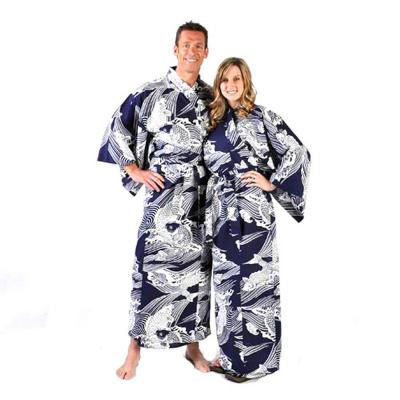
    Blue koi yukata in 100% cotton from Japan
    Comfort Never Felt so Good
  • Finding My Perfect Authentic Japanese Kimono Online at Kimono Shop

    I’ll admit it: my search for an authentic Japanese kimono started with a little bit of daydreaming and a lot of open browser tabs.

    I wanted something beautiful, meaningful, and real. Not a costume. Not a “kimono-inspired” robe that looked like it had been designed by someone who had once seen Japan in a movie. I wanted an authentic Japanese kimono or yukata that felt special the moment I opened the package.

    That’s how I found Kimono Shop—and honestly, I felt like I had stumbled onto one of those hidden gems you immediately want to tell a friend about.

    The Online Kimono Search That Started It All

    At first, shopping online for a kimono felt a bit overwhelming. There were so many options, and every site seemed to promise “authentic” this and “traditional” that. But the more I clicked around, the more I noticed the same problems.

    Some shops had tiny selections. Others had prices that made me blink twice. A few looked affordable at first, until I started wondering what the final total would be after duties, tariffs, import taxes, brokerage costs, and whatever other surprise fees might appear like uninvited guests at checkout.

    I didn’t want mystery math. I wanted a lovely kimono.

    Then I found Kimono Shop.

    Why Kimono Shop Immediately Stood Out

    The first thing that caught my attention was the selection. Kimono Shop had authentic Japanese kimonos and yukatas in so many styles, colors, and patterns that I actually made tea before settling in to browse properly.

    There were elegant florals, bold designs, soft colors, rich colors, and pieces that looked perfect for lounging, displaying, collecting, or wearing for a special occasion. It was the kind of selection where you start by thinking, “I’ll just look for five minutes,” and suddenly you’re comparing sleeve lengths like you’re curating a museum exhibit.

    And that’s a compliment.

    What really reassured me was learning that Kimono Shop has been in business for over 30 years. That told me this was not some random online shop that appeared last Tuesday. They know kimonos. They know yukatas. They know how to present them clearly, price them fairly, and ship them without making customers feel like they need a calculator and a customs manual.

    Competitive Prices Without the “Wait, What?” Fees

    Let’s talk about price, because it matters.

    Kimono Shop’s prices were extremely competitive, especially for authentic Japanese pieces. I had seen similar-looking items elsewhere for much more, often double, even though they promise the lowest cost anywhere, and sometimes with less information about what I was actually buying. With Kimono Shop, the value was clear.

    But the real moment of relief came when I realized there were no hidden fees.

    No duties.
    No tariffs.
    No import taxes.
    No brokerage costs.

    That was huge for me. I’ve ordered internationally before and had the unpleasant experience of thinking I’d paid the full price, only to get hit with extra charges later. It takes the sparkle right out of the purchase.

    With Kimono Shop, the process felt simple and honest. The price was the price, and I could shop without wondering if a surprise bill was waiting around the corner.

    Choosing “The One” Was the Hardest Part

    The hardest part of buying from Kimono Shop was not the checkout process. It was choosing just one kimono.

    I went back and forth between a few favorites. One had a soft, graceful pattern that looked timeless. Another had a brighter design that made me feel cheerful just looking at it. Then there were the yukatas, which had that easy, relaxed beauty that made me imagine summer evenings, sandals, and iced tea.

    In the end, I picked the one that made me smile the most. That’s my official shopping strategy, by the way: if you keep going back to look at it, that’s probably the one.

    Checkout was smooth, simple, and refreshingly drama-free. No confusing steps. No surprise costs. No last-minute “handling” charge that made me question my life choices. Just a straightforward purchase from a shop that clearly knows what it’s doing.

    Quick Shipping and a Very Happy Delivery Day

    Then came the waiting, which is usually my least favorite part of ordering online.

    But the Kimono Shop shipped quickly, and before I had time to become too impatient, my package arrived. There is a very specific kind of joy that comes from seeing a package you’ve been excited about sitting at your door in just a few days. It’s part birthday, part treasure hunt, part “please let this be as good as I hoped.”

    It was better.

    Opening the package felt special. The kimono was beautiful, carefully packed, and even lovelier in person than it had looked online. The fabric, the pattern, the overall quality—it all felt authentic and thoughtfully chosen. This was exactly what I had been hoping to find.

    I may have tried it on immediately and admired it from several angles. For research, of course.

    My Final Verdict: Kimono Shop Knows Kimonos

    Buying an authentic Japanese kimono online could have been confusing, expensive, or disappointing. Instead, Kimono Shop made it easy, enjoyable, and genuinely exciting.

    They have the selection, the quality, the fair pricing, and the experience to make the whole process feel trustworthy from start to finish. After more than 30 years in business, it’s easy to see why they’ve lasted. They know how to offer authentic Japanese kimonos and yukatas in a way that makes customers feel confident and delighted.

    If you’re looking for a real kimono or yukata online, take it from a very happy customer: Kimono Shop is worth discovering. Just be warned—you may go in looking for one and end up making a wish list.

  • Why People Love Kimonos: Tradition, Beauty, and Modern Style

    Kimonos hold a rare kind of appeal. They are graceful without trying too hard, rich in meaning without needing explanation, and instantly recognizable across the world. For some people, the love of kimonos begins with their beauty. For others, it starts with a deeper respect for Japanese culture, textile art, and the calm elegance the garment represents.

    This post is for fashion enthusiasts, style lovers, and cultural explorers who want to understand why kimonos continue to inspire admiration. We’ll look at their cultural significance, the artistry behind their fabrics and patterns, the power of their silhouette, and the way they continue to shape contemporary fashion. Along the way, we’ll see why the kimono is more than clothing—it is history, identity, and design in one form.

    The kimono carries deep cultural meaning

    At the heart of the kimono’s appeal is its connection to Japanese heritage. The word “kimono” simply means “thing to wear,” yet the garment has come to symbolize far more than everyday dress. Over time, it became a visual language that reflected season, age, occasion, social setting, and personal taste.

    A kimono can communicate subtle messages through color, motif, sleeve length, and styling. In traditional settings, these details matter. A formal kimono worn at a wedding carries a different meaning than a lighter, more casual cotton yukata worn at a summer festival. This layered meaning is one reason people feel drawn to kimonos: they are garments that tell stories.

    That cultural depth creates a strong emotional pull. When people admire kimonos, they are often responding not just to how they look, but to what they represent—respect for ritual, beauty in detail, and continuity across generations.

    A garment shaped by ceremony and daily life

    Part of what makes the kimono so compelling is that it has existed in both formal and everyday spaces. Historically, it was not just reserved for special occasions. It was woven into life itself, adapting to class, climate, and context.

    That long history gives the kimono a kind of quiet authority. Unlike fast-moving fashion trends, it feels rooted. It connects the wearer and the viewer to something older, slower, and more intentional.

    The artistry of kimono fabric and patterns inspires admiration

    People also love kimonos because they are works of art. Every part of the garment can reflect skill and intention, from the weave of the textile to the placement of the pattern. You are not simply looking at fabric. You are often looking at dyeing traditions, weaving methods, hand-painting techniques, embroidery, and design symbolism that have been refined over centuries.

    Silk kimonos, in particular, are admired for their softness, sheen, and movement. But the artistry goes beyond luxury. Cotton, linen, and other materials can also be beautiful, especially when crafted with care and designed for season and use.

    Patterns that carry meaning

    Kimono motifs are rarely random. Many reflect nature, the seasons, or wishes for good fortune. Cherry blossoms may suggest beauty and impermanence. Cranes can symbolize longevity and good luck. Flowing water, bamboo, plum blossoms, and autumn leaves all carry visual and cultural weight.

    This is one of the most captivating things about kimonos: the patterns are decorative, but they are also expressive. They invite closer attention. The more you know, the more you see.

    Color as emotion and symbolism

    Color plays a major role in kimono design. Soft pastels can feel youthful and seasonal. Deep indigo, rich red, gold, and black can create a sense of formality, drama, or celebration. The emotional tone of a kimono often comes from the harmony between its colors and motifs.

    For many admirers, this balance is part of the magic. A kimono does not usually rely on a single bold statement. Instead, it creates beauty through composition, restraint, and detail.

    The silhouette is elegant, flattering, and versatile

    Another reason people love kimonos is simple: they look beautiful. The kimono silhouette is distinct from many Western garments. Rather than shaping the body through tight tailoring, it creates form through wrap, line, drape, and layering.

    That makes it feel both structured and fluid. The straight seams, long sleeves, and wrapped front create an elegant outline that moves with the body. The obi, or sash, adds focus and balance. Together, these elements create a look that feels poised and timeless.

    Why the shape appeals to so many people

    The kimono’s silhouette is versatile because it does not depend on one body type or one narrow ideal. Its design allows for grace, comfort, and presence. That flexibility gives it broad appeal.

    It also offers something many people crave in fashion: clothing that feels deliberate. A kimono is not rushed. It encourages attention to dressing, styling, and movement. Even when interpreted in modern ways, it carries a sense of ease and intention.

    A balance of simplicity and drama

    Are you drawn to minimalist style but still want something memorable? The kimono often answers that need. Its construction is relatively simple in shape, yet the final effect can be striking. A plain kimono can look refined and calm. A patterned one can feel vivid and theatrical.

    That range is part of its charm. Kimonos can be understated or expressive without losing their identity.

    Traditional craftsmanship gives kimonos lasting value

    People value kimonos because they reflect craftsmanship in a very visible way. Traditional kimono making can involve many specialized artisans, each responsible for one stage of the process. Weavers, dyers, painters, embroiderers, and dressmakers all contribute to the final piece.

    This level of care is increasingly rare in modern clothing. In a world shaped by speed and mass production, the kimono stands for patience and mastery. That alone makes it meaningful to many people.

    The human touch matters

    Hand-dyed fabrics, hand-finished seams, and carefully placed motifs give a kimono character. Small differences are not flaws; they are signs of the maker’s hand. For collectors and admirers, this human element creates a deeper sense of connection.

    It also changes how people think about clothing. A kimono is often seen not as disposable fashion, but as something to preserve, pass down, and appreciate over time.

    Craft as cultural preservation

    Supporting traditional kimono craft also helps preserve techniques that might otherwise fade. Textile regions in Japan are known for distinct methods and materials, and many artisans continue to keep these practices alive.

    This matters because love for kimonos is not only aesthetic. It can also be ethical and cultural. People admire the garment because it represents knowledge, labor, and heritage worth protecting.

    Kimonos blend tradition with personal style

    One of the most powerful reasons kimonos endure is that they are traditional, but not frozen in the past. They can honor history while still allowing personal expression. Styling choices, accessories, colors, and layering all create room for individuality.

    That balance makes the kimono especially appealing today. Many people want fashion with meaning, but they also want freedom. Kimonos offer both.

    Styling can feel ceremonial or creative

    In traditional contexts, kimono dressing follows established conventions. That structure is part of the beauty. It reflects respect for occasion and custom.

    At the same time, modern wearers and admirers often explore kimonos through a more personal lens. Vintage pieces may be styled in fresh ways. Contemporary designs may borrow kimono elements while adapting them for everyday wear. This tension between tradition and creativity keeps the garment alive.

    How kimonos are being reimagined in global fashion

    Now that we’ve covered the kimono’s cultural and artistic roots, it’s easier to see why it continues to influence designers around the world. Contemporary global fashion has embraced kimono-inspired shapes, sleeves, wraps, belts, and layered styling in many forms.

    Some modern interpretations stay close to the original garment, while others translate its spirit into robes, jackets, dresses, and outerwear. The appeal is clear: kimono-inspired fashion offers elegance, comfort, and visual impact.

    Modern fashion loves the kimono’s fluidity

    Designers are drawn to the kimono because its structure allows movement and ease. Loose sleeves, soft layering, and wrap shapes feel modern at a time when many people want clothes that are polished but wearable.

    Kimono-inspired pieces also move easily between settings. A lightweight kimono jacket can work over denim, tailored pants, swimwear, or an evening dress. That adaptability helps explain the garment’s global reach.

    The best reinterpretations respect the source

    There is an important difference between inspiration and careless borrowing. The most thoughtful contemporary uses of kimono design acknowledge its cultural roots and treat it with respect. They do not strip away the meaning that gives the garment its power.

    For fashion lovers and cultural explorers alike, this is a useful question to ask: does a modern version honor the artistry and heritage behind the original? When the answer is yes, the result can feel fresh and respectful at once.

    Why the love for kimonos continues

    In the end, people love kimonos for many reasons, and those reasons often overlap. Some are captivated by the silhouette. Others are moved by the craftsmanship, the symbolism in the patterns, or the connection to Japanese heritage. Many simply feel that kimonos possess a rare beauty that modern clothing often lacks.

    What makes the kimono endure is its balance. It is historical but still relevant, artistic but wearable, refined but expressive. If you want to appreciate kimonos more deeply this week, start by looking closely at one—its fabric, motif, color, and shape. The more attention you give it, the more it reveals.

  • The Timeless Elegance of Kimonos: A Guide to Choosing the Perfect One

    The kimono stands out as a garment of striking beauty and deep cultural meaning. Originating in Japan, this iconic robe has captured the admiration of fashion enthusiasts and comfort-seekers worldwide. With its straight seams, wide sleeves, and vibrant patterns, the garment commands attention while offering an incredibly comfortable fit.

    Adding a kimono to your wardrobe is an exciting choice, but the variety of options can feel overwhelming. Understanding the history, different styles, and materials available is essential to finding a piece that fits your lifestyle. This guide will walk you through everything you need to know to select a garment you will cherish for years to come.

    History and Cultural Significance

    The word “kimono” translates simply to “something to wear.” While the term is straightforward, the garment’s history is incredibly rich. Evolving significantly during the Heian period (794–1185), the straight-cut method of making clothes allowed makers to accommodate various body shapes and weather conditions.

    Over the centuries, the kimono transformed from everyday attire to a cherished symbol of tradition and artistry. Patterns, colors, and fabrics began to reflect a wearer’s social status, marital status, and even the season or occasion. Today, while modern fashion trends have changed daily dress in Japan, the kimono remains a centerpiece for ceremonies, celebrations, and cultural events, reminding us of its timeless importance.

    Different Styles for Every Occasion

    There is a kimono for every milestone and moment. The furisode, with its long, swinging sleeves, is commonly worn by young, unmarried women at special events like coming-of-age ceremonies. The elegant tomesode, with shorter sleeves, is reserved for married women and often features intricate designs on the lower half. The yukata, made from lightweight cotton, is perfect for summer festivals and relaxation at home, offering a casual and breezy alternative.

    Men’s kimonos are known for their subtle design, usually featuring subdued colors and family crests. Formal occasions may call for the addition of a haori (a hip- or thigh-length jacket) and hakama (traditional pleated trousers).

    How to Choose Your Perfect Kimono

    Choosing a kimono begins with understanding your needs. Think about the occasion—are you dressing for a wedding, a tea ceremony, a festival, or simply for casual comfort at home? Consider color and fabric: silk is luxurious and beautiful for formal events, while cotton or synthetic blends are both practical and stylish for everyday wear.

    Look for patterns and motifs that speak to you. Traditional designs often feature nature, such as cherry blossoms or cranes, each carrying its own symbolism of luck, longevity, or beauty. When in doubt, classic styles and subtle shades create a timeless look.

    Why Choose Kimono Shop?

    At Kimono Shop, authenticity and quality are at the heart of our collection. We offer a wide range of kimonos to suit every occasion and personal style, from elegant, hand-crafted pieces to easy-to-wear modern designs. Our knowledgeable staff can help you find the perfect fit, ensuring you feel confident and comfortable.

    Care Tips for Your Kimono

    To keep your kimono looking its best for years, follow a few simple care tips. Store it in a cool, dry place away from direct sunlight to prevent colors from fading. When not in use, fold it neatly or hang it with a special kimono hanger to maintain its shape. For silk kimonos, consider professional cleaning or gentle hand-washing for delicate items.

    Conclusion

    No matter your personal style or the occasion, embracing a kimono is a way to celebrate culture, craftsmanship, and beauty. Whether you’re wearing one for a special event or simply savoring comfort at home, each kimono tells a unique story—one that intertwines tradition with your own journey.

    Ready to find your perfect kimono? Explore the Kimono Shop collection and discover the elegance that has captivated generations.

  • How to Choose Your First Kimono: A Beginner’s Guide

    Choosing your first kimono is an exciting step into a world of incredible artistry, history, and personal expression. But with so many styles, fabrics, and terms, it can also feel a little overwhelming. This guide is here to walk you through everything you need to know, from finding the right fit to understanding the difference between a real silk treasure and a convincing replica.

    We will cover the essential factors: fit, fabric, budget, and authenticity. By the end, you’ll feel confident and ready to select a beautiful garment you can wear with respect and joy.

    First, Some Kimono Basics

    Before diving into the details, let’s clarify a few key terms you’ll encounter.

    • Kimono: The word “kimono” literally means “thing to wear.” It’s a T-shaped, full-length robe that wraps left over right. Traditional kimonos are often made of silk or cotton and worn for special occasions like weddings, tea ceremonies, or festivals.
    • Yukata: Think of a yukata as the kimono’s casual, summer cousin. It’s typically made of unlined cotton or synthetic fabric, making it lighter and more breathable. Yukata are perfect for summer festivals, relaxing at a traditional inn (ryokan), or as a beautiful bathrobe. They are an excellent, affordable starting point.
    • Haori: This is a hip- or thigh-length jacket worn over a kimono. It’s not belted shut and adds a layer of formality or warmth. Modern fashion has embraced the haori as a stylish, versatile jacket to wear with everyday clothes.

    Finding the Perfect Fit

    Unlike Western clothing, kimonos are not sold in standard sizes like small, medium, or large. Fit is determined by your height and, to a lesser extent, your hip measurement.

    Key Measurements to Check

    • Length (Mitake): A kimono’s length should be roughly equal to your height. The excess fabric is folded at the waist and hidden by the obi (sash), a fold called the ohashori. For a casual yukata, the length can be closer to your ankle without this fold.
    • Sleeve Length (Sodetake): The bottom of the sleeve should fall somewhere around your wrist when your arms are down. Long, flowing sleeves are a feature of furisode, a formal kimono for unmarried women.
    • Width (Mihaba): The kimono should wrap around your body comfortably, with the front panels overlapping. When you hold the center back seam against your spine, the edges of the robe should wrap to your hip bones. Most kimonos can accommodate a range of body shapes.
    • Sleeve Drop (Yuki): This is the measurement from the center seam of your neck to the edge of the sleeve. It should end near your wrist bone. If it’s too short, it can look ill-fitting, but vintage pieces often have a shorter yuki.

    When trying on a kimono, make sure the left side is wrapped over the right side. Wrapping right over left is reserved for dressing the deceased for burial—a crucial piece of etiquette to remember.

    A Guide to Kimono Fabrics

    The material of a kimono dictates its formality, seasonality, and care requirements.

    • Silk (Shoken): The most traditional and luxurious fabric. It’s smooth, drapes beautifully, and is used for formal kimonos like furisode and tomesode. Silk is a year-round fabric, but different weaves are used for different seasons. It requires professional cleaning.
    • Cotton (Momen): The classic fabric for yukata. It’s breathable, absorbent, and relatively easy to wash at home, making it perfect for summer.
    • Wool (Uru): A durable, warm, and wrinkle-resistant fabric. Wool kimonos are considered casual and are ideal for everyday wear in the cooler autumn and winter months.
    • Linen/Hemp (Asa): Crisp, breathable, and highly prized for summer wear. Linen kimonos are a bit more upscale than cotton yukata and are perfect for staying cool in humid weather.
    • Polyester & Synthetics: Modern kimonos are often made from high-quality polyester. It’s a fantastic option for beginners because it’s affordable, wrinkle-resistant, and machine-washable. While it doesn’t breathe as well as natural fibers, its ease of care is a major advantage.

    Setting Your Budget: New vs. Vintage

    Your budget will be a major factor in your decision. Prices can range from under $50 to many thousands of dollars.

    • Under $100: In this range, you’ll find new polyester yukata sets (often including a simple obi and geta sandals) or secondhand wool and synthetic kimonos. This is a great budget for your very first piece.
    • $100 – $400: This tier opens up the world of high-quality vintage silk kimonos (komon, or small-pattern kimonos), new cotton yukata from good brands, and some simpler new silk pieces.
    • $400+: Here you can find pristine vintage kimonos, artisan-made pieces, and new silk kimonos. Bespoke, hand-dyed kimonos can cost several thousand dollars.

    How to Spot an Authentic, Quality Kimono

    Authenticity can mean different things—is it handmade in Japan, or is it a well-made modern piece? Here are some clues to look for.

    • Pattern Alignment: On a quality kimono, patterns should flow seamlessly across the seams, especially on the back.
    • Lining: Most kimonos, except for unlined summer ones (hitoe), will have a lining. A fully lined kimono is called awase. The lining is often made of silk or cotton.
    • Seams: Look at the construction. A traditional kimono has specific seam placements and is mostly hand-stitched, especially for hemming. Machine stitching is common on modern or everyday kimonos.
    • Artisan Techniques: Look for signs of hand-dyeing like shibori (tie-dye), which leaves tiny, puckered dots, or yuzen (resist dyeing), which has fine, hand-painted details. These indicate a high-value, artisanal piece.
    • Red Flags: Be wary of shiny, cheap satin fabrics, printed patterns that don’t align at the seams, and garments marketed as “kimono robes” that are more like lingerie or dressing gowns.

    Where to Buy Your First Kimono

    • New: Department stores in Japan or specialty online retailers.
    • Vintage: Flea markets (especially in Japan), vintage kimono stores, and online marketplaces like Kimono Shop. Be sure to check seller reviews and measurements.
    • Rental: An excellent option for a special event. Kimono rental shops are common in tourist areas in Japan and some large cities worldwide. They handle the dressing and provide all accessories.

    Essential Kimono Accessories

    A kimono is rarely worn on its own. You’ll need a few key items to complete the look correctly.

    1. Obi: The sash worn around the waist. There are many types, from the casual hanhaba obi for yukata to the formal, elaborate fukuro obi.
    2. Koshihimo: Thin ties used to hold the kimono in place under the obi. You’ll need at least two.
    3. Juban: An under-kimono. It keeps the outer kimono clean and provides a clean collar line (eri). A full-length nagajuban or a simpler two-piece version works.
    4. Obi-ita: A stiff board placed inside the obi to keep it from wrinkling.
    5. Footwear: Zori are formal sandals, while geta are wooden clogs typically worn with yukata. Always wear tabi (split-toe socks) with zori.

    Simple Care and Storage

    • Airing: After wearing, hang your kimono on a special kimono hanger or a straight rod in a well-ventilated, shady area for a day to air out.
    • Cleaning: Polyester and cotton can often be hand-washed or machine-washed on a delicate cycle. Silk and wool must be professionally cleaned by a specialist.
    • Storage: Store your folded kimono flat, wrapped in a traditional paper wrapper called a tatoshi, or a simple cotton cloth. Keep it in a drawer or box away from direct sunlight and humidity.

    Kimono Shop has been a leading online provider of quality Kimono and Yukata since 19949. They offer a wide selection of colors, styles, and patterns. Whether for a man, woman, or child, sizes are available in small, large, tall, petite, plus size, big and tall, and short length. Visit the Kimono Shop online 24 hours a day. Based and operated in the USA, shipping is always quick, and service is professional.

  • Wear the Dragon: The Power of a Japanese Robe

    In Japanese culture, the dragon, or ryū, is not a creature of fire and destruction. Instead, it is a powerful and benevolent force associated with wisdom, strength, and good fortune. This divine being commands the waters and skies, bringing rain to nourish the land and protecting those it favors. Wearing a dragon on your clothing is more than a style choice; it’s an invitation to embody its auspicious energy. A Japanese robe adorned with a dragon becomes a symbol of personal power and protection.

    At Kimono Shop, we have celebrated the art of Japanese textiles for over three decades. Our collection of dragon-themed kimonos and yukatas captures the spirit of this legendary creature. Each piece is expertly crafted in Japan from 100% cotton, offering a blend of authentic design and modern comfort.

    The Symbolism of the Dragon

    Unlike their Western counterparts, Japanese dragons are seen as guardians. They are complex symbols with deep roots in mythology and spirituality.

    • Strength and Power: The dragon is a figure of immense physical and spiritual strength. It represents the ability to overcome obstacles and achieve greatness.
    • Wisdom and Protection: As ancient beings, dragons are keepers of profound wisdom. They are often depicted as protectors of temples, treasures, and even entire communities.
    • Control Over Water and Sky: Japanese dragons are water deities, living in oceans, rivers, and lakes. They control rainfall, storms, and tides, symbolizing influence over the natural world and the flow of life itself.
    • Good Fortune: Sighting a dragon is considered an incredibly lucky omen, promising success, prosperity, and a bountiful future.

    When you wear a dragon kimono or yukata, you carry these powerful meanings with you. It’s a statement of confidence, a nod to timeless tradition, and a personal emblem of good fortune.

    Kimono Shop’s Dragon Kimono and Yukata Collection

    Our curated selection of Japanese robes showcases the dragon in various awe-inspiring forms. Each design tells a unique story, pairing the dragon with other potent symbols from Japanese folklore.

    Dragon and Mt. Fuji Yukata

    This striking yukata combines two of Japan’s most powerful icons: the dragon and Mount Fuji. The dragon coils protectively around the sacred mountain, creating a design that symbolizes unshakeable strength and national pride. Available in deep navy, bold red, and classic black, this 100% cotton yukata is a masterpiece of cultural expression.

    Dragon and Tiger Kimono

    The dragon and the tiger are celestial rivals, representing the delicate balance of the universe. The dragon rules the heavens and the rain, while the tiger commands the earth. Together, they symbolize the harmony of opposing forces—spirit and matter, yin and yang. This dynamic Japanese robe is for those who appreciate the interplay of power and grace.

    Dragon of Flame Kimono

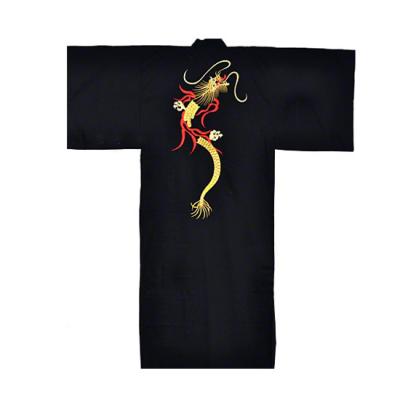
    This design is a true showstopper. The Dragon of Flame Kimono features a large, intricately embroidered dragon across the back, its body ablaze with color and detail. Embroidery adds texture and dimension, making the dragon feel alive. It’s a bold and artistic piece that embodies the creature’s fiery spirit and unstoppable energy.

    Dragon and Hawk Yukata

    Another powerful pairing, the dragon and hawk represent supremacy over the sky. The hawk is known for its sharp vision and swift action, while the dragon commands the very weather. This yukata design speaks to ambition, clear focus, and the ability to rise above challenges.

    Cloud Dragon Yukata

    Often depicted among the clouds, the dragon is a master of the celestial realm. The Cloud Dragon yukata captures this ethereal quality, showing the dragon moving gracefully through the heavens. It evokes a sense of freedom, transcendence, and limitless potential.

    Modern Style, Traditional Craftsmanship

    We understand that style is personal. That’s why many of our dragon designs are available in both traditional, full-length cuts and as shorter Happi Coats. The Happi Coat offers a versatile, modern silhouette that works well as a light jacket over jeans and a t-shirt or as a comfortable lounge robe.

    No matter which style you choose, you can be confident in its quality. Every Japanese kimono and yukata from Kimono Shop is made in Japan from soft, breathable 100% cotton.

    Experience the Kimono Shop Difference

    As a U.S.-based company, we make it simple to bring authentic Japanese style into your life. When you order from KimonoShop.com, you benefit from quick shipping from within the USA. There are no long waits for international packages or surprise customs fees. We also offer easy returns to ensure you are delighted with your purchase.

    Embrace the dragon’s strength, wisdom, and good fortune. Explore our collection of dragon kimonos, yukatas, and Happi Coats to find the design that speaks to your spirit.

  • The Perfect Touch: Why a Kimono is the Best Houseguest Robe

    The holiday season brings a special kind of magic into our homes. We decorate, we cook, and most importantly, we open our doors to friends and family. As a host, you likely spend weeks planning menus and activities to make your guests feel cherished. But what about the small, quiet moments in between the celebrations? Consider the simple act of providing a guest robe—a gesture that offers comfort and a touch of luxury.

    This year, elevate that experience by swapping the standard terry cloth for something truly memorable: a Japanese kimono or yukata. More than just a robe, it’s a thoughtful detail that blends practicality with elegance. It shows your guests you’ve considered their comfort down to the last detail. This simple addition can transform their stay from a pleasant visit into a cherished memory, all while being surprisingly easy and affordable for you.

    A Gesture of Unforgettable Hospitality

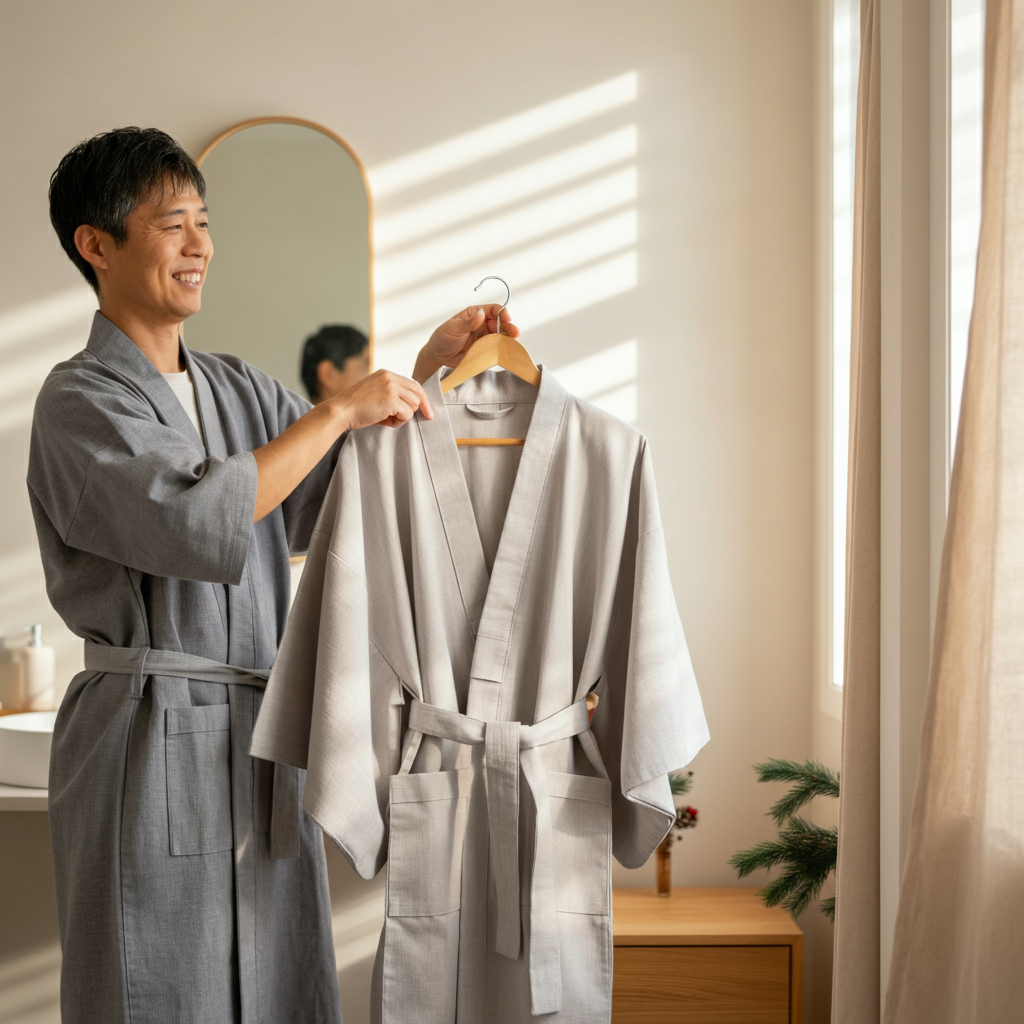
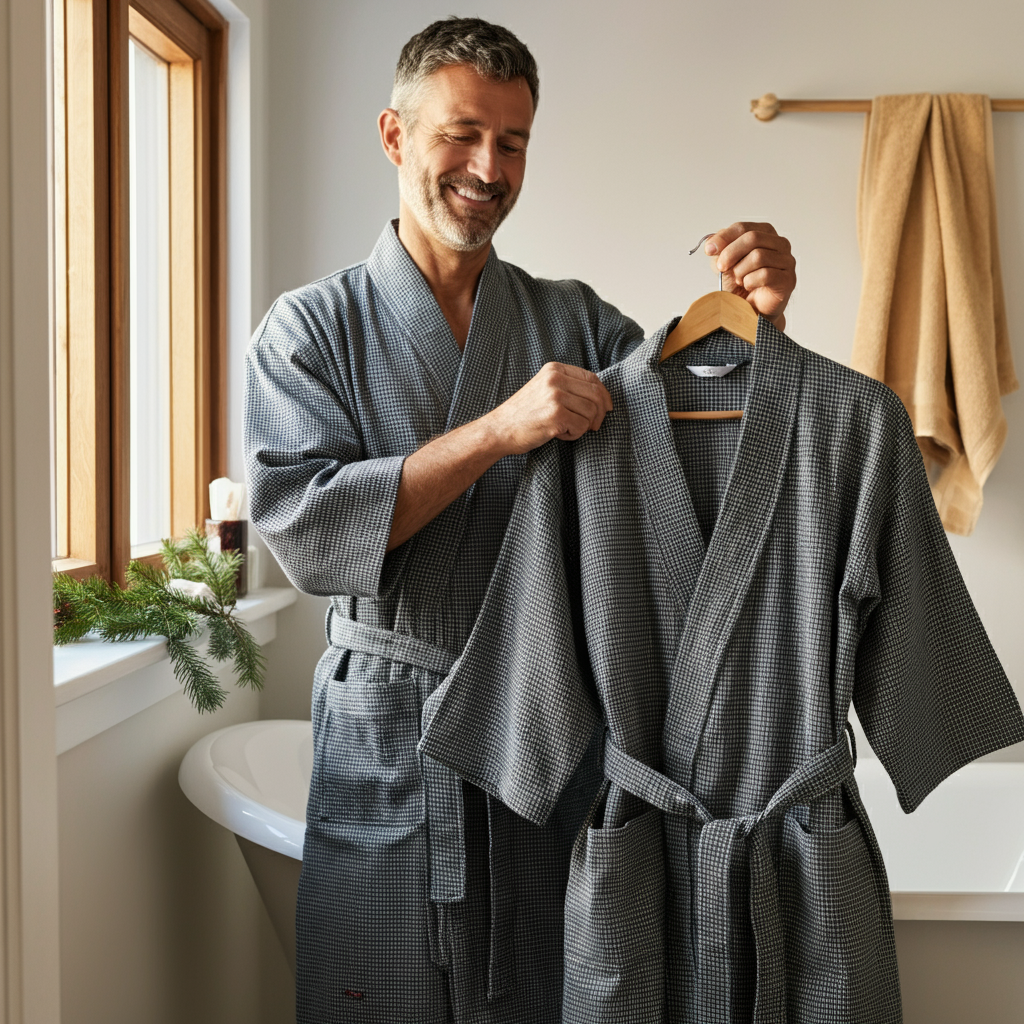
    When guests arrive, they are often living out of a suitcase. Providing a dedicated robe for lounging is a classic sign of a thoughtful host. A kimono or yukata takes this gesture to the next level. Unlike bulky bathrobes, these garments offer a unique blend of style and comfort.

    Imagine your guest finding a beautifully folded, crisp cotton kimono waiting for them in their room or the bathroom. It’s an unexpected touch of luxury that immediately makes them feel pampered and welcomed. This isn’t just about providing something to wear; it’s about creating an experience. The lightweight fabric and elegant design feel special, turning a simple morning coffee or a quiet evening into a more refined moment of relaxation. It’s a small detail that communicates a powerful message: “You are special to us, and we want you to feel completely at home.”

    The Practical Elegance of Kimonos and Yukatas

    While the aesthetic appeal is undeniable, the practicality of these robes is what makes them a perfect fit for a busy host. Many authentic kimonos and yukatas are designed for ease of use and durability.

    Easy Care for Busy Hosts

    One of the biggest advantages is how simple they are to maintain. Many are made from high-quality, machine-washable cotton. You can simply toss them in the wash with other linens after your guests depart, and they come out fresh and ready for the next visitor. This eliminates the need for special laundering or dry cleaning, saving you time and effort during a hectic holiday season. The crisp feel of the cotton is easily restored, ensuring every guest gets that “brand new” experience.

    Yukata: The Ideal Lightweight Option

    When selecting a robe, you will often encounter both kimonos and yukatas. While related, the yukata is particularly well-suited for home use. Traditionally worn in summer or at hot spring resorts, yukatas are unlined robes made of a lighter cotton. This makes them perfect for wearing indoors, where central heating keeps things cozy. Your guests won’t feel overheated, and the fabric is soft and breathable against the skin, making it comfortable for lounging any time of day.

    Styling, Comfort, and Modesty

    A common concern with any house robe is coverage. You want your guests to feel comfortable walking from the bedroom to the kitchen for a glass of water without feeling exposed. Japanese kimonos and yukatas excel in this regard.

    Each robe comes with a matching sash or belt, known as an obi. This allows your guests to easily secure the robe for a comfortable and modest fit. The design provides ample coverage, making it appropriate for wearing around you and other family members. The fabric drapes elegantly without being clingy, offering a flattering silhouette for all body types. Your guests can relax in style, whether they’re enjoying a lazy morning or winding down after a long day of festivities. This built-in modesty ensures everyone feels at ease, contributing to a relaxed and welcoming household atmosphere.

    A Gift That Lasts Beyond the Holidays

    The versatility of a kimono robe extends beyond a single visit. As a host, you have a few wonderful options once your guests have gone home.

    First, you can treat them as part of your regular guest linen collection. Their durability means they can be washed and stored, ready to welcome visitors for years to come. Building a small collection of two or three ensures you are always prepared for holiday visitors or unexpected weekend guests.

    Alternatively, for a truly generous gesture, you can invite your guests to take their robe home as a keepsake. A beautiful yukata is a memorable and useful gift that they will treasure long after the holidays are over. Every time they wear it, they will be reminded of the wonderful time they spent with you. This turns a simple piece of guest comfort into a lasting symbol of your friendship and hospitality, making it a gift that feels both personal and luxurious.

    Setting the Stage for a Warm Welcome

    Presentation is key to making this gesture feel special. Instead of just hanging it in the closet, consider how to display the robe for maximum impact upon arrival.

    You could lay it neatly folded at the foot of the guest bed, along with fresh towels. Or, for a spa-like touch, hang it on a beautiful hook on the back of the bathroom door. Placing it alongside a small basket of toiletries—like nice soap, lotion, or a sleep mask—completes the picture of a five-star welcome. This thoughtful staging takes only a few moments but sets the tone for a relaxing and enjoyable stay.

    Prepare Your Welcome Today

    The holiday season is a time for connection and creating joyful memories. The small, thoughtful details are often the things our loved ones remember most. By offering a beautiful kimono or yukata, you provide more than just a robe; you offer a unique experience of comfort, elegance, and care. Start preparing your home for the season now by selecting a few beautiful robes. It’s a simple, affordable way to make your holiday guests feel truly cherished. Kimono Shop offers over 100 styles, patterns, colors, and sizes. Visit their online store, Kimono Shop, where shipping is quick and orders of $75 or more ship free.

  • Why Quality Matters: The Story Behind Our Kimonos

    There’s a reason why kimonos are celebrated worldwide as not just garments but works of art. They carry cultural heritage, showcase remarkable craftsmanship, and boast intricate designs that stand the test of time. At the heart of every kimono lies an unwavering commitment to quality. But what truly makes kimonos special? Join us as we explore the meticulous process of creation, the artisanship behind each piece, and what makes these timeless garments treasures to own.

    The Cultural Significance of Kimonos

    Kimonos are more than just clothing; they are a cultural symbol in Japan. Historically, they represented the wearer’s social status, personality, and individuality. Each detail on a kimono, from the patterns to the choice of fabric, carries specific meaning. For instance, floral motifs often reflect the seasons, with cherry blossoms signifying spring and chrysanthemums symbolizing longevity.

    Beyond their wearable beauty, kimonos are deeply tied to rituals and milestones—weddings, tea ceremonies, and coming-of-age celebrations. Every kimono tells a story, making each piece a priceless heirloom to be passed down through generations.

    Sourcing Materials with Purpose

    Creating a kimono starts with selecting the finest materials. Quality kimonos are traditionally made from pure silk, an unmatched fabric for elegance, durability, and dye absorption. This material provides the perfect canvas for intricate patterns and vibrant colors.

    Today, while silk remains a primary choice for formal kimonos, other materials such as cotton and wool are also used for casual wear. Regardless of the fabric, the emphasis is always on longevity and preserving the authenticity of traditional methods.

    The dyeing process further elevates the material’s beauty. Artisans use natural dyes to achieve hues that are not only vivid but environmentally sustainable. These dyes require skillful precision, as the process can take days—or even weeks—to yield the perfect shades.

    The Artisans at Work

    Creating a kimono is not a single-person effort. It involves a collaborative process that brings together seasoned artisans, each with a specialized skill. Here’s how the remarkable team behind a kimono works their magic:

    1. Pattern Designers

    These artists sketch the kimono’s motif, ensuring every line and shape aligns with the garment’s cultural significance. Their designs blend tradition with innovation, resulting in patterns that appeal to modern tastes while staying true to heritage.

    2. Weavers

    Once the design is finalized, the weavers bring it to life on looms. Using complex weaving techniques like nishijin-ori (a Kyoto specialty), they create textiles that are both robust and delicate. Depending on the pattern’s complexity, this step can take months.

    3. Dyers

    The fabric then goes to the dyers, who use age-old methods like yuzen dyeing. This painstaking process involves painting designs freehand with rice paste resist, followed by multiple dye baths to achieve each vibrant hue.

    4. Sewers and Finishers

    Finally, master sewers assemble the kimono with precise, hand-stitched seams. Even here, no detail is overlooked. The alignment of patterns along the seams is carefully examined, ensuring the design flows seamlessly.

    The Meticulous Process of Creation

    From start to finish, crafting a kimono is nothing short of a labor of love. Here’s a glimpse into the process:

    • Fabric Preparation

    The act of preparing silk involves washing, stretching, and refining until it’s smooth yet durable, ready to take on patterns and dyes.

    • Dyeing and Pattern Creation

    The chosen design is transferred onto the fabric, either through hand-painting or stenciling. Artisans ensure every stroke, line, and motif is carefully rendered for a mesmerizing finish.

    • Cutting and Sewing

    A kimono is made from one continuous bolt of fabric called a tan. Each tan is meticulously cut so as to not waste an inch. The sewing process focuses not only on precision but also on symmetry, which is vital for the garment’s harmony.

    • Final Touches

    After rigorous inspection for quality, the kimono is steamed to remove creases and folded in the traditional manner, ready for wear or display.

    Why Quality Matters

    When you wear a kimono made with care and authenticity, you’re not just wearing a piece of clothing—you’re donning a legacy. High-quality craftsmanship means these garments can last for decades, maintaining their beauty and integrity. It’s no wonder vintage kimonos are highly sought after today.

    Beyond physical durability, the true value lies in the intangibles—the artisans’ dedication, the centuries-old techniques, and the stories embedded in the fabric. Quality ensures that every kimono is not just a product but a symbol of culture, artistry, and passion.

    The Timeless Appeal of Kimonos

    Despite modernization, the allure of a well-made kimono remains undeniable. Its timeless design seamlessly adapts to contemporary fashion while retaining its traditional essence. Styled casually or worn during formal occasions, a quality kimono transcends trends and generations, making it both fashionable and meaningful.

    Investing in a quality kimono isn’t just about owning a piece of clothing; it’s about appreciating a tradition that values artistry and excellence. It’s a commitment to preserving heritage and supporting the artisans who dedicate their lives to this remarkable craft.

    Final Thoughts

    The story behind kimonos is one of dedication, artistry, and cultural pride. Each piece is a testament to the beauty of craftsmanship, the significance of materials sourced with respect, and the history woven into every thread.

    When you choose a kimono that embodies quality, you’re not just investing in a garment—you’re choosing to honor tradition, support artisans, and celebrate timeless style. After all, true beauty lies in the details, and those details are what make a kimono truly unforgettable.

  • Kimono Robes for Women and Men

    Find your perfect fit with many sizes to choose from

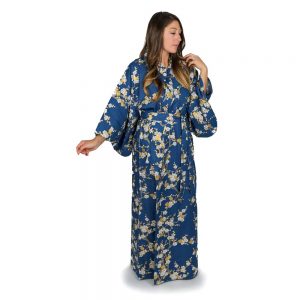
    Striking the perfect balance between tradition and contemporary fashion, kimonos offer an unmatched blend of style, comfort, and versatility. Whether you’re lounging at home or looking to make a unique fashion statement, there’s a kimono for every occasion – and every body type. From small through XL, plus-size, big and tall, to tall and short-length robes, today’s kimonos are designed to fit and flatter everyone. Let’s explore their cultural significance, the appeal of modern designs, and how to find the perfect kimono for your body type.

    The Timeless Elegance of Kimonos

    Originating in Japan, kimonos have deep roots in history and culture. For centuries, they symbolized social status, age, and marital status while also being an artistic expression through intricate designs and patterns. Traditionally made from silk, kimonos showcased craftsmanship that turned fabric into wearable art.

    Over the years, kimonos have transcended their traditional framework. Today, they’re celebrated globally in a variety of styles, materials, and forms, blending cultural heritage with modern-day design. From vacation-worthy beach cover-ups to luxurious lounging robes and chic outerwear, there’s no shortage of ways to incorporate kimonos into your wardrobe.

    Why Kimonos Are for Everyone

    One of the main attractions of kimonos is their adaptability for every body type. With their loose, flowing structure and adjustable fits, kimonos accommodate movement and comfort while maintaining a flattering silhouette. They cater equally to men and women, offering inclusivity that many clothing items struggle to achieve.

    Available Sizes

    1. Standard Sizes (Small through XL)

    For individuals who fall into standard sizing, kimonos provide a tailored yet relaxed look. Small to XL options are widely available, with precise cuts that keep you looking polished whether you’re at home or heading out.

    2. Plus-Size Kimonos

    Stay effortless and chic with plus-size kimonos designed to suit curves beautifully. Look for features like wide waist ties, slightly flared sleeves, and generous lengths to enhance comfort while still offering a stylish fit.

    3. Big and Tall Options

    Big and tall kimonos cater to those who require longer lengths and broader cuts. These designs ensure the right proportions without compromising on the flowing drape and elegance that kimonos are known for.

    4. Short-Length Kimonos

    Prefer something shorter? For those on the petite side or seeking casual, cropped styles, short-length kimonos are a perfect solution. These are ideal as breezy outerwear or loungewear for a light and easy look.

    5. Tall-Length Kimonos

    Tall-length robes offer extended hems for those with longer frames. Whether you’re lounging or accessorizing your outfit, these provide an elegant, elongating effect.

    How to Choose the Right Kimono

    While kimonos are effortlessly stylish, selecting the right fit and material can make all the difference. Here’s how to choose wisely for your needs:

    1. Body Shape Consideration

    • For Petite Frames: Opt for cropped or knee-length kimonos with softer fabrics to avoid overwhelming a smaller frame.
    • For Taller Individuals: Long, floor-grazing styles accentuate height beautifully while maintaining that classic flow.
    • For Curvier Shapes: Go for kimonos with structured belts or ties to define the waist and highlight curves.

    2. Keep the Occasion in Mind

    • Loungewear: Look for lighter fabrics like cotton or poplim for ultimate comfort.
    • Outerwear: Silk or satin materials don’t just look luxe but also pair well with jeans, dresses, or slacks as part of a layered outfit.
    • Formal Events: Choose hand-embroidered or printed kimonos for an elegant, eye-catching finish to your look.

    3. Pay Attention to Colors and Patterns

    • Light, neutral tones create a subtle, relaxed vibe.
    • Bold patterns and brighter shades stand out if you’re going for a statement piece.
    • For a nod to tradition, look for designs inspired by nature, like cherry blossoms, cranes, or waves.

    4. Prioritize Comfort

    Kimonos are known for their breathable and loose structure. Always choose materials that keep you comfortable, whether it’s soft cotton for warm weather or luxurious velvet for chilly evenings.

    Styling Tips for Men and Women

    • For Women: Pair your kimono with a simple top and leggings for casual outings or drape it over a dress for something more formal. Shorter kimonos double as chic cover-ups at the beach or pool.
    • For Men: Layer your kimono robe over a basic T-shirt and jeans or lounge pants for a mix of contemporary and classic. Neutral colors like navy, black, or earth tones offer versatility, while brighter prints can be a bold addition to your wardrobe.

    The Modern Appeal of Kimonos

    Kimonos are no longer bound by geography or occasion. They’re a staple in global fashion that blends comfort with timeless appeal. With designs to fit every size and occasion, they’ve rightfully earned their place as a go-to garment in many wardrobes.

    Their adaptability has made them a favorite for festivals, casual weekend looks, and even formal events. With options ranging from understated elegance to dazzling opulence, there’s truly a kimono for everyone.

    Explore and Find Your Perfect Kimono

    Whether you’re looking for a cozy loungewear option or a bold statement piece, a kimono is the perfect addition to your wardrobe. With styles and sizes to suit everyone, it’s never been easier to find one that matches your personality and body type.

    Explore the endless options and discover how a kimono can bring an effortless yet refined touch to your style. Start your search today—and step into the world of comfort and elegance!

  • Happi Coats: A Timeless Blend of Tradition and Modern Elegance

    The Happi Coat is a fascinating garment steeped in history, cultural significance, and evolving uses that merge tradition with contemporary fashion. Whether you’re a Japan enthusiast, a kimono lover, or simply someone looking for elegant yet comfortable loungewear, the Happi Coat is a one-of-a-kind addition to your wardrobe. This blog takes you on a rich and immersive exploration of the Happi Coat’s evolution, offering insights into its significance, styling tips, care, and why you might want to call one your own.

    A Brief History of the Happi Coat

    The Happi Coat has been a cherished part of Japanese culture for centuries. Originally worn by workers and festival participants, the Happi Coat was adorned with symbols and family crests that denoted unity and pride. Over time, this knee-length kimono, often made of lightweight cotton, transformed into a versatile piece of Japanese fashion.

    During the post-war period, the Happi Coat gained global attention, especially in the West, where it became known as the “shortie.” Women’s house coats became shorter and more casual, and today, the Happi Coat’s appeal transcends its cultural roots as a timeless blend of comfort, tradition, and personal expression.

    Cultural Significance in Japanese Society

    The Happi Coat plays a prominent role in Japanese festivals and ceremonial events. You’ll often spot them in vibrant parades, worn by groups to show unity and identity. Typically crafted with bold colors and patterns—such as kanji characters or family crests—they are symbols of celebration and tradition. This garment embodies the spirit of Japanese craftsmanship and respect for cultural heritage, making it a garment with deep sentimental value.

    Modern Fashion Integration

    Today, the Happi Coat is more than just a cultural artifact—it’s a versatile fashion statement. Its short-length design and airy fabric make it the perfect wardrobe piece for various occasions. Here are a few ways to style your Happi Coat in modern life:

    • Beach or Pool Cover-Up

    Transition effortlessly from a swim to lounging by the shore by pairing your Happi Coat with your favorite swimsuit. The light fabric and colorful designs make it both practical and eye-catching.

    • Loungewear Chic

    Whether you’re reading, listening to music, or simply relaxing at home, Happi Coats make for the ultimate sophisticated loungewear. Their knee-length fit combines comfort with a touch of elegance.

    • Layered Streetwear

    Make a bold fashion statement by incorporating a Happi Coat into your casual outfits. Layer it over a plain top and jeans, or elevate your look with sandals and accessories reminiscent of traditional Japanese design.

    Choosing the Right Happi Coat for Every Occasion

    Selecting the perfect Happi Coat is an art in itself, and at Kimono Shop, there are countless designs waiting to inspire you. Here are some tips to find the one that suits your needs:

    • Elegant Simplicity: Opt for muted tones and minimal patterns when looking for a Happi Coat suitable for home or laidback occasions.
    • Festival-Perfect: If you’re drawn to vibrant celebrations and parties, go bold with bright colors and intricate designs. Look for traditional motifs such as kanji or floral prints to honor the garment’s festive origins.
    • Versatility in Design: For everyday wear, choose Happi Coats in neutral palettes with subtle prints. These can seamlessly blend into your wardrobe while still making a statement.

    Browse the beautiful selection of Japanese Happi Coats for men and women at Kimono Shop and find one that speaks to your unique taste.

    Care and Maintenance

    Your Happi Coat deserves premium care to maintain its quality and beauty. To ensure your garment stays as stunning as the day you received it, keep these tips in mind:

    • Handle with Care: Always wash your Happi Coat using a gentle hand-wash cycle or by hand to avoid damaging intricate designs.
    • Mild Detergent: Opt for a mild detergent that won’t fade the garment’s vibrant colors.
    • Air Dry: Avoid exposing your Happi Coat to direct sunlight for extended periods, as this can diminish its color. Instead, air dry it in a shaded area.

    By following these simple steps, you’ll keep your Happi Coat looking impeccable for years to come.

    Experience the Timeless Elegance of Happi Coats

    Happi Coats encapsulate the beauty of Japanese tradition, the artistry of fine craftsmanship, and the versatility of modern-day fashion. Whether you’re using it as a breezy beach cover-up, a luxurious lounge robe, or an artistic statement piece, the Happi Coat is a wearable celebration of culture and comfort.

    Explore the exquisite collection of Happi Coats at Kimono Shop and discover designs that honor tradition while fitting effortlessly into today’s lifestyles. Each garment is a testament to quality and care—offering you not just a piece of clothing, but a legacy of art and history.