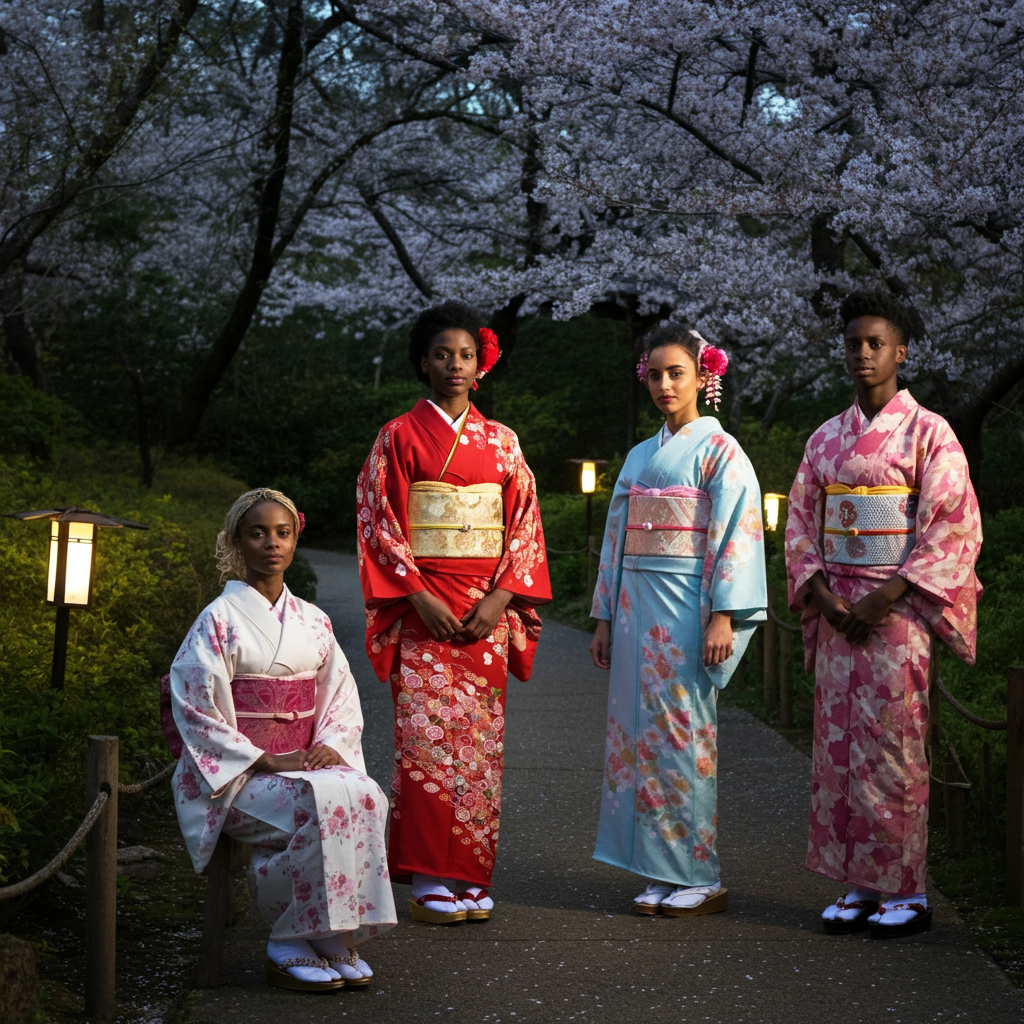
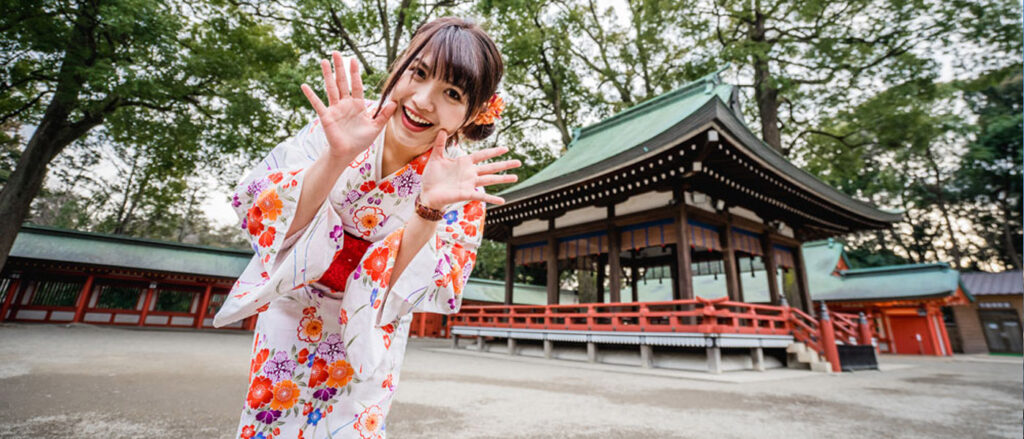
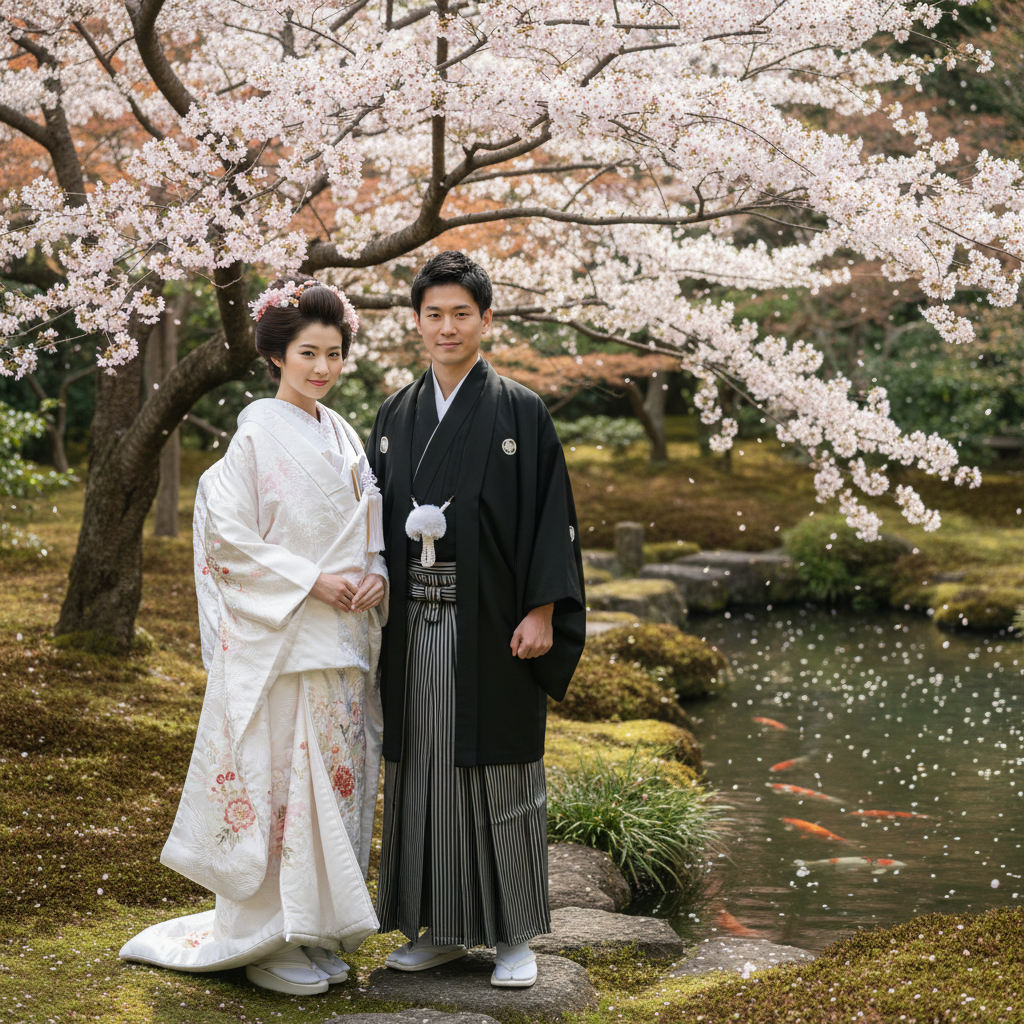
As we close another year, we find ourselves filled with immense gratitude. On behalf of our entire team at Kimono Shop, we want to extend a sincere thank you to every person who made 2025 a remarkable year for us. Your support and trust are the foundation of everything we do.
This year was filled with growth and success, and we couldn’t have achieved it without you. We are honored to serve a community that appreciates the artistry and comfort of authentic Japanese robes. It is a privilege to be your chosen destination for kimonos and yukatas.
A Legacy of Trust and Quality
For decades, we have dedicated ourselves to sharing the beauty of Japanese culture through our curated collection. We are humbled to know that over 34,000 customers have trusted us on this journey. When you choose us, you are choosing more than just a garment; you are embracing a tradition of elegance and relaxation.
Our commitment to you has always been clear. We believe in providing an experience that matches the quality of our products. This means delivering excellent customer service, ensuring your questions are answered, and your needs are met with a friendly and helpful approach.
Your Perfect Robe, Delivered Quickly
We understand that when you find the perfect piece, you want to enjoy it as soon as possible. That is why quick and reliable shipping is a cornerstone of our service. We work diligently to process and dispatch your orders efficiently, so your new loungewear arrives at your doorstep without delay.
Our goal is to make your shopping experience seamless from start to finish. From the moment you browse our collection to the day you unwrap your package, we want you to feel valued and cared for.
The Collection You Love
One of our greatest joys is curating one of the largest online collections of authentic Japanese kimonos and yukatas. We travel, research, and hand-select each item, ensuring it represents the fine craftsmanship and timeless style you deserve. Whether you are looking for a vibrant, modern yukata or a classic, silk kimono, we strive to have something for every taste.
We’ve also heard your feedback about the importance of inclusive sizing. Finding a beautiful Japanese robe that fits perfectly is essential. We are proud to offer a large range of sizes, making it easier for everyone to find their ideal fit. We believe that comfort and elegance should be accessible to all, and your positive response to our size selection has been incredibly rewarding.
It is this combination of style, comfort, and fit that allows us to call our robes “loungewear at its finest.”
Looking Ahead with Gratitude
Thank you, once again, for your patronage and for being part of our story. You inspire us to continue our mission of providing exceptional products and outstanding service. Your support is the greatest compliment we could ever receive.
We are incredibly excited for what the future holds and look forward to sharing another year of beauty, comfort, and culture with you. We wish you a peaceful and joyous end to the year.
The elegance of a Japanese kimono or the casual comfort of a yukata can add a unique touch to your wardrobe. These traditional garments are beautiful, versatile, and rich with cultural history. However, owning an authentic piece can sometimes feel like a significant investment. With many people looking for ways to make their money go further, finding a great deal is more important than ever.
Fortunately, you don’t have to break the bank to own a beautiful kimono or yukata. With a few smart shopping strategies, you can find high-quality garments at affordable prices. This guide will show you how to find fantastic deals, so you can embrace Japanese style without straining your budget. We’ll focus on how to stay informed about sales and exclusive offers from retailers like Kimono Shop.
Why Quality Matters, Even on a Budget
When looking for a deal, it’s tempting to go for the cheapest option available. But with kimonos and yukatas, quality is key. A well-made garment will not only look better but will also last much longer. Authentic pieces are crafted from durable fabrics with intricate designs, offering a superior feel and fit.
Investing in a quality piece, even at a discounted price, means you get better value in the long run. You get to enjoy the authentic experience of wearing a traditional Japanese robe that is comfortable, breathable, and beautifully constructed. The goal is to find that perfect balance between an affordable price and excellent craftsmanship.
Stay Ahead of Sales with Social Media
One of the most effective ways to catch a sale is to follow your favorite retailers on social media. Companies often announce flash sales, special promotions, and new arrivals on their social channels first. By following them, you put yourself in the perfect position to be among the first to know when prices drop.
Kimono Shop, a popular retailer of Japanese robes, is active on several platforms. Following them is a simple, no-cost way to keep an eye on upcoming opportunities to save.
Platforms to Follow:
Facebook: Many brands use Facebook to post detailed announcements, share photos of their products, and interact with their community. Look for posts about seasonal sales or holiday discounts.
X (formerly Twitter): For quick, real-time updates, X is an excellent resource. Companies often post about limited-time flash sales that you might otherwise miss.
Instagram: Instagram is a visual platform, making it perfect for showcasing the beautiful patterns and colors of kimonos and yukatas. Brands often use Instagram Stories to announce exclusive, short-term promotions for their followers.
By connecting on these platforms, you ensure you won’t miss out on a chance to purchase the kimono you’ve been eyeing at a reduced price.
Unlock Exclusive Offers with Newsletters
While social media is great for public announcements, the best deals are often reserved for a smaller group of loyal customers. This is where email newsletters come in. Signing up for a company’s newsletter is like getting a VIP pass to exclusive sales and discounts that aren’t advertised anywhere else.
For example, Kimono Shop offers an online newsletter that periodically informs subscribers about special offers. This is a direct line to the best promotions the company runs throughout the year.
The Benefits of Signing Up
Subscribing to the Kimono Shop newsletter gives you several advantages. You receive notifications sent directly to your inbox, so you don’t have to constantly check social media or the website for updates. These emails often contain unique discount codes or early access to sales events before they are made public.
Many people hesitate to sign up for newsletters, fearing a flood of daily emails. However, reputable companies respect your inbox. Kimono Shop is a great example of this, typically sending no more than six emails a year. This low-key approach ensures that when you do get an email, it contains valuable information about a significant sale or a special offer worth your attention. Plus, you can easily opt out at any time, giving you complete control.
Timing is Everything: Watch for Periodic Sales
Patience can be a shopper’s best friend. Many retailers, including Kimono Shop, hold periodic sales throughout the year. These are often tied to seasons or holidays, providing predictable opportunities to save.
Keep an eye out for:
End-of-season sales: As seasons change, retailers may discount items like lightweight summer yukatas to make room for new inventory.
Holiday promotions: Major holidays can bring sitewide discounts.
Anniversary sales: Some companies celebrate their business anniversary with a special sale for customers.
By combining the knowledge you gain from newsletters and social media, you can anticipate these sales events and plan your purchase accordingly. This strategic approach helps you get the best possible price on a high-quality kimono or yukata.
Embrace Japanese Tradition Affordably
Owning a beautiful kimono or yukata is an achievable goal, even when you’re being mindful of your spending. By using smart strategies, you can find incredible deals on authentic, high-quality garments.
Start by following retailers like Kimono Shop on Facebook, X, and Instagram to catch public sales announcements. For even better discounts, sign up for their newsletter to receive exclusive offers directly in your inbox, without the worry of spam. By staying informed and being patient, you can find the perfect piece to add to your collection at a price that makes you smile.
Finding an authentic Japanese kimono or yukata in the United States can be a challenging search. You may worry about quality, sizing, and the hidden costs associated with international shipping. At Kimono Shop, we’ve spent over three decades simplifying this process, connecting you directly with the timeless elegance of Japanese craftsmanship. We are more than just a store; we are your trusted, domestic source for quality, authentic Japanese robes.
This post will show you why discerning customers have chosen us since 1994. We’ll cover how our direct import model saves you money and hassle, why our US-based operations provide unmatched convenience, and how our commitment to quality and variety makes us the premier destination for kimonos online.
The Kimono Shop Advantage: A Seamless Shopping Experience
We built our business to eliminate the barriers between you and the perfect Japanese robe. Shopping with us is designed to be simple, secure, and satisfying.
Direct Importing Means No Hidden Costs
Have you ever ordered something from overseas, only to be surprised by unexpected taxes, duties, and customs fees upon delivery? We ensure that it never happens. As a direct importer, we handle all the complexities of international trade.
No Surprise Fees: The price you see is the price you pay. We manage all import duties and taxes so you don’t have to.
Hassle-Free Customs: Your order ships from our US location, so it won’t get stuck in customs. You receive your package without delays or extra paperwork.
Authentic Connection: By working directly with artisans in Japan, we maintain a direct line to the source, ensuring every robe we sell is genuine.
USA-Based for Fast Shipping and Easy Returns
Convenience is key. Because we are based in the United States, your entire shopping experience is faster and more reliable. When you order from Kimono Shop, you get the peace of mind that comes with domestic service.
Enjoy fast shipping that gets your beautiful new robe to your doorstep quickly. Need to make a change? Our straightforward, US-based return process makes exchanges and returns simple. You won’t have to deal with the cost and complexity of international return shipping.
Unmatched Selection and Inclusive Sizing
A kimono is a personal expression of style and comfort. That’s why we believe everyone should be able to find a robe that fits them perfectly and reflects their unique taste.
Over 100 Styles, Patterns, and Colors
Our curated collection is one of the largest available online, featuring more than 100 distinct options. Whether you prefer the lightweight comfort of a cotton yukata for summer or the luxurious feel of a classic silk kimono, you will find it here. Our selection includes traditional florals, bold geometric patterns, and serene, solid colors to suit any preference.
Sizing for Every Body
We proudly offer an extensive range of sizes to ensure a comfortable and flattering fit for everyone. We understand that one size does not fit all, so we stock robes designed for various body types. Our inclusive sizing includes:
Petite
Regular
Portly
Tall
Big and Tall
Full-Figured
With our detailed sizing guides, you can confidently choose the right kimono or yukata that feels made just for you.
Quality You Can Feel, Prices You Can Trust
We are committed to offering exceptional value. We believe that authentic, high-quality Japanese robes should be accessible without an exorbitant price tag.
Made in Japan by Skilled Craftspeople
Every kimono and yukata in our collection is crafted in Japan. We partner with dedicated artisans who have honed their skills over generations. This commitment to authentic Japanese craftsmanship is evident in the fine stitching, beautiful fabrics, and durable construction of every robe. When you wear a Kimono Shop kimono, you are wearing a piece of genuine artistry.
Competitive Pricing for Superior Quality
By importing directly and managing our operations efficiently, we can offer our authentic robes at competitive prices. You receive a garment of superior quality—one that will last for years—at a fair price. We provide an affordable entry into the world of authentic Japanese textiles without ever compromising on quality.
A Legacy of Trust Since 1994
For over 30 years, Kimono Shop has been the go-to source for customers seeking authentic Japanese kimonos and yukatas. Our longevity is a testament to the trust we have built with our community. Many of our customers are repeat buyers who return time and again for the quality, service, and reliability they know they will receive from us. They trust our expertise and our commitment to their satisfaction.
When you shop with Kimono Shop, you are not just making a purchase; you are joining a community that values authenticity, quality, and exceptional service.
Find Your Perfect Kimono Today
Experience the comfort, elegance, and artistry of a genuine Japanese kimono or yukata. With our vast selection, inclusive sizing, and hassle-free shopping experience, you are sure to find the perfect robe to cherish for years to come.
Browse our collection now and discover why Kimono Shop has been the most trusted name in kimonos since 1994.
Your kimono or yukata robe is more than just clothing; it’s a piece of wearable art steeped in tradition and comfort. Whether you wear it for lounging, special occasions, or as a connection to Japanese culture, you want to keep it looking its best. Proper care is essential for preserving the vibrant colors and soft feel of the 100% cotton fabric. This guide will walk you through the simple steps to wash and dry your robe, ensuring it remains beautiful for years to come.
We will cover the best practices for washing, the benefits of using cold water, and the ideal methods for drying your garments. With a little attention, you can easily maintain the quality and longevity of your cherished robe.
The Gentle Art of Washing Your Robe
Washing your kimono or yukata doesn’t have to be complicated. The key is to be gentle. Harsh washing cycles, hot water, and strong detergents can damage the delicate cotton fibers, leading to fading and wear. Following a few simple rules will protect your investment and keep your robe in pristine condition.
Why Cold Water is Your Best Friend
Choosing the right water temperature is the single most important step in washing your robe. Always opt for a cold water wash. This simple choice offers significant benefits for the fabric and its appearance.
Hot water can be aggressive on fabrics, especially natural ones like 100% cotton. It causes fibers to constrict and can lead to shrinkage and stress on the seams. Cold water, on the other hand, cleans effectively without being harsh, gently lifting away dirt and oils. This gentle approach helps extend the overall lifespan of your garment.
Furthermore, cold water is crucial for color preservation. The rich patterns and deep dyes that make your kimono or yukata so striking are vulnerable to heat. Hot water can cause these colors to bleed and fade over time, leaving your robe looking dull. A cold wash helps lock in the dyes, keeping the colors as vivid and bright as the day you got it.
Choosing the Right Settings and Detergent
Once you’ve committed to cold water, select the proper settings on your washing machine.
Use the Delicate or Gentle Cycle: This setting mimics hand washing by using a slower spin and less agitation, which prevents stretching and damage.
Wash with Similar Colors: To prevent any potential color transfer, wash your robe with other dark or similarly colored items. For the first wash, it’s a good idea to wash it alone.
Use a Mild Detergent: Choose a gentle, pH-neutral detergent. Avoid harsh chemicals, bleach, and fabric softeners, as they can break down cotton fibers and leave a residue that dulls the fabric’s feel and appearance.
Perfecting the Drying Process
How you dry your kimono or yukata is just as important as how you wash it. High heat is the enemy of cotton, leading to shrinkage and irreversible damage to the fibers. The goal is to dry your robe gently, preserving its shape and softness.
The Tumble Dry and Hang Dry Method
For the best results, we recommend a two-step drying process. This combination method quickly removes most of the moisture without exposing the fabric to prolonged, damaging heat.
First, place your robe in the dryer on a low heat or no heat (air fluff) setting. Let it tumble for a short period, around 10 to 15 minutes. The purpose of this step is not to dry the garment completely but to remove excess water and fluff the fibers, which helps prevent stiffness. A short, low-heat tumble is all that’s needed.
Finishing with a Drip Dry
After the brief tumble dry, remove the robe while it is still damp. The final and most crucial step is to hang it up to air dry.
Find a spot with good air circulation, away from direct sunlight, which can cause colors to fade. A sturdy, kimono hanger is ideal to support the garment’s weight and help it maintain its shape, especially around the shoulders. Smooth out any wrinkles with your hands before hanging. Allowing your robe to dry for the remainder of the time is the gentlest way to finish the process. It prevents shrinkage and ensures the cotton fabric stays soft and comfortable against your skin.
Caring for Your Robe, Preserving a Tradition
Your kimono or yukata robe is a special garment that brings comfort and elegance into your life. By following these simple care instructions—washing in cold water on a gentle cycle and using a combination of low-heat tumbling and air drying—you are doing more than just cleaning a piece of clothing. You are actively preserving its beauty, feel, and longevity.
With this mindful approach, your robe will continue to be a source of joy and relaxation for many years, retaining its vibrant colors and luxurious softness wash after wash.
The allure of owning an authentic Japanese kimono or yukata draws many to online marketplaces, but the path to finding genuine, quality garments can be fraught with pitfalls. Whether you’re seeking a formal kimono for special occasions or a casual yukata for summer festivals, the digital shopping landscape presents unique challenges that can leave you with disappointing purchases and empty pockets.
Online shopping for traditional Japanese clothing requires more caution than buying everyday items. Unlike mass-produced Western clothing, kimonos and yukatas carry cultural significance, require specific craftsmanship, and follow traditional construction methods that many sellers either don’t understand or deliberately misrepresent. This guide will equip you with the knowledge to navigate these waters safely and secure authentic, quality garments that honor their cultural heritage.
The Hidden Dangers of Online Kimono Shopping
Sight Unseen Shopping Risks
When you buy a kimono online, you’re purchasing based on photographs and descriptions alone. This presents several immediate challenges:
Color distortion affects nearly every online purchase. Monitor settings, lighting conditions during photography, and digital compression all alter how colors appear on your screen. Traditional Japanese dyes can look dramatically different in person, and subtle color variations that define quality often disappear in digital photography.
Texture and fabric weight remain invisible through screens. A genuine silk kimono feels substantially different from synthetic alternatives, but photographs cannot convey the drape, weight, or hand-feel that determine both comfort and authenticity. Many buyers discover too late that their “silk” kimono is actually polyester with a silk-like appearance.
Size and fit complications multiply with traditional Japanese garments. Kimonos follow different sizing conventions than Western clothing, and proper fit depends on your height, sleeve length preferences, and intended styling method. Without trying on the garment, you risk receiving something unwearable.
The Trust Factor Problem
Online kimono shopping requires trusting sellers you’ve never met with potentially significant purchases. This trust becomes problematic when:
Seller expertise varies wildly. Some vendors deeply understand kimono construction, history, and proper care, while others treat these garments like any other fashion item. The difference shows in their product descriptions, pricing, and customer service quality.
Communication barriers emerge frequently. Many authentic Japanese sellers have limited English, while Western sellers may lack knowledge about traditional garment construction. These gaps lead to misunderstandings about condition, size, and authenticity.
Return logistics become complicated with international purchases. Shipping costs, customs procedures, and extended return periods create financial risks that local purchases don’t carry.
Major Marketplace Pitfalls: Why Amazon and Etsy Fall Short
The Amazon Problem
Amazon’s algorithm-driven marketplace creates unique problems for kimono buyers:
Counterfeit products proliferate because Amazon’s seller verification process doesn’t assess cultural authenticity or traditional craftsmanship knowledge. Sellers can list mass-produced costumes alongside genuine vintage pieces, making distinction difficult.
Misleading descriptions run rampant due to automated translation errors and sellers who don’t understand kimono terminology. You might see “authentic vintage silk furisode” describing a modern polyester robe with kimono-style sleeves.
Review manipulation affects many kimono listings. Sellers purchase positive reviews, while genuine negative reviews about quality or authenticity get buried among fake positive ones. The star rating system becomes meaningless for discerning quality.
The Etsy Dilemma
Etsy markets itself as a handmade and vintage marketplace, but kimono sales present specific problems:
Vintage misrepresentation happens frequently when sellers lack knowledge about kimono dating, construction periods, or authenticity markers. Modern reproductions get listed as “vintage,” while genuinely old pieces get described inaccurately.
Handmade confusion emerges when sellers list mass-produced items as handmade, or when they modify genuine vintage pieces without disclosing alterations. Traditional kimono construction methods differ significantly from modern sewing techniques.
Price inconsistencies reflect seller ignorance about kimono values. You might find overpriced synthetic robes next to underpriced genuine silk pieces, but distinguishing between them requires expertise most buyers lack.
Research Strategies for Seller Verification
Investigating Seller Longevity
Check establishment dates across multiple platforms. Reputable kimono dealers typically have years of selling history, not just months. New sellers aren’t automatically problematic, but they require extra scrutiny.
Track business evolution through archived versions of their websites or social media presence. Legitimate dealers show consistent focus on Japanese textiles, while questionable sellers often jump between unrelated product categories.
Verify contact information by calling phone numbers, visiting physical addresses if listed, and confirming business registrations. Serious dealers maintain professional communication channels and transparent business practices.
Assessing Reputation Markers
Professional photography quality often indicates seller seriousness. Detailed, well-lit photographs showing construction details, fabric close-ups, and accurate colors suggest sellers who understand their products’ value.
Product description depth reveals seller expertise. Knowledgeable dealers include information about:
Fabric composition and weave type
Historical period or style classification
Condition details with honest flaw disclosure
Proper care instructions
Cultural context and appropriate wearing occasions
Response quality to customer questions demonstrates knowledge level. Test sellers with specific questions about sizing, authenticity markers, or care requirements. Their responses reveal their understanding of traditional Japanese garments.
Quality Authentication Techniques
Fabric and Construction Red Flags
Synthetic material misrepresentation appears in several forms:
“Silk-like” or “silk blend” often means 100% polyester
Suspiciously low prices for claimed silk garments
Overly perfect, unwrinkled appearance in photographs
Descriptions emphasizing durability over traditional qualities
Construction shortcuts indicate mass production rather than traditional methods:
Machine-sewn seams instead of hand-sewn construction
Simplified closure systems replacing traditional obi ties
Missing or simplified lining in formal kimono
Non-traditional proportions or measurements
Origin Verification Methods
Made in Japan claims require verification because many sellers falsely advertise origin:
Request specific information about textile mills or workshops
Ask for certificates of authenticity when available
Research brand names or maker marks shown in photographs
Compare claimed origins with price points and construction quality
Cultural authenticity markers help distinguish genuine pieces from costumes:
Proper seasonal motif placement and selection
Traditional color combinations and pattern arrangements
Authentic obi styles and tying methods
Appropriate fabric choices for specific kimono types
Review Analysis Best Practices
Reading Between the Lines
Focus on detailed reviews rather than simple star ratings. Helpful reviews discuss:
Actual fabric quality upon arrival
Color accuracy compared to photographs
Sizing accuracy and fit issues
Seller communication quality
Return experience if applicable
Identify fake reviews by watching for:
Generic language that could apply to any product
Unusual review timing patterns
Excessive enthusiasm without specific details
Reviewer profiles with limited history or suspicious patterns
Weight negative experiences heavily since disappointed customers provide crucial warning signs about sizing problems, quality issues, or poor customer service.
Cross-Platform Review Checking
Don’t rely on reviews from a single platform. Check:
Google Business reviews for physical store locations
Social media comments and discussions
Specialized forums where kimono enthusiasts share experiences
Better Business Bureau ratings for US-based sellers
Return Policy Investigation
Essential Policy Elements
Time limits for returns vary dramatically, but quality dealers typically offer 30+ days for inspection and returns. Be wary of sellers offering only 7-14 days, especially for international shipments.
Condition requirements should be clearly stated. Understand whether you can:
Try on the garment for fit
Have it professionally cleaned before returning
Return items with original tags removed
Return custom-sized or altered pieces
Cost responsibility for return shipping affects your total risk. Calculate potential return costs before purchasing, especially for international orders where shipping might cost $50-100+.
Hidden Policy Traps
Restocking fees sometimes apply to returns, adding 15-25% to your loss if the item doesn’t work out. Factor these fees into your total cost calculations.
Exchange limitations may prevent you from getting refunds, forcing you to accept store credit or different items instead of your money back.
Inspection periods might be unreasonably short, starting from shipment date rather than delivery date. International shipping delays can consume most of your return window before the package arrives.
Building Long-Term Relationships
Repeat customer benefits with quality dealers include:
Access to new arrivals before public listing
Detailed condition reports and additional photographs
Sizing advice based on previous purchases
Flexible return policies built on established trust
Educational opportunities emerge through relationships with knowledgeable dealers who can teach you about:
Proper kimono care and storage methods
Historical context and cultural significance
Quality assessment techniques
Fair pricing for different types and conditions
Making Informed Decisions
Budget Considerations
Authentic quality costs significantly more than costume versions, but the investment pays off in durability, appearance, and cultural authenticity.
Hidden costs include shipping, insurance, customs duties, potential alteration needs, and proper storage supplies. Factor these expenses into your total budget before committing to purchases.
Cost per wear calculations help justify higher initial investments in quality pieces you’ll treasure and use repeatedly versus cheaper alternatives that disappoint or deteriorate quickly.
Building Expertise Over Time
Start with smaller purchases to test seller reliability and learn about quality markers before making major investments. A casual yukata purchase teaches you about a seller’s practices at lower risk than an expensive formal kimono.
Develop relationships with knowledgeable collectors and dealers who can provide ongoing education and purchasing guidance. The kimono community values relationships and sharing knowledge.
Study traditional construction through books, museum collections, and online resources to develop your own quality assessment abilities. Understanding how authentic pieces should look and feel protects you from deceptive sellers.
Your journey toward owning authentic Japanese textiles requires patience, research, and careful selection of sellers who respect these cultural treasures. By avoiding common pitfalls and developing relationships with reputable dealers, you’ll build a collection that honors the artistry and cultural significance of these remarkable garments while enjoying the beauty and craftsmanship they represent.
The extra effort invested in proper research and seller verification pays dividends in authentic, quality pieces that provide years of enjoyment and cultural connection. Take time to learn, ask questions, and choose sellers who demonstrate genuine knowledge and respect for these traditional arts.
Timeless, elegant, and inherently Japanese, kimonos and yukatas have captured the imagination of fashion enthusiasts worldwide for centuries. While they remain symbols of Japanese heritage, these traditional garments are evolving in response to global trends, technological advancements, and the push for sustainable fashion. The question is no longer whether kimonos and yukatas can adapt, but how they will redefine themselves in a world that seems to move faster every day.
This article dives into the future of kimonos and yukatas, analyzing how cultural preservation, modern adaptation, and international influence are reshaping the essence of these iconic garments.
A Heritage Worth Preserving
Kimonos and yukatas have historically held unique positions within Japanese society. Kimonos are often associated with formal ceremonies, weddings, and tea rituals, while yukatas serve as lightweight, casual wear ideal for summer festivals. Beyond functionality, these pieces represent craftsmanship, storytelling, and family heritage, passed down through generations.
However, preserving these traditions is not without challenges. The artisan industry supporting these garments has seen significant decline over the years due to a combination of aging craftspeople, rising materials costs, and diminished everyday use in Japan. Yet, there is hope on the horizon. Institutions and cultural advocates are working to document the techniques used in textile production and kimono design, ensuring these skills are not lost.
At the same time, brands specializing in traditional Japanese clothing have begun leveraging digital storytelling to reach younger generations. Campaigns that highlight the beauty and legacy of kimonos resonate with both local audiences and international admirers of Japanese culture, opening avenues for preservation through education and commerce.
The Modern Makeover
While the essence of kimonos and yukatas lies in their traditions, their modern iterations are stepping into uncharted territory. Today, contemporary designers are deconstructing and reinterpreting these garments for the global marketplace.
Key elements such as obi belts or signature floral motifs are being incorporated into ready-to-wear pieces like dresses, jackets, and trousers, offering a fusion of East and West. Collaborations with international designers have also added an exciting twist—think streetwear infused with kimono-inspired silhouettes and diverse fabrications.
The rise of customization has played a major role in making these garments more appealing to younger audiences. Modern technology, including digital embroidery and 3-D printing, allows consumers to personalize designs while maintaining the spirit of the traditional garment. This trend of blending heritage with individuality has struck a chord in the era of self-expression.
Technology as a Catalyst
Technological advancements have permeated every sector, and traditional clothing is no exception. The revival of kimonos and yukatas owes much to technologies that have made their production accessible and their appeal global.
For one, e-commerce platforms are expanding the reach of Japanese fashion designers beyond geographical boundaries. Brands and artisans are now marketing their creations directly to consumers in Europe, the Americas, and beyond, bypassing the need for brick-and-mortar stores.
3-D design software is another game-changer, allowing designers to experiment with innovative patterns and non-traditional textiles while optimizing waste reduction. Meanwhile, augmented reality (AR) apps are enabling customers to visualize how different kimonos or yukatas might look on them before making a purchase, offering a modern shopping experience aligned with convenience-driven consumer behavior.
Sustainability and Ethical Fashion
The global fashion industry’s shift toward sustainability has also influenced the trajectory of kimonos and yukatas. Fast fashion has never been compatible with the meticulous craftsmanship these garments require—a factor positioning kimonos as a natural fit for slow fashion movements.
Artisans are increasingly opting for organic and locally sourced materials, while upcycling and recycling kimono fabrics into accessories or modern clothing pieces are also gaining traction. Some initiatives aim to integrate traditional dyeing techniques with sustainable practices. These changes not only make a compelling case for the environmental benefits of choosing a handmade kimono but also preserve centuries-old fabric-making traditions.
The Role of Younger Generations
A surprising factor in the resurgence of kimonos and yukatas is the involvement of younger Japanese generations. Rather than dismissing these garments as relics of the past, many young people are reviving old traditions and wearing kimonos or yukatas in fresh and unexpected ways.
Social media platforms such as Instagram and TikTok are proving instrumental in this trend. Influencers and enthusiasts are showcasing colorful, modern arrangements of kimonos paired with statement accessories like boots or sneakers. This wave of creativity not only keeps kimono culture alive but also makes it relatable to a new demographic.
Additionally, the international community’s growing interest in Japanese culture—spurred by anime, festivals, and tourism—has amplified appreciation for traditional clothing. Whether worn for cosplay, weddings, or cultural exchange, kimonos and yukatas are finding their way into wardrobes around the world.
What Lies Ahead
Looking forward, the future of kimonos and yukatas appears both vibrant and promising. The growing movement to preserve traditions, combined with modern technology and sustainable practices, positions these garments for a renaissance in global fashion.
We might see increases in wearable tech seamlessly integrated into kimonos to make them more functional or temperature-adaptive. Cross-industry collaborations could introduce kimonos to high-tech fashion shows, further showcasing their versatility.
Perhaps most importantly, kimonos are poised to remain symbols of cultural dialogue, bridging Japan’s heritage with the global innovation landscape. The blending of tradition and reinvention will ensure that kimonos and yukatas continue to captivate future generations.
If these garments represent Japan’s past, they also hold the key to its sartorial future—an enduring legacy that evolves, one thread at a time.
There’s a reason why kimonos are celebrated worldwide as not just garments but works of art. They carry cultural heritage, showcase remarkable craftsmanship, and boast intricate designs that stand the test of time. At the heart of every kimono lies an unwavering commitment to quality. But what truly makes kimonos special? Join us as we explore the meticulous process of creation, the artisanship behind each piece, and what makes these timeless garments treasures to own.
The Cultural Significance of Kimonos
Kimonos are more than just clothing; they are a cultural symbol in Japan. Historically, they represented the wearer’s social status, personality, and individuality. Each detail on a kimono, from the patterns to the choice of fabric, carries specific meaning. For instance, floral motifs often reflect the seasons, with cherry blossoms signifying spring and chrysanthemums symbolizing longevity.
Beyond their wearable beauty, kimonos are deeply tied to rituals and milestones—weddings, tea ceremonies, and coming-of-age celebrations. Every kimono tells a story, making each piece a priceless heirloom to be passed down through generations.
Sourcing Materials with Purpose
Creating a kimono starts with selecting the finest materials. Quality kimonos are traditionally made from pure silk, an unmatched fabric for elegance, durability, and dye absorption. This material provides the perfect canvas for intricate patterns and vibrant colors.
Today, while silk remains a primary choice for formal kimonos, other materials such as cotton and wool are also used for casual wear. Regardless of the fabric, the emphasis is always on longevity and preserving the authenticity of traditional methods.
The dyeing process further elevates the material’s beauty. Artisans use natural dyes to achieve hues that are not only vivid but environmentally sustainable. These dyes require skillful precision, as the process can take days—or even weeks—to yield the perfect shades.
The Artisans at Work
Creating a kimono is not a single-person effort. It involves a collaborative process that brings together seasoned artisans, each with a specialized skill. Here’s how the remarkable team behind a kimono works their magic:
1. Pattern Designers
These artists sketch the kimono’s motif, ensuring every line and shape aligns with the garment’s cultural significance. Their designs blend tradition with innovation, resulting in patterns that appeal to modern tastes while staying true to heritage.
2. Weavers
Once the design is finalized, the weavers bring it to life on looms. Using complex weaving techniques like nishijin-ori (a Kyoto specialty), they create textiles that are both robust and delicate. Depending on the pattern’s complexity, this step can take months.
3. Dyers
The fabric then goes to the dyers, who use age-old methods like yuzen dyeing. This painstaking process involves painting designs freehand with rice paste resist, followed by multiple dye baths to achieve each vibrant hue.
4. Sewers and Finishers
Finally, master sewers assemble the kimono with precise, hand-stitched seams. Even here, no detail is overlooked. The alignment of patterns along the seams is carefully examined, ensuring the design flows seamlessly.
The Meticulous Process of Creation
From start to finish, crafting a kimono is nothing short of a labor of love. Here’s a glimpse into the process:
Fabric Preparation
The act of preparing silk involves washing, stretching, and refining until it’s smooth yet durable, ready to take on patterns and dyes.
Dyeing and Pattern Creation
The chosen design is transferred onto the fabric, either through hand-painting or stenciling. Artisans ensure every stroke, line, and motif is carefully rendered for a mesmerizing finish.
Cutting and Sewing
A kimono is made from one continuous bolt of fabric called a tan. Each tan is meticulously cut so as to not waste an inch. The sewing process focuses not only on precision but also on symmetry, which is vital for the garment’s harmony.
Final Touches
After rigorous inspection for quality, the kimono is steamed to remove creases and folded in the traditional manner, ready for wear or display.
Why Quality Matters
When you wear a kimono made with care and authenticity, you’re not just wearing a piece of clothing—you’re donning a legacy. High-quality craftsmanship means these garments can last for decades, maintaining their beauty and integrity. It’s no wonder vintage kimonos are highly sought after today.
Beyond physical durability, the true value lies in the intangibles—the artisans’ dedication, the centuries-old techniques, and the stories embedded in the fabric. Quality ensures that every kimono is not just a product but a symbol of culture, artistry, and passion.
The Timeless Appeal of Kimonos
Despite modernization, the allure of a well-made kimono remains undeniable. Its timeless design seamlessly adapts to contemporary fashion while retaining its traditional essence. Styled casually or worn during formal occasions, a quality kimono transcends trends and generations, making it both fashionable and meaningful.
Investing in a quality kimono isn’t just about owning a piece of clothing; it’s about appreciating a tradition that values artistry and excellence. It’s a commitment to preserving heritage and supporting the artisans who dedicate their lives to this remarkable craft.
Final Thoughts
The story behind kimonos is one of dedication, artistry, and cultural pride. Each piece is a testament to the beauty of craftsmanship, the significance of materials sourced with respect, and the history woven into every thread.
When you choose a kimono that embodies quality, you’re not just investing in a garment—you’re choosing to honor tradition, support artisans, and celebrate timeless style. After all, true beauty lies in the details, and those details are what make a kimono truly unforgettable.
For over 30 years, Kimono Shop has been a trusted name in the online kimono market, providing high-quality and authentic kimonos since 1994. Whether you’re a first-time shopper or a loyal customer, there’s always a way to save money while enjoying some of the most elegant and traditional Japanese attire. With exclusive deals and insider tips, we’re here to help you make the most of your Kimono Shop shopping experience.
How to Unlock Exclusive Deals at Kimono Shop
Finding the best deals doesn’t have to be challenging. Below are practical ways to save money while shopping at Kimono Shop without compromising quality or authenticity.
1. Sign Up for Kimono Shop’s Newsletter
Want to be the first to know about exclusive discounts and promotions? Join Kimono Shop’s email newsletter to stay updated on sales, limited-time deals, and new product arrivals. Subscribers often receive early access to seasonal discounts and special offers that aren’t always available to the public. Your email address is NEVER sold or redistributed and you can opt-out at anytime.
Why It’s Worth It: Exclusive newsletter discounts are a direct way to get savings.
Pro Tip: Use the welcome discount often provided to new subscribers for added savings on your first purchase.
2. Keep an Eye on Seasonal Sales
Kimono Shop frequently offers significant price drops during seasonal sales. From spring promotions to holiday sales, these events are the perfect opportunity to snag high-quality kimonos at discounted rates.
Key Times to Shop:
End-of-year Holiday Sales
Back-to-School Promotions in Fall
New Year Clearance Events
Pro Tip: Bookmark the sale section on Kimono Shop’s website to check for updates during these key sale periods.
3. Follow Kimono Shop on Social Media
Never underestimate the power of social media. Kimono Shop regularly updates its followers on flash sales, giveaways, and discount codes across Facebook, Instagram, and Twitter. By following us, you’ll gain insider access to some of our most exclusive promotions.
Pro Tip: Turn on notifications for Kimono Shop’s posts to avoid missing limited-time offers.
4. Shop Bundles and Sets
Kimono Shop offers a variety of bundle deals that include FREE shipping on multiple items at a discounted price. Whether it’s matching obi belts or complementary accessories to complete your kimono look, bundle options are a great way to save money while completing your collection.
How It Helps: Accessories can be an additional but necessary expense when buying kimonos, and bundles save both time and money.
5. Check the Clearance Section
Kimono Shop’s clearance section is a goldmine for bargain hunters. This dedicated section includes styles and sizes marked down for final sale, allowing you to pick up premium kimonos at incredible prices. These deals often sell out quickly.
Pro Tip: Stock rotates frequently, so check back often to find hidden gems.
6. Use Free Shipping Promotions
Kimono Shop occasionally offers free shipping promotions for orders over a certain amount. By meeting the minimum threshold, you can save significantly on delivery costs.
Pro Tip: Collaborate with friends or family to place your orders together and reach the free shipping minimum.
Why Shop with Kimono Shop?
Unlike many competitors in the market, Kimono Shop brings decades of experience and a steadfast commitment to quality. Here’s what you can expect when you choose Kimono Shop for your kimono needs:
Authenticity: All our kimonos are crafted to preserve the traditional essence and beauty of Japanese culture.
Longevity: With over 30 years of expertise, we don’t just sell kimonos—we provide an unmatched shopping experience.
Exceptional Customer Service: From sizing guidance to post-purchase support, we’re here to make your buying process seamless and enjoyable.
By shopping with Kimono Shop, you’re not just buying a piece of clothing; you’re investing in authenticity and tradition.
Final Thoughts
Saving money while shopping at Kimono Shop doesn’t have to be a mystery. By taking advantage of these exclusive tips—whether through newsletters, seasonal sales, or social media—you’ll not only save money but also elevate your wardrobe with high-quality Japanese kimonos.
Why wait? Start exploring Kimono Shop’s collection today and unlock a range of elegant kimonos tailored for every occasion!
Summer is a season of light, beauty, and comfort, and no garment embodies this spirit more than the Japanese Yukata. A masterpiece of tradition and simplicity, Yukata offers an elegant solution for staying cool and stylish in the heat. With its lightweight fabric, versatile styling options, and roots steeped in Japanese culture, the Yukata serves as more than just clothing. It’s a harmonious blend of fashion, tradition, and comfort.
A Glimpse into the History of Yukata
The Yukata, often referred to as a “summer kimono,” has a rich cultural history that dates back to Japan’s Heian period (794–1185). Originally, it was worn as a bathing robe by the aristocracy after soaking in a hot spring (onsen). Over time, the Yukata evolved into a cherished wardrobe staple, worn during summer festivals, casual gatherings, and as a display of Japanese artistry.
Traditional Yukata are made from breathable cotton fabrics, designed to reflect the serene motifs of nature, such as flowers, flowing water, and delicate geometric patterns. Today, the Yukata embraces its roots while adapting to modern needs, standing as a symbol of elegance and grace for people worldwide.
Why Choose Yukata for Summer
If you’re looking for a garment that combines beauty, functionality, and comfort, the Yukata is the perfect choice. Here are some key reasons why Yukata makes for an ideal summer staple:
Lightweight Fabric to Keep You Cool
Crafted from lightweight cotton, Yukata is your ultimate companion for staying cool during hot summer days. Unlike heavier fabrics, Yukata allows your skin to breathe, making it exceptionally comfortable, even in the sweltering heat.
Easy to Care For
One of the most appealing features of modern Yukata is its practicality. Made from 100% cotton, Yukata is machine-washable and easy to care for, offering you a low-maintenance yet refined wardrobe option. Whether you’re lounging at home or heading to a summer event, Yukata is ready when you are.
Effortlessly Stylish
There is an effortless elegance in the way Yukata drapes, combining style and comfort seamlessly. It’s a garment that exudes grace while being easy to wear, perfect for anyone looking to elevate their summer fashion game with minimal effort.
Versatility for All Occasions
Whether you’re wearing it as loungewear, taking a casual stroll, or attending a summer festival, Yukata is versatile enough to match your mood. Its adaptability, combined with timeless patterns and designs, makes it a true gem in any wardrobe.
How to Style Yukata for Loungewear or Fashion
The beauty of Yukata lies in its versatility. Here’s a quick guide on how to style your Yukata to suit your needs:
For Loungewear
Transform your home into a sanctuary of comfort and elegance with Yukata. Opt for classic designs in soft-hued tones for a peaceful, relaxed vibe. Pair your Yukata with minimal accessories, such as simple slippers or tabi socks, for the ultimate at-home retreat. With its lightweight material and easy fit, Yukata doubles as the perfect robe for calm mornings with coffee or quiet evenings with a book.
For Summer Fashion
For fashion-forward looks, choose a Yukata with bold and vibrant patterns. Bright floral prints or geometric designs in colors like indigo, red, or white create a striking statement. Style it with an obi (sash) in a contrasting or complementary color, and finish with geta sandals for a traditional yet modern touch. Add subtle jewelry or a woven basket bag to complete the look, perfect for a day out, a summer party, or a cultural celebration.
Yukata’s ability to bridge tradition and modernity ensures you feel equally radiant whether you’re walking through a festival or enjoying an urban getaway.
Timeless Elegance for Every Summer
Yukata is more than just a “summer kimono” or a cotton robe; it’s a celebration of tradition and a testament to timeless design. It brings together the charm of Japanese culture and the practicality of modern life, offering an unparalleled balance of style, comfort, and authenticity.
This summer, why not introduce Yukata into your wardrobe and experience firsthand the elegance it brings to everyday life? Whether you’re lounging at home or stepping out, Yukata promises to keep you cool, stylish, and connected to its rich heritage.
Explore our exclusive collection of Japanese Yukatas today and elevate your summer style. Crafted with care, every piece is a story, a tradition, and a touch of artistry you’ll fall in love with.
Few garments capture the essence of tradition and sophistication as beautifully as a kimono. Particularly in weddings, the kimono transcends its role as simply clothing to become a statement of grace, history, and intention. Whether you’re a traditionalist or someone looking to blend elegance with modern trends, bridal kimono styling offers endless possibilities.
Here, we’ll explore the art of kimono bridal wear with tips for styling, modern trends, and timeless traditions to help you create a wedding day look that’s rich in meaning and unparalleled in beauty.
Tips for Styling Your Bridal Kimono
Auspicious Patterns for Good Luck
A wedding day is filled with wishes for a bright and joyful future, and your kimono can reflect this sentiment beautifully. When selecting your bridal kimono, opt for designs featuring auspicious patterns such as cranes, pine trees, or plum blossoms, which symbolize longevity, resilience, and prosperity.
Luxurious and Comfortable Fabrics
Comfort is as important as appearance on your big day. Choose lighter fabrics for your wedding kimono to combine elegance and ease of movement. Soft, cotton kimonos drape effortlessly, ensuring you’ll feel graceful from the ceremony to the reception.
Modern Accessories for a Contemporary Edge
Even within a traditional framework, there’s room to incorporate modern touches. Pair your kimono with a delicate headpiece, such as a subtle hairpin, or go bold with statement jewelry to complement your ensemble. These additions provide a hint of individuality while respecting the kimono’s heritage.
Flattering Hair and Neckline Styling
An updo is a classic choice when wearing a kimono, as it elegantly frames your face and highlights the neckline and back. Work with a stylist to create a sleek, polished look that balances tradition and modernity.
Color Coordination for a Cohesive Look
Your obi (belt) is a key element of your bridal kimono, both structurally and aesthetically. To create harmony, match the colors or details of your obi with your wedding theme. A subtle connection between your kimono and the décor or floral arrangements ties everything together beautifully.
Seasonally Inspired Choices
The seasons hold a special place in Japanese traditions. Choose colors and patterns that reflect the season of your wedding. Rich reds and golds evoke the warmth of autumn, while pastel hues align with the softer tones of spring.
Modern Trends in Bridal Kimono
While steeped in tradition, bridal kimono styling has embraced modern influences that enable brides to showcase contemporary flair.
Lace and Sheer Details
Combining sheer panels or lace accents with traditional silk fabrics provides an ethereal, modern edge to a classic silhouette.
Western Footwear Pairing
A bold choice among brides today is pairing a kimono with Western-style heels or sandals for a multicultural touch.
Detachable Trains for Drama
Add a statement element to your ceremonial look with a detachable train that evokes the drama of Western bridal attire while complementing the kimono’s elegance.
Shorter Kimonos for Reception Ease
Transitioning into a shorter kimono length for the reception embraces comfort while maintaining the traditional aesthetic.
Non-Traditional Colors and Patterns
Break away from convention with bold hues like emerald green or patterns featuring abstract motifs, allowing your personality to shine in new and creative ways.
Honoring Timeless Traditions
Symbolism in Patterns and Colors
Every element of a traditional bridal kimono tells a story. From the cranes denoting eternal love to the use of red symbolizing happiness and vitality, understanding these symbols allows you to weave deep meaning into your outfit.
Mastering Etiquette and Movement
Wearing a bridal kimono is an art that extends beyond its physical form. Brides are encouraged to practice proper posture, controlled movements, and slower steps to maintain the elegance and respect the garment commands.
Layers and Components Explained
Traditional bridal kimonos are composed of layers that each play an essential role in the overall ensemble. This includes the inner robes, outer garments, and the intricately tied obi. Each layer is a testament to the craftsmanship and artistry deeply rooted in Japanese culture.
Historical Significance
Dating back centuries, the tradition of wearing kimonos at weddings connects brides to a heritage of artistry and family values. Each kimono serves as a cultural heirloom, passed down or thoughtfully created to carry the legacy of love and continuity.
Craftsmanship and Artistry
Bridal kimonos are works of art, often handmade and hand-painted by skilled artisans who pour their expertise into every detail. From the delicate embroidery to the intricate dye techniques, each kimono is a masterpiece, uniquely created for the bride who wears it.
Bridal Kimono for Every Bride
Whether you lean toward tradition or prefer a modern interpretation, wearing a bridal kimono is an opportunity to create a meaningful and visually captivating wedding day look.
Allow the artistry, history, and beauty of a kimono to transform your special day into something truly unforgettable. And if you’re unsure where to start, it’s always helpful to consult an expert who can guide you in selecting the perfect kimono or fusing traditional touches with modern trends.
Your wedding day deserves nothing but the finest craftsmanship and elegant styling, and a bridal kimono is a reflection of those qualities. Whether you’re cherishing timeless traditions or making bold, modern choices, the kimono connects you to a legacy of beauty and grace.